Israel-US strikes on Iran: What time did the first attack hit and how the opening offensive unfolded

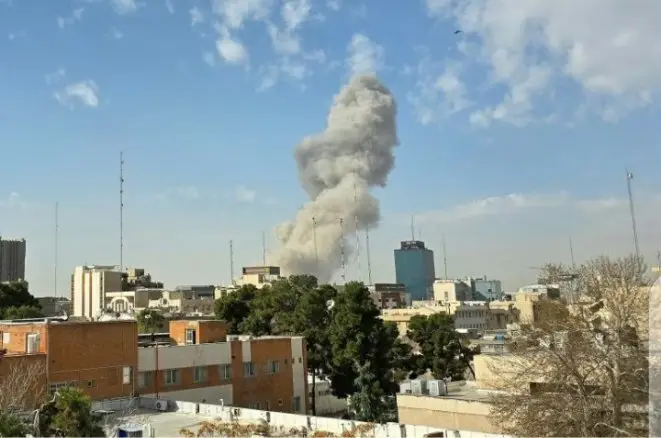
Precision strikes targeted the downtown Tehran compound of Supreme Leader Ayatollah Ali Khamenei, alongside the Presidential offices, the Ministry of Intelligence, and the Ministry of Defence.
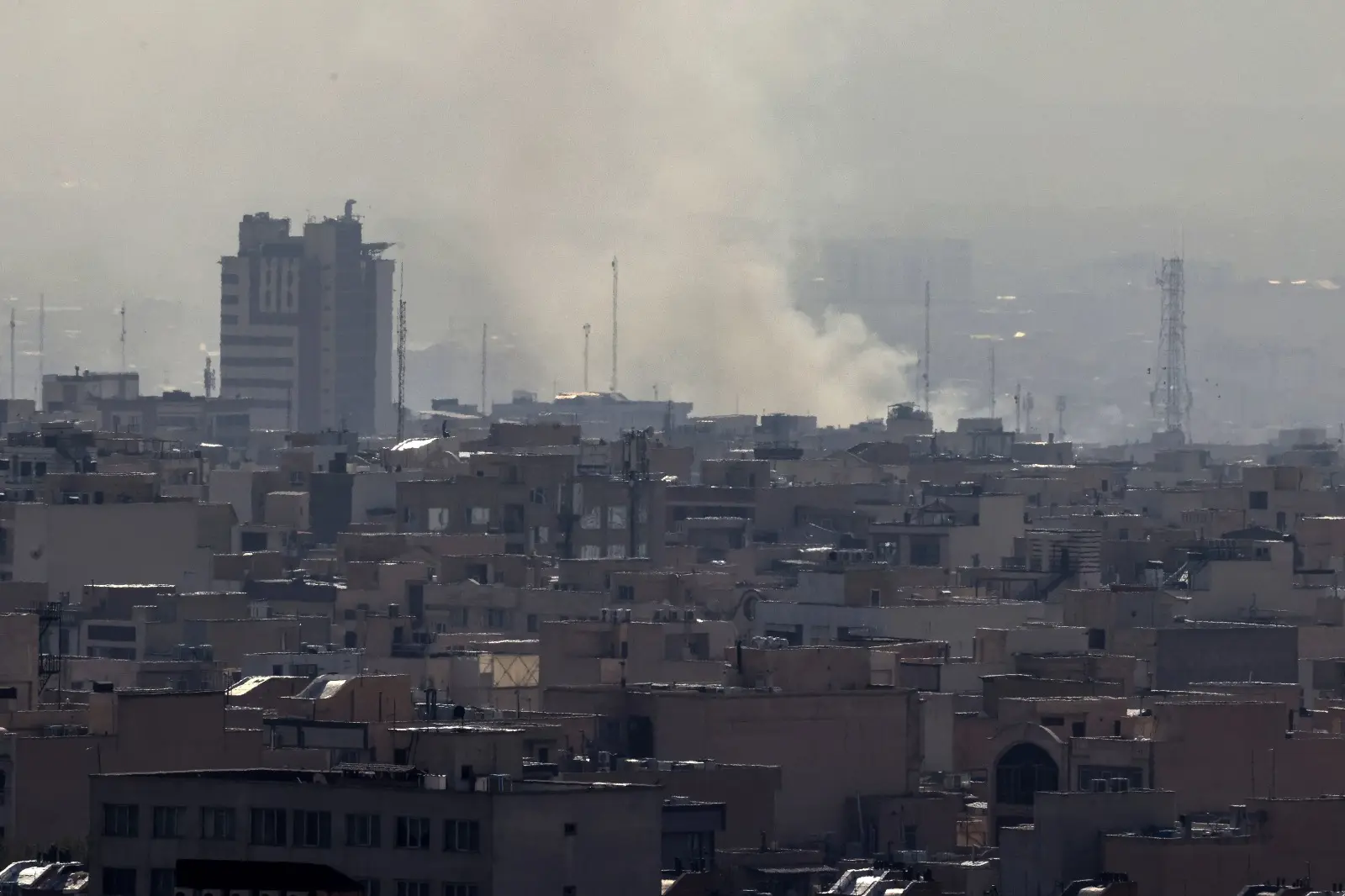
1. The Element of Surprise: A 10:00 AM Daylight Assault
In a significant departure from standard modern military doctrine, which typically relies on the cover of darkness for initial bombardments, the joint offensive began in broad daylight. The Associated Press and intelligence sources confirm that the first kinetic strikes hit their targets around 10:00 AM Tehran time on Saturday, February 28, 2026. The morning zero-hour was a calculated move designed specifically to catch Iranian air defense operators completely off guard, as Tehran reportedly did not anticipate a daytime assault.
2. Striking the Heart of the Regime
The very first munitions to impact Iranian soil were directed squarely at the political and spiritual leadership. Precision strikes targeted the downtown Tehran compound of Supreme Leader Ayatollah Ali Khamenei, alongside the Presidential offices, the Ministry of Intelligence, and the Ministry of Defence. While intelligence indicated Khamenei’s schedule during Ramadan made him a vulnerable target, reports later confirmed the 86-year-old leader had already been transferred to a secure, undisclosed location prior to the bombardment.
3. A Coordinated Multi-Domain Launch
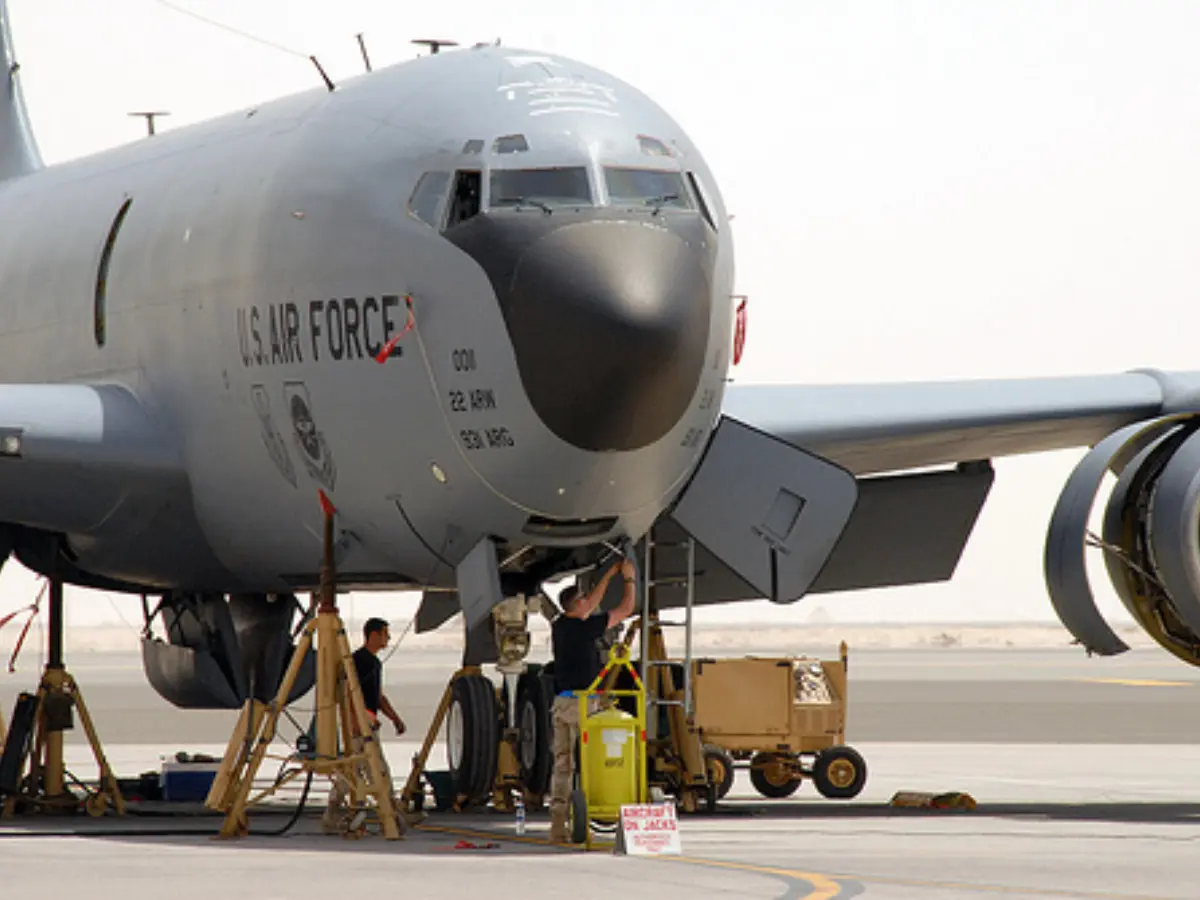
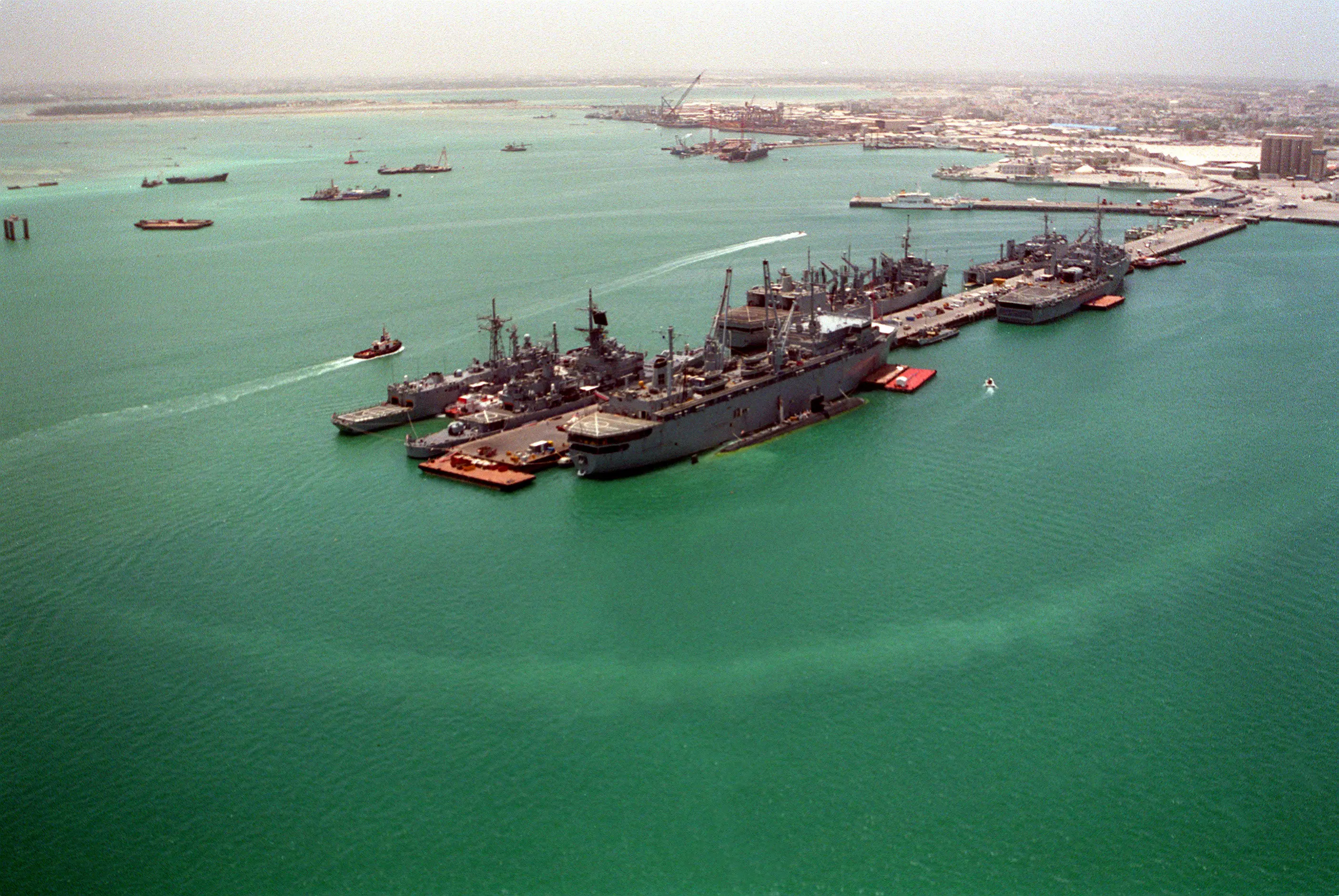
The opening offensive was not limited to airstrikes; it was a massive, synchronised assault launched simultaneously from the air and sea. The US Department of War directed American naval ships positioned in the region to launch waves of Tomahawk cruise missiles to overwhelm Iranian early-warning radar. These sea-launched munitions paved the way for advanced stealth aircraft, including F-35s operating out of bases like Muwaffaq Salti in Jordan, to penetrate Iranian airspace and deliver deep-penetrating bunker busters.
4. Months in the Making: 'Epic Fury' and 'Lion's Roar'
The sheer scale of the attack reflects extensive, high-level coordination between Washington and Tel Aviv. Israeli defence officials confirmed that the military campaigns, the US "Operation Epic Fury" and Israel's “Operation Lion's Roar”, had been planned for months. The final launch window was decided weeks in advance, following the massive buildup of a US naval armada that included the USS Gerald R. Ford and USS Abraham Lincoln carrier strike groups.
5. Dismantling the Nuclear and Missile Hubs
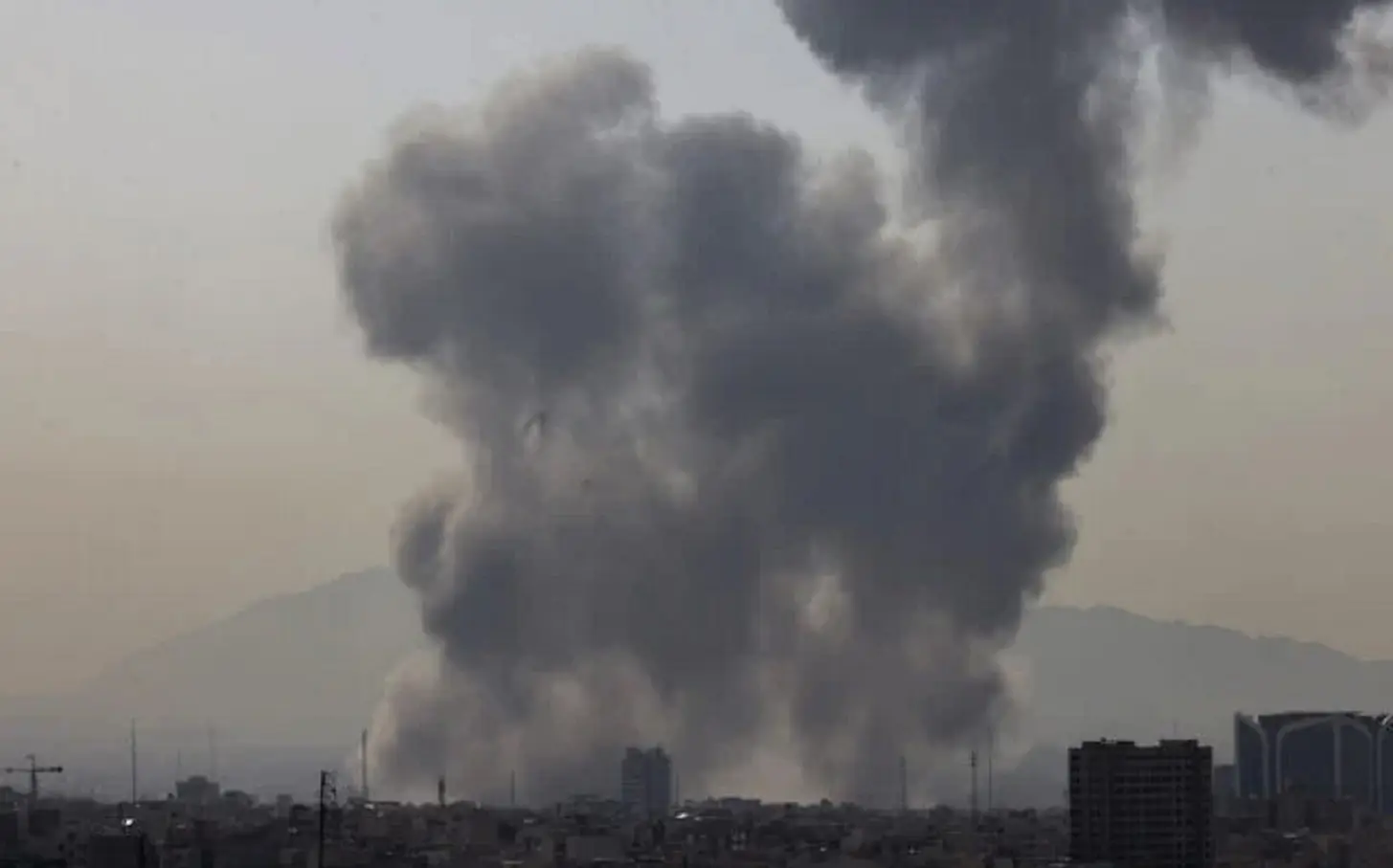
Immediately following the decapitation strikes in the capital, the offensive rapidly expanded to systematically dismantle Iran's strategic military-industrial complex. Heavy explosions rocked the Parchin military complex, a critical site for ballistic missile research, as well as the Iranian Atomic Energy Agency headquarters. Subsequent waves relentlessly pounded nuclear and missile infrastructure across the cities of Isfahan, Tabriz, Bushehr, Qom, and Karaj.
6. A Four-Day Initial Campaign
This is not a single, isolated surgical strike. Security sources speaking to Israeli media confirmed that the US and Israel are going "all out," with the initial, most aggressive phase of the joint offensive planned to last for at least four continuous days. This sustained bombardment strategy is designed to ensure that any surviving Iranian missile batteries or air defense systems are continuously suppressed and ultimately destroyed before they can be relocated.
7. Immediate Blackouts and Retaliation
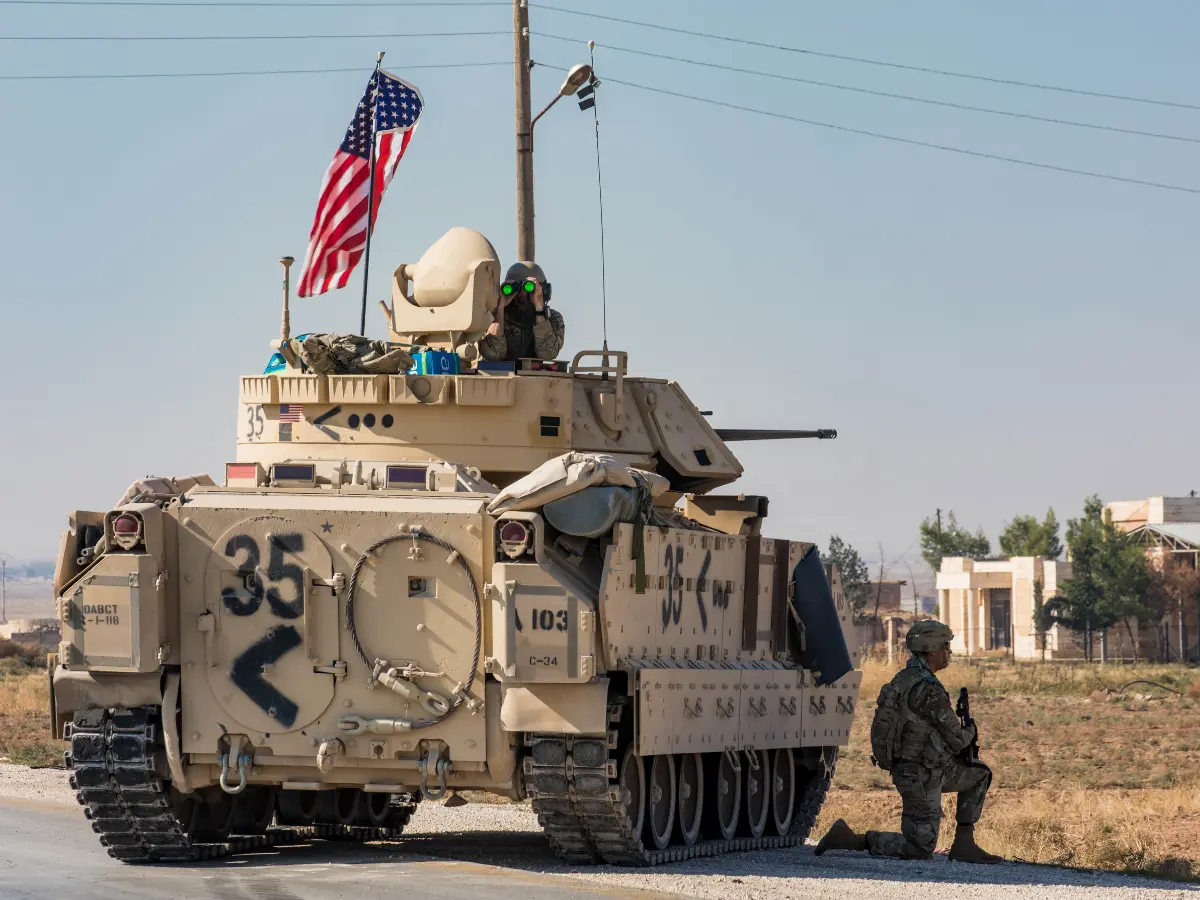
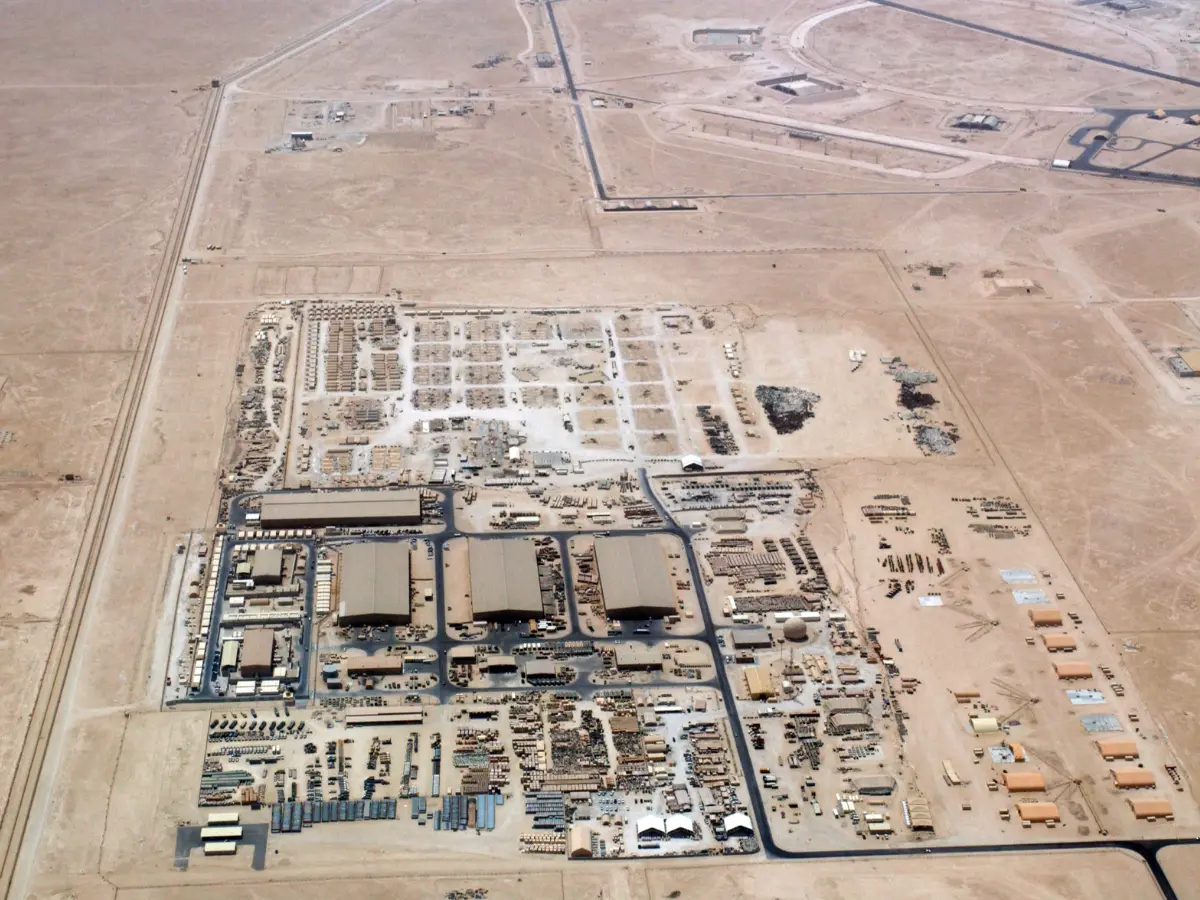
The immediate aftermath of the 10:00 AM strikes threw Iran into chaos. Mobile phone and internet services were abruptly severed across eastern and western Tehran to disrupt emergency communications and prevent the broadcasting of damage assessments. However, the Iranian military chain of command survived the initial shock, immediately ordering the complete closure of national airspace and initiating the massive retaliatory ballistic missile barrages that are currently striking US bases across the Gulf.
)
)
)
)
)