Is your job next? Top 8 roles most likely to be replaced by AI

As a result, roles built on communication, analysis, writing and repetitive digital tasks are now the most vulnerable, and the disruption is accelerating faster than predicted.

AI isn’t coming for jobs—it’s already here
A sweeping new round of mass layoffs across the world, including fresh cuts at Amazon, TCS, Microsoft and more has intensified a once-theoretical fear: AI is no longer just transforming work, it’s starting to replace workers. What was once a distant warning has now become a lived reality. According to Microsoft’s latest workplace data, artificial intelligence is already reshaping entire professions based on how employees are actually using tools like Copilot on the job. Instead of forecasting possibilities, this research tracks real-world behaviour to identify the jobs most at risk. As a result, roles built on communication, analysis, writing and repetitive digital tasks are now the most vulnerable, and the disruption is accelerating faster than predicted.
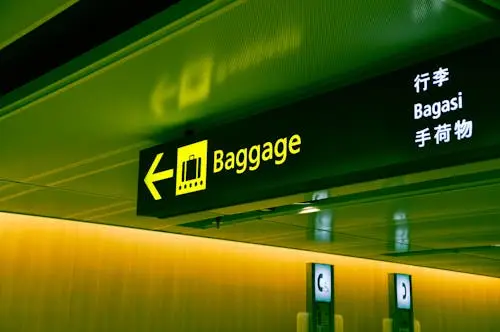
1. Interpreters and Translators – 98% AI impact
Language translation was once considered uniquely human, but generative AI has surpassed expectations. Tools like GPT-based translators now handle multilingual meetings, documents and live speech, making this profession the single most vulnerable to automation. Speed, accuracy, and low cost have dramatically reduced reliance on human interpreters.

2. Historians – 91% AI impact
Historians depend on research, archival work, and writing, core tasks easily replicated by large language models. AI can analyse centuries of documents in seconds, summarise trends, and even draft historical narratives, putting the field’s knowledge work at risk even if academic judgment remains human.
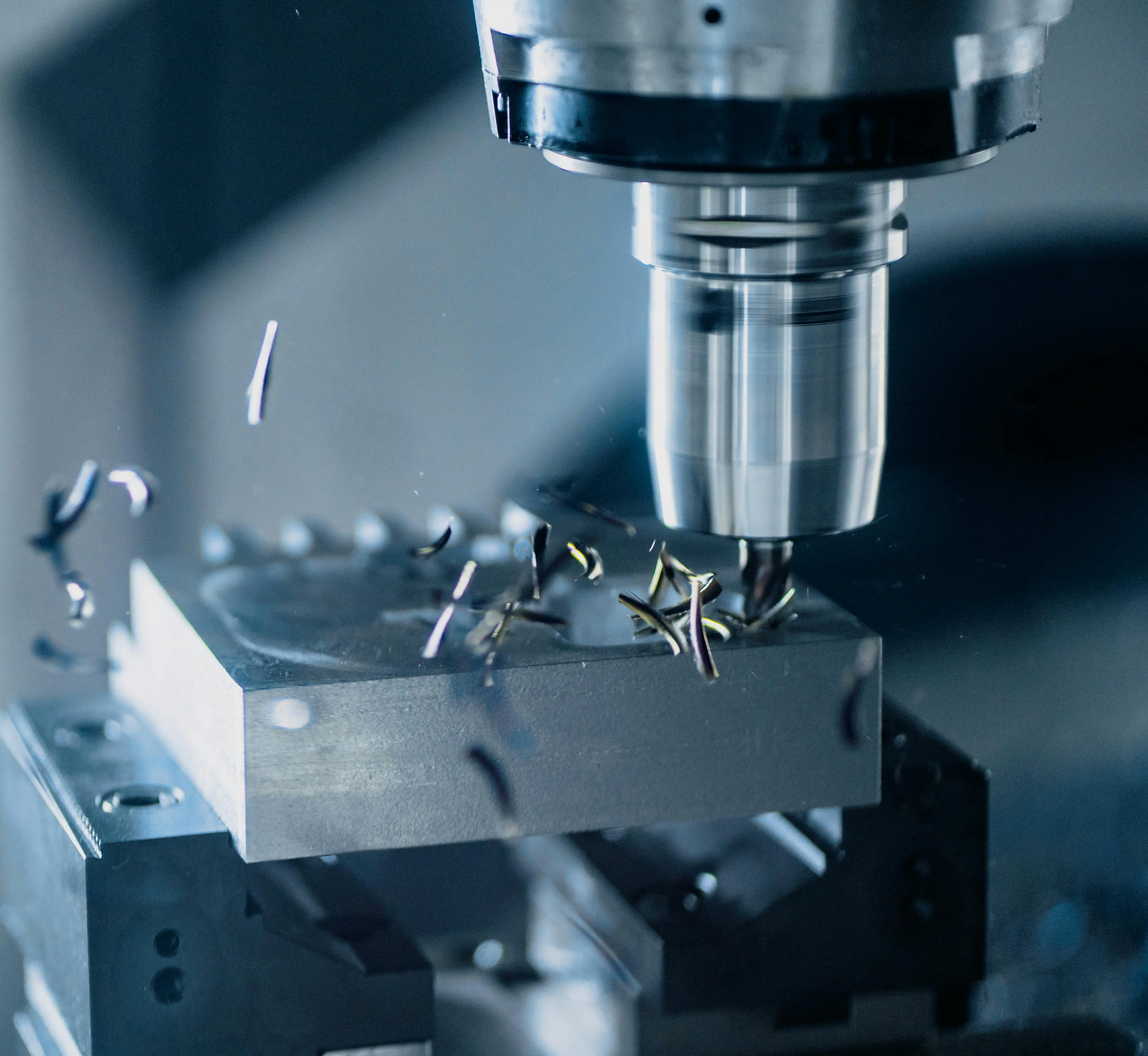
3. CNC Tool Programmers – 90% AI impact
These specialists program the machinery used in modern manufacturing. With AI now embedded into industrial design and code generation software, much of the programming can be automated or produced in seconds, transforming a role once protected by its technical complexity.

4. Writers and Authors – 85% AI impact
Content creation is one of the professions most visibly disrupted by AI. From news articles to marketing copy, AI can now draft text in multiple styles and tones in seconds. While human creativity remains important, much of the routine and commercial writing has already shifted to automation.

5. Sales Representatives (Services) – 84% AI impact
Many service-based sales tasks, prospecting, follow-ups, lead qualification, product explanations, are being taken over by AI chatbots, CRM automation and predictive sales systems. Human intervention now enters only at advanced stages of sales cycles, reducing the need for large workforces.
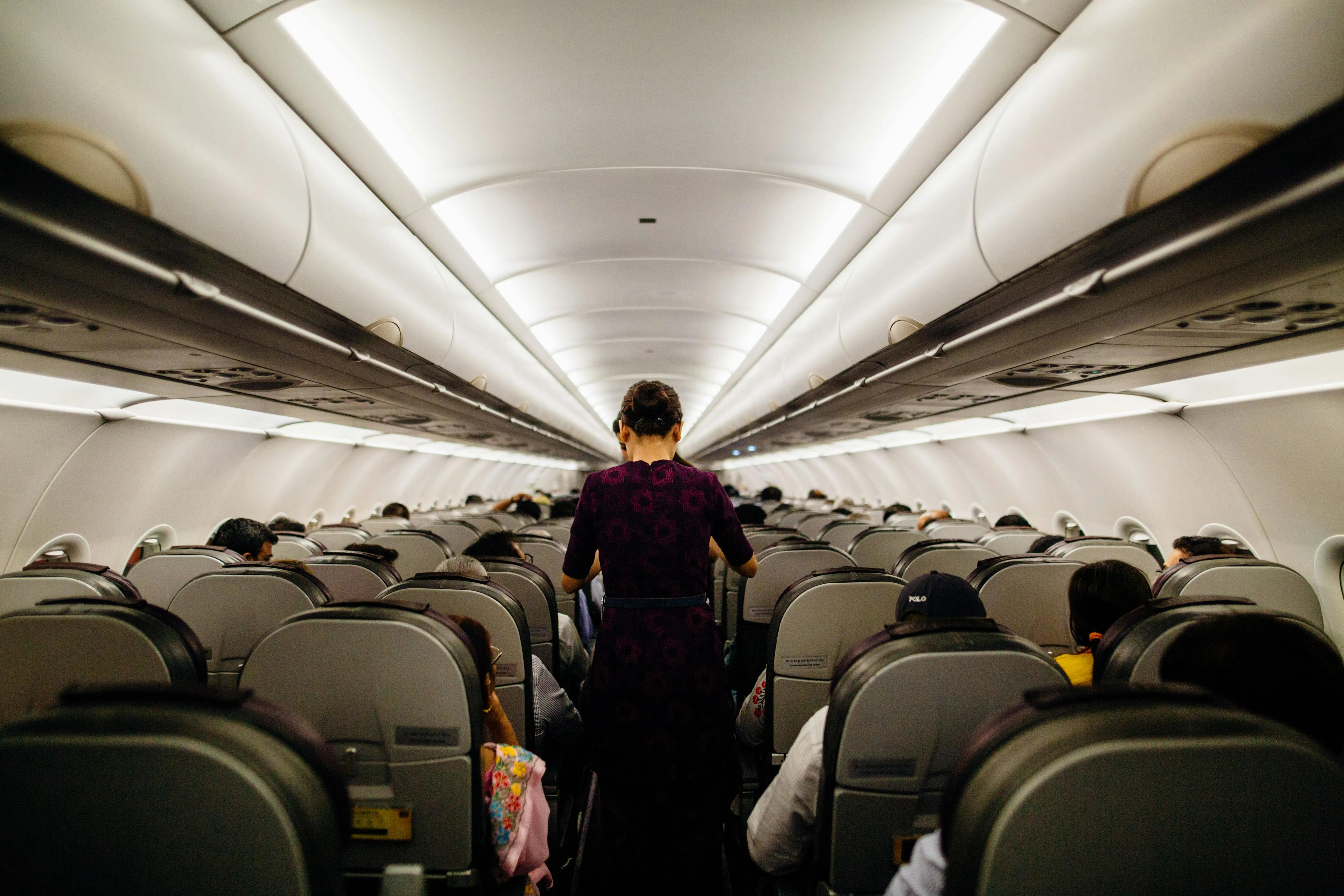
6. Passenger Attendants – 80% AI impact
Airlines and transport services are replacing human attendants with AI-driven kiosks, automated announcements, and customer apps. Because much of this job involves scripted interactions and routine explanations, AI systems now handle large portions of the work once done by staff.

7. Telephone Operators – 80% AI impact
AI voice assistants now route calls, provide scripted responses, and handle customer interactions without human input. The profession has been shrinking for years, and generative AI is accelerating its decline, making traditional operator roles nearly obsolete.

8. Customer Service Representatives – 72% AI impact
This is one of the largest global sectors facing disruption. AI chatbots now handle common queries, troubleshooting, feedback collection and complaint management at scale. The shift has already begun, especially in tech, telecom, finance and e-commerce, dramatically reducing reliance on human agents.

The new reality of AI-powered labour markets
These eight professions illustrate a larger shift: AI no longer just assists workers, it replaces entire task categories. Jobs involving physical labour, emotional intelligence or in-person interaction remain safer for now.
)
)
)
)
)