Is war looming? Why is Iran concealing and repairing ‘sensitive’ nuclear and military sites amid rising US tensions?

Satelllite images also show that Iran has buried tunnel entrances at a nuclear site that had been bombed by the US during the 12-day Israel-Iran war in June last year, fortified tunnel entrances near another, and has repaired missile bases struck in the conflict.
Introduction
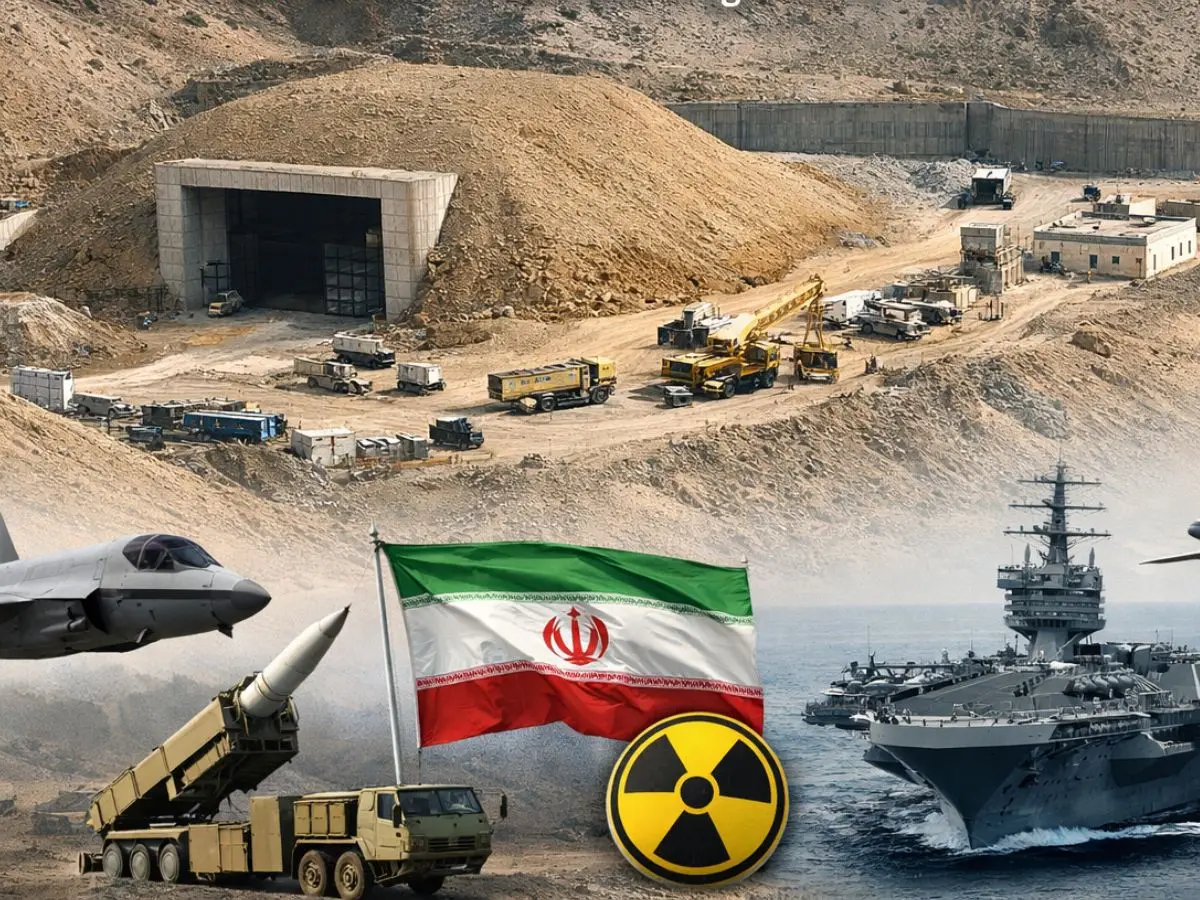
Recent satellite images analysed by intelligence experts show that Iran has been actively repairing, fortifying and concealing infrastructure at several strategic military and nuclear‑related facilities bombed by the US during Israel's 12-day war with Iran last year, as tensions with the United States and Israel remain elevated. This report comes as Washington seeks to negotiate a deal with Tehran on its nuclear programme while threatening military action if talks fail.
New structure at a sensitive military complex
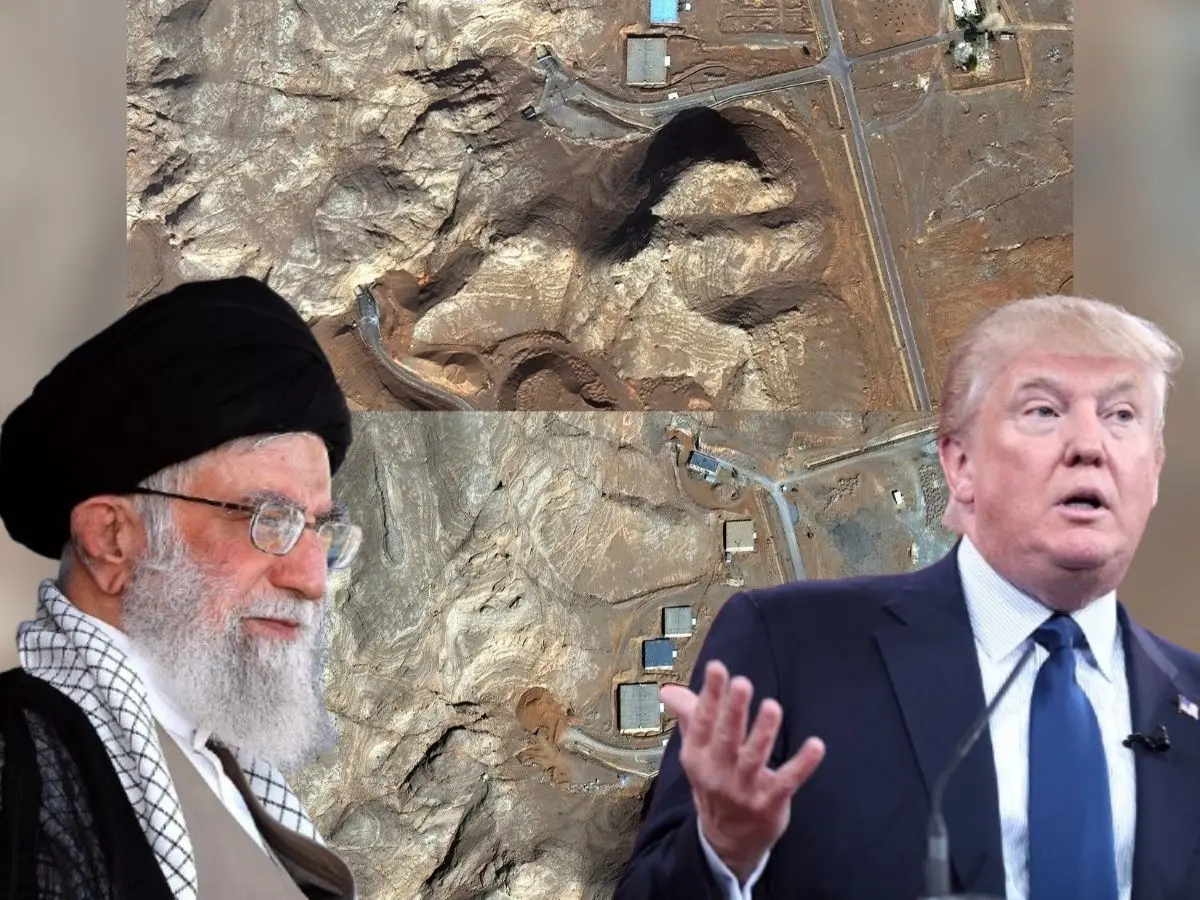
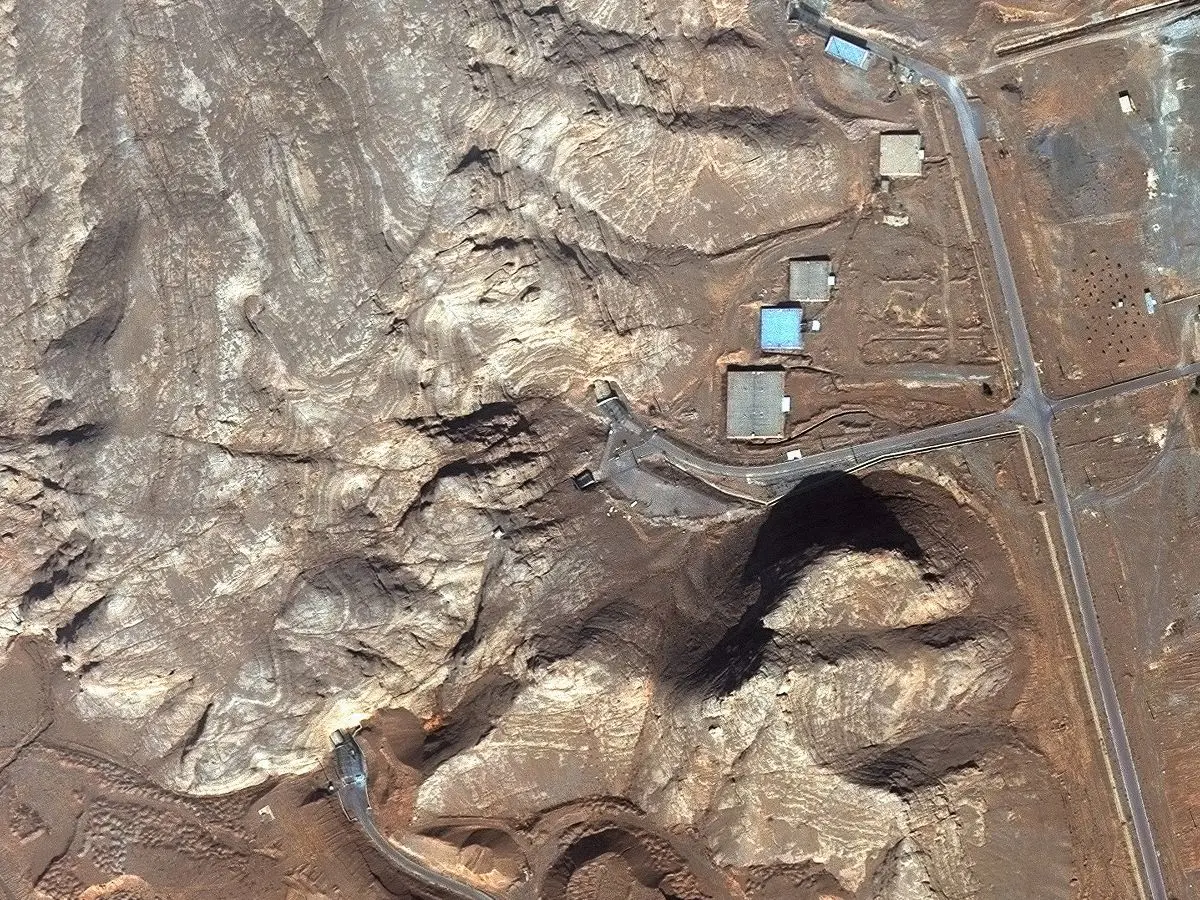
Some 30 km (20 miles) southeast of Tehran, at the Parchin military complex, which was reportedly struck by Israeli forces in 2024, satellite images show the construction of a new facility that is now enclosed within a concrete shield and buried under soil, likely for protection and camouflage, according to analysts cited by Reuters. This “sarcophagus”‑like enclosure suggests efforts to protect equipment or material from aerial observation or future strikes.
high‑explosive containment vessels?
The Institute for Science and International Security (ISIS) reported in November that the site showed ongoing construction, including a long cylindrical chamber, likely a high‑explosives containment vessel, measuring approximately 36 metres in length and 12 metres in diameter, housed within a building. ISIS noted that while high‑explosive containment vessels are essential for nuclear weapons development, they can also serve in the production of various conventional munitions.
Nuclear site entrances buried at Isfahan
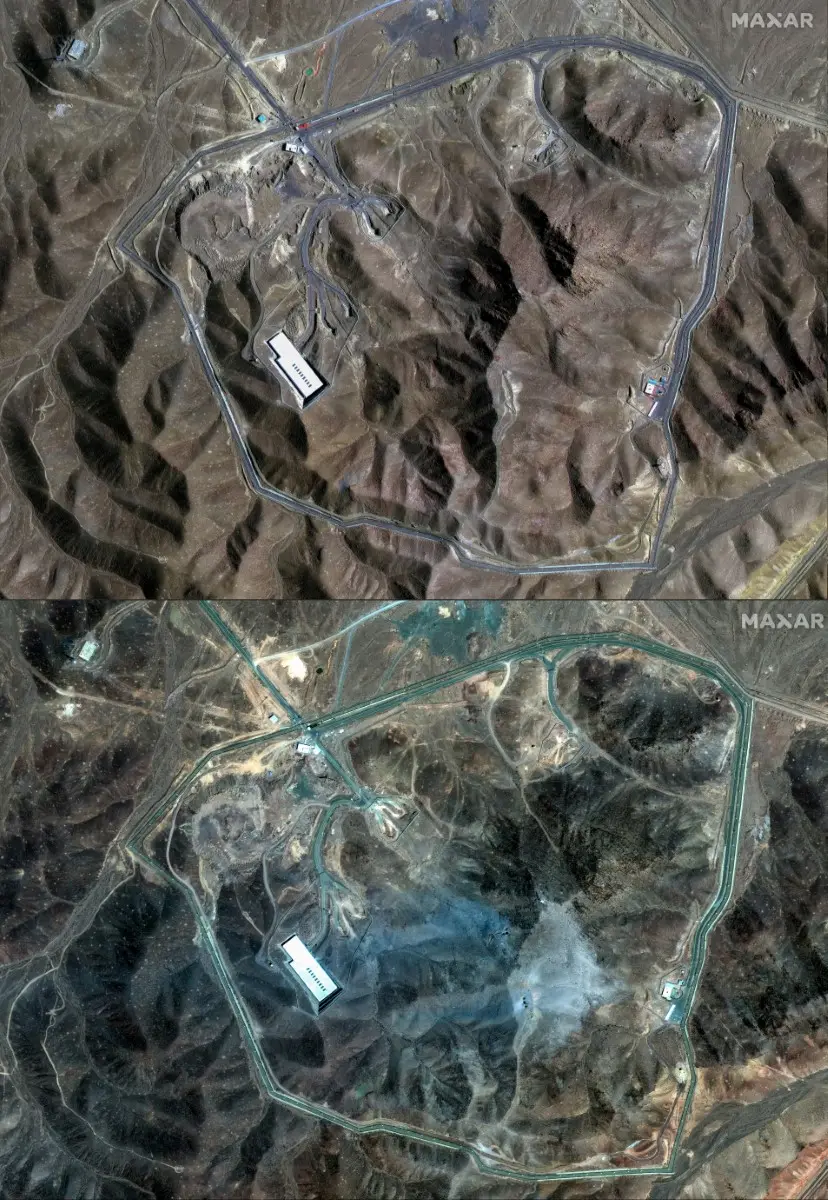
The images also reveal activity at the Isfahan nuclear complex, one of three key uranium enrichment sites previously struck by US forces in 2025. Satellite visuals indicate that all tunnel entrances have been "completely buried" with soil, potentially to protect stored enriched uranium and make the tunnels less vulnerable to airstrikes or ground incursions.
Fortifications near Natanz
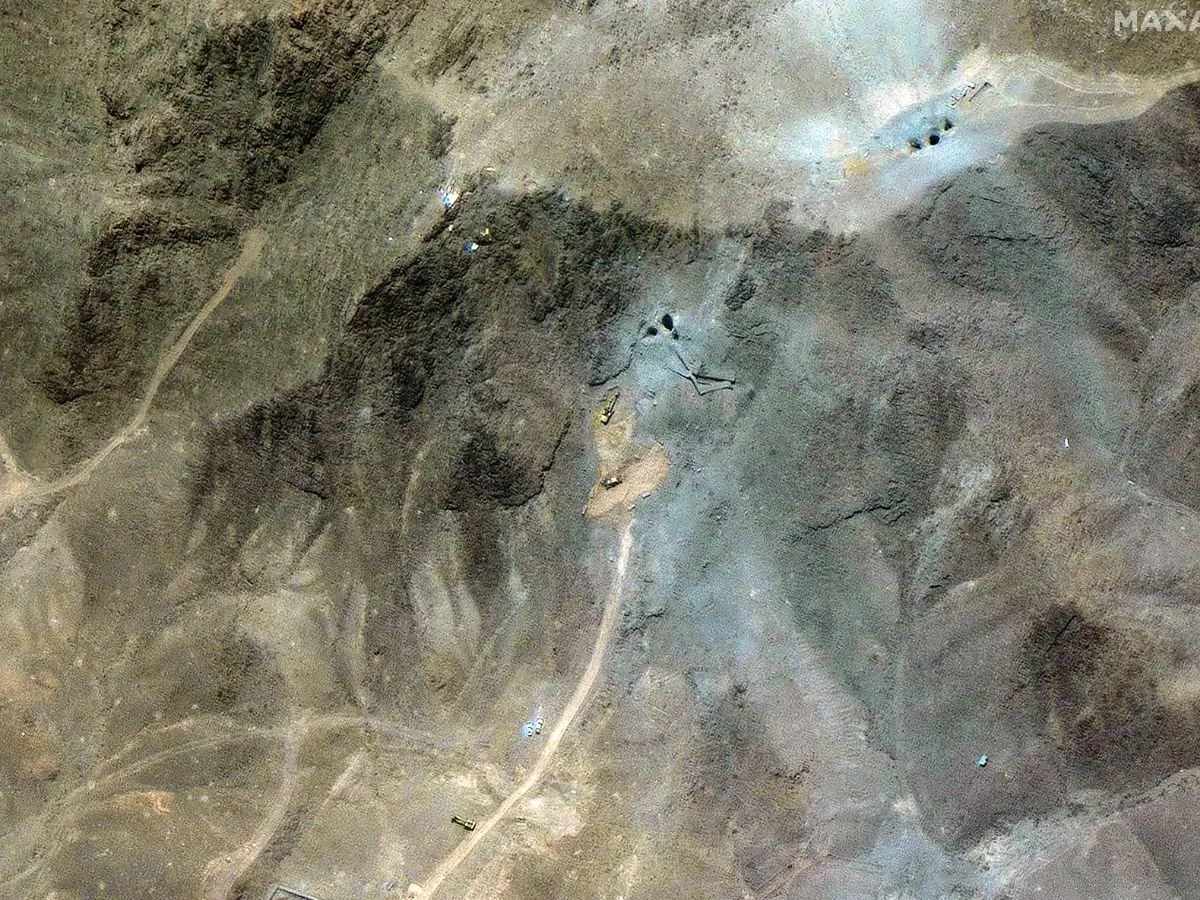
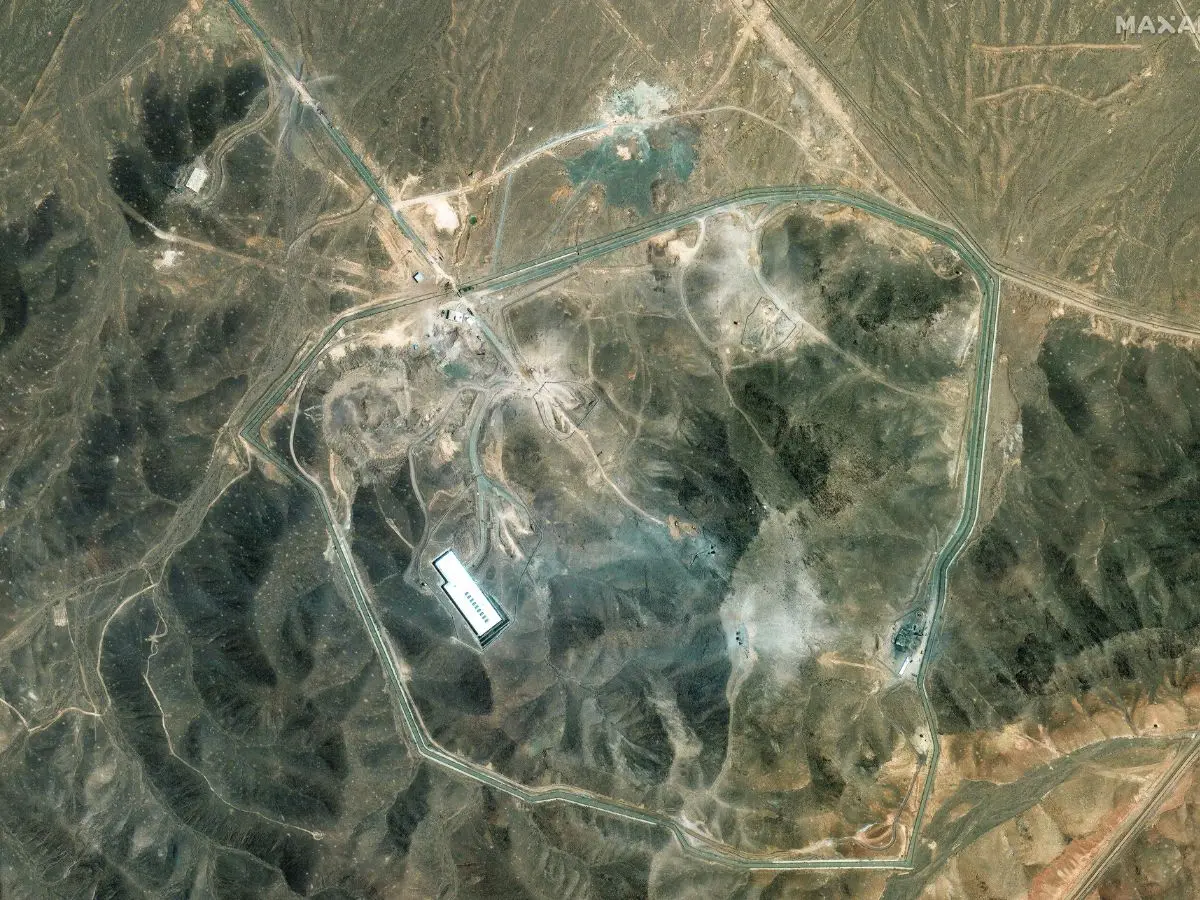
Iran appears to be fortifying tunnel entrances at a mountain complex approximately 2 km (1.2 miles) from Natanz, which houses two of the country’s uranium enrichment facilities, using heavy machinery. While the ultimate purpose of these efforts is not entirely clear, analysts have interpreted the work as defensive reinforcement. Satellite imagery shows ongoing activity across the complex, including the movement of numerous vehicles such as dump trucks, cement mixers, and other heavy equipment, according to the Institute for Science and International Security (ISIS).
Missile base reconstruction
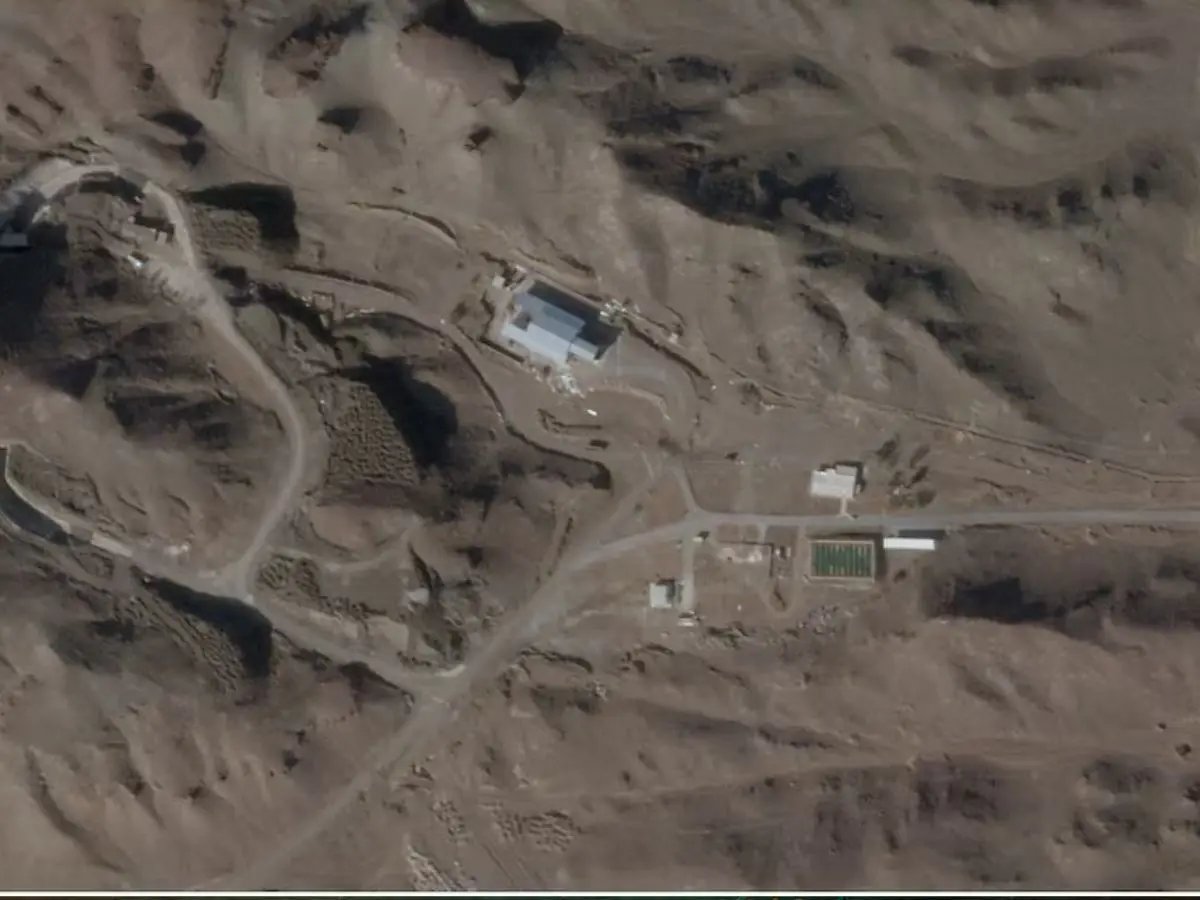
Satellite imagery further indicates that missile bases near Shiraz and Qom, damaged during the 2025 conflict, are being repaired. While the Shiraz site remains only partially operational, the main damaged structure at Qom now has a completed roof, suggesting a return to basic functionality.
Shielding infrastructure amid diplomatic uncertainty
These developments came to light as US and Iranian officials engaged renewed nuclear negotiations in Geneva. Though Iranian officials have reported progress on “guiding principles” for talks, no agreement has yet been concluded. Analysts say the fortification work could be aimed at protecting critical infrastructure against potential future strikes while complicating efforts to monitor or neutralise Iran’s capabilities.
Implications for regional tensions
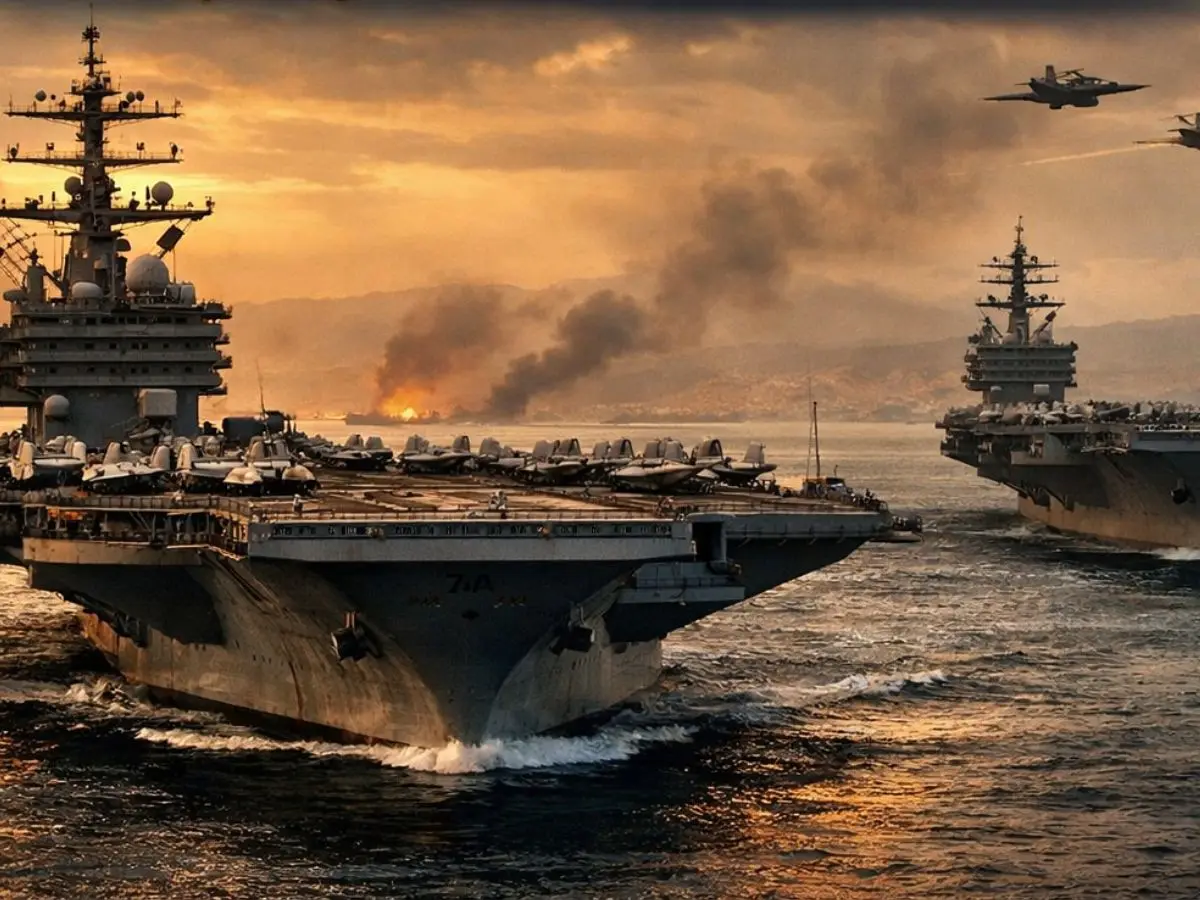
The United States has already warned that failure to reach a nuclear deal with Iran could trigger 'serious consequences', signalling readiness for military action if Tehran crosses Washington’s 'red lines'. In recent weeks, the US has deployed two aircraft carrier strike groups, including USS Gerald R. Ford and USS Abraham Lincoln, along with more than 50 F‑35, F‑22, and F‑16 fighter jets, guided-missile destroyers, and surveillance assets to the Middle East, signalling its determination to deter further escalation. By fortifying key sites and protecting tunnel entrances, Iran appears to be preparing for a range of contingencies, from continued sanctions to possible future military action.
)
)
)
)
)