Is USS Abraham Lincoln also escorted by a submarine?

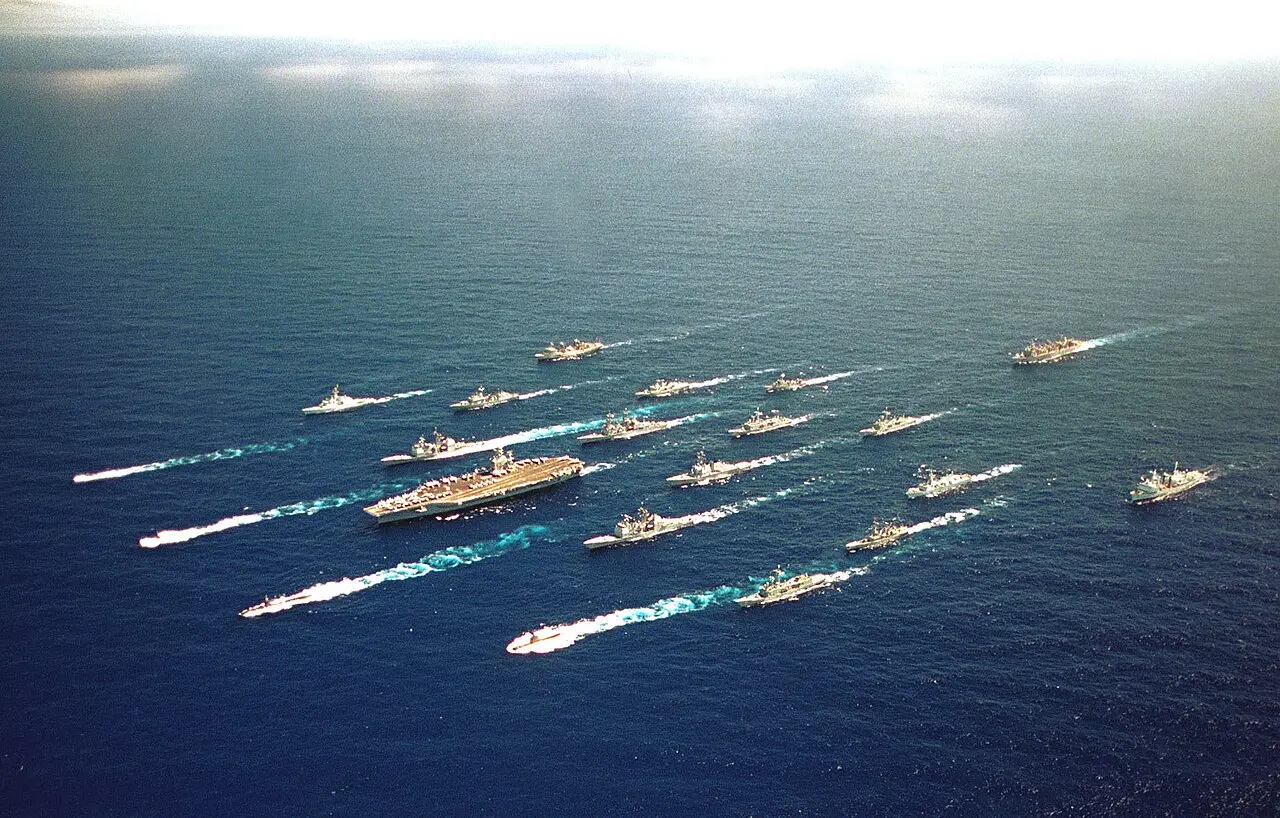
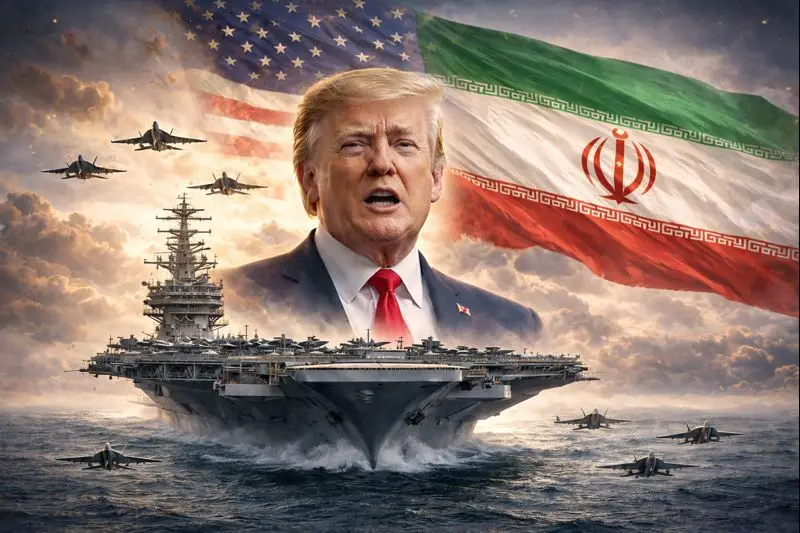
The USS Abraham Lincoln carrier strike group has arrived in the Middle East. It is guarded by a powerful screen of destroyers and likely a nuclear-powered submarine to ensure regional security.
Silent underwater protection
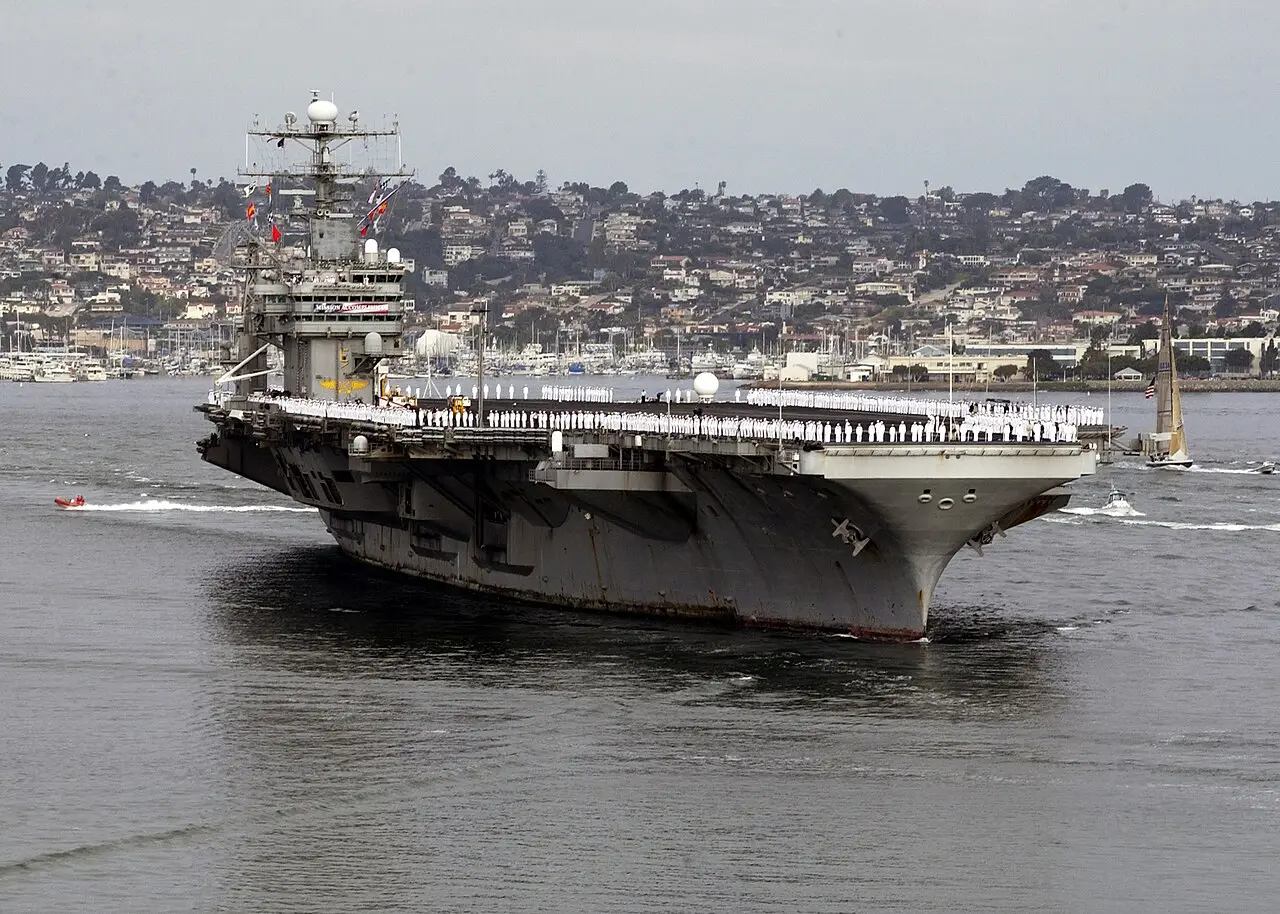
A US carrier strike group typically includes one or two nuclear-powered attack submarines. These vessels act as a silent screen against hostile surface ships and other submarines. While their exact locations are often kept classified for security, they are a standard component of carrier defence.
Powerful surface escorts
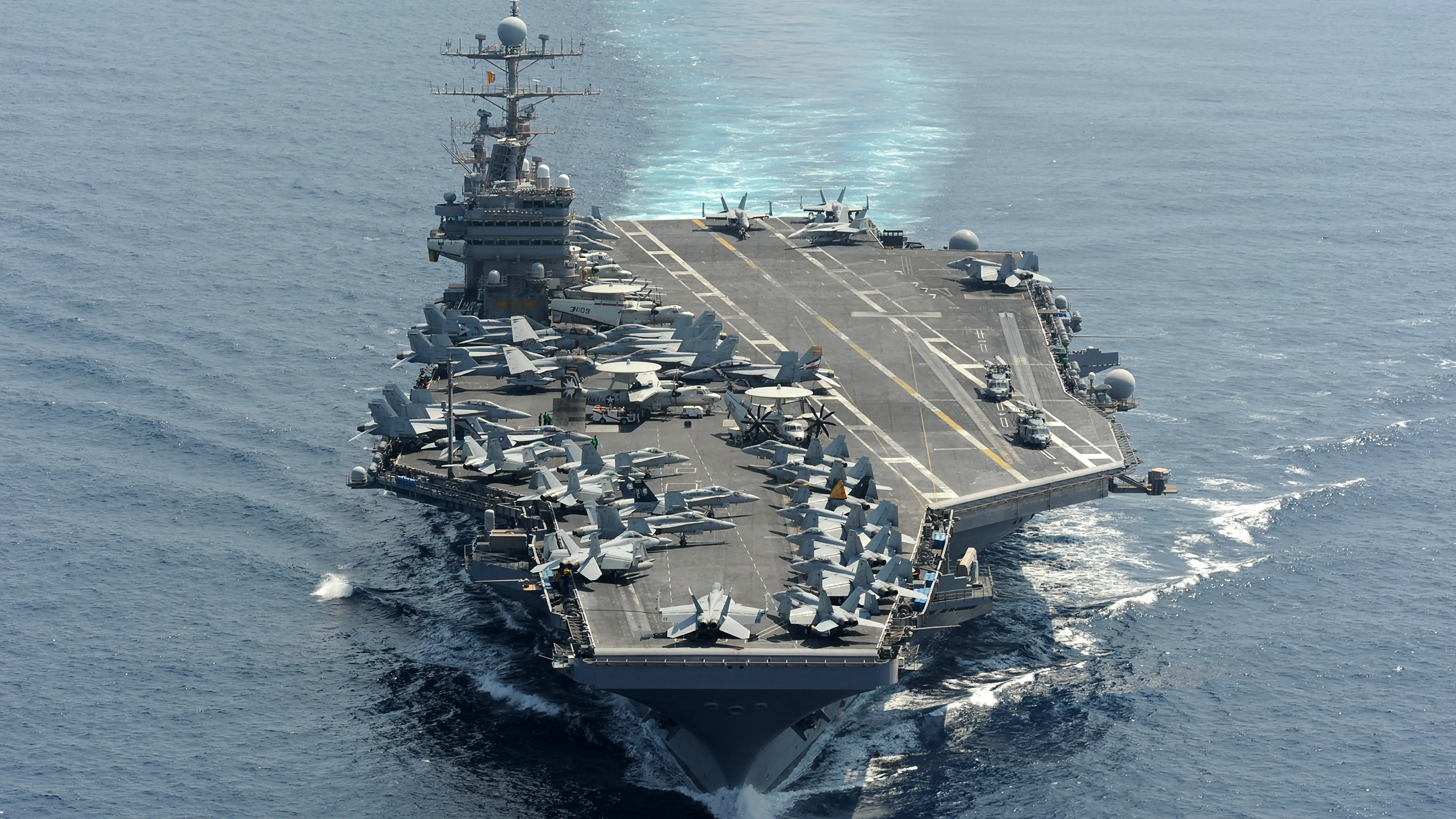
The USS Abraham Lincoln is currently escorted by Destroyer Squadron 21. This group includes the Arleigh Burke-class destroyers USS Frank E. Petersen Jr., USS Spruance, and USS Michael Murphy. These ships provide advanced air and missile defence to protect the carrier from incoming threats.
The role of submarines
Fast-attack submarines assigned to strike groups are used to conduct surveillance and long-range strikes. They carry Tomahawk cruise missiles that can hit targets deep inland. Their main job is to ensure no underwater threats approach the nuclear-powered aircraft carrier.
Entering the Middle East
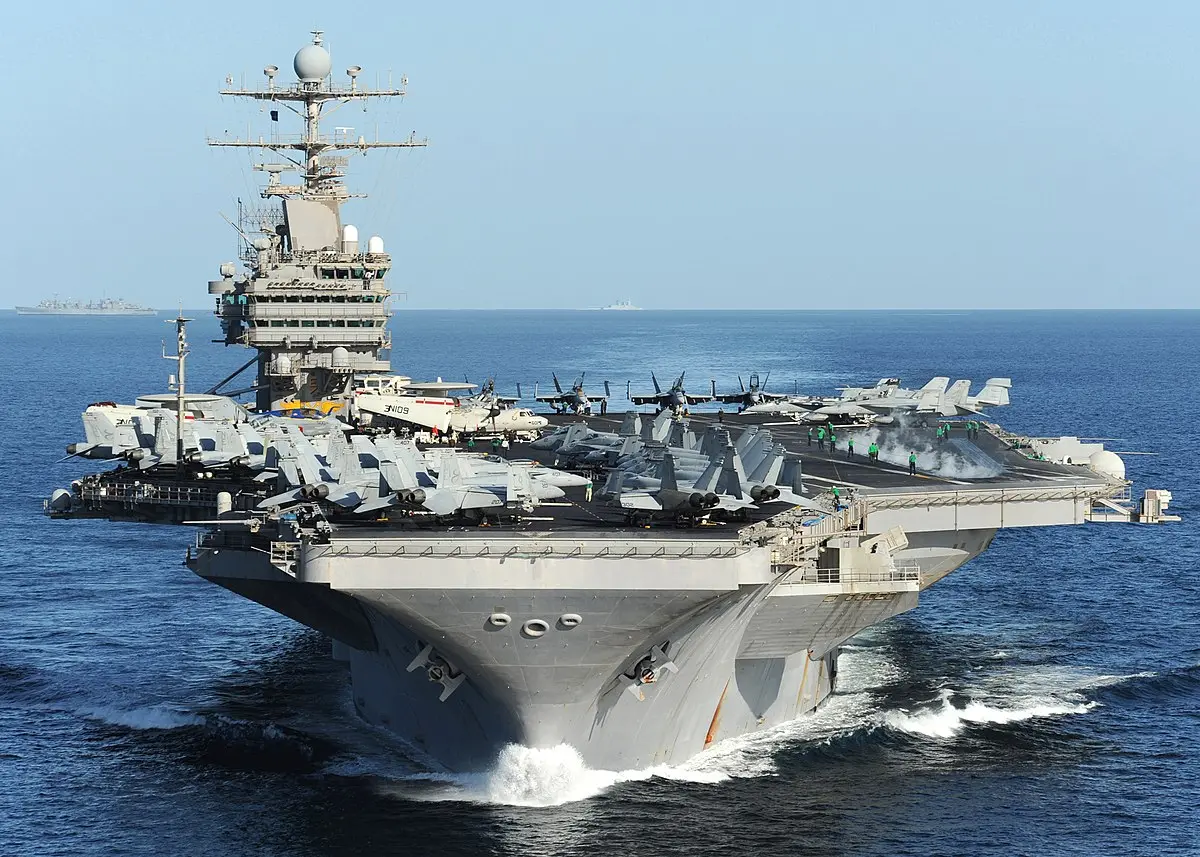
The strike group transited the Strait of Malacca on 19 January and entered the Arabian Sea shortly after. It has now joined the U.S. 5th Fleet's area of operations. This move is part of a strategic shift to increase U.S. naval presence in the region.
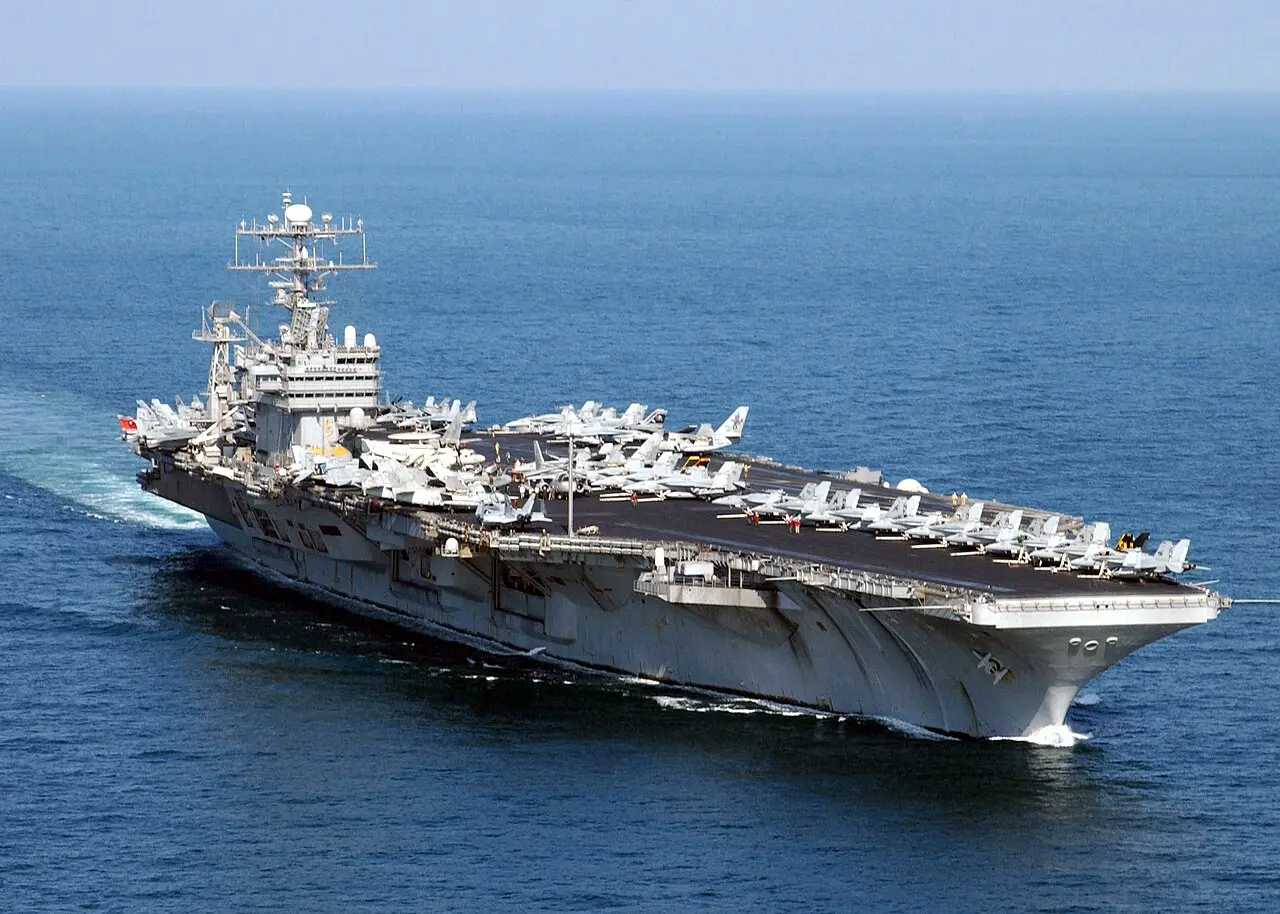
Nuclear-powered capabilitiesNuclear-powered capabilities
The USS Abraham Lincoln is a Nimitz-class carrier powered by two nuclear reactors. Its escorting submarines are also nuclear-powered, allowing them to remain submerged for months. This enables the entire group to operate at high speeds for extended periods without refuelling.
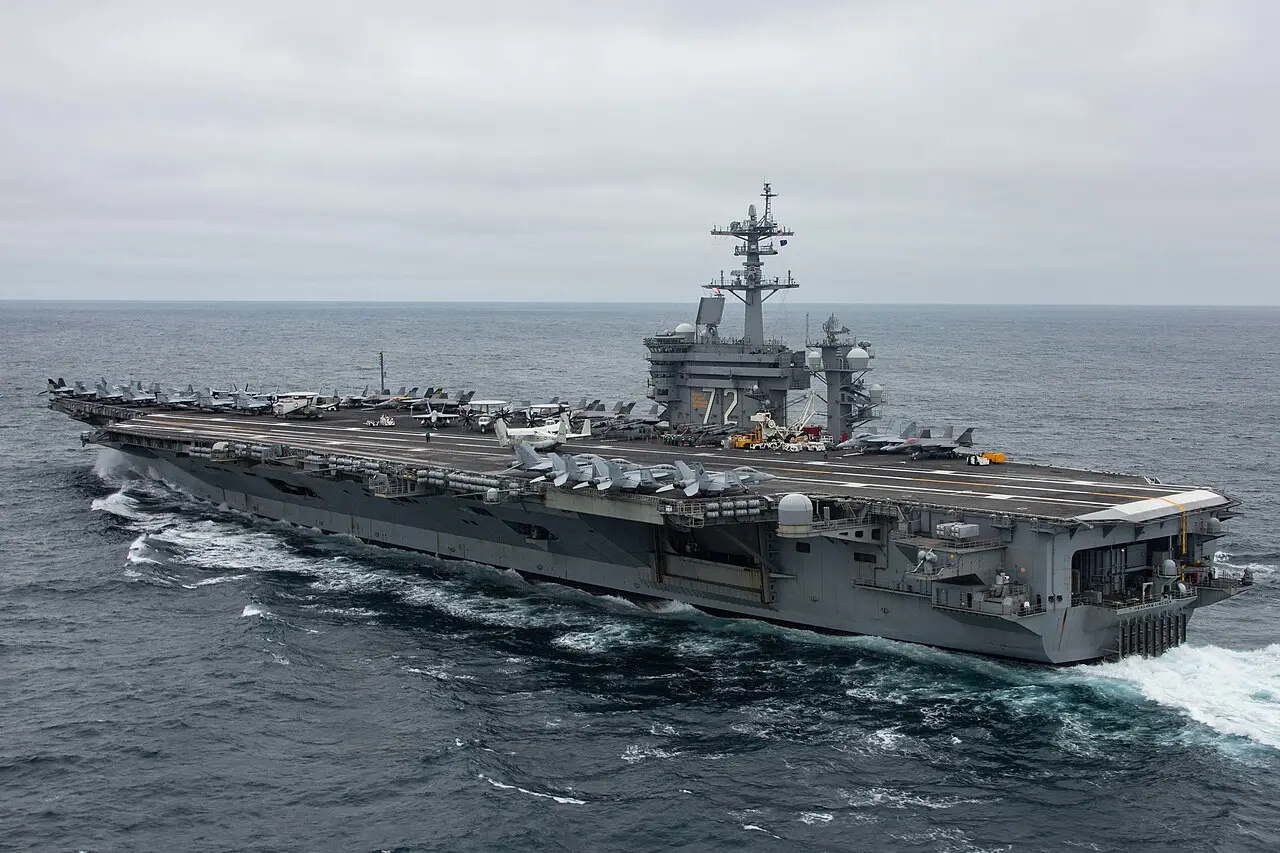
Advanced stealth fighters
Aboard the carrier is Carrier Air Wing 9, which features F-35C Lightning II stealth fighters. These are the most advanced jets in the U.S. Navy's inventory. The wing also includes F/A-18 Super Hornets and EA-18G Growler electronic warfare aircraft for total air dominance.
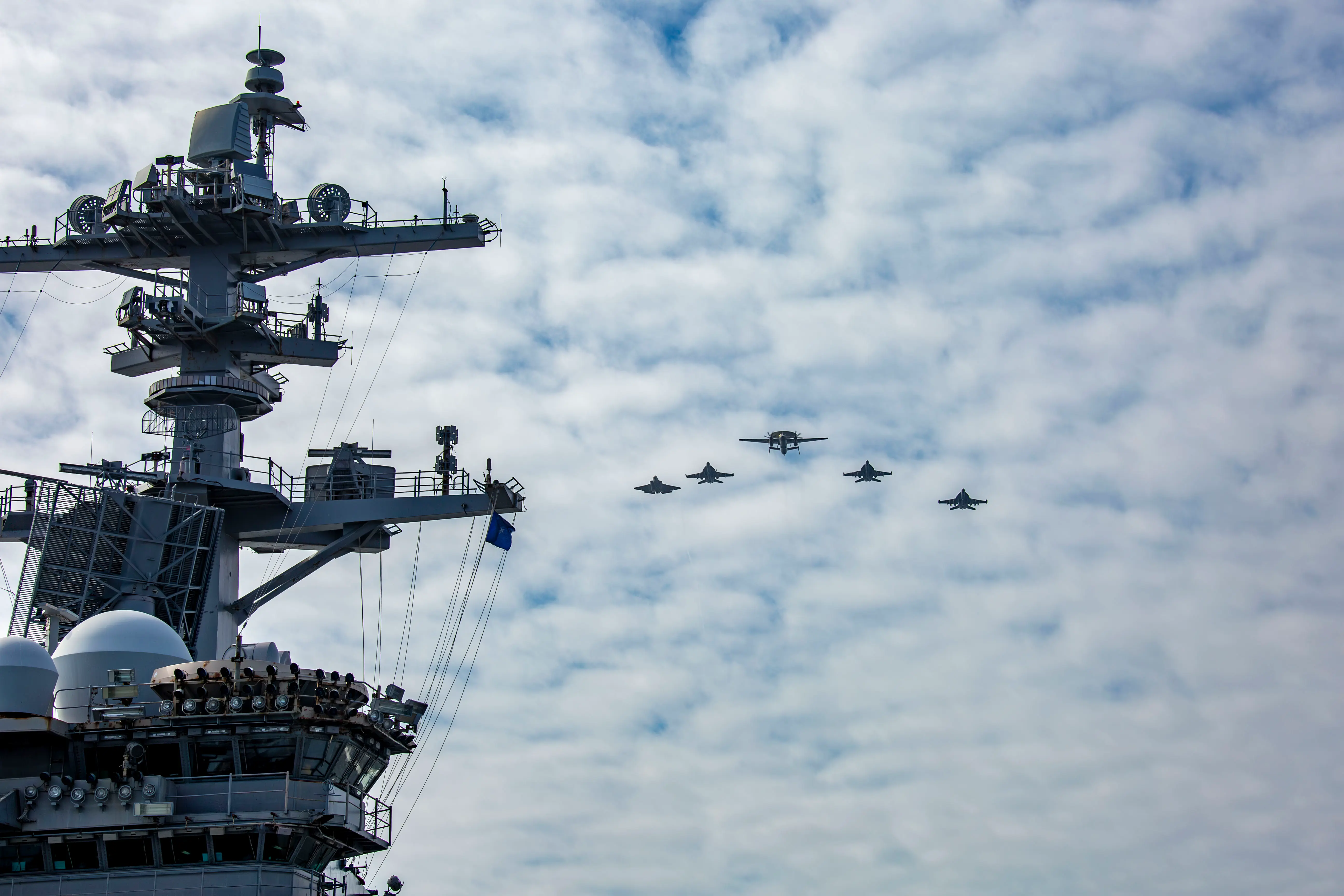
Layered defence system
The strike group uses a multi-layered defence strategy known as the Aegis Combat System. This integrates the sensors of the destroyers and the carrier to track and destroy multiple targets. Submarines add to this by monitoring the "sub-surface" layer for any stealthy threats.
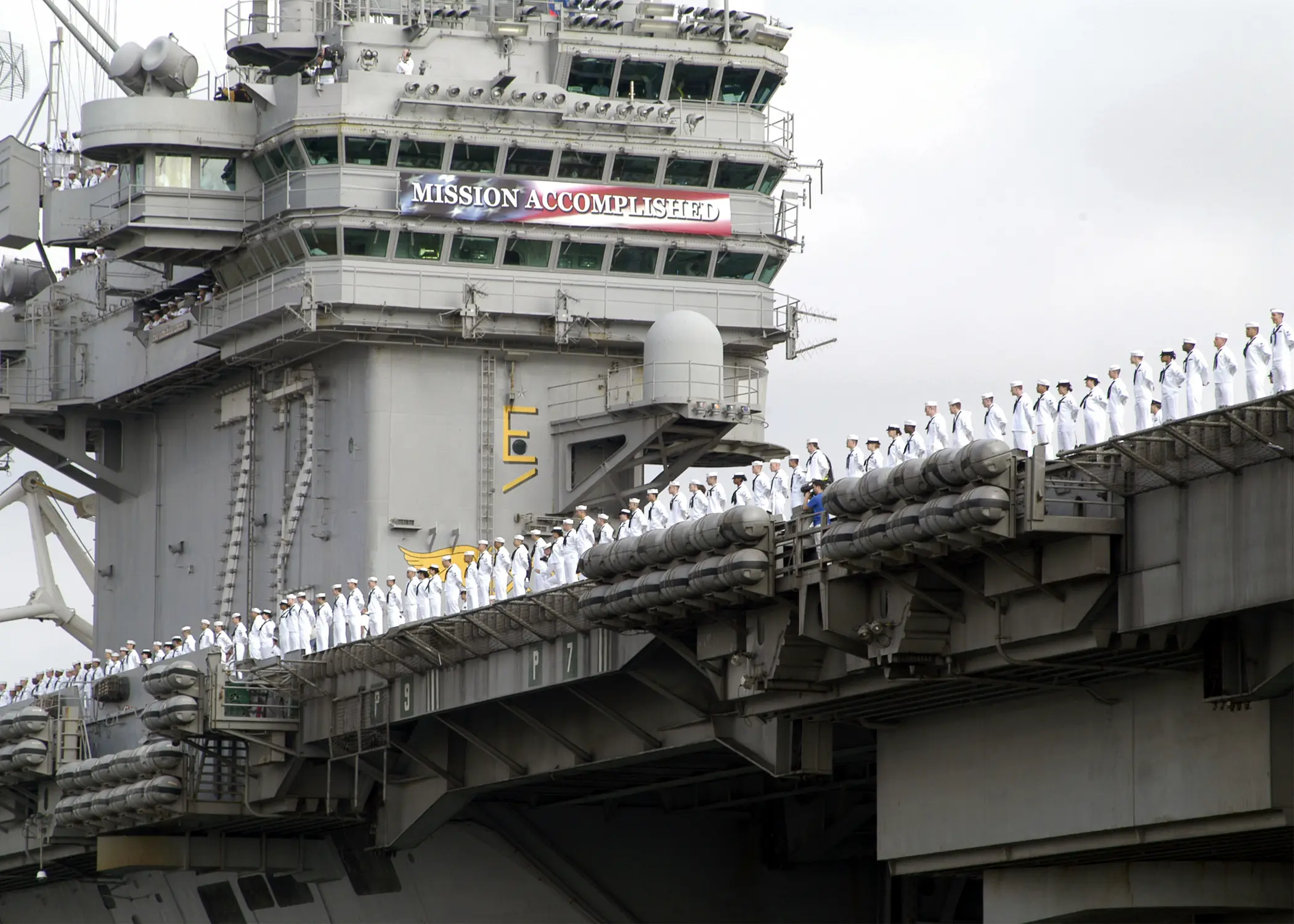
Strategic deterrence mission
The arrival of this "armada" is intended to deter regional aggression and protect maritime trade routes. U.S. officials state the deployment provides flexible military options. Having a submarine in the mix ensures the group can respond to threats from any direction
Classified deployment details
The U.S. Navy rarely confirms the specific name or position of a submarine within a strike group. This policy of "strategic ambiguity" keeps adversaries guessing about the true size of the force. However, historical naval doctrine suggests at least one submarine is always present.
Maintaining regional stability
The strike group's presence covers strategic choke points connecting the Mediterranean and the Pacific. By operating in the Arabian Sea, the USS Abraham Lincoln ensures freedom of navigation. The combined power of its aircraft, destroyers, and submarines forms a formidable force.
)
)
)
)
)