Published: Mar 11, 2026, 15:41 IST | Updated: Mar 11, 2026, 15:41 IST
The signals echo espionage techniques widely used during the Cold War, when intelligence agencies relied on ‘numbers stations’ to relay encrypted instructions.
1 / 6
(Photograph: AI generated)
A shadow war beyond the battlefield
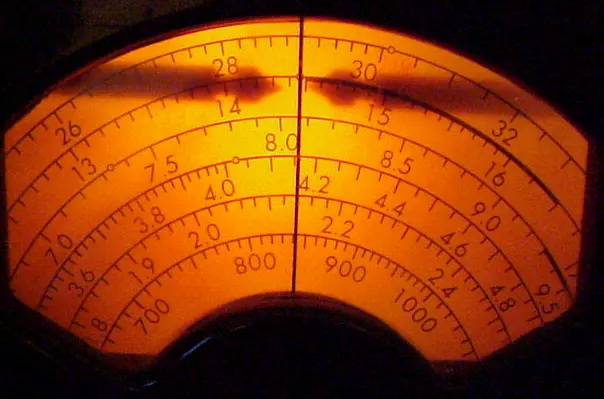
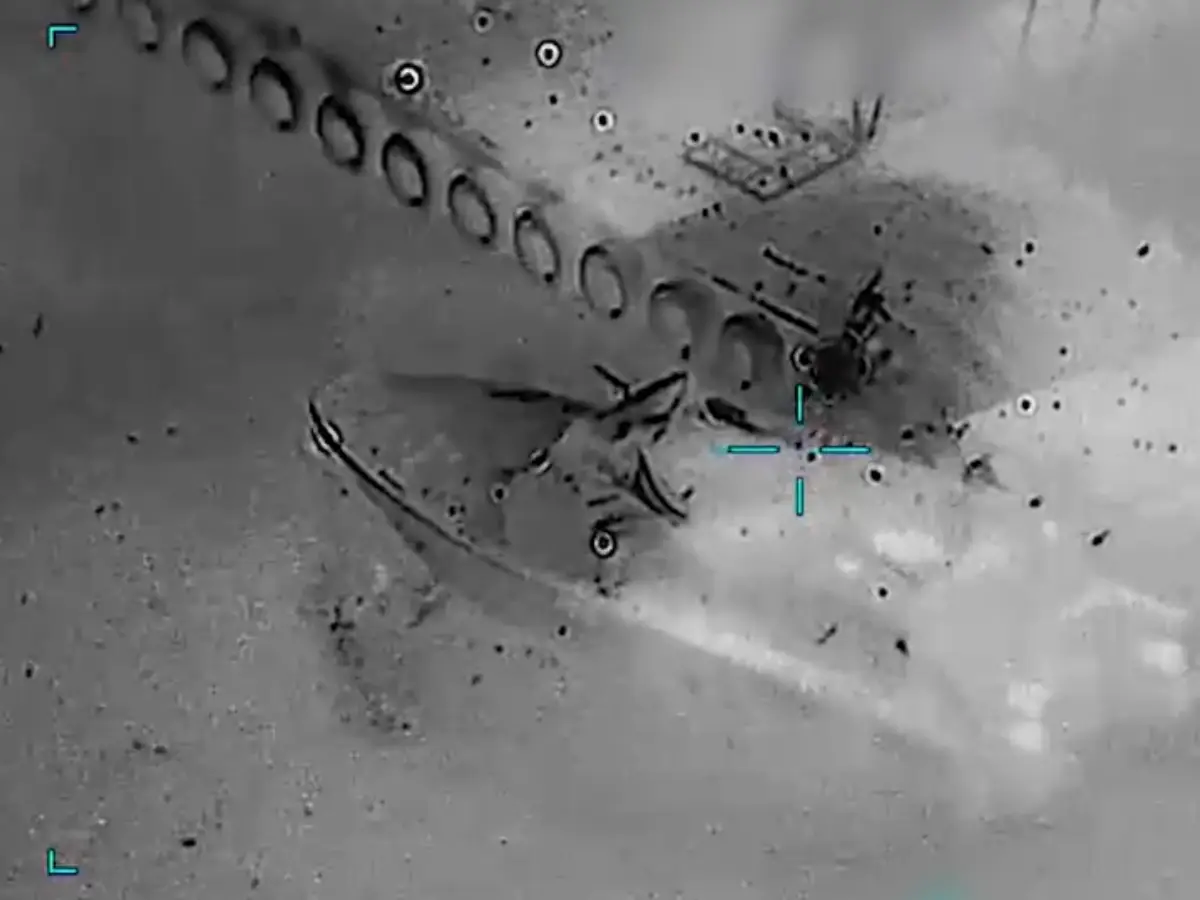
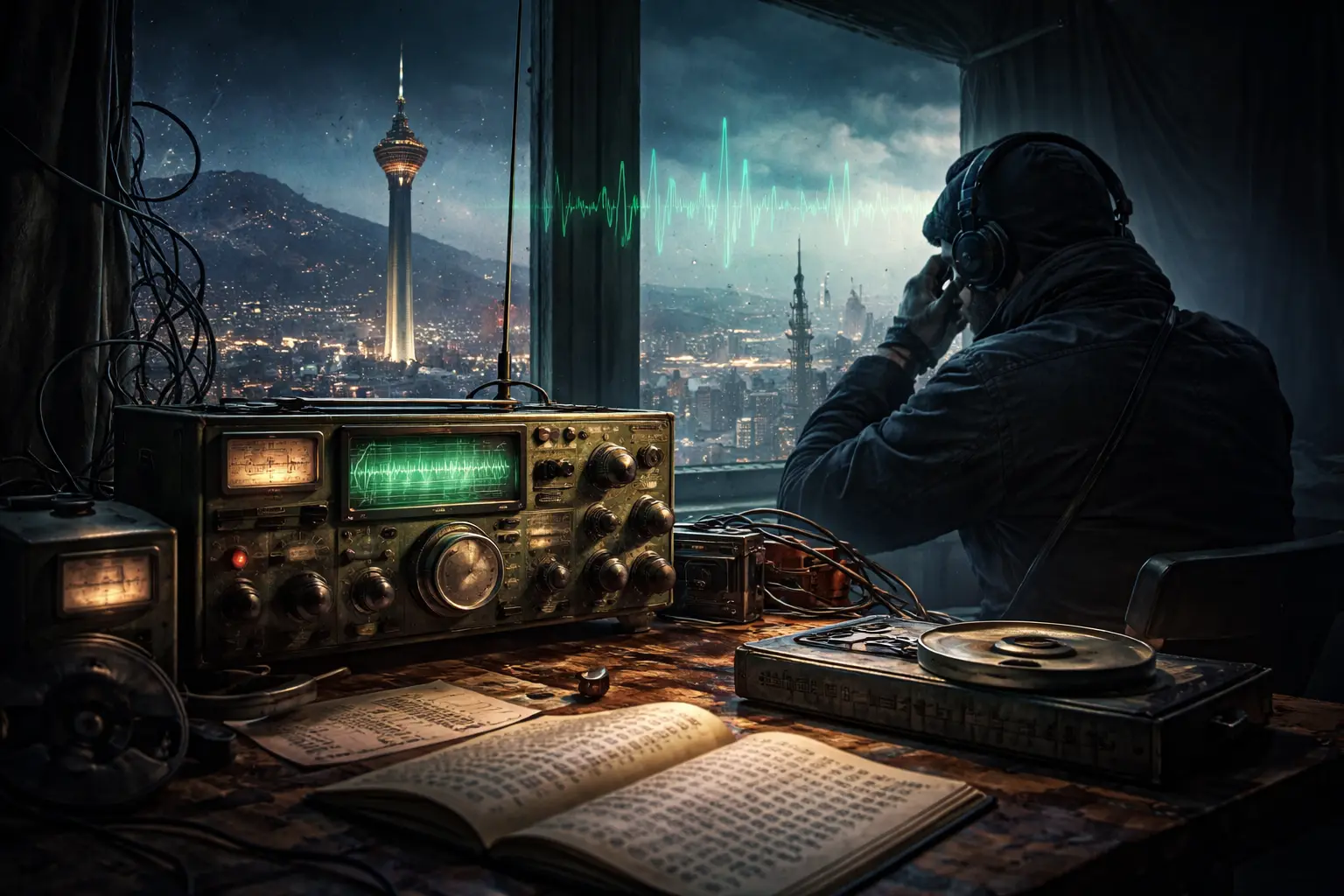
In an era dominated by artificial intelligence, cyber warfare and satellite surveillance, an unexpectedly old technology has resurfaced in the geopolitical contest around Iran: short-wave radio. Since February 28, shortly after the United States and Israel launched strikes on Iranian targets, a mysterious Persian-language broadcast began appeared on short-wave frequencies, according to the Financial Times. The signals echo espionage techniques widely used during the Cold War, when intelligence agencies relied on ‘numbers stations’ to relay encrypted instructions. Their reappearance suggests that alongside military strikes and cyber operations, a covert intelligence campaign may also be unfolding.
2 / 6
The return of the “numbers station”
The broadcasts resemble what intelligence experts call a ‘numbers station’, short-wave radio channels that transmit sequences of numbers or coded phrases. Widely used by intelligence agencies during the Cold War, such stations delivered encrypted instructions to operatives in hostile territory. In the recent transmission, a man began with the words “Tavajjoh! Tavajjoh!” (“Attention! Attention!”) the call repeated three times before reading out a sequence of seemingly random numbers, “Six. Four. Zero. Nine. Three. Nine.”. Short-wave enthusiasts monitoring the signal have labelled the station 'V32'.
3 / 6
Why radio still matters in the digital age
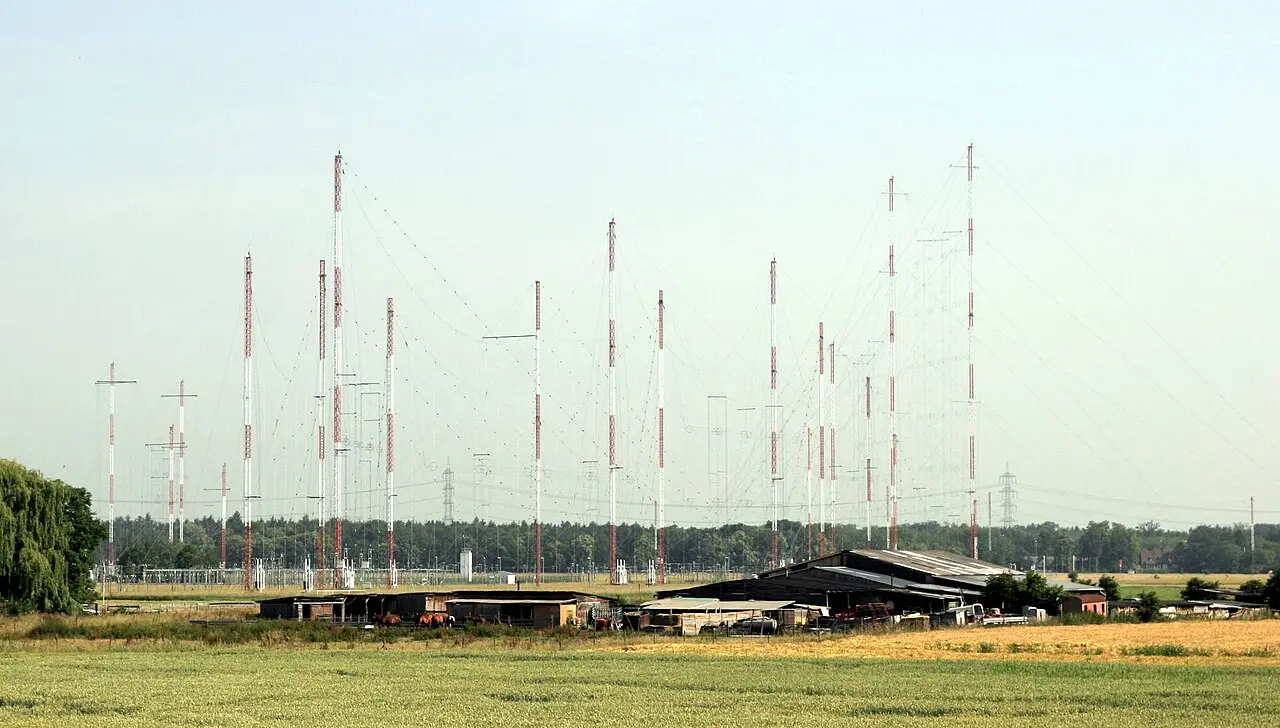
Despite advances in cyber-warfare and artificial intelligence, short-wave radio offers unique advantages for covert communication. Unlike digital networks, it is difficult to trace or block reliably, and transmissions can reach receivers across vast distances without internet infrastructure. "It is likely that this is backup communications for our sources inside Iran. These are people that you cannot afford to be out of contact with," John Sipher, a former CIA station chief in Moscow, told FT.
4 / 6
(Photograph: X/CENTCOM)
Encryption that is almost impossible to crack
Numbers stations often rely on a technique known as the ‘one-time pad’, a cryptographic system that pairs coded numbers with a unique key held only by the recipient. When used correctly, the method is widely considered unbreakable. This makes it particularly attractive for intelligence services communicating with agents in environments where surveillance is intense.
5 / 6
Signals of a long-running covert struggle
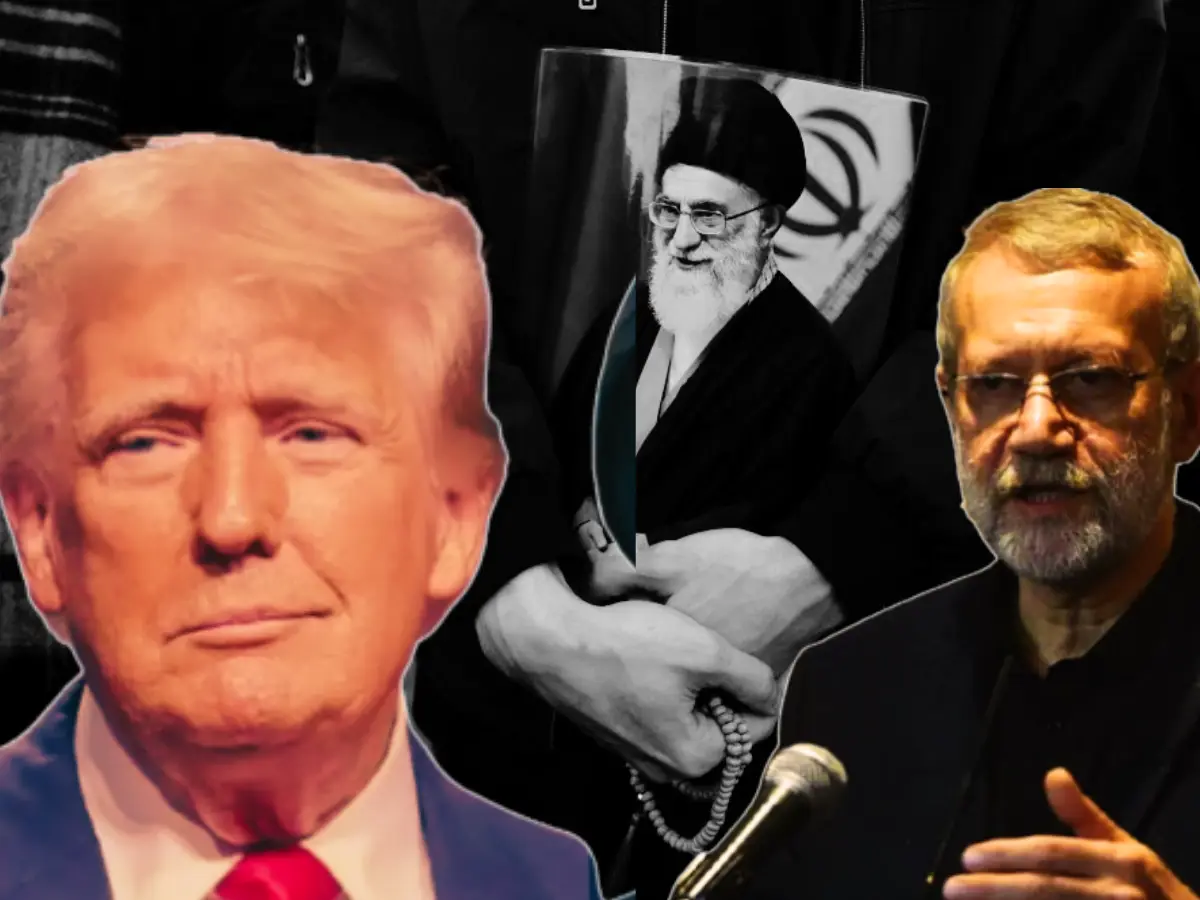
Observers note that the appearance of coded broadcasts suggests the intelligence struggle between Washington and Tehran predates the latest escalation. Analysts have argued that the emergence of these transmissions indicates “a murky shadow war with Iran under way” well before recent hostilities became visible.
6 / 6
(Photograph: AFP)
Part of a broader intelligence campaign
The reappearance of such broadcasts coincides with wider reports of cyber operations, electronic warfare and covert activities associated with the regional conflict. Monitoring groups such as Priyom say signal triangulation suggests the transmission may have originated from somewhere in western Europe, although its precise source has not been confirmed, according to FT.