Is the universe infinite? Scientists reveal how vast it really is..

The question of whether the cosmos is infinite, or simply unimaginably large, remains one of the most profound mysteries in astrophysics.
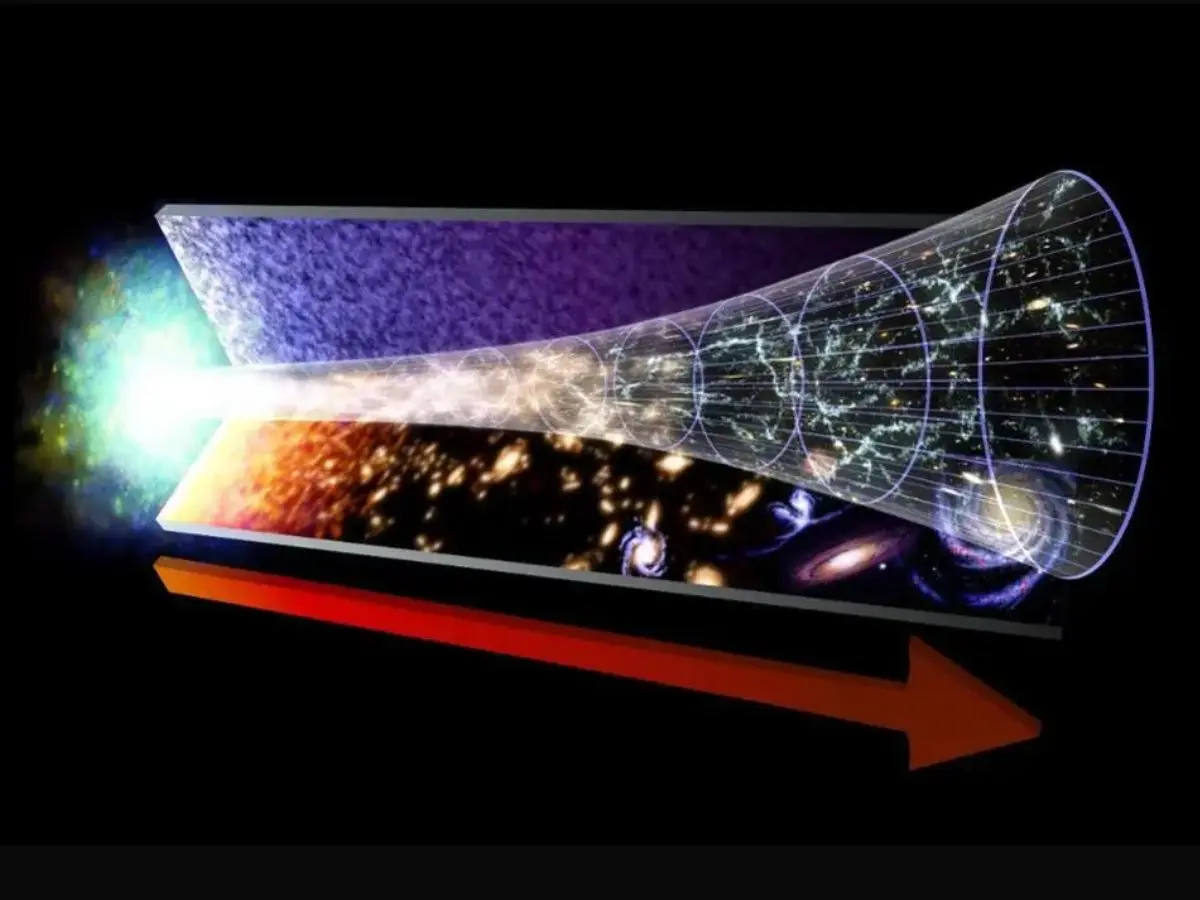
Is the Universe Infinite?
The scale of the Universe is one of the greatest puzzles in science. What we can see already defies imagination, stretching billions of light years in every direction. Yet the observable Universe may represent only a fraction of reality. The question of whether the cosmos is infinite, or simply unimaginably large, remains one of the most profound mysteries in astrophysics.
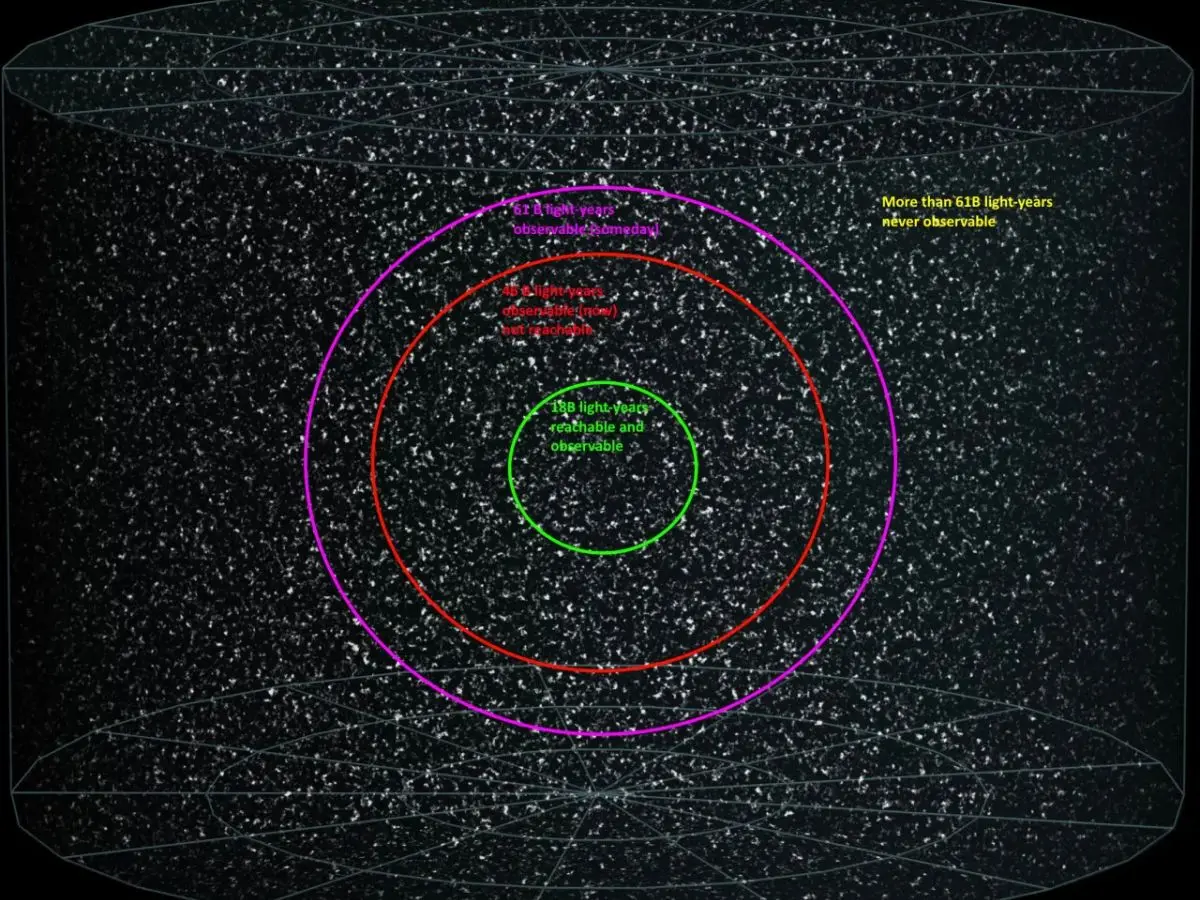
The Size of the Observable Universe
The Universe began 13.82 billion years ago with the Big Bang. Since then, space has been expanding, carrying galaxies ever further apart. Because of this expansion, the edge of what we can observe lies not 13.8 billion light years away but about 46.5 billion light years in every direction. This makes the observable Universe a sphere roughly 93 billion light years across. It is a natural horizon created by the speed of light and the age of the cosmos.
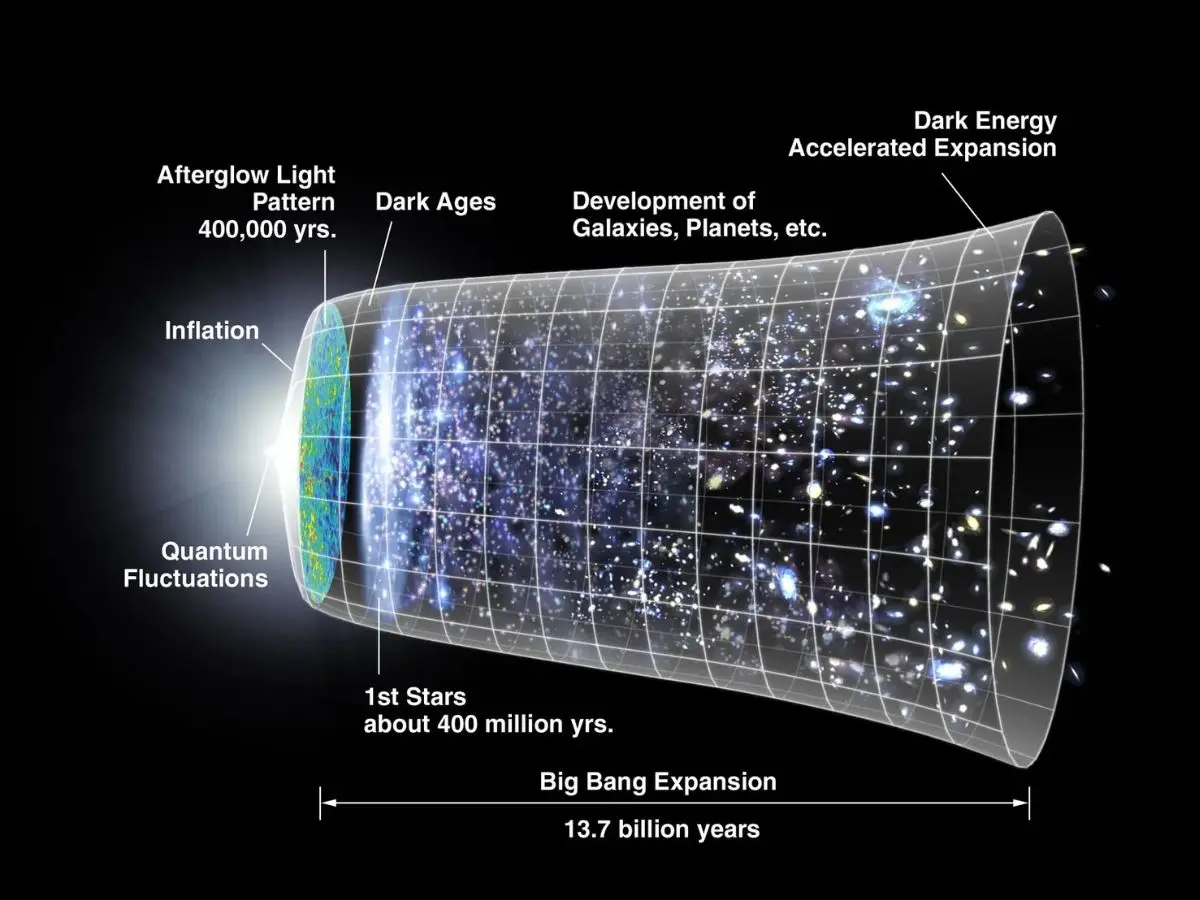
Cosmic Clues in Ancient Light
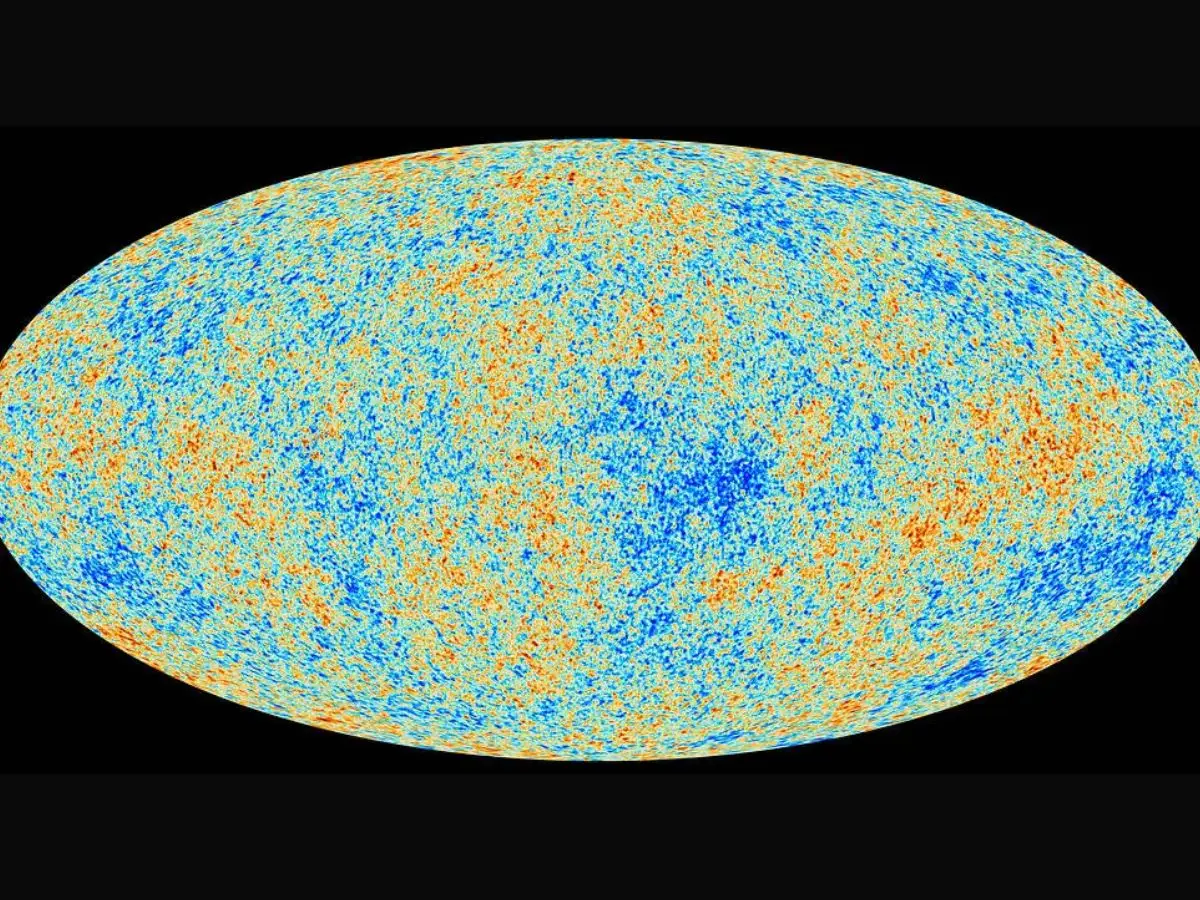
One of the strongest indicators of this limit is the cosmic microwave background radiation, faint afterglow from the Big Bang. It was released when the Universe was just 3,80,000 years old, before which matter and energy were too tightly coupled for light to travel freely. Today it appears across the entire sky at a temperature of 2.7 degrees above absolute zero. Beyond this ‘surface of last scattering,’ no light can reach us, fixing the boundary of direct observation.
The Problem of Uniformity
The microwave background is strikingly smooth, with only tiny fluctuations. This presents a puzzle: opposite sides of the sky are too far apart for heat to have travelled between them since the Big Bang, yet they share nearly identical temperatures. To explain this, cosmologists propose that the early Universe underwent a brief but colossal burst of expansion known as inflation. This theory suggests that space itself ballooned faster than the speed of light, ironing out differences before stretching beyond our horizon.
What Lies Beyond What We Can See?
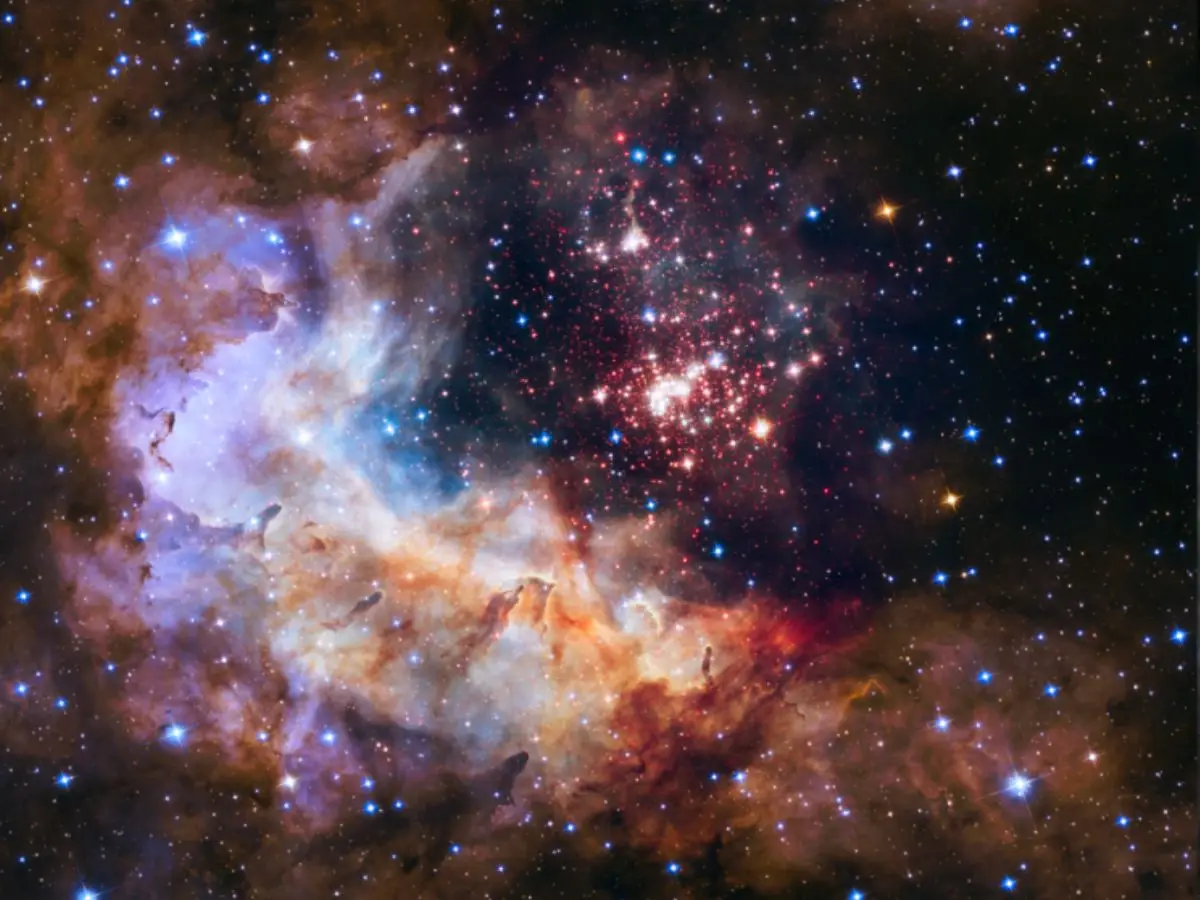
The observable Universe is not an edge in space but a limit in time. Beyond it, the cosmos almost certainly continues, filled with galaxies and structures forever beyond our reach. If inflation occurred, the Universe could extend vastly further than we can measure. Some models suggest it may even be infinite, though direct evidence is impossible because light from those regions will never reach us.
Infinite or Finite?
The geometry of space offers clues. Measurements of the cosmic microwave background show that the Universe is remarkably flat, consistent with an infinite cosmos. However, it could also be finite but so large that its curvature is undetectable. Another possibility is the multiverse, in which our observable Universe is just one bubble in an endless cosmic sea. Each of these scenarios is compatible with current data, leaving the question open.
The Mystery That Defines Science
Whether the Universe is infinite or simply beyond comprehension, its true scale remains one of the deepest questions in science. The observable horizon reveals a cosmos 93 billion light years wide, yet theory suggests a reality far larger, perhaps without limit. For now, the edge of what we can see also marks the edge of what we can know, reminding us that the Universe is not only vast but stranger than human imagination can yet grasp.
)
)
)
)
)