Is the Iran war straining US weapons stockpiles? $5.6 billion used in first 48 hours of strikes on Tehran

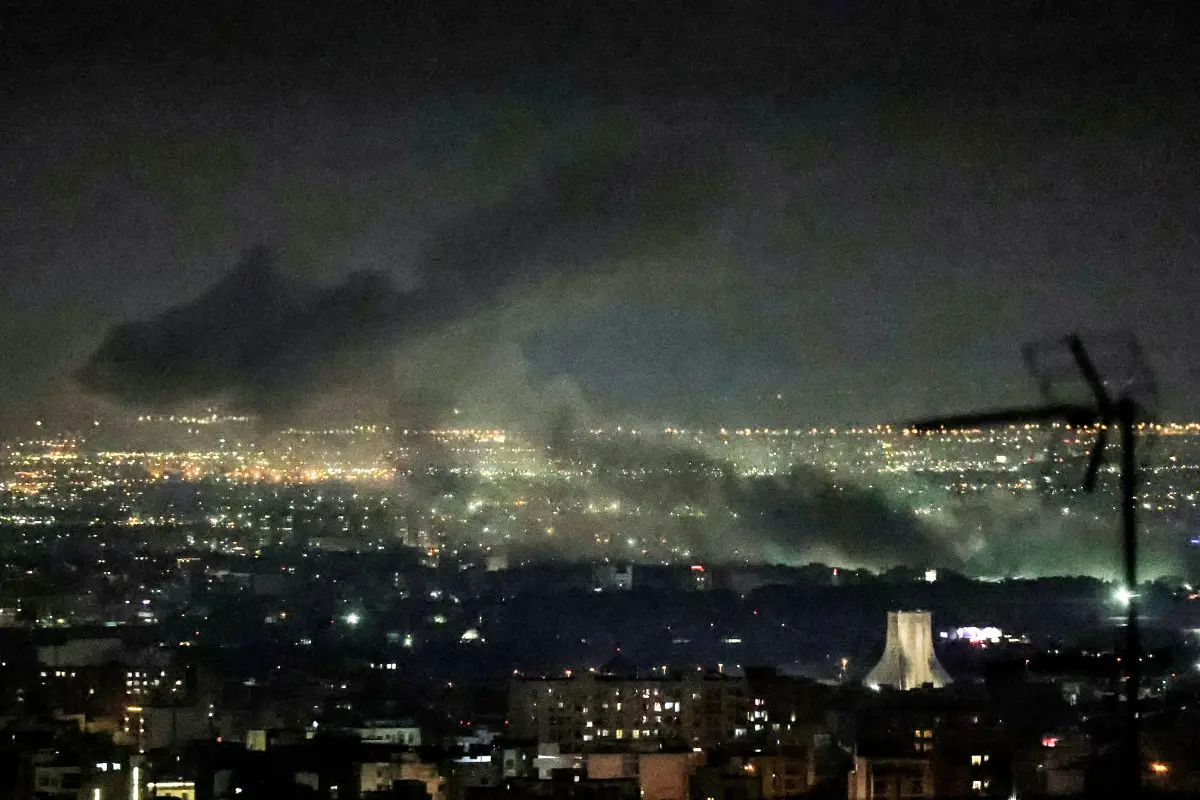
As the US–Israel–Iran conflict enters its eleventh day, Tehran has shown no indication that its ballistic missile or kamikaze drone arsenal has been significantly depleted.
A costly opening to the conflict
Iran’s Islamic Revolutionary Guard Corps (IRGC) on Tuesday declared that it would 'determine the end of the war,' responding to US President Donald Trump’s claim that the conflict in Iran could end 'very soon'. As the US–Israel–Iran conflict enters its eleventh day, Tehran has shown no indication that its ballistic missile or kamikaze drone arsenal has been significantly depleted. Trump also warned that Iran would be hit 'twenty times harder' if it attempted to block oil shipments through the Strait of Hormuz.
$5.6 billion in weapons in the first 48 hours
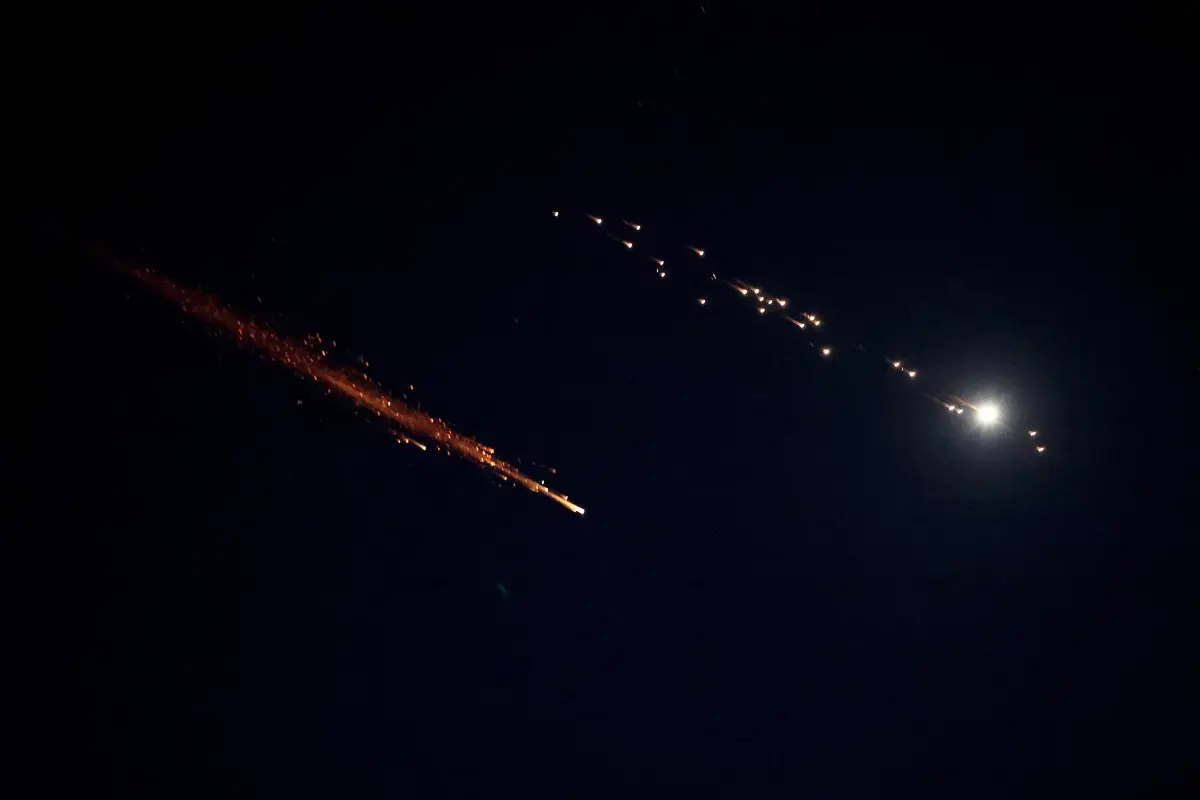
Meanwhile, a Washington Post report said the United States spent about $5.6 billion in munitions in the first 48 hours of its operations against Iran. The figure has intensified debate in Washington over the scale and sustainability of the campaign.
Concerns over military readiness
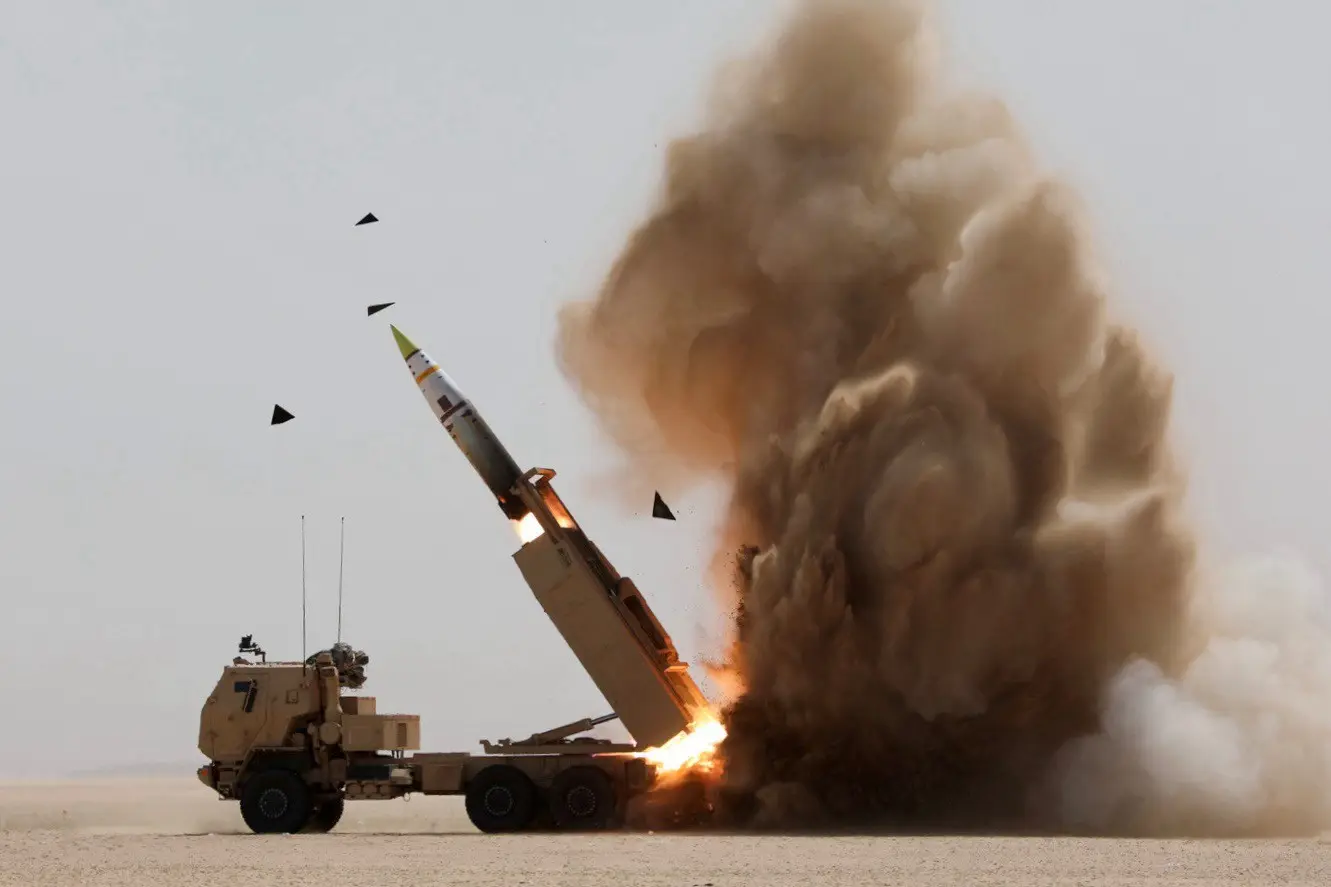
The estimate, presented to members of Congress, has prompted fresh scrutiny of the administration’s assertion that the conflict is not undermining the US military’s readiness. Officials have privately raised concerns about the rapid use of high-end precision munitions early in the campaign. To sustain operations, the White House is expected to request a supplemental defence package from Congress, potentially worth tens of billions of dollars.
Pentagon response to stockpile questions
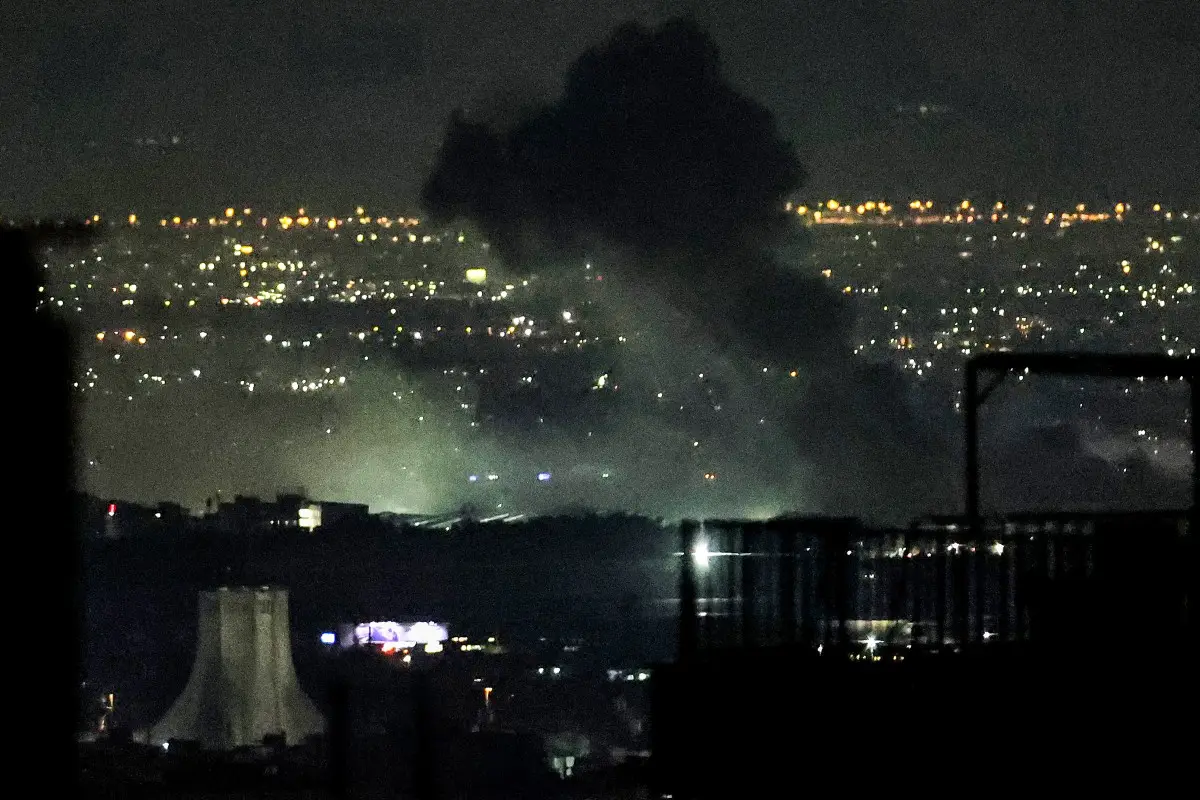
Responding to questions about the status of US arsenals, Pentagon spokesman Sean Parnell said the department remained confident in its capabilities. “The Department of Defense has everything it needs to execute any mission at the time and place of the President’s choosing and on any timeline,” he said. According to reports by the Washington Post, US and Israeli forces are expected to increasingly rely on larger reserves of laser-guided bombs as operations move deeper into Iranian territory.
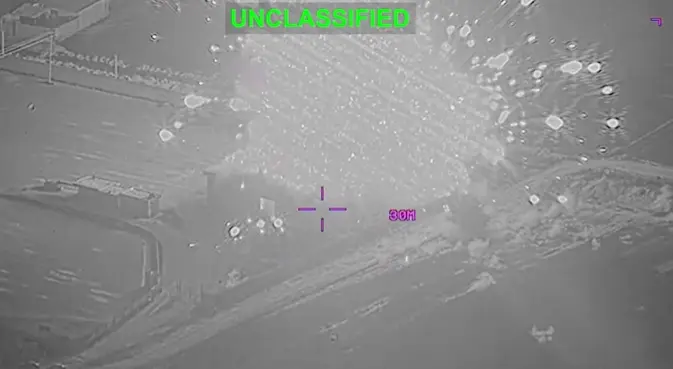
Iran steps up regional attacks
The conflict has widened across the Middle East as Iran launched fresh strikes on Israel and Gulf Arab countries. Pro-Iranian militia groups have also been drawn into the fighting. Five militia fighters were killed in a reported airstrike in northern Iraq. Iran’s Islamic Revolutionary Guard Corps (IRGC) has rejected US claims that its missile capabilities have been severely degraded, saying it continues to deploy missiles in larger numbers and with warheads exceeding one tonne.
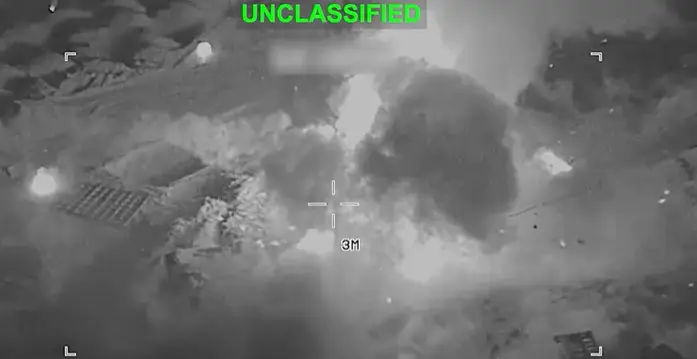
Threats over the Strait of Hormuz
US President Donald Trump has warned Tehran against interfering with oil shipments through the Strait of Hormuz, one of the world’s most critical energy corridors. “If Iran does anything that stops the flow of oil within the Strait of Hormuz, they will be hit by the United States of America twenty times harder than they have been hit thus far,” Trump wrote on Truth Social. He added that such strikes could target “easily destroyable” locations and warned that “Death, Fire and Fury will reign upon them, but I hope, and pray, that it does not happen.”
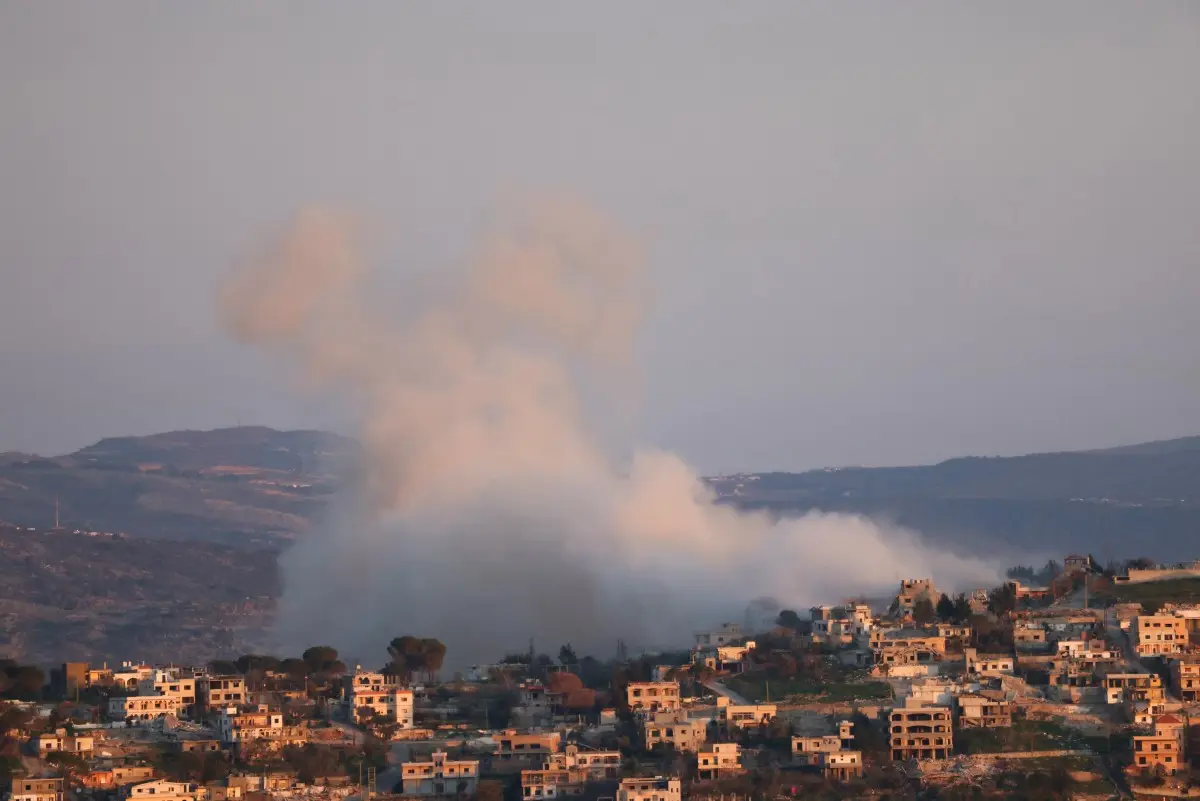
Energy markets and civilian impact
The war has disrupted major oil and gas flows to global markets, sending fuel prices higher in the United States and beyond. Across the region, bombs have struck military bases, government buildings, oil and water installations, hotels and at least one school. Foreign nationals have begun leaving regional business centres, while millions of residents have sought shelter from continuing attacks.
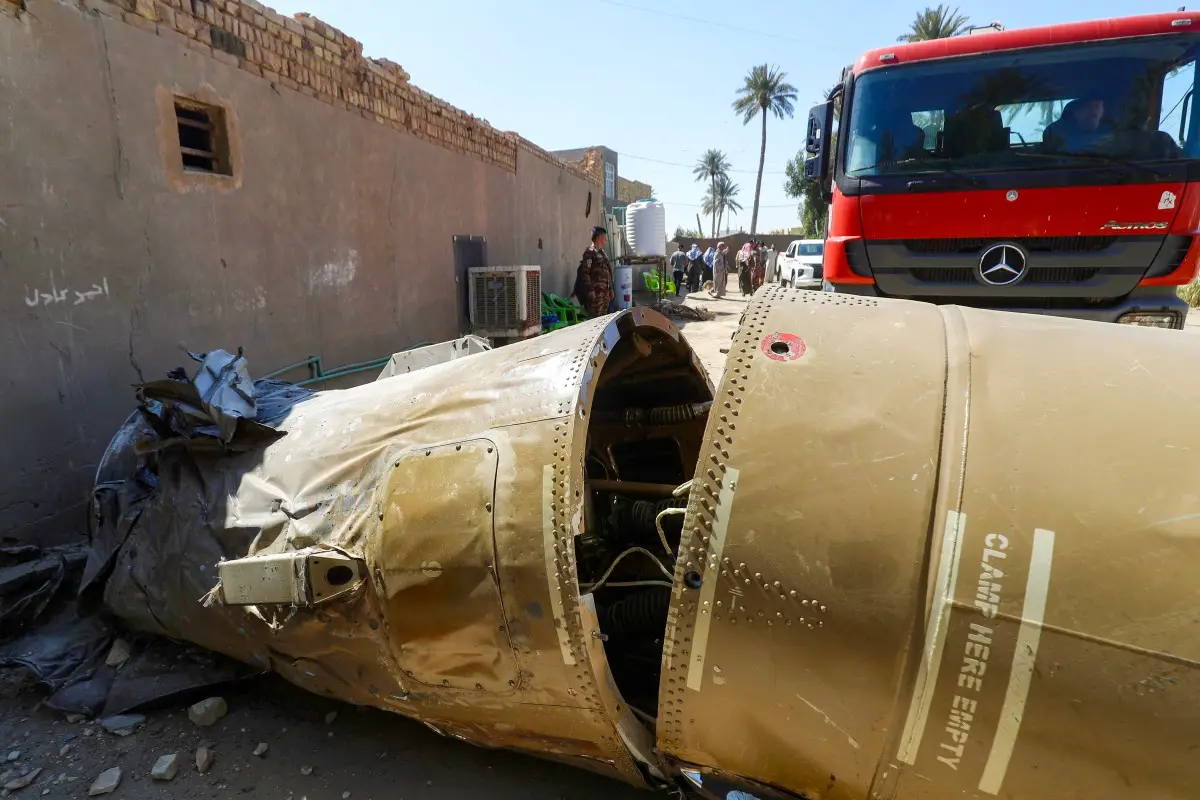
Nuclear tensions and leadership change
The conflict has also revived scrutiny of Iran’s nuclear programme. The head of the International Atomic Energy Agency, Rafael Grossi, said that nearly half of Iran’s uranium enriched to about 60 per cent purity, close to weapons grade, had been stored in a tunnel complex and may still remain there. Meanwhile, Iran has announced that Mojtaba Khamenei will succeed his father, Ayatollah Ali Khamenei, who was killed on the first day of the conflict, as the country’s new supreme leader.
Disclaimer: WION takes utmost care to accurately and responsibly report ongoing conflicts in West Asia involving Israel, Iran, US, Gulf nations and non-state actors like Hezbollah, Hamas, Houthis, Islamic State, and others. Claims and counterclaims, disinformation and misinformation are being made online and offline. Given this context, WION cannot independently verify the authenticity of all statements, social media posts, photos and videos.
)
)
)
)
)