Is the F‑35 fighter jet really worth $2 trillion? The truth behind world’s costliest jet

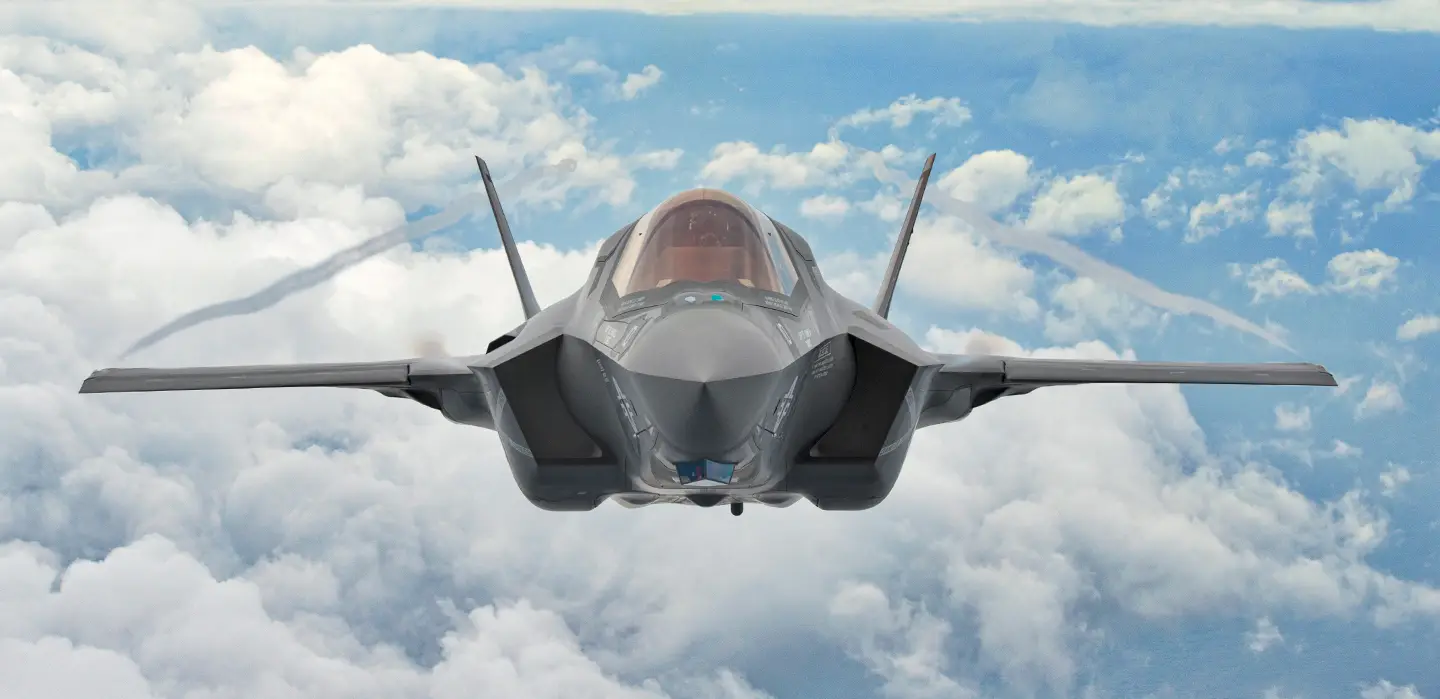
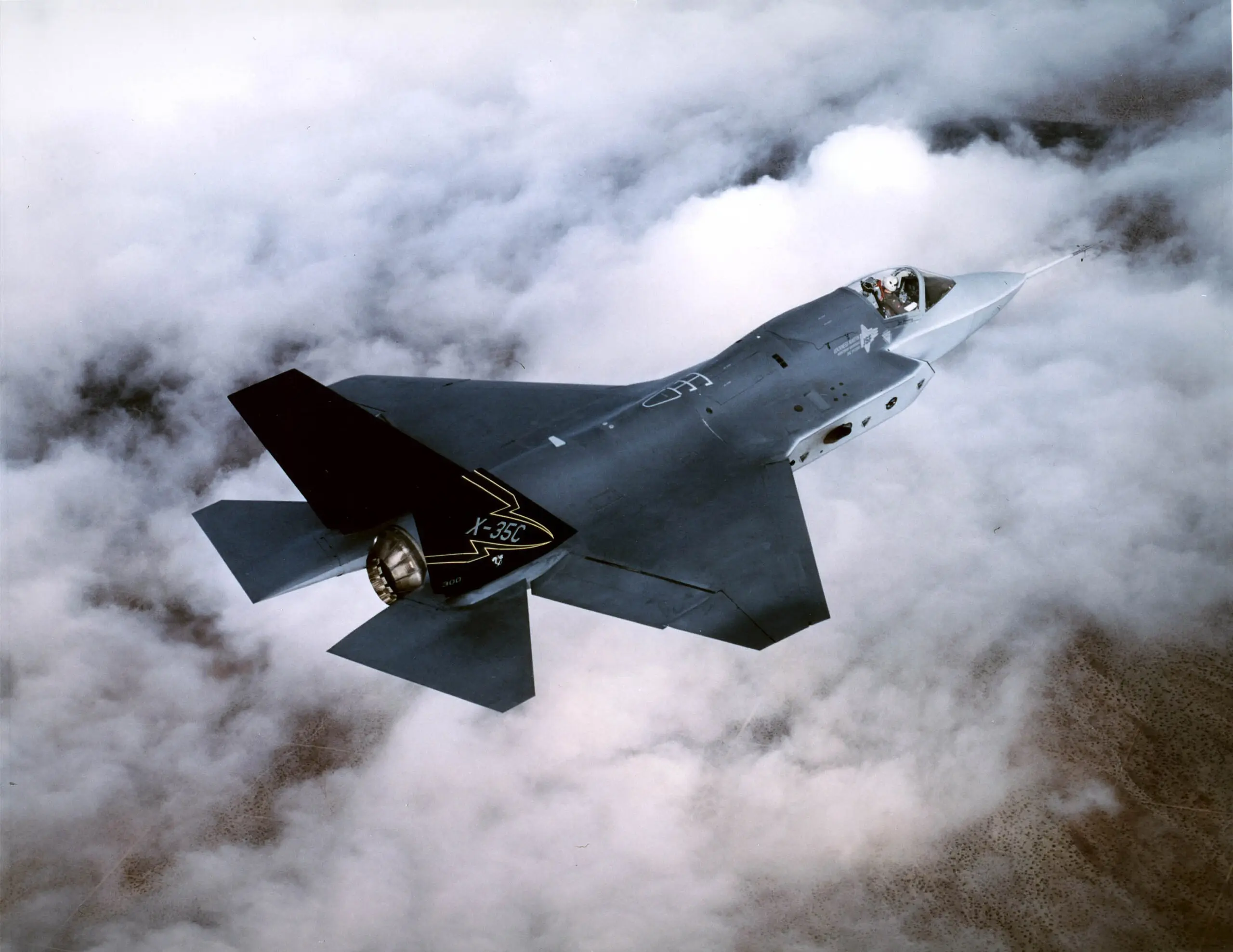
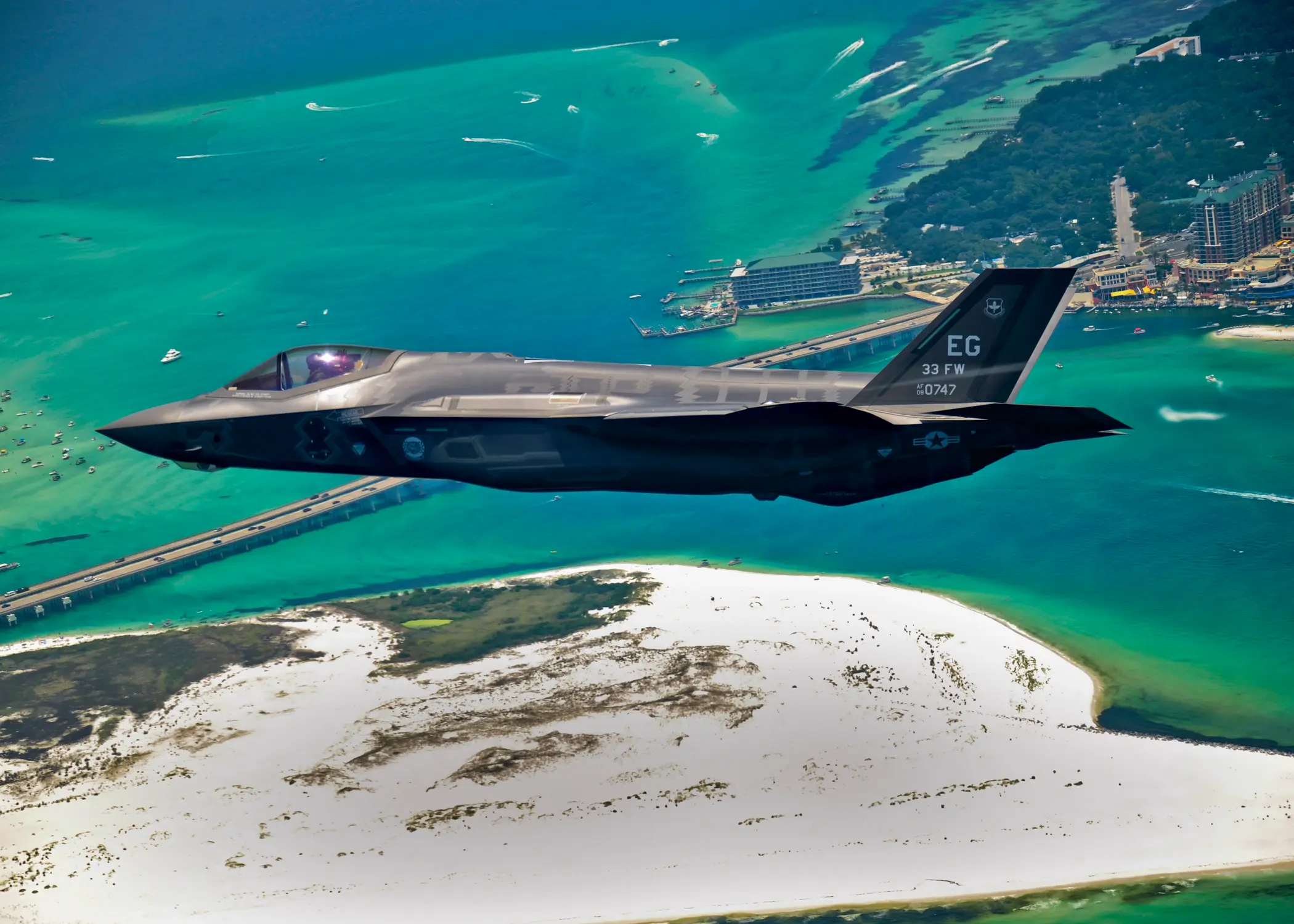
The F‑35 was designed to perform multiple roles across the US Air Force, Navy, and Marine Corps. It integrates stealth, advanced sensor fusion, internal weapons bays, and the distributed aperture system, which provides pilots with unparalleled situational awareness.
Introduction — The Staggering Price Tag
The F‑35 Joint Strike Fighter, hailed as the pinnacle of modern military aviation, is one of the most expensive weapons programme in history. According to a report from the US Government Accountability Office (GAO) released in May, the total cost of the F‑35 programme is expected to exceed $2 trillion over its entire lifespan. Rising inflation, plans to extend the aircraft’s operational life, and persistent challenges in controlling costs have pushed this figure far above previous estimates. But is the fighter jet even worth spending that much money?
Understanding the $2 Trillion Estimate
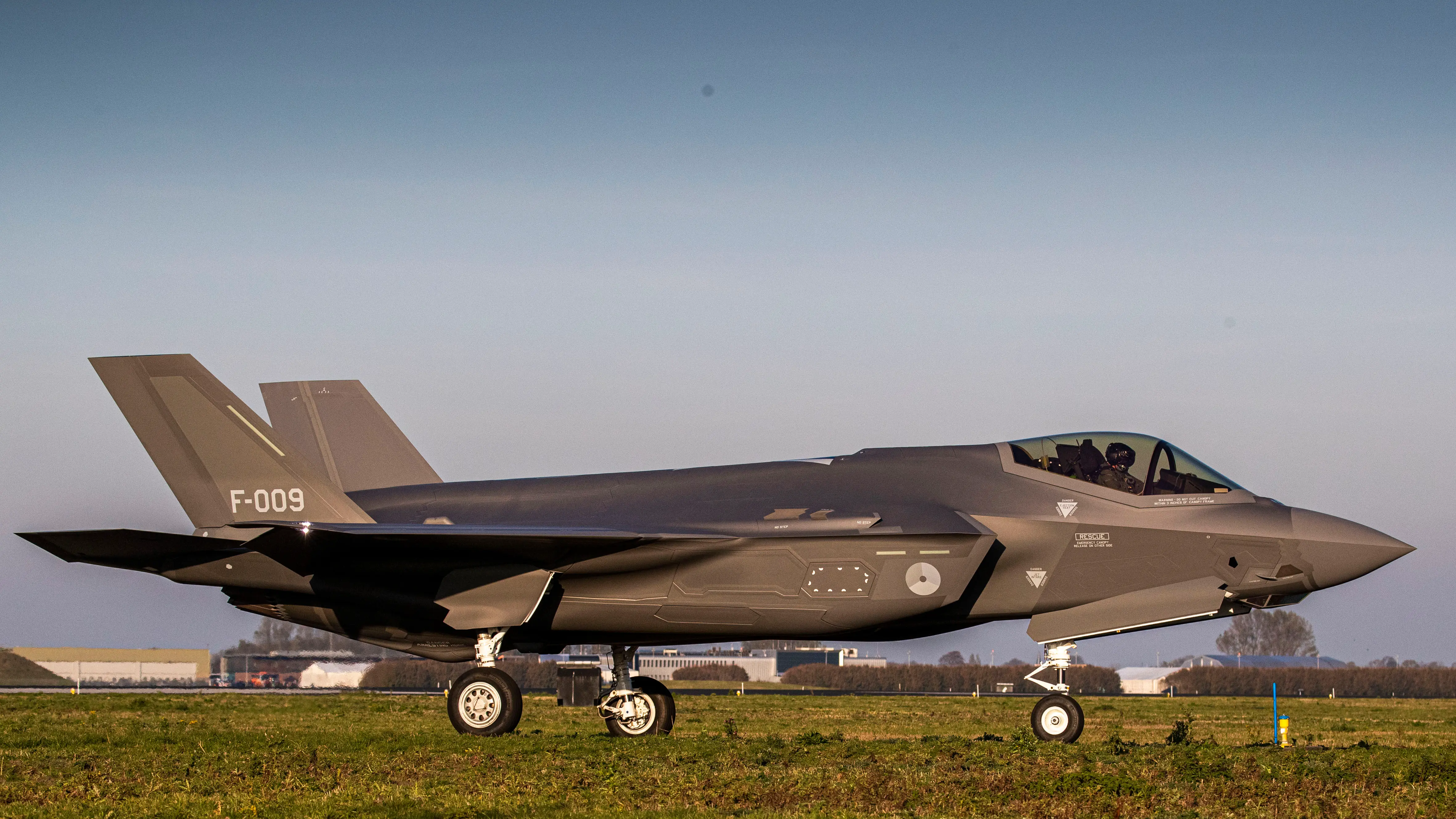
The revised estimate is a sharp increase from the $1.7 trillion reported in September 2023. It includes nearly $1.6 trillion in sustainment costs, up 44 per cent from the $1.1 trillion projected in 2018, and $442 billion in acquisition costs, covering development and procurement of the Lockheed Martin-built aircraft. Sustainment, encompassing maintenance, spare parts, software updates, fuel, and personnel, now accounts for the majority of the projected expenditure.
Cutting-Edge Technology at a Price
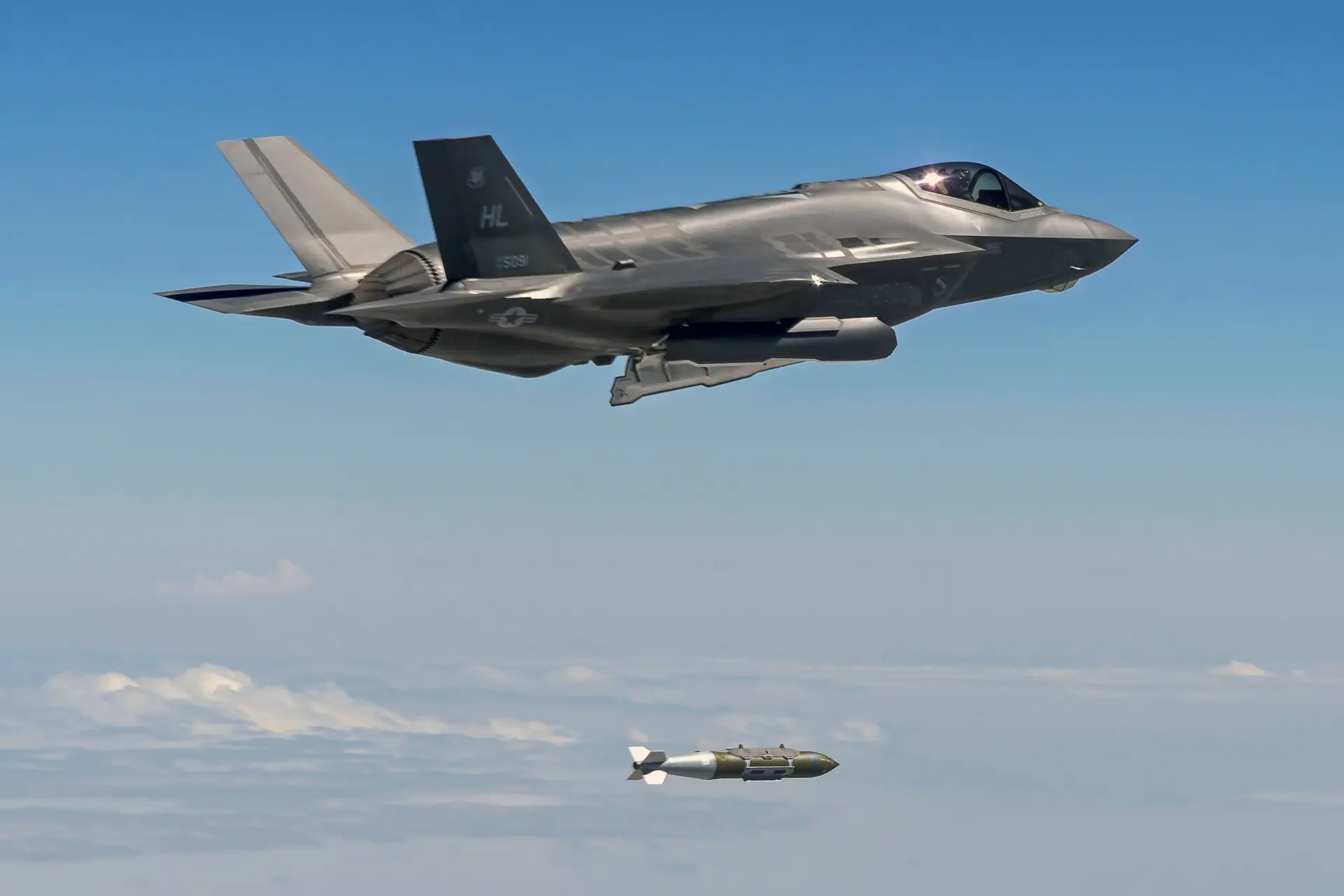
The F‑35 was designed to perform multiple roles across the US Air Force, Navy, and Marine Corps. It integrates stealth, advanced sensor fusion, internal weapons bays, and the distributed aperture system, which provides pilots with unparalleled situational awareness. These capabilities make it a versatile and highly sophisticated platform, but they also contribute to complexity, delays, and cost overruns.
Key Features That Make the F‑35 Exceptional
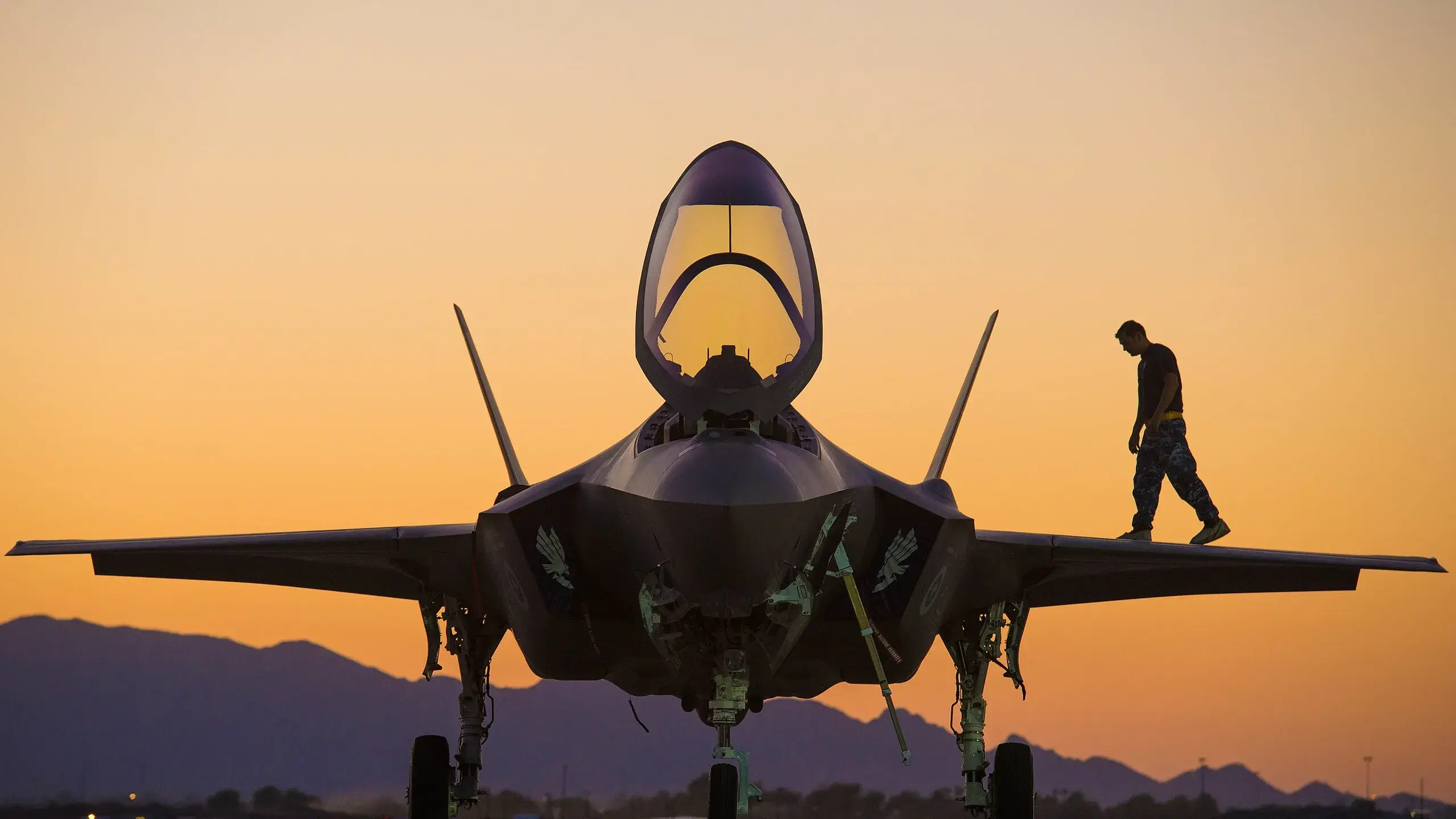
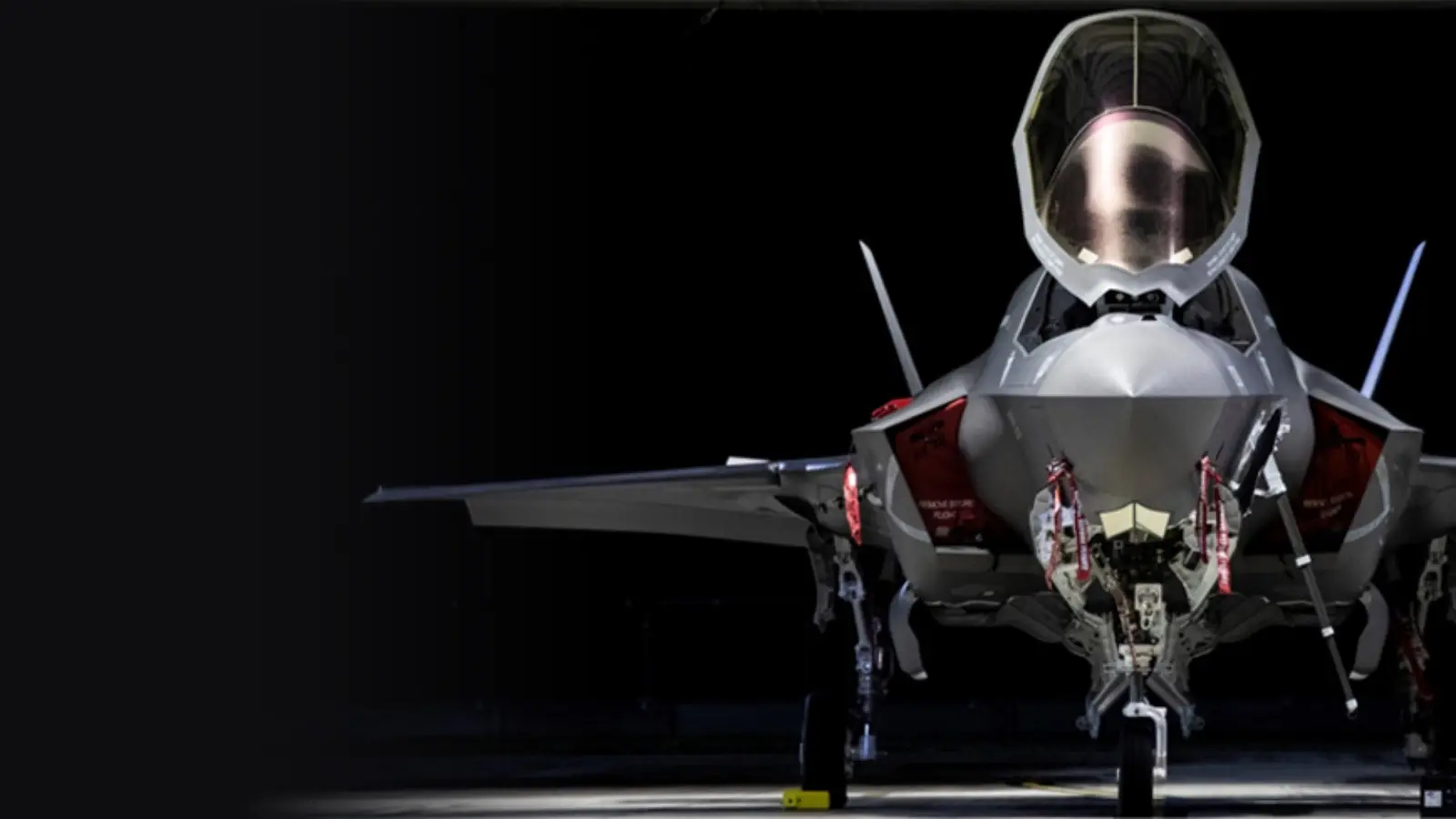
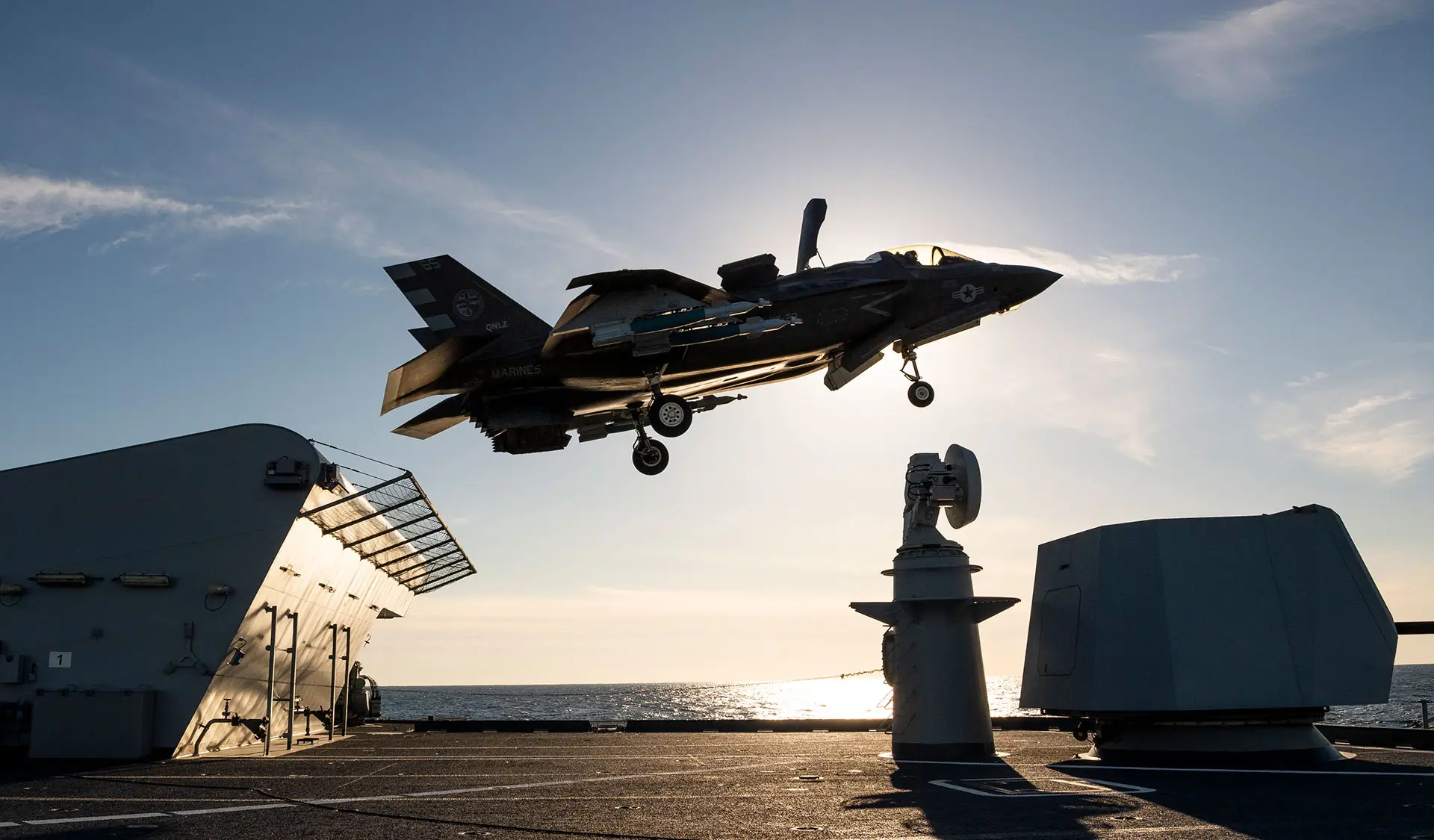
The F‑35 Lightning II is packed with advanced features. Its stealth design and radar-absorbent materials reduce detectability, while internal weapons bays maintain a low profile. The Distributed Aperture System (DAS) provides pilots with 360° situational awareness, integrating infrared and sensor data. Sensor fusion combines radar, electronic warfare, and targeting information into a single display for superior decision-making. The F‑35 also boasts supersonic speed, short takeoff and vertical landing (STOVL) in the B variant, and networked data-sharing capabilities, enabling it to operate seamlessly with allied forces worldwide.
Global Adoption and Strategic Significance
More than a dozen US allies, from Europe to Asia, rely on the F‑35 for their future air-power needs. Shared procurement has reduced per-unit costs to some extent, but it also ties partner nations’ defence strategies to the success and reliability of the programme. This global footprint underscores the aircraft’s strategic importance beyond US borders.
Sustainment and Operational Challenges
Despite advanced technology, the F‑35 faces ongoing operational hurdles. Mission-capable rates in some fleets remain below target, while maintenance bottlenecks and software management issues continue to challenge readiness. Efforts to contain sustainment costs have largely fallen short, highlighting the difficulty of operating such a complex system over decades.
Safety Concerns and Fleet Incidents
High-profile incidents, including crashes, engine failures, and at least one fatal accident in international service, have added to scrutiny of the programme. While most pilots have ejected safely, each mishap emphasises the challenges of keeping a technologically advanced, global fleet safe and operational.
The Road Ahead — Upgrades and Future Generations
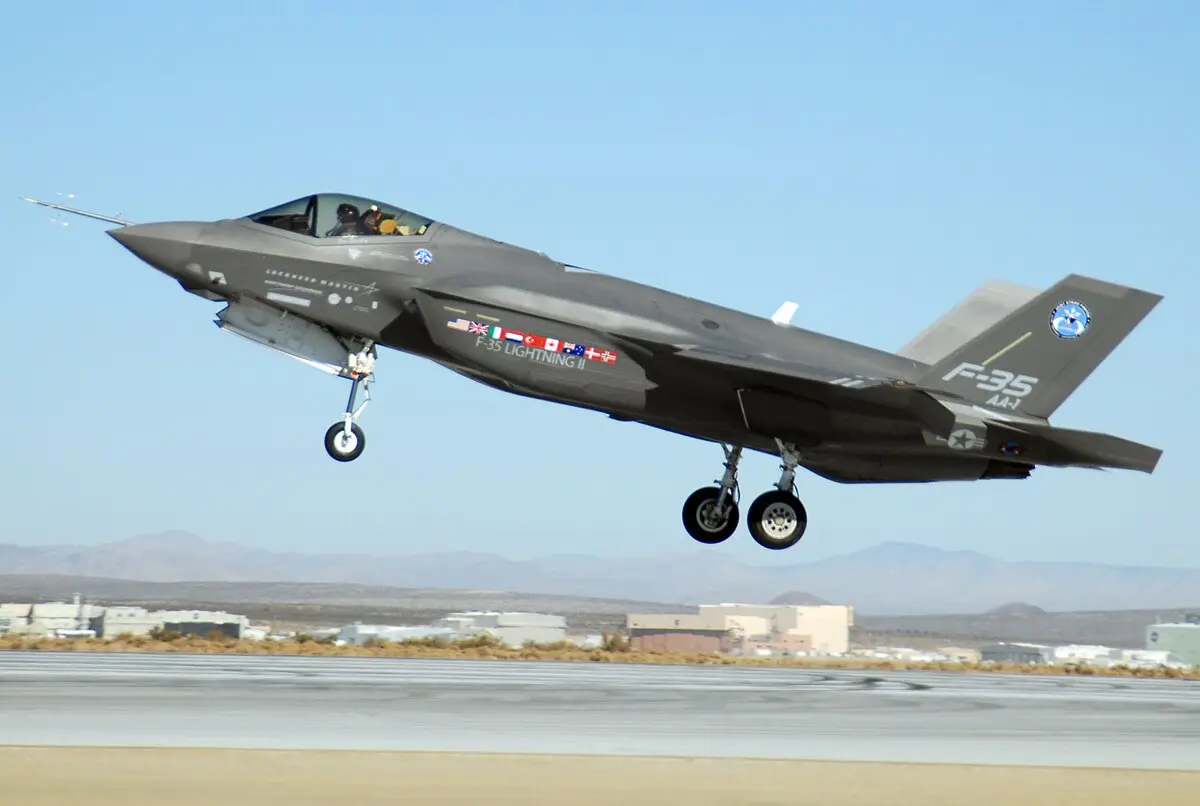
Lockheed Martin is planning significant upgrades under the '5+ generation' initiative, integrating advanced technologies to extend the life of existing jets. Simultaneously, the U.S and allied nations are developing sixth-generation platforms through the Next Generation Air Dominance (NGAD) programme. The F‑35 will likely remain central to allied air-power for decades, even as new technologies emerge.
Conclusion — A Calculated Risk
The F‑35’s $2 trillion lifetime cost represents both a technological leap and a financial gamble. It offers unmatched capabilities, strengthens alliances, and secures strategic advantage, but at a steep price, with sustainment and operational challenges continuing to mount. Whether it is 'worth it' depends on perspective: as a force multiplier and cornerstone of 21st-century air-power, the F‑35 may justify the cost; as a financial and logistical burden, it remains one of the most controversial defence investments ever made.

)
)
)
)