Is 'Oumuamua a piece of ancient solar system? Scientists think it came from 'exo-Pluto'

'Oumuamua is most likely a piece of a body that resembles Pluto, and was flung out of the solar system when it was a chaotic place right after being born. The first interstellar visitor was observed in 2017, changing the dynamics and understanding of cosmic space.
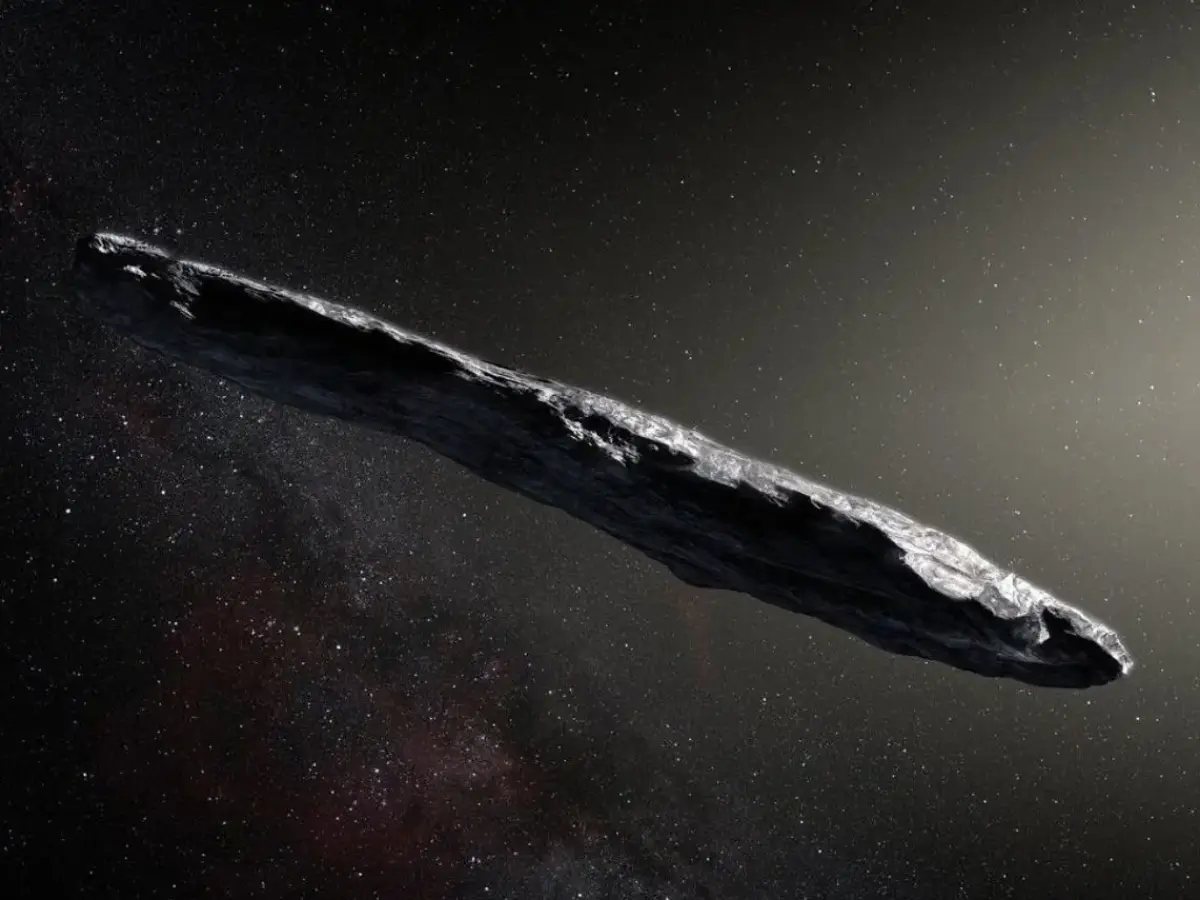
'Oumuamua is a piece of an object that once resembled Pluto
1I/'Oumuamua, the first interstellar object to visit our solar system in 2017, belongs to a completely new class of space objects, scientists have discovered. It is a piece of an icy exoplanet, more specifically an "exo-Pluto," a group of cosmic bodies that are highly unlikely to visit the Sun. "Everything about this object is consistent with it being a slab of nitrogen ice like you see on the surface of Pluto," said Steve Desch, an exoplanet researcher at Arizona State University. 1I/'Oumuamua wasn't spotted until 40 days after it had made its closest approach to the Sun. Canadian Robert Weryk spotted it using the Pan-STARRS telescope at Haleakalā Observatory, Hawaii, on 19 October 2017.
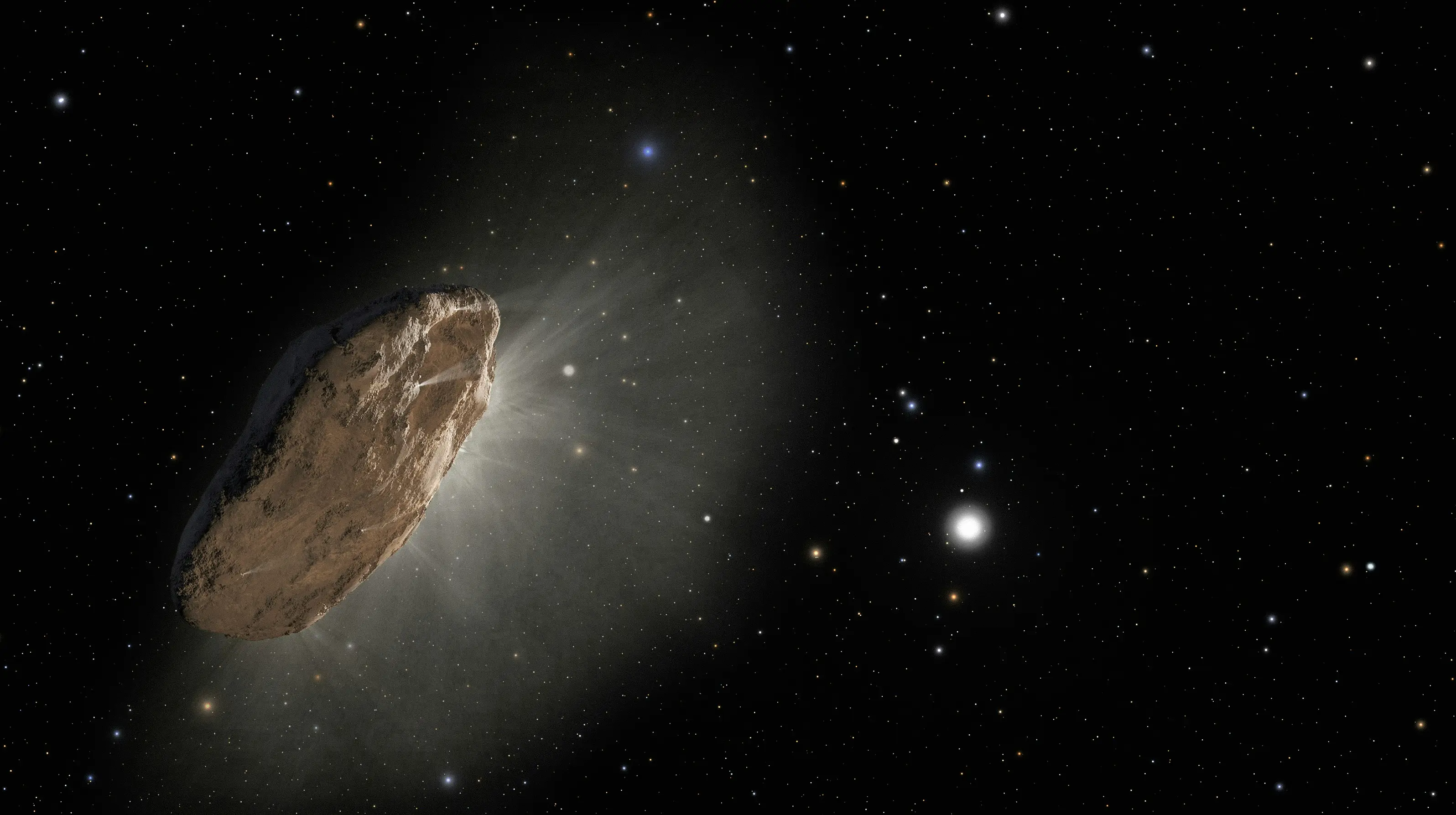
How did scientists know 'Oumuamua was an interstellar object?
Its strange, elongated shape caught the attention of space enthusiasts who were awe-struck to see the weird space rock floating through our star system. Objects that originate in the solar system are a mix of water ice, rock and carbon-rich material, remnants from the time the solar system was born. But this was not the case with 'Oumuamua, leading scientists to determine that it was an interstellar object.
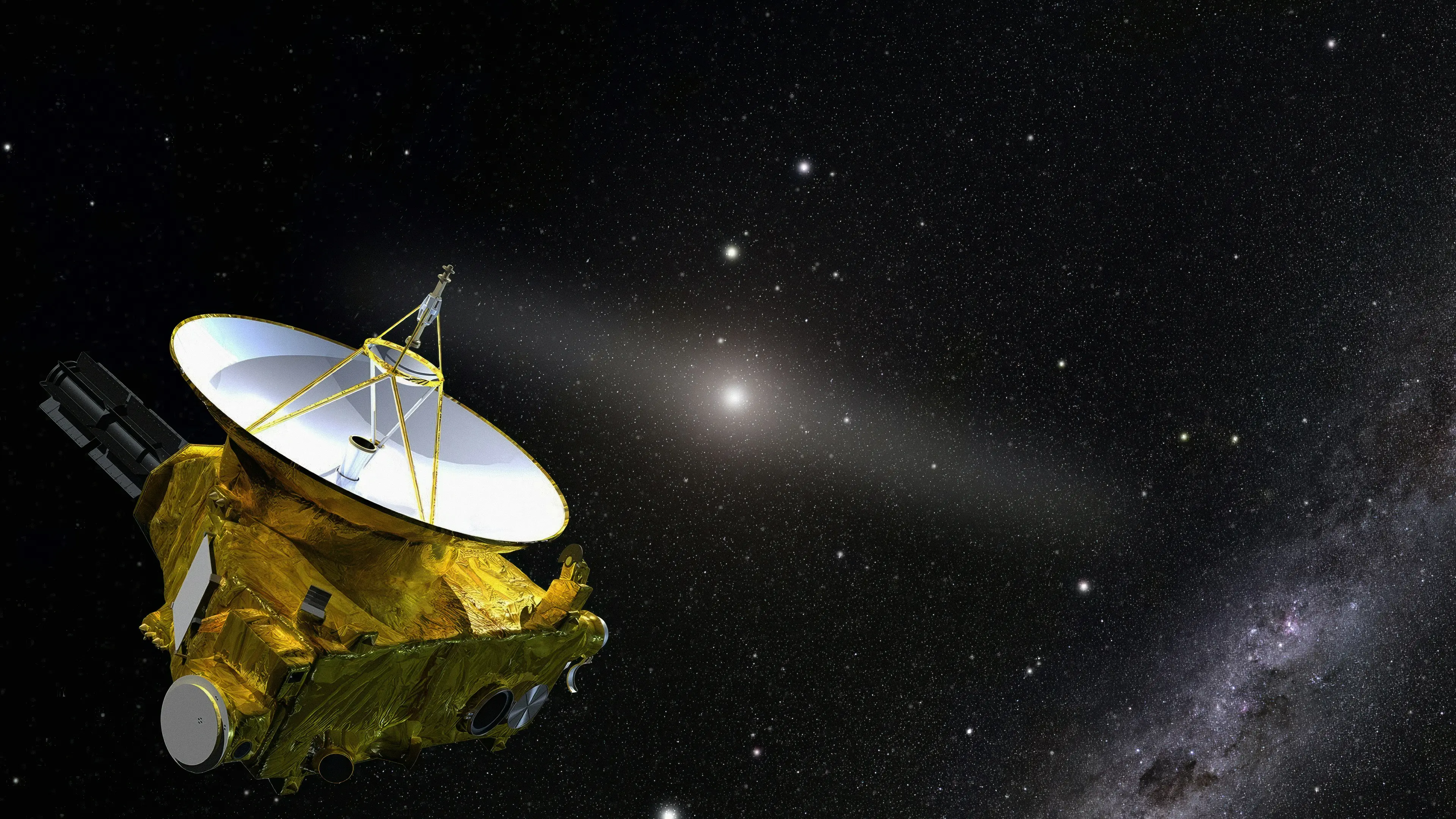
Pluto is made mostly of nitrogen ice, and so was 1I/'Oumuamua
NASA's New Horizons spacecraft determined during its 2015 flyby of the Kuiper Belt and Pluto that it is made of nitrogen ice. 1I/'Oumuamua was also observed to consist of similar nitrogen ice. Desch said at the Progress in Understanding the Pluto Mission: 10 Years after Flyby conference in Laurel, Maryland, that the interstellar object might be the skin of an "exo-Pluto."
'Oumuamua is different from 2I/Borisov and 3I/ATLAS
Initially, astronomers classified it as a comet that was travelling from another star system. However, recent findings suggest that it might not be a comet at all. 'Oumuamua appears to be almost pure nitrogen ice, which places it in a different category of objects. Besides, its elongated shape is extremely different from 2I/Borisov and 3I/ATLAS, the other two interstellar comets.
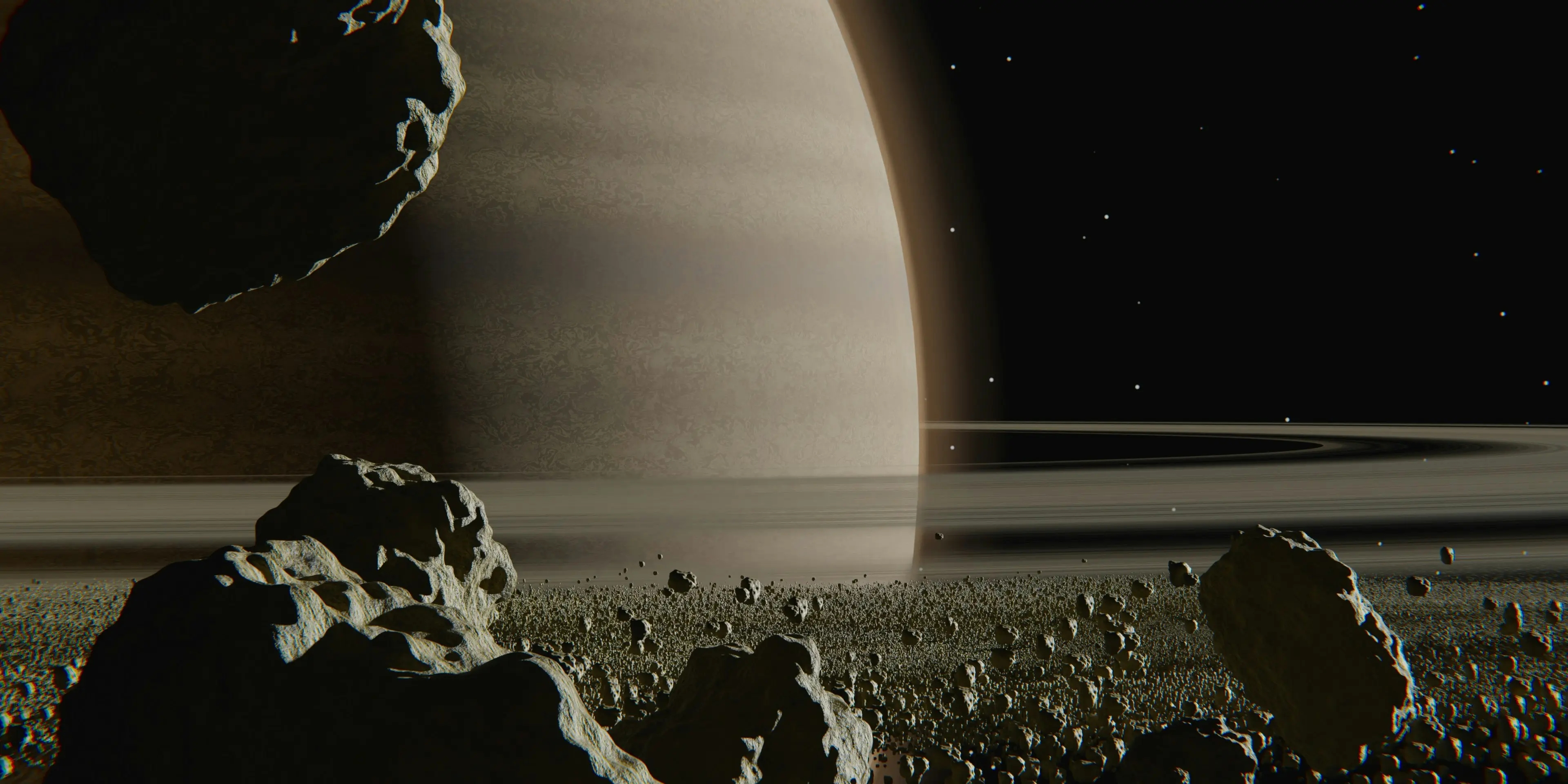
Kuiper Belt and the extreme chaos in the solar system
Our solar system was a chaotic place for millions of years right after it was born. Desch says the giant planets released a lot of material, ejecting most of the icy stuff. Most of these bodies reside in the Kuiper Belt today. He adds that at one point, there was probably so much of this stuff that 2,000 Plutos could have been born from them. However, collisions led to the scraping of nitrogen from the outermost layer of these Plutos.
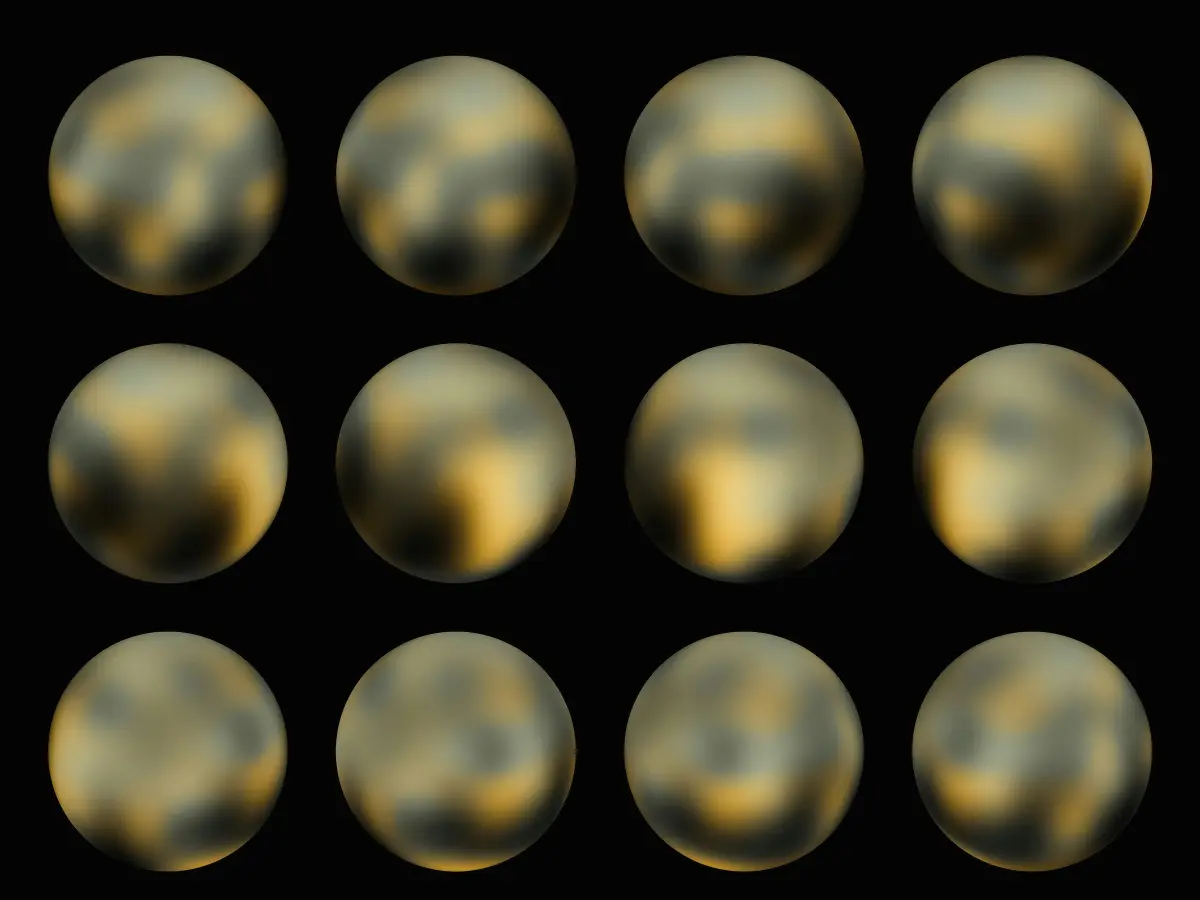
How did 'Oumuamua reach interstellar space?
Desch and his colleague Alan Jackson determined through simulations that most of the material scraped from the baby Plutos was nitrogen. All this nitrogen went in different directions, towards the Sun, where they were burned, and outside the solar system after being flung out by the gravity of Jupiter. The Oort Cloud likely caught some of them, while a majority of it was sent flying into interstellar space.
'Oumuamua was not a comet
'Oumuamua seems to be one such piece of a "Pluto" that once existed in the Kuiper Belt. Desch and Jackson believe that 'Oumuamua's properties show that it is more likely a fragment of a Pluto-like object than a comet.
)
)
)
)
)