Is Operation Midnight Hammer 2.0 coming? Why Trump chose F-35s, F-22s and F-16 fighter jets to pressure Iran

On June 22, 2025, US forces launched precision airstrikes, codenamed Operation Midnight Hammer, targeting three major Iranian nuclear sites, Fordow, Natanz, and Isfahan.
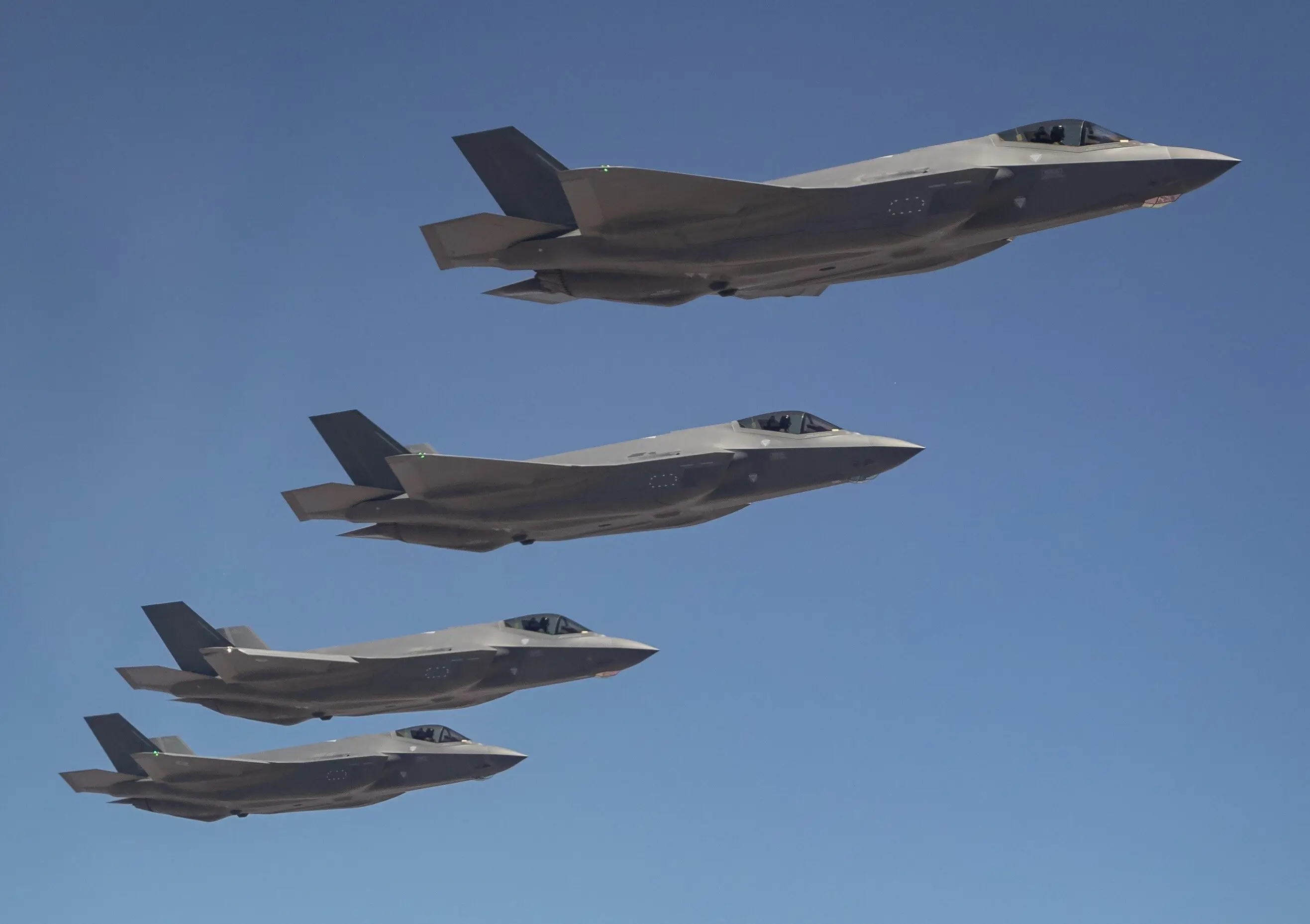
Introduction
Recent deployment of advanced United States fighter jets near Iran has intensified speculation over Washington’s military signalling amid fragile nuclear negotiations in Geneva. Reports indicate the country moved over 50 aircraft, including F-35, F-22 and F-16 squadrons, supported by aerial refuelling tankers toward the Middle East. Reports indicate the military build-up came as both delegations concluded discussions that officials described as showing “progress”. However, tensions persist as Washington continues efforts to ensure Tehran does not develop a nuclear weapon.
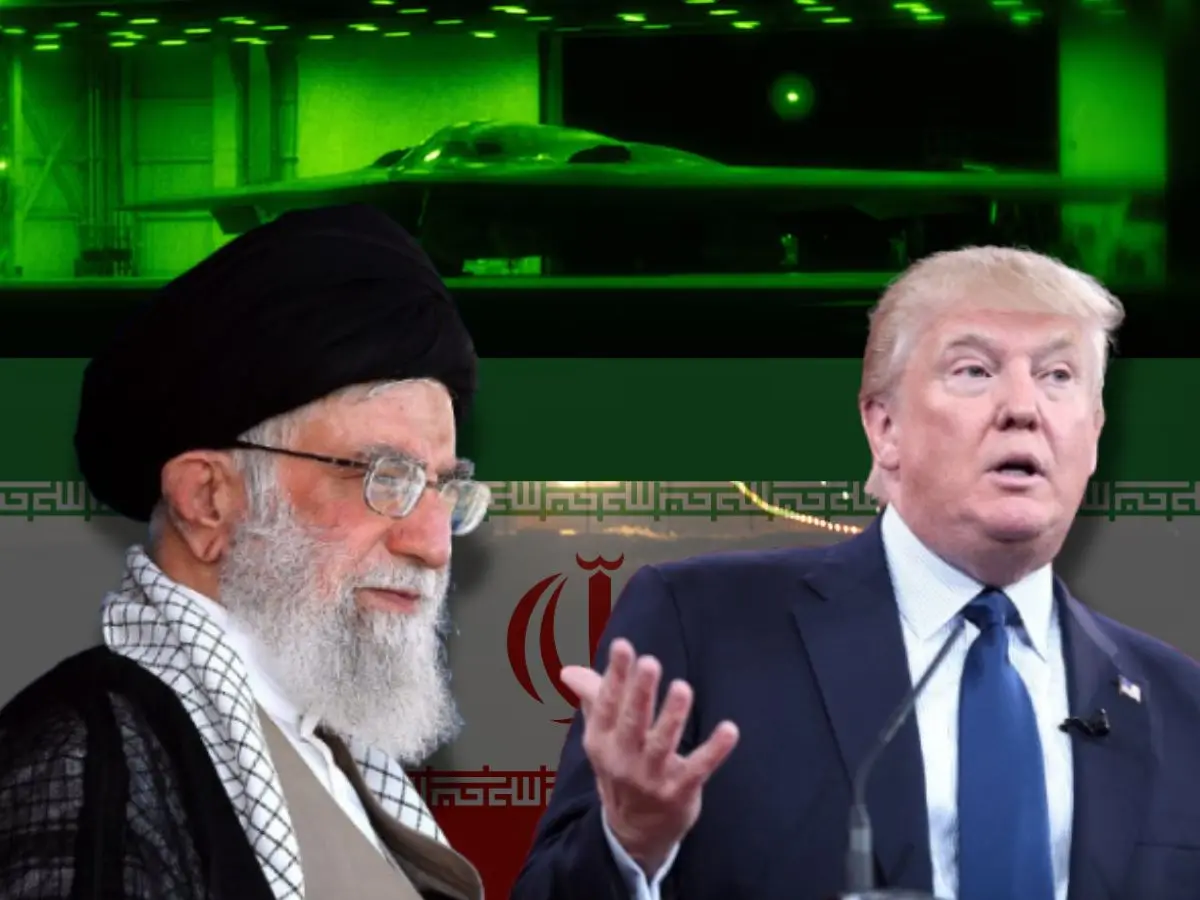
Operation Midnight Hammer: US Strikes
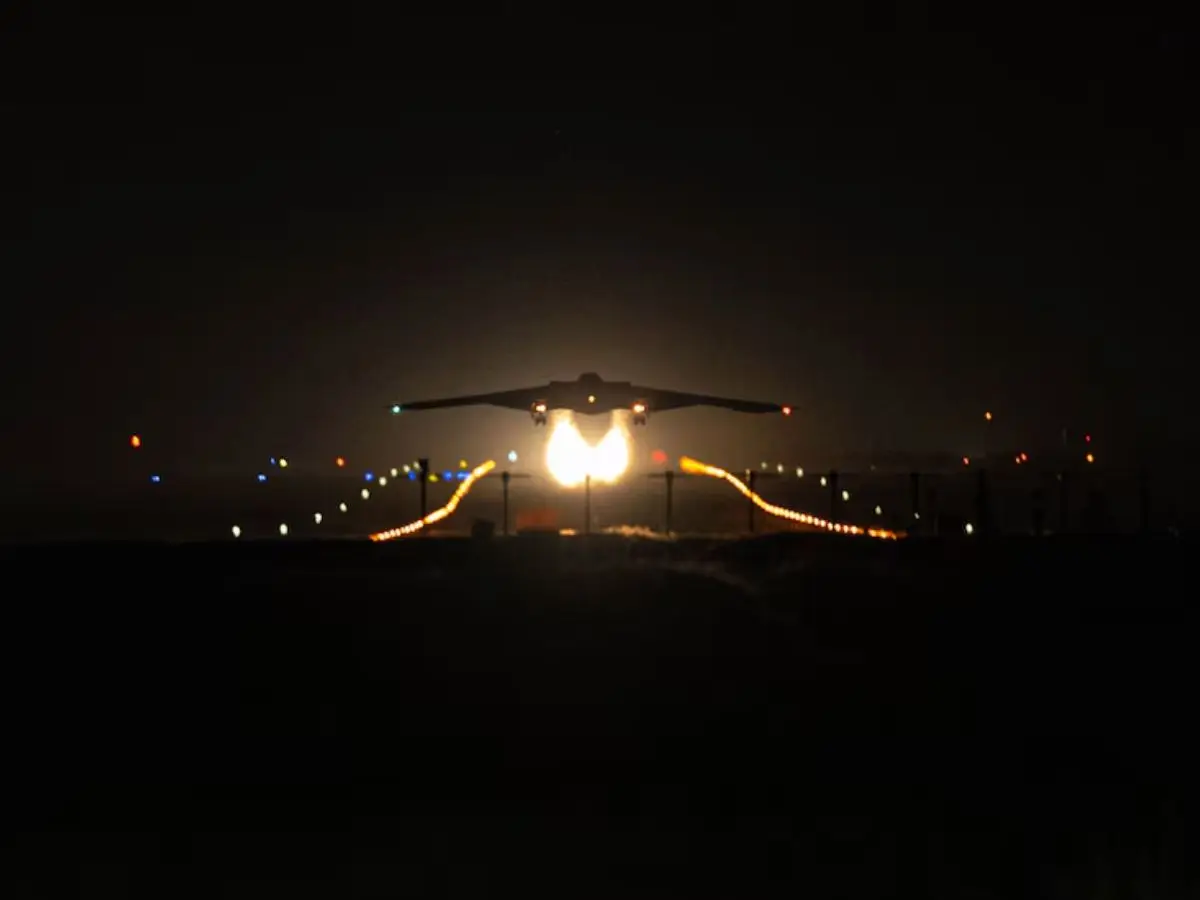
On June 22, 2025, US forces launched precision airstrikes, codenamed Operation Midnight Hammer, targeting three major Iranian nuclear sites, Fordow, Natanz, and Isfahan. The operation involved seven B‑2 Spirit stealth bombers, each carrying 14 GBU‑57 Massive Ordnance Penetrator (30,000‑pound) bombs, alongside Tomahawk missiles fired from a guided‑missile submarine. The strikes were designed to significantly degrade Iran’s capacity to enrich uranium to near‑weapons grade levels.
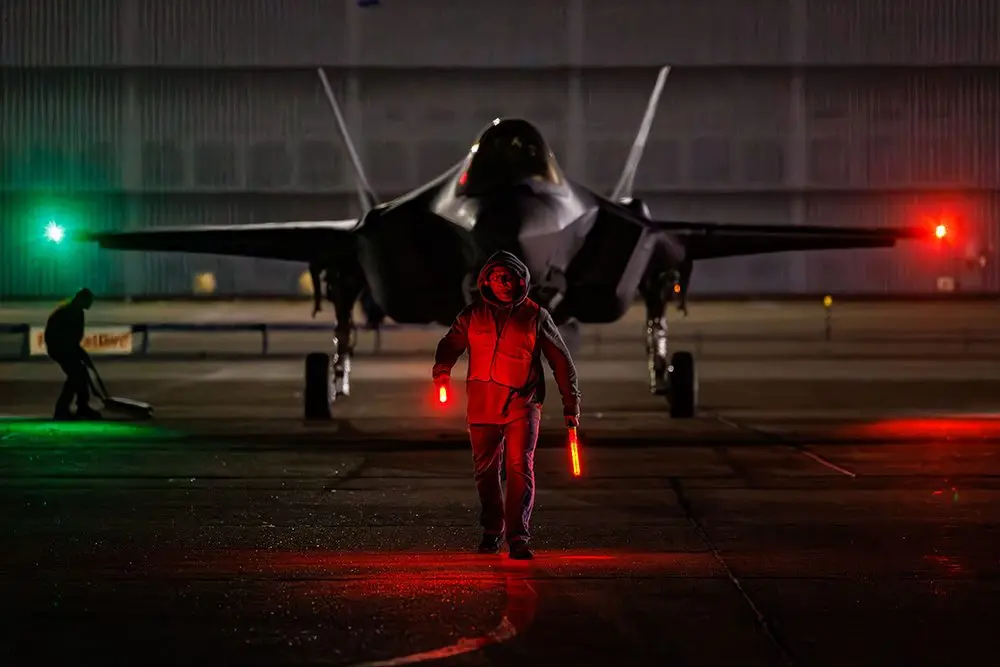
Role of the F‑35 Lightning II
The F-35 is designed for deep strike operations and intelligence gathering within heavily contested airspace. Its stealth profile and advanced sensor fusion allow it to detect enemy radar networks while relaying real-time battlefield intelligence across joint military forces. The aircraft carries precision-guided munitions internally, reducing detection risks and making it suitable for missions targeting fortified nuclear or strategic installations. The integration of advanced weapons such as JASSM and LRASM enhances its multi-mission combat effectiveness. With a top speed of approximately Mach 1.6 (1,200 mph) under full internal weapons load, it combines stealth with operational reach. During Operation Midnight Hammer, the aircraft played a key role in penetrating defended airspace and conducting precision-target reconnaissance and strike coordination.
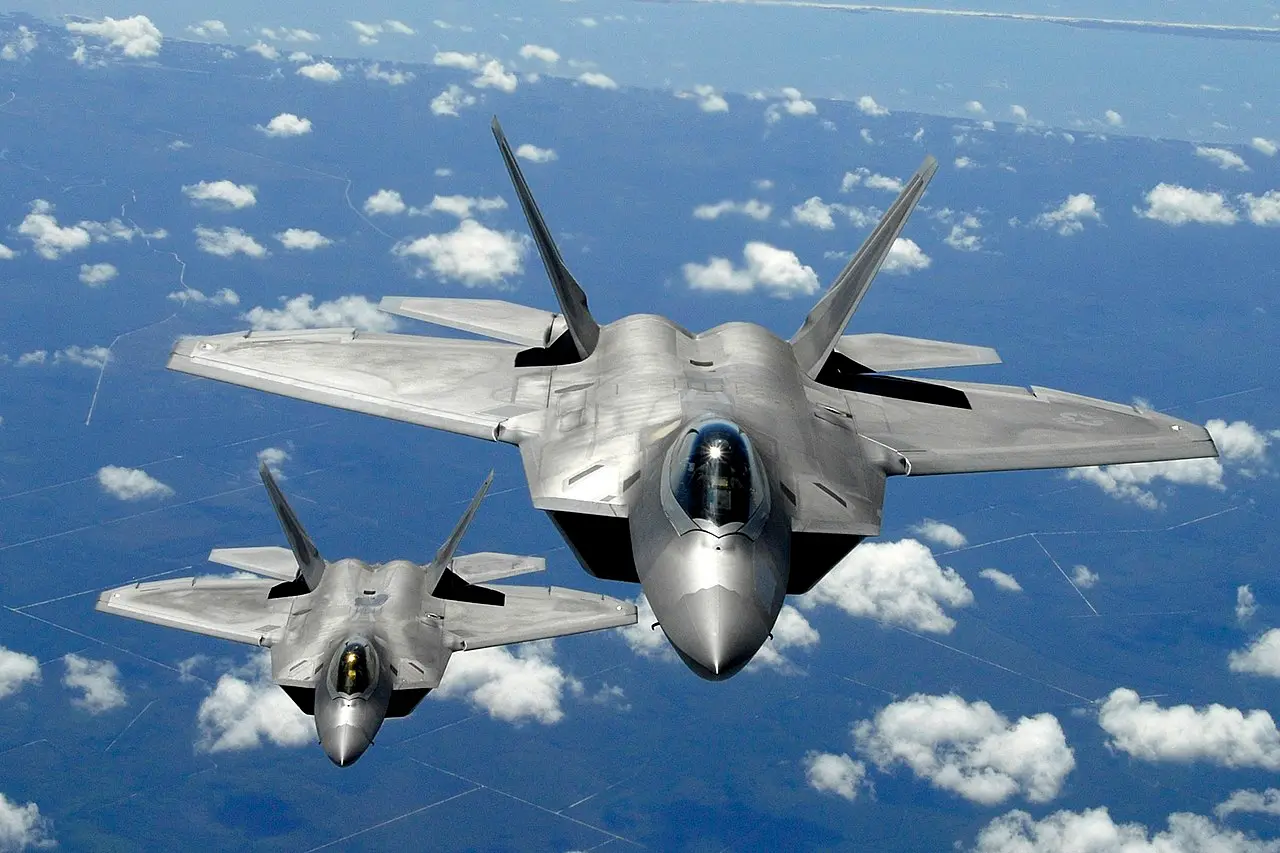
Role of the F‑22 Raptor
The F-22 is designed to secure air superiority by neutralising hostile aircraft and safeguarding strike formations. Its integration of stealth technology, high speed and exceptional manoeuvrability enables it to detect and engage adversaries well before being identified. The aircraft combines advanced sensor fusion with lethal long-range air-to-air and precision air-to-ground weaponry, reinforcing its reputation as a premier air-dominance platform. Military planners typically deploy F-22 squadrons to clear contested airspace and provide protective cover for strike assets, including stealth bombers and multirole fighters, during complex and high-risk operations. Its extreme agility further enhances combat survivability and tactical flexibility.
Role of the F‑16 Fighting Falcon
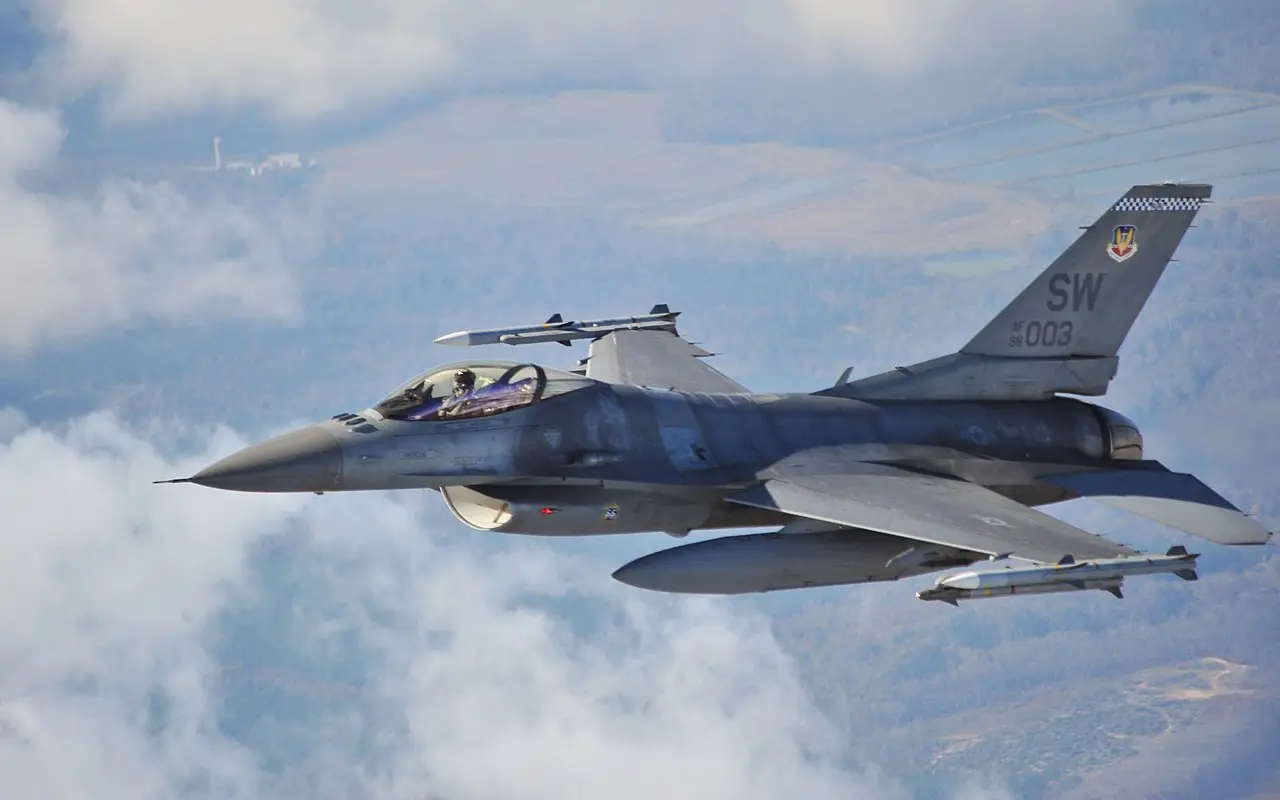
The F-16 remains a highly versatile combat platform capable of executing precision ground strikes, defensive air patrols and close air support missions. Its operational flexibility, combined with the capacity to deploy a wide spectrum of munitions, makes it particularly effective for sustained operations and regional defence coverage. The aircraft complements stealth fighters by maintaining persistent air presence and rapid response capability. With speeds reaching approximately 1,500 mph (Mach 2+), the F-16 offers swift deployment and interception capacity. Its advanced avionics suite, including a proven Active Electronically Scanned Array (AESA) radar system, enhances target detection, tracking accuracy and battlefield situational awareness, strengthening its multi-role combat effectiveness.
Strategic Relevance of B‑2 Spirit Operations
Previous US strategic strike concepts against nuclear facilities have relied on the B-2 bomber’s ability to deliver heavy bunker-penetrating ordnance. Such operations typically require fighter escorts and airspace control, highlighting why layered aircraft deployment remains central to US contingency planning concerning Iran’s disputed nuclear programme.
Military Pressure as Diplomatic Leverage
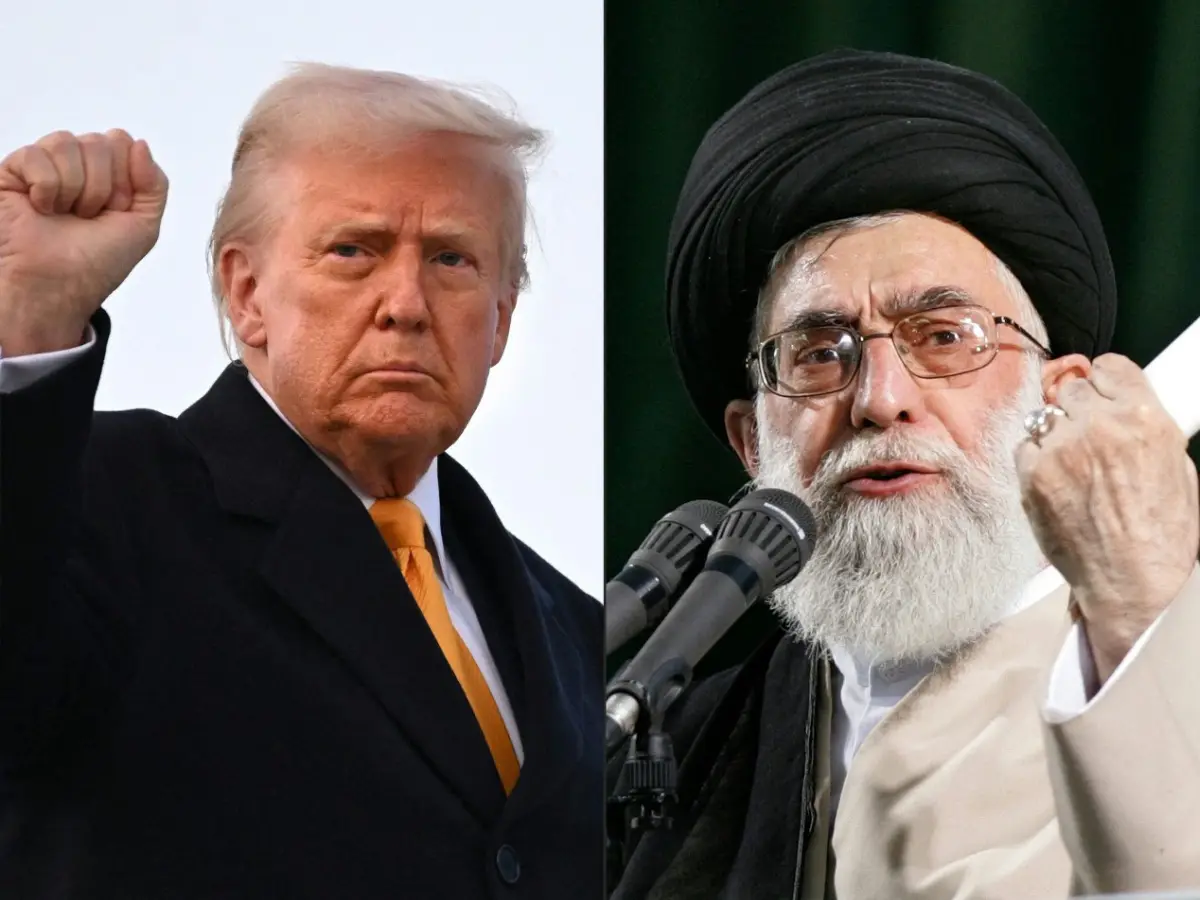
US defence officials have consistently framed current deployments as deterrence rather than preparation for immediate conflict. However, the concentration of stealth fighters, support aircraft and naval forces signals that Washington seeks to maintain credible military options while negotiations with Tehran continue. The balance between diplomacy and force projection remains a defining feature of contemporary U.S. strategy towards Iran.
)
)
)
)
)