Is it possible to make a rocket that isn’t affected by bad weather?

Building a weather-proof rocket is technically possible, as proven by military ICBMs. However, doing so adds massive weight and cost while reducing payload capacity. For space agencies, it is safer and cheaper to simply wait for clear skies than to engineer a storm-proof
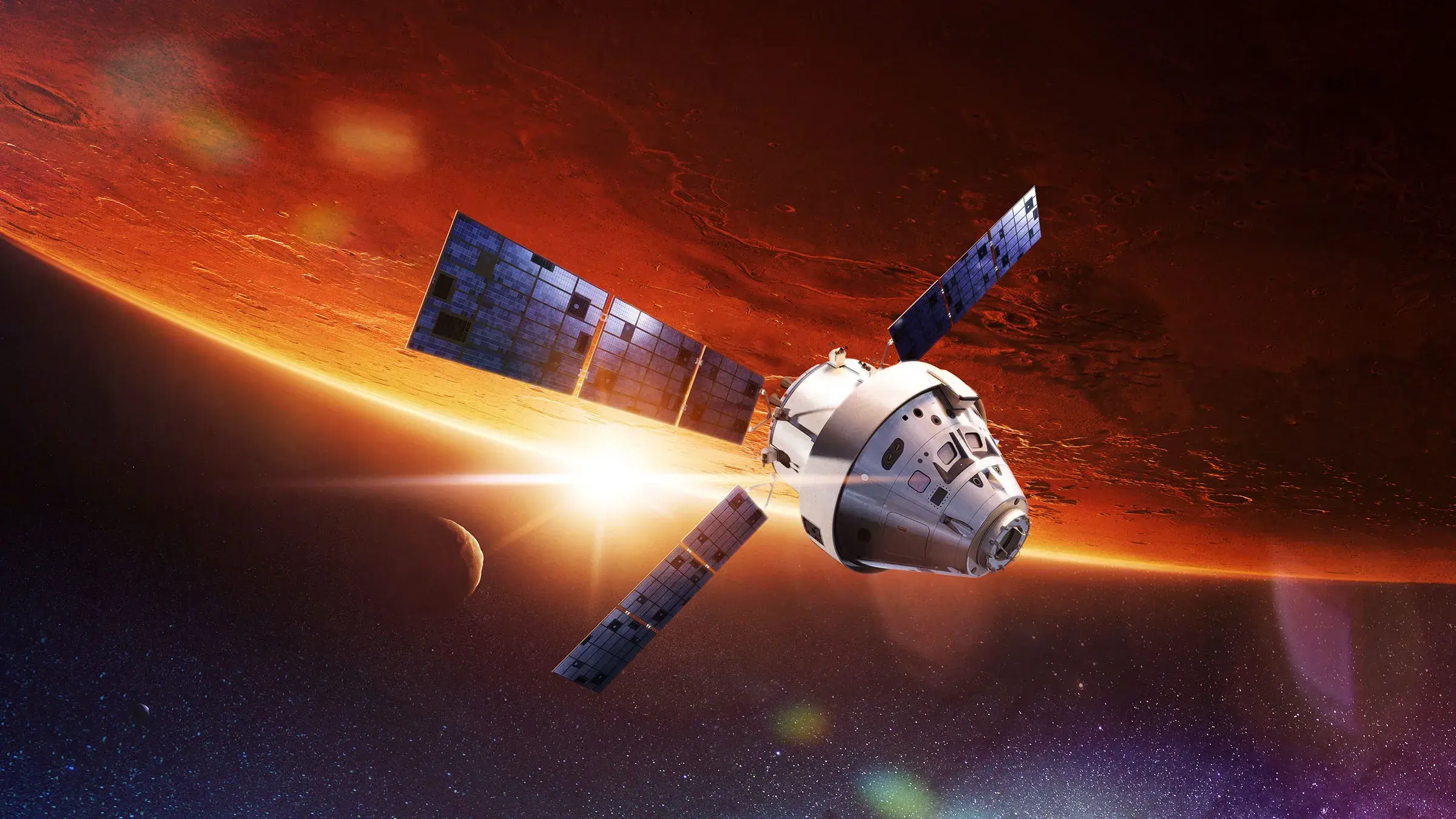
The Weight Penalty Barrier
To make a rocket strong enough to withstand hurricane-force winds or severe turbulence, engineers would need to add heavy structural reinforcements. However, every kilogram of extra metal reduces the amount of payload (satellites or humans) the rocket can carry to orbit, making the mission inefficient.
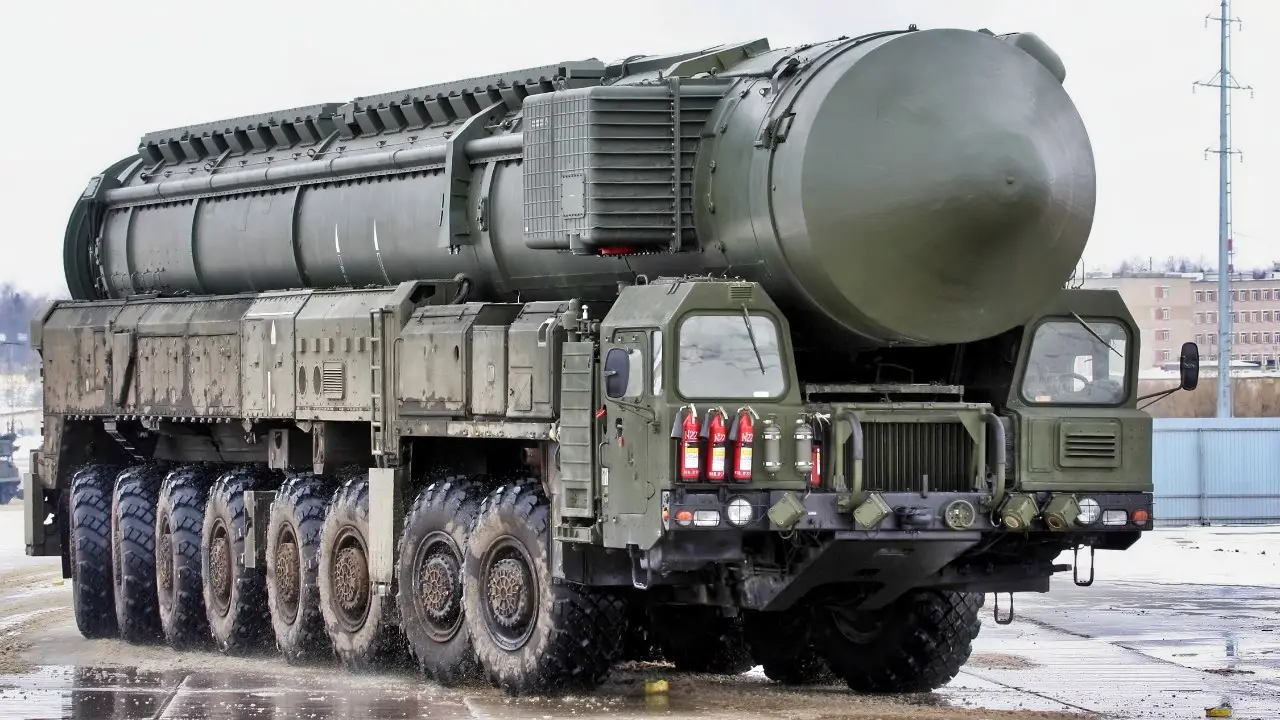
ICBMs Design
Intercontinental Ballistic Missiles (ICBMs) like the Minuteman III are essentially 'weather-proof' rockets designed to launch during a war, regardless of storms. Because they don't need to reach a stable orbit or ensure human safety, they can be built with rugged, less efficient designs that space agencies generally avoid.
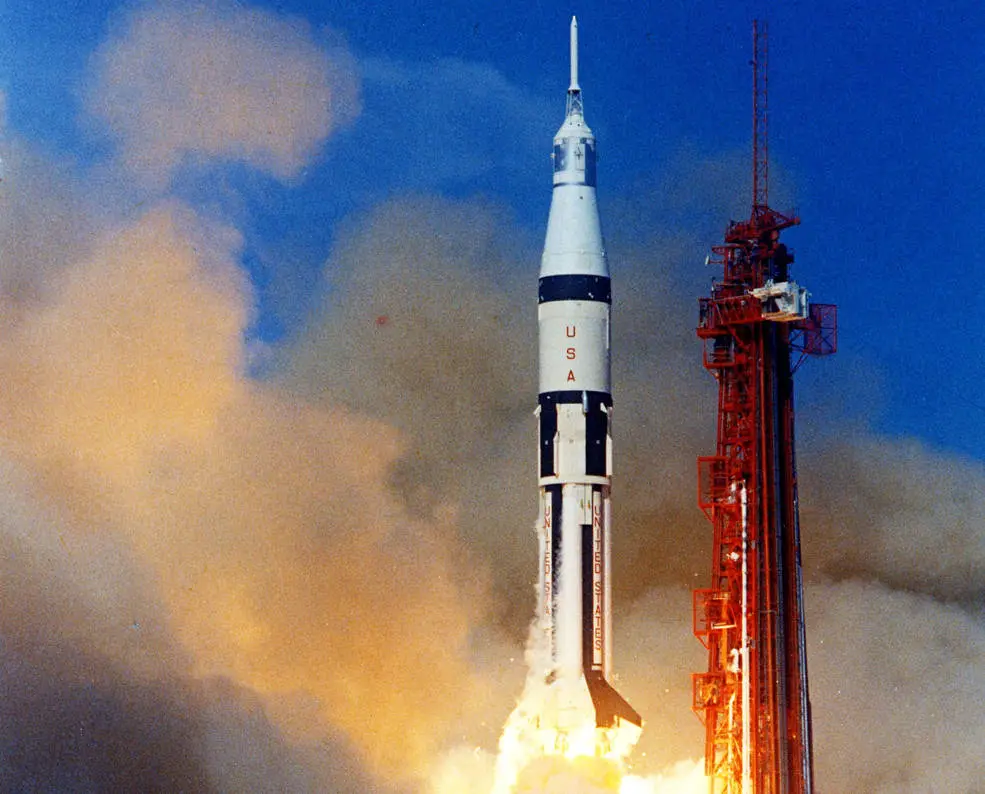
The Lightning Trap
Rockets can actually create their own lightning by flying through electrically charged clouds, a phenomenon known as triboelectrification. This happened to Apollo 12, which was struck twice; since then, rules force rockets to avoid thick clouds rather than trying to engineer 'lightning-proof' ships.
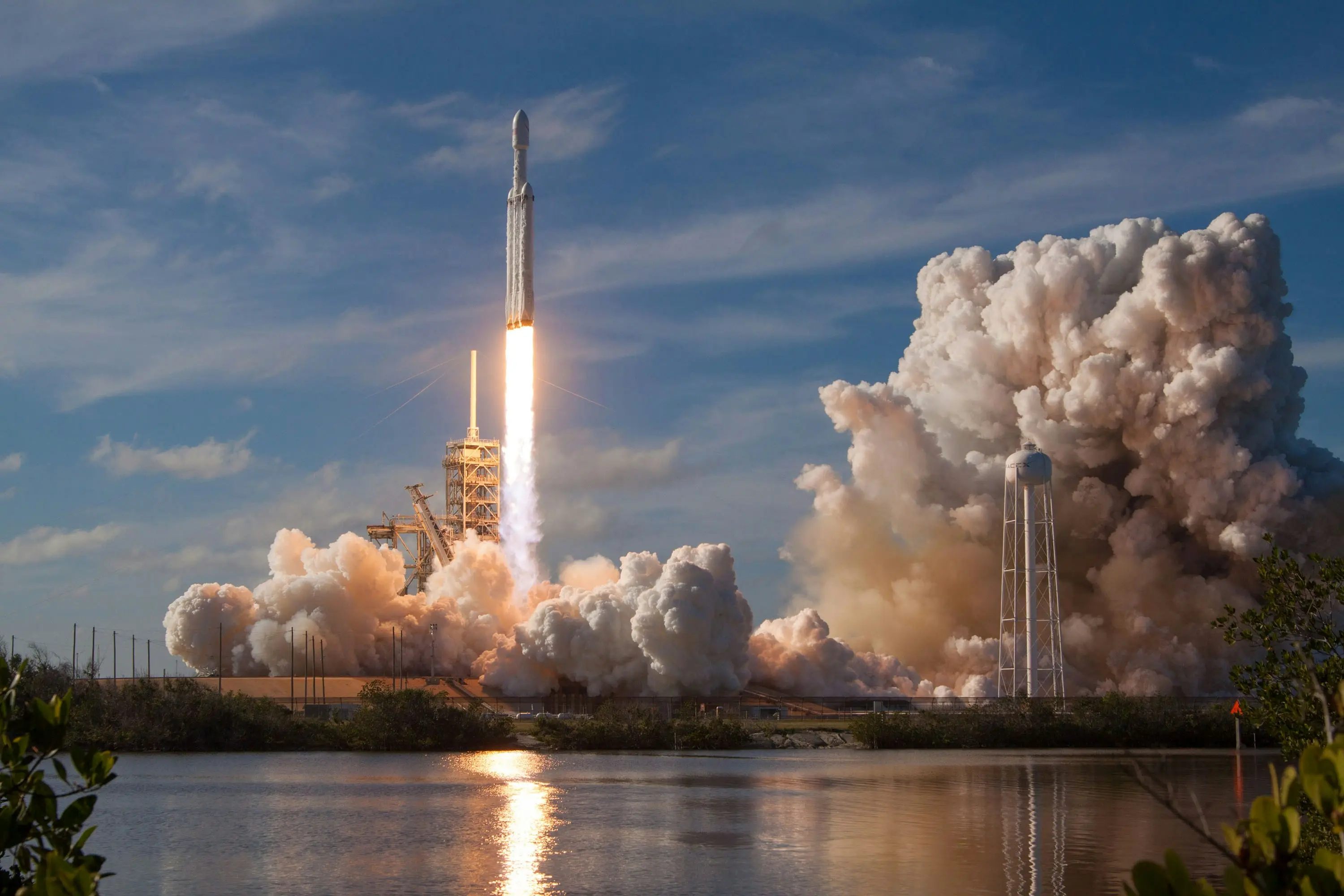
Wind Shear
Even if the ground is calm, high-altitude 'wind shear' sudden changes in wind speed can snap a rocket’s lightweight frame like a dry twig. Space rockets are built as light as possible (often thin aluminium) to maximise efficiency, leaving them vulnerable to these aerodynamic stresses.
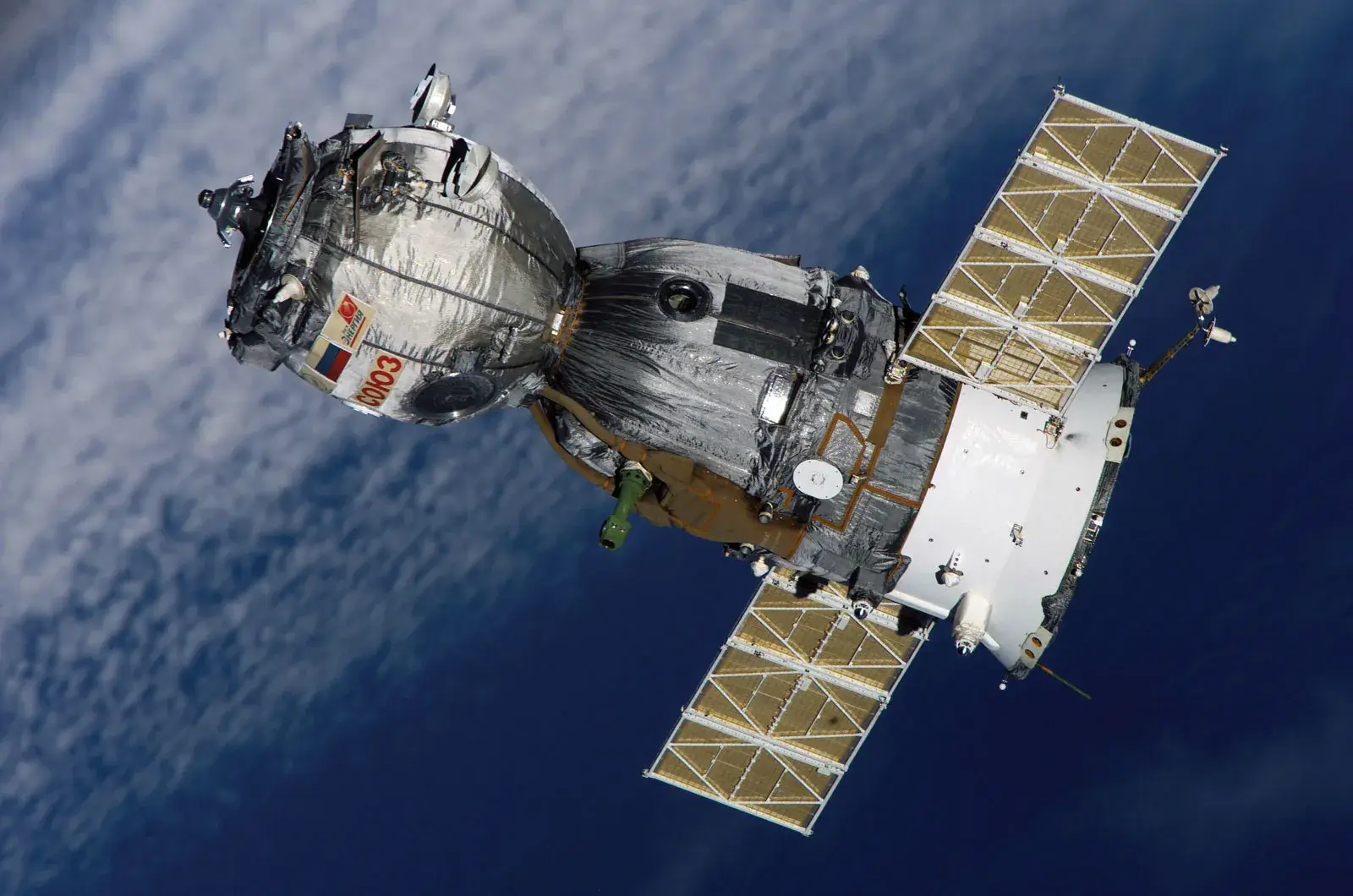
The Russian Soyuz
The Russian Soyuz rocket is famous for its rugged durability, frequently launching in blizzards and temperatures as low as -5°C. Unlike most Western rockets, the Soyuz design prioritises robustness over cutting-edge weight saving, allowing it to fly when others would scrub.
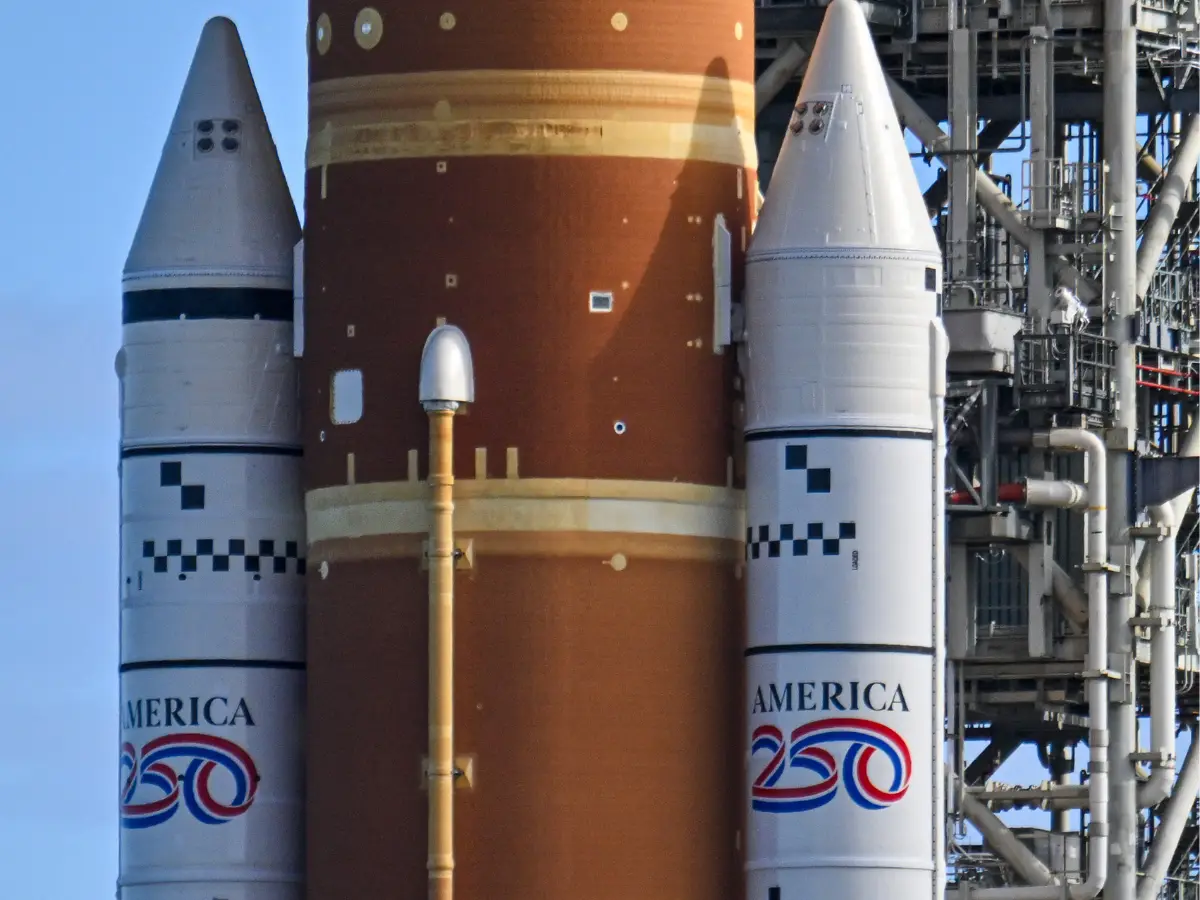
Human Safety vs. Schedule
For crewed missions like NASA’s Artemis or SpaceX’s Dragon, the risk tolerance is near zero, meaning weather rules are incredibly strict. While a missile can risk failure in a storm, a human-rated rocket will always choose to wait for calm skies rather than test engineering limits.
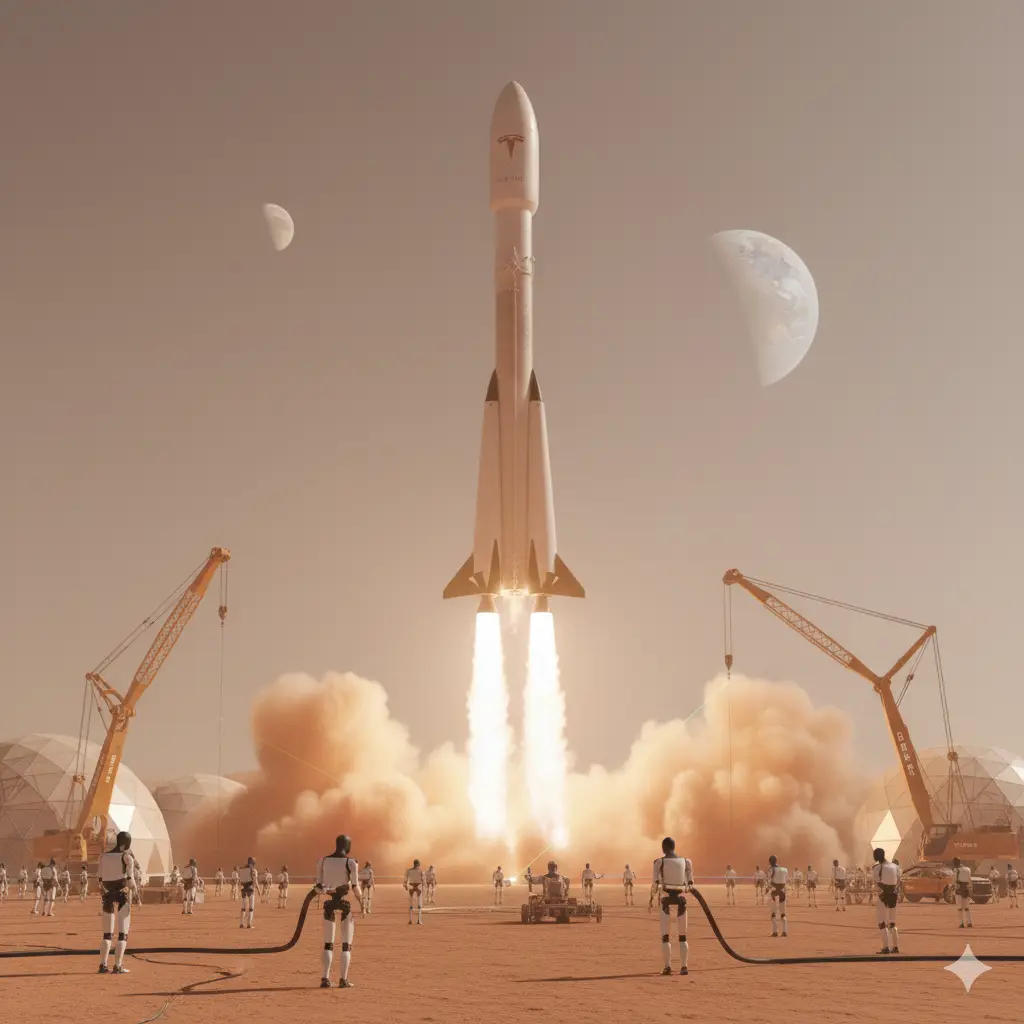
Cost of a 'Storm-Proof' Rocket
Technically, we could build a stronger, weather-proof space rocket, but it would be astronomically expensive and carry very little cargo. It is simply far cheaper to wait for the weather to clear than to spend billions over-engineering a vehicle to fight the elements.
)
)
)
)
)