Is it logically smarter to buy an electric car right now just to avoid fuel costs?

Electric cars save drivers roughly Rs 700,000 over five years by cutting running costs. However, low-mileage drivers may not recover the high initial price tag.
Rs 8 per kilometre
A standard petrol car currently costs nearly Rs 8.75 to run for every single kilometre. This means long commutes heavily burden household budgets, pushing many drivers to look for alternative solutions to avoid paying premium rates at local fuel stations
Rs 2 running cost
Running an electric vehicle is drastically cheaper, costing just under Rs 2 per kilometre on a combined charging schedule. This massive difference means daily drivers can practically ignore fluctuating crude oil prices while relying on stable domestic electricity rates.
Save Rs 700,000 fast
A driver who completes 100,000 kilometres over five years can save nearly Rs 700,000 on fuel alone. This heavy reduction in running costs makes high-mileage driving incredibly affordable compared to filling up a petrol tank every week.
Rs 650,000 upfront premium
Buyers must remember that a new electric car carries an upfront premium of around Rs 650,000 over a petrol equivalent. This initial investment means the vehicle requires years of consistent driving to truly break even and deliver genuine financial returns.
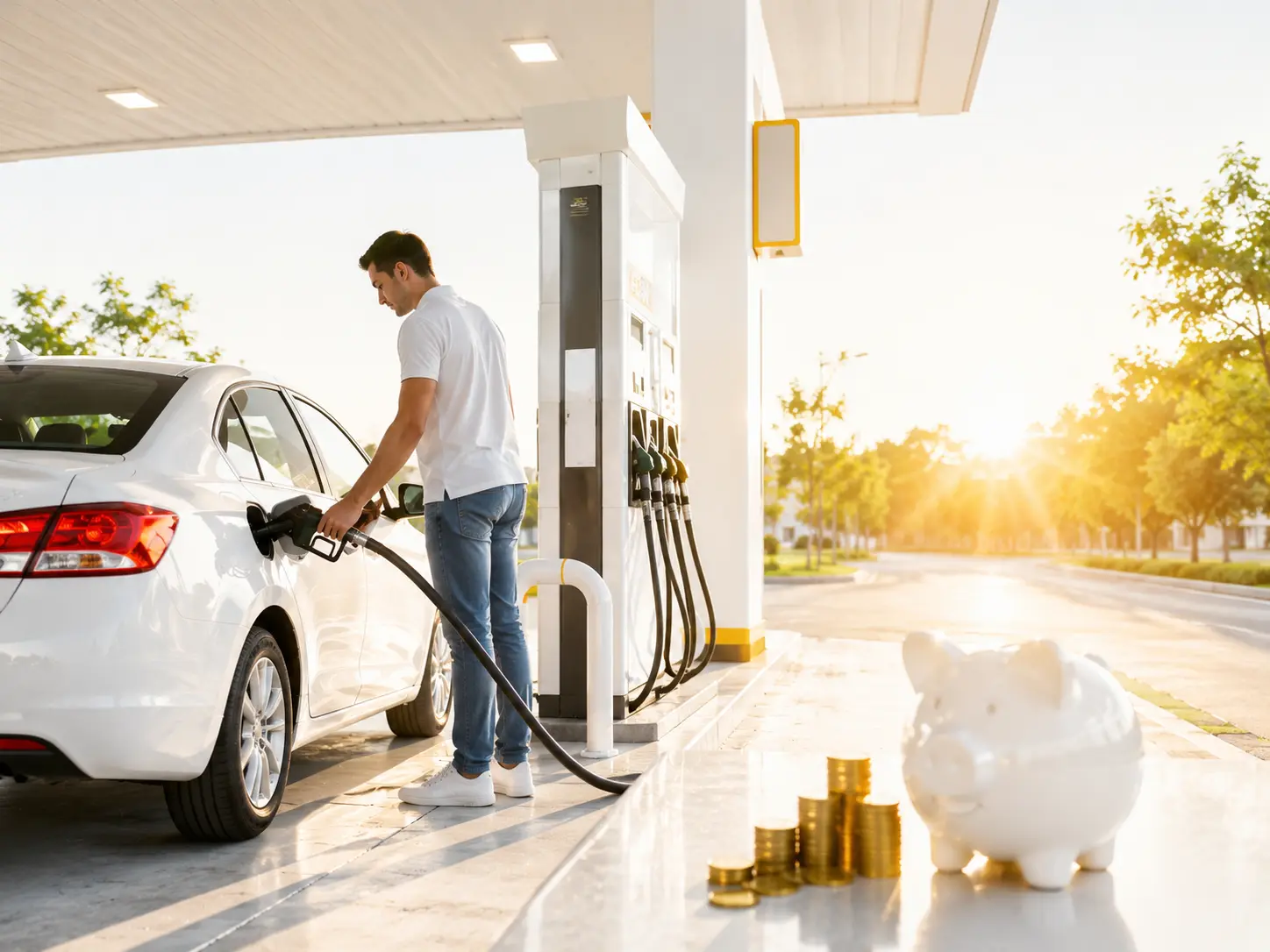
Under 4,000 kilometres annually
If a car is driven for less than 4,000 kilometres in a year, sticking to a petrol engine remains the smarter choice financially. The fuel savings will never be enough to justify the higher purchase price if the vehicle spends most days parked in a garage.
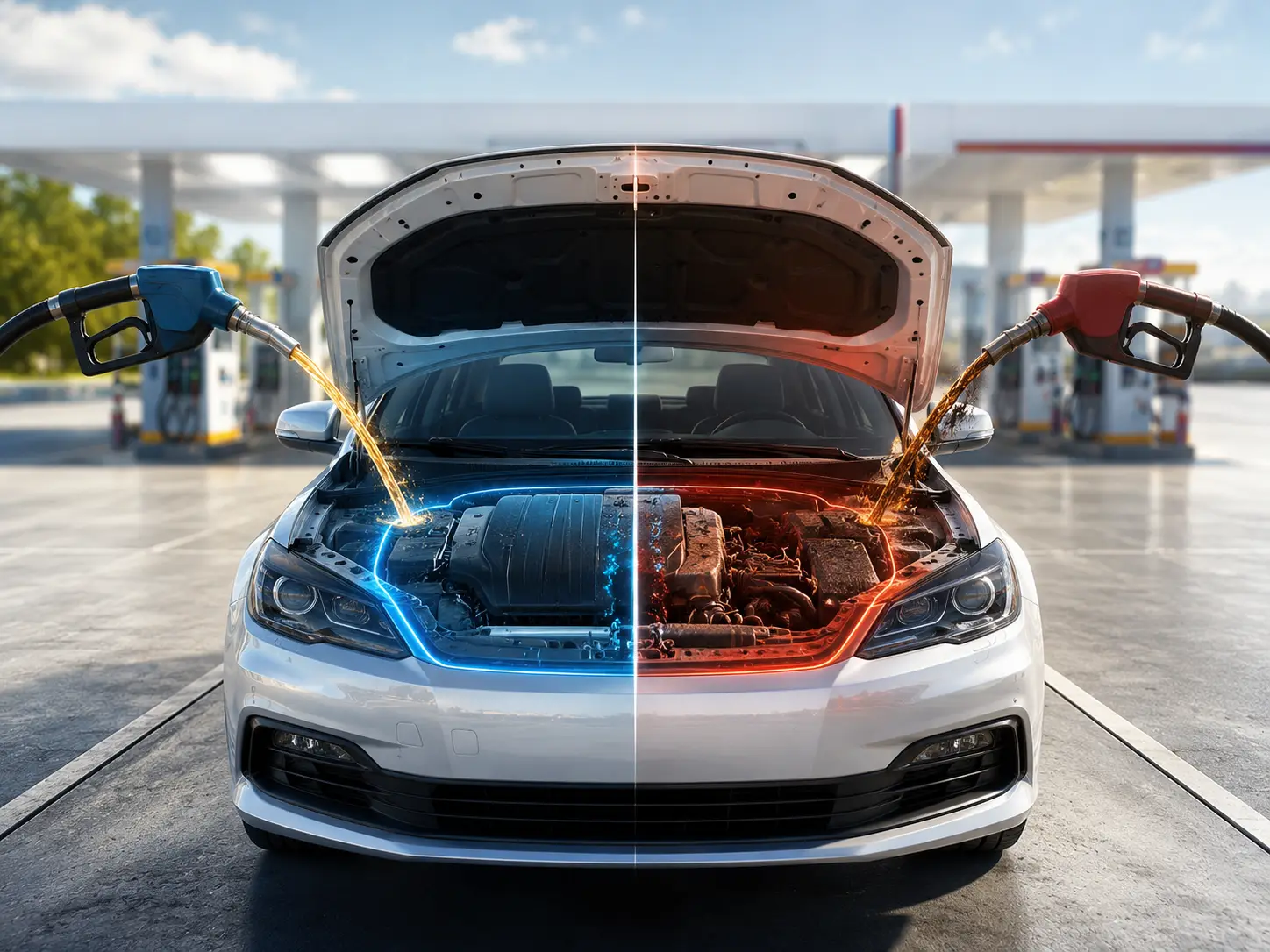
Zero oil and plugs
Battery-powered cars benefit from having only one major rotating part in the motor. With no engine oil to change, zero spark plugs to replace, and no gears to wear out, the long-term maintenance costs drop by a substantial margin.
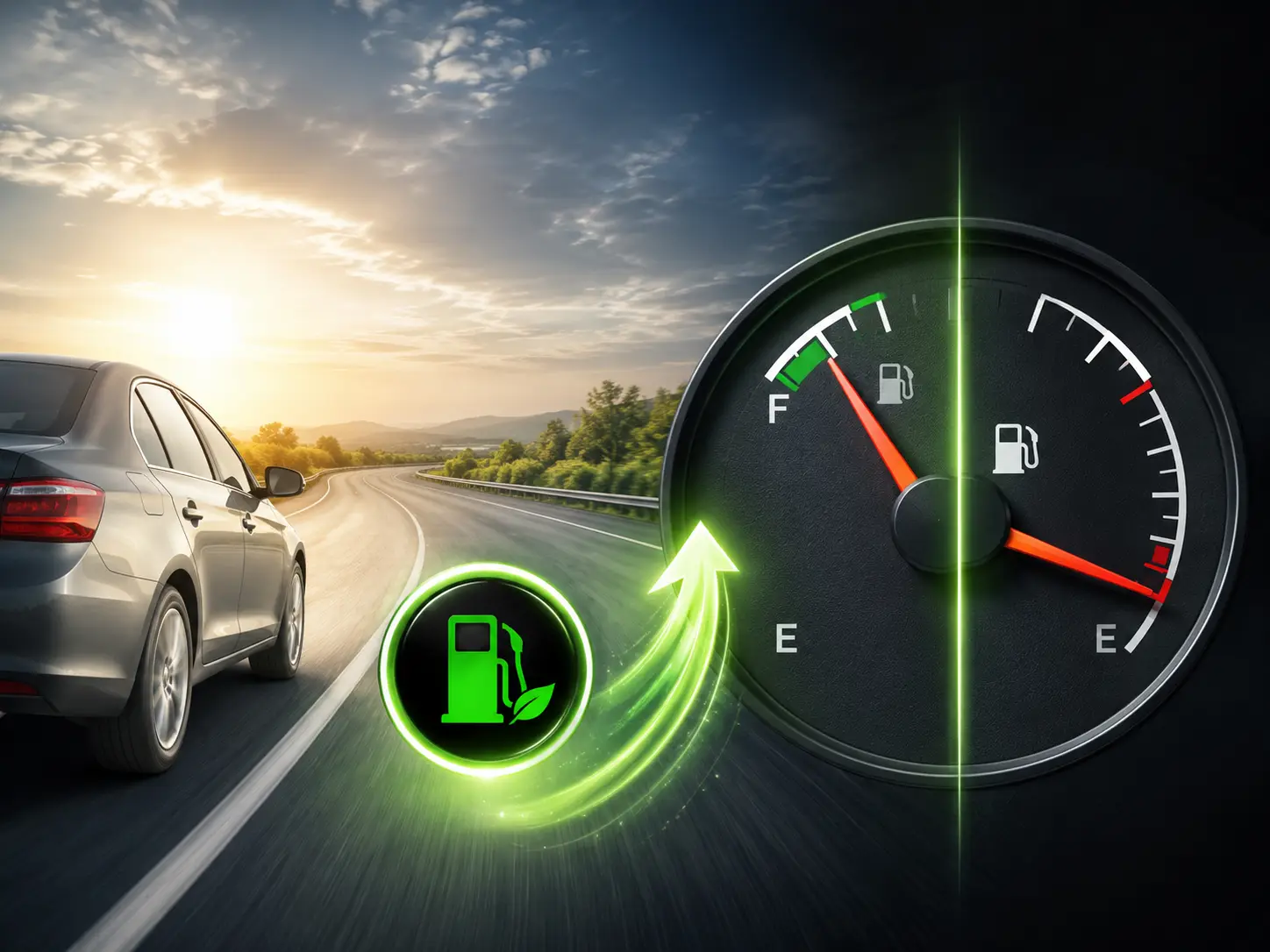
80 per cent home charge
To achieve the best possible savings, owners must complete about 80 per cent of their charging at home. Relying heavily on commercial public charging networks will raise the electricity bill, significantly reducing the financial gap between battery power and fossil fuels.

)
)

)