Is Israel’s LORA missile better than BrahMos, which Indian jets can actually carry it?

What sets Air LORA apart is its blend of ballistic missile speed and air-launch flexibility, enabling deep precision strikes beyond enemy defences , but which Indian fighter jet can actually carry this missile?
Introduction — A New Long Arm for the IAF
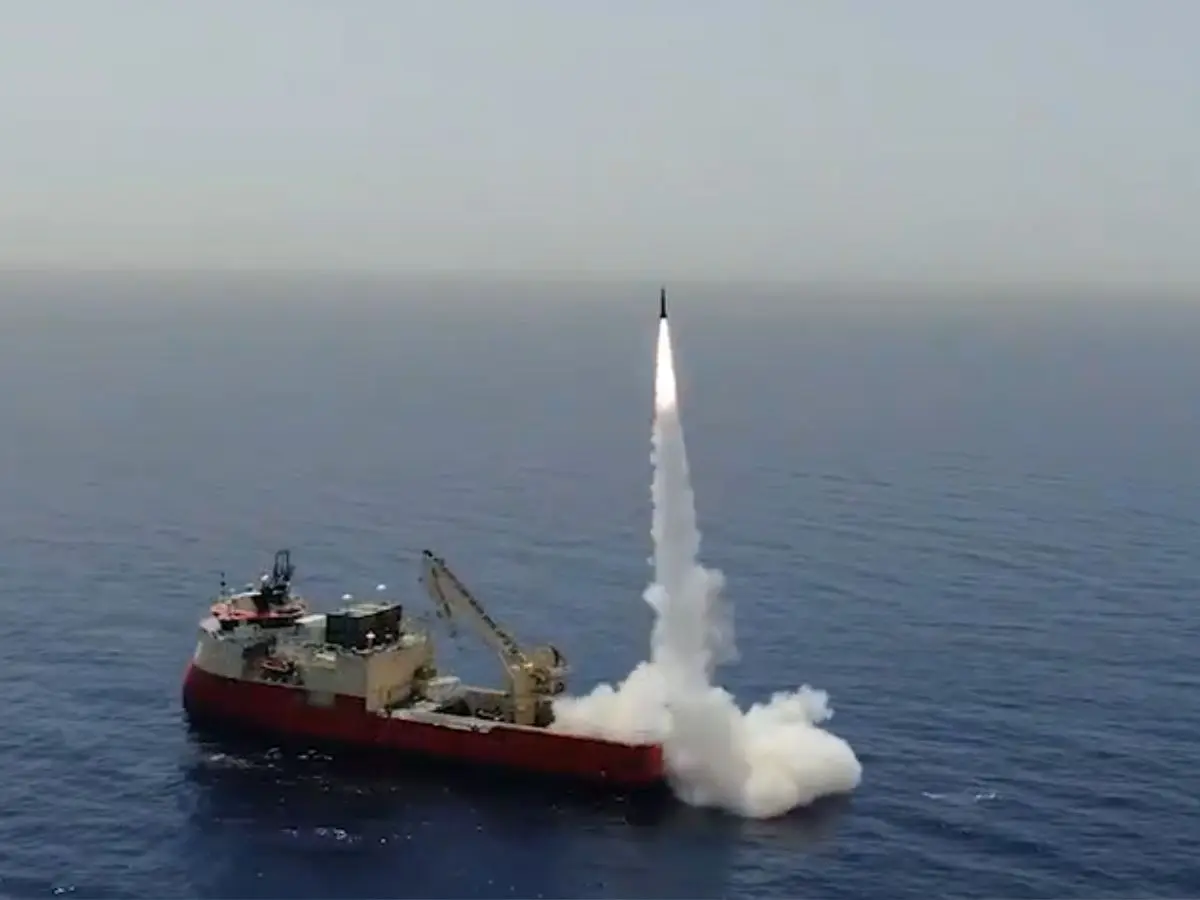
The Indian Air Force (IAF) is steadily expanding its stand-off strike capability. While the BrahMos cruise missile remains a crucial asset, India may be eyeing Israel Aerospace Industries’ Long-Range Artillery (LORA) missile, specifically its air-launched version, Air LORA. This follows the success of Operation Sindoor, where the Rampage missile demonstrated the value of striking deep without risking pilots or aircraft. What sets Air LORA apart is its blend of ballistic missile speed and air-launch flexibility, enabling deep precision strikes beyond enemy defences , but which Indian fighter jet can actually carry this missile?
What Makes LORA Different
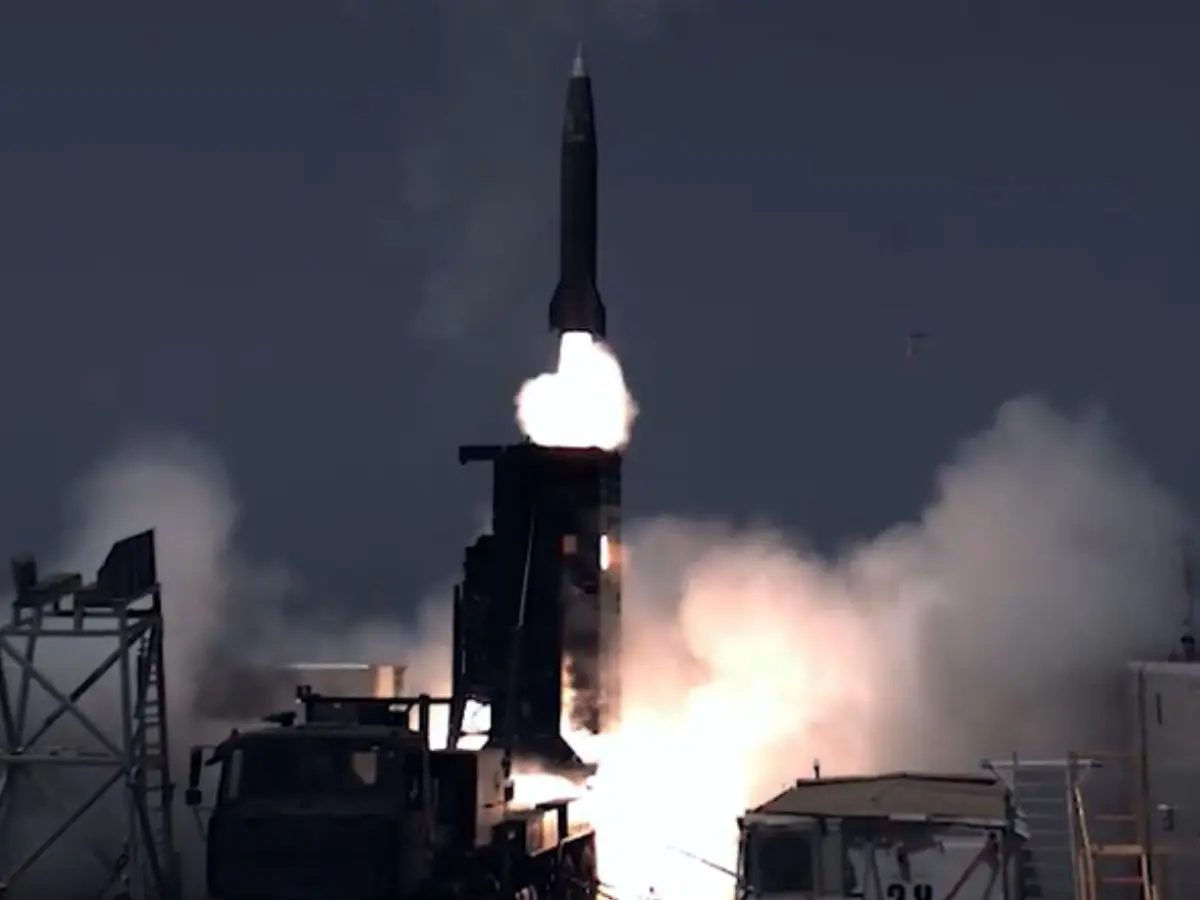
It was developed by Israel Aerospace Industries (IAI), designed specifically for precision strikes against high-value targets. Unlike traditional cruise missiles that fly low and hug terrain, LORA is quasi-ballistic. It follows a high, depressed trajectory, making it more difficult to detect and intercept. The missile flies at supersonic speeds of about Mach 5 and can adjust its path mid-flight, improving its ability to penetrate sophisticated air defences.
Key Technical Details
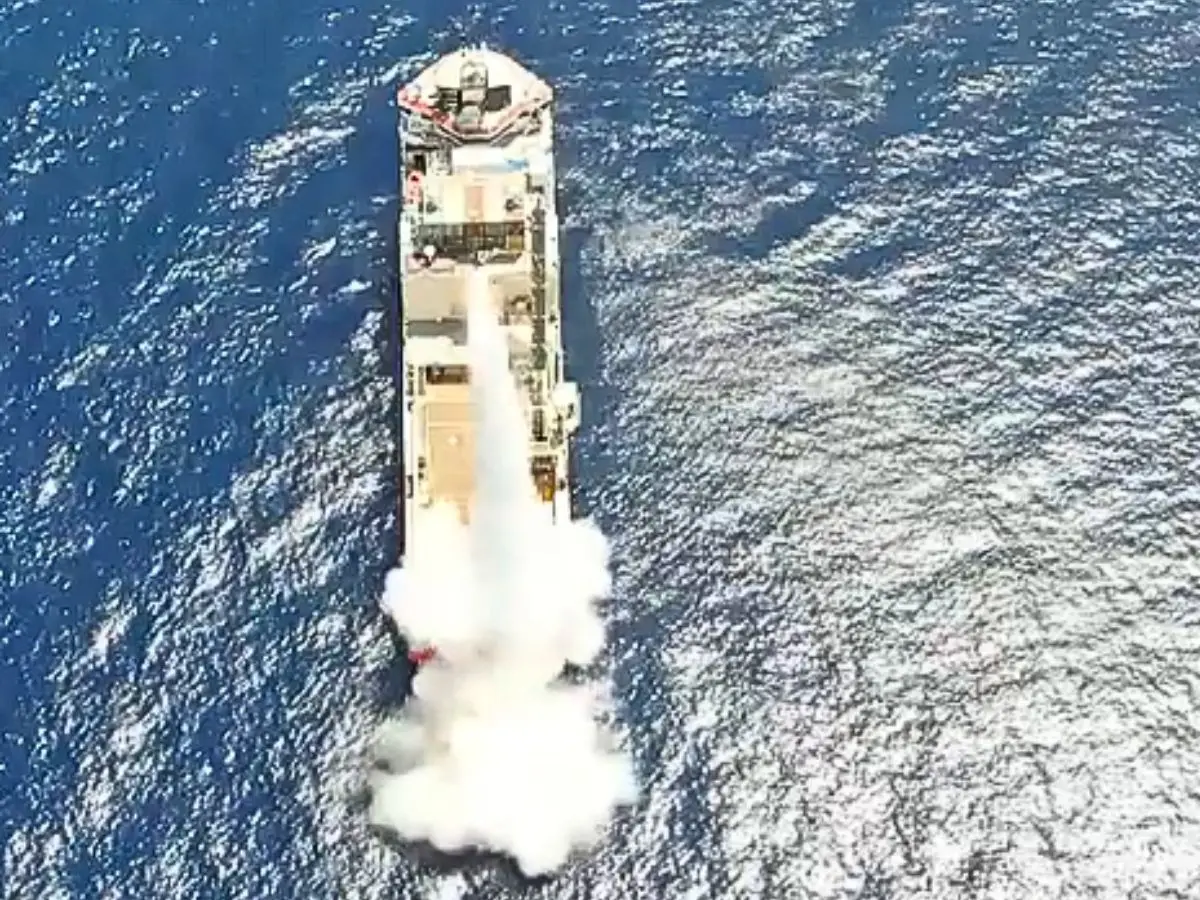
Air LORA has a range of 400–430 km. Its warhead options include blast fragmentation or deep-penetration, with a maximum weight of 570 kg. Each missile weighs about 1,600 kg and measures 5.2 metres in length. It achieves pinpoint accuracy, with a Circular Error Probability (CEP) of less than 10 metres, thanks to its Inertial Navigation System and GPS with anti-jamming safeguards, which allows it to have "fire-and-forget" capability.
How LORA Complements BrahMos
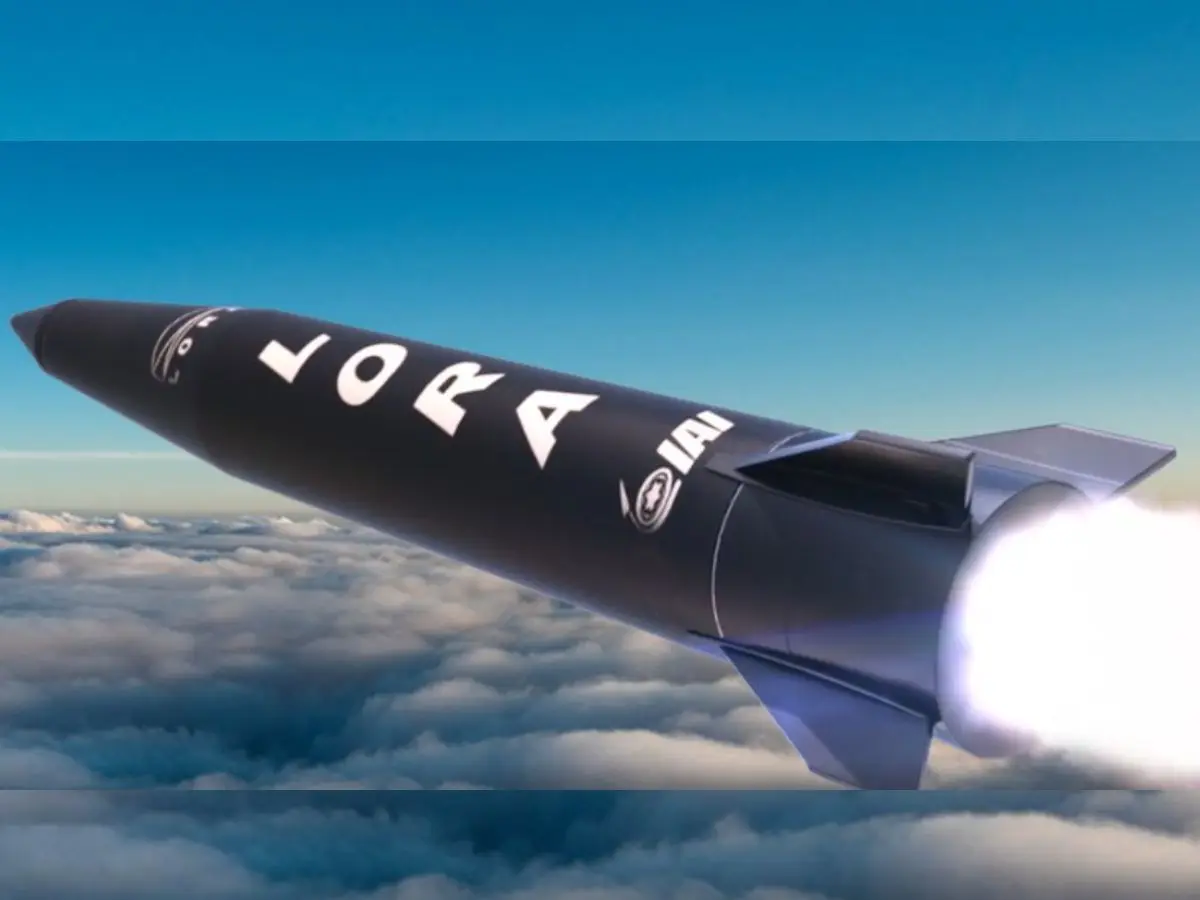
BrahMos remains vital for near-border strikes, flying at Mach 2.8 and destroying targets swiftly at low altitude. However, it is larger and more expensive than LORA. LORA fills a different niche: deep strikes over 400 km away, launched from a safe distance, giving the IAF more flexibility against well-defended targets deep inside enemy territory.
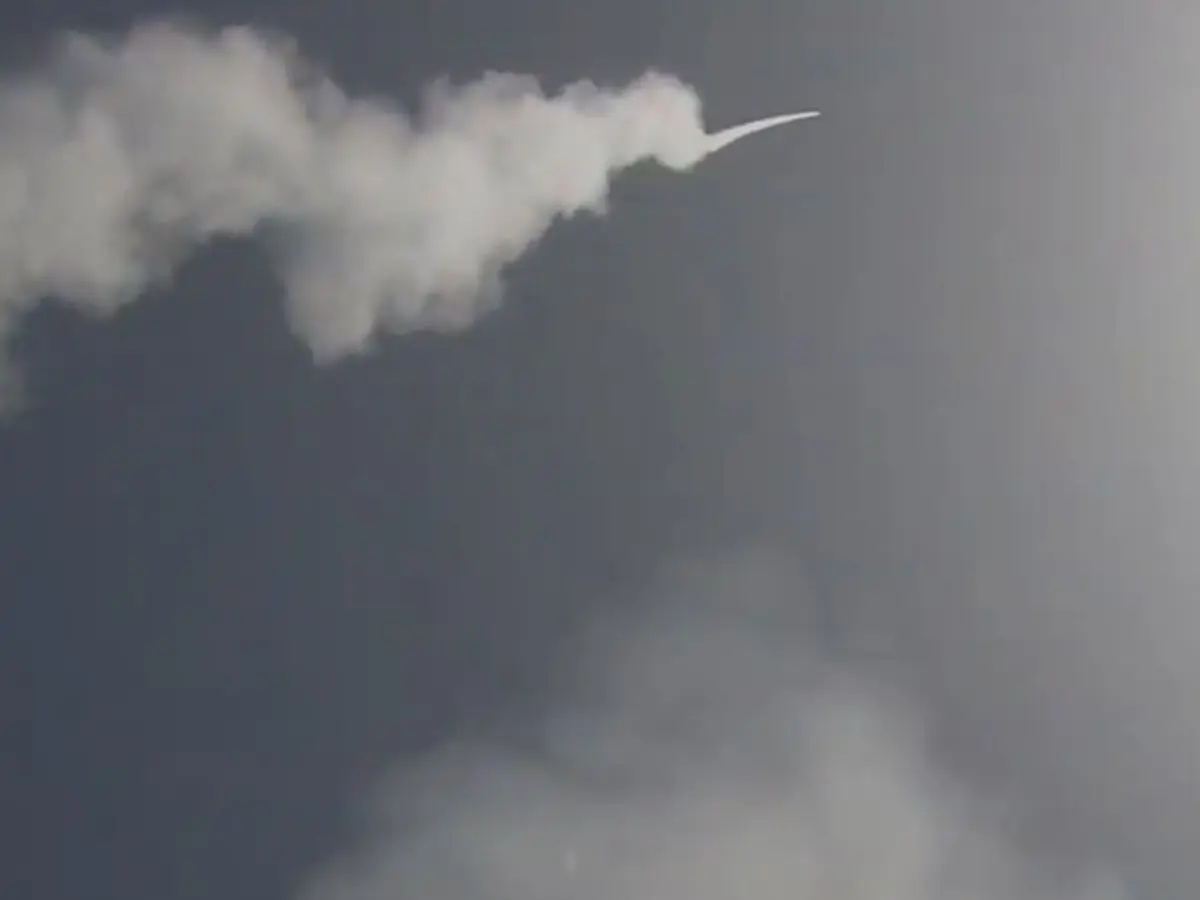
Why the Su-30MKI Fits the Bill
The Su-30MKI is India’s most capable platform for deploying heavy stand-off weapons like LORA. It can carry a payload of up to 8 tonnes and has already been adapted to fire the air-launched BrahMos. With a range of 3,000 km (extendable with mid-air refuelling) and advanced avionics, the Su-30MKI can launch LORA while staying clear of hostile airspace.
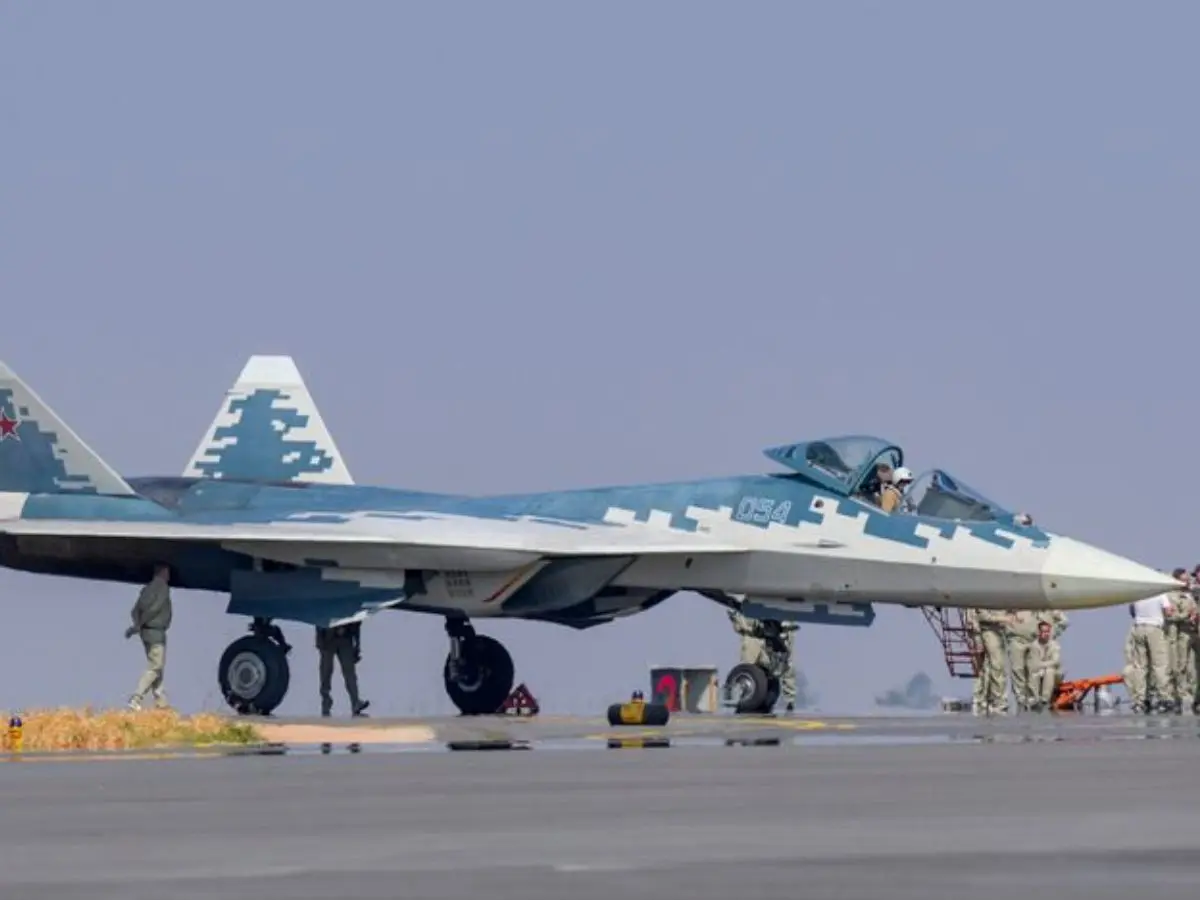
Other Possible Carriers
While the Su-30MKI is the most practical choice, aircraft like the Rafale or Mirage 2000 could theoretically integrate LORA with significant modifications. However, given its heavy weight and dimensions, the Sukhoi remains the realistic option for operational use, with reports suggesting each jet could carry up to four Air LORA missiles.
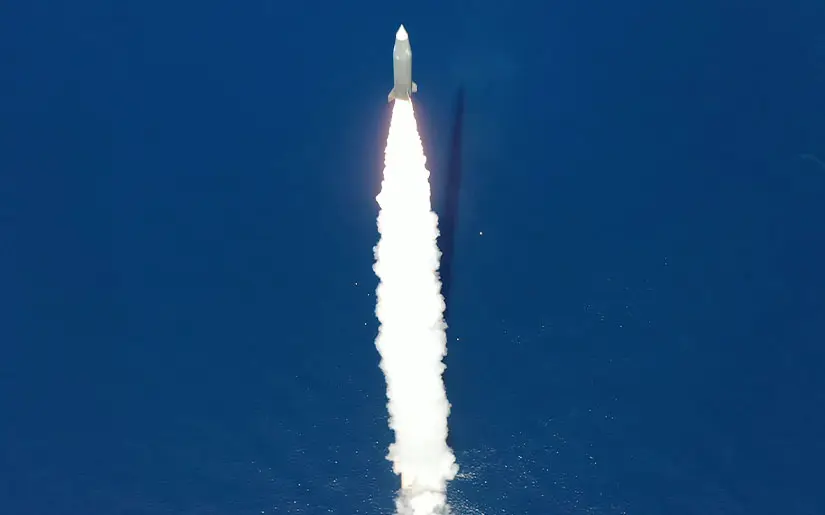
What Comes Next
Integrating LORA with Indian fighters will demand thorough trials to ensure resilience against jamming and to complement systems like BrahMos and future indigenous missiles. If successful, Air LORA could significantly extend India’s precision strike reach without exposing pilots to high-risk missions.
)
)
)
)
)