Is Iran’s most advanced air defence system capable of detecting missiles launched from USS Abraham Lincoln?

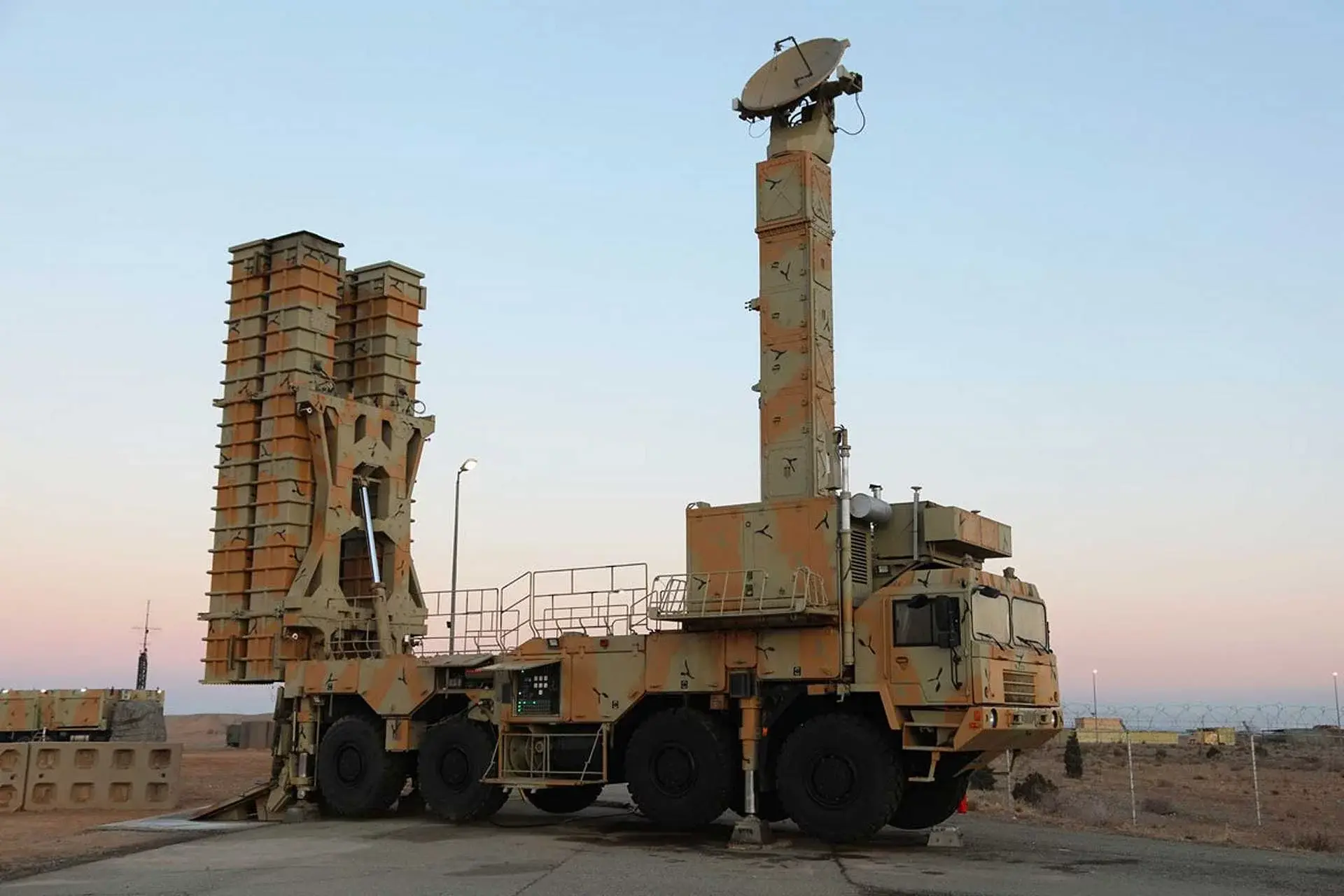
Iran’s air defence mostly relies on the Bavar-373, claiming it rivals Russia’s S-400 and S-300 systems, which claim ranges of over 300 kilometres and which they claim can track stealth aircraft and cruise missiles.

Bavar-373
Tehran calls the Bavar-373 its most advanced indigenous defence system, claiming it rivals Russia’s S-400. With the Sayyad-4B missile, officials state it has a detection range of over 450 kilometres and can engage targets at 300 kilometres, theoretically covering the Persian Gulf.
The S-300
Iran relies heavily on the Russian S-300 PMU-2, capable of tracking up to 100 targets simultaneously. However, during the October 2024 tensions, reports indicated that several of these batteries were successfully targeted, raising questions about their effectiveness against modern electronic warfare.
Rezonans-NE: The Stealth Hunter
To counter stealth jets like the F-35C, Iran deploys the Russian Rezonans-NE radar. This Very High Frequency (VHF) system can reportedly detect the presence of stealth aircraft from hundreds of kilometres away by using long wavelengths that reflect off airframes.
VHF radars
While VHF radars like Rezonans-NE can 'see' something is there, they often lack the precision to guide a missile to the target. This means Iran might know the USS Abraham Lincoln has launched aircraft.
Tomahawks
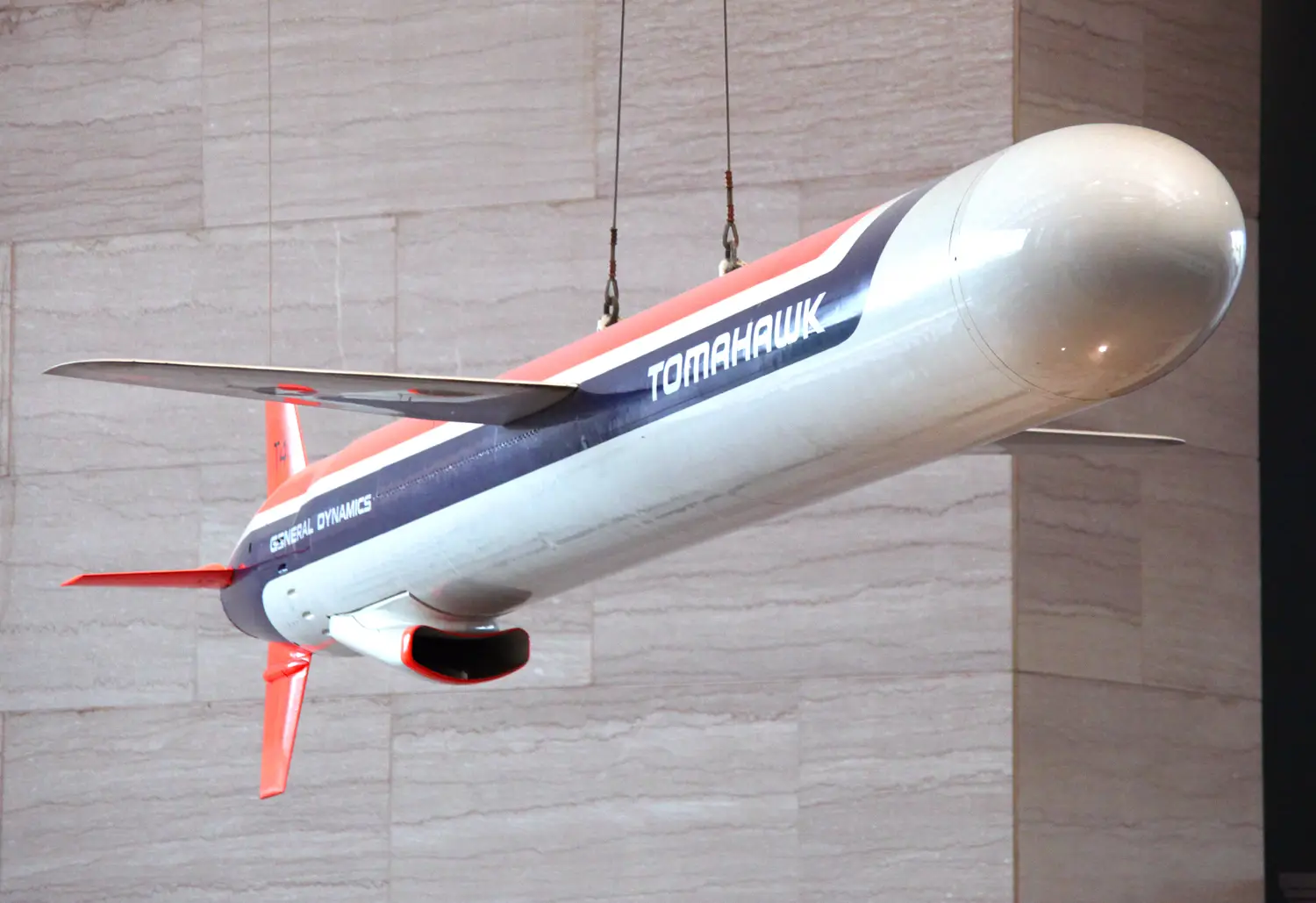
The USS Abraham Lincoln’s escort destroyers carry Tomahawk cruise missiles that fly at extremely low altitudes, hugging the terrain. Ground-based radars like the Bavar-373 are limited by the radar horizon (earth’s curvature), often failing to detect these missiles until they are just 30-40 kilometres away.
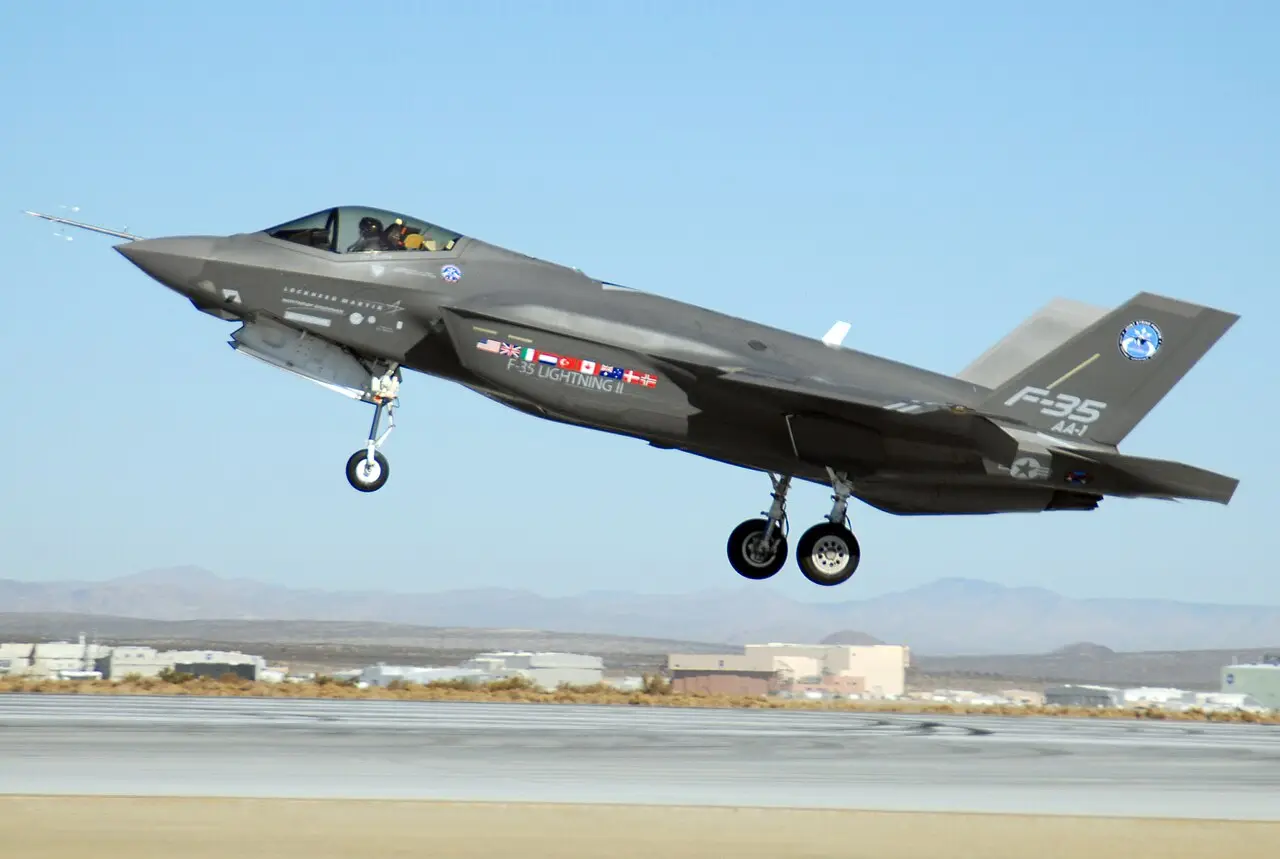
The F-35C’s Electronic Cloak
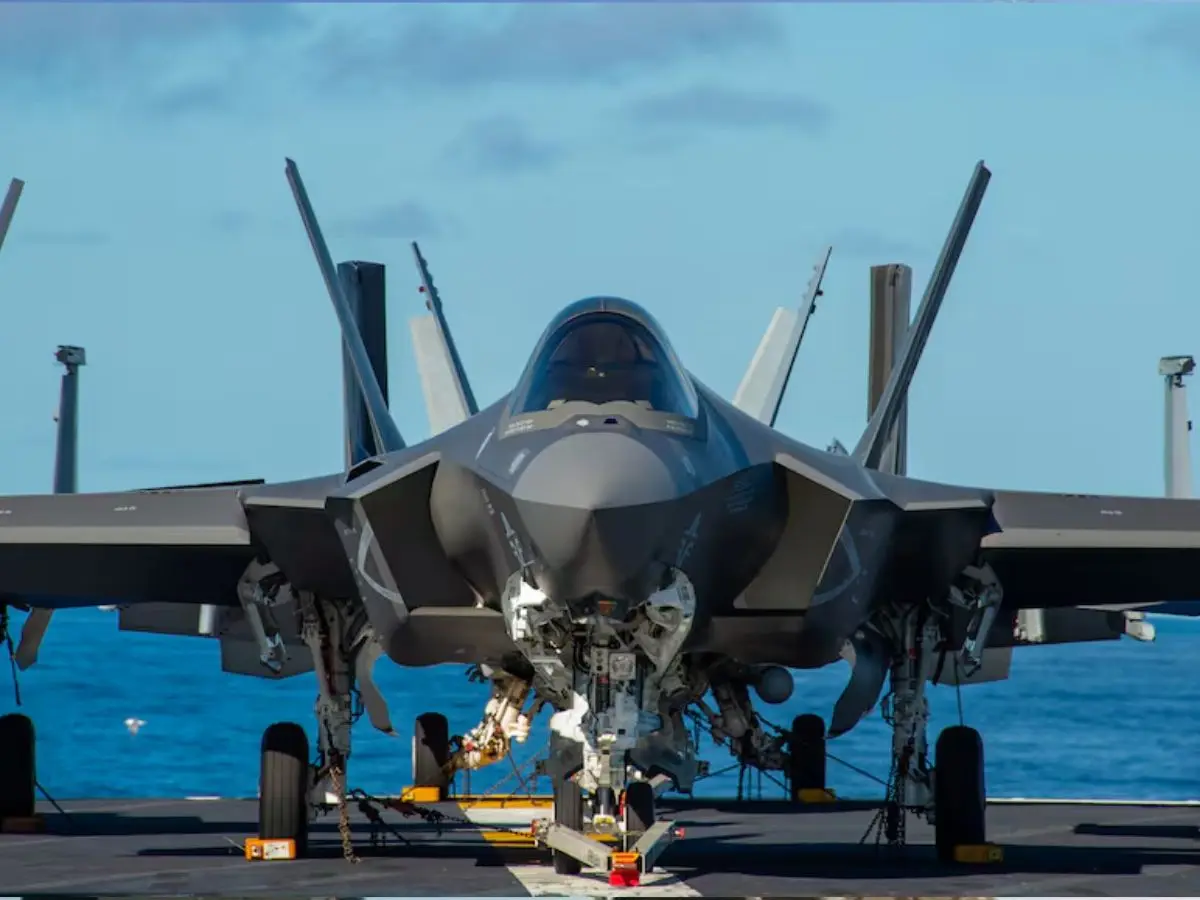
The F-35C Lightning II carries an advanced electronic warfare (EW) suite that can identify and jam hostile radar frequencies. Even if an Iranian system detects the jet, the F-35C can use its AN/ASQ-239 Barracuda system to confuse the radar before a missile is fired.
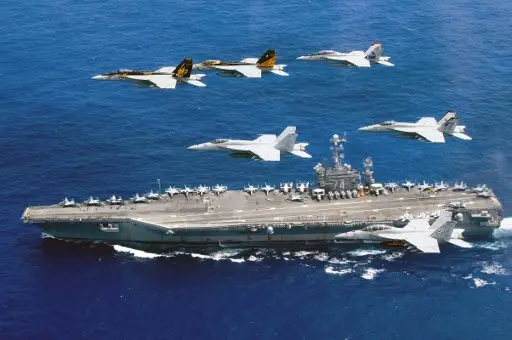
Most likely be able to detect
Iran’s most advanced systems will most likely be able to detect a launch of US missiles. However, consistently tracking and intercepting a coordinated strike of low-flying missiles and jammed stealth fighters will be challenging.
)

)
)
)