Is Indonesia weighing US proposal to expand surveillance across its waters and territory? What it means for China

It described the proposal as a ‘letter of intent’ that has not been finalised and is still undergoing review. Officials emphasised that Indonesia retains full control over its airspace, signalling caution rather than commitment.
Proposal under scrutiny in Jakarta
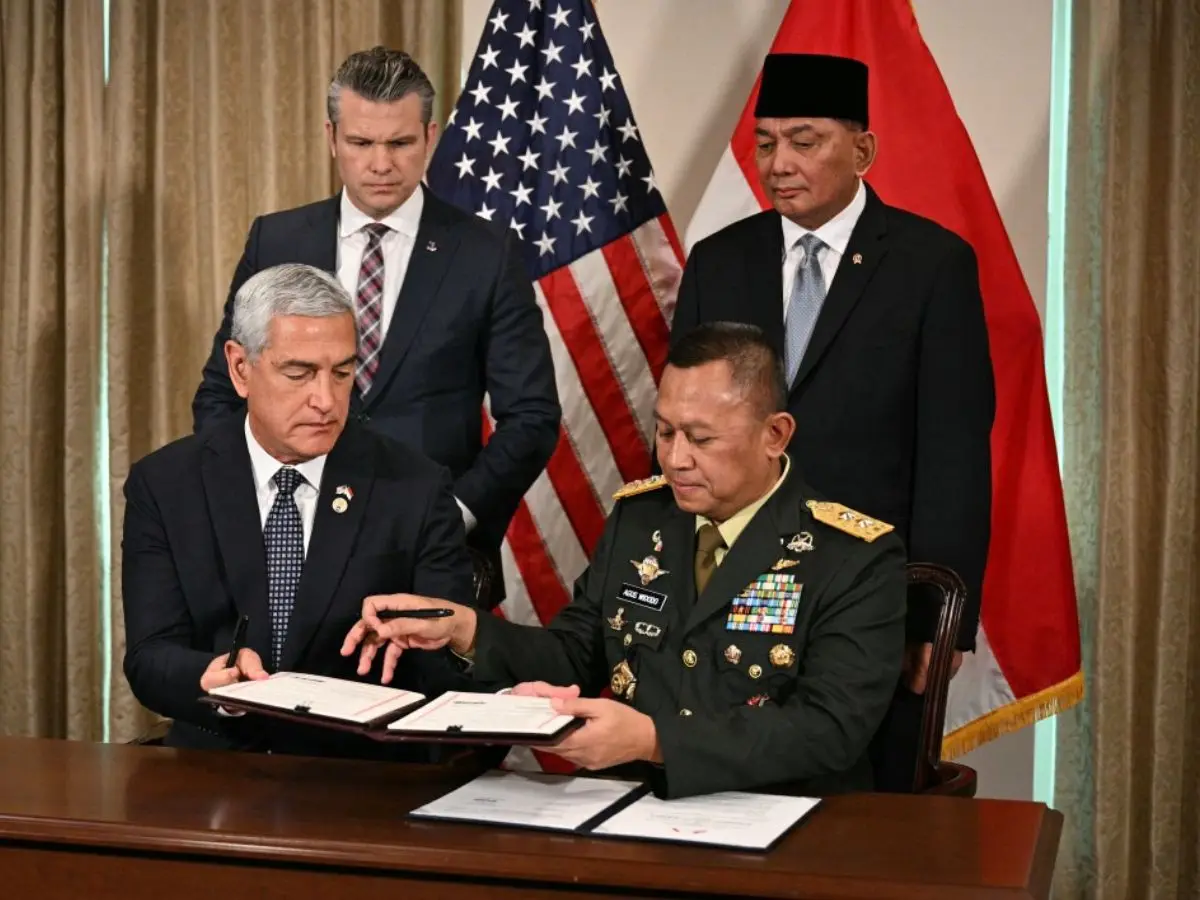
Indonesia said it is reviewing a United States overflight proposal that could expand American military surveillance access across its airspace and waters, raising broader strategic questions for the region. The plan, still under consideration, has triggered internal debate in Jakarta over sovereignty, neutrality and regional stability. However, the government stressed that it has no policy permitting unrestricted access to its airspace for any foreign party, underlining its continued control and cautious approach.

Origins of the US proposal
The proposal reportedly followed a February meeting between Prabowo Subianto and Donald Trump in the White House. It envisages granting US military aircraft “blanket” overflight access for contingency operations, crisis response and joint exercises, significantly expanding operational flexibility in the region.
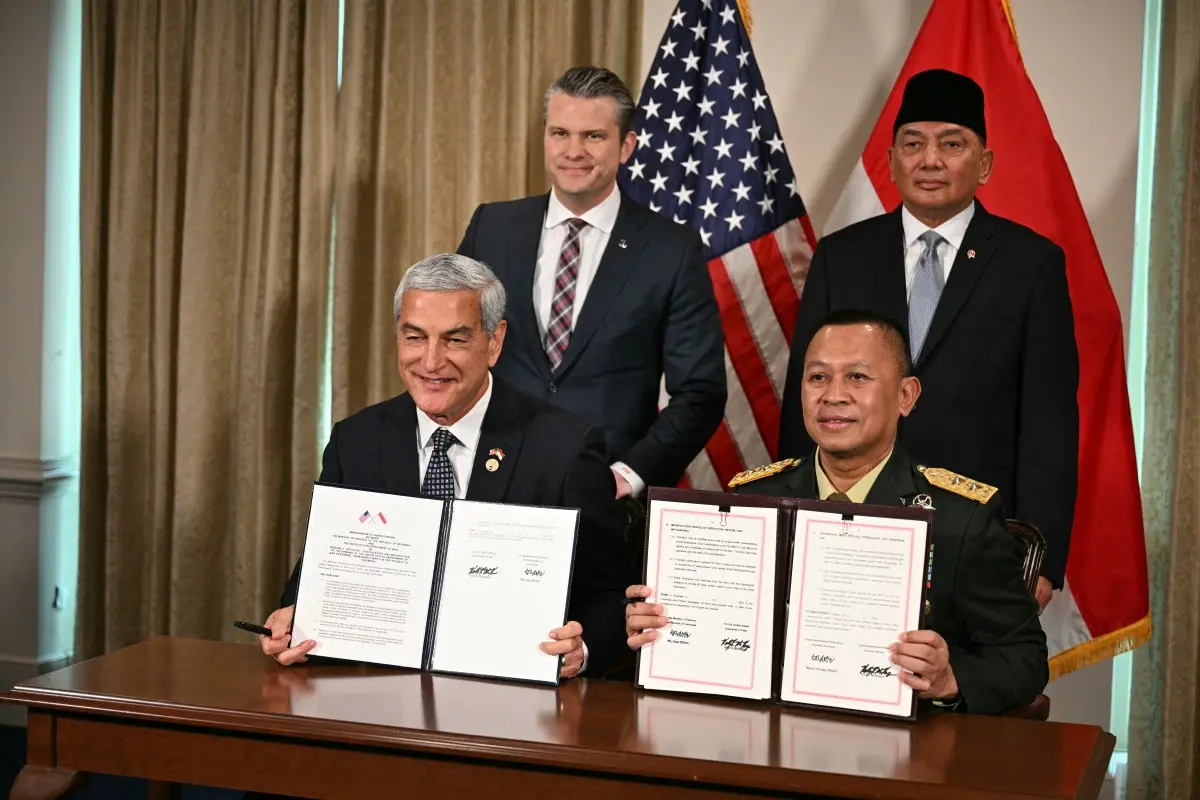
On Tuesday, Reuters reported that while the two nations agreed on a defence cooperation partnership in a meeting on Monday, a Pentagon statement that followed it made no reference to overflights, although two Indonesian sources said the US proposal had previously been slated to be signed there.
Defence ministry confirms draft status
Indonesia’s defence ministry has acknowledged the plan but stressed that it remains a draft. It described the proposal as a ‘letter of intent’ that has not been finalised and is still undergoing review. Officials emphasised that Indonesia retains full control over its airspace, signalling caution rather than commitment.
Foreign ministry signals internal deliberations
The foreign ministry reinforced that position, noting the proposal is still being assessed through internal channels. Spokesperson Yvonne Mewengkang told Reuters that the matter is under consideration and that intra-ministerial coordination “is a common and necessary part of the policy making process,” indicating no immediate decision. On Tuesday, the spokesperson had said that overflight clearance was not "a pillar of cooperation agreed upon within the partnership" with the United States.
Warning over entanglement risks
According to a Reuters report, Indonesia’s foreign ministry sent an urgent and confidential letter to the defence ministry in early April, just days before Defence Minister Sjafrie Sjamsoeddin and his US counterpart Pete Hegseth signed a major defence cooperation agreement. The letter cautioned that granting blanket overflight rights could risk “entangling Jakarta in foreign conflicts,” underscoring concerns about preserving Indonesia’s long-standing non-aligned stance.

Strategic implications for China and the region
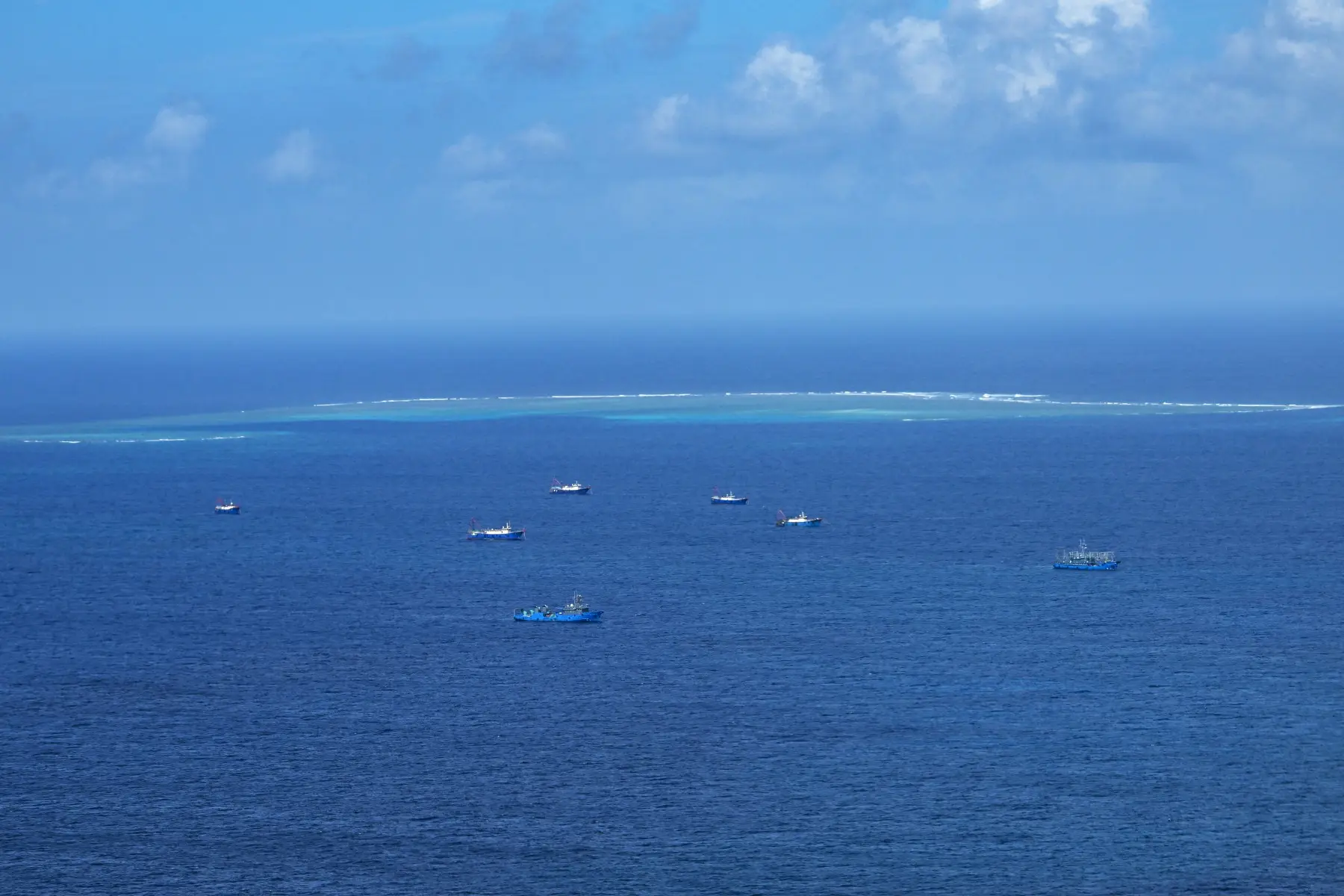
The proposal carries wider geopolitical significance, particularly in relation to South China Sea tensions. Expanded US access could enhance surveillance and rapid response capabilities near contested waters, a development likely to be closely watched by China, which has overlapping territorial claims and a strong presence in the region. In the letter, the foreign ministry also noted that a number of US military aircraft had conducted surveillance operations in the South China Sea on 18 occasions between January 2024 and April 2025.
Indonesia’s position in a contested maritime region
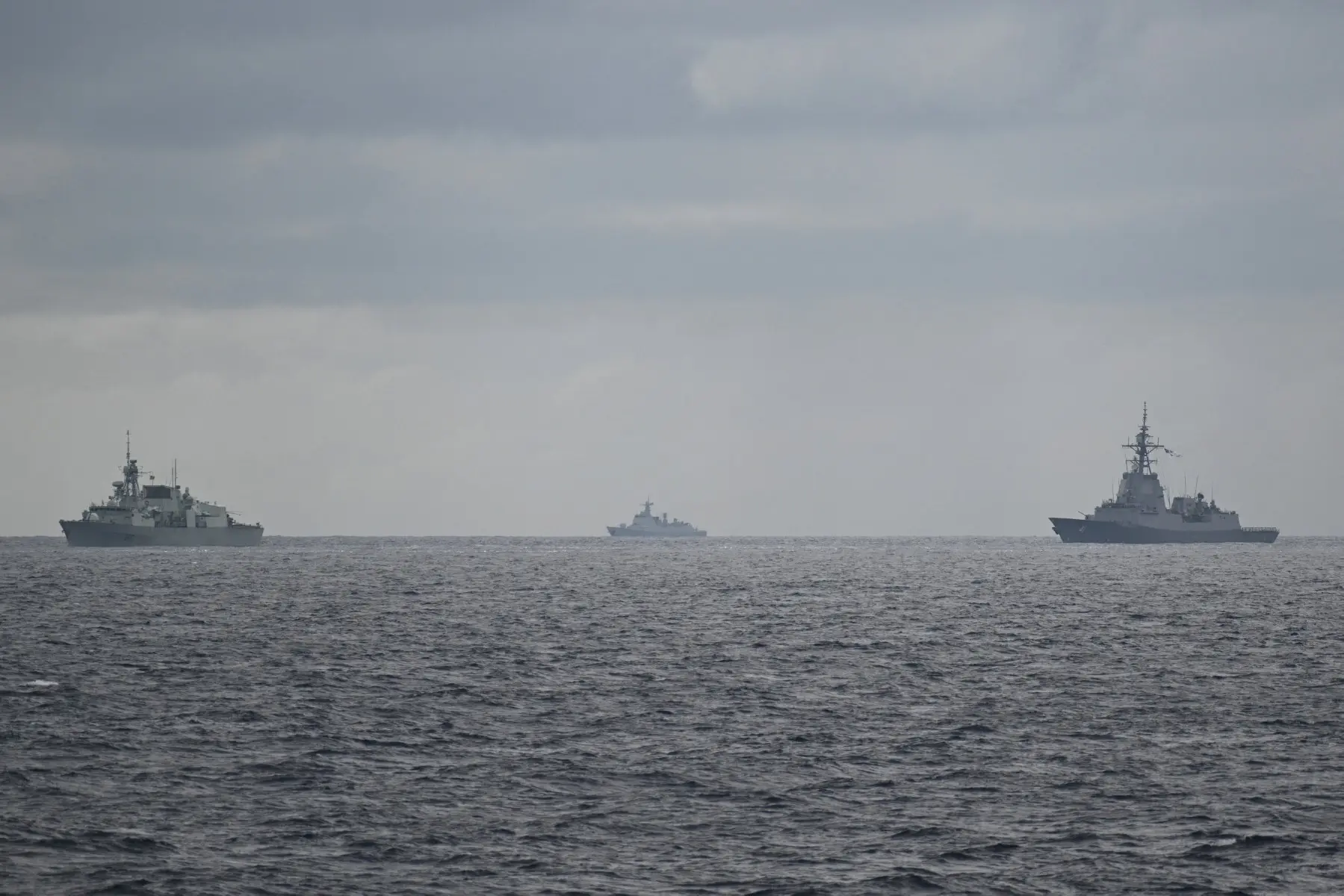
Indonesia, an archipelago of more than 17,000 islands, sits at the southern gateway to the South China Sea and exercises control over the strategically located Natuna Islands. It maintains a non-aligned stance, seeking to balance close ties with both China and the United States. China claims sovereignty over most of the South China Sea, a vital trade route carrying over $3 trillion in annual commerce, despite overlapping claims from Taiwan, the Philippines, Brunei, Malaysia and Vietnam, making the region a persistent geopolitical flashpoint.
Strategic stakes in the Strait of Malacca
The Strait of Malacca is widely seen as a critical vulnerability for China, handling nearly 80 per cent of its crude oil imports. Greater surveillance access from Indonesian territory could give the United States a strong vantage point to monitor movement in the South China Sea. In a conflict scenario, sustained monitoring could enable tighter control over key shipping routes, placing pressure on China’s energy lifeline. In such a scenario, the use of platforms such as the Boeing P-8 Poseidon would heighten such capabilities. If perceived as directed against Chinese naval activity, this could strain Indonesia’s neutral stance and raise tensions, particularly around the North Natuna Sea.
)
)
)
)
)