Is CNG more explosive than petrol?

CNG is significantly less explosive than petrol. It has a high ignition temperature of 540 degrees Celsius and dissipates rapidly during a leak. Modern CNG cylinders feature automatic shut-off valves, making them highly secure in collisions.
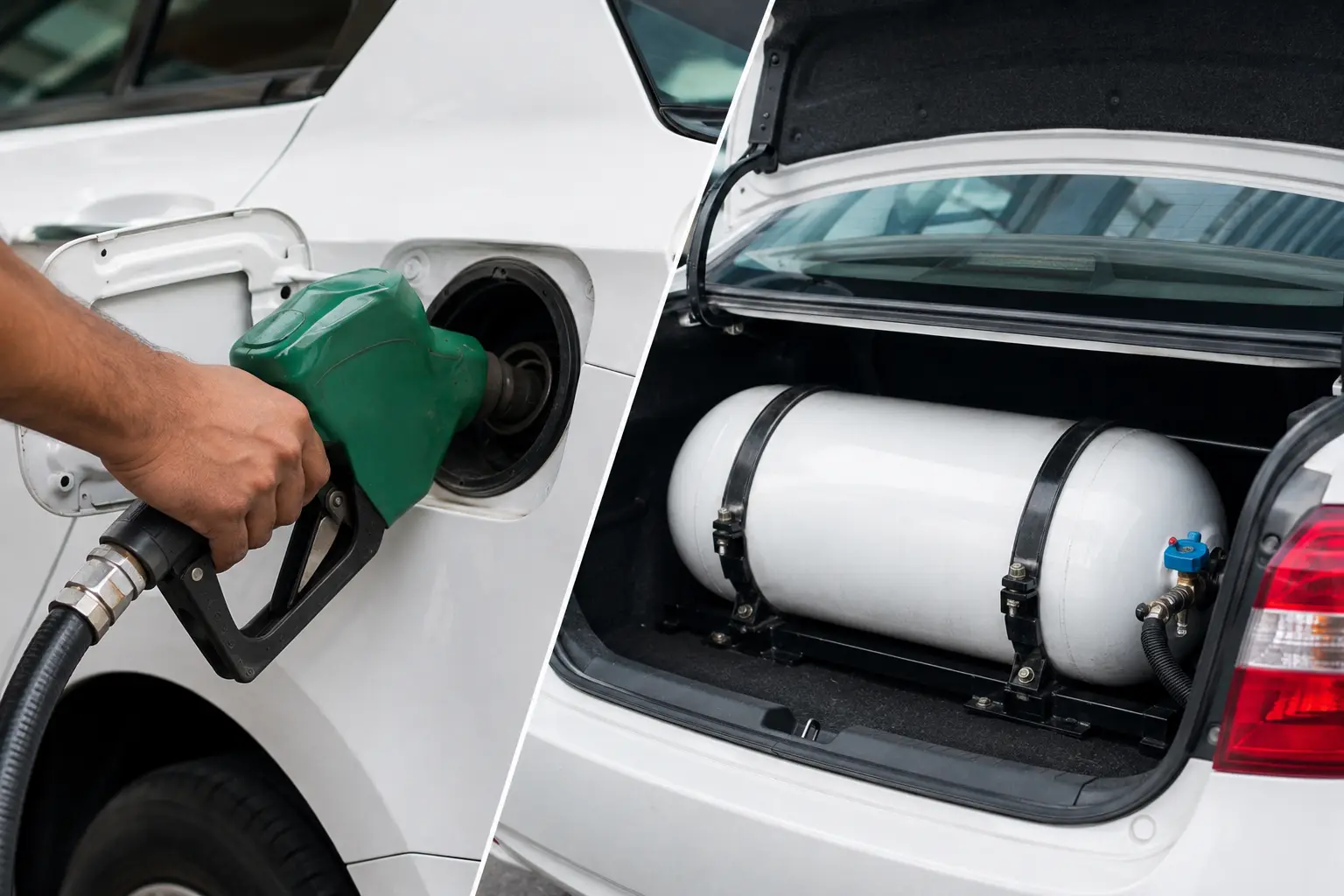
Higher ignition temperature
CNG requires significantly more heat to catch fire than petrol. Official data shows the auto-ignition temperature of CNG is roughly 540 degrees Celsius, whereas petrol ignites at a much lower 250 degrees Celsius.
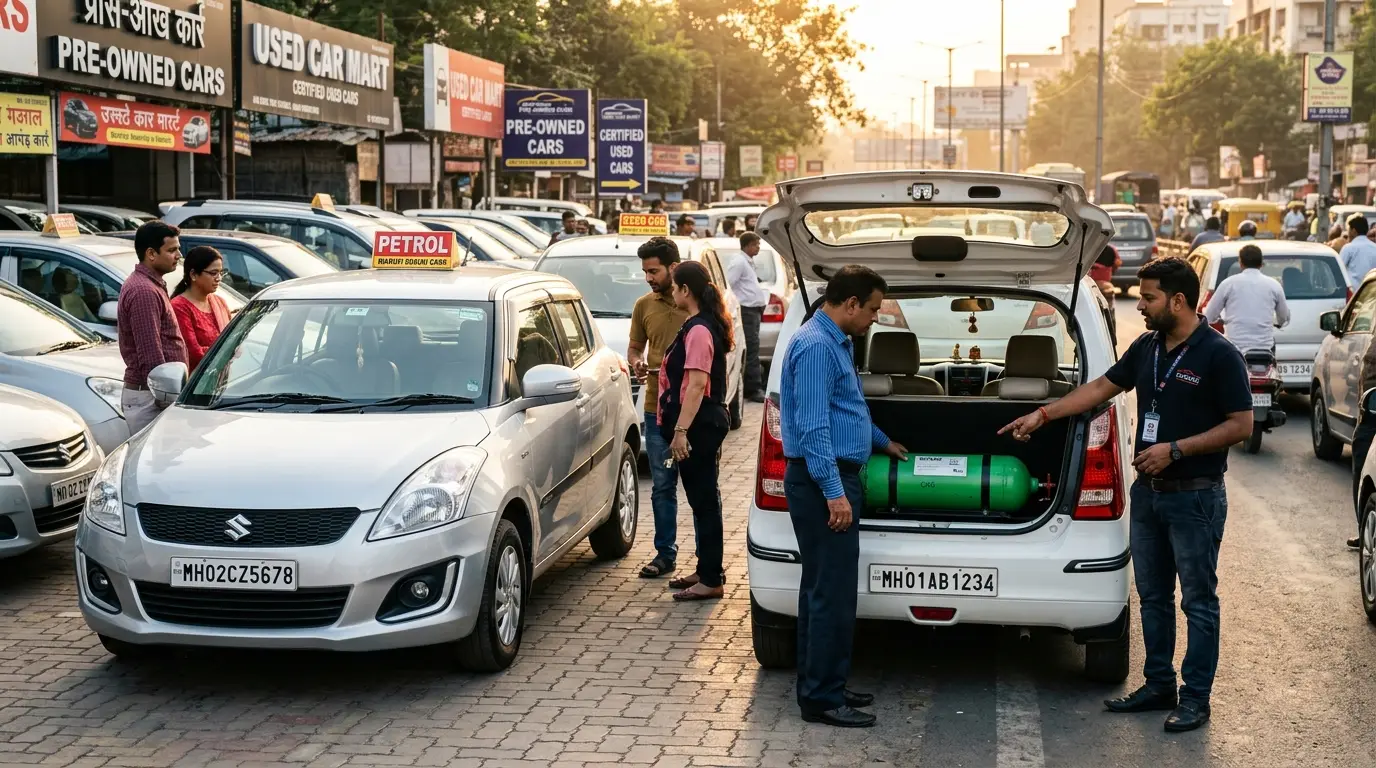
Narrow flammability limits
For a gas to ignite, it must mix with air in specific proportions. CNG only burns when its concentration in the air is between 5 and 15 per cent, making accidental combustion highly unlikely compared to petrol.
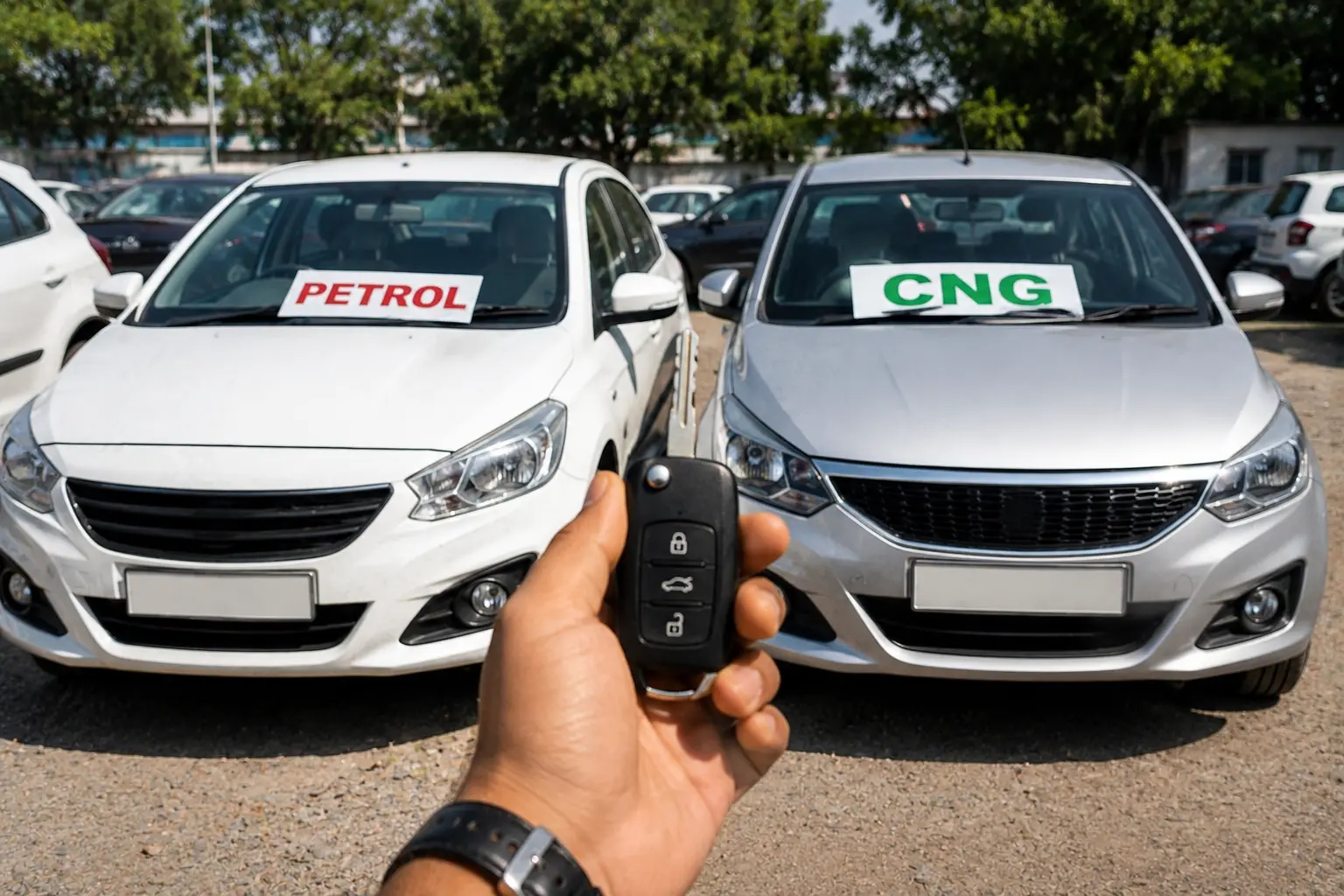
Rapid upward dispersion
Because CNG is lighter than air, it dissipates rapidly upwards into the atmosphere if a leak occurs. In contrast, petrol vapours are heavy and pool on the ground, creating a severe fire hazard in enclosed spaces.
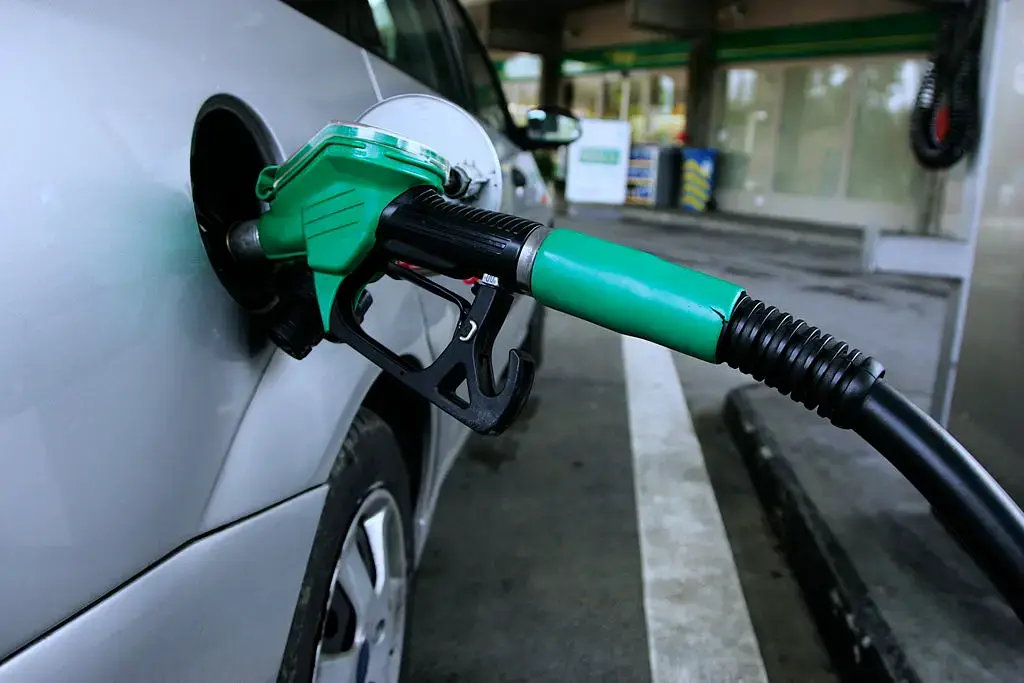
Advanced cylinder strength
CNG is stored at high pressures of up to 250 bar in robust, crash-tested cylinders. The Bureau of Indian Standards confirms these multi-layered tanks can withstand extreme impacts without rupturing during a severe collision.

Smart safety mechanisms
Modern factory-fitted CNG vehicles feature automated safety systems to prevent explosions. If a pressure leak is detected, thermal fuses and automatic shut-off valves immediately cut the gas supply to eliminate sudden fire risks.
)
)
)
)
)