Is B-2 bomber made from meteorite dust?

The B-2 bomber’s stealth is built on engineered radar-absorbing materials few sources claim the B-2 bomber’s radar-absorbing coating uses meteorite dust from outer space. What is the reality?
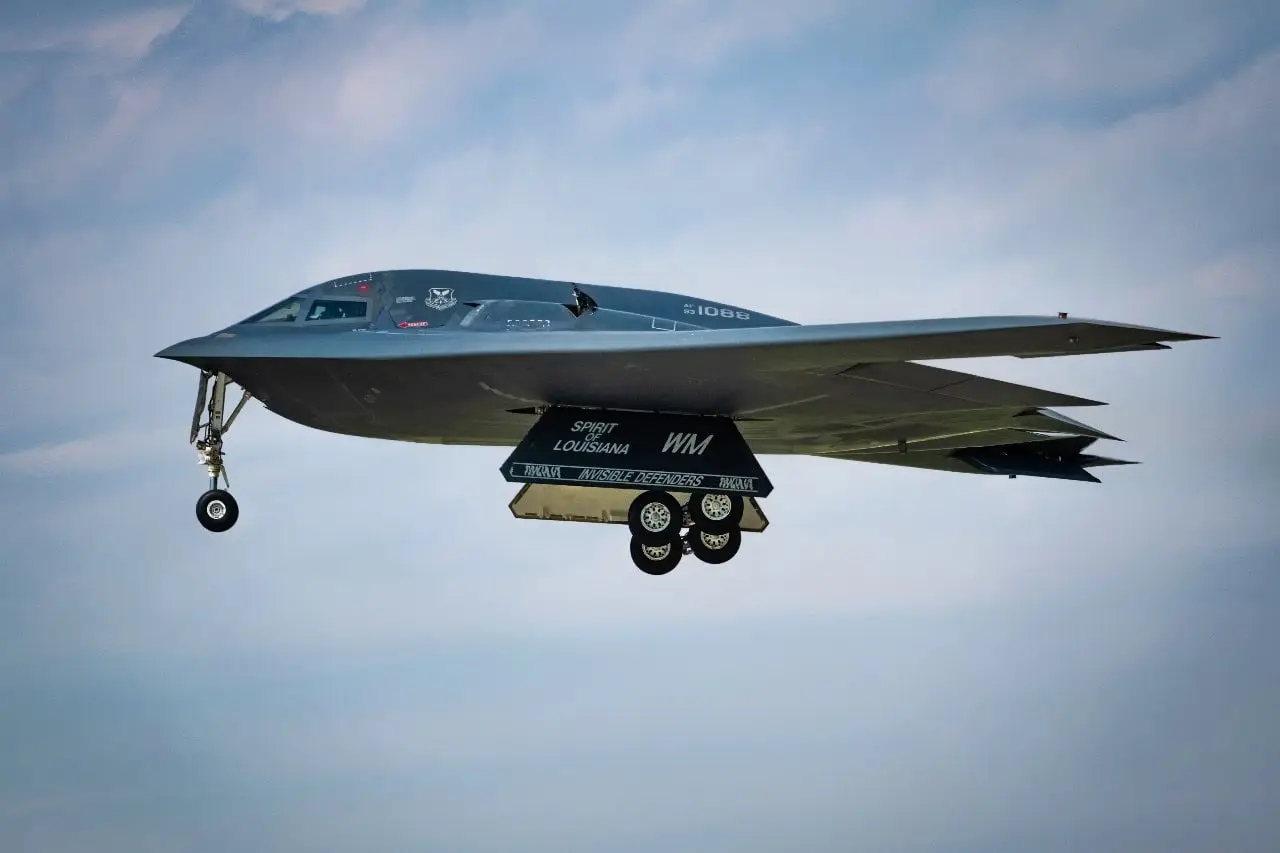
The Truth behind B-2’s Stealth Coating
Few sources claim the B-2 bomber’s radar-absorbing coating uses meteorite dust from outer space. Aviation experts and official reports clearly state this isn’t true. The B-2 is covered with a special material created by engineers that is not found in space or meteors.
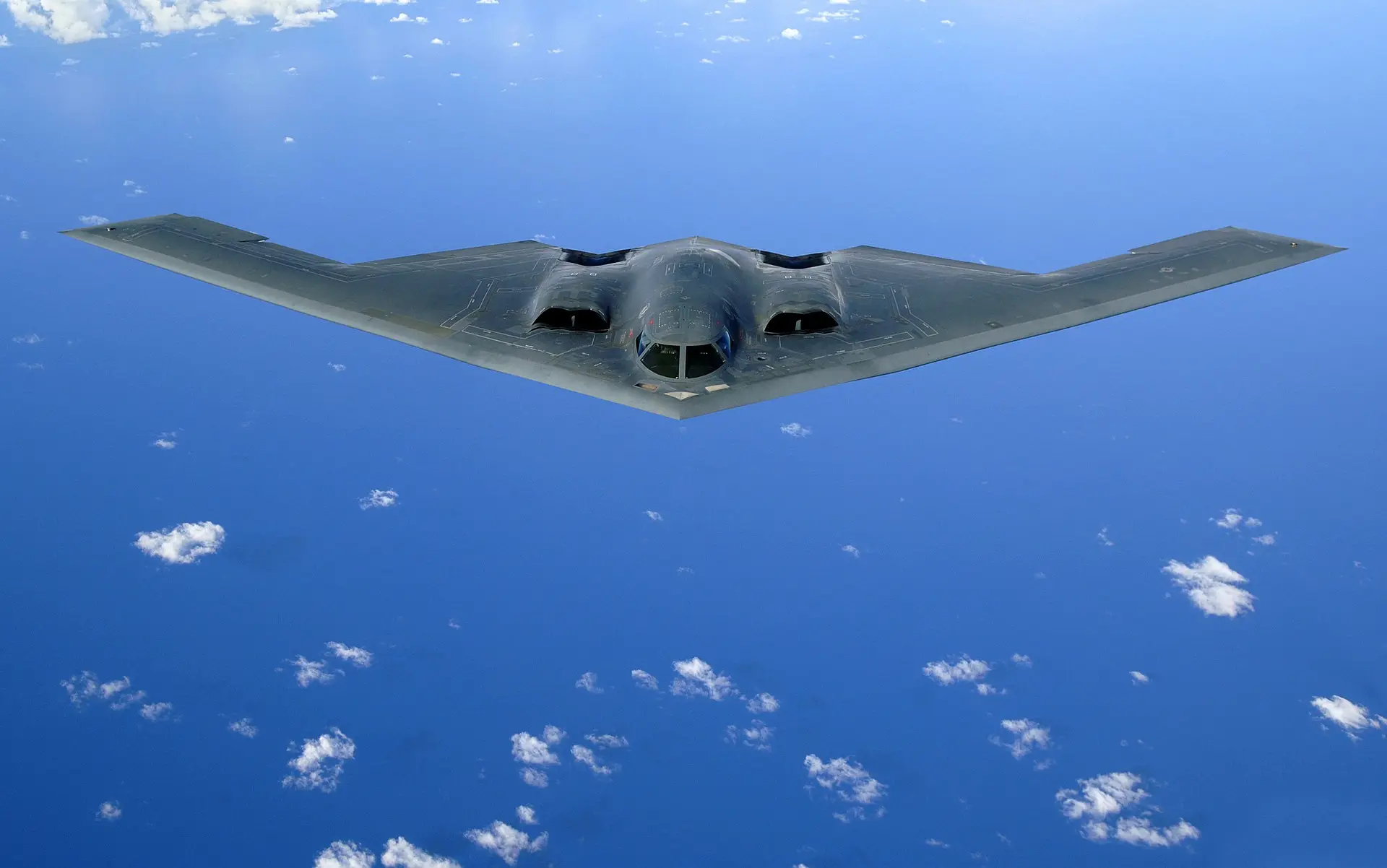
What Is Radar-Absorbing Material (RAM)?
The B-2’s skin is covered with RAM, designed to soak up radar waves instead of bouncing them back. This coating is a blend of carbon-graphite composites and other substances, and it plays a key role in hiding the plane from radar detection, as per the reports.
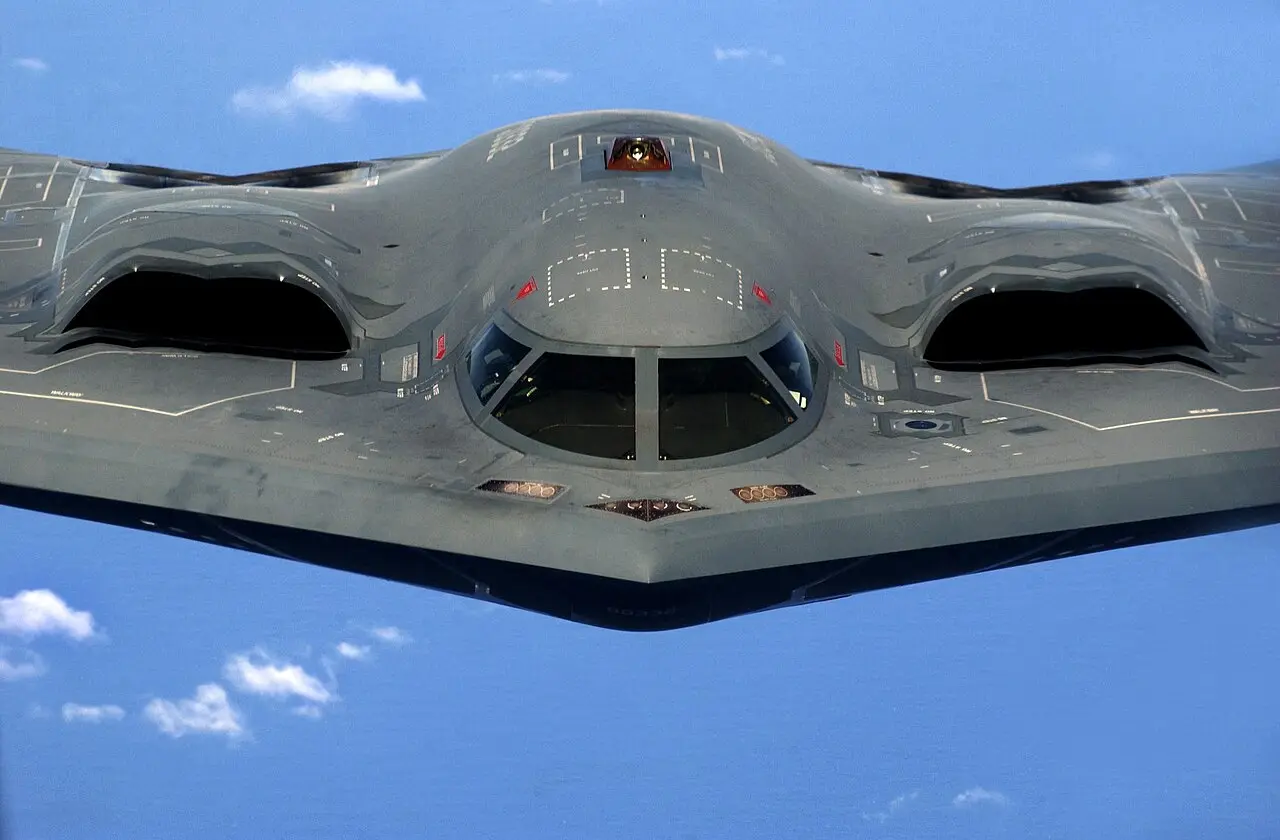
Why Use Composite Materials?
The aircraft’s body is mostly made from carbon-graphite composites. These are both light and strong, helping cut radar returns. US Air Force material shows that these composites are part of the stealth formula not traces of meteorite dust.
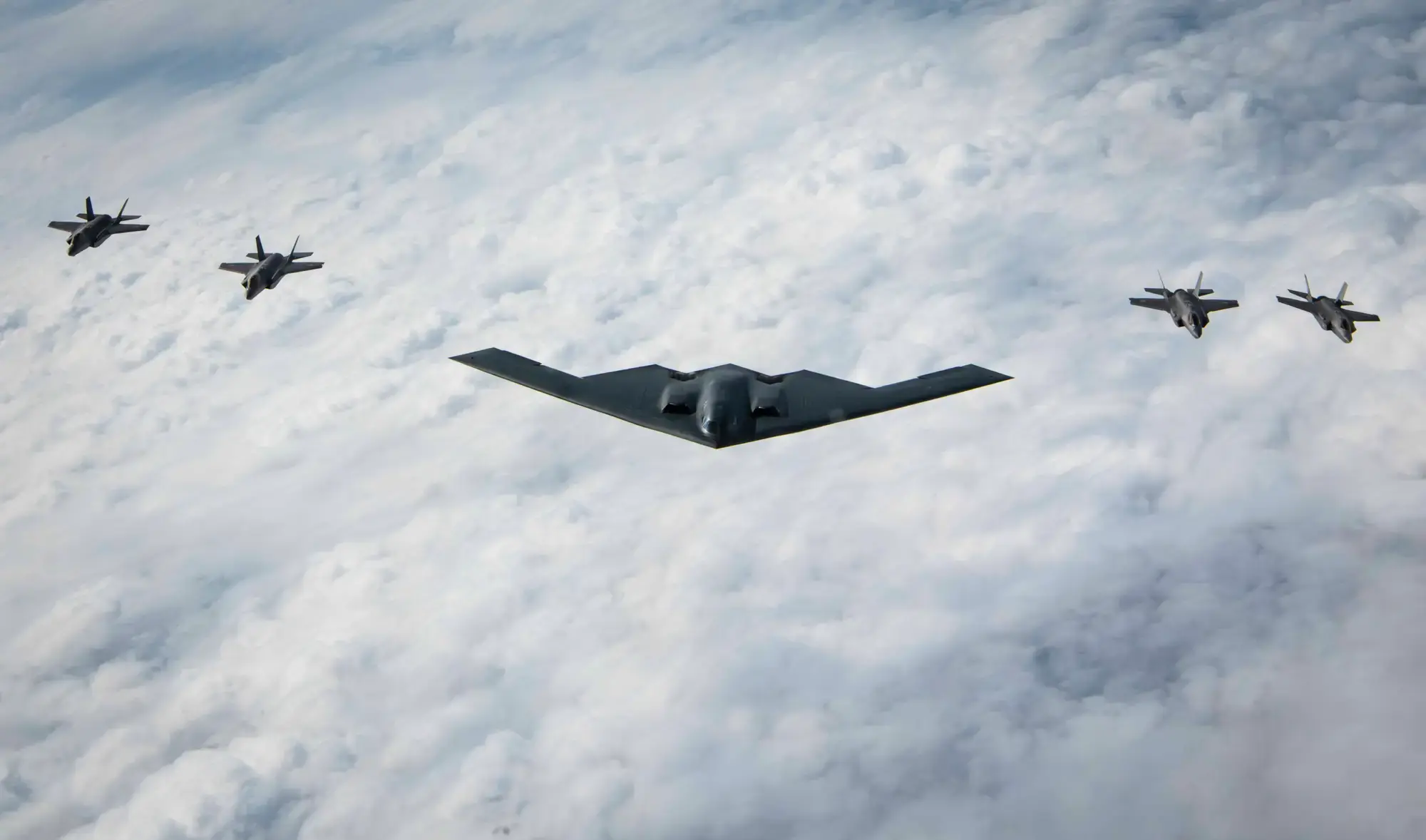
The Shape: Curves and No Sharp Corners
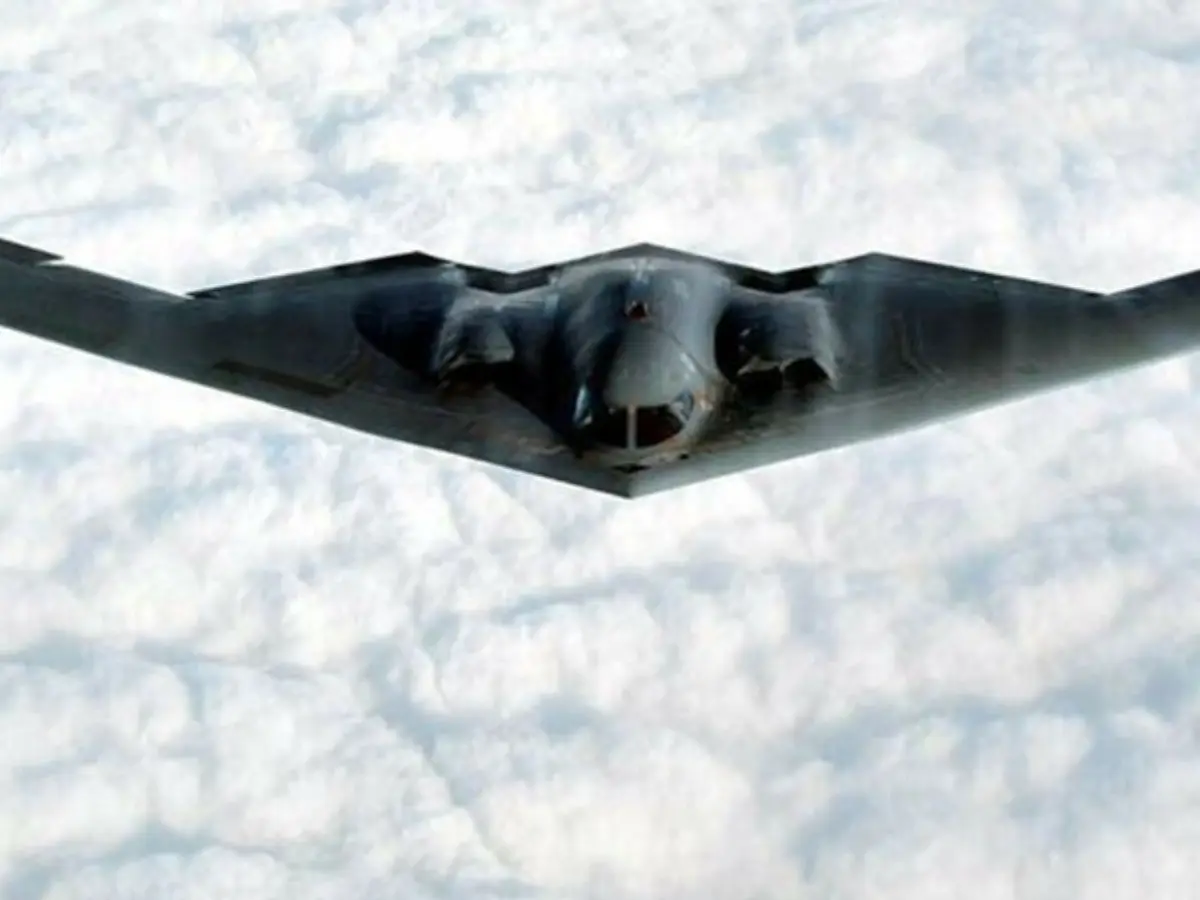
The B-2’s design avoids right angles and sharp edges. Its smooth, curved body helps scatter radar waves in different directions, reducing the chance that signals will bounce straight back to enemy radars.
Hiding Engines and Reducing Heat
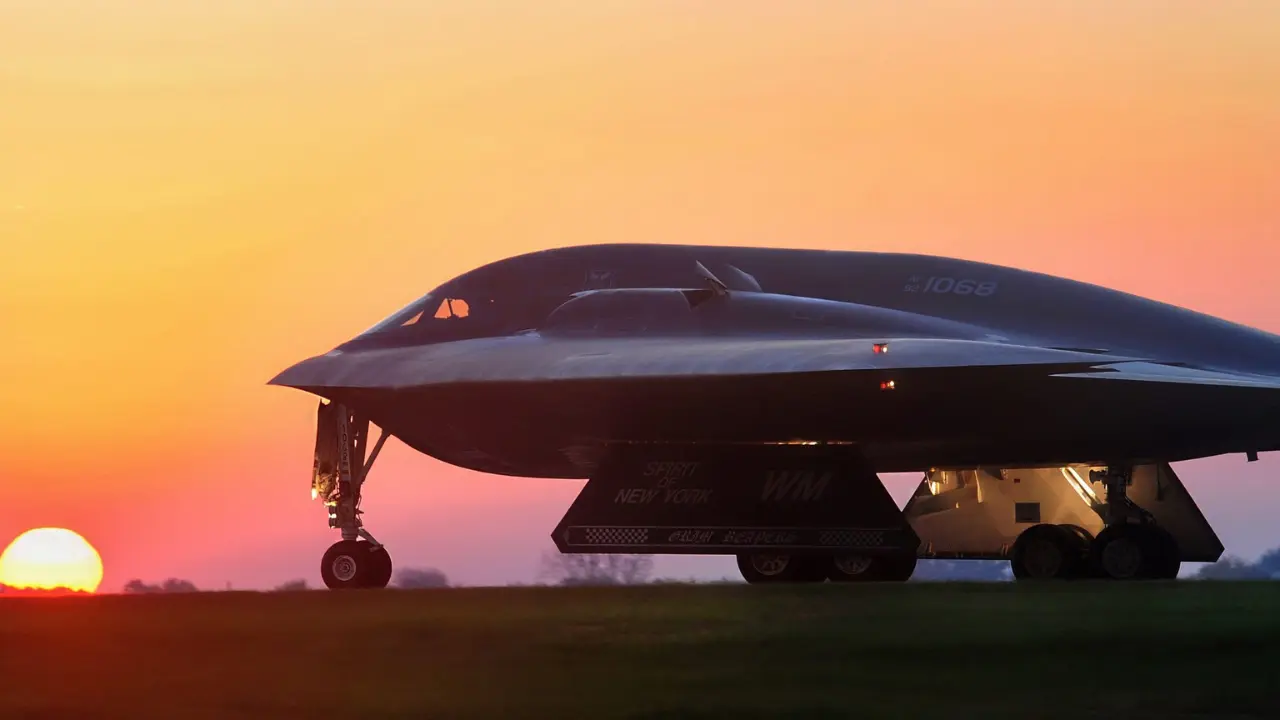
The B-2’s engines are buried inside the wing, and special S-shaped ducts hide the engine blades. The exhausts are cooled before leaving the jet, making it hard for heat sensors to spot the bomber during flight.
Why Not Meteorite Dust?
The claims about meteorite dust are unfounded. Professional maintenance teams must apply and check the RAM coating after nearly every flight, under controlled conditions. This process is complex and costly, showing there’s no shortcut or magic space material.
)
)
)
)
)