Is AI bubble a hoax? Nvidia's $31 billion profit report may hint where the world is going

When Nvidia announced a stellar profit of about $31.9 billion for its latest quarter, many breathed a sigh of relief: the AI boom might be more than hype. Still, with markets near historic highs, some analysts say the risk of a sharp correction remains real.
1. Nvidia’s Big Earnings Beat
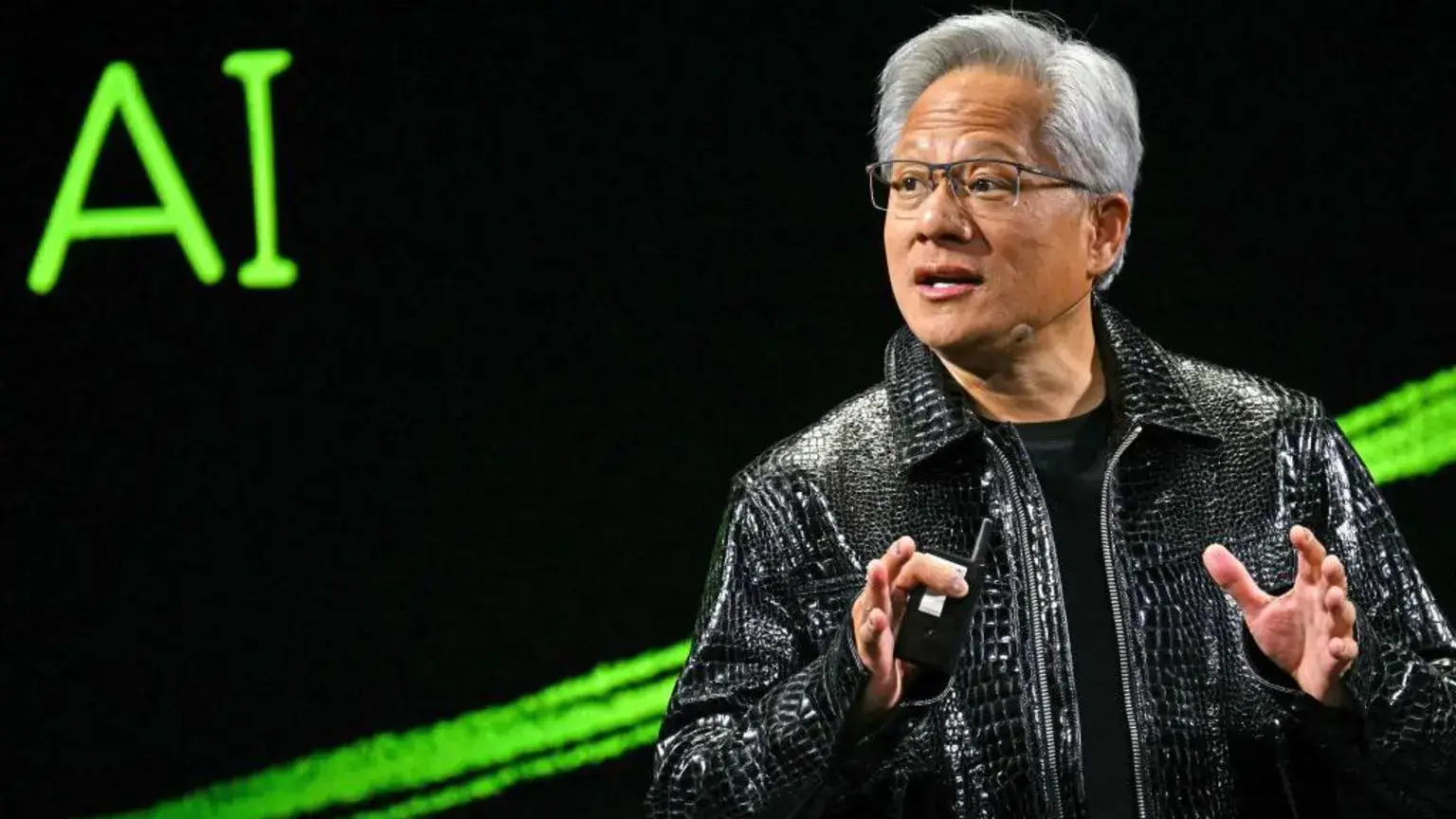
Nvidia reported revenue of $57 billion, up roughly 62 per cent year-on-year, and earnings around $31.9 billion, beating market expectations. Their data-centre segment alone hit over $51 billion. This strong performance helped reassure investors that the AI infrastructure boom is translating into real profits.
2. Market at All-Time Highs
Global equity markets, including major US indices, are trading near historic highs. Many stocks associated with AI and technology have enjoyed rapid gains, with valuations elevated relative to past cycles. (See context in AI-bubble discussion.) When valuations are stretched and sentiment is euphoric, the chance of a sharp pull-back increases.

3. Nvidia’s Guidance Signalled Continued Growth
Beyond the current quarter, Nvidia projected Q4 revenue of about $65 billion, beating estimates around $61 billion. This raised hopes that growth is sustainable, which in turn can support equities. But it also raises questions about whether all that growth is already “priced in.”

4. So Is the AI Bubble a Hoax? Not Quite
On one hand, Nvidia’s earnings show that the AI boom isn’t purely speculative, major revenues are already being generated. On the other hand, multiple analysts caution that infrastructure spending may have already peaked for some use cases and that the link between AI hype and underlying productivity remains unproven in many sectors. In this sense, calling the “AI bubble” entirely a hoax would be premature but calling it risk-free would overstate things.
5. Why a Market Correction Could Still Be Coming
Because markets are at elevated levels, any disappointment, even small, in forward growth, profitability, or valuations could trigger a sharp retracement. Analysts note that:
- Much of Nvidia’s future growth depends on very large infrastructure investments (power, cooling, land) which face bottlenecks.
- Concentration risk: A few major customers account for substantial portions of sales, which raises vulnerability.
- Valuation premiums already reflect high expectations. Any shortfall could lead to big downside.
Hence markets may be vulnerable despite the good news.
6. Nvidia as a Bellwether for Tech & AI
Because Nvidia is deeply embedded in the AI value-chain (chips, inference, data centres), its performance acts as a barometer for the wider tech sector. A strong result like this can lift sentiment broadly, but a misstep could hit hard. In other words: Nvidia’s earnings may have “saved” sentiment today, but they don’t guarantee future stability.

7. What Investors Should Watch Going Forward
To judge whether the AI boom is sustained and whether corrections can be avoided, investors should monitor:
- Execution vs guidance (e.g., does Nvidia meet $65 billion Q4?)
- Infrastructure bottlenecks (chip orders, power, logistics)
- Broader market valuations and sentiment (are tech stocks still being bid up willy-nilly?)
- Macro risks (interest rates, geopolitics, supply chain disruptions)
If any of these falter, the risk of a significant market draw-down remains.

Bottom Line
Nvidia’s blockbuster earnings provided a strong counter-argument to the view that the AI boom was purely speculative. But the broader market is already at a high plateau, and experts warn that elevated valuations and narrow concentration leave it exposed. In short: the earnings gave markets breathing room, but did not eliminate the risk of a sharp correction.
)
)
)
)
)