Is a catastrophe inevitable? How attacks on Gulf energy infrastructure could cause an environmental disaster

Strikes on Gulf energy infrastructure risk an environmental disaster. Bombings of refineries and tankers threaten massive oil spills, toxic black rain, and the shutdown of desalination plants that provide critical drinking water.
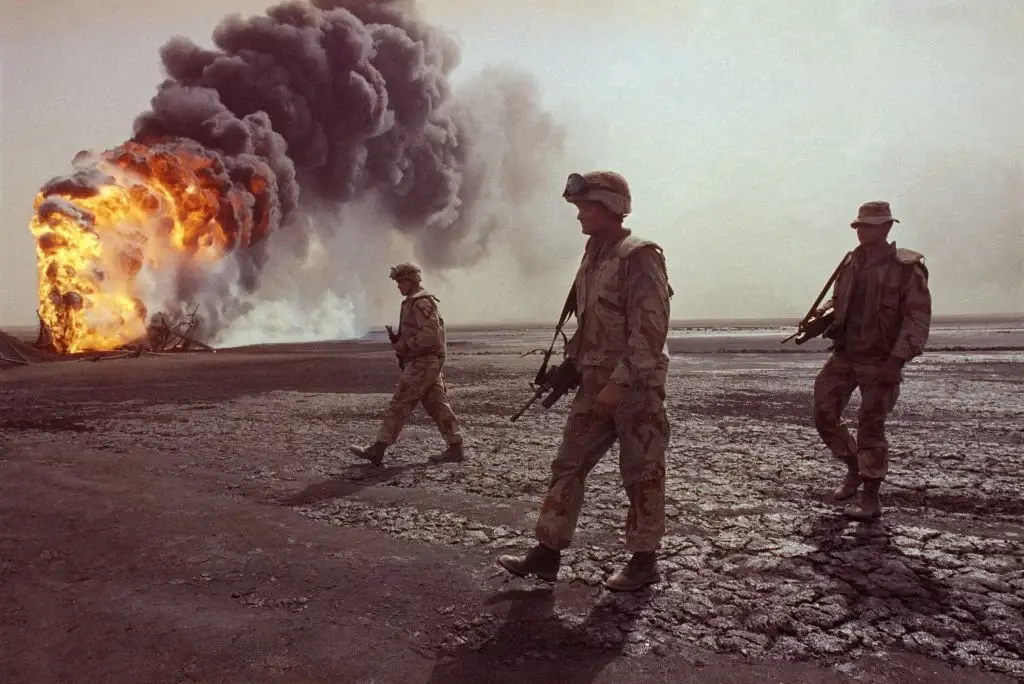
The ghost of 1991
During the 1991 Gulf War, retreating Iraqi forces ignited over 700 oil wells and spilled 11 million barrels of crude into the sea. Experts warn the current conflict risks repeating this scale of environmental damage.
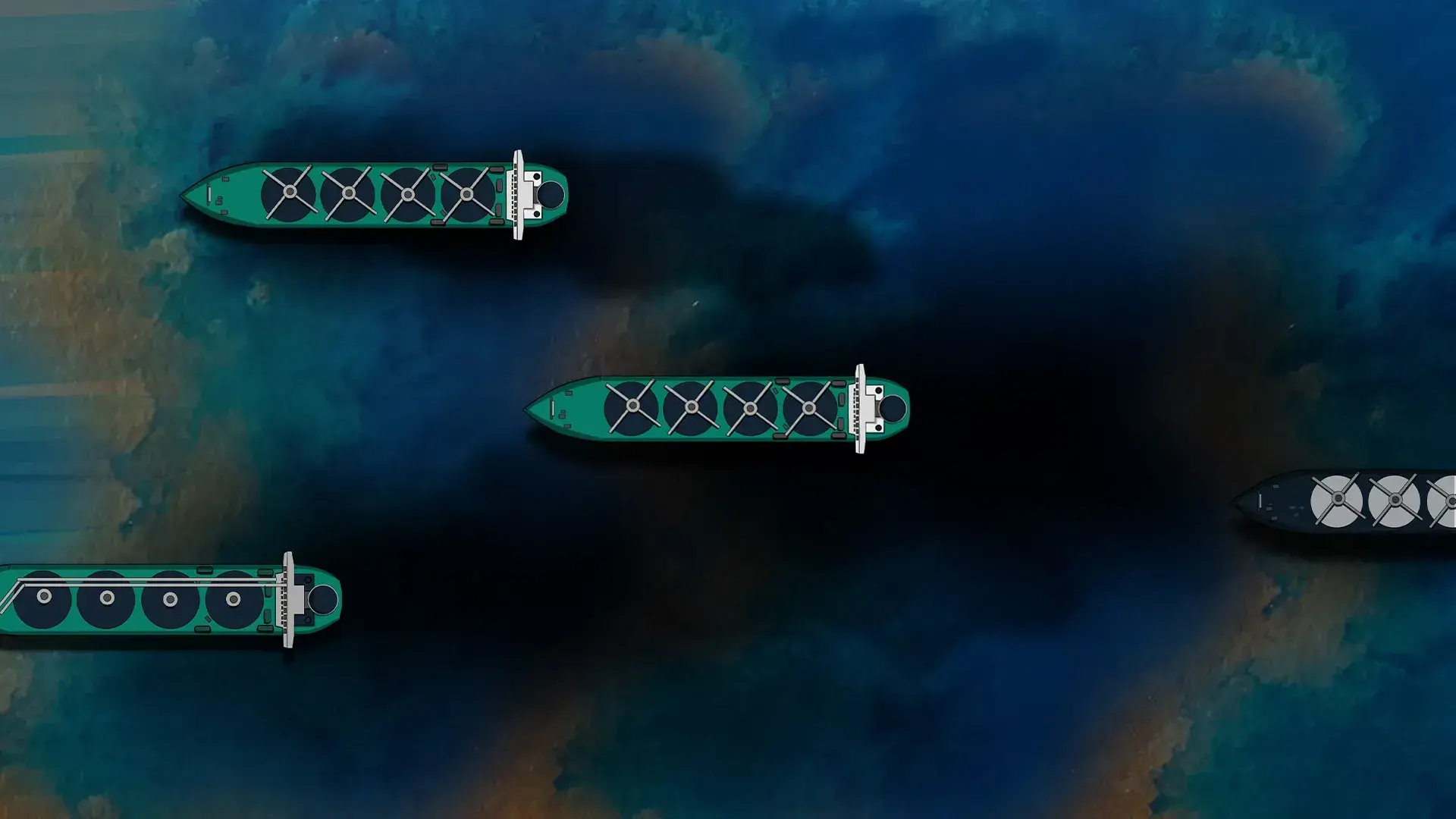
The oil spill threat
Dozens of minor spills have already occurred in the Arabian Gulf. Researchers warn that a direct strike on a fully laden crude oil tanker could unleash massive pollution across regional waters.
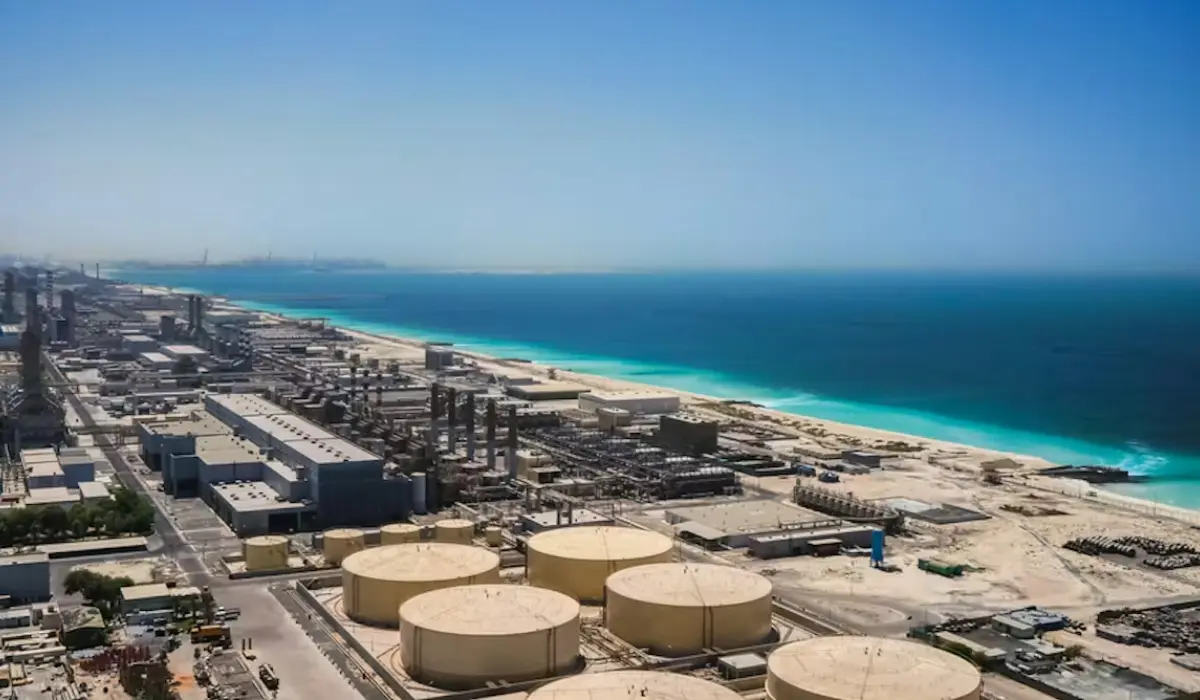
The desalination crisis
Desalination plants provide the vast majority of drinking water in Kuwait, Oman, and Saudi Arabia. A major coastal oil spill would force these plants to shut down, severing fresh water access for millions.
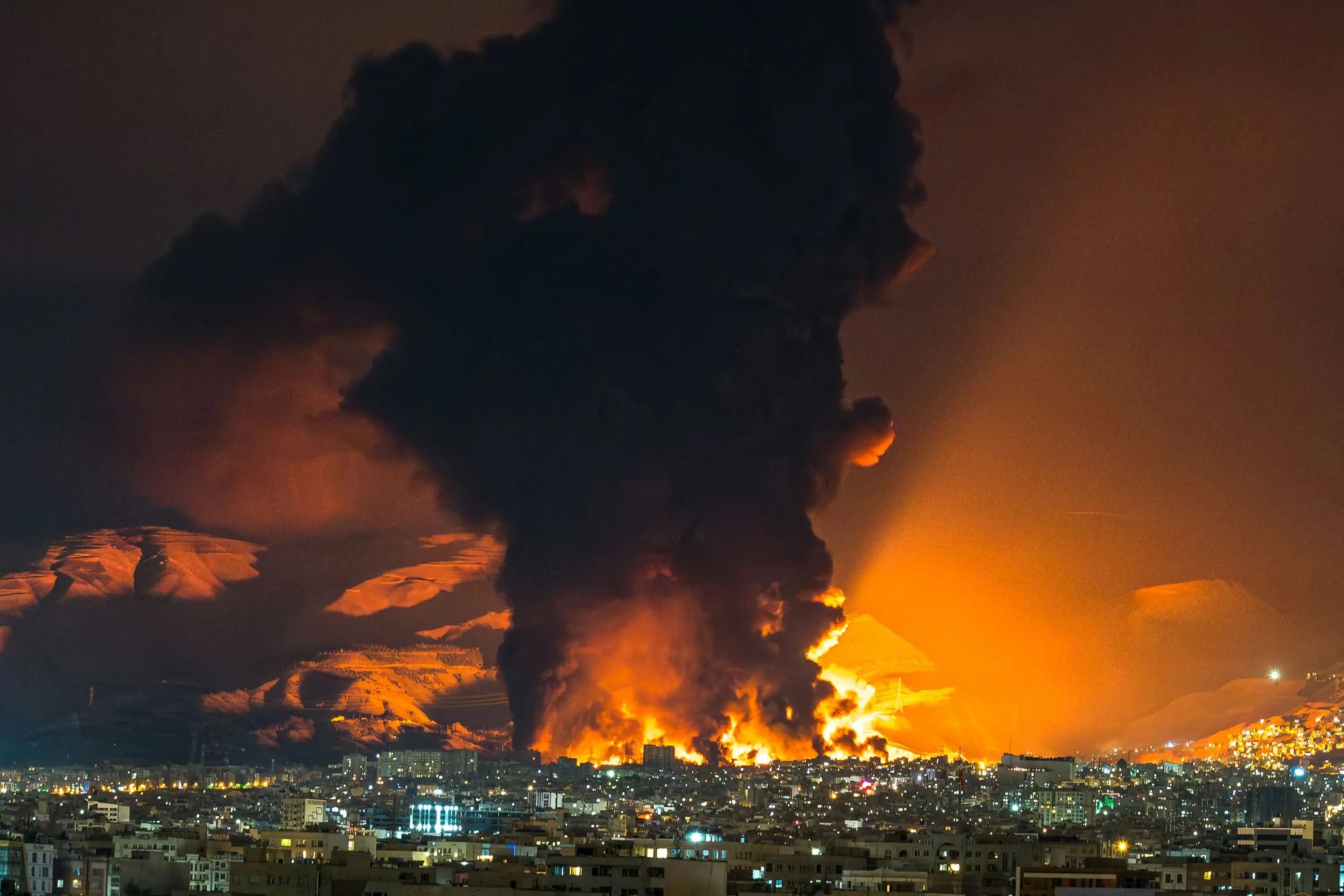
Toxic black rain
Heavy bombardments on fuel depots have created large toxic smoke plumes. In mid-March 2026, a hazardous, oily 'black rain' fell near Tehran, spreading soot and known carcinogens directly into civilian soils and water sources.
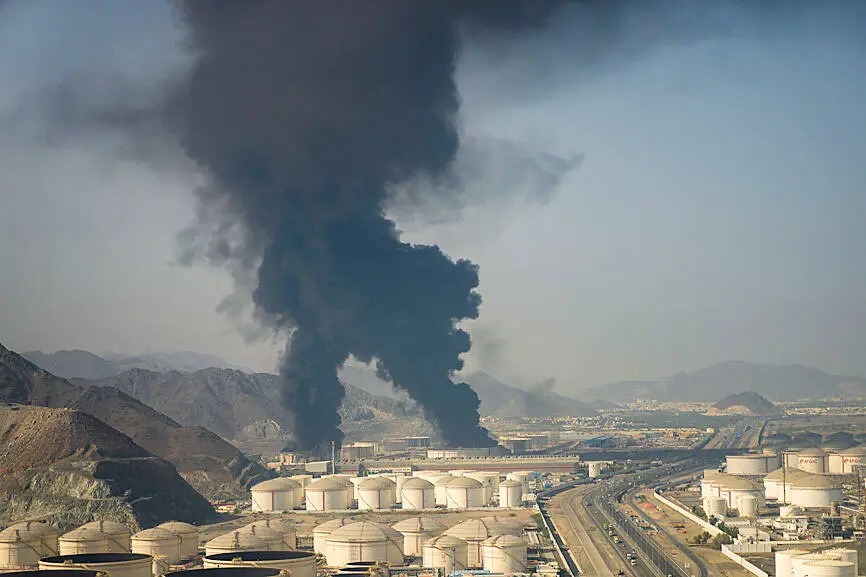
Massive carbon emissions
The fires from bombed refineries and LNG facilities are heavily impacting the climate. Studies estimate the first 14 days of the 2026 conflict alone generated over 5 million tonnes of carbon dioxide equivalent, surpassing Iceland’s total annual output.
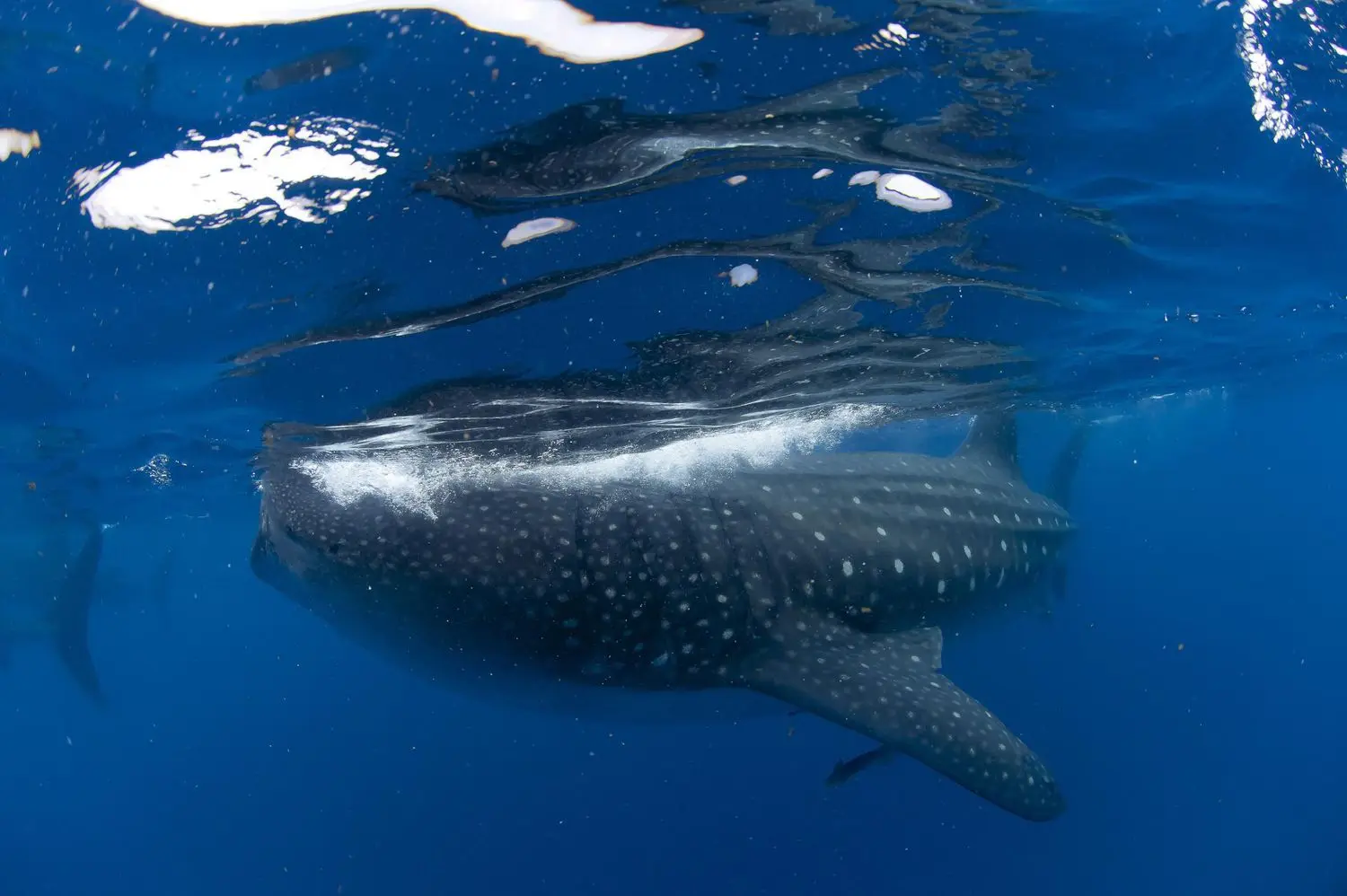
Poisoning the food chain
Chemical pollutants from destroyed industrial sites are leaching into the Gulf's marine ecosystem. These toxins enter the food chain through bioaccumulation, directly threatening the health of millions who rely on regional seafood.
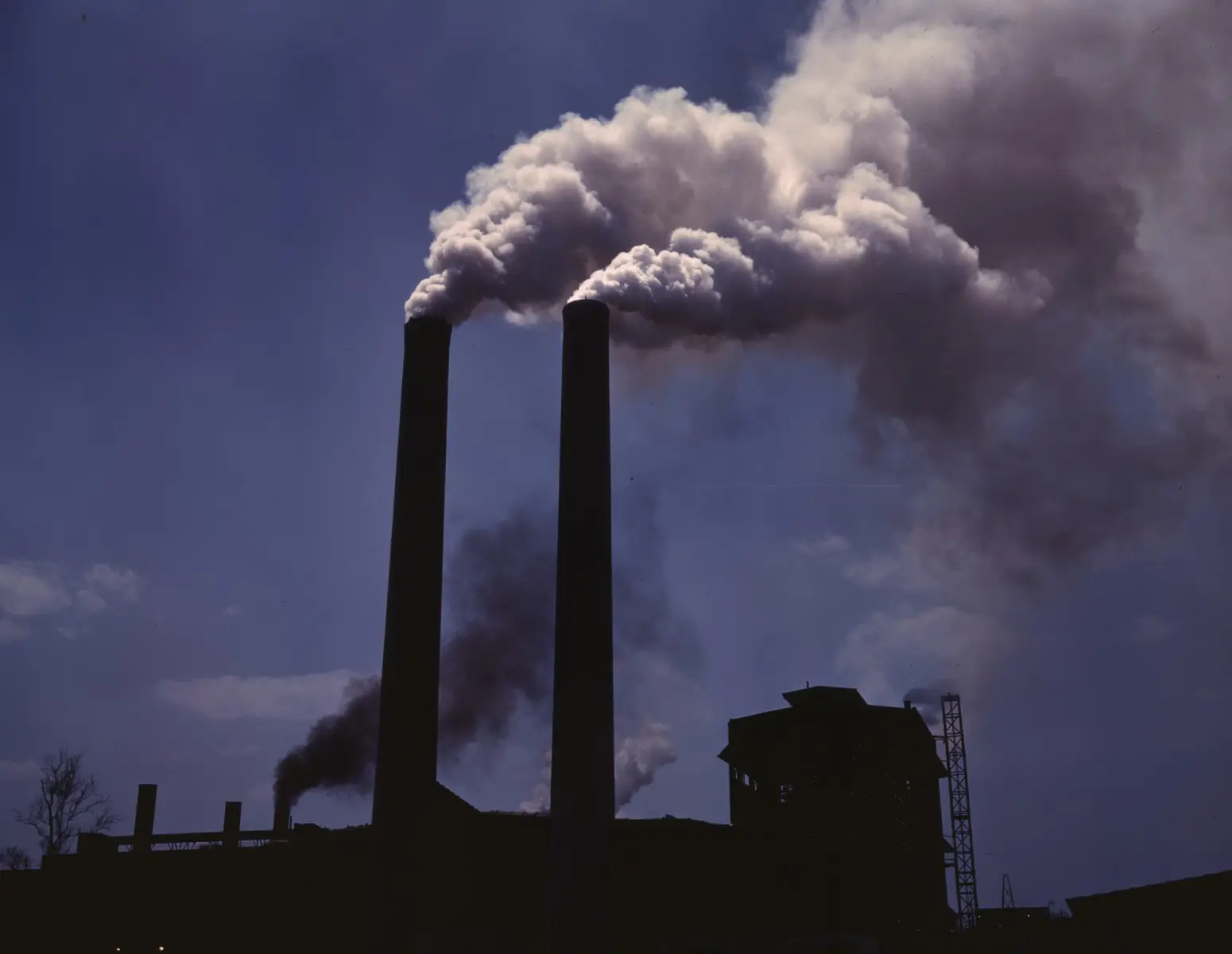
Long-term health impacts
Prolonged exposure to airborne pollutants and water contamination severely risks civilian health. Medical experts project a long-term spike in chronic respiratory diseases, cardiovascular illnesses, and cancer across affected populations.
)
)
)
)
)