Is 3I/ATLAS travelling at light speed? Here’s what we know

Is 3I/ATLAS moving at light speed? Its speed is unlike any comet before. The real story of this mysterious visitor’s velocity is closer to light speed, but what does that mean?

How Fast Is 3I/ATLAS Travelling?
According to NASA, when 3I/ATLAS was discovered, it was travelling at about 137,000 miles per hour (221,000 km/h). This speed is incredibly fast but far slower than the speed of light, which is about 670 million miles per hour.

Understanding Speed of Light vs. Comet Speed
The speed of light is approximately 299,792 km per second, much faster than any comet. 3I/ATLAS moves at about 61 km per second, which is very fast for a comet but nowhere near light speed. So, no, it is not travelling at the speed of light but is close to it in terms of natural objects.
What Makes 3I/ATLAS So Fast?
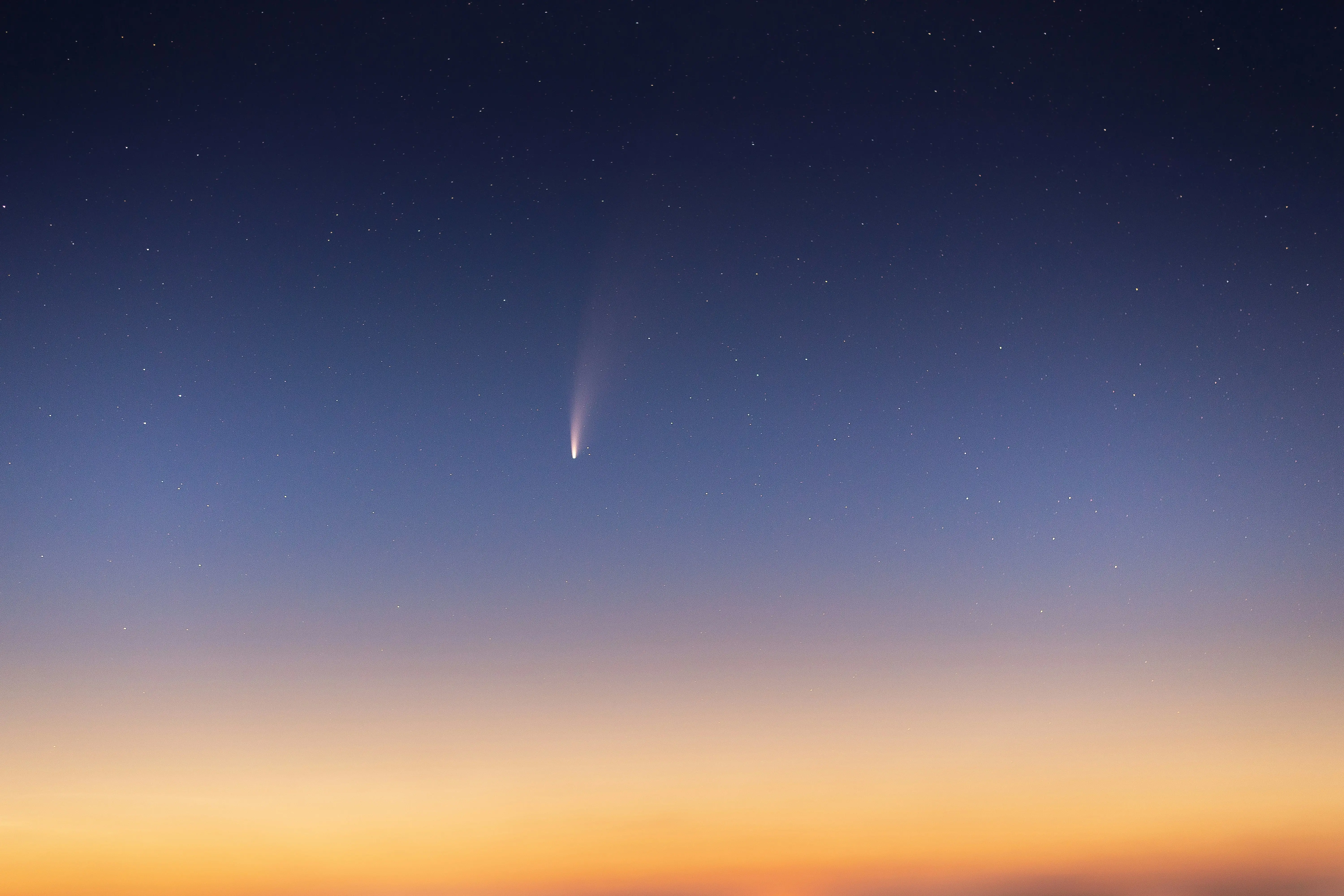
3I/ATLAS travels on a hyperbolic trajectory, meaning it’s passing through our solar system at very high speed without orbiting the Sun. Its interstellar origin and gravitational interactions over billions of years have boosted its current speed.
How Does 3I/ATLAS Compare to Other Interstellar Objects?
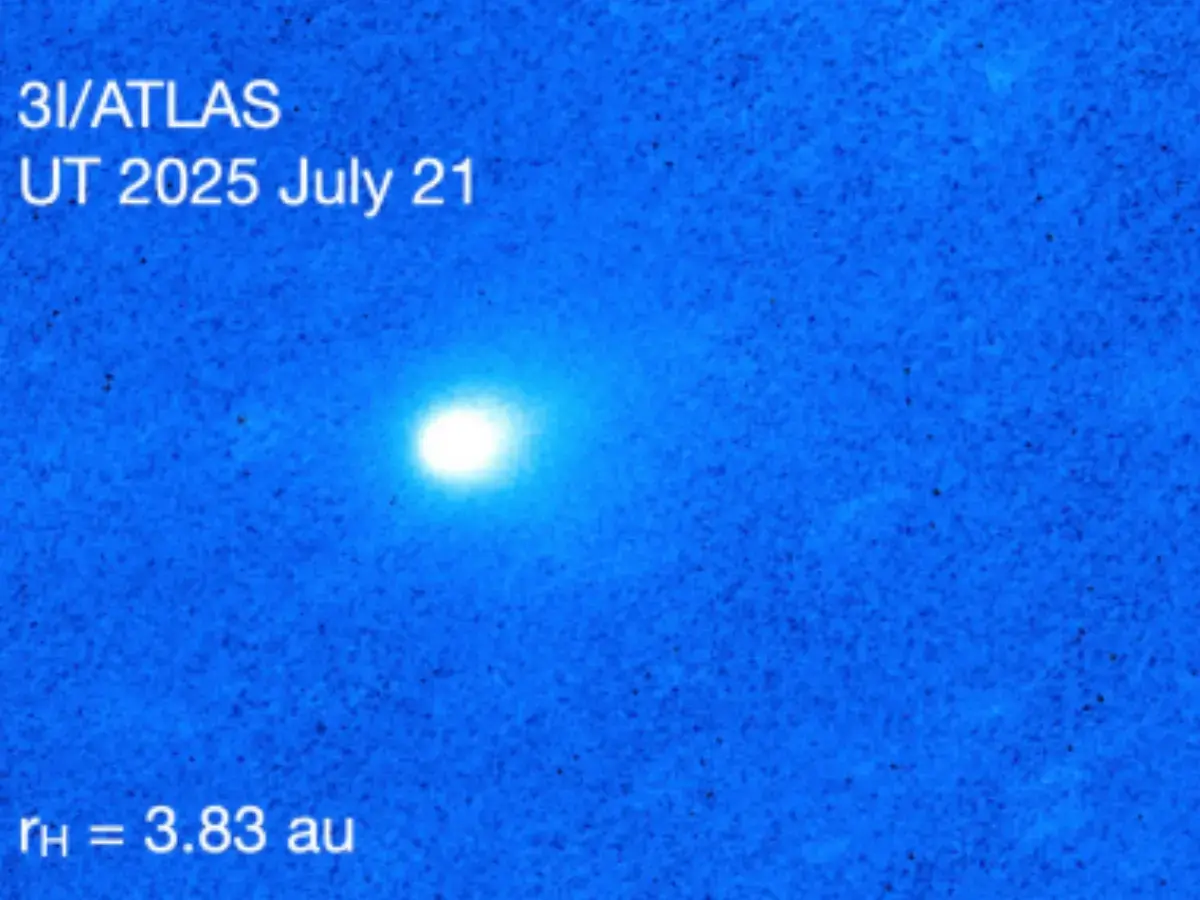
It moves faster than the first known interstellar visitor Oumuamua (26 km/s) and the second, 2I/Borisov (32 km/s). Its speed of 61 km/s makes it the fastest interstellar comet observed so far.
Why Is This Speed Important?
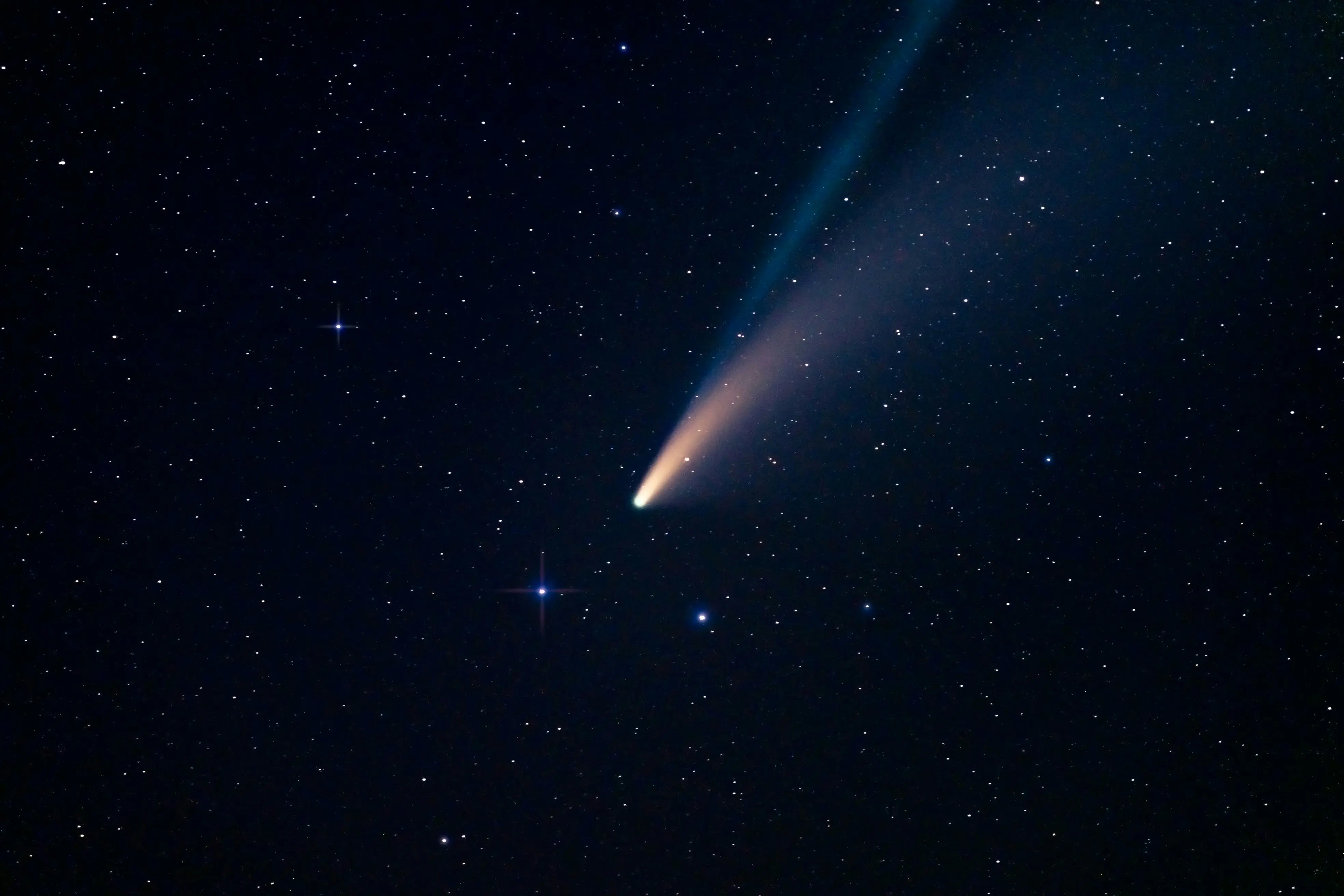
The high speed confirms 3I/ATLAS is not gravitationally bound to the Sun and will leave our solar system forever. It helps scientists study materials from beyond and understand stellar systems far away.
Can 3I/ATLAS Reach Light Speed?
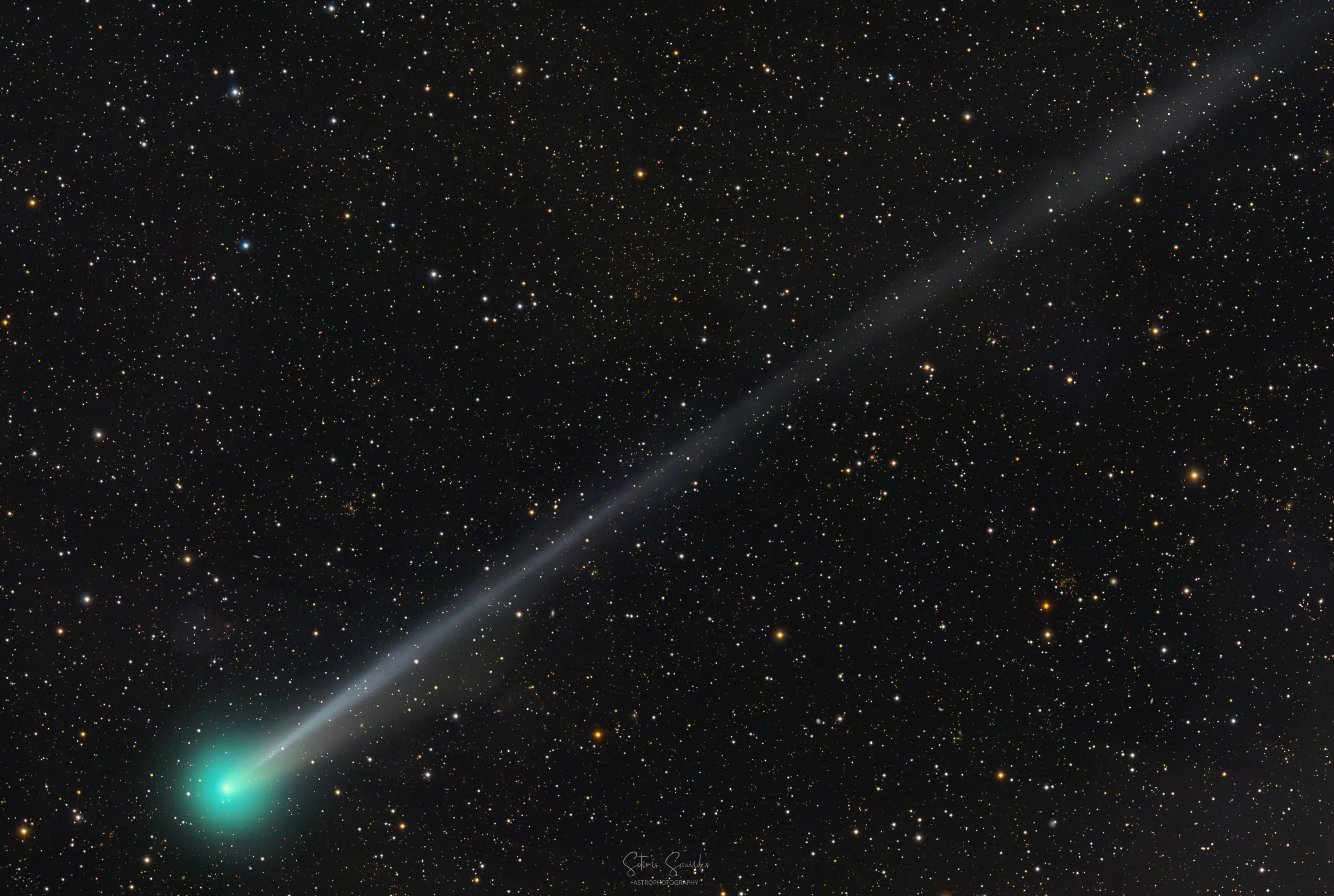
No celestial object with mass can reach the speed of light, which remains a cosmic speed limit. 3I/ATLAS is incredibly fast, but no, it is not travelling at light speed; instead, it moves at a speed typical for fast interstellar visitors.
)
)
)
)
)