Iron Beam vs cruise missiles: Can lasers react fast enough?

Cruise missiles fly low-altitude terrain-hugging avoiding radar detection. Ground clutter blinds radar systems preventing early warning. Lockheed Martin successfully demonstrated laser defeat of subsonic cruise missile.
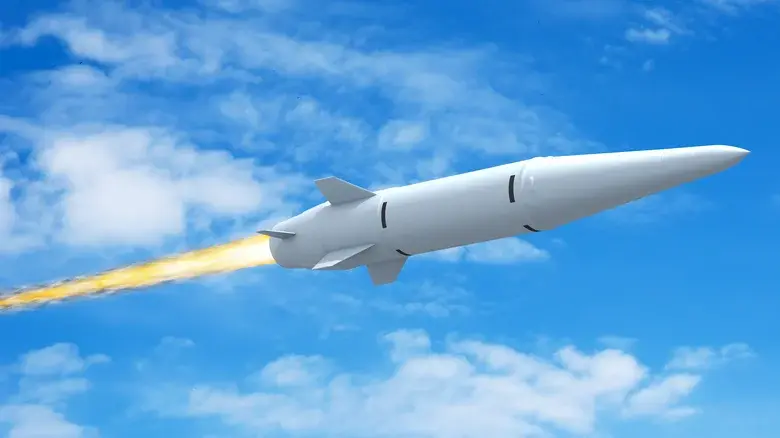
Cruise Missile
Cruise missiles fly at low altitude terrain-hugging approaches sometimes skimming just metres above ground making radar detection extremely difficult unless sensors are airborne or positioned at elevated locations looking downward. Modern cruise missiles maintain subsonic speeds around Mach 0.8 - Mach 3. approximately 980 kilometres per hour, allowing terrain-following flight paths exploiting ground clutter to mask radar signatures.
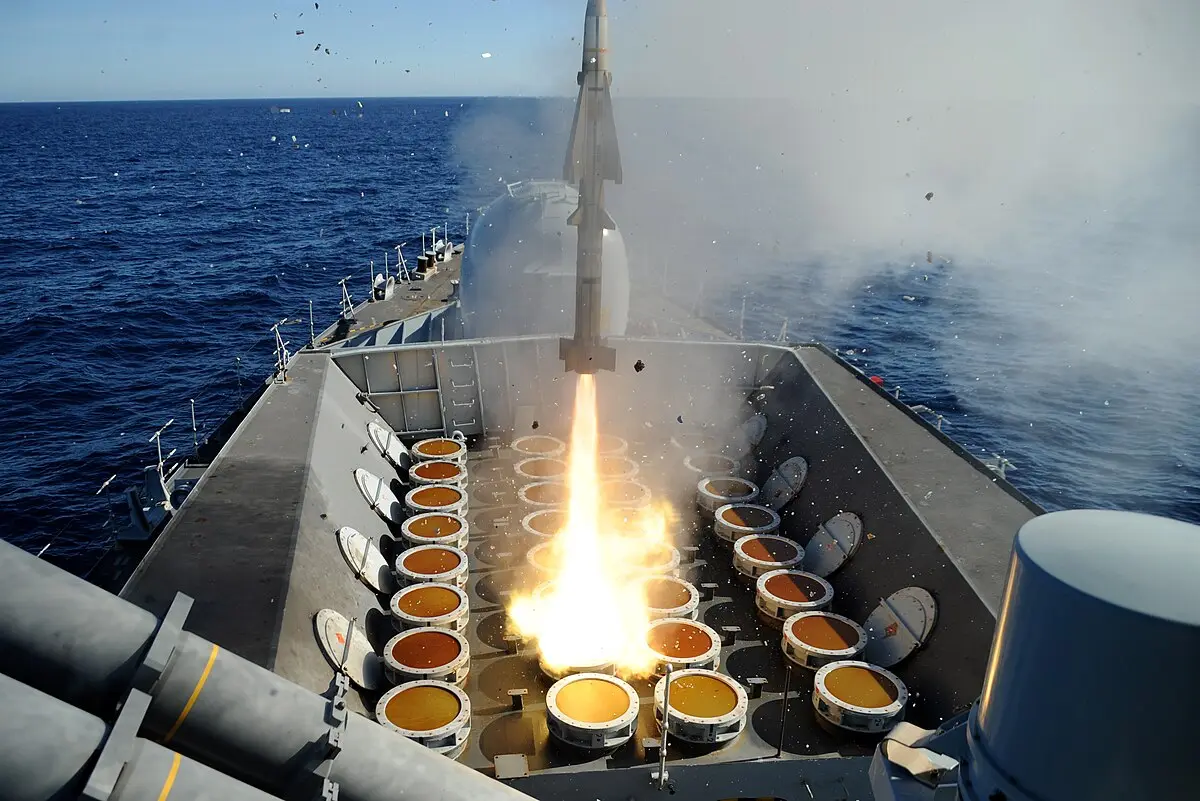
Radar Detection
Cruise missiles exploit radar blindness caused by ground clutter where terrain obstacles block radar signals and reflect competing electromagnetic noise masking incoming missile signatures. Low-altitude flight paths prevent radar line-of-sight coverage forcing defenders to deploy airborne sensors or radar systems at elevated positions. This detection challenge creates engagement window compression where defenders have minimal time identifying cruise missiles before impact.
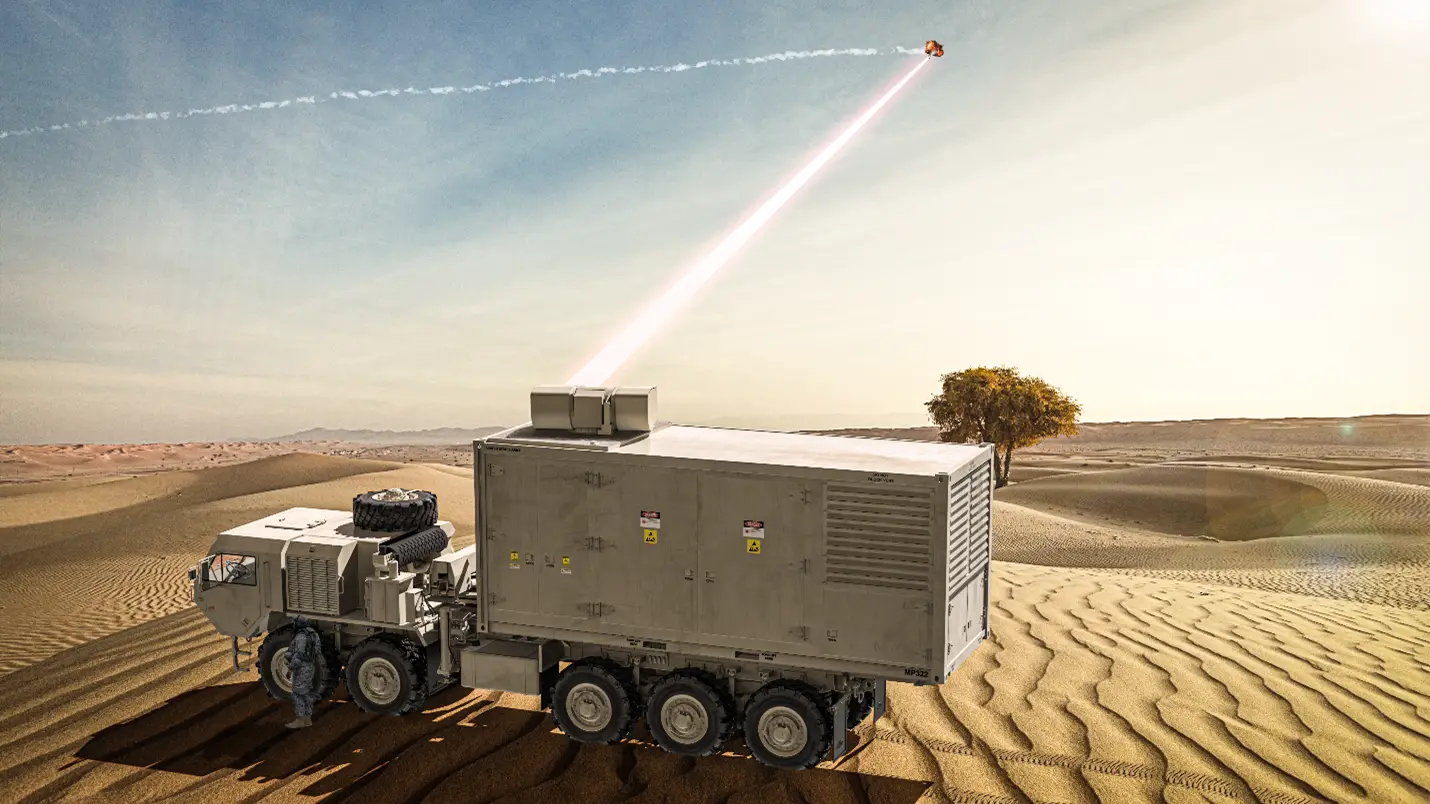
Lockheed Martin's Proven Success - Subsonic Cruise Missile Defeat
Lockheed Martin successfully demonstrated the Layered Laser Defence system defeating a surrogate subsonic cruise missile target at White Sands Missile Range in 2022 establishing proof-of-concept for cruise missile laser interception. The engagement demonstrated laser beam control systems utilizing radar and sensor fusion data pointing the laser beam with precision sufficient for target destruction. This test validated feasibility of defeating cruise missile threats.
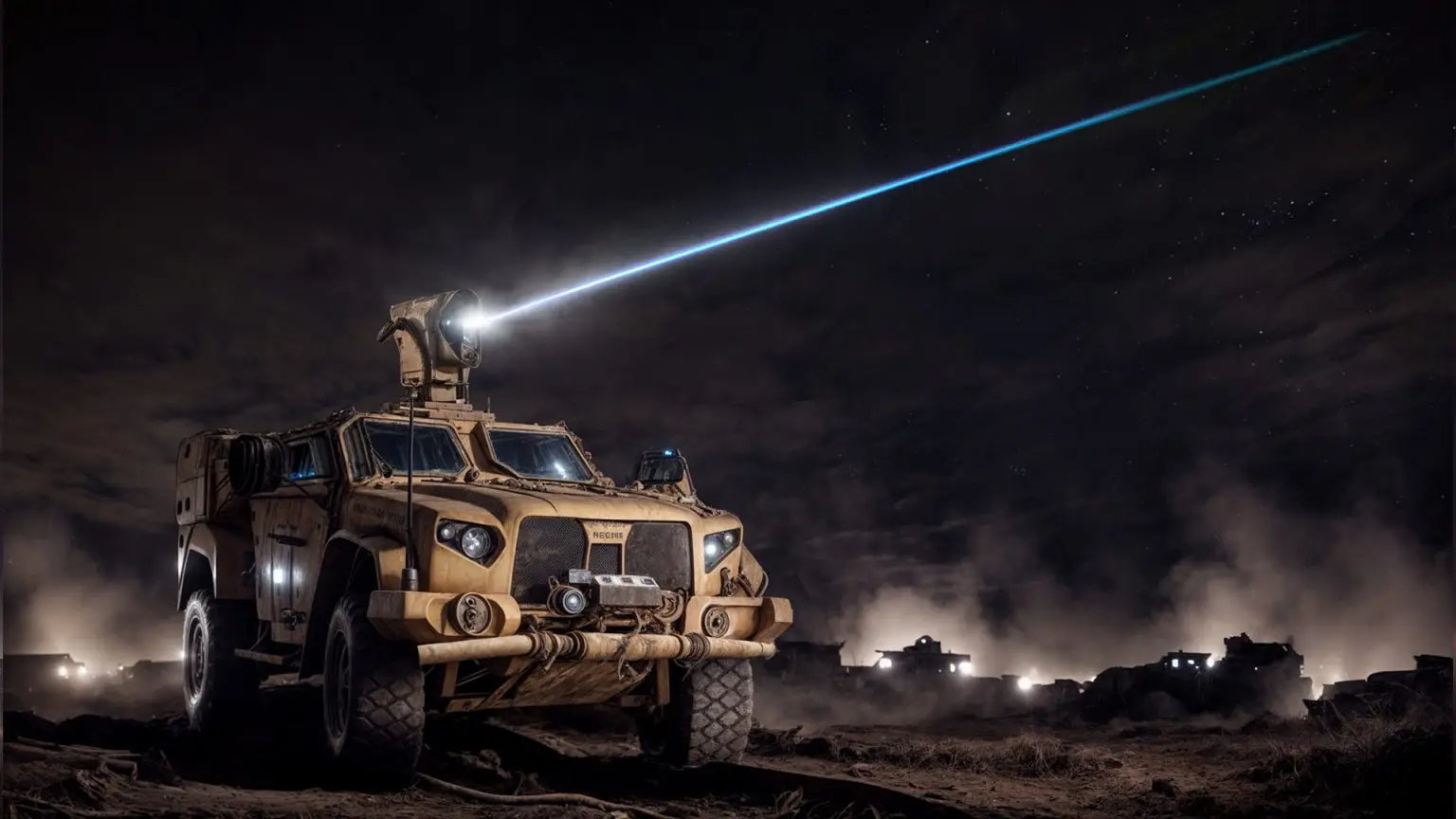
Iron Beam Speed Advantage
Iron Beam engages threats at light speed requiring zero launch sequence time compared to missile systems requiring ignition, acceleration, and flight time consuming several seconds before interception. Upon radar detection, Iron Beam initiates engagement immediately providing instantaneous response preventing cruise missiles from approaching impact zones. Speed-of-light engagement eliminates reaction time delays inherent in kinetic interceptor systems.
Terrain-Hugging Vulnerability
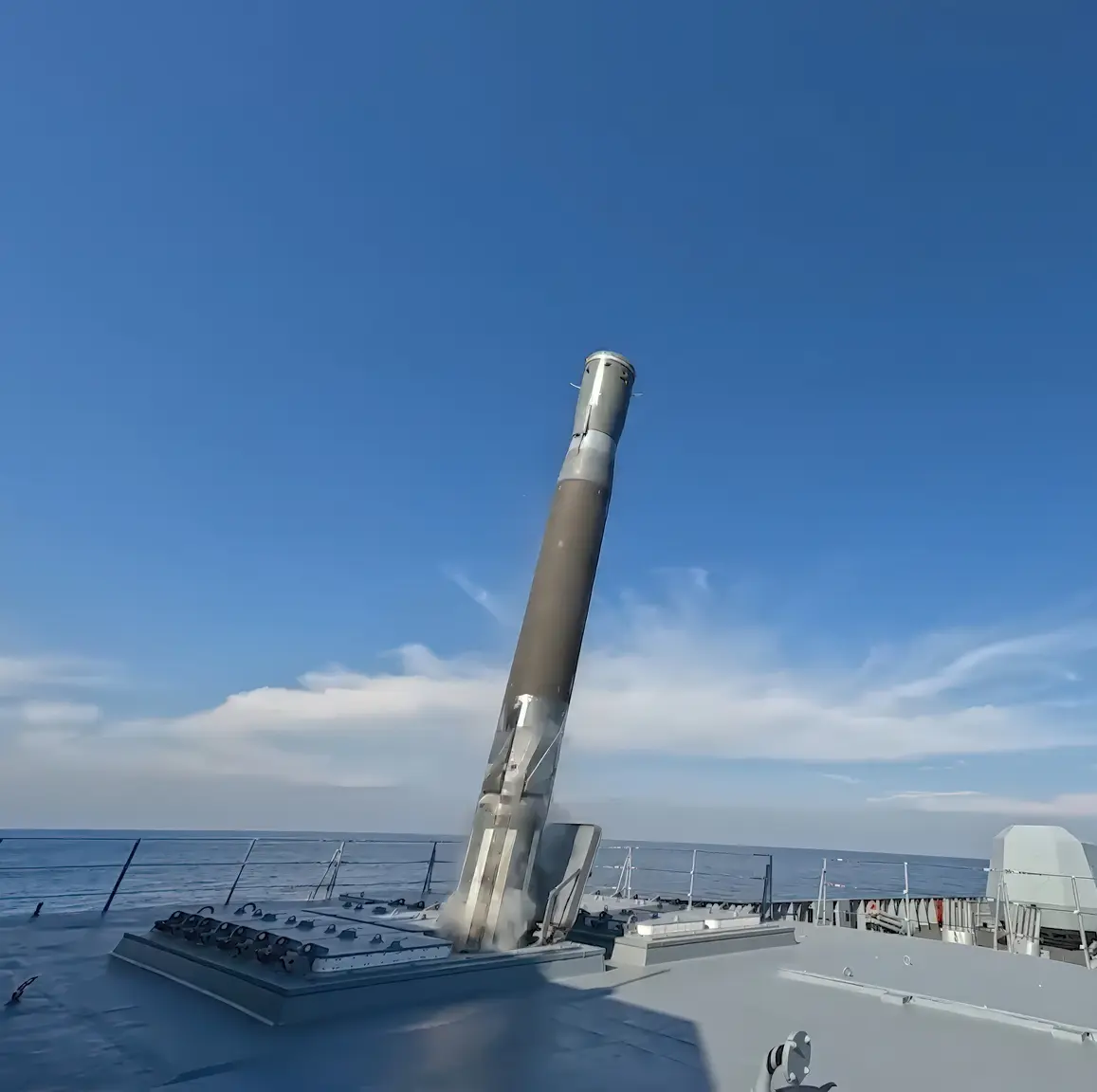
Cruise missiles flying at terrain-hugging altitudes expose fuselage surfaces to laser engagement because ground clutter preventing radar detection also blocks terrain features preventing terrain avoidance during actual flight manoeuvres. The paradoxical vulnerability emerges because terrain-following navigation requires maintaining clearance above ground preventing complete obstacle shielding. Iron Beam positioned at elevated locations exploits this geometry engaging cruise missiles above terrain features.
Continuous Lock Requirement - Dwell Time Challenge
Iron Beam requires continuous laser focus on cruise missile targets maintaining engagement long enough to penetrate structural casings typically requiring three to sixteen seconds depending on range, weather, and missile material composition. Moving targets challenge beam stabilisation requiring adaptive optics compensating for missile velocity whilst maintaining precise aim-point. Extended dwell times increase vulnerability if cruise missiles execute evasive manoeuvres breaking beam lock.
AI-Assisted Targeting - Rapid Lock Acquisition
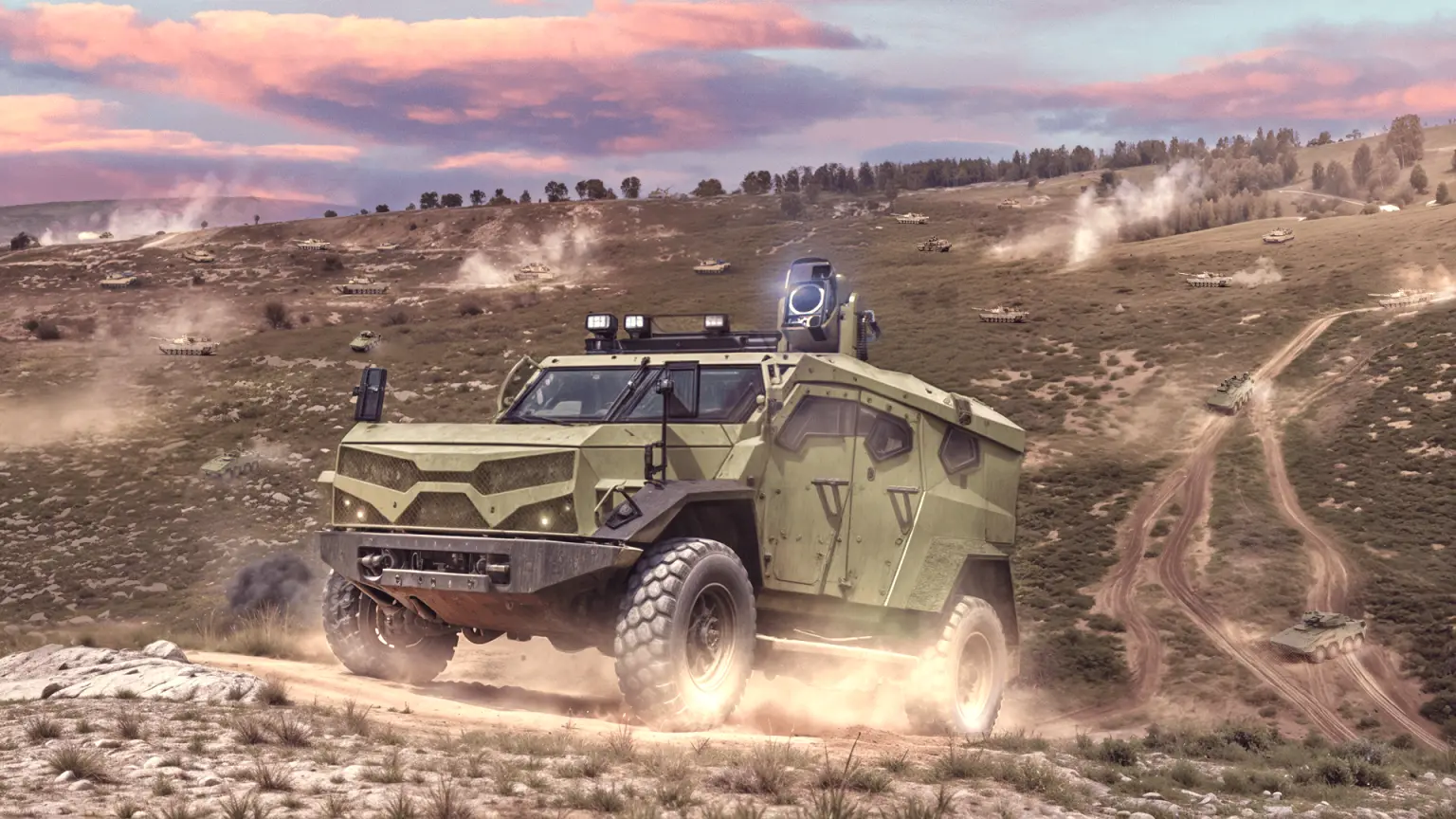
Advanced AI algorithms automatically acquire and track cruise missile targets integrating radar, electro-optical, and infrared sensor data enabling rapid lock-on times measured in tenths of seconds. Machine learning models predict cruise missile trajectories based on initial detection data enabling lead-ahead aiming. AI threat classification reduces engagement decision time enabling quicker laser activation after target detection.
Boost-Phase Engagement Advantage - Longer Engagement Windows
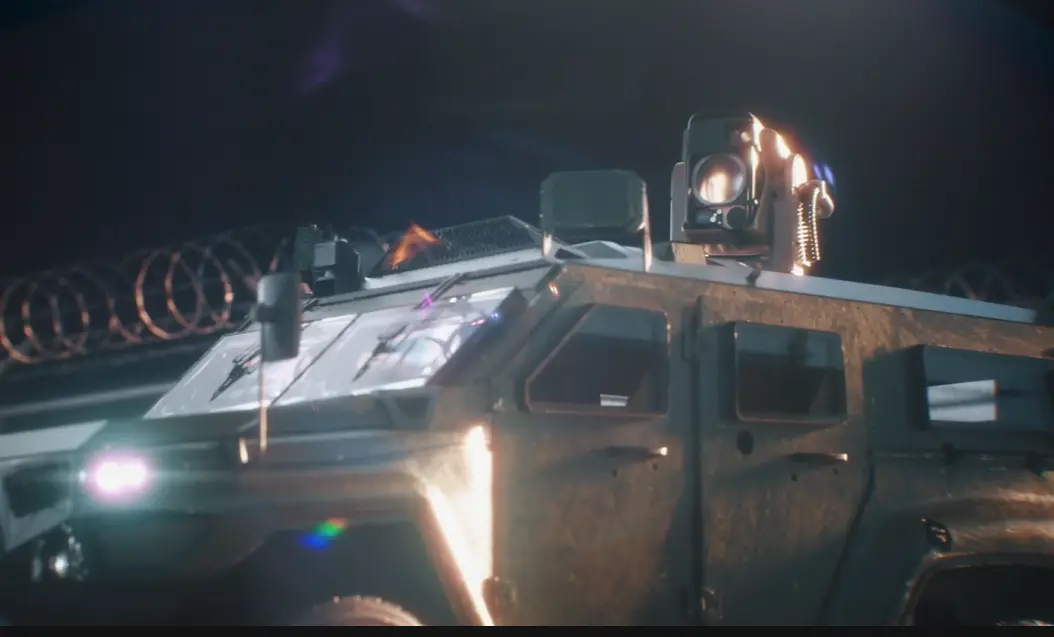
Directed-energy systems provide greatest advantage during missile boost phase when cruise missiles accelerate from launch providing longer reaction times compared to terminal phase where cruise missiles arrive at impact zones within seconds. Early warning systems detecting cruise missile launches at origin enable extended engagement windows. Laser systems capitalise on boost-phase advantage providing deep defensive coverage preventing cruise missiles reaching populated areas.
Saturation Attack Vulnerability - Multiple Simultaneous Cruise Missiles
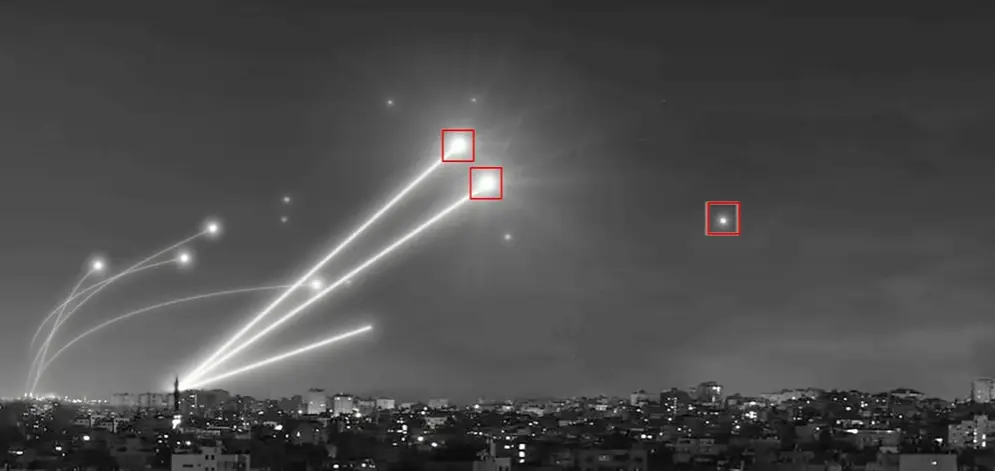
Laser weapon systems face engagement challenges against saturation attacks with multiple simultaneous cruise missiles where single laser cannot engage all threats sequentially within required timeframes. Distributed laser networks with multiple platforms overcome saturation limitations. Each additional laser multiplies engagement capacity enabling simultaneous engagement of multiple cruise missiles.
Integration With Iron Dome - Optimal Layered Defence
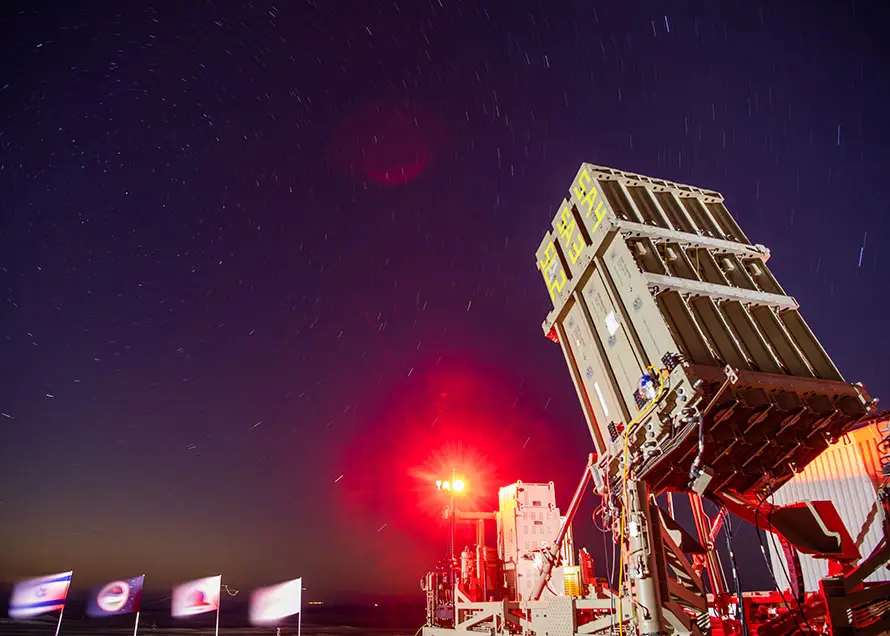
Iron Beam provides first-responder capability against low-altitude cruise missiles whilst Iron Dome missiles reserve capacity for threats Iron Beam cannot defeat enabling cost-effective layered defence close to 100 per cent interception rates. Real-time command systems automatically assign cruise missiles to laser engagement when feasible preserving expensive Iron Dome interceptors for complex threats. Multi-layer integration optimises defensive resource allocation.
)
)
)
)
)