Iron Beam’s laser accuracy: How it can targets objects smaller than a football

Iron Beam lasers can focus on coin-sized area which enables football-sized target engagement. Thermal imaging detects drone heat signatures from motors and batteries. System scans thousands times per second capturing speed and altitude.
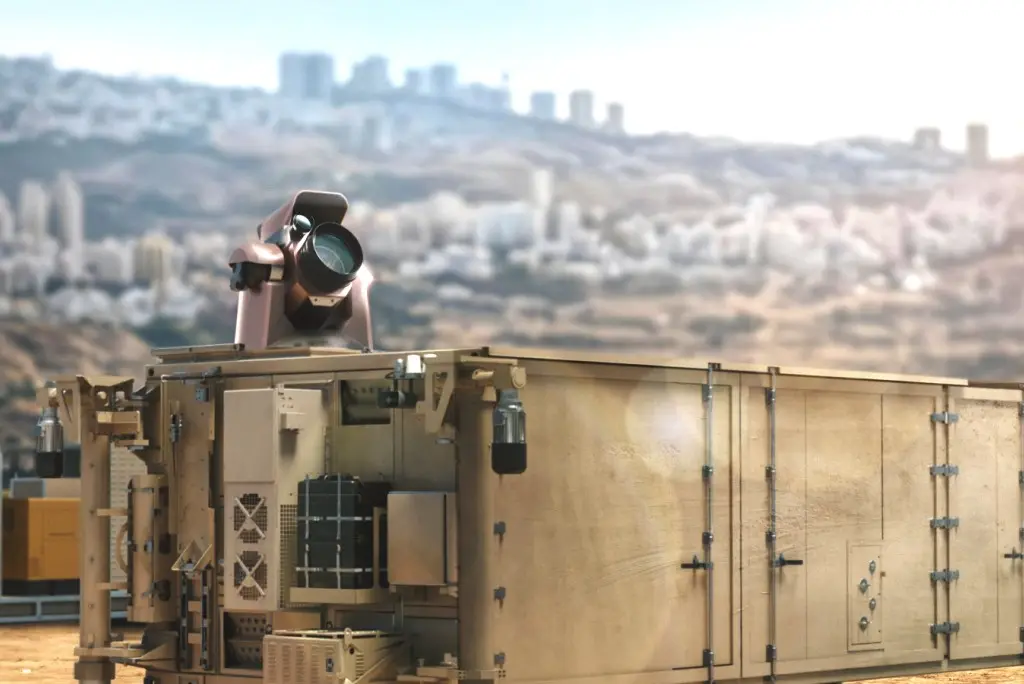
Coin-Sized Beam Focus - Pinpoint Accuracy Technology
Iron Beam concentrates its 100-kilowatt laser beam onto an area roughly the size of a coin, measuring approximately 25 millimetres in diameter, enabling engagement of targets smaller than a football. This extreme focus requires multiple optical channels, multichannel transmitters, and visible zoom capabilities delivering precision unmatched by conventional air-defence systems. Each engagement concentrates overwhelming energy density on tiny target areas.
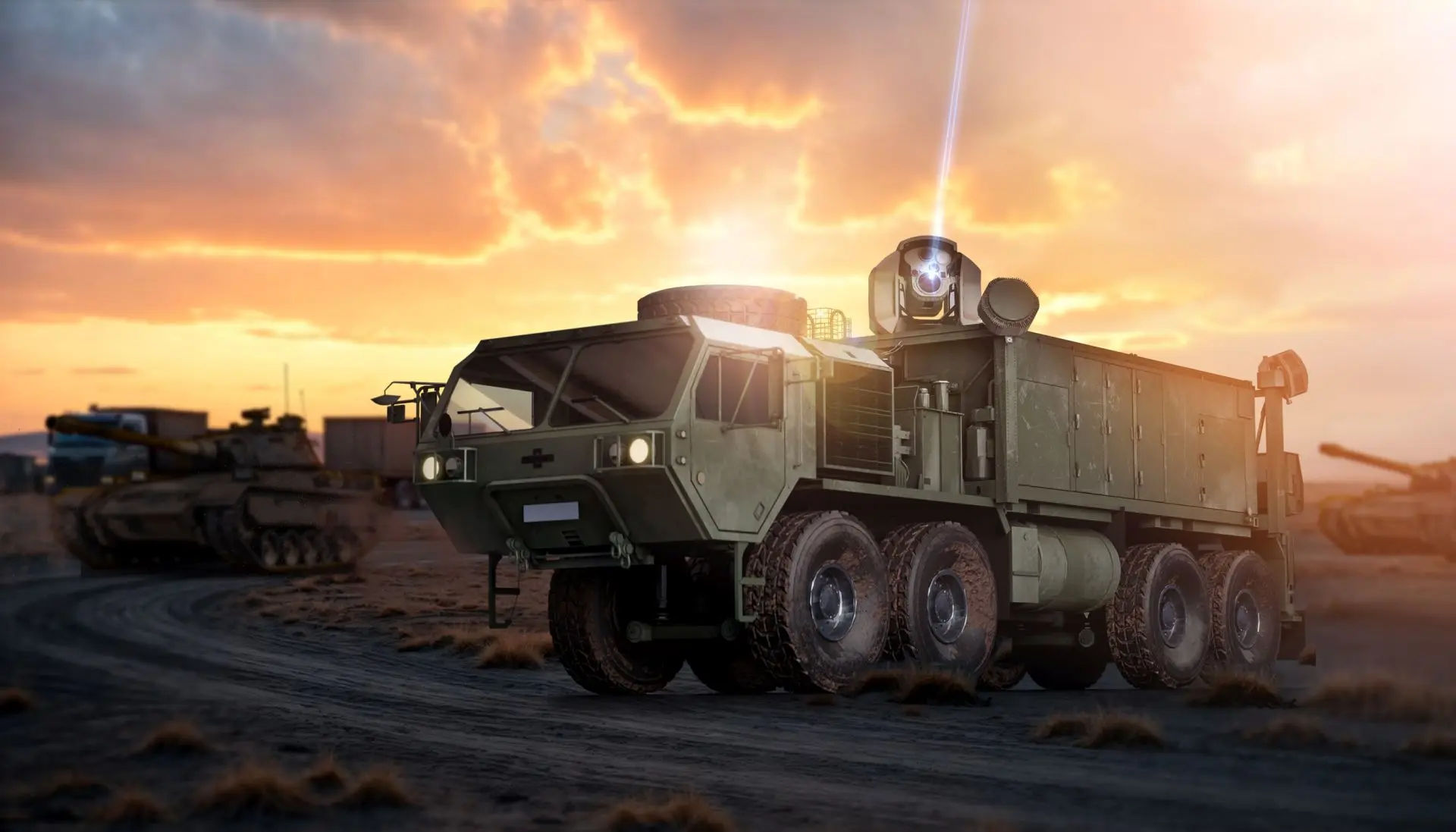
Thermal Imaging Tracking
Iron Beam employs medium-wave infrared thermal imaging sensors with variable field-of-view capabilities detecting drone motors, batteries, and electronic components through their unique heat signatures. Thermal cameras identify small fast-moving objects at low altitudes where visual surveillance fails completely. The system differentiates drones from false positives like birds by analysing thermal signatures with high precision.

Thousands of Scans Per Second
The targeting system scans the sky thousands of times per second, capturing target shape, velocity, altitude, and thermal characteristics feeding data into AI-powered targeting algorithms. High-frame-rate infrared sensors with millisecond latency maintain continuous lock on manoeuvring targets. This rapid scanning enables detection of threats appearing on radar moments before laser engagement commences.
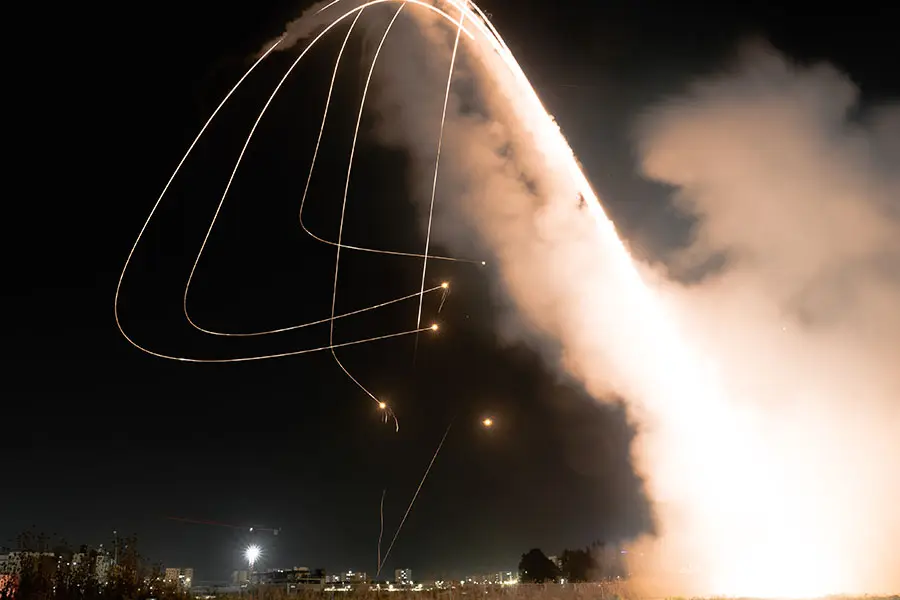
Adaptive Optics Correction
Iron Beam's adaptive optics technology corrects atmospheric disturbances in sub-milliseconds maintaining laser beam coherence across several kilometres despite turbulent air. Deformable mirrors adjust beam wavefront 1,000 times per second compensating for temperature fluctuations, humidity variations, and particulate density changes. This technology enables precision targeting through challenging environmental conditions.

AI-Enhanced Lock-On
Rafael's system embeds artificial intelligence directly into the targeting pipeline enabling laser lock-on capability even when targets are partially obscured by smoke, dust, or fog. Neural networks trained on millions of drone flight patterns predict evasive manoeuvres enabling the laser to maintain lock. Computer vision systems classify threats and reduce false positives achieving 90 percent interception rates.
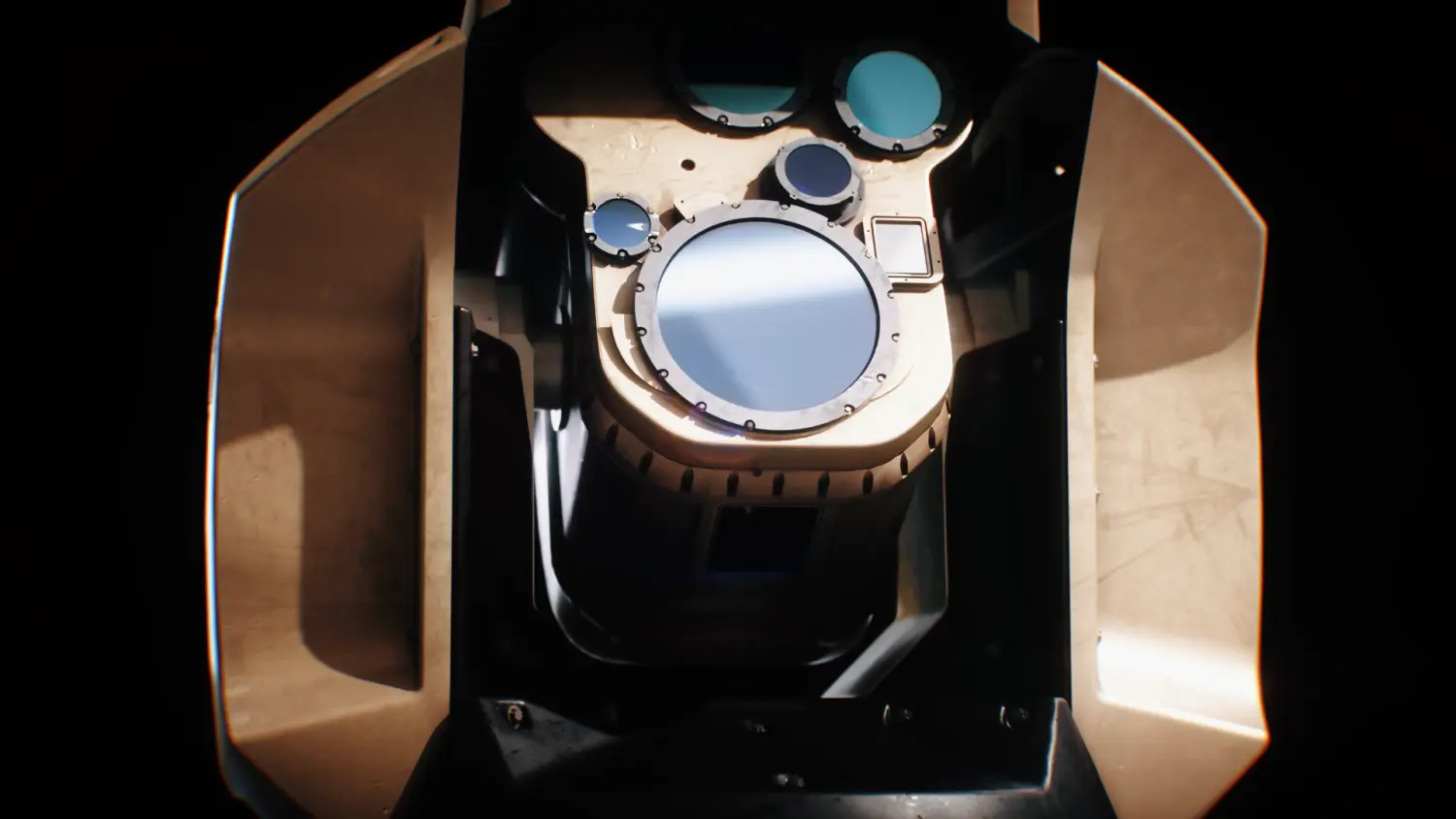
Fine Tracking Channel
The fine tracking channel operates independently with near-infrared sensors providing high-frame-rate data at extremely low latency enabling precise aimpoint selection. The narrow field-of-view fine tracker maintains beam accuracy whilst the wide-field coarse tracker searches for new targets. This dual-channel approach ensures continuous lock throughout engagement sequences.
Laser Range
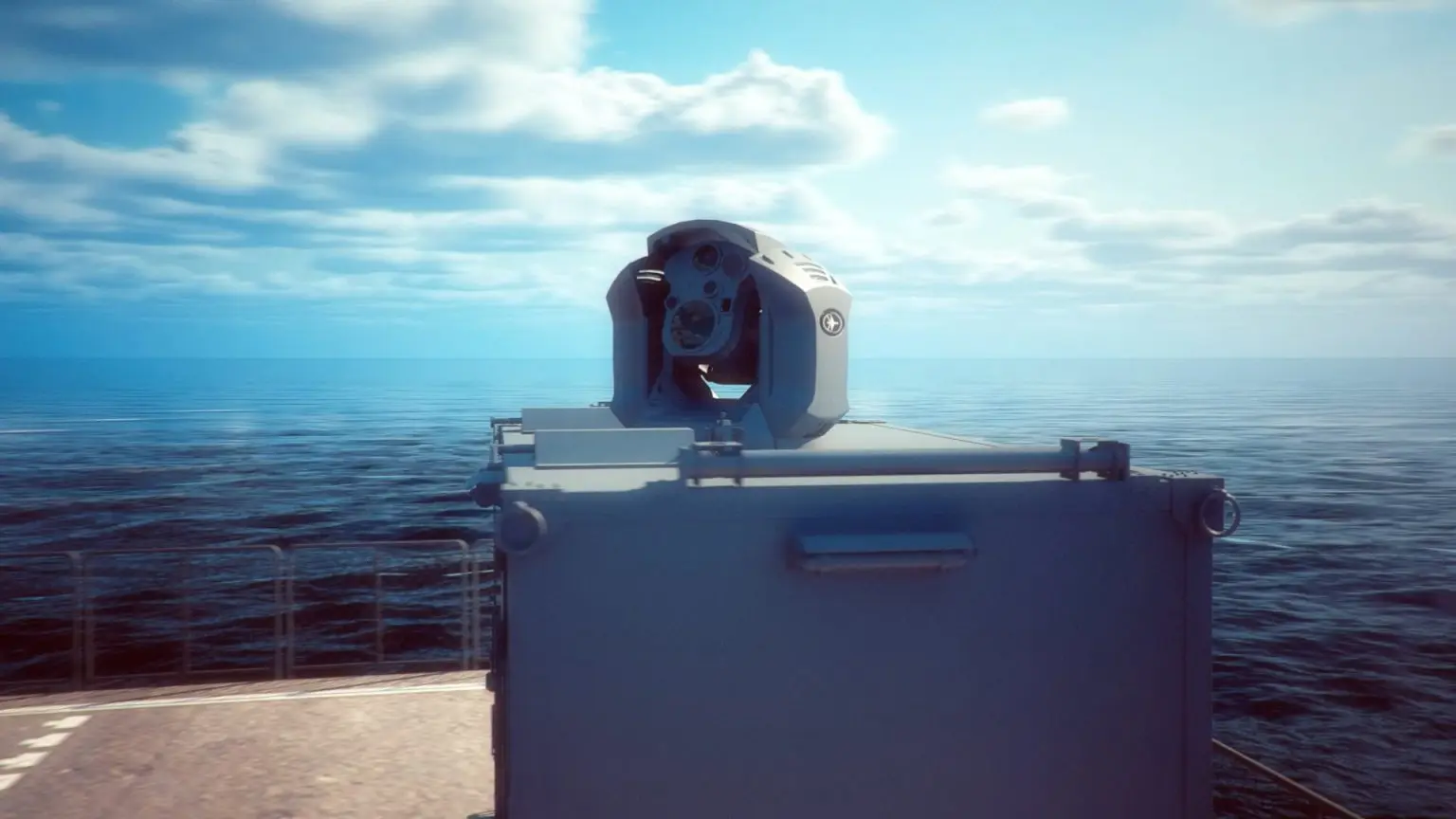
Iron Beam incorporates laser range finders measuring target distance with metre-level accuracy enabling automatic beam focus adjustment as targets approach. Range data feeds into ballistic calculations predicting target trajectory and optimal engagement points. Precision distance measurements eliminate ranging errors causing laser misses against fast-moving threats.
Beam Coalignment System
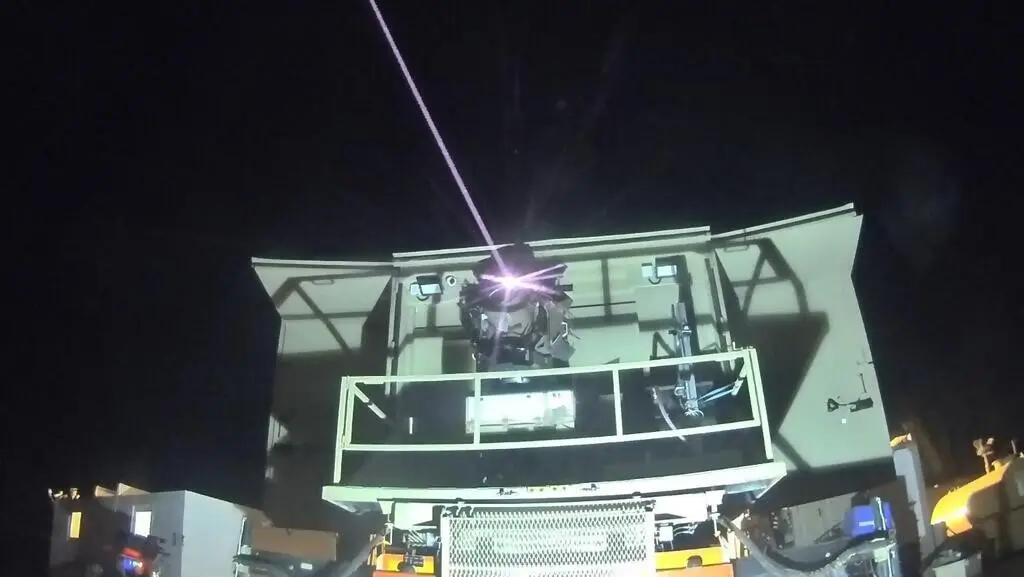
The system's common path architecture and calibration procedures maintain perfect coalignment between all optical channels, transmitters, and sensors ensuring beam stability during rapid target tracking. Misalignment causes beam divergence reducing energy delivery but continuous calibration compensates for mechanical vibrations and thermal effects. Test data shows over 90 percent successful interceptions.
Small Drone Engagement - Football-Sized Target Destruction
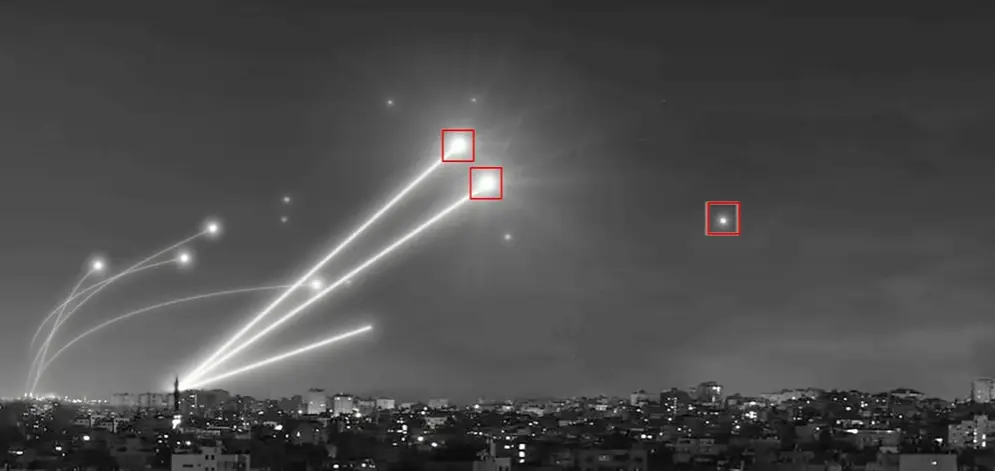
Iron Beam successfully engages unmanned aerial vehicles as small as footballs which cost mere hundreds of pounds per unit. Traditional air-defence systems cannot justify expensive missiles against cheap drones but Iron Beam's three-dollar-per-engagement cost enables economically viable defence. Small drones represent the fastest-growing air threat requiring precision targeting capabilities.
Iron Beam 450 Upgrade - Enhanced Accuracy and Range
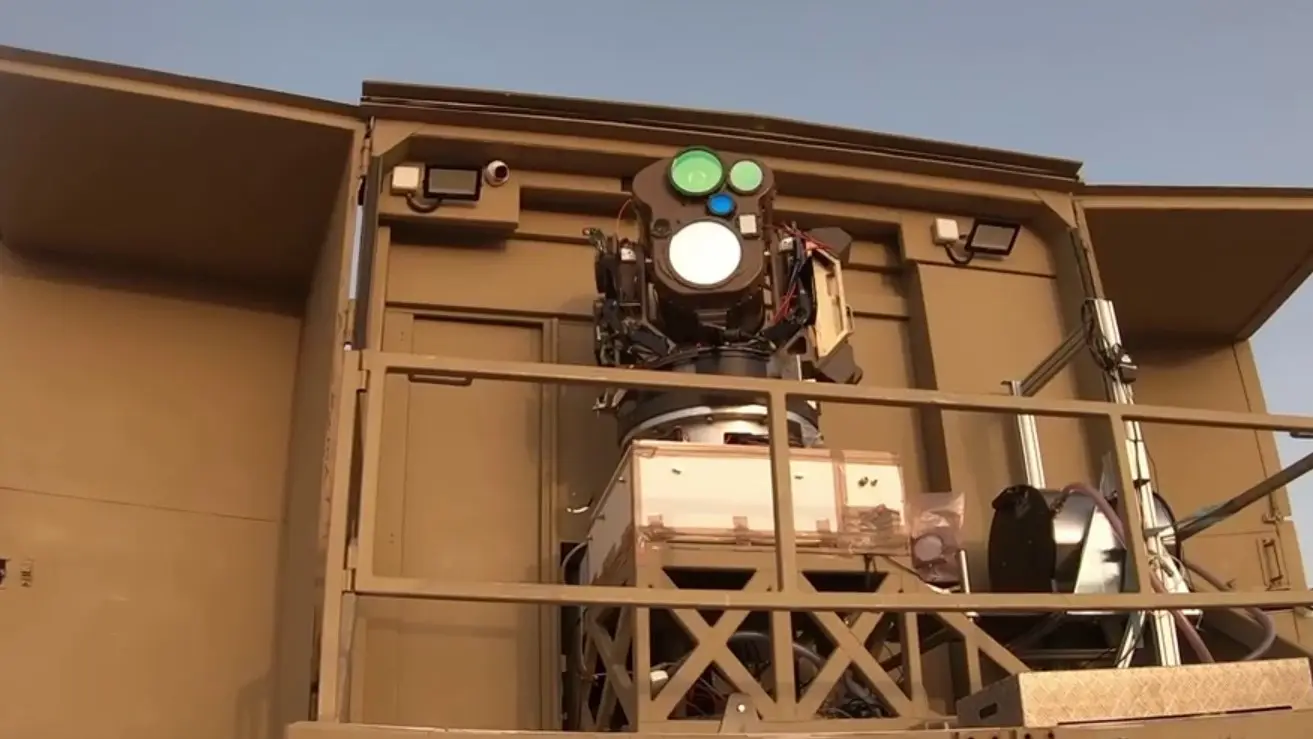
Rafael unveiled Iron Beam 450 in June 2025 featuring upgraded laser directors enhancing accuracy and operational efficiency extending engagement range and enabling faster engagement cycles. The upgraded system achieved final development trials intercepting rockets, mortars, and UAVs with unmatched precision. Next-generation improvements maintain lock at greater distances with improved beam focus.
)
)
)
)
)