Iron Beam optics: What makes its laser beam so precise?

Iron Beam combines dozens of fibre lasers through coherent beam combining technology. Precision mirrors achieve sub-nanometre surface accuracy through ion beam figuring. Deformable mirrors with thousands of actuators adjust surface shape real-time.
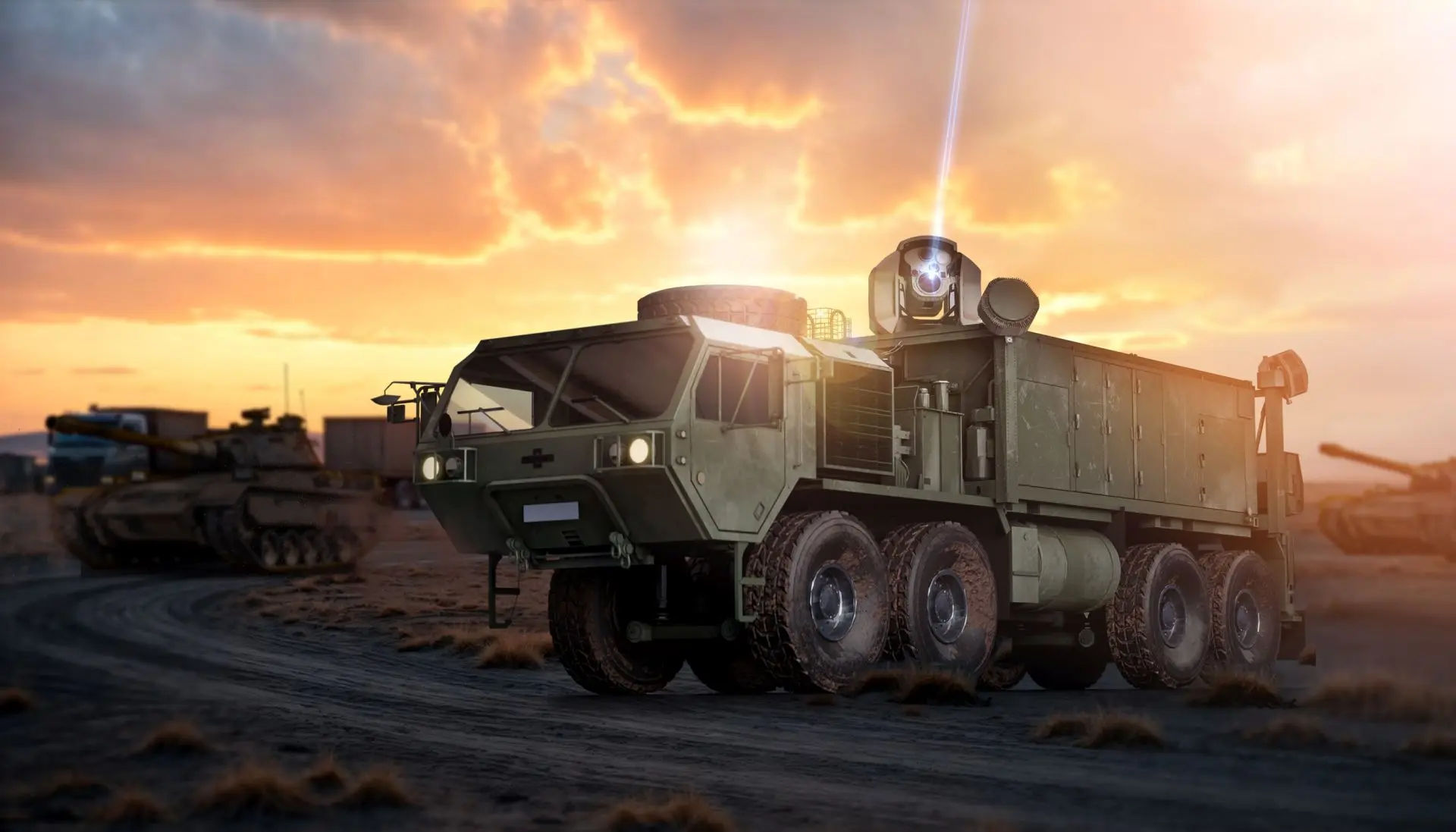
Coherent Beam Combining - Many Lasers Become One
Iron Beam combines dozens of individual fibre lasers into a single unified beam through coherent beam combining technology maintaining relative temporal phase across all channels. Each fibre laser generates identical wavelength light which sophisticated diffractive optics recombine into one powerful output beam. This approach distributes thermal loads preventing any single laser from overheating whilst maintaining combined power output exceeding 100 kilowatts.
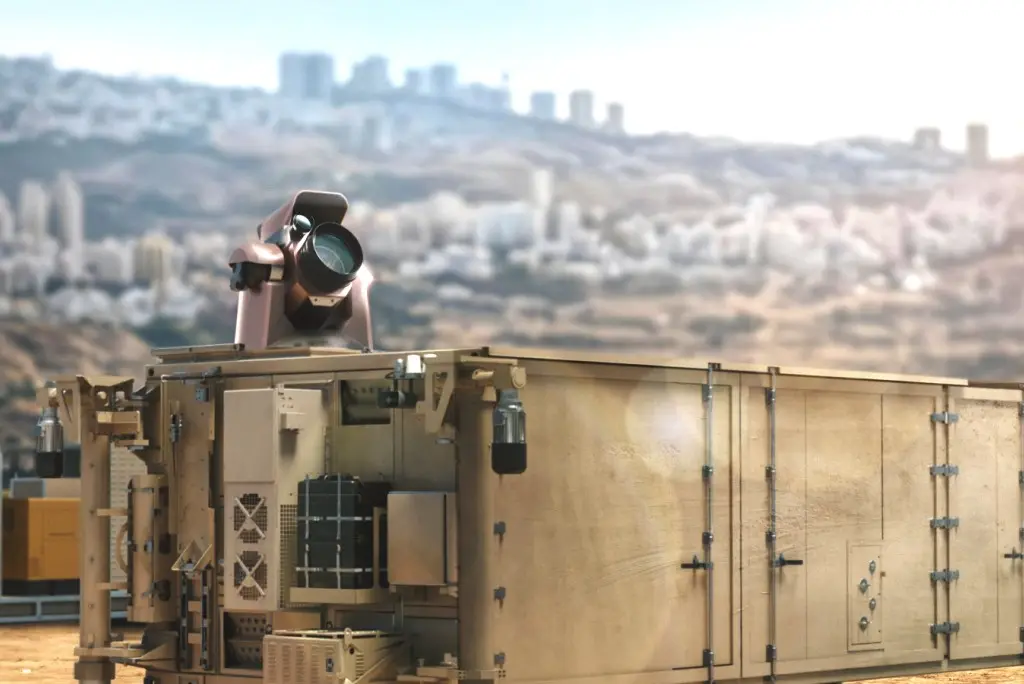
Precision Mirrors
Iron Beam employs optical mirrors finished to sub-nanometre accuracy through ion beam figuring techniques achieving surface profile errors less than one nanometre height variation across entire mirror surface. These precision-manufactured mirrors reflect laser light with 99.9 per cent efficiency losses less than one-thousandth of one percent. Imperfections larger than a few atoms would distort the beam degrading targeting precision.
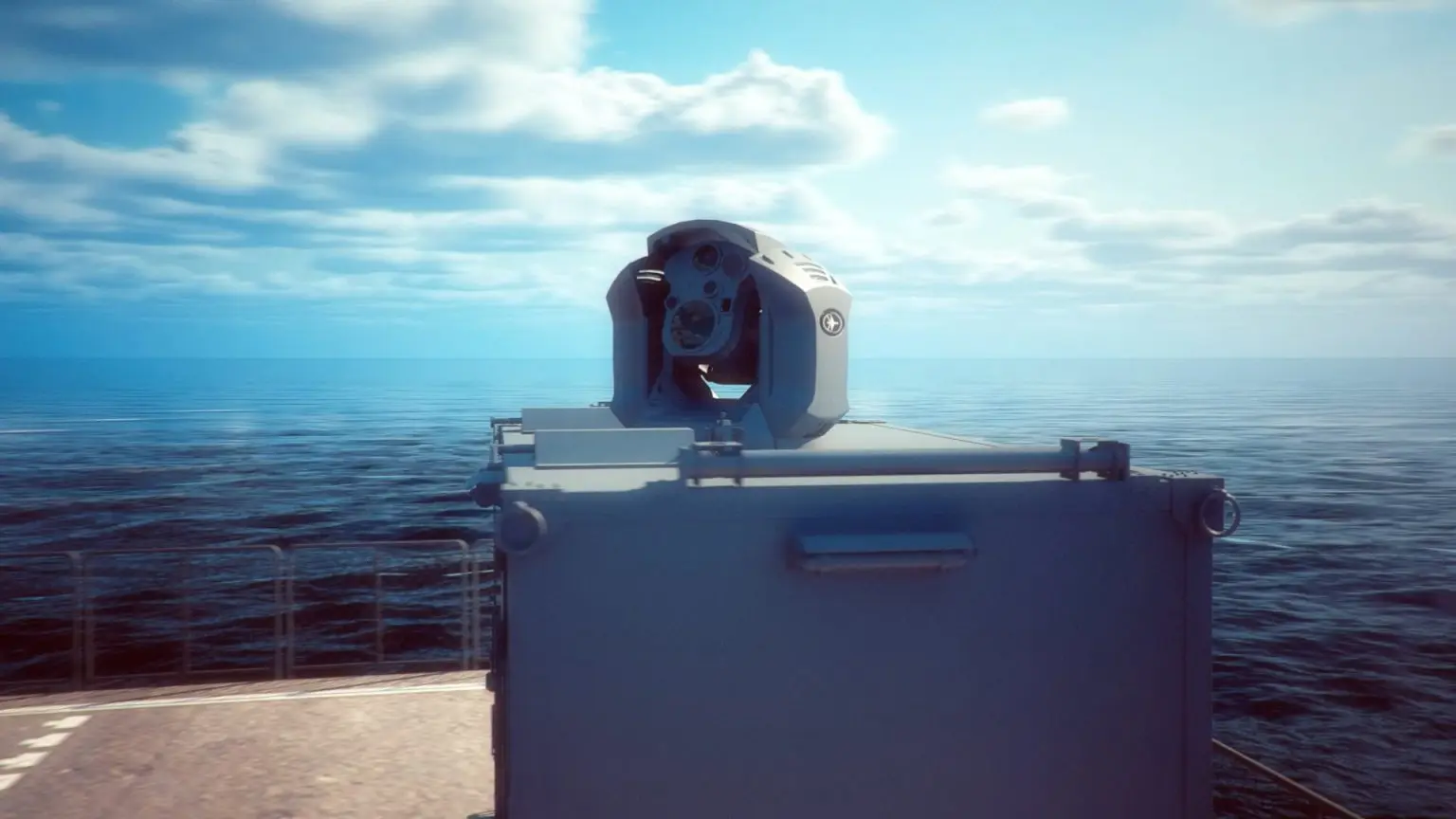
Deformable Mirrors - Real-Time Beam Adjustment
Adaptive optics systems employ deformable mirrors with thousands of tiny actuators adjusting mirror surface shape in real-time compensating for atmospheric distortions. Wavefront sensors measure incoming atmospheric distortion millisecond-by-millisecond commanding actuators to reshape mirror surfaces maintaining perfect beam focus. This closed-loop correction operates at speeds exceeding 1,000 hertz enabling continuous atmospheric compensation.

Wavefront Sensing - Measuring Invisible Distortion
Iron Beam integrates wavefront sensors detecting atmospheric turbulence distortion caused by air temperature variations and wind currents. Sensors measure light phase differences across beam aperture identifying distortion patterns. This information feeds back to adaptive optics systems within milliseconds enabling corrective mirror adjustments.
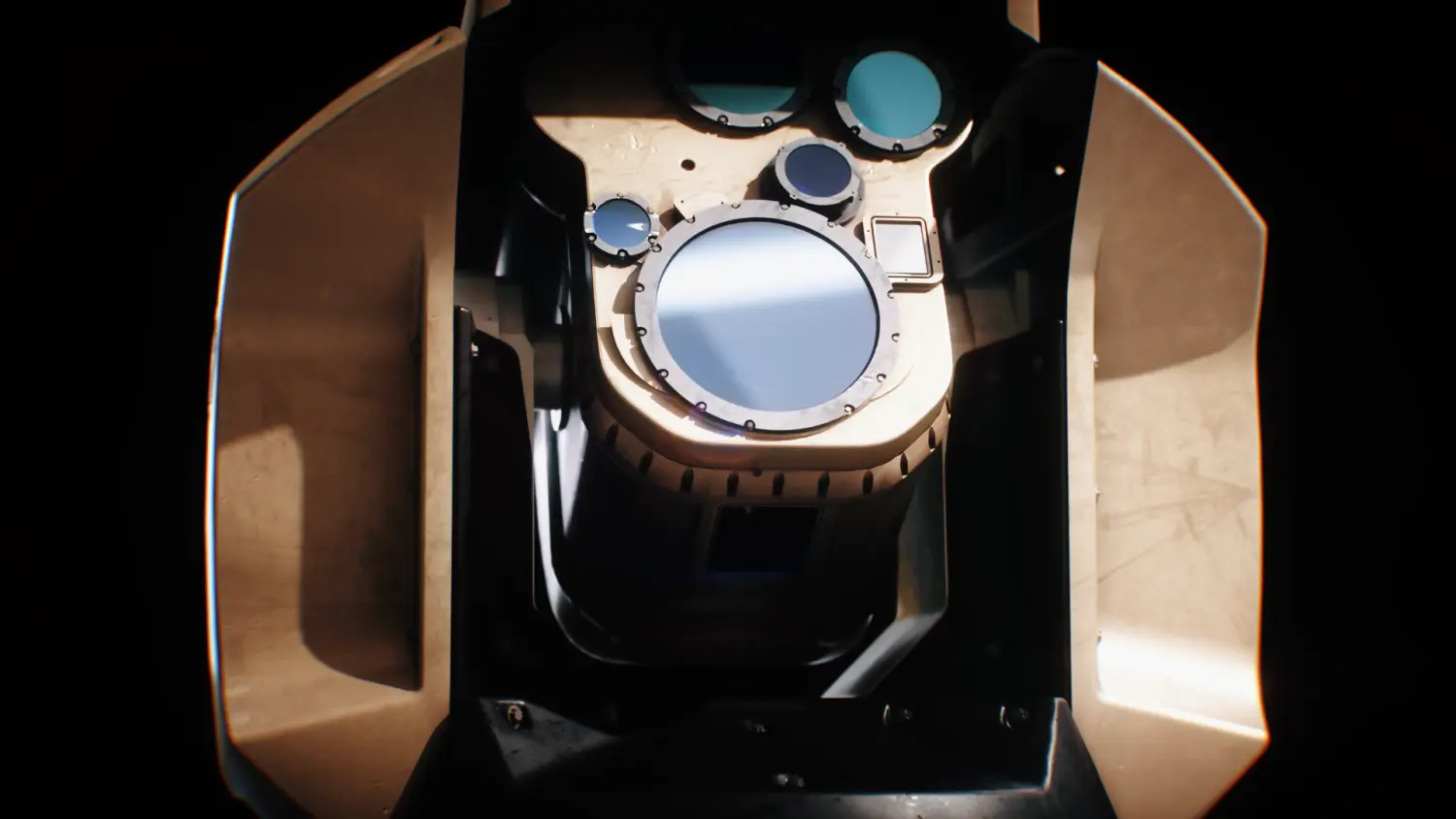
Atmospheric Correction - Beating Weather Effects
Adaptive optics correct for atmospheric distortion enabling laser engagement through dust, haze, fog and wind that would normally degrade beam quality dramatically. Dust and haze scatter laser light reducing intensity by orders of magnitude but higher-power systems overcome scattering through sheer energy density. Atmospheric correction systems maintain beam divergence angles below 100 microradians enabling coin-sized impact zones at 10-kilometre range.
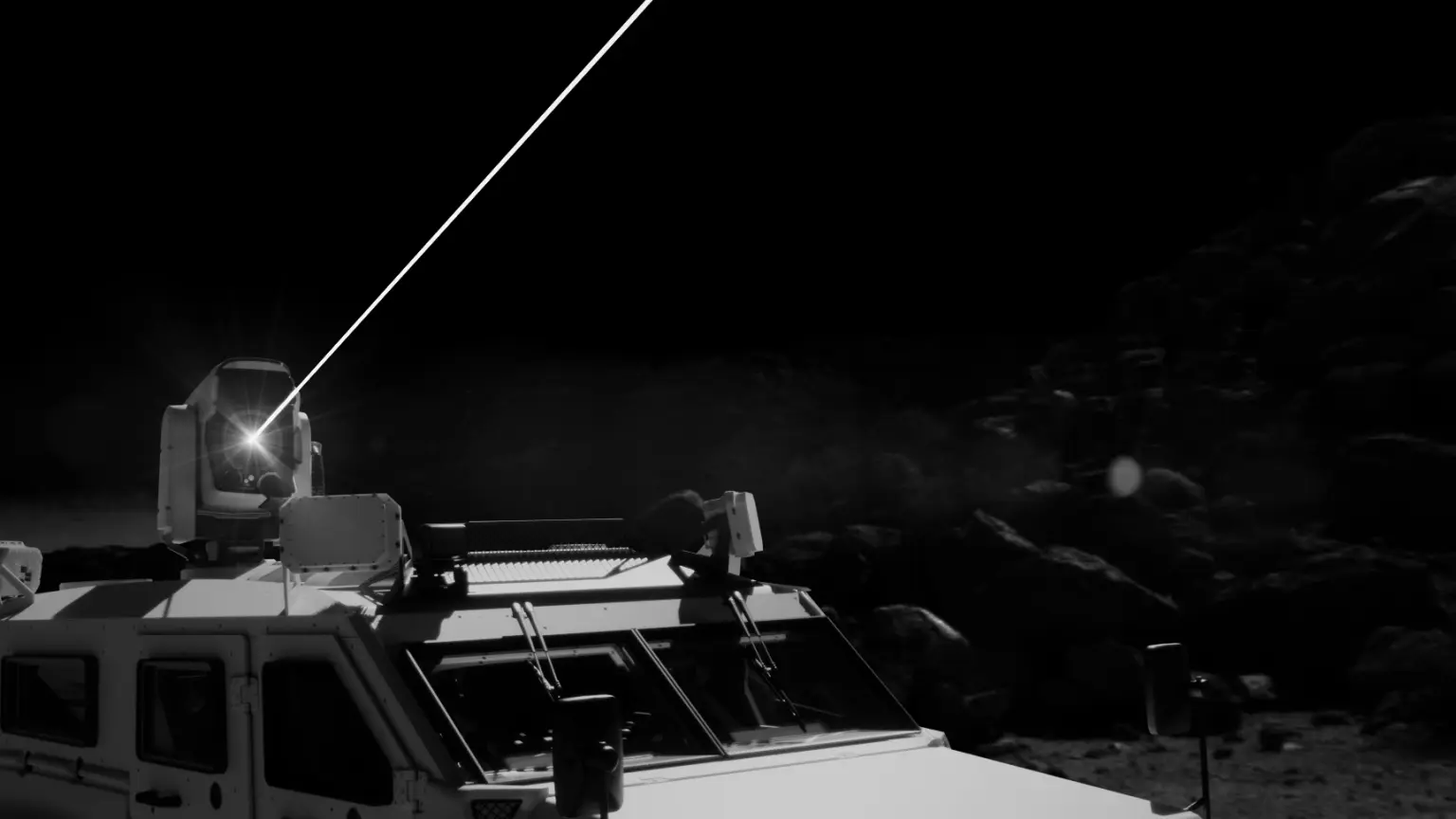
Micrometre-Level Precision - Hitting Targets Smaller Than Baseballs
Iron Beam achieves targeting precision in micrometre range where beam diameter at 10 kilometre distance measures approximately 30 centimetres, providing repeatable accuracy hitting targets smaller than footballs. This precision targeting enables it to defeat even small-diameter drones.
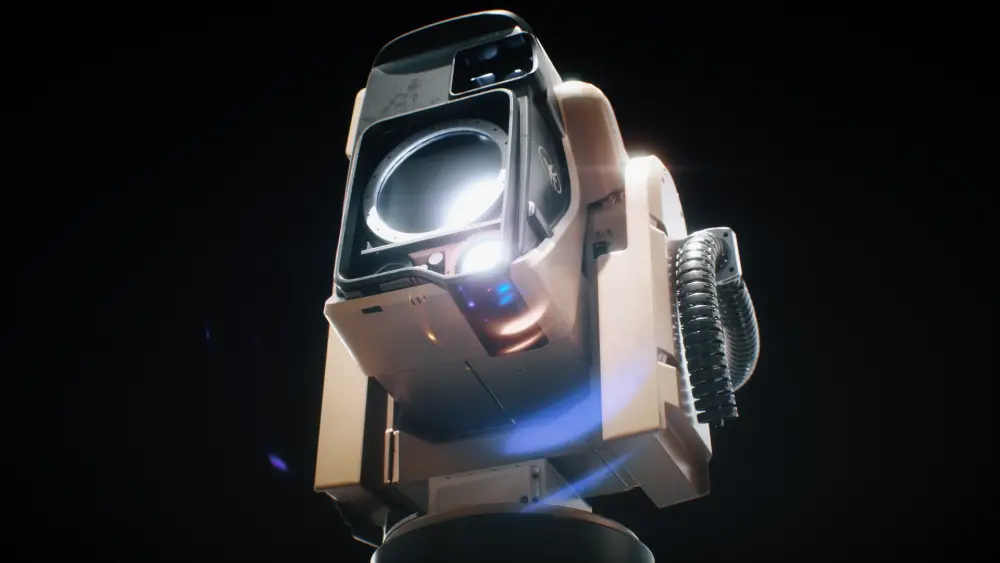
Fast-Steering Mirrors - Millisecond Target Switching
Fast-steering mirrors redirect laser beams between multiple targets in milliseconds without mechanical launcher repositioning. These sophisticated optical elements change beam direction through fractions of degrees enabling rapid sequential engagement. Dual fast-steering mirror configurations enable independent beam direction control simplifying system architecture.
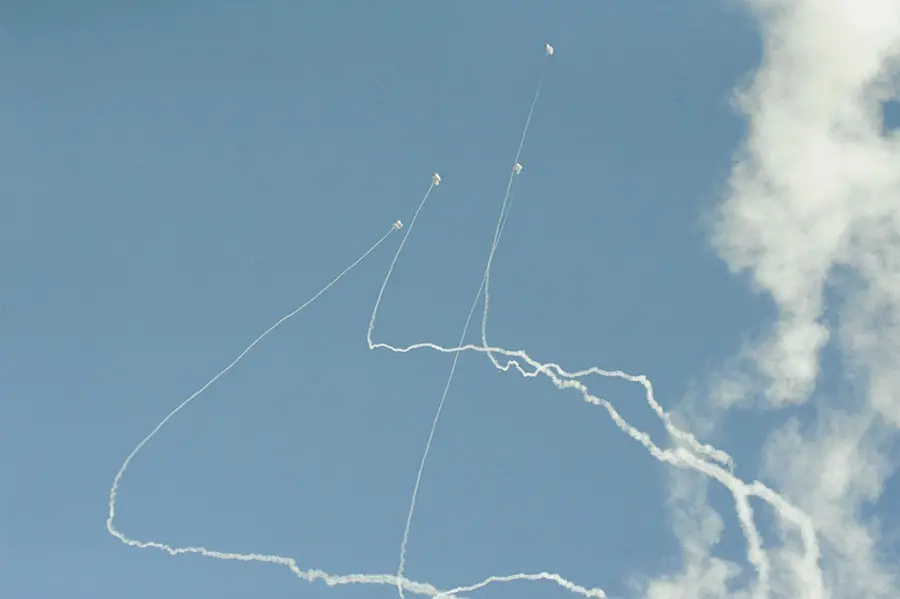
Target Lock Technology - AI-Assisted Tracking
Iron Beam integrates AI algorithms enabling automatic target acquisition and tracking of moving objects at long range providing continuous engagement capability. Machine learning models detect target motion patterns predicting future positions enabling lead-ahead beam steering. GPS-based search algorithms rapidly locate mobile targets within defined search zones.

Thermal Lens Compensation - Maintaining Beam Quality
High-power lasers generate substantial heat creating refractive index variations within optical components distorting beam propagation this effect called thermal lensing. Iron Beam compensates through pre-calculated optical element positioning and advanced cooling systems maintaining stable beam geometry. Active thermal management maintains beam quality throughout sustained firing operations.
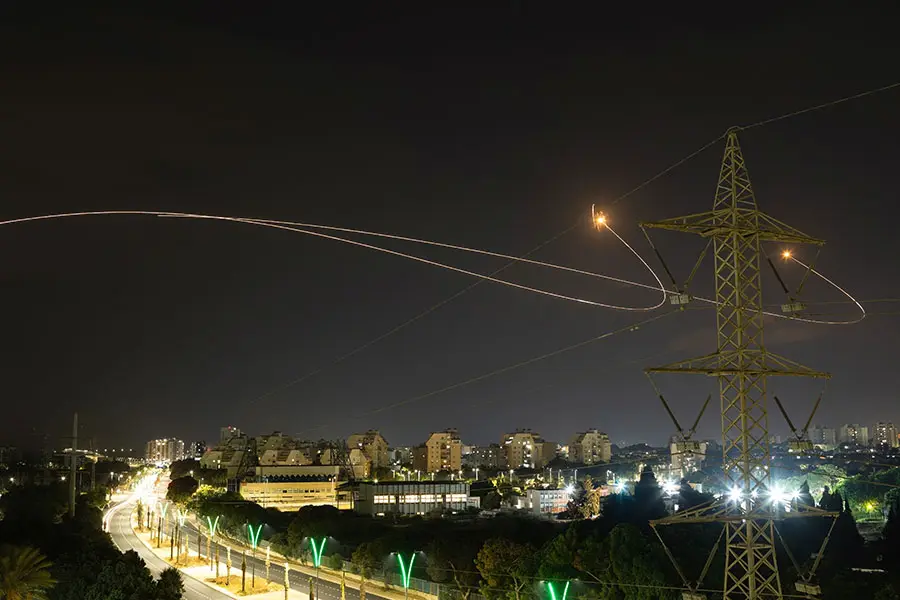
Fibre Optics Advantage - Distributed Heat Dissipation
Fibre laser architecture distributes laser generation across multiple small fibres spaced apart enabling heat dissipation superior to monolithic slab designs requiring bulky cooling systems. Individual fibres generate kilowatt-level power with modest thermal loads. This modular design approach enables compact weapon systems deployable on mobile platforms compared to earlier high-power laser generations.
)
)
)
)
)