Iron Beam future upgrade: What a 300-kW version could do

The 300-kilowatt Iron Beam upgrade triples the current 100 kW power output. Extended range reaches 20 kilometres. Cruise missile interception in milliseconds through aluminium hulls. improved performance penetrating haze and dust. Faster target destruction reduced from seconds to fractions.
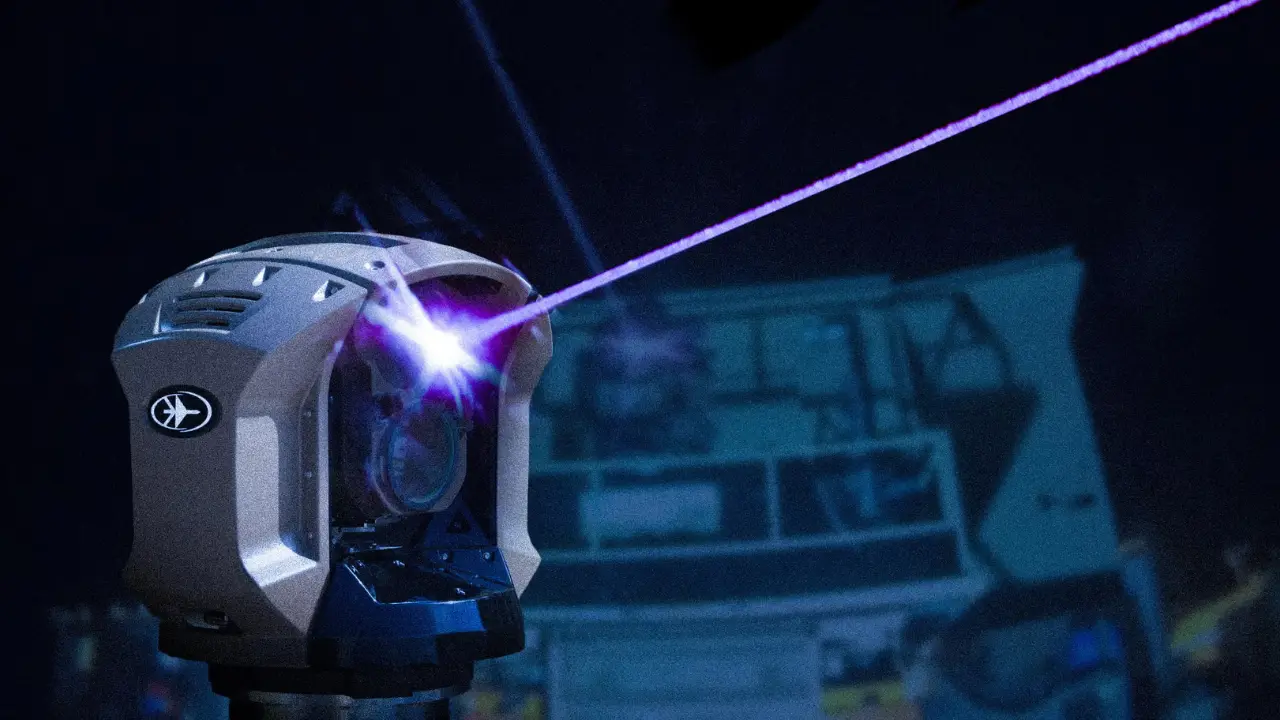
Power Tripling - From 100-kW to 300-kW Class System
India's Defence Research and Development Organisation (DRDO) is developing a 300-kilowatt "Surya" laser weapon system tripling Iron Beam's current 100-kilowatt power output.
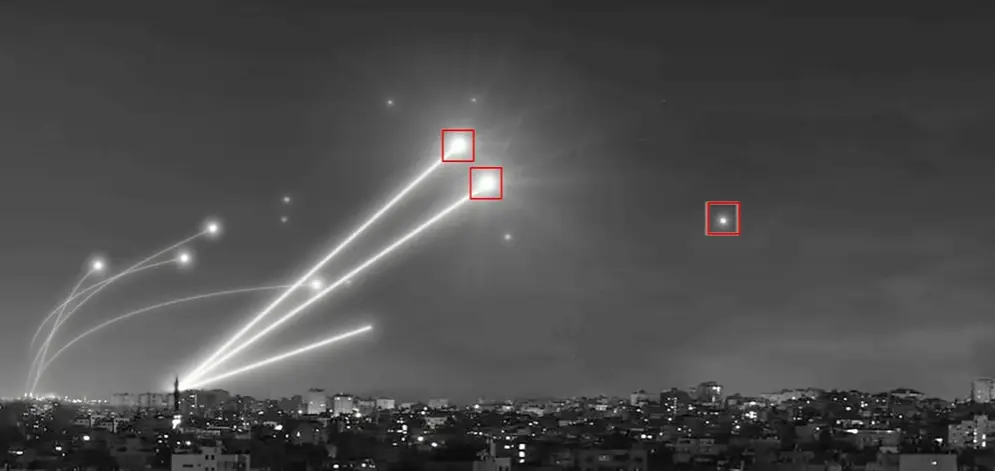
Extended Range - 20 Kilometre Engagement Distance
The 300-kilowatt Surya system achieves operational range of 20 kilometres compared to Iron Beam's 10-kilometre range enabling standoff engagement well before threats reach protected assets. Extended range allows deployment further from defended areas creating greater standoff distance. Targets receive 50 per cent longer warning time compared to current systems before laser engagement becomes possible.

Cruise Missile Interception - Supersonic Threat Capability
A 300-kilowatt laser can penetrate cruise missile aluminium hulls in 3.3 to 16.4 milliseconds enabling interception of aircraft travelling at 900 kilometres per hour. Current 100-kilowatt systems struggle with cruise missile ablation coatings but 300-kilowatt power output provides overwhelming energy density. Megawatt-class future systems could theoretically intercept 13 warheads in 10-degree re-entry scenarios.
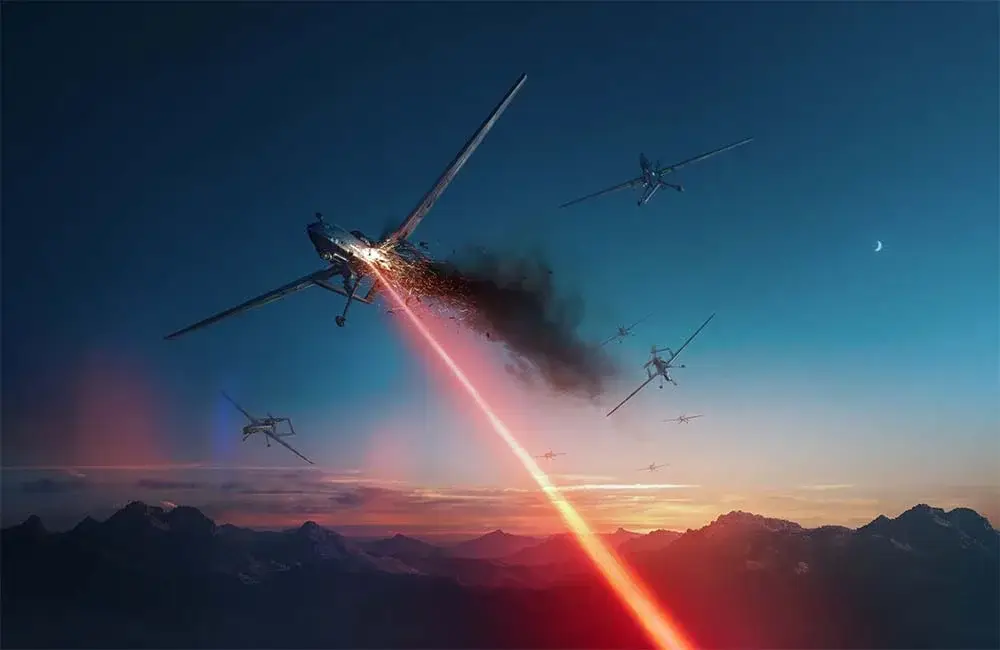
Weather Performance Improvement - Haze and Dust Penetration
Higher-power lasers overcome atmospheric turbulence effects where dust, fog, and haze degrade performance more severely at lower power levels. Atmospheric absorption reduces laser effectiveness by varying orders of magnitude depending on weather conditions. 300-kilowatt systems provide sufficient margin maintaining engagement capability through marginal weather conditions where 100-kilowatt systems lose effectiveness.
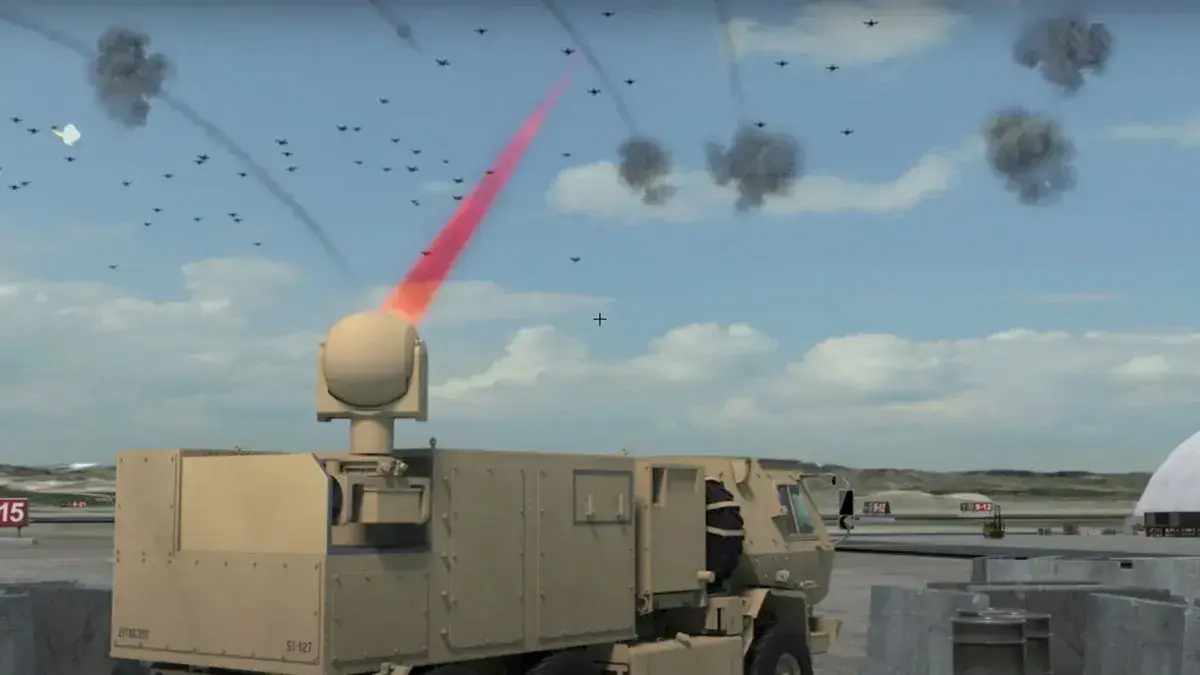
Faster Target Destruction
Lower dwell time requirements mean the system can engage targets in fractions of a second rather than several seconds with current Iron Beam. This acceleration enables rapid sequential engagement of multiple threats reducing engagement cycle time from four seconds to sub-second capability. Faster destruction supports engagement of swarms containing dozens or hundreds of simultaneous threats.
Multi-Layered Defence Walls
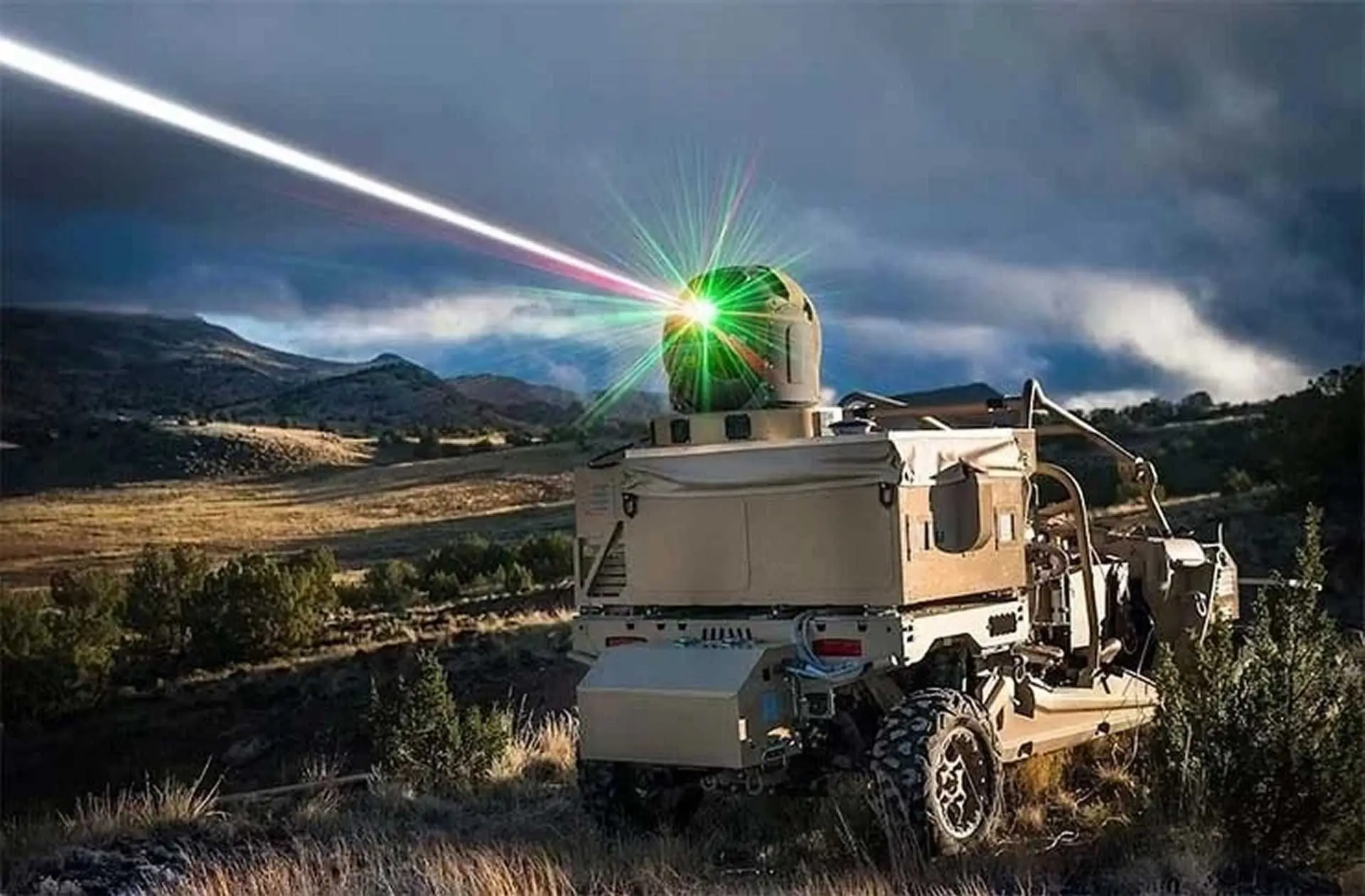
300-kilowatt laser systems enable deployment of overlapping laser coverage creating "laser walls" protecting entire cities, borders, and military bases from aerial threats. Multiple 300-kilowatt systems operating in coordinated networks would provide comprehensive 360-degree coverage. This concept shifts from point defence protecting individual targets to area defence.
Unmanned Aerial Vehicle Swarm Defence
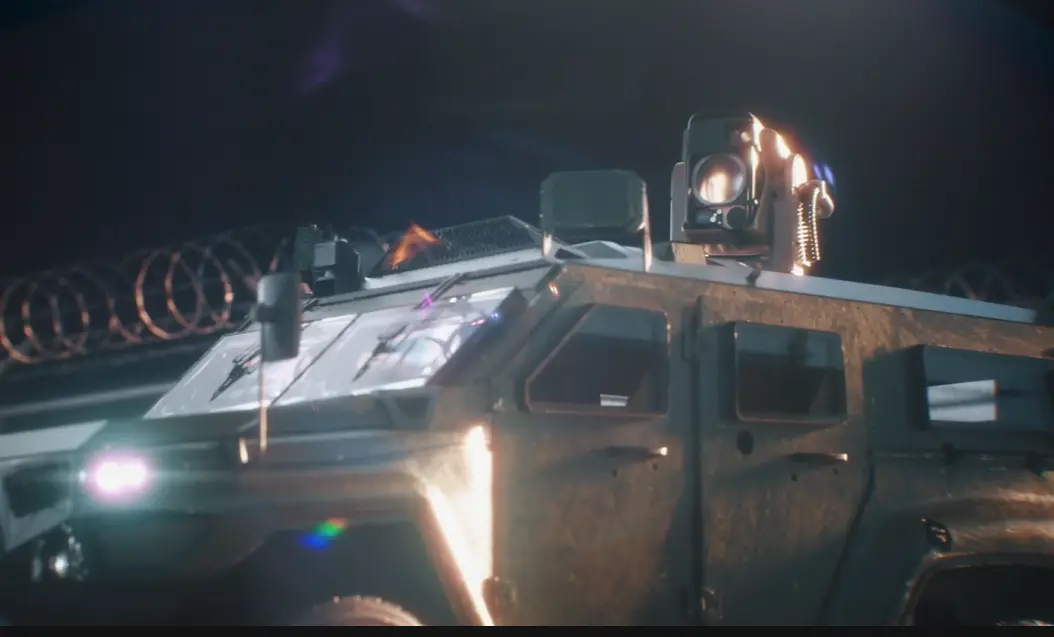
High-speed target switching and rapid engagement cycles enable 300-kilowatt systems to defend against drone swarm attacks with dozens or hundreds of simultaneous threats. Each system could engage sequential targets within milliseconds preventing any single drone from penetrating the laser defence perimeter. Swarm economics favour defenders requiring only a single 300-kilowatt system.
Electrical Power Requirements - 30 Household Consumption
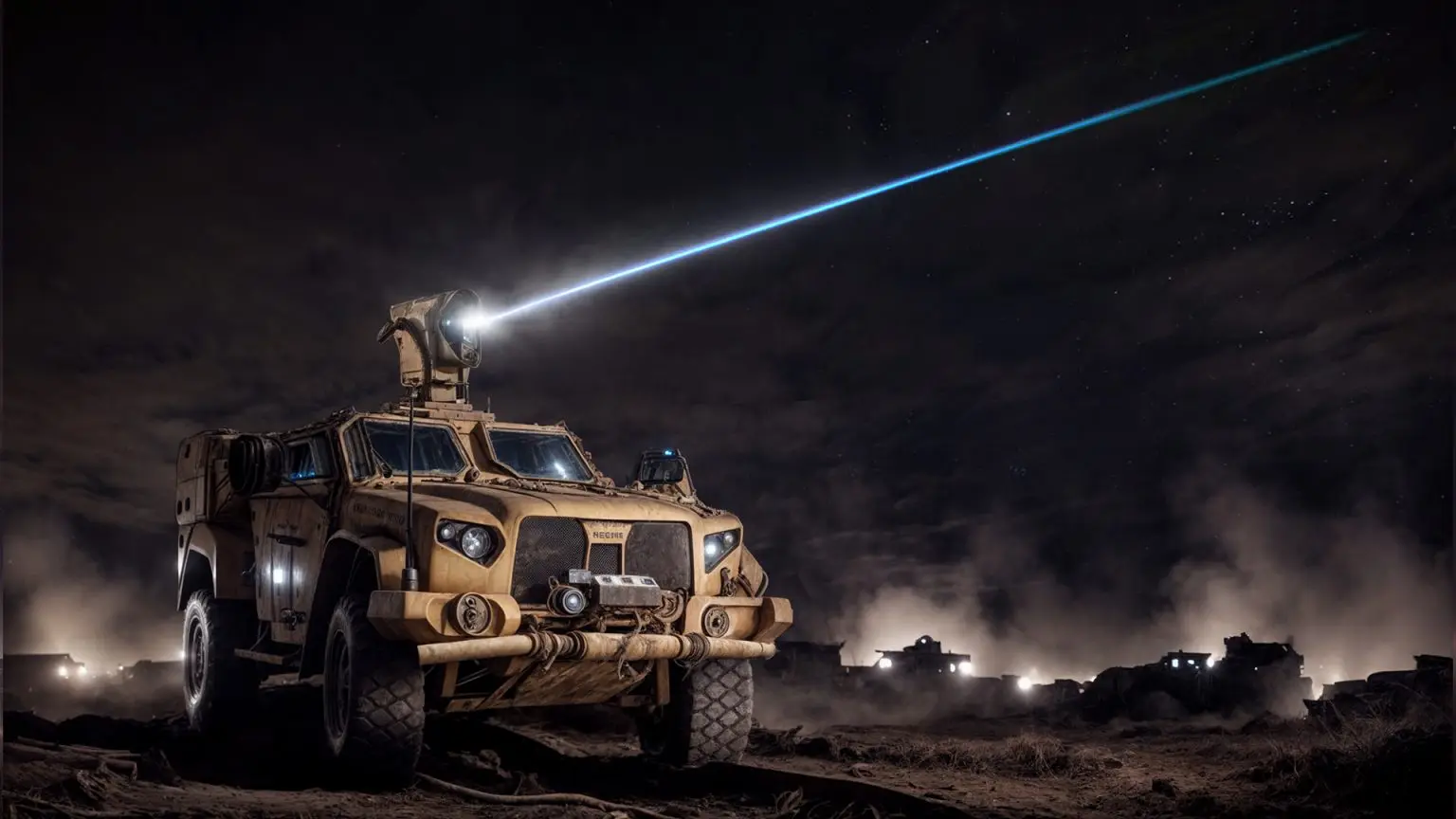
A 300-kilowatt laser system draws electrical power equivalent to supplying 30 household residences simultaneously requiring robust power generation infrastructure. Deployment requires connection to power plants, generators, or solar arrays. Mobile variants would need substantial onboard power generation increasing vehicle weight and fuel consumption compared to missile-based systems.
Hypersonic Threat Capability - Future-Proofing Defences
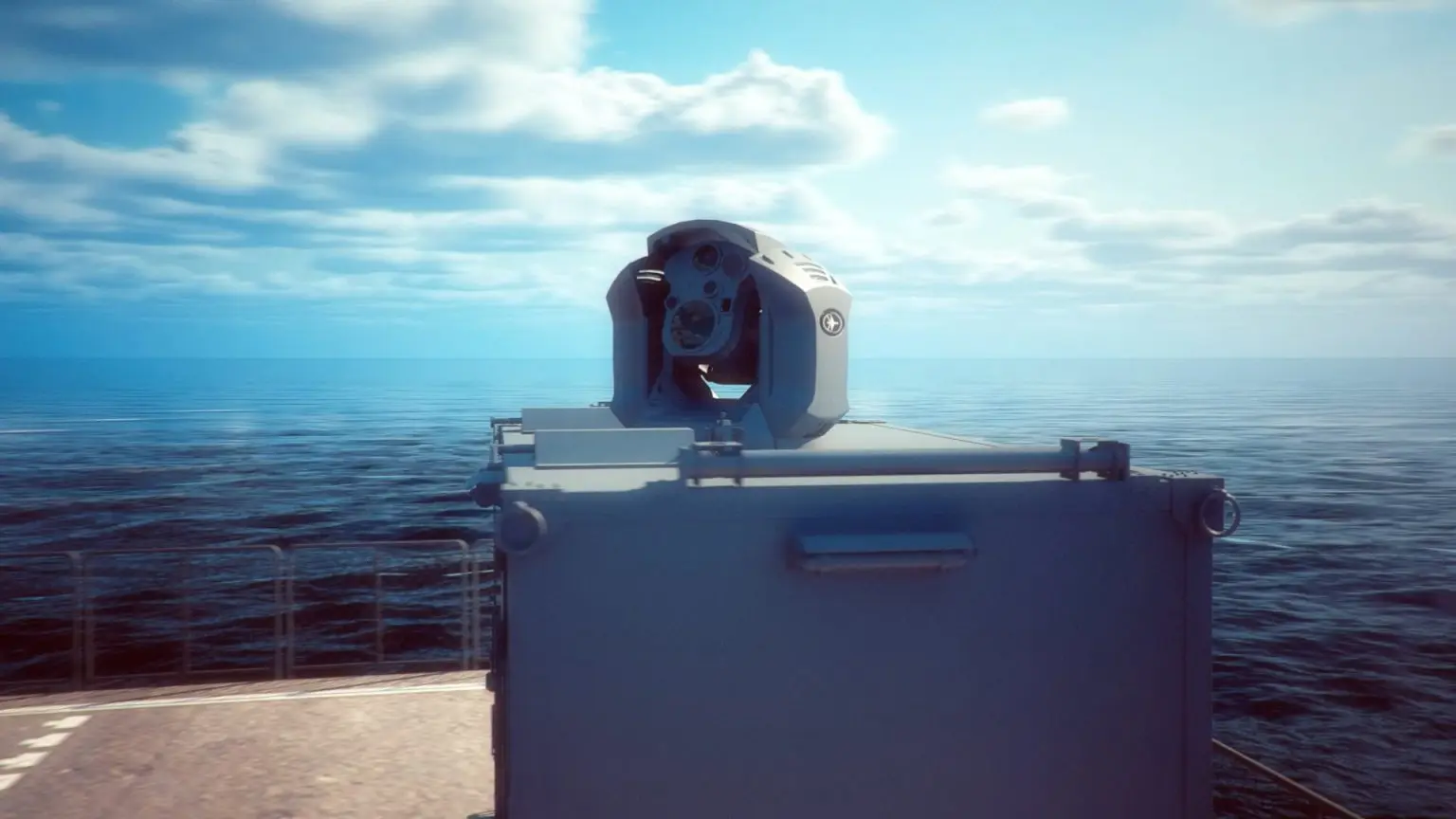
Emerging evidence suggests 300-kilowatt systems could engage hypersonic missiles travelling faster than Mach 5 through overwhelming energy delivery defeating thermal protection systems. Hypersonic nose cone ablation coatings reaching 1,500 degrees Celsius might succumb to megawatt-class lasers generating higher surface temperatures. This represents frontier capability against next-generation threats.
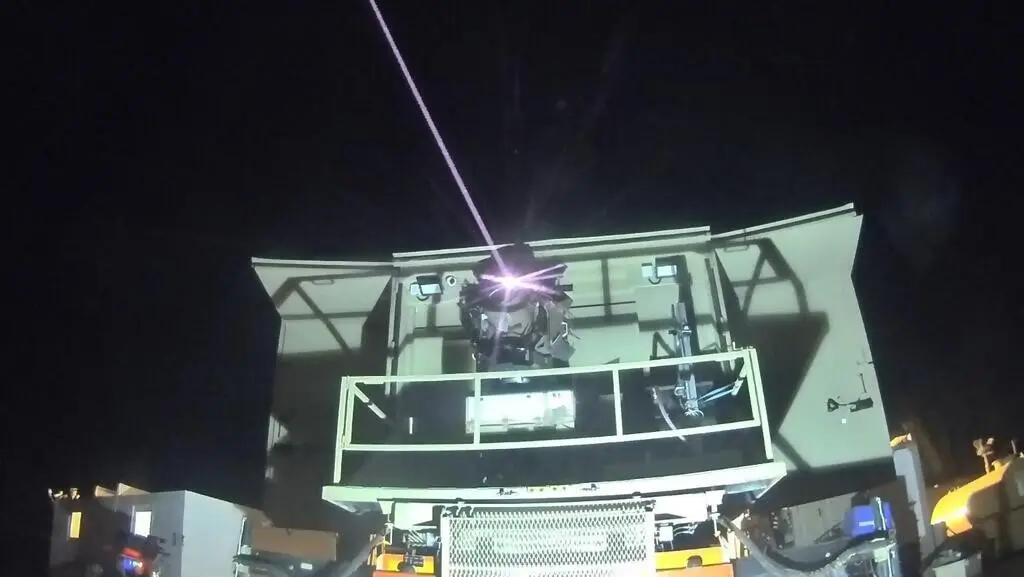
2030 Deployment
France plans integration of next-generation laser systems by 2030 with the Syderal demonstrator representing first steps toward very high-power laser deployment. European and Indian 300-kilowatt systems anticipated operational by 2028-2030 timeframe.
)
)
)
)
)