IRC Emergency Watchlist 2026: Top 10 countries facing the gravest humanitarian crises worldwide

The International Rescue Committee’s (IRC) Emergency Watchlist identifies the nations based on risk of worsening humanitarian crises using 74 data indicators and field insights. The 2025 report warns of a “New World Disorder". Let's have a look at the nation in the top 10 list.

10. Lebanon
Lebanon rounds out the top ten as conflict risks grow amid economic collapse. Renewed tensions between Israel and Hezbollah follow a deadly 2024 war that displaced millions. With 80 per cent of the population living in poverty, fragile public services are overstretched. Any return to large-scale fighting in 2026 would severely worsen humanitarian needs and regional instability.
9. Burkina Faso
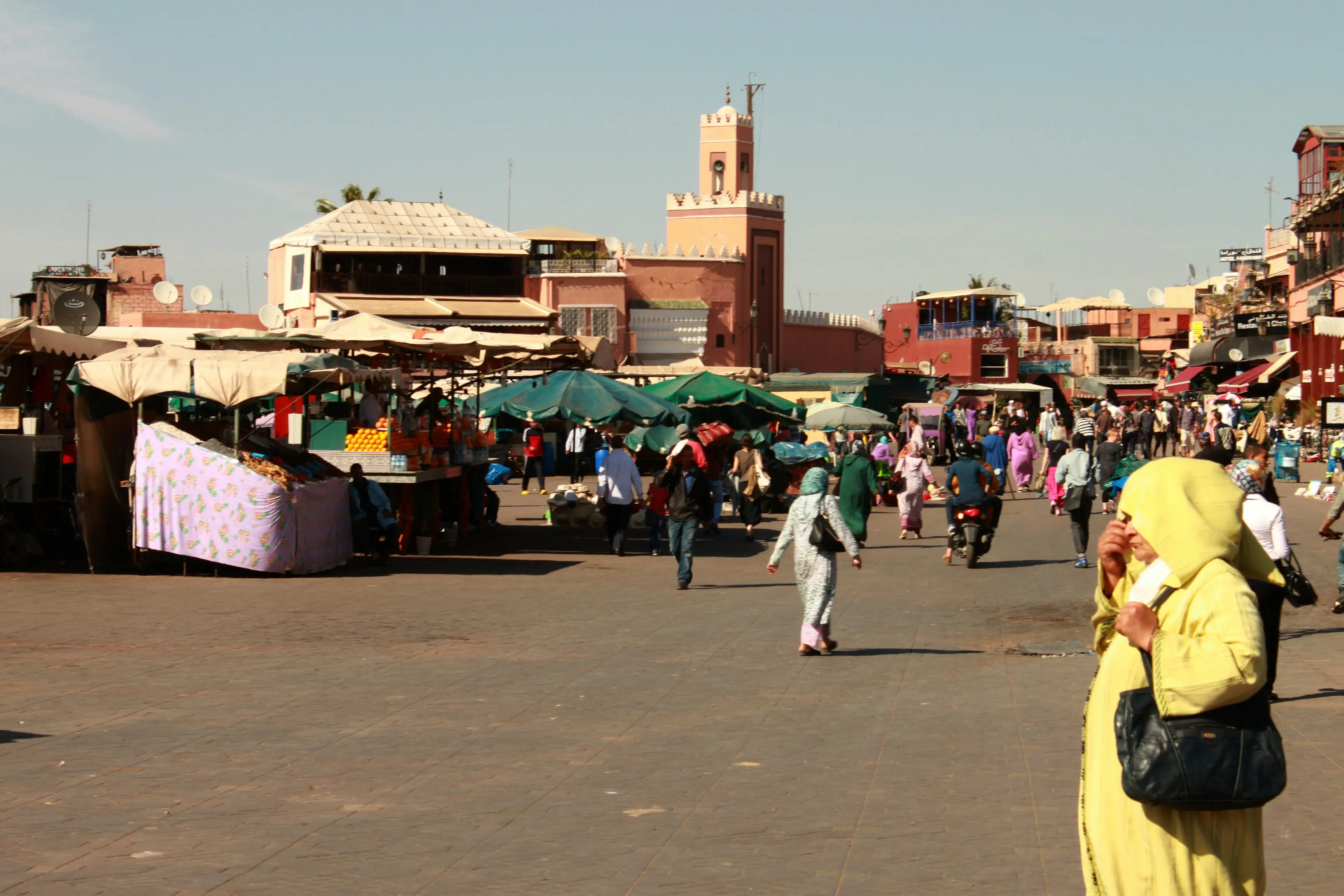
Burkina Faso stays on the watchlist for the fourth year as extremist violence escalates. Armed groups linked to ISIS and al-Qaeda employ siege tactics, blocking towns and cutting off basic supplies to over a million people. Government-backed militias have intensified fighting, worsening displacement. Aid access is severely restricted, while floods and droughts compound the humanitarian emergency.
8. Mali
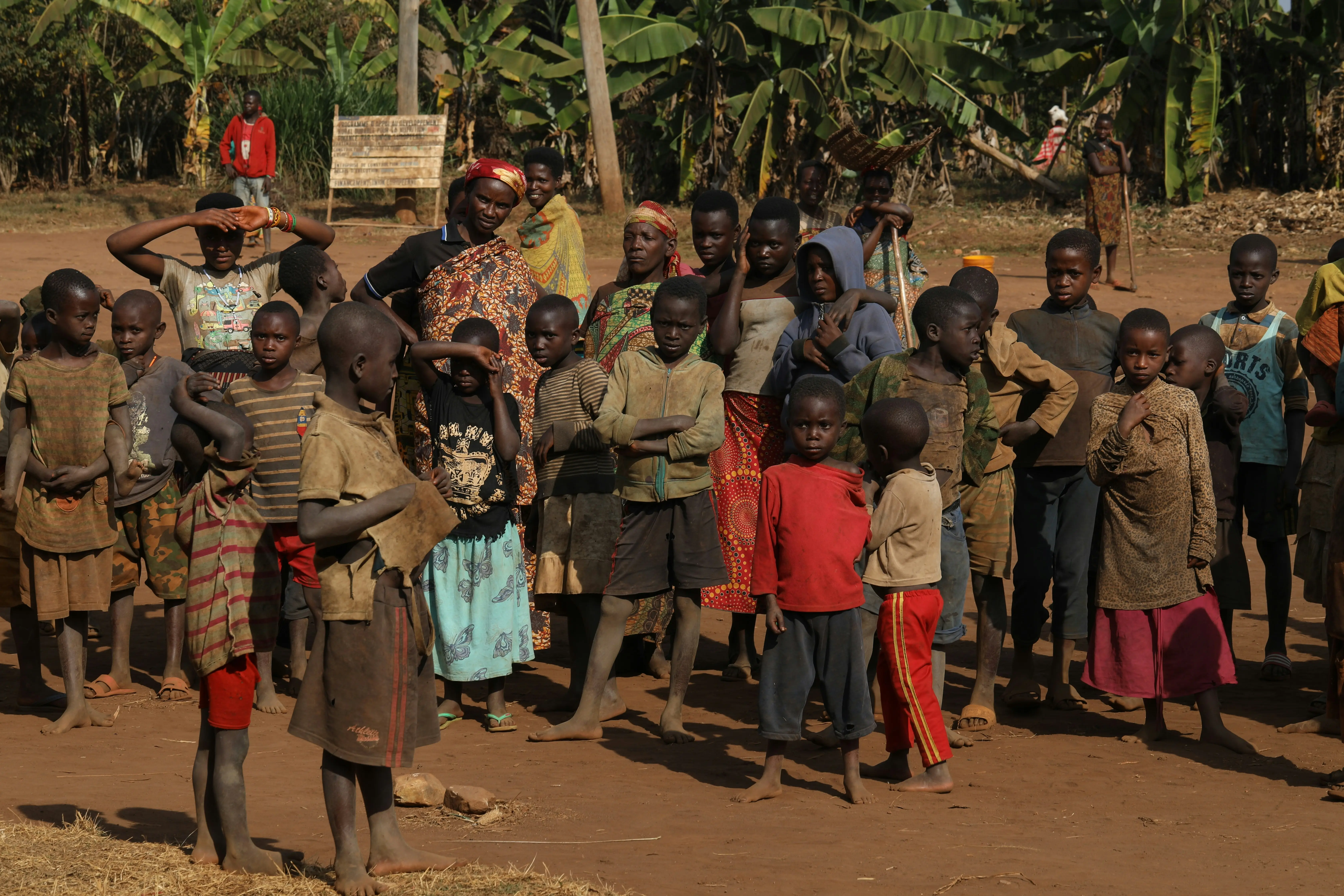
Mali remains highly unstable as armed groups advance and isolate communities. Political turmoil, foreign troop withdrawals and the presence of Russian paramilitaries have reshaped the conflict. Islamist group JNIM has tightened control over supply routes to Bamako, disrupting trade and agriculture. As violence spreads, displacement rises, and hunger deepens across already fragile regions.

7. Democratic Republic of the Congo
The DRC returns to the watchlist as a fragile peace deal fails to halt violence in the east. Rwanda-backed M23 rebels continue expanding control and exploiting mineral-rich areas, while regional forces and local militias fuel conflict. Civilians face repeated displacement, severe food insecurity and outbreaks of deadly diseases including cholera, Ebola and measles.
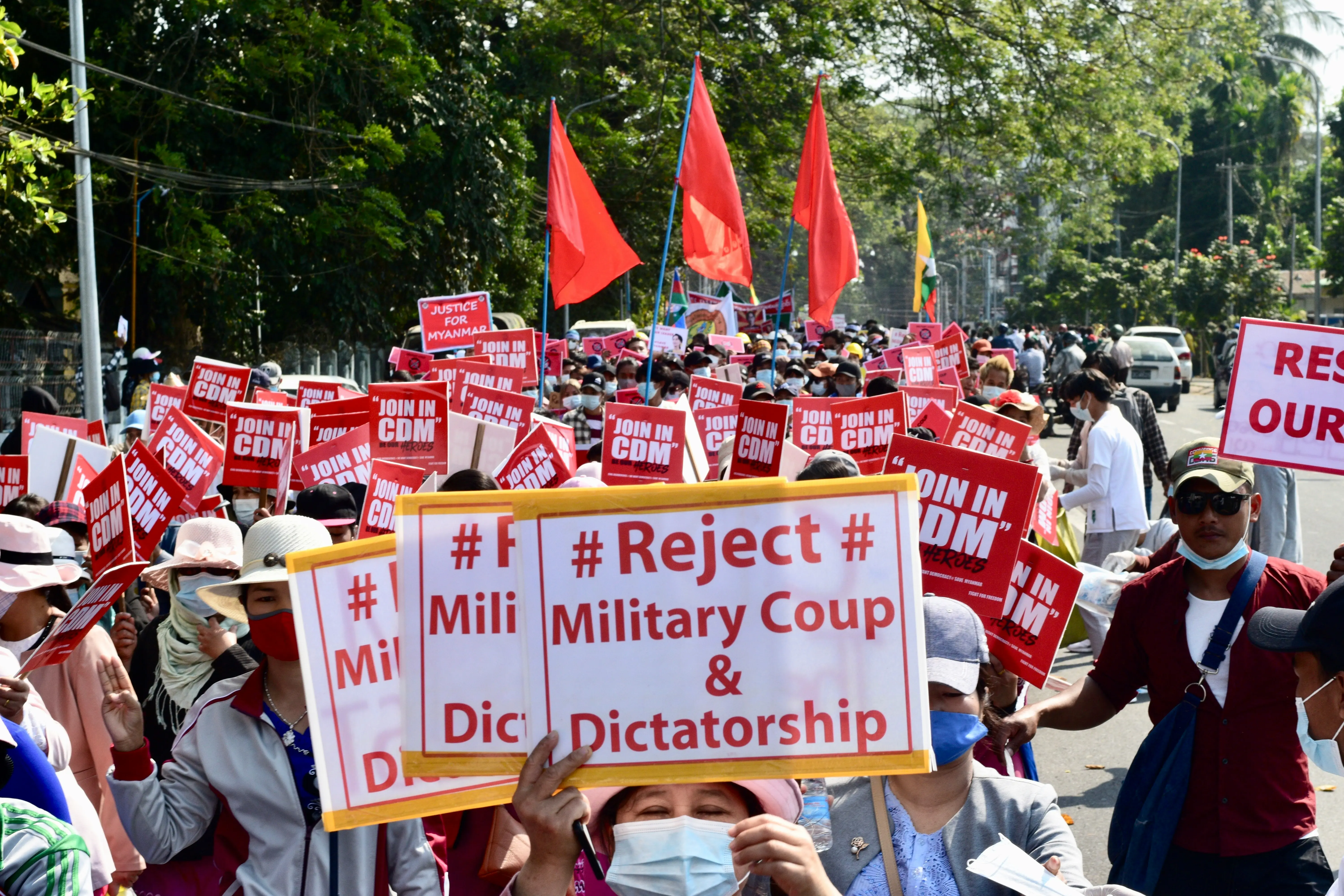
6. Myanmar
Myanmar remains in the top ten amid relentless conflict, natural disasters and shrinking aid. Nearly five years after the military coup, fighting continues between the junta and increasingly united armed groups, with territory contested nationwide. Limited ceasefires brokered by China offer little relief, while the aftermath of a 2025 earthquake and donor cuts leave millions without adequate humanitarian support.
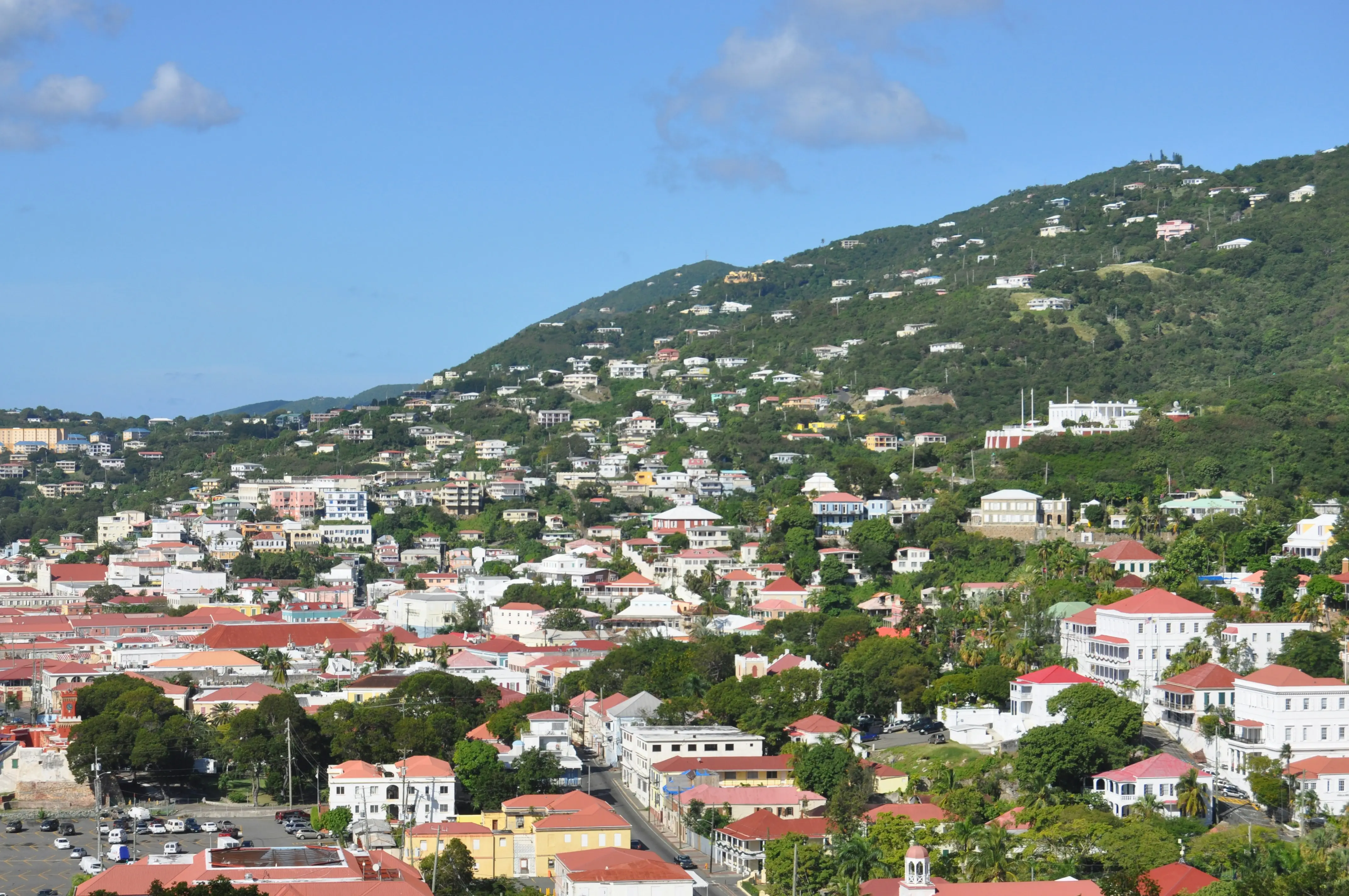
5. Haiti
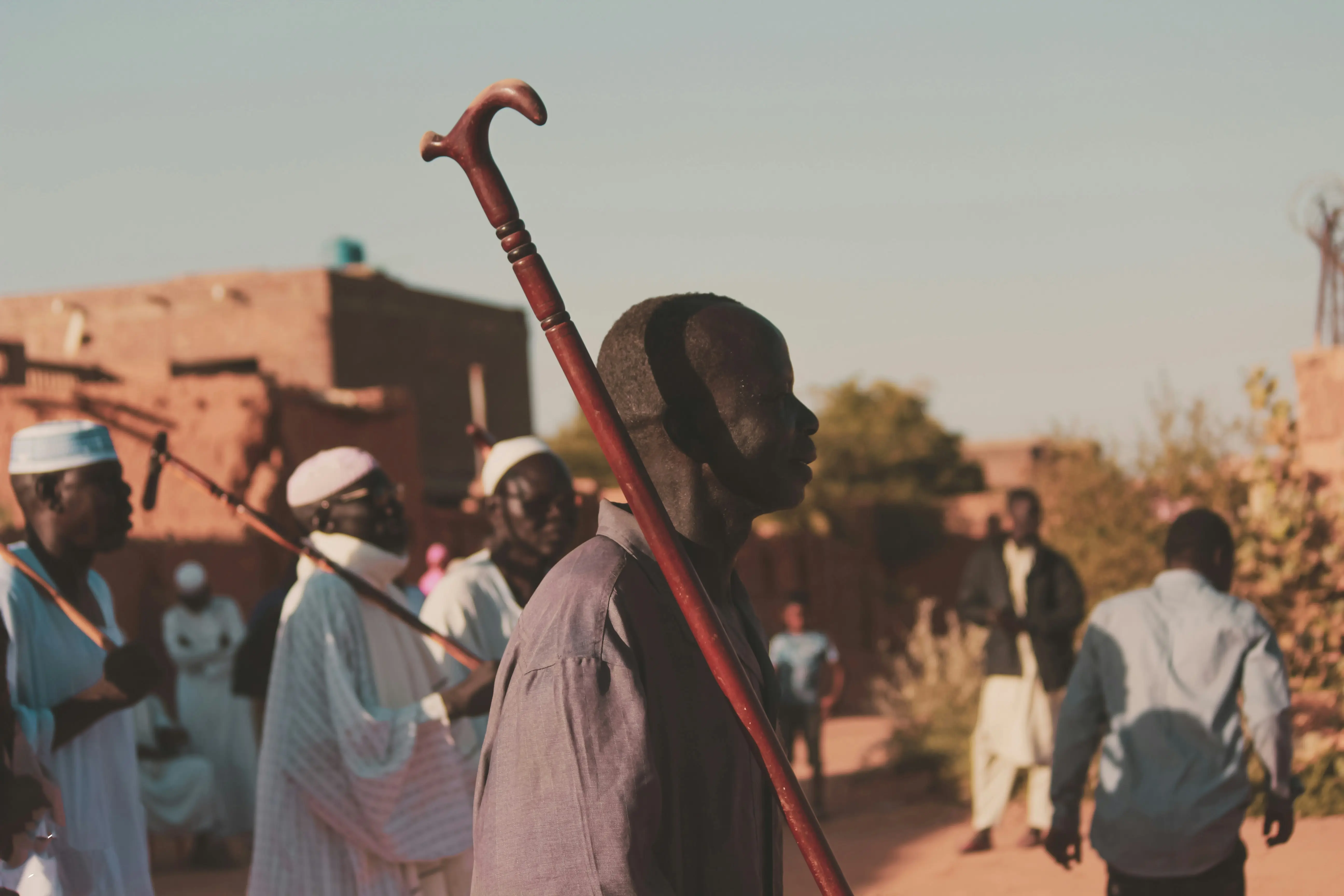
Haiti ranks fifth as gang violence, political paralysis and failing aid systems push millions into hunger and displacement. Armed gangs control much of Port-au-Prince and are expanding nationwide, while international efforts to restore order have failed. With the transitional government’s mandate ending in 2026, civilians face escalating violence, food shortages and vulnerability to environmental disasters.
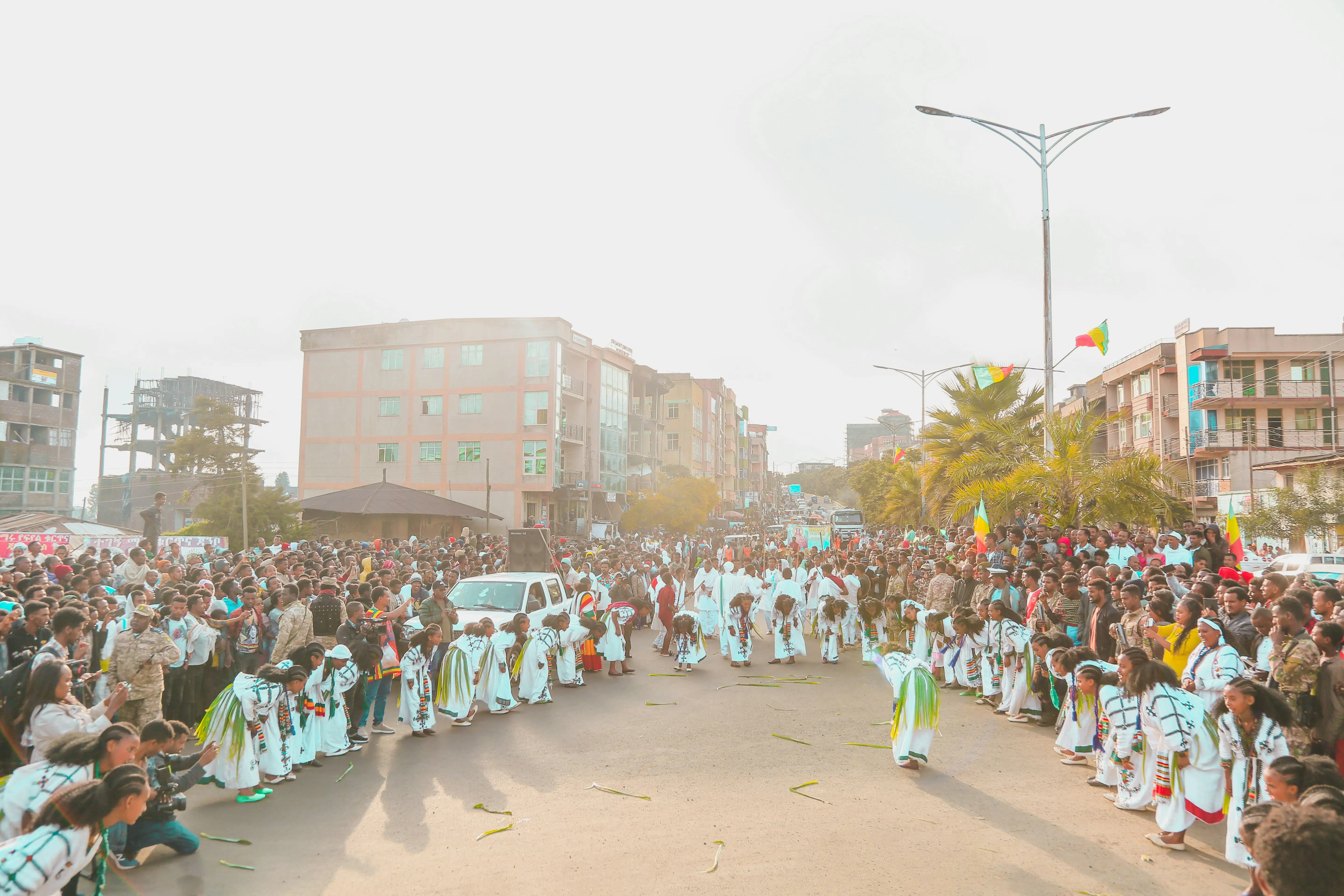
4. Ethiopia
Ethiopia faces a rising danger of renewed large-scale conflict as tensions flare across multiple regions. Unrest in Tigray and Amhara, armed violence in Oromia, and growing strain with Eritrea threaten wider instability. Climate shocks and shrinking humanitarian funding have worsened displacement and food insecurity, leaving aid agencies unable to respond effectively to overlapping political, security and environmental crises.
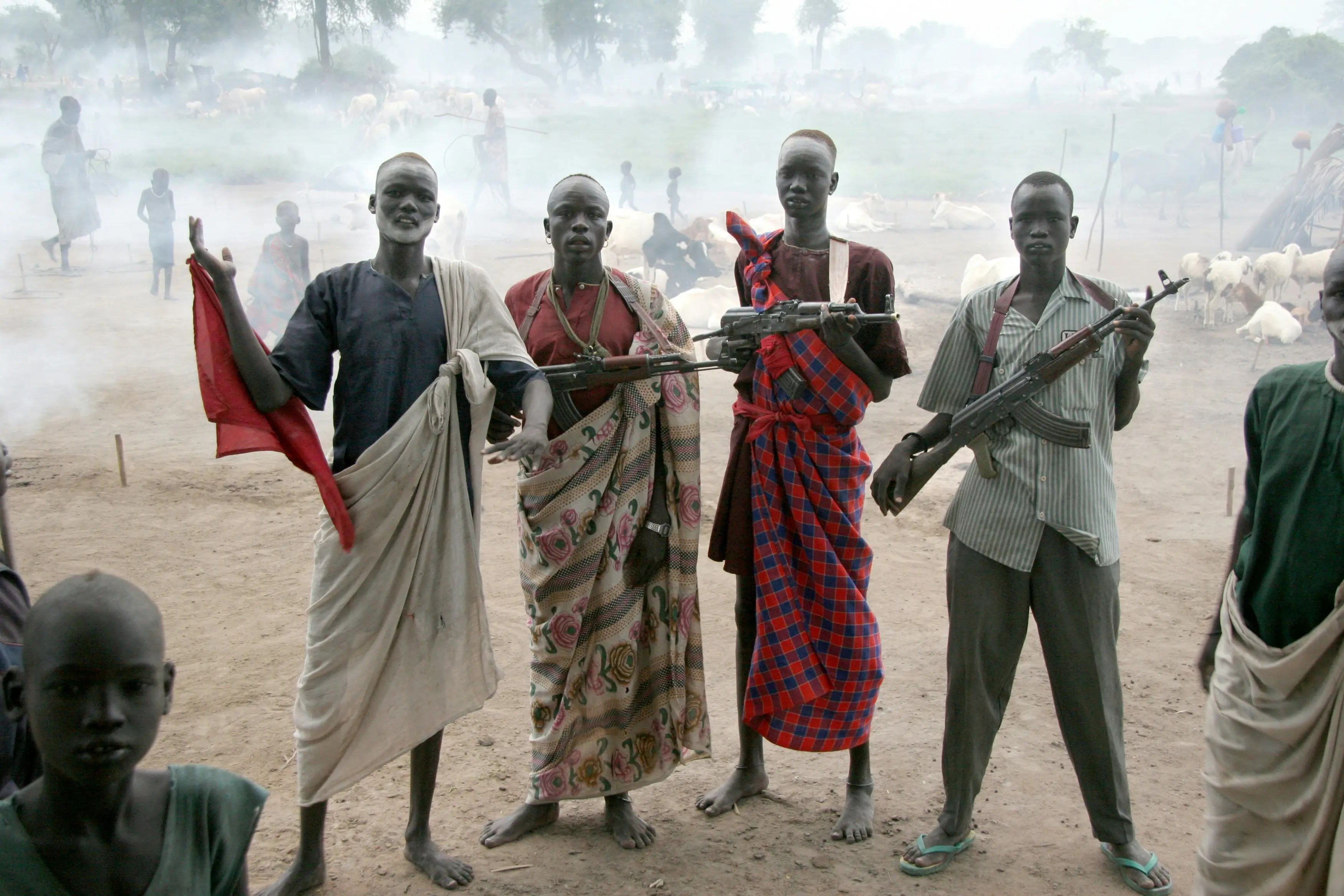
3. South Sudan
South Sudan enters the top three as economic collapse, political breakdown and regional spillovers heighten the risk of renewed civil war. The 2018 peace deal is unravelling, opposition leader Riek Machar is under house arrest, and refugees from Sudan have strained resources. Flooding, disrupted oil export,s and unpaid security forces are deepening poverty and nationwide instability.
2. Occupied Palestinian Territory (oPt)
The occupied Palestinian territory ranks second, as prolonged conflict has destroyed the foundations of civilian life. Israel’s war with Hamas has devastated Gaza’s infrastructure, displaced nearly 90% of residents and crippled food, water and health systems. Despite a US-backed ceasefire in late 2025, violations persist, and humanitarian needs remain catastrophic across Gaza and the West Bank.
1. Sudan
Sudan tops the Emergency Watchlist for the third straight year as a brutal civil war between the SAF and RSF enters its fourth year. Over 150,000 people have been killed, millions displaced, and famine has taken hold in several regions. With Darfur under RSF control and Khartoum held by the SAF, a deadly stalemate persists, worsened by foreign interference and record cholera outbreaks.
)
)
)
)
)