Iraq unveils archaeological park with 'monumental' ancient carvings

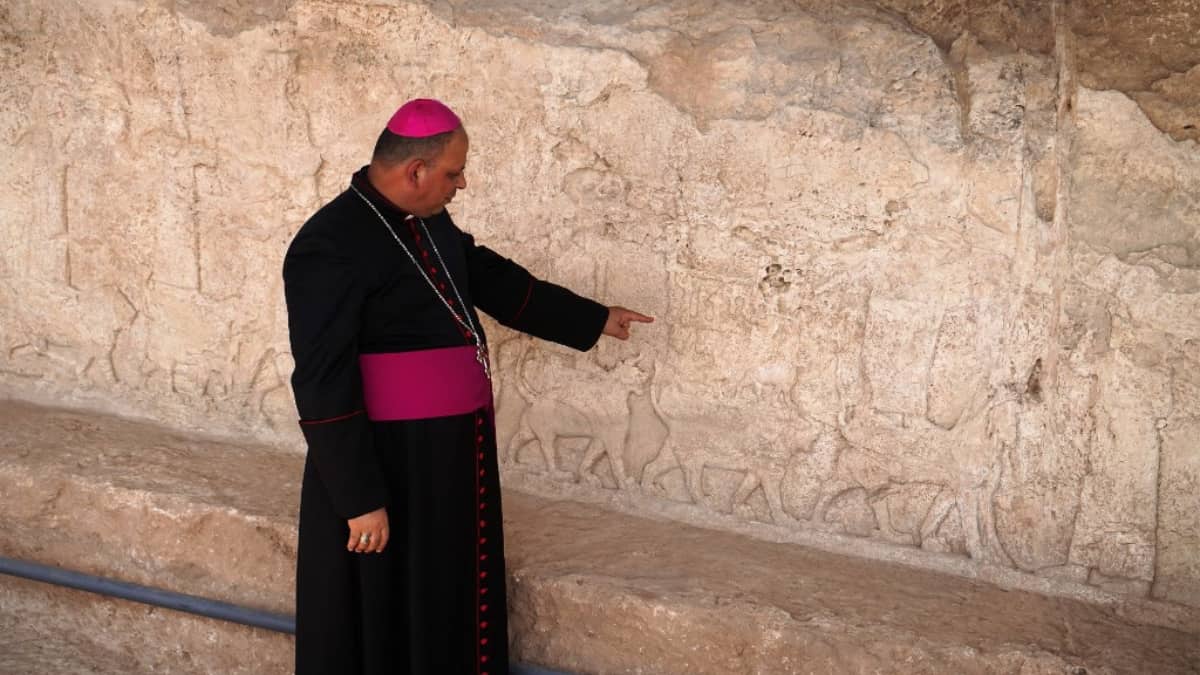
Rock-carved sculptures
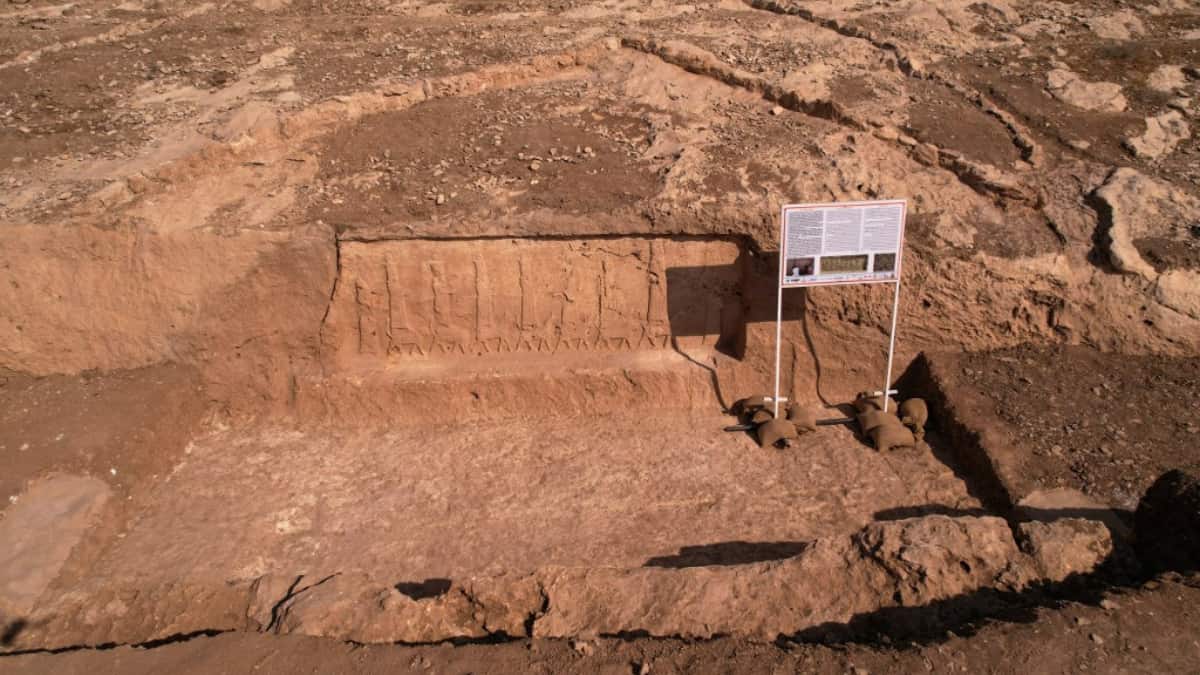
The archeological park as per AFP also includes more than a dozen -- 13 to be exact -- stunning monumental rock-carved bas-relief sculptures depicting kings praying to the gods cut into the walls of an irrigation canal.
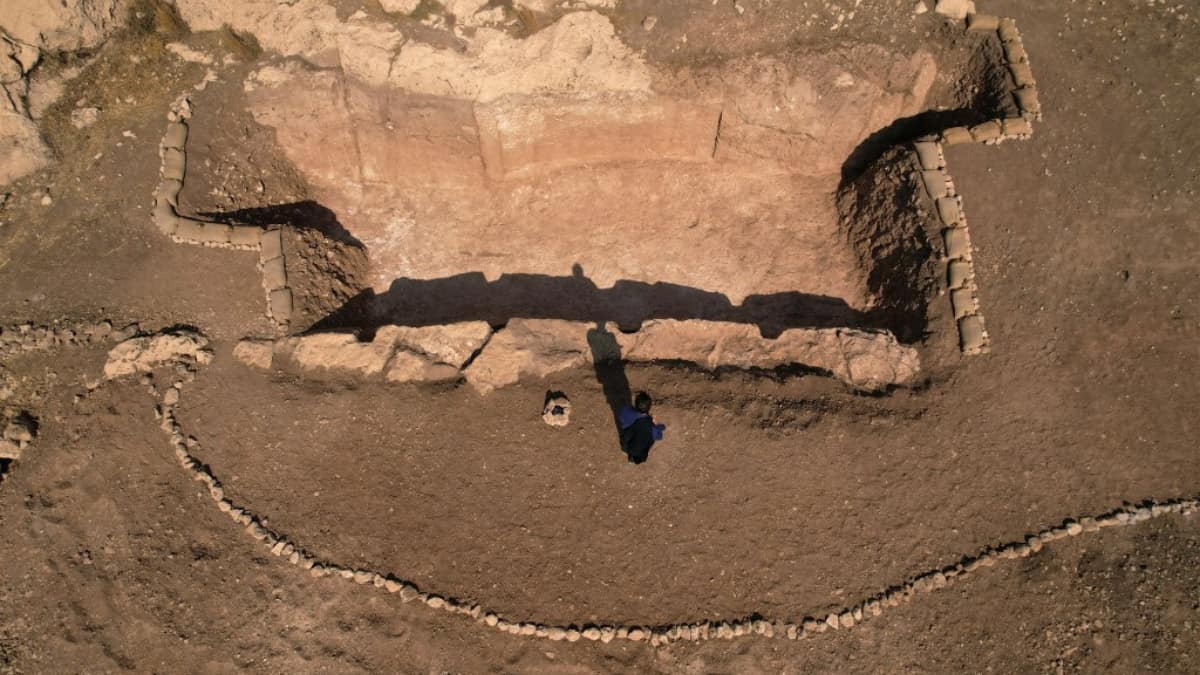
Irrigation canal
The sculptures are carved into the walls of an irrigation canal that stretches for around 10 kilometers or six miles in Northern Iraq's Faida.
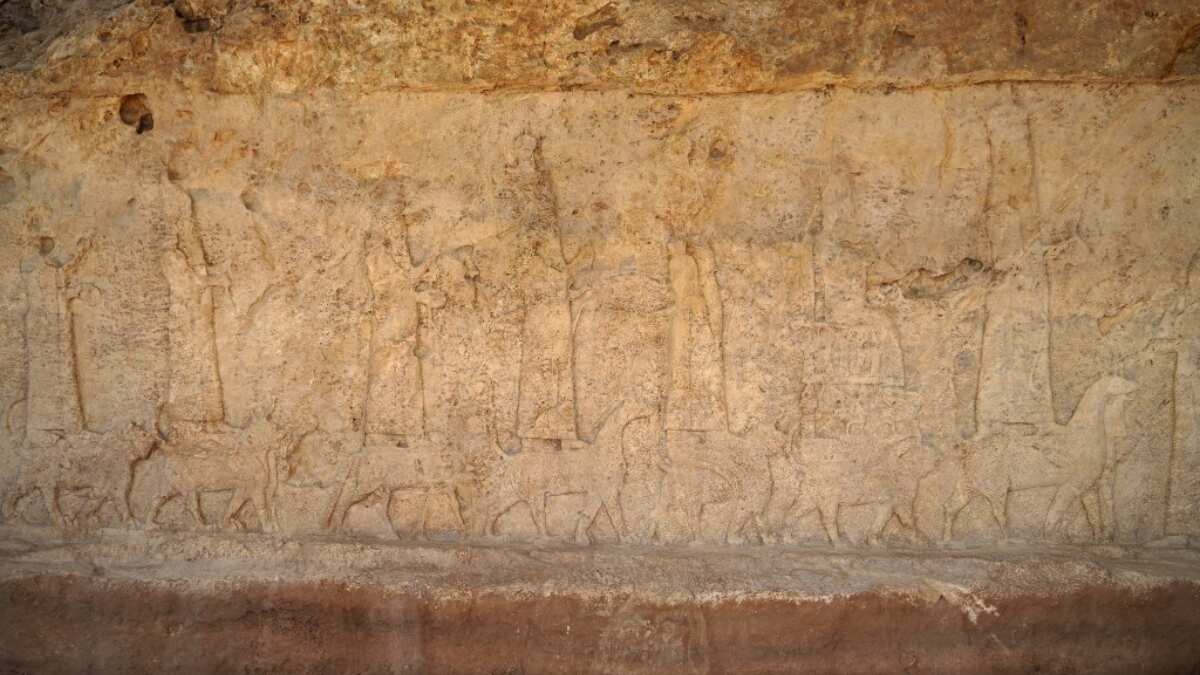
Remnants of Sargon II reign
The panels are five metres (16 feet) wide and two metres tall. They date from the reigns of Sargon II (721-705 BC) and his son Sennacherib.
Bekas Brefkany, from the department of antiquities in Dohuk, in Iraq's northern autonomous Kurdistan region expressed hope that "perhaps in the future others will be discovered".
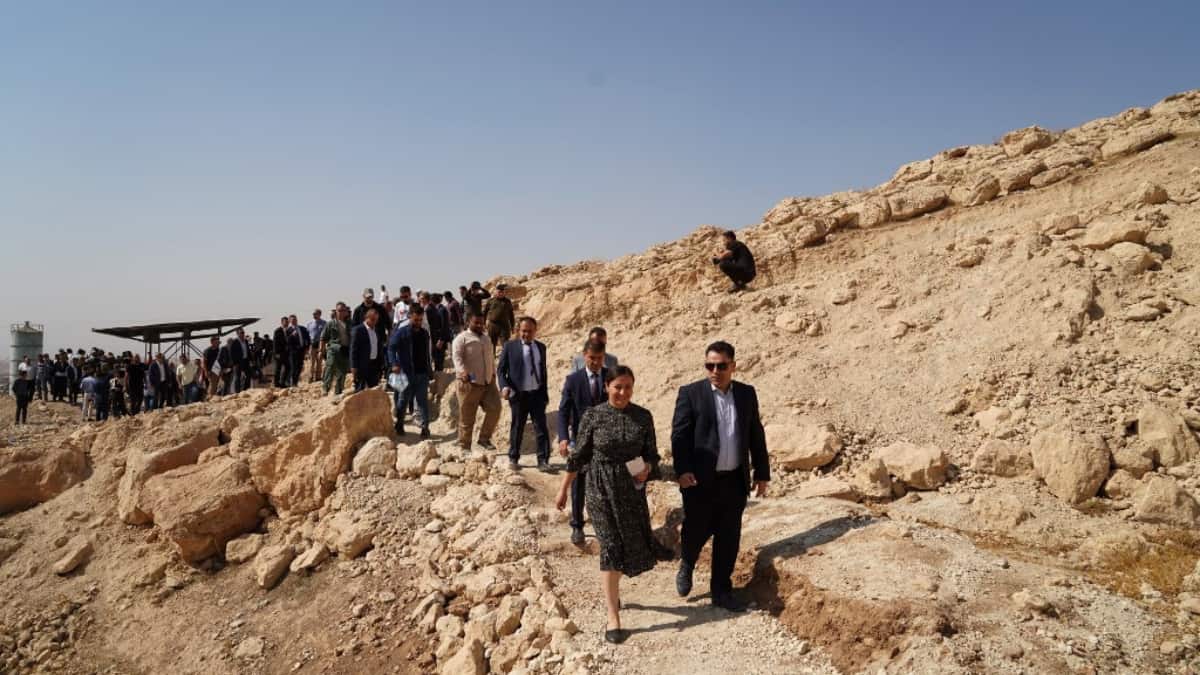
Making Iraq into a tourist destination
As per Brefkany, the park in Faida is one of the five that regional authorities hope to create as part of their attempts to be a tourist destination and create a source of revenue for the region.
Monumental discovery
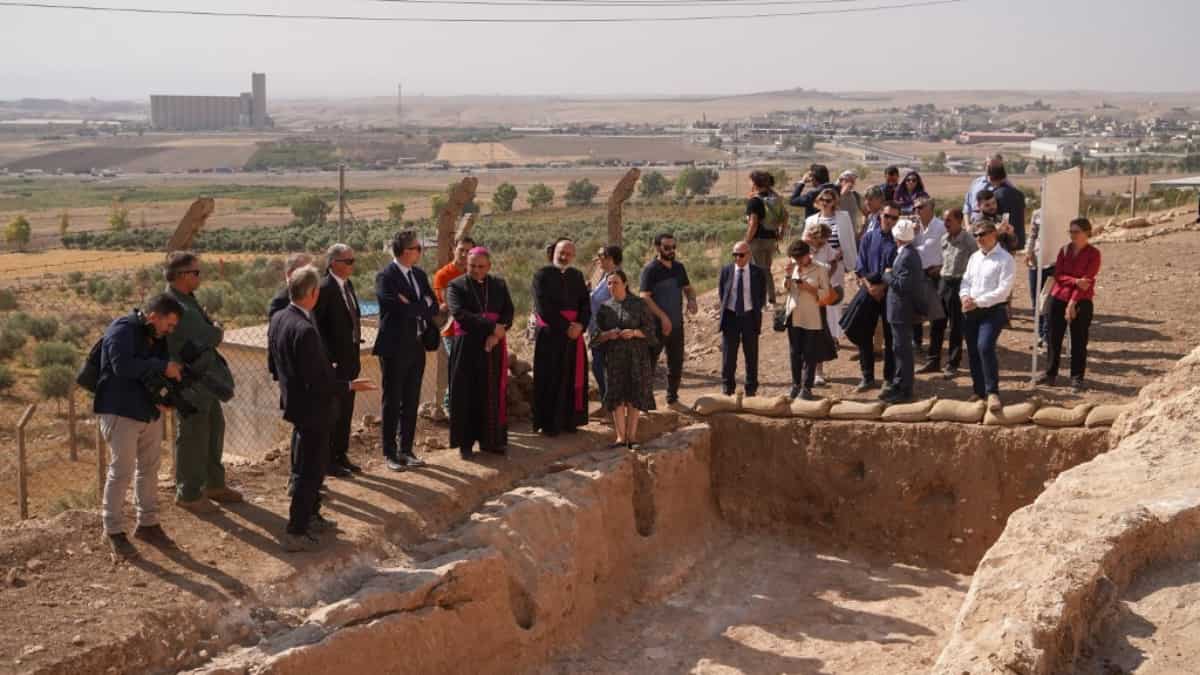
Several archaelogical digs over the years led to the discovery of these carvings. Archaeologists fom Kurdistan and Italy's University of Udine were part of these digs.
As per Daniele Morandi Bonacossi, professor of Near Eastern archaeology at the university, while other rock reliefs have been unearthed in Iraq, none were so "huge and monumental".
Treasures destroyed
In recent years Iraq which has been home to a number of civilizations including Assyrians, Sumerians, and Babylonians, has suffered as the location for ancient artifact smugglers.
The nation has faced decimation at the hands of looters, and from 2014-17 it saw destruction of its artifacts at the hands of the Islamic State, who destroyed pre-Islamic treasures using bulldozers, pickaxes and explosives.
)
)
)
)
)