'Iran's new 'vessel declaration' rule': What it means for global oil shipping

Iran's IRGC has created a brand new maritime authority requiring all ships to file a ‘Vessel Information Declaration’ before transiting the Strait of Hormuz. Here's what this means for global oil markets, tanker operators, and energy prices worldwide.
The New Rule That's Shaking Shipping
Iran's Islamic Revolutionary Guard Corps Navy has announced that all vessels wishing to transit the Strait of Hormuz must now file a formal ‘Vessel Information Declaration’ with the newly created Persian Gulf Strait Authority (PGSA). This is not a request, it is a mandatory requirement. Ships that fail to comply risk being denied passage through the world's most critical oil shipping chokepoint, through which roughly 20% of all globally traded oil flows every day.
What the Declaration Demands
The PGSA's Vessel Information Declaration requires ships to disclose their cargo type, origin, destination, operator identity, and route details before entry is granted. For oil tankers carrying crude from Saudi Arabia, UAE, Kuwait, or Iraq, this means providing sensitive commercial and national-security-relevant information to Iranian authorities before they can proceed. Tanker operators and their insurers are deeply alarmed by the precedent this sets.
The 20% Problem
The Strait of Hormuz is a 33-kilometre-wide chokepoint between Iran and Oman. There is no viable alternative route for the Persian Gulf's oil producers, the only substitute, the Hormuz bypass pipeline through the UAE, can handle a fraction of normal volumes. On a normal day, 17 to 21 million barrels of oil pass through the Strait. With traffic already severely disrupted since the February 2026 US-Israel air campaign, these new rules add another layer of uncertainty to already fragile global energy supplies.
Insurance Costs Are Spiralling
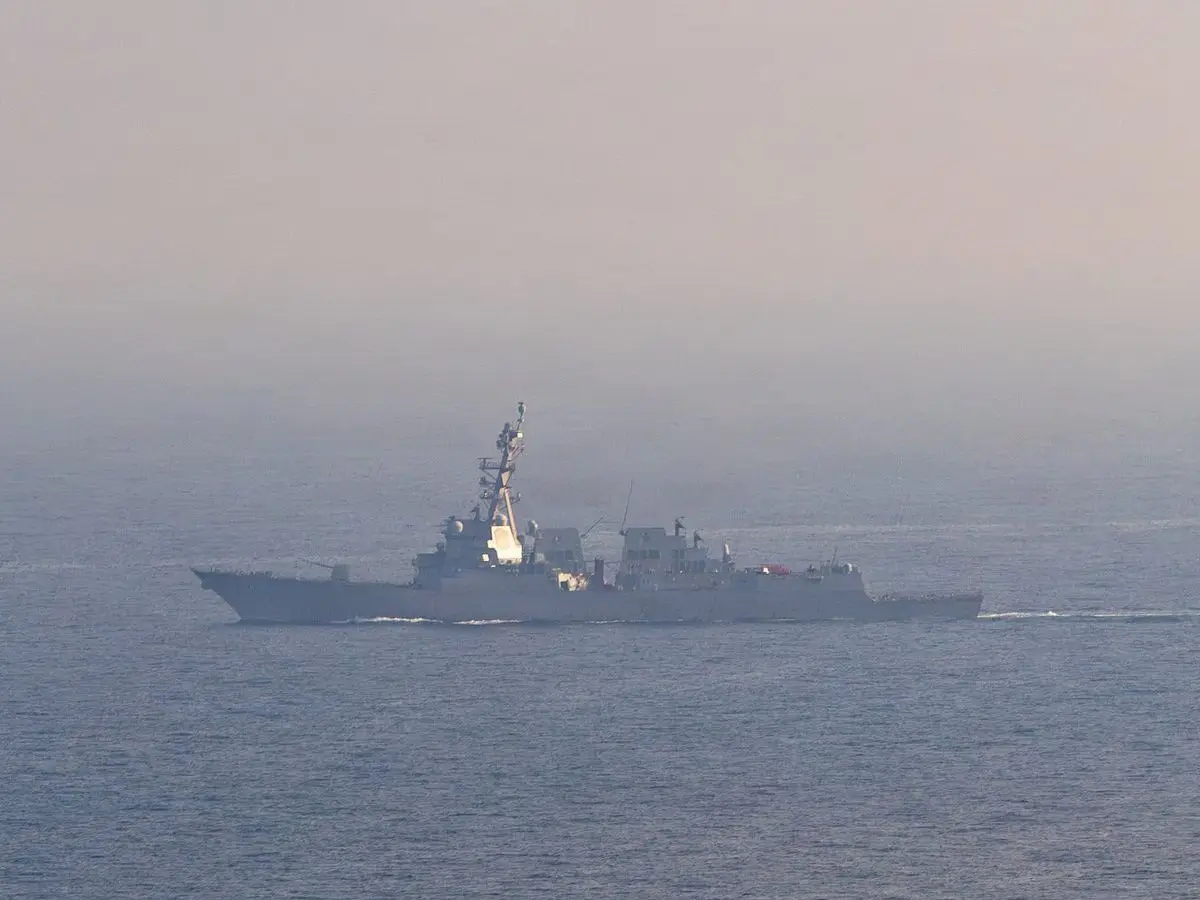
War-risk insurance premiums for vessels transiting the Gulf have already surged to levels not seen since the 2019 tanker attacks. Lloyd's of London and other major underwriters have flagged the PGSA declaration requirement as a new compliance risk, warning that vessels submitting cargo details to Iranian authorities could void standard coverage clauses. For shipping companies, this means choosing between prohibitive insurance costs or the risk of sailing uninsured through a contested military zone.
Oil Markets on Edge
Brent crude and WTI prices have swung sharply on every Hormuz headline since February 2026. The PGSA declaration rule triggered another spike as traders priced in further supply disruptions. OPEC members who rely on Hormuz, including Saudi Arabia, Iraq, Kuwait, and the UAE, have collectively lobbied Washington and the UN to push back against the new Iranian rules, fearing that even a partial blockade could send crude prices to multi-year highs and tip fragile global economies into recession.
The Legal Battle Iran Will Lose (On Paper)
Under the UN Convention on the Law of the Sea (UNCLOS), the Strait of Hormuz is an international strait where all ships enjoy the right of transit passage. Iran is not a signatory to UNCLOS, a legal gap Tehran has long exploited. The 112-nation UN resolution demanding free navigation explicitly rejects Iran's new PGSA framework as illegal under customary international maritime law. But legal arguments mean nothing without enforcement, and no navy has yet physically challenged the new declaration requirement.
Who Blinks First?
The declaration rule is widely seen as Iran's primary diplomatic leverage in ceasefire and sanctions-relief negotiations with the United States. By formalising control over Hormuz traffic rather than simply blocking it, Tehran believes it has created a sustainable bargaining chip that stops short of full escalation. European diplomats are in active talks with Tehran to negotiate a transit framework. The question is whether Washington, which has already clashed militarily with Iran in the Strait, will allow Iran to institutionalise control over the world's most important oil highway.
)
)
)
)
)