Iranian-produced Bavar-373 is the reason: Why the US can’t attack Tehran through military helicopters

The Bavar-373 is Iran’s most advanced indigenous long-range air defence system, designed to create a "no-fly zone" over strategic cities like Tehran. Armed with hypersonic Sayyad-4B missiles and powerful AESA radars.

Indigenous Made
Unveiled as a domestic competitor to Russia’s S-300, the Bavar-373 (meaning ‘Belief’) is a long-range mobile air defence system. It serves as the backbone of Iran’s airspace security, specifically engineered to intercept advanced aerial threats including jets, drones, and helicopters.
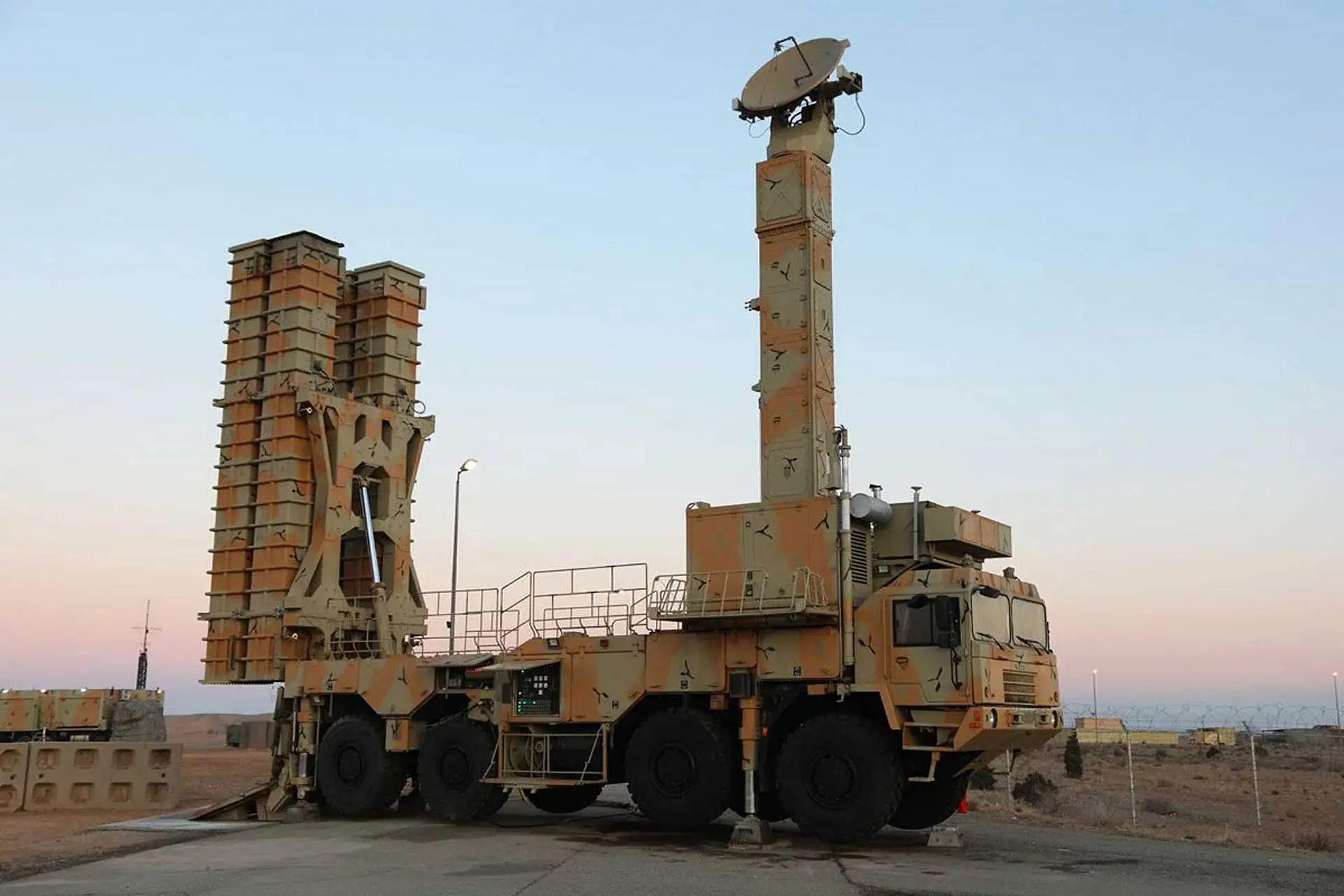
450-Kilometre Detection No element of surprise
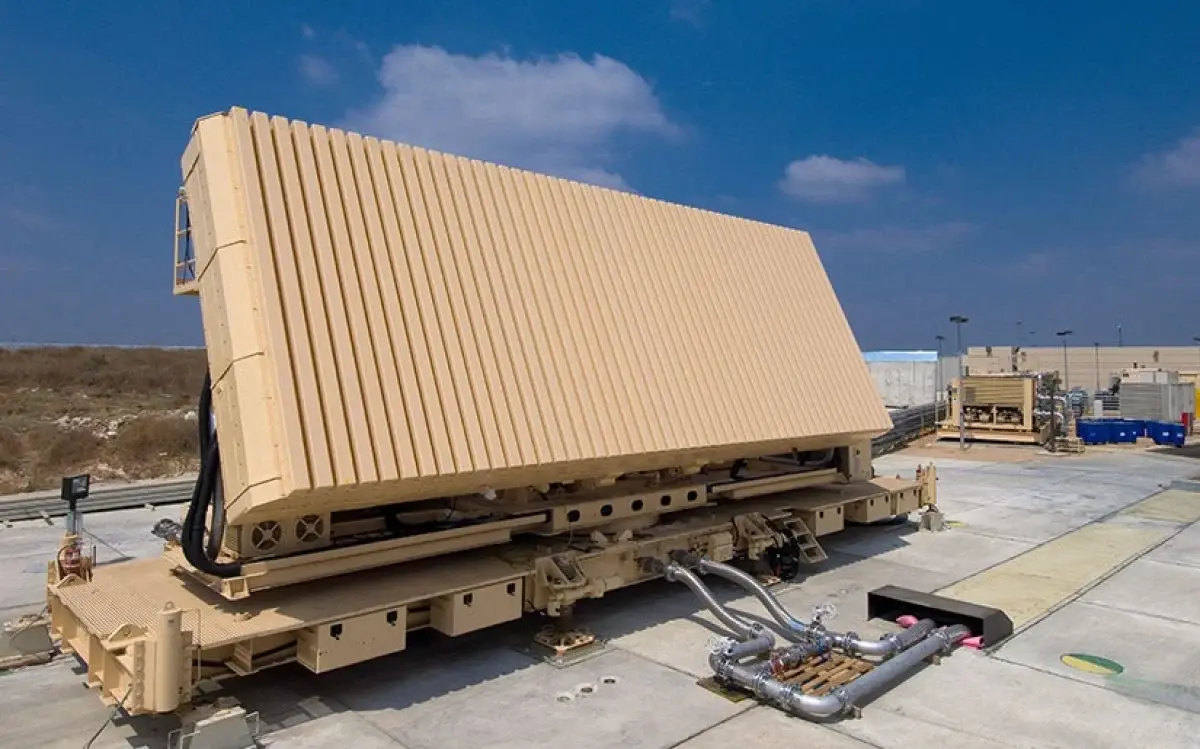
The system is equipped with the optimised ‘Meraj-4’ phased-array radar, capable of detecting hostile targets from 450 kilometres away. This massive surveillance radius ensures that incoming US helicopters would be spotted long before they could reach their operational range.
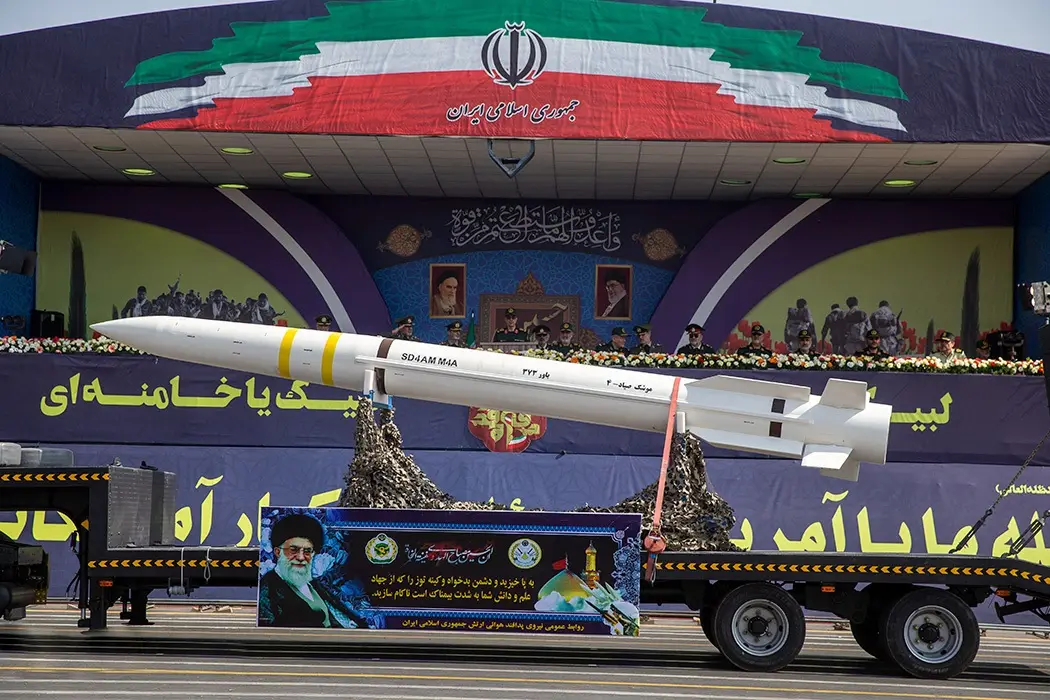
The Sayyad-4B Missile Striking from 300km away
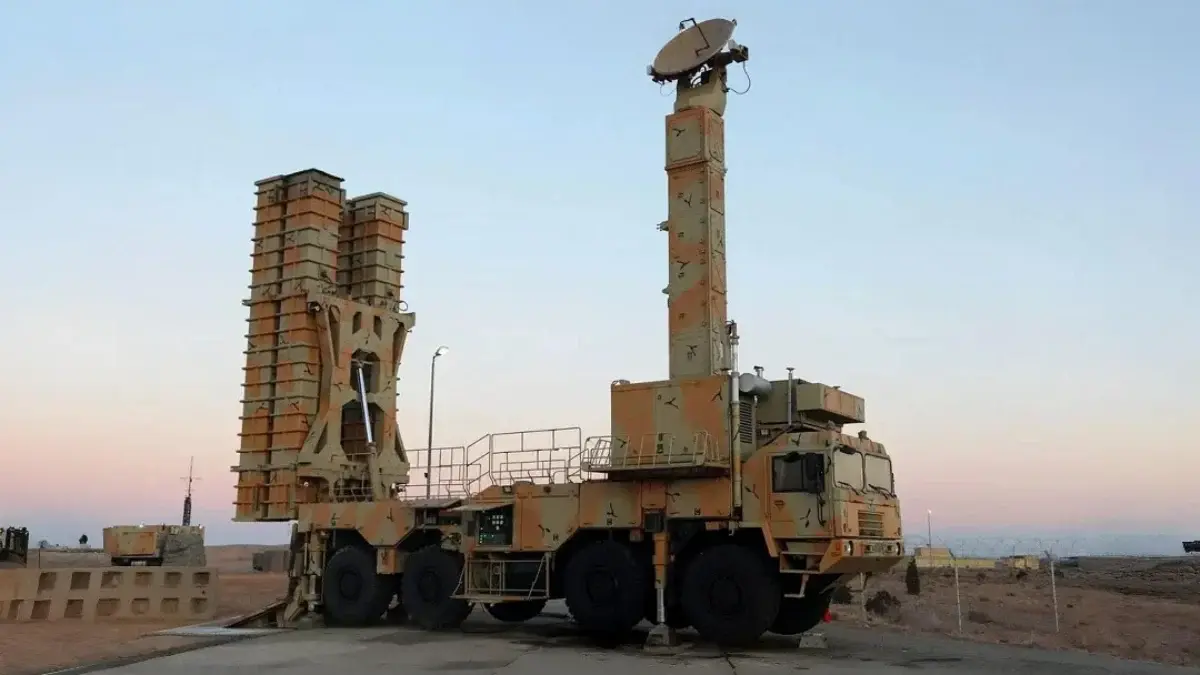
Armed with the solid-fuel Sayyad-4B missile, the Bavar-373 can destroy targets at a range of over 300 kilometres and altitudes of 32 kilometres. This stand-off capability forces attack helicopters to operate within a lethal kill zone for extended periods, making survival unlikely.
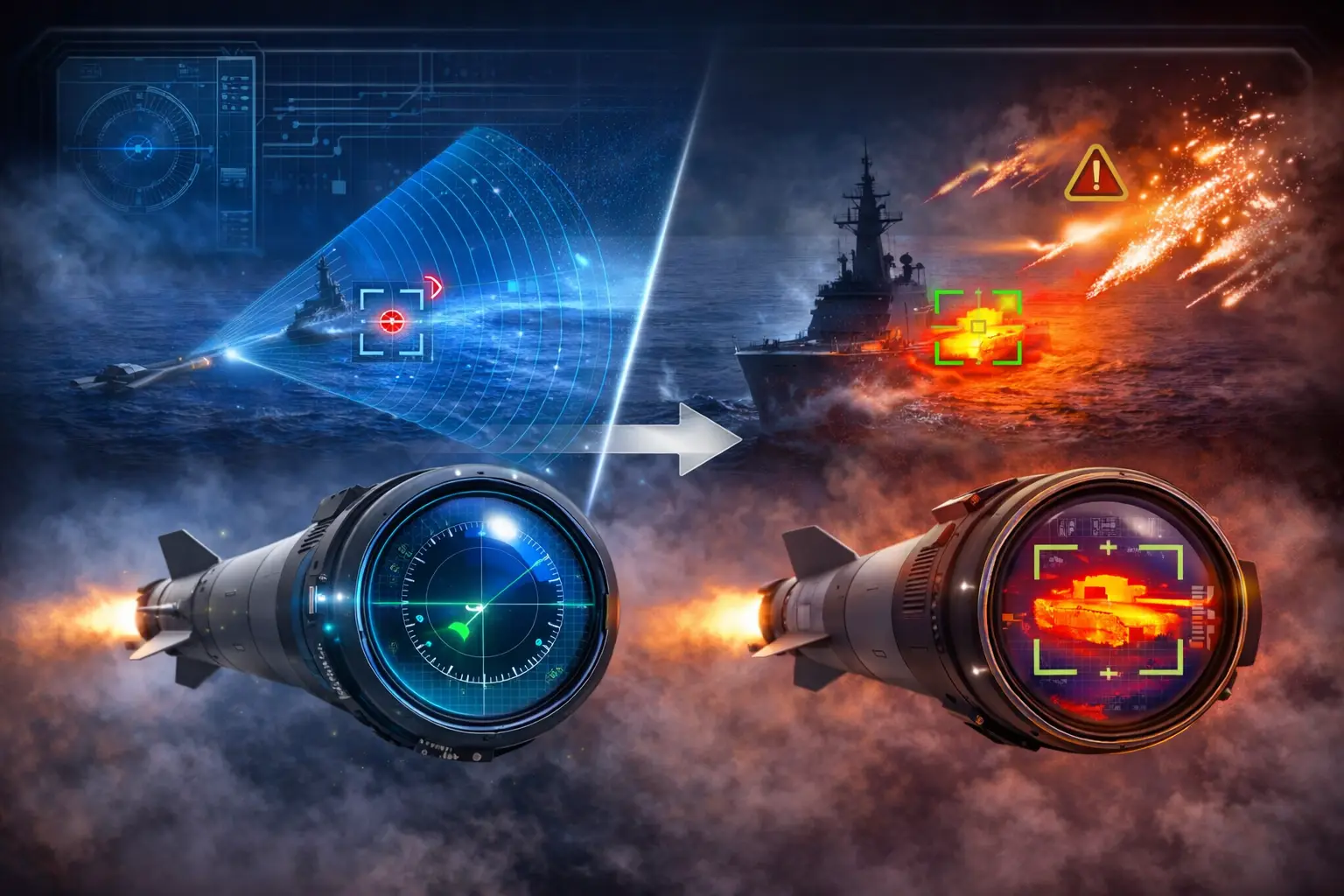
Tracking Stealth and Low-Flyers Filtering out the noise
Iranian officials claim the system’s advanced radar algorithms can filter out ground clutter to detect low-flying helicopters and fifth-generation stealth aircraft. This "anti-stealth" capability is designed to negate the traditional advantage of nap-of-the-earth flight profiles used by military choppers.
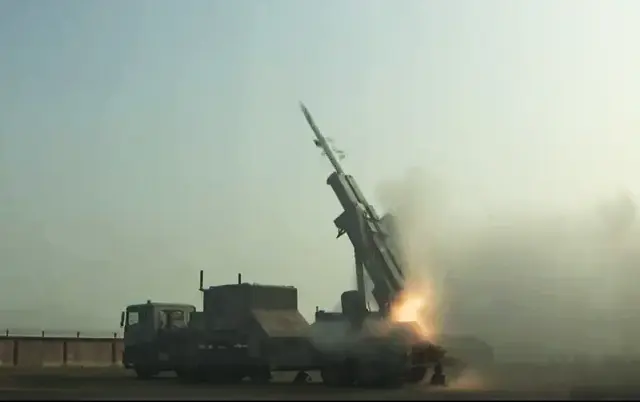
Engaging Multiple Targets Stopping a swarm attack
The fire-control radar can simultaneously track 60 targets and guide missiles to engage six to nine of them at once. This saturation capability makes it extremely difficult for a squadron of helicopters to overwhelm the battery with sheer numbers.
Resistance to jamming
Tehran asserts that the Bavar-373 is superior to the S-300 and close to the Russian S-400 in specific metrics, particularly its resistance to electronic warfare. Its ability to operate in a heavy jamming environment ensures it remains lethal even when adversaries attempt to blind its sensors.
Shoot and Scoot Highly mobile defence
Mounted on heavy tactical trucks like the Zoljanah 10x10, the entire battery is road-mobile and capable of rapid redeployment. This "shoot and scoot" tactic allows the system to fire and move immediately, preventing US forces from pinpointing its location for a counter-strike.
)
)
)
)
)