Iran War: Why Russia's S-300 couldn't survive Israel's Blue Sparrow missile

By the time the re-entry vehicle enters the S-300's theoretical engagement envelope, the Russian computers have mere seconds to calculate a firing solution, a mathematical impossibility for a system built in the 1990s.

1. The 'Tombstone' Radar's Fatal Geometry
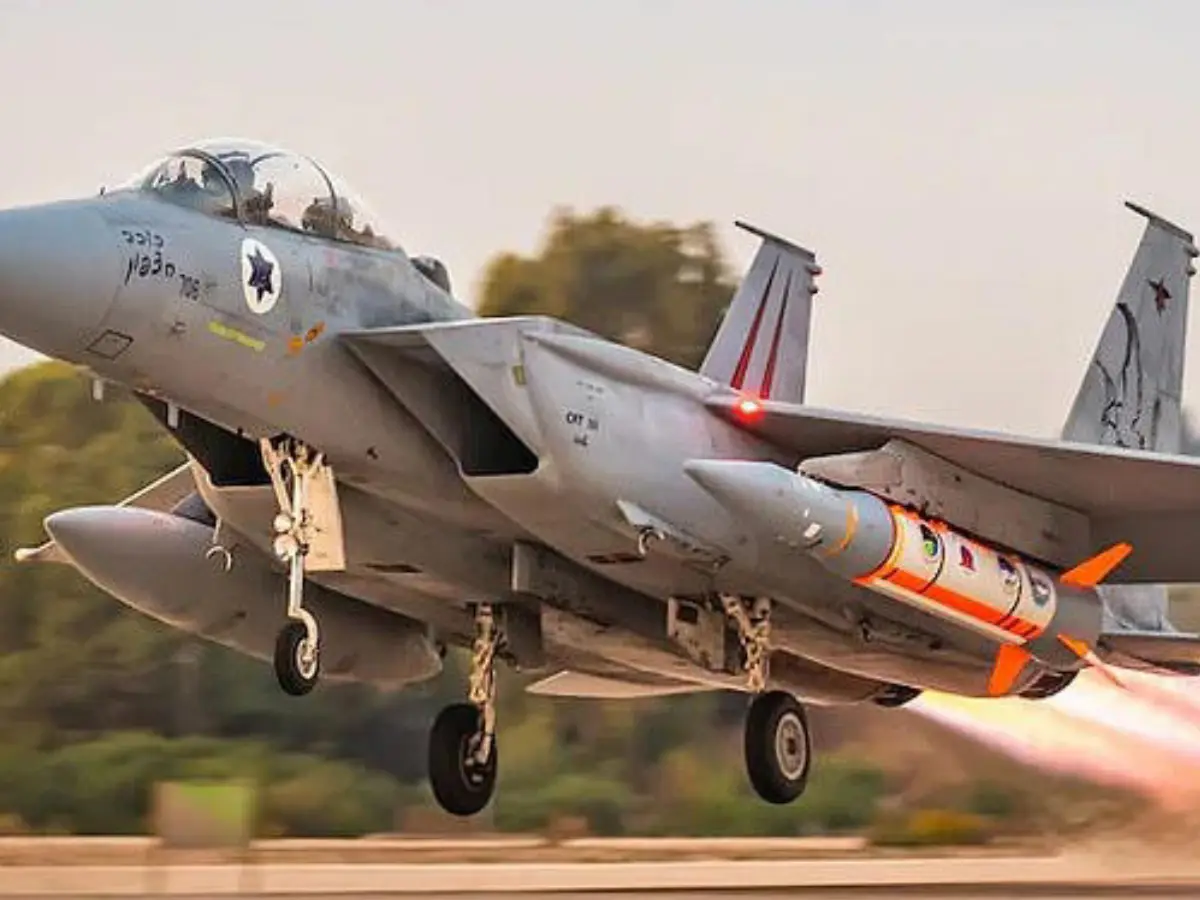
The heart of Iran's Russian-supplied S-300PMU2 battery is the 30N6E2 engagement radar, NATO reporting name: "Tombstone." This is a massive phased-array radar designed during the Cold War to track and destroy American F-16s, B-52 bombers, and low-flying cruise missiles. Because of this, the Tombstone is mechanically designed to sweep the horizon. It looks outward in a wide arc, searching for threats flying parallel to the earth.
2. The 'Cone of Silence' (The Zenith Blindspot)
Because the S-300 is designed to look out, it struggles to look straight up. Every ground-based planar array radar system suffers from a physical limitation known as the "Zenith Blindspot"—a massive cone of dead space directly above the radar array. If a weapon can somehow position itself directly over the S-300, the system is functionally blind.
3. The Blue Sparrow's 'Space Drop'
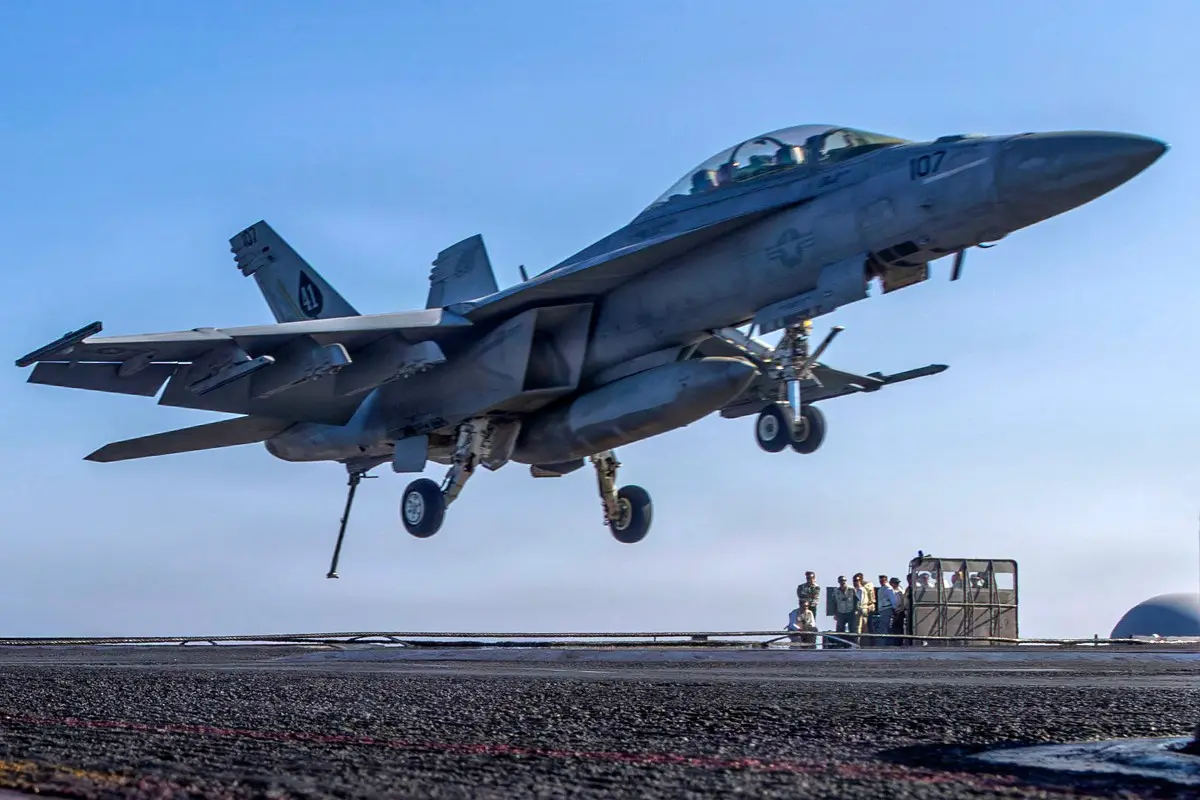
This is exactly the flaw the Israeli Blue Sparrow Air-Launched Ballistic Missile (ALBM) was built to exploit. Dropped from an F-15 fighter jet hundreds of miles away, the Blue Sparrow uses a quasi-ballistic trajectory to shoot out of the atmosphere. Once it aligns with the target, the re-entry vehicle detaches and plunges completely vertically. It doesn't fly at the S-300; it drops straight down the "Cone of Silence," entirely bypassing the Tombstone’s scanning geometry.
4. The Mach 5 Math Problem
Even if Iran's wider early-warning radars (like the "Big Bird") detect the initial launch from Iraqi or Syrian airspace, the engagement window is practically non-existent. The Blue Sparrow drops from the stratosphere at hypersonic speeds exceeding Mach 5. By the time the re-entry vehicle enters the S-300's theoretical engagement envelope, the Russian computers have mere seconds to calculate a firing solution, a mathematical impossibility for a system built in the 1990s.

5. The 'Kinetic Shrapnel' Reality
Let's assume the impossible: the S-300 detects the Blue Sparrow and manages to fire an interceptor missile. Intercepting a weapon dropping vertically at Mach 5 doesn't vaporize it. Hitting a solid-metal, 1,900kg penetrator at those speeds simply breaks it into massive, hypersonic chunks of shrapnel. Because the weapon is dropping straight down, all that kinetic energy and debris still impacts the radar base, destroying it anyway.

6. The Isfahan Precedent (April 2024)
This catastrophic mechanical failure isn't theoretical; Israel already proved it in combat. On April 19, 2024, Israel fired a Sparrow-variant ALBM at the 8th Shekari Air Base in Isfahan, Iran, which was guarding the Natanz nuclear site. The missile completely bypassed the early-warning nets and obliterated the S-300's "Tombstone" radar right off its chassis. The recent decapitation strikes in Tehran simply repeated this proven tactic on a wider scale.
7. The 'Bavar-373' Delusion
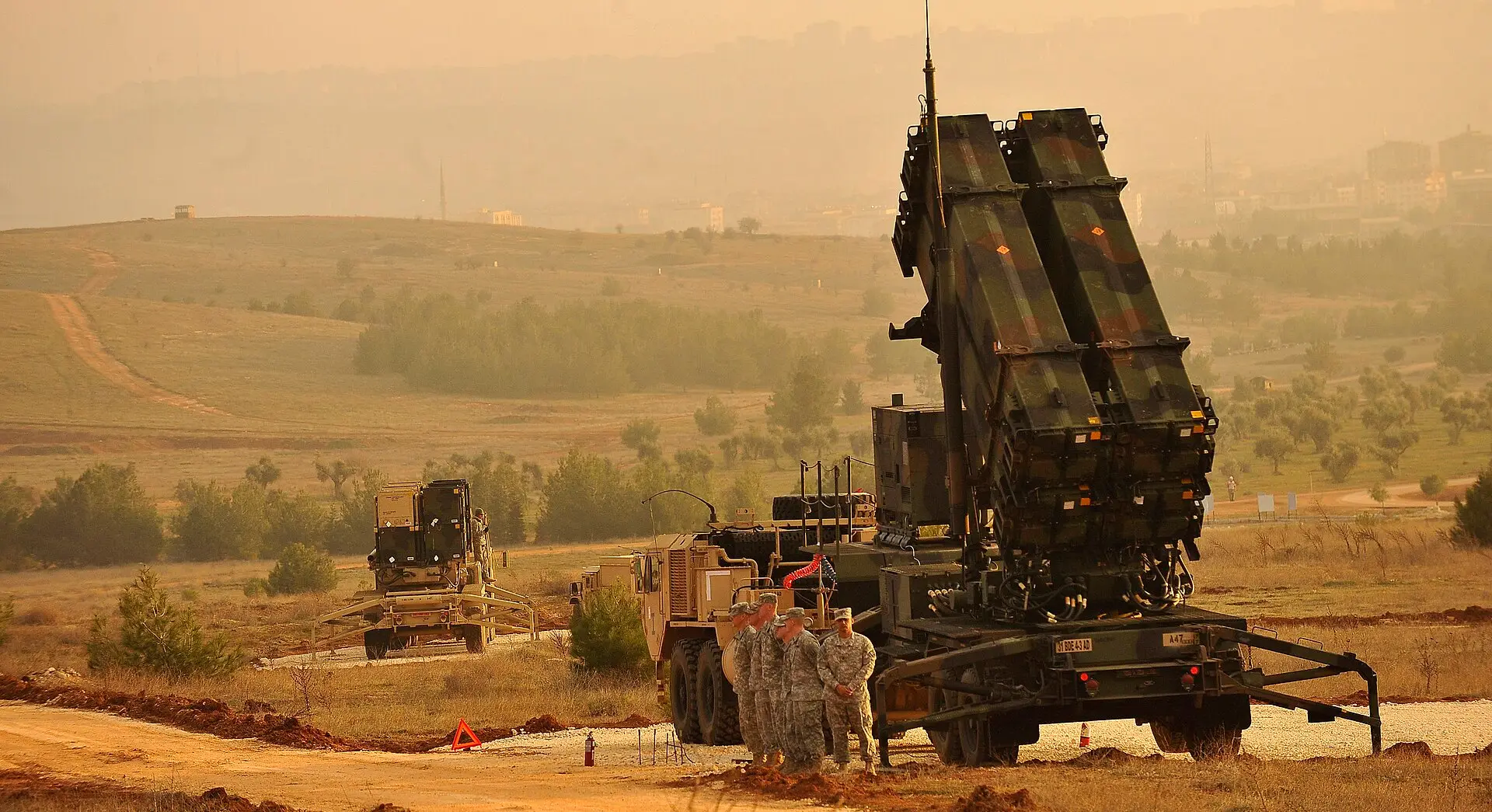
Following the destruction of their S-300s, Iranian state media heavily touted their indigenous Bavar-373 air defense system, claiming it is an "S-400 killer." However, defense analysts note that the Bavar-373 utilizes the exact same planar array radar architecture as the Russian systems it was reverse-engineered from. It shares the exact same vertical blindspot, meaning Tehran currently possesses zero defense against Israel's "missiles from space."

)
)

)