Iran War: What is 'Gatling Gun' onboard USS George H.W Bush? Understanding 4,500-round-per-minute weapon guarding the carrier

The CIWS is strictly a "close-in" weapon. It only engages threats that have entered a one-nautical-mile radius of the carrier. If the Phalanx wakes up and starts firing, it means a catastrophic strike was just seconds away from destroying a multi-billion-dollar nuclear supercarrier.
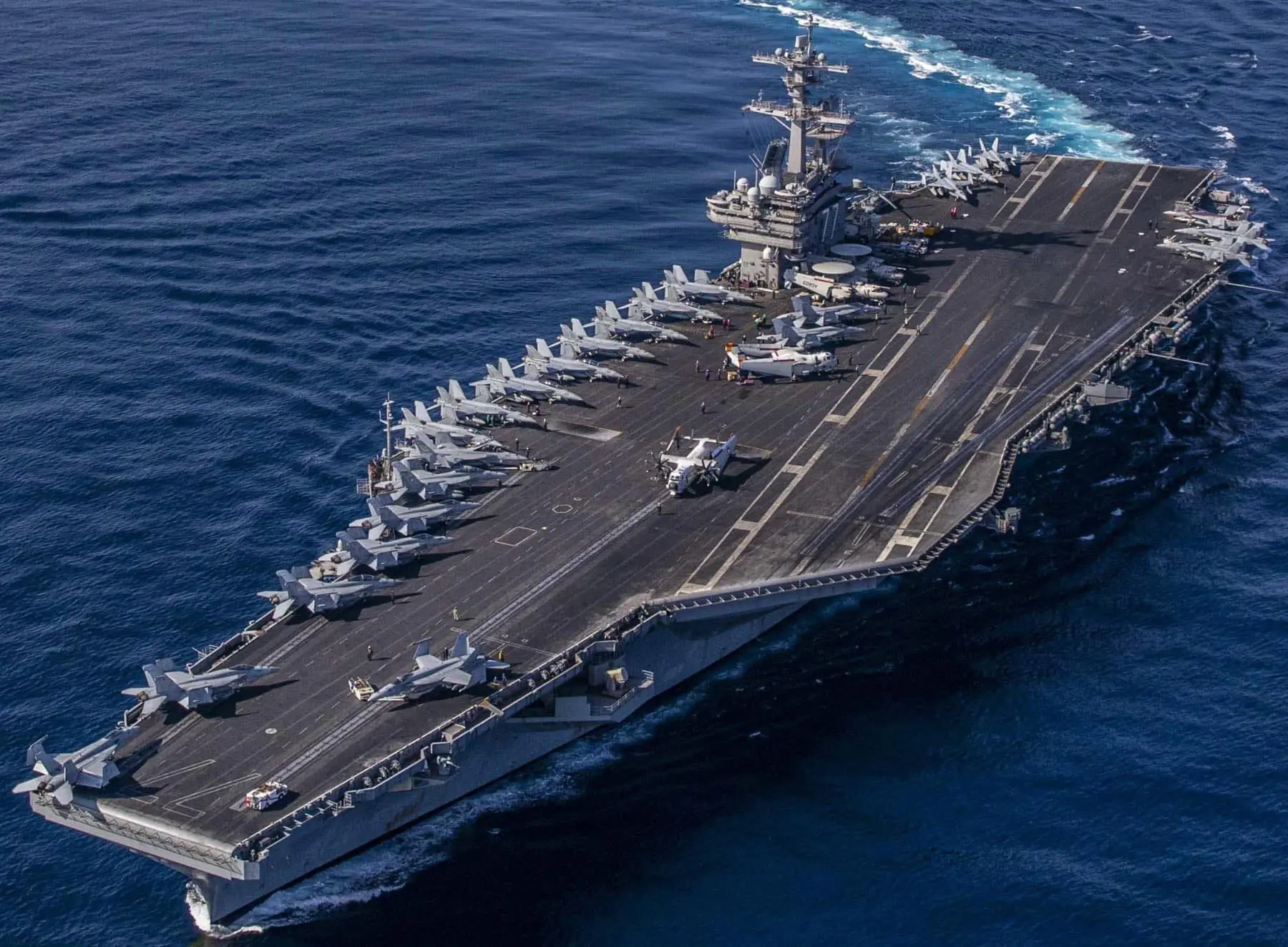
1. The Ultimate 'Last Line of Defense'
When the USS George H.W. Bush deploys to the Middle East, it is protected by a massive, multi-layered shield of escort destroyers and fighter jets. But in modern warfare, if a hypersonic missile or a stealth "Shahed" drone slips past the outer radar nets and enters the carrier's immediate airspace, the ship relies on its ultimate failsafe: the Phalanx Close-In Weapon System (CIWS).
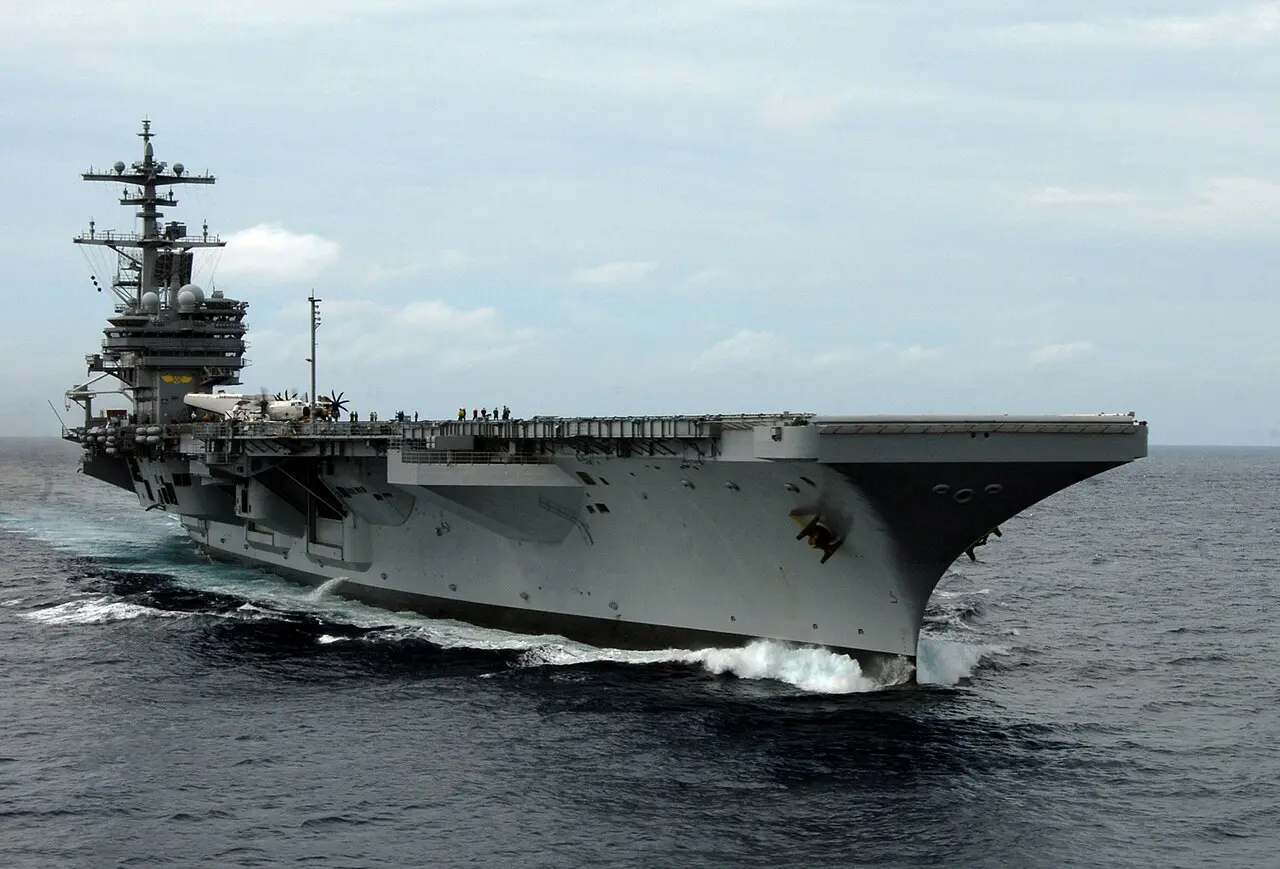
2. The 'R2-D2 of Death'
To the naked eye, the system looks like a massive, white R2-D2 bolted to the edge of the aircraft carrier's flight deck. However, that iconic white dome is not a robot, it is a hyper-advanced, dual-antenna radar system. The top radome continuously searches the sky for incoming threats, while the bottom radome specifically tracks the exact trajectory of the incoming missile, locking onto it in milliseconds.
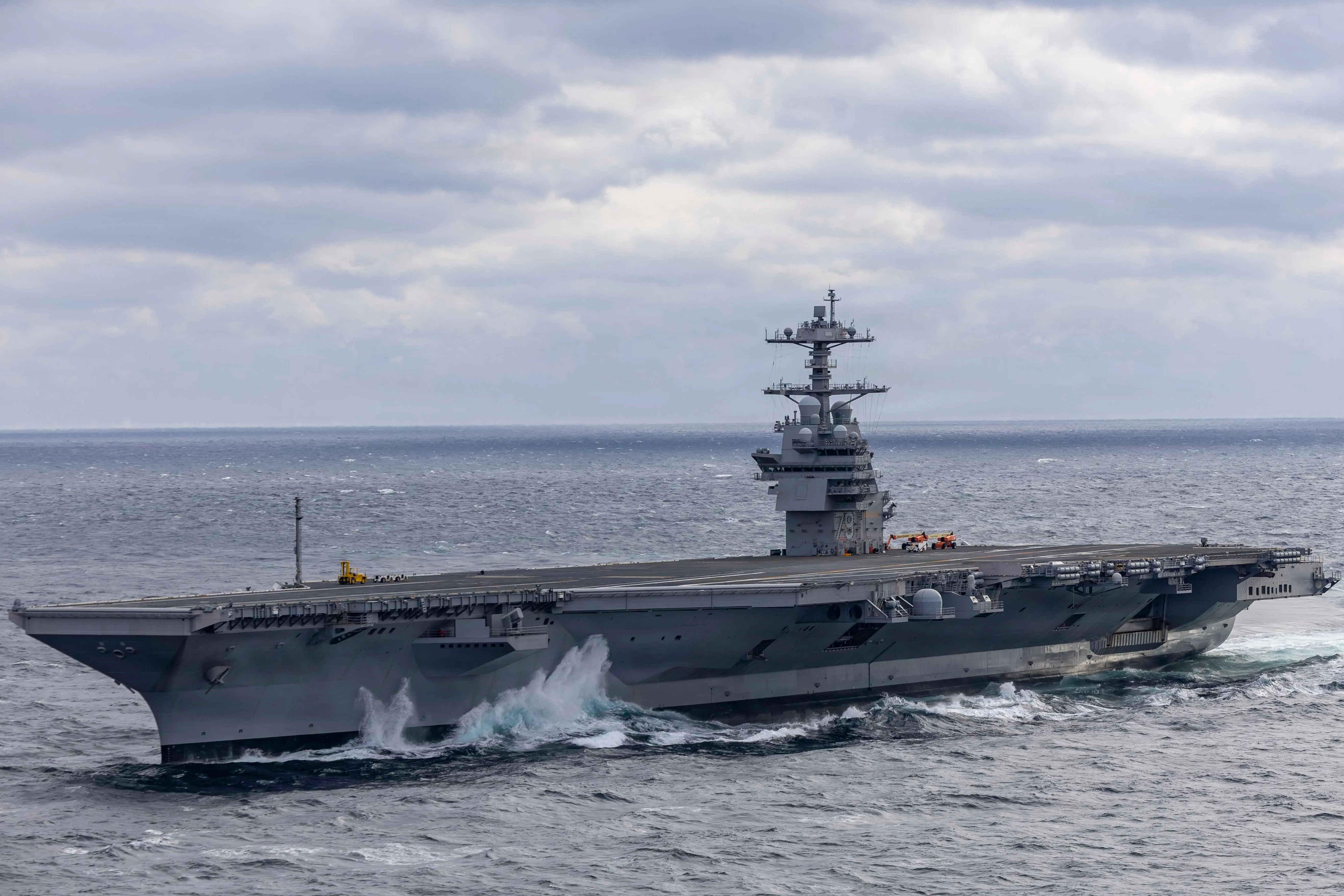
3. A 4,500-Round-Per-Minute Buzzsaw
Directly beneath the radar dome sits the weapon itself: a 20mm M61A1 Vulcan Gatling gun. This is a six-barreled rotary cannon capable of firing an astonishing 4,500 rounds per minute. When the weapon fires, it doesn't sound like a traditional machine gun; it creates a terrifying, continuous mechanical "buzzsaw" or "brrrrrrrt" sound, throwing a literal wall of heavy metal into the sky.
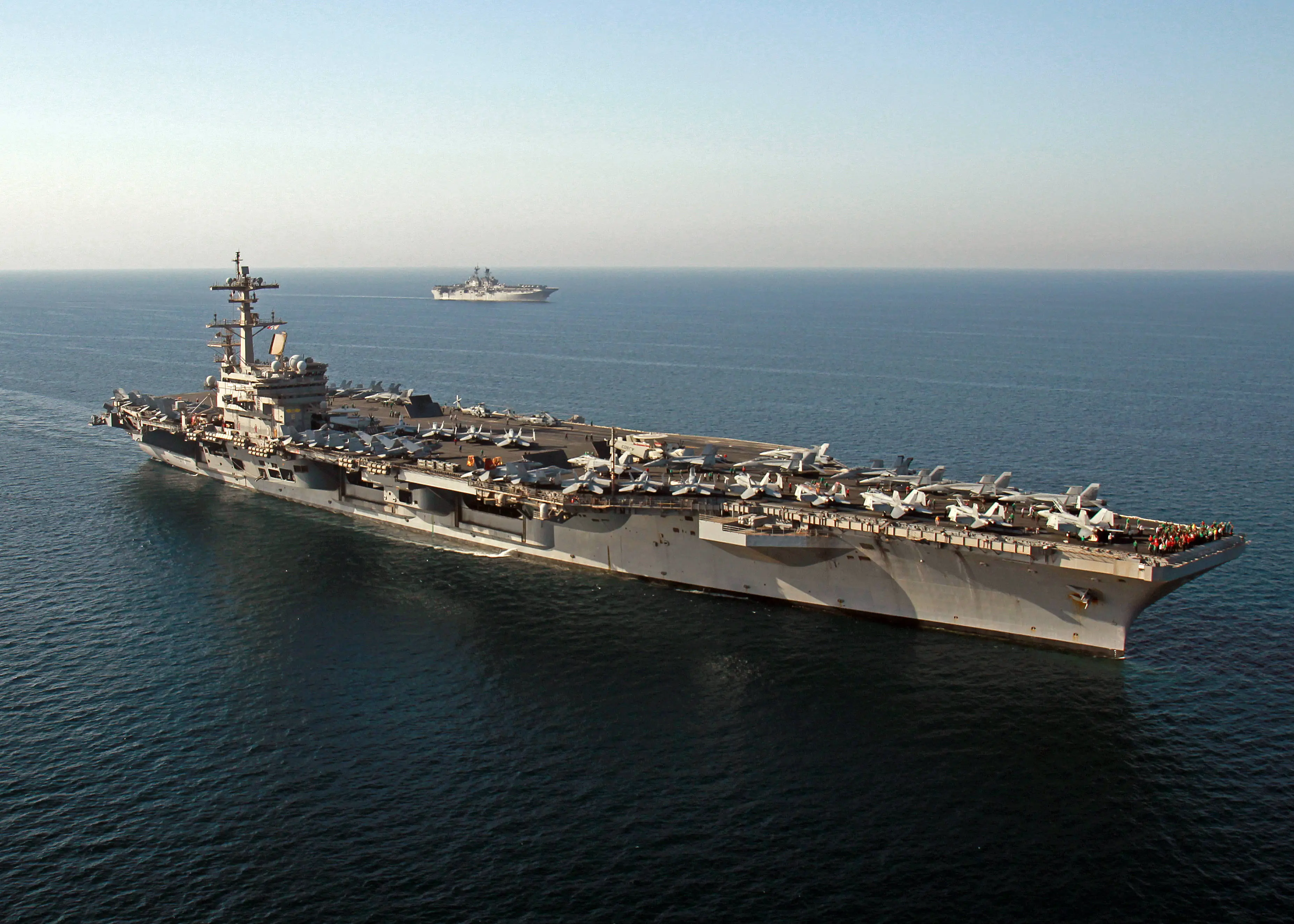
4. The Autonomous 'Terminator' Brain
The most terrifying aspect of the Phalanx is that it does not require a human to pull the trigger. In a combat scenario like the Iran War, human reaction time is simply too slow to stop a missile traveling at Mach 3. Once the system is switched to "autonomous mode," its onboard computer instantly detects, tracks, evaluates, and engages targets entirely on its own, shredding the threat before the crew even realizes they were under attack.
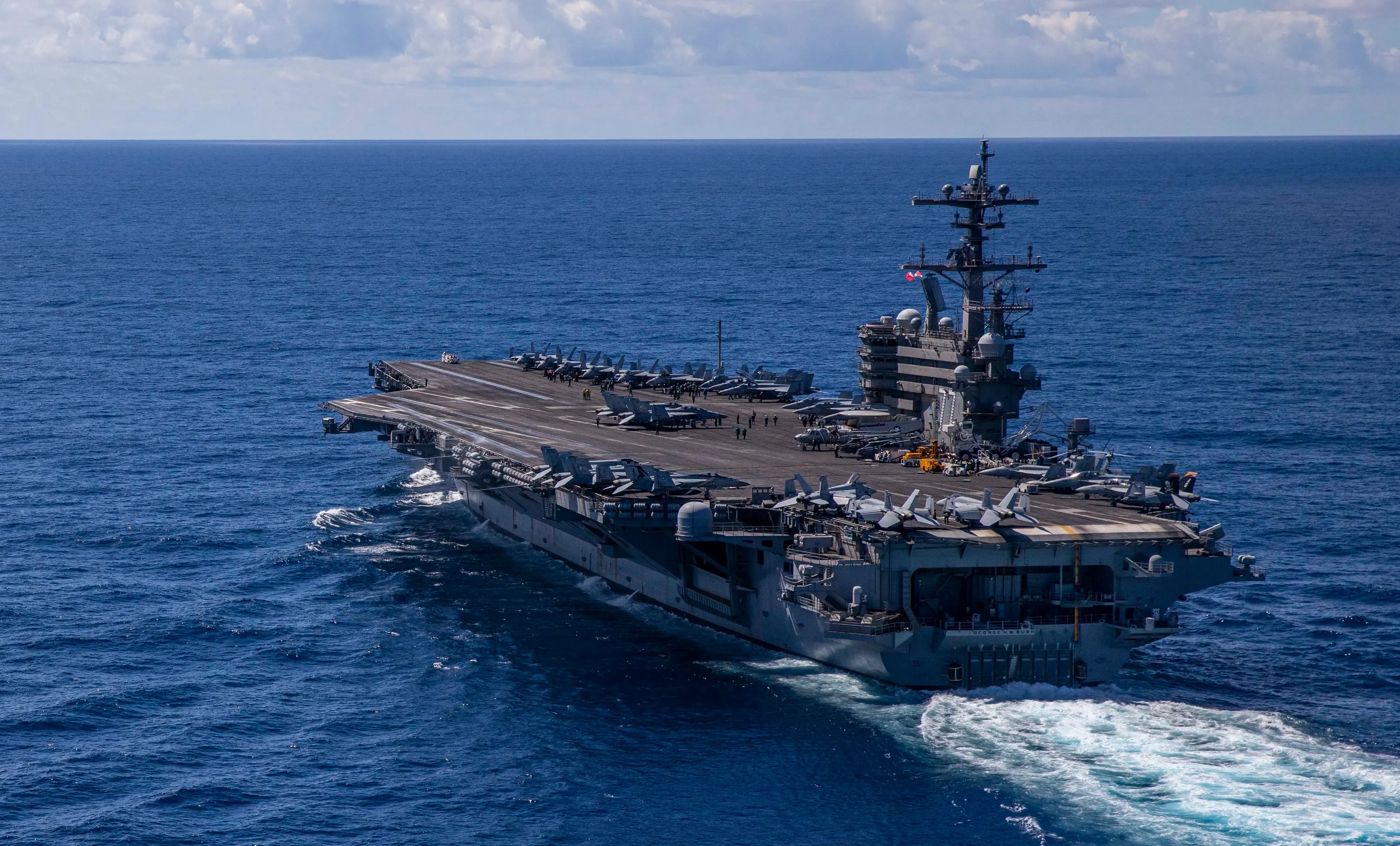
5. Armor-Piercing Tungsten Penetrators
The Gatling gun does not fire standard bullets. It fires highly specialized, heavy 20mm tungsten armor-piercing penetrators. These rounds are designed to hit an incoming anti-ship missile so hard that they physically disintegrate the warhead mid-air. The goal isn't just to shoot the missile down, but to vaporize it before its explosive payload can impact the hull of the USS George H.W. Bush.
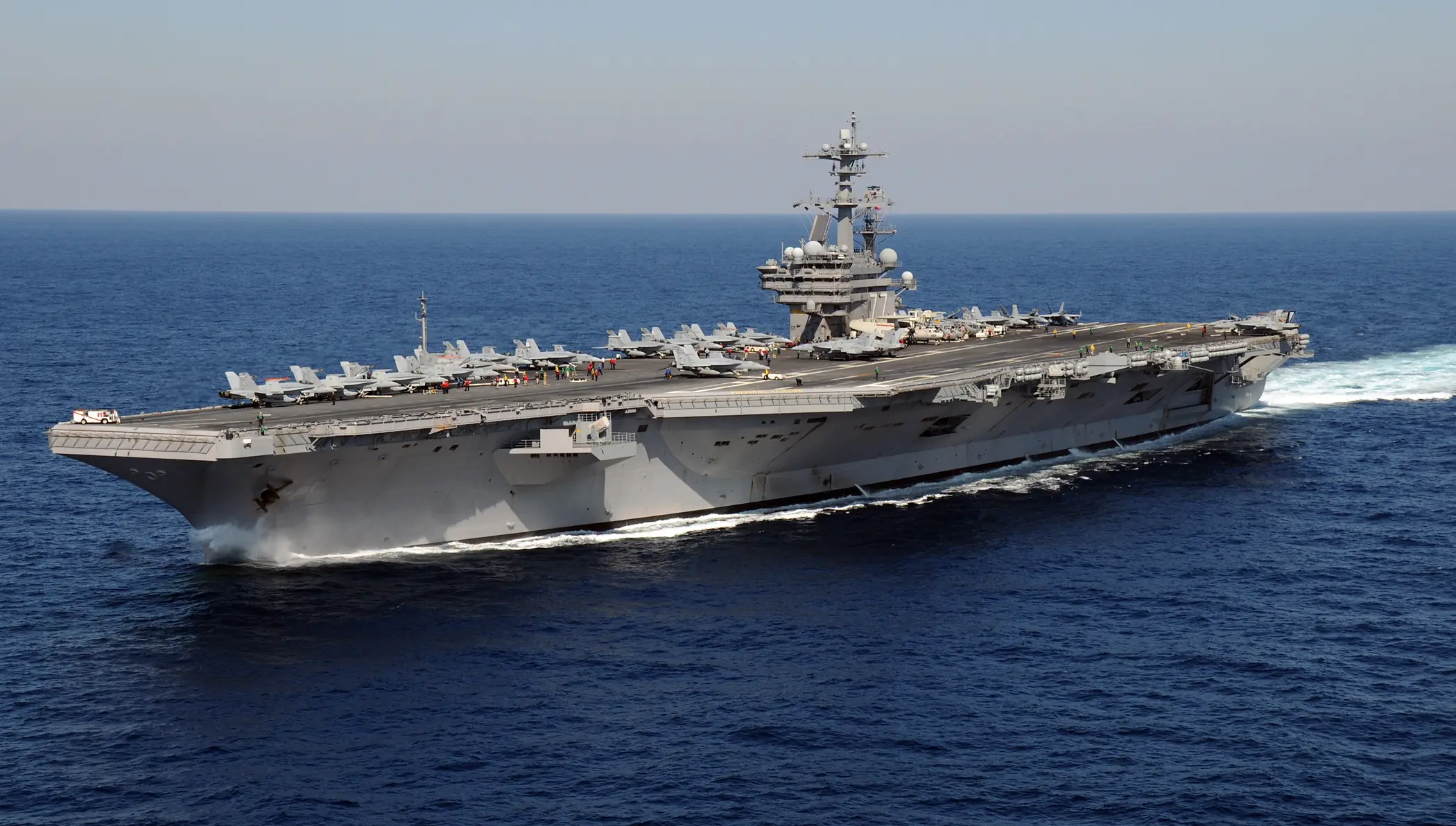
6. The IRGC 'Swarm' Countermeasure
Iran's naval doctrine relies heavily on "swarm" tactics, using dozens of cheap, explosive-laden fast-attack boats or kamikaze drones to overwhelm a target. The modern Phalanx (Block 1B variant) on the Bush is specifically upgraded with Forward-Looking Infrared (FLIR) sensors to combat this exact threat. It can instantly pivot its gun barrel down to the waterline, automatically tracking and shredding multiple IRGC speedboats in seconds.
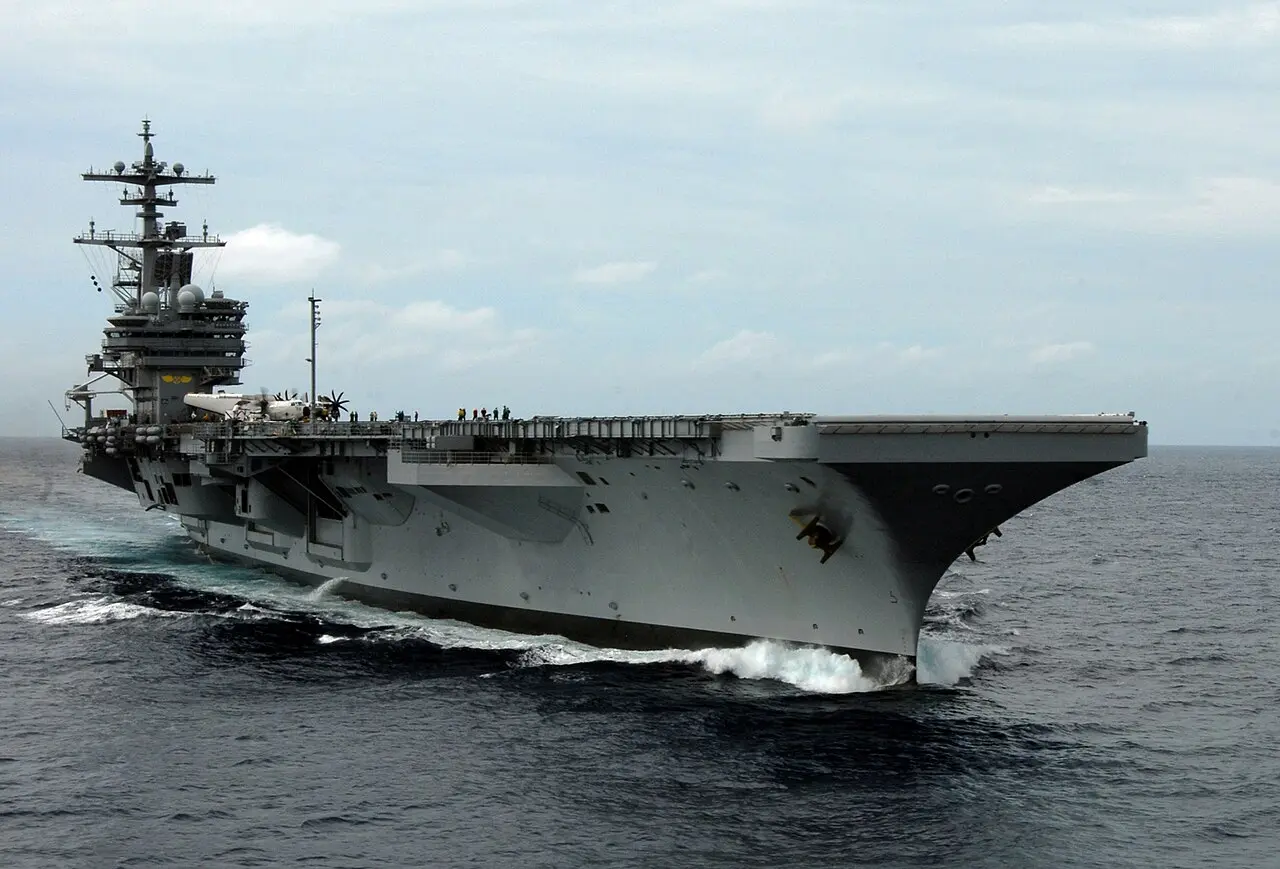
7. The One-Mile Kill Zone
The CIWS is strictly a "close-in" weapon. It only engages threats that have entered a one-nautical-mile radius of the carrier. If the Phalanx wakes up and starts firing, it means a catastrophic strike was just seconds away from destroying a multi-billion-dollar nuclear supercarrier. It is the violent, mechanical guardian keeping 6,000 US sailors alive in hostile waters.
)
)
)
)
)