Iran war, the multibillion-dollar heist: How states, companies and speculators cashed in on uncertainty and Trump flip-flops

Iran war uncertainty and Trump's shifting stances led to massive volatility in oil, gold, crypto and stocks. This enabled states, corporate firms, traders, and speculators to profit billions through bets, disruption, and strategic market moves. It was virtually a heist. Who made the money?
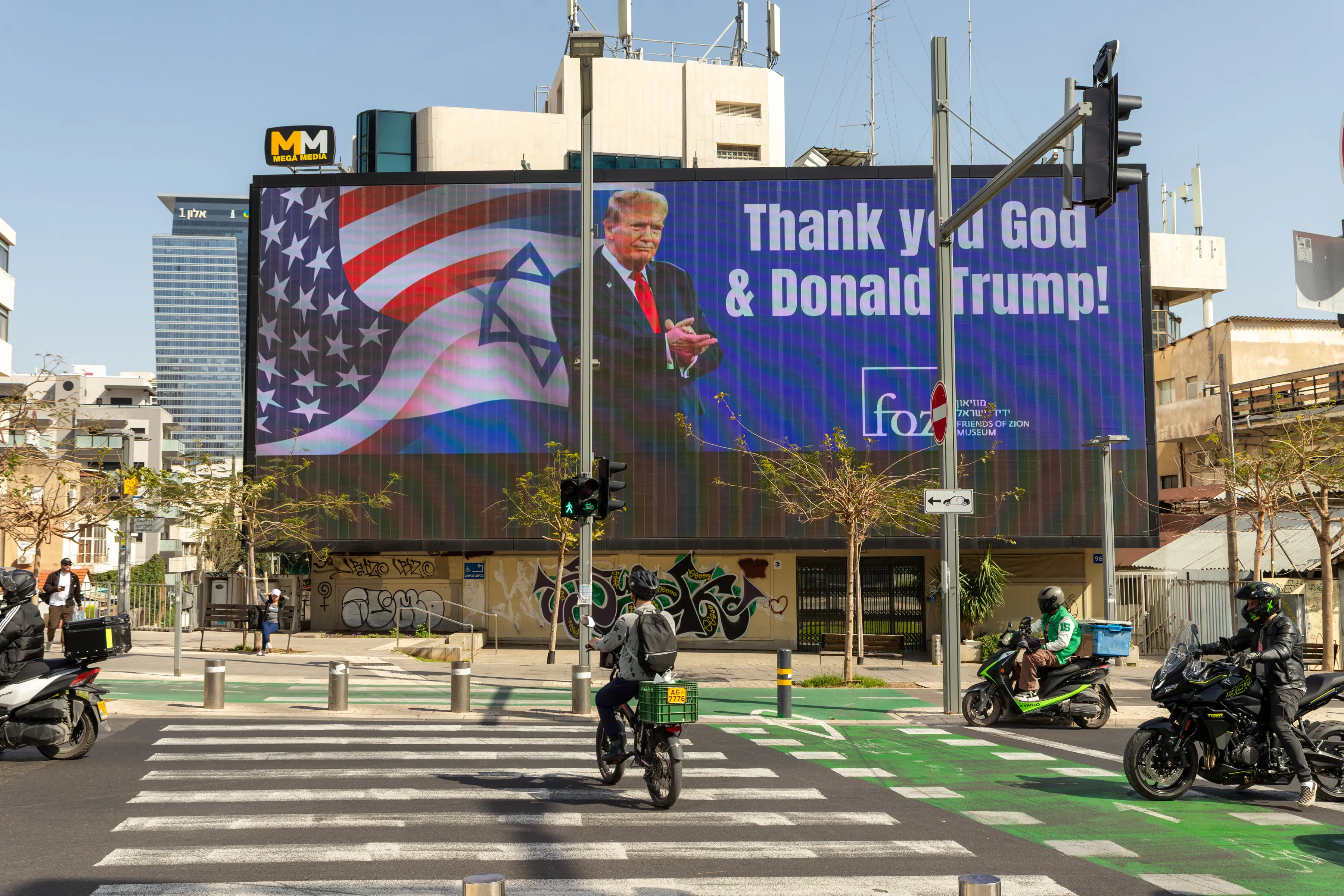
For some, the Iran war was a great opportunity to make money
In the last 40 days, the world went through uncertainty over the Iran–US–Israel war as US President Donald Trump changed stance multiple times, even within a single day. As Iran attacked oil and gas installations in Gulf states and disrupted maritime trade via the Strait of Hormuz, global markets went into a tizzy. But several states, companies and individuals benefited from the chaos by betting for or against the markets, from currencies, crypto, stocks and bonds to gold, gas, oil and other commodities. Here is a snapshot of how, for many of them, the war provided a great opportunity to cash in.
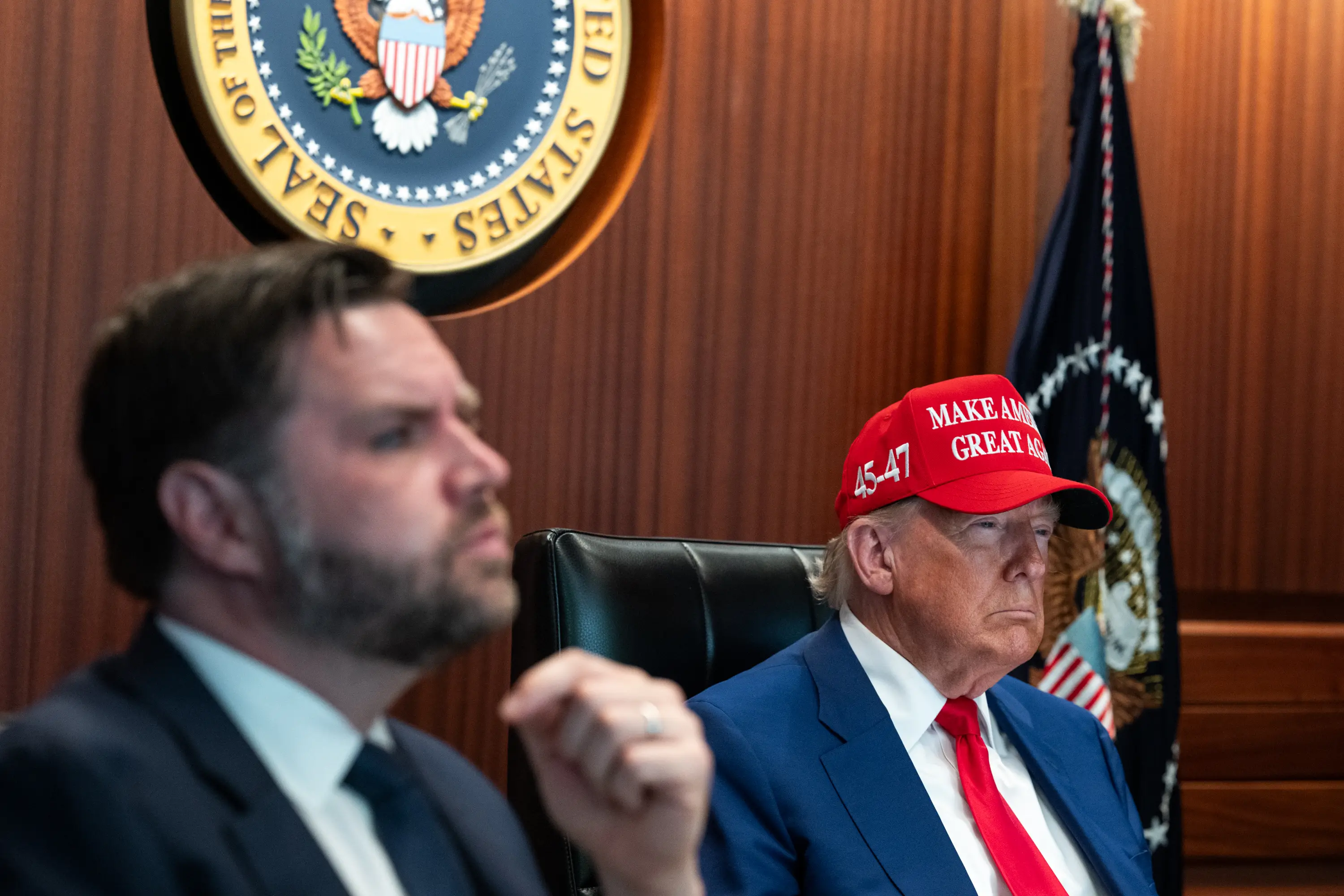
The market landscape that enabled war profiteering
The war started with joint Israeli–US strikes on Iran on 28 February, killing Supreme Leader Ali Khamenei and multiple top leaders of the Islamic Republic. Subsequent events led to volatility in oil, gold, bonds, stocks, prediction markets and crypto, among others. Brent crude surged from $72 to peaks above $120 per barrel before falling back to around $90. Gold spiked and then plunged by up to 25 per cent from record levels. US Treasury yields rose, with the 10-year note going from 3.9 per cent to 4.3 per cent amid inflation fears. Defence stocks rallied.

Insider trading? Bets in the market
The timing of several market bets appeared very similar to insider trading. These include positions in the futures and options markets, and on prediction sites like Polymarket, just minutes or hours before war-related announcements from the Trump administration and others. There are doubts about manipulation and ethics violations. Those who benefitted include individual speculators, governments and corporate firms. Iran itself capitalised on the Strait of Hormuz disruptions.

Polymarket profits: Prediction site's wild swings during Iran war
Multiple accounts on prediction sites like Polymarket, some newly created in February 2026, bet exclusively on Iran-war-related developments. Several well-timed wagers were placed on US or Israeli strikes, Khamenei’s removal and ceasefires. One trader had a 93 per cent win rate on five-figure Iran bets, including hours before key unannounced actions.
A trader called “Magamyman” alone made $553,000 on a single bet that Khamenei would lose power. Six accounts reportedly netted $2 million combined in one cluster. This raised concerns about insider trading, with reports indicating that some players were likely getting leaks from the US military or the White House. Iran-related betting volumes hit hundreds of millions, with bets placed on both escalation and rapid ceasefire or de-escalation.
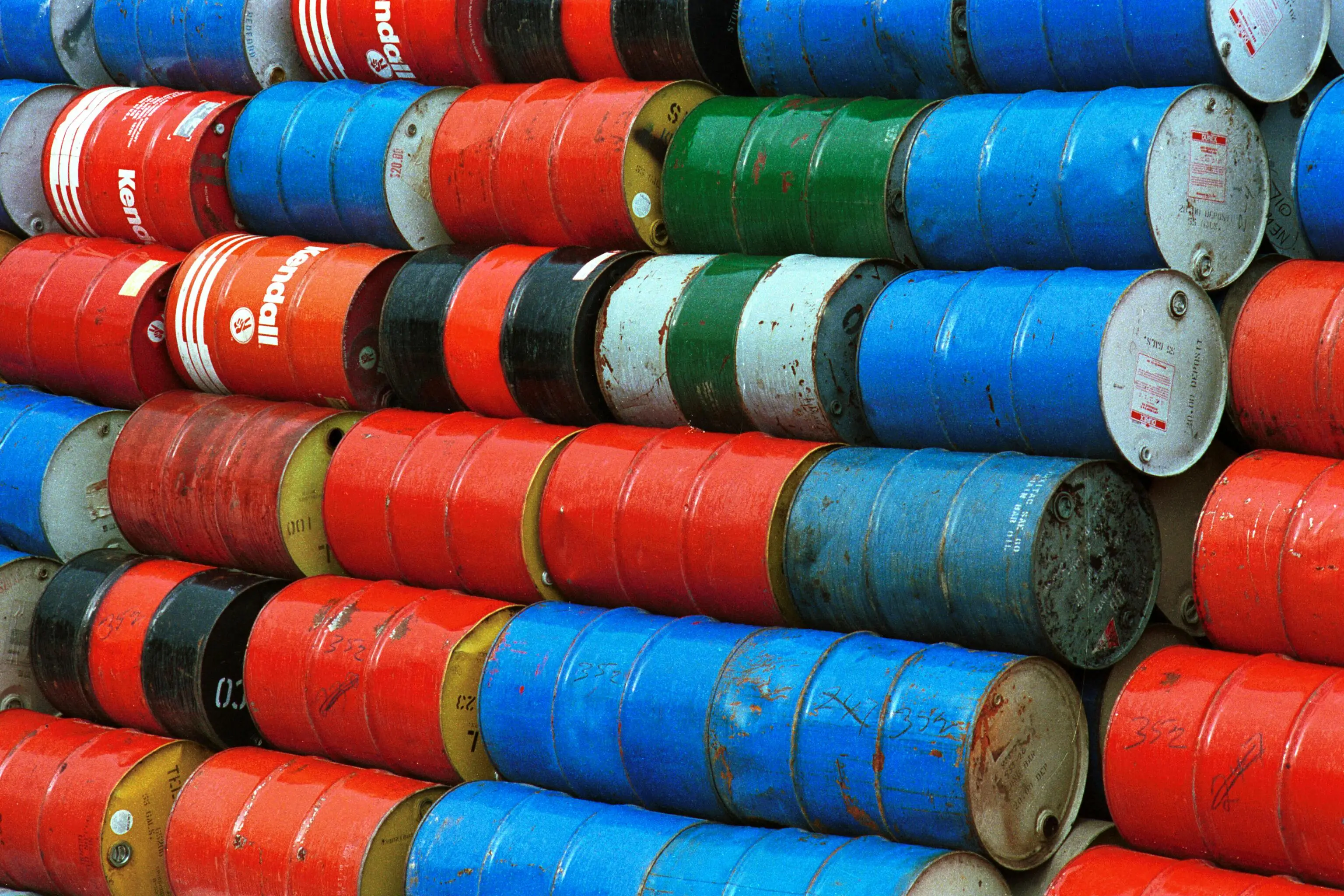
Oil market disruptions created neat profits for firms, governments
Millions of dollars in profits were made on Brent/WTI crude futures. Those with short positions profited significantly from dips in oil prices. Meanwhile, oil majors and non-Gulf producers like Russia gained from the surge in Brent crude prices. Russia’s oil revenues rose despite prior discounts. Many energy stocks also increased on war fears.
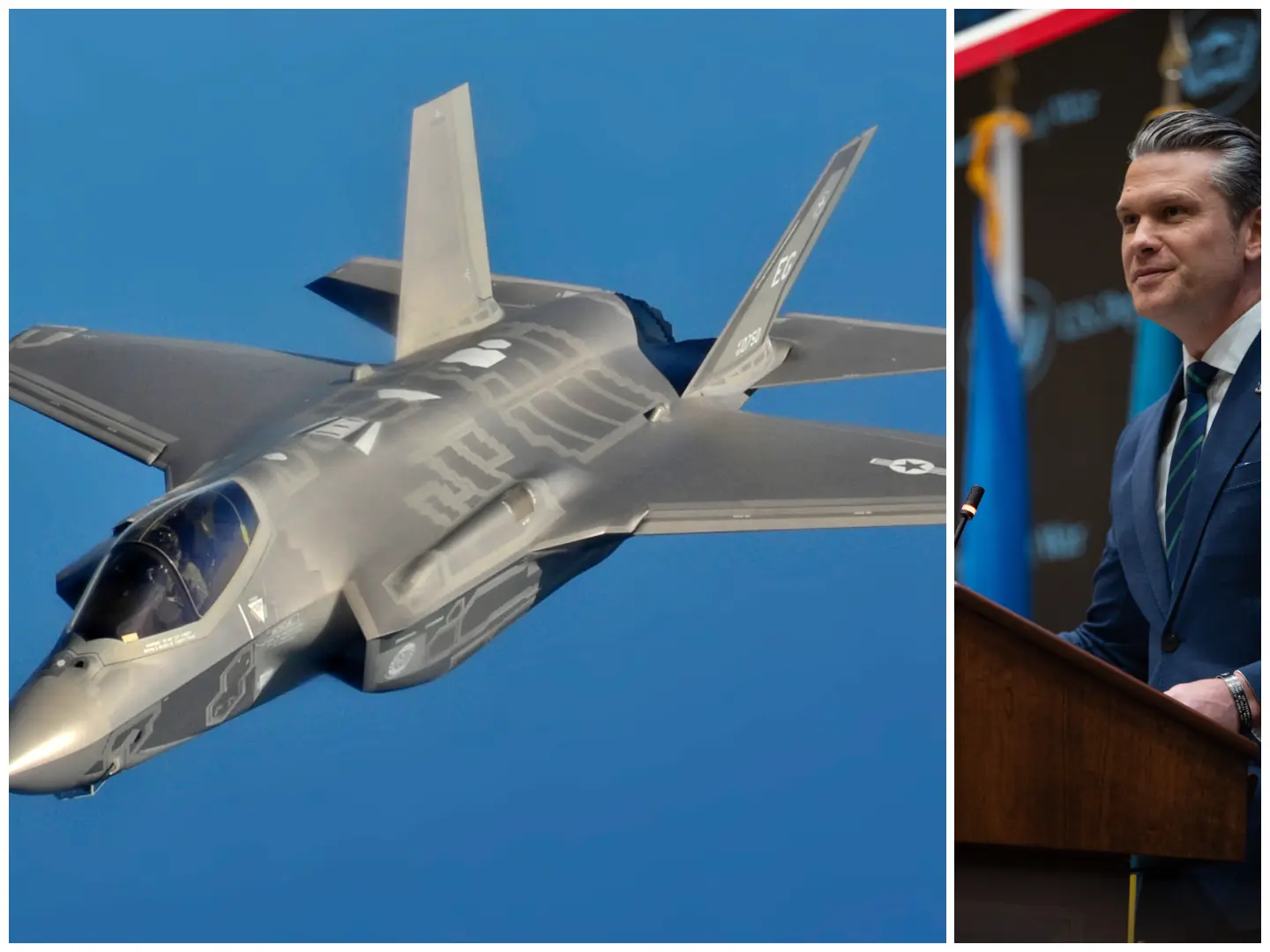
Defence companies and their stocks made a killing. War Secretary Hegseth faced questions
American companies directly linked with the war, including some defence contractors connected to US Defence Secretary Pete Hegseth, reportedly made profits. Stocks of defence firms like Lockheed Martin, Northrop Grumman and RTX surged. Hegseth faced ethics questions after his Morgan Stanley broker reportedly contacted BlackRock in February about a multimillion-dollar investment in a defence industrials ETF holding some of these firms. Meanwhile, Israel’s Elbit Systems saw its shares rise by up to 65 per cent.
Kushner Connection: Trump-linked companies benefited from the war
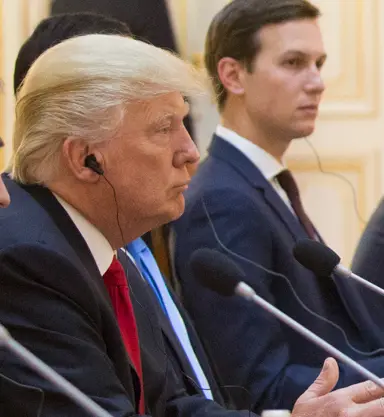
Reports said that Trump family concerns had direct business interests in the course the war took, including firms linked to his son-in-law and key peace negotiator Jared Kushner.
Kushner has a firm that is 99 per cent funded by Gulf sovereign wealth funds, such as those from Saudi Arabia, the UAE and Qatar. The firm’s assets rose to $6.2 billion. He reportedly solicited over $5 billion from Middle Eastern governments while involved in Trump administration diplomacy. Gulf ties of various Trump-linked firms benefited amid oil chaos, according to reports.

War, a golden opportunity: French and European gold respositioning game
France and several European central banks benefited from gold repositioning moves amid the war. The Banque de France repatriated its last 129 tonnes from the New York Fed, selling older US-held bars at peak prices and buying equivalent higher-standard gold in Europe or Paris. This reportedly led to around $15 billion in capital gains. The timing of these transactions overlapped with the war build-up. Other European central banks also showed diversification trends away from dollar assets. Many of them sold gold at high prices during the metal's safe-haven spike and bought back strategically.

Iran’s moment for plunder amid Strait of Hormuz chaos
Despite declaring the Strait of Hormuz closed, Iran selectively allowed passage for “friendly” vessels for a fee reportedly set at $1 per barrel. The trade was conducted in yuan or stablecoins. Totals were estimated at around $2 million per ship, generating direct revenue in non-dollar forms.
Crypto traders and market manipulation
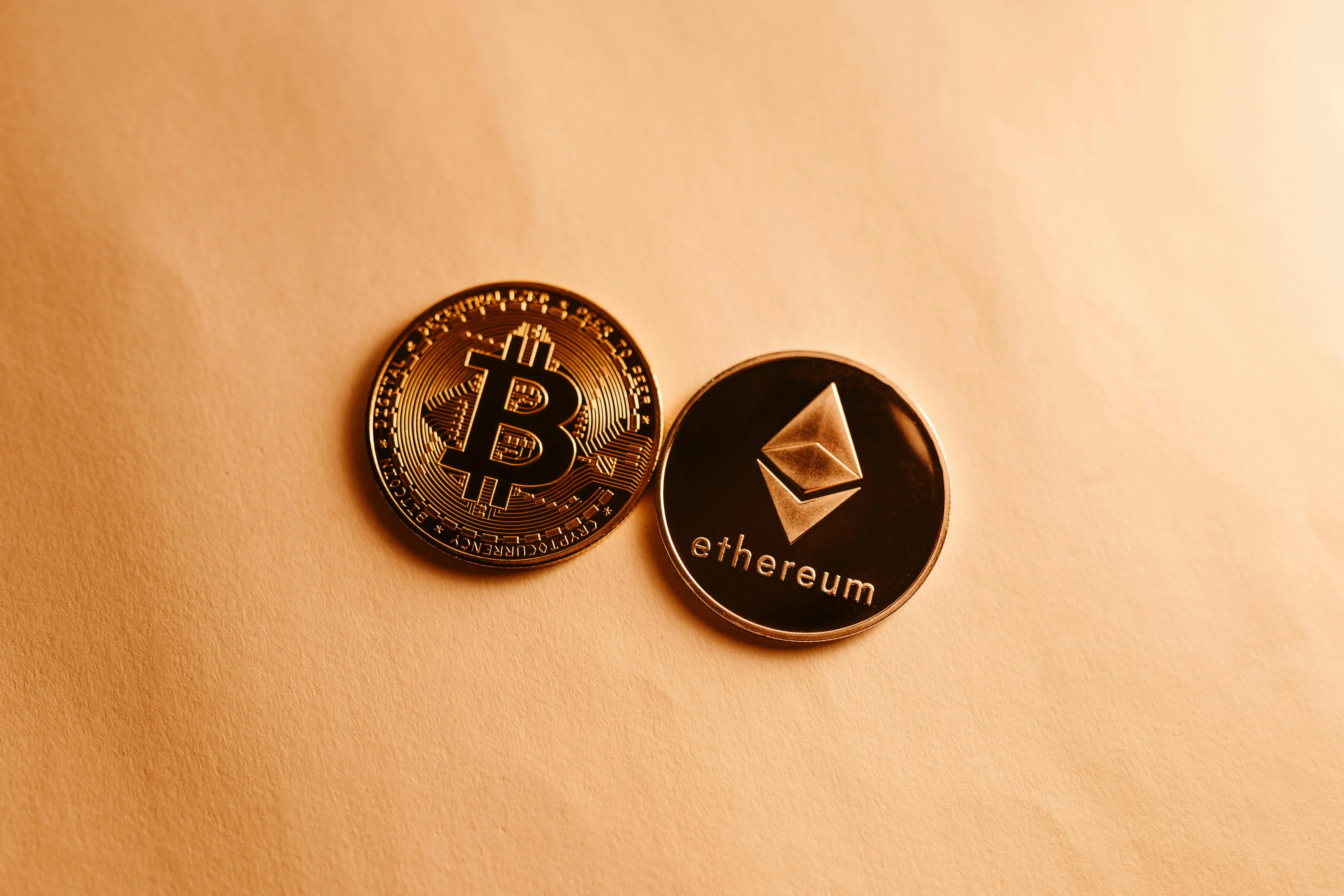
The Polymarket bets were crypto-funded and anonymous, enabling insider-style profits. As mentioned, Iran explicitly accepted stablecoins for Hormuz tolls. Bitcoin emerged as a partial safe haven, at times spiking to $70,000 on ceasefire hopes.

A windfall in tens of billions
We may never know the actual profits made from the various activities mentioned here. But from gold repositioning profits in the billions, Polymarket trades in the millions, and multimillion-dollar market positions in futures and options, the total is vast. Even a conservative estimate from explicitly reported windfalls exceeds $30 billion across currencies, gold, oil, metals, crypto, stocks, bonds, and betting. The true value of this war profiteering could be far higher due to untraceable trades and indirect benefits such as Russian oil revenue or energy firm margins.
)
)
)
)
)