Iran War: If Trump bombs Bushehr Nuclear Reactor, Arabian Sea could turn into next Chernobyl! Here's why

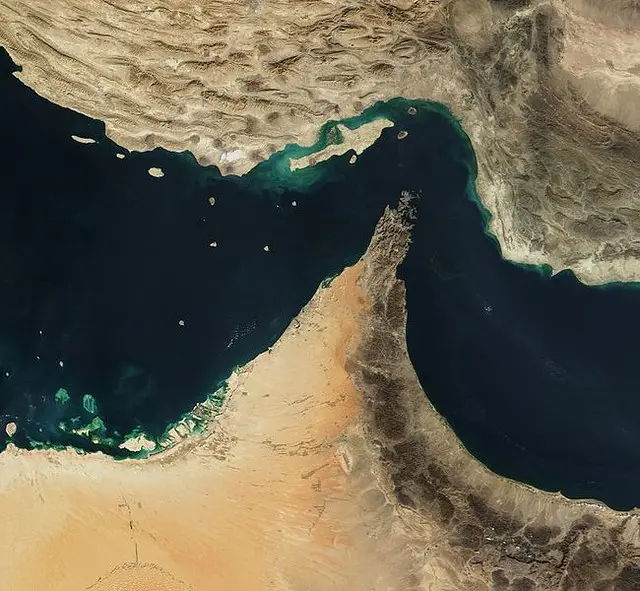
This is where the geography becomes terrifying. The Persian Gulf is practically a closed lake. Saudi Arabia, the UAE, Qatar, and Bahrain rely almost entirely on the Gulf for their survival, drawing seawater into massive desalination plants to generate their drinking water.
1. The Coastal Timebomb
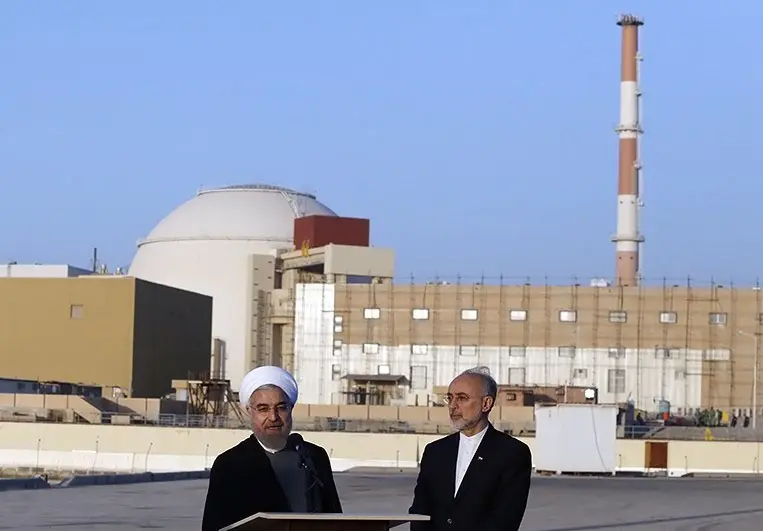
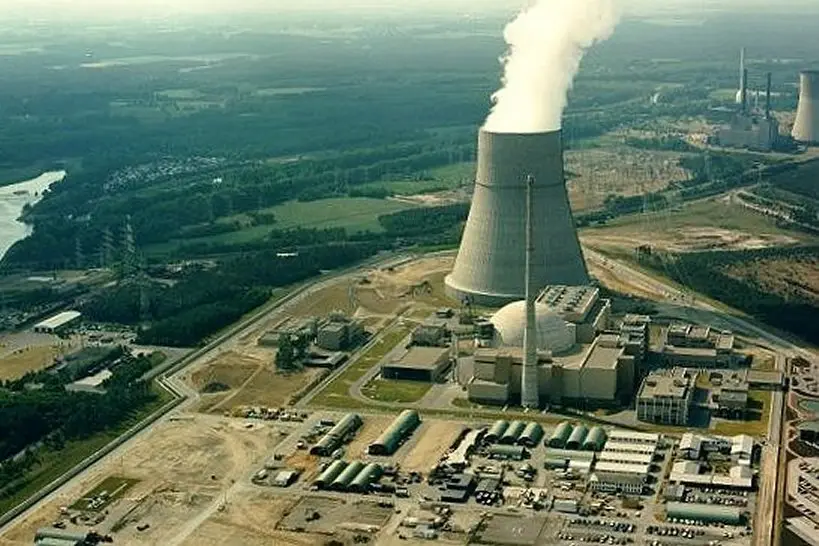
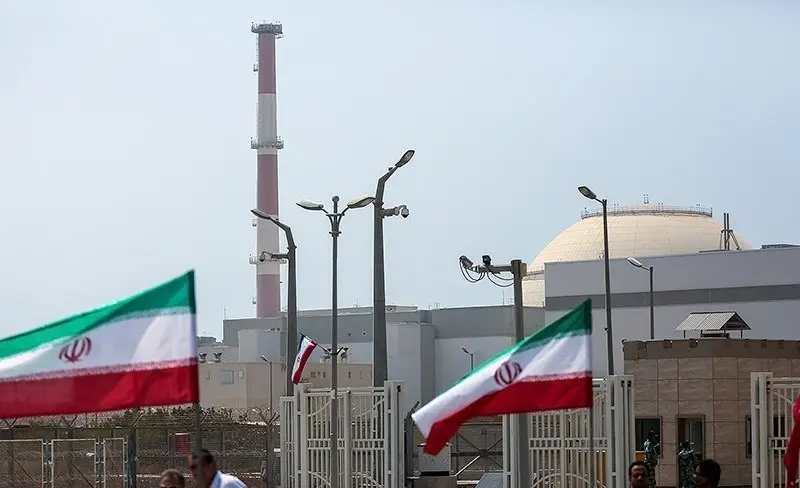
Unlike Iran’s heavily fortified, subterranean uranium enrichment sites at Natanz or Fordow, the Bushehr Nuclear Power Plant is an active, civilian nuclear reactor sitting completely exposed right on the coast of the Persian Gulf. If Israeli or U.S. munitionsl, even accidentally, breach the reactor core or its spent-fuel cooling pools, it won't just vent into the air; it will bleed massive amounts of highly radioactive isotopes directly into the ocean.
2. The Desalination Chokepoint
This is where the geography becomes terrifying. The Persian Gulf is practically a closed lake. Saudi Arabia, the UAE, Qatar, and Bahrain rely almost entirely on the Gulf for their survival, drawing seawater into massive desalination plants to generate their drinking water. The UAE alone gets over 40 per cent of its water from desalination, while Qatar relies on it for nearly 99 per cent of its municipal supply.

3. Thirst Within 48 Hours
If Bushehr melts down and radioactive water flows into the Gulf, every desalination plant along the Arabian Peninsula would be forced to shut down instantly to prevent piping radioactive poison into the homes of millions. Most Gulf states only maintain a strategic freshwater reserve that lasts between 48 to 72 hours. Within days, cities like Dubai, Doha, and Riyadh would face a catastrophic, existential water shortage.
4. The 'Uninhabitable' Zone
Without water, the glittering metropolises of the Gulf cannot function. Hospitals, cooling systems, and basic sanitation grids would collapse. A radiological leak wouldn't just be an environmental disaster; it would render the coastal regions of the Arabian Peninsula temporarily uninhabitable, forcing millions to flee inland to the desert or attempt to escape by air.
5. India’s Demographic Nightmare
This is where the crisis violently hits New Delhi. There are roughly 8.5 million Indian expatriates living and working in the Gulf, the largest diaspora population in the region. If the UAE, Saudi Arabia, and Qatar run out of drinking water, those 8.5 million Indians are suddenly stranded in a collapsing, panicking region with no basic resources.
6. The Impossible Airlift
For the Indian government, a Bushehr disaster would trigger the most complex mass evacuation in human history. To put it in perspective: during the 1990 Gulf War, India executed the largest civilian airlift ever, flying 170,000 Indians out of Kuwait. Evacuating 8.5 million thirsty, panicking citizens from multiple collapsing Gulf nations simultaneously while a regional war is raging is a logistical impossibility.
7. The Economic Shockwave
Beyond the immediate humanitarian terror, the economic fallout would devastate India. The Indian diaspora in the Gulf sends home over $40 billion in remittances annually, forming a massive pillar of the Indian economy. If the Gulf shuts down due to a radioactive water supply, those remittances vanish overnight. Coupled with the inevitable historic spike in crude oil prices, India’s economy would face a crippling, multi-front shock.
)
)

)
)