Iran war: How US is crippling Tehran’s arsenal with satellites, AI and cyberattacks

Artificial intelligence has sharply accelerated the US military’s ability to identify and strike targets. Integrated into the Pentagon’s Project Maven, AI systems analyse vast intelligence streams from satellites, drones and surveillance feeds.
A War Fought in Code, Space and Data
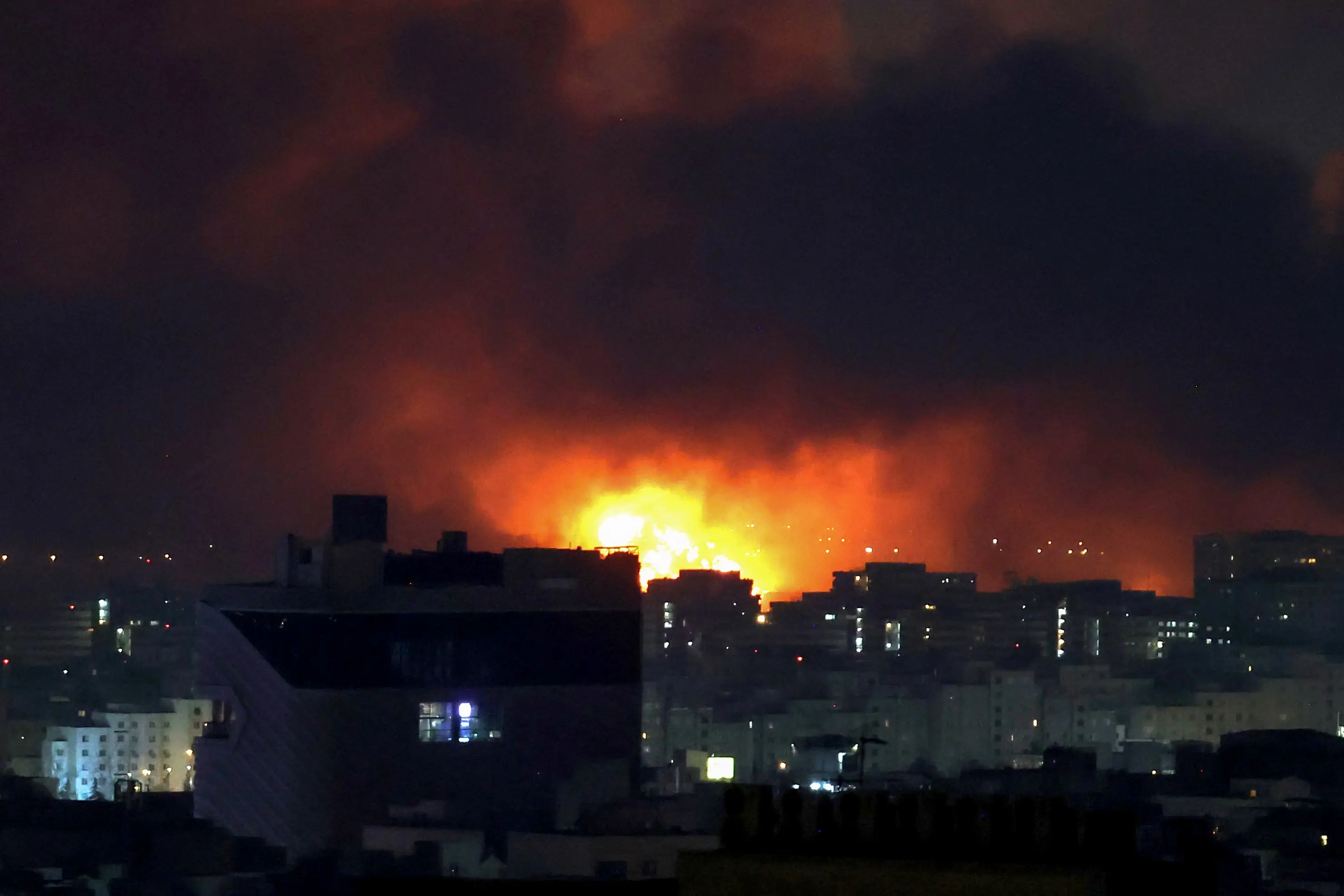
The US-Iran conflict entered its second week on Saturday, following coordinated strikes by Washington and Israel on Iranian targets on February 28. The campaign, termed Operation Epic Fury by the United States and Operation Roaring Lion by Israel, has relied heavily on advanced technology alongside conventional military force. In its initial phase, US and allied forces reportedly used satellites, artificial intelligence and cyber operations to map and weaken Iran’s military infrastructure before major strikes. Reports also indicate that laser weapon systems, satellite surveillance, military-grade malware, and radar-jamming tools are being deployed to target and disable Iranian weapons and air-defence networks across the region.
Highlighted in the first war briefing
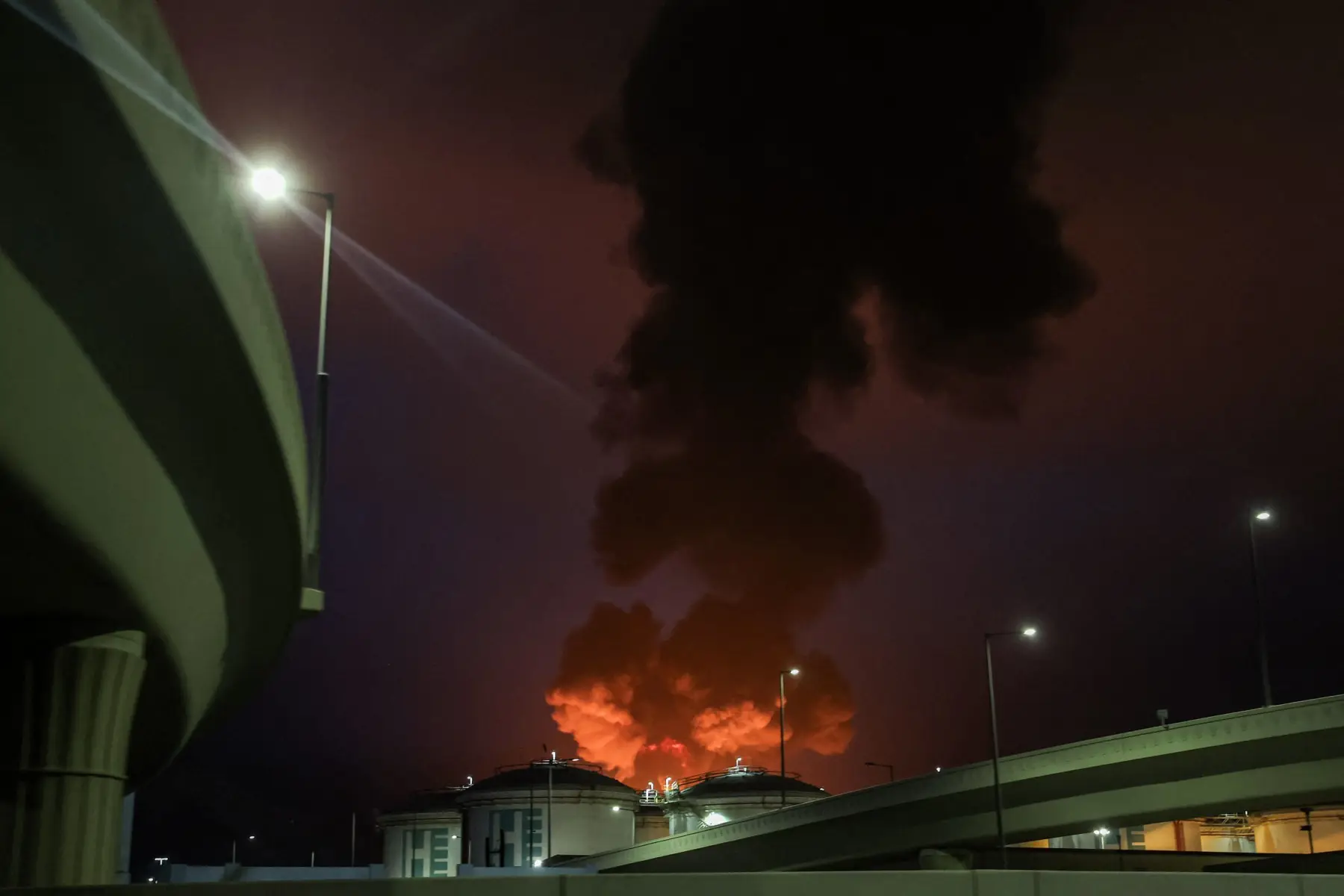
US Air Force Gen. Dan Caine, chairman of the Joint Chiefs of Staff, in his first war briefing had outlined how the United States has used technology to weaken Iran’s military capabilities. Without disclosing operational details, he said US forces had “delivered synchronized and layered effects designed to disrupt, degrade, deny and destroy Iran’s ability to conduct sustained combat operations.” Gen. Caine also highlighted the role of cyber tools in the campaign, saying they had “effectively disrupted communications and sensor networks,” leaving Iranian forces unable to coordinate or respond effectively.
Satellites Tracking Missiles from Space
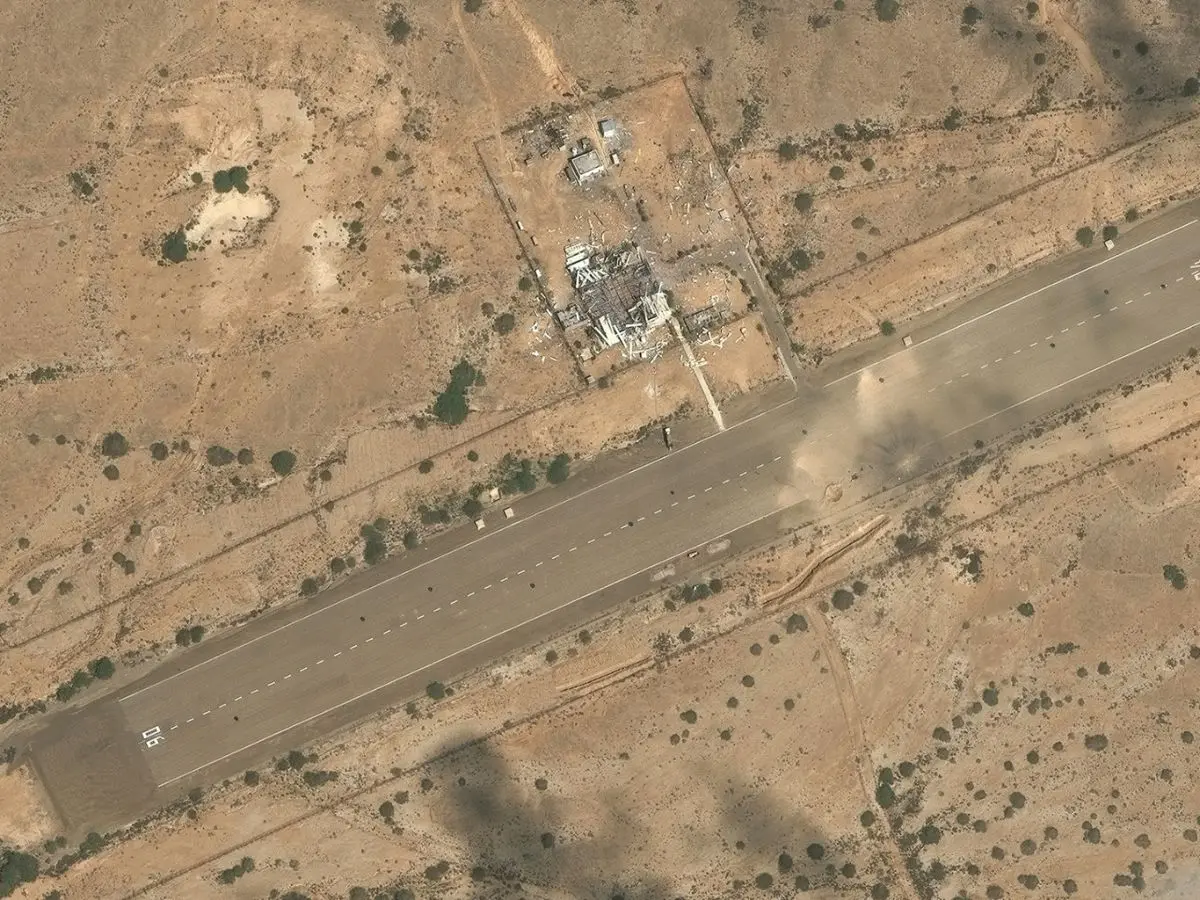
US space-based surveillance systems have played a central role in detecting Iranian missile launches. Infrared satellites can identify heat signatures from launches and relay the data within seconds to command centres, allowing defensive systems and strike aircraft to respond rapidly. During the early phase of the campaign, satellite networks helped track Iranian missile activity and guide counter-strikes against launch sites.
AI Accelerating Target Selection
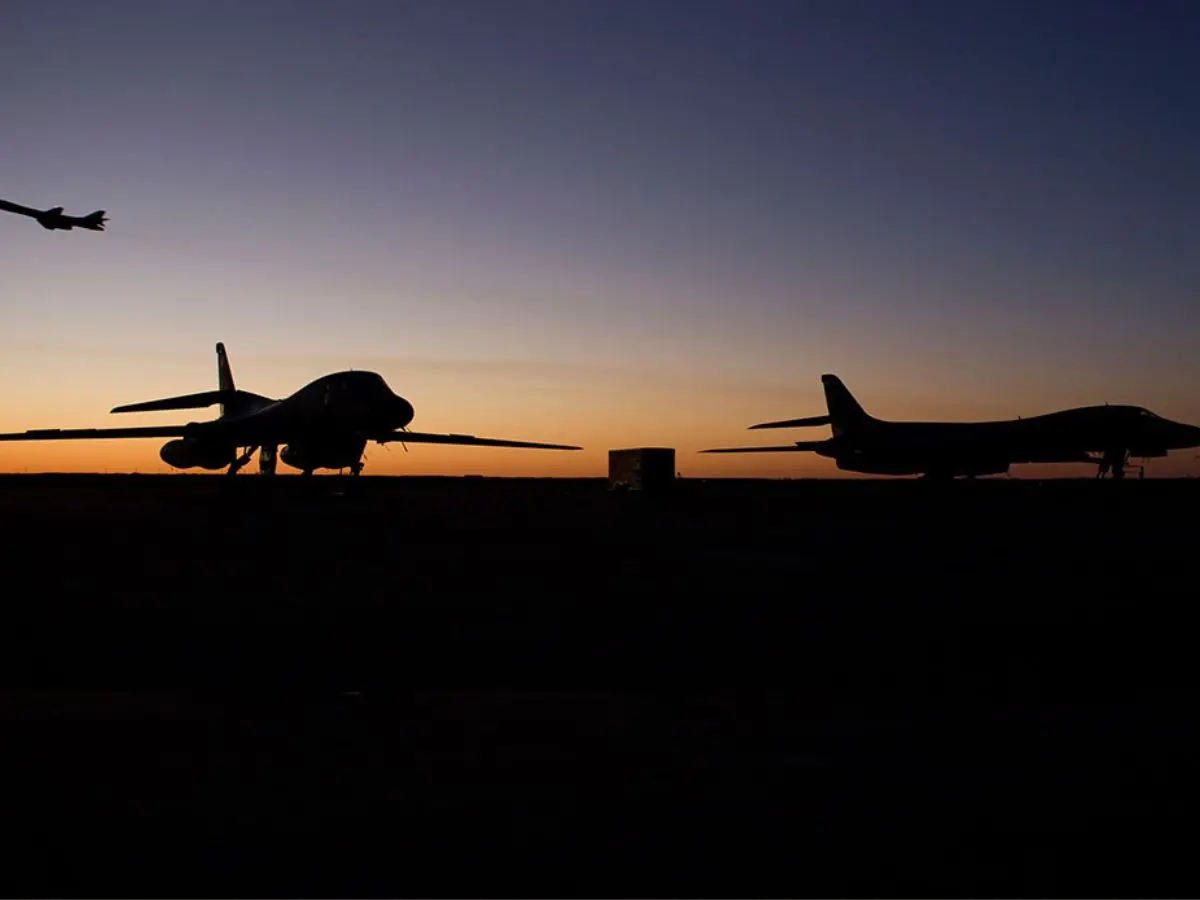
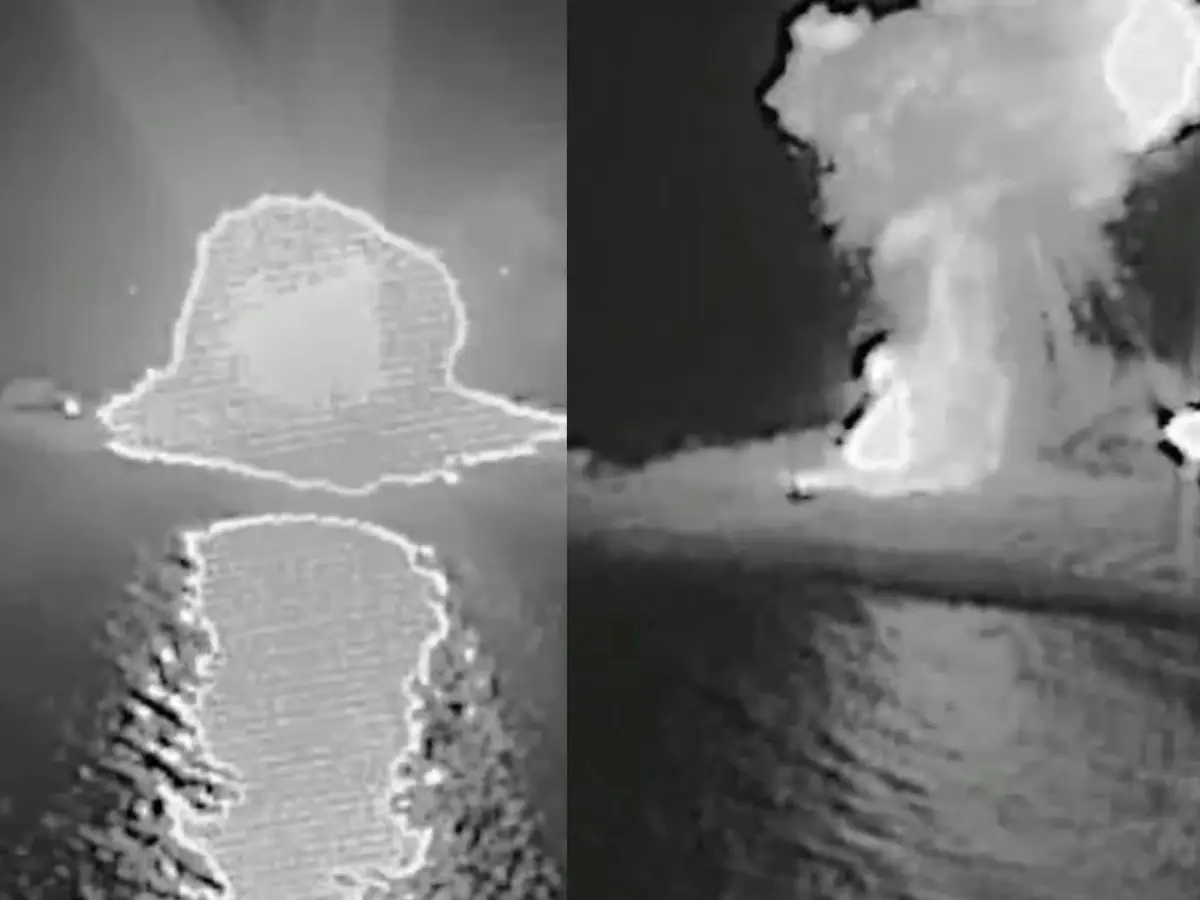
Artificial intelligence has sharply accelerated the US military’s ability to identify and strike targets. Integrated into the Pentagon’s Project Maven, AI systems analyse vast intelligence streams from satellites, drones and surveillance feeds. Reports indicate that more than 1,000 targets were identified and prioritised in the first 24 hours of the US-Iran operation using these tools. The Maven Smart System, built by Palantir, generates real-time insights from classified data, while Anthropic’s AI tool Claude, which was recently banned by the Pentagon, was embedded to aid target selection. Military planners say such technology compresses the “kill chain,” drastically reducing the time from detection to attack.
Cyberattacks Disrupting Iran’s Defences
Cyber operations began even before aircraft launched strikes. US Cyber Command and allied units targeted Iranian command networks, communications systems and sensors in the opening hours of the campaign. The objective was to 'disrupt, degrade and blind Iran’s ability to see, communicate and respond before the attack began, limiting their ability to coordinate missile launches or air defence responses.
Laser Weapons and New Interception Systems
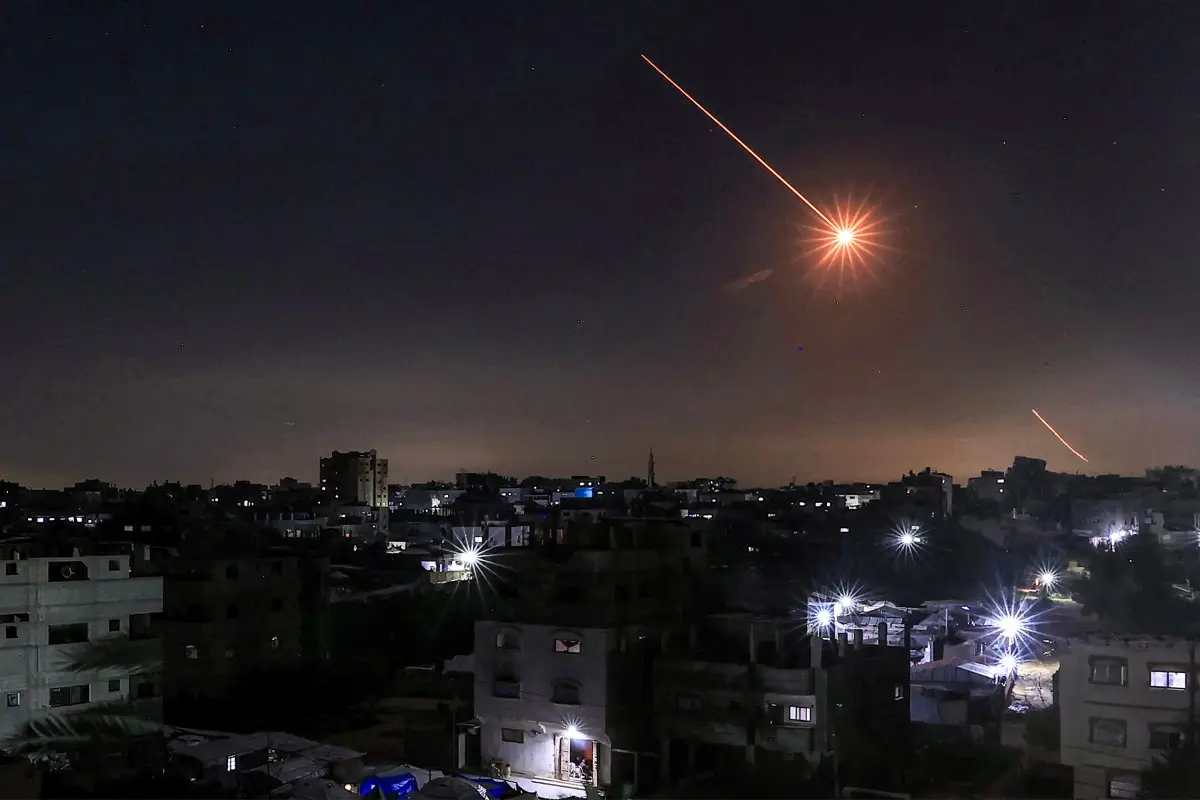
Directed-energy weapons entered the US-Iran conflict with naval vessels reportedly using laser systems to destroy drones and missiles in flight. As part of Epic Fury, the US reportedly deployed the High-Energy Laser with Integrated Optical Dazzler and Surveillance (HELIOS) on Navy ships off Iran’s coast. HELIOS featured a steerable head that fired an “intense, tightly focused beam” to neutralise aerial threats. These systems offered a cheaper alternative to conventional missiles, which cost millions per launch, and engaged targets at the speed of light, proving especially effective against swarming drones.
Targeting Iran’s Missile Infrastructure
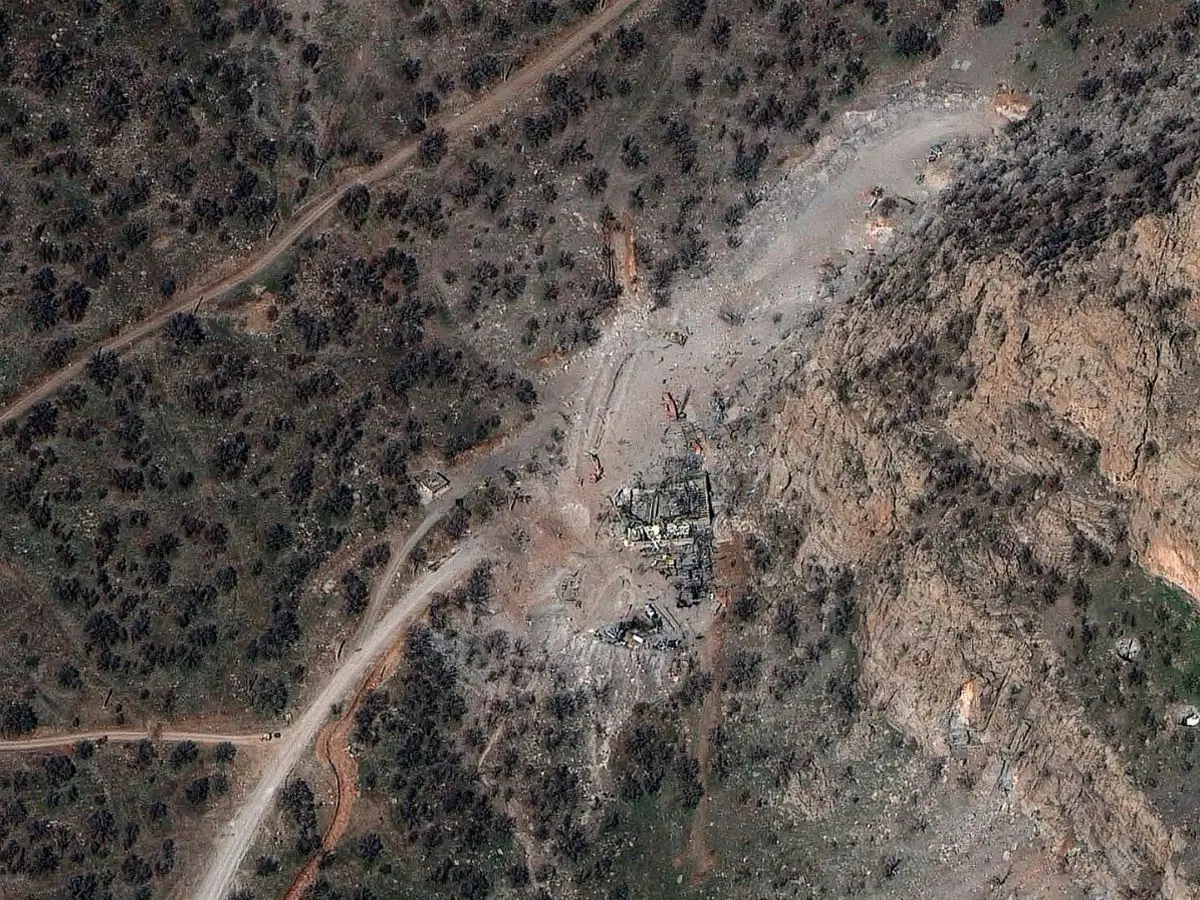
The campaign has focused heavily on Iran’s missile launch sites and underground facilities. Satellite imagery and intelligence analysis have helped locate bases where missiles are stored and deployed. Western officials say strikes on these sites have significantly reduced Iran’s ability to launch ballistic missiles.
A New Model of High-Tech Warfare
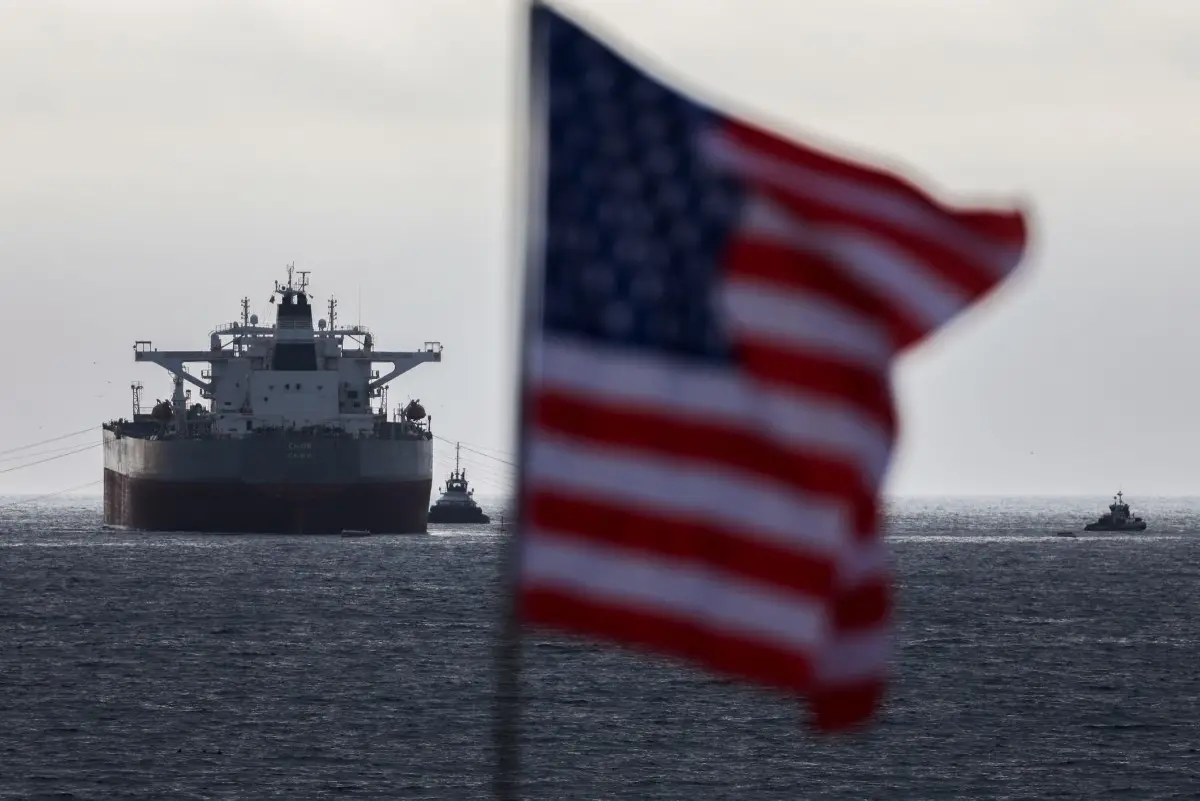
The conflict is demonstrating how modern warfare increasingly relies on digital and space-based capabilities. AI-driven targeting, satellite surveillance and cyber operations are enabling militaries to coordinate attacks with far fewer personnel than traditional campaigns required.
)
)

)
)