Iran War: How many fighter jets can the 1,04,000-ton USS George H.W. Bush carry?

The United States is reportedly preparing to deploy a third aircraft carrier to the Middle East, with USS George H.W. Bush (CVN‑77) having completed its pre-deployment training.
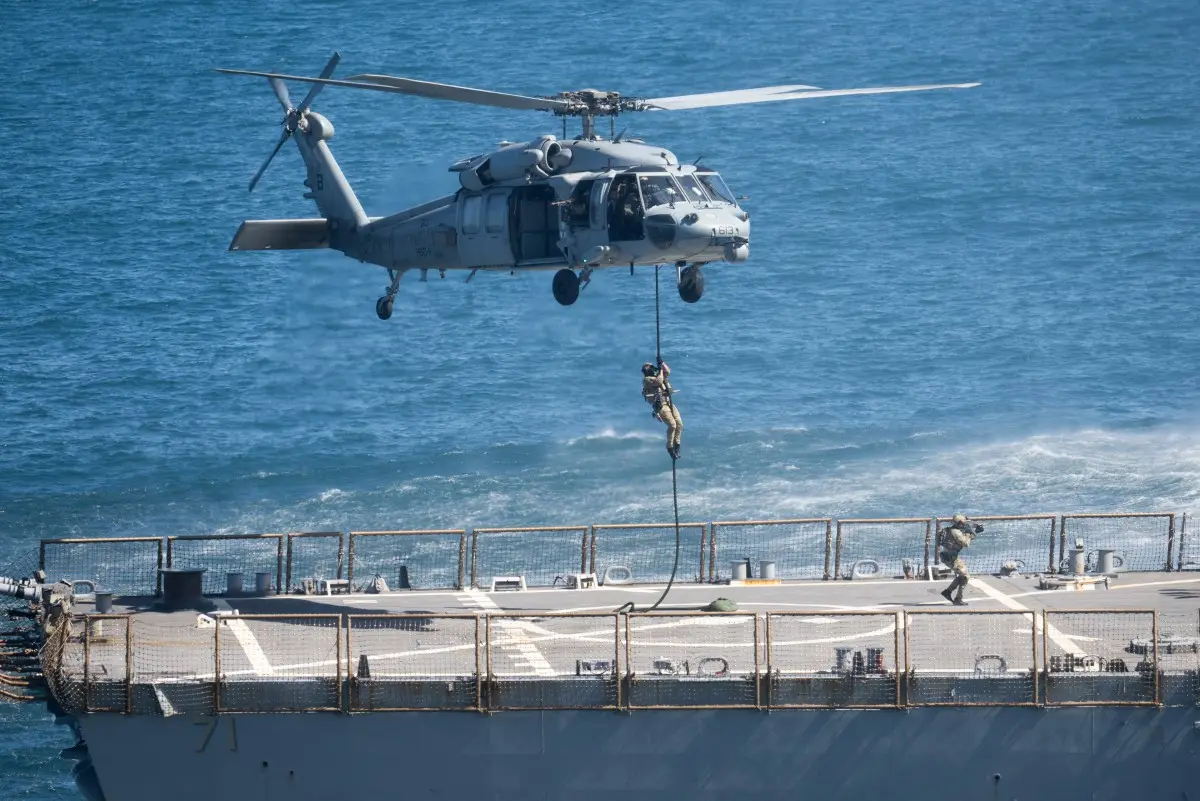
Third Aircraft carrier to be deployed in Middle east?
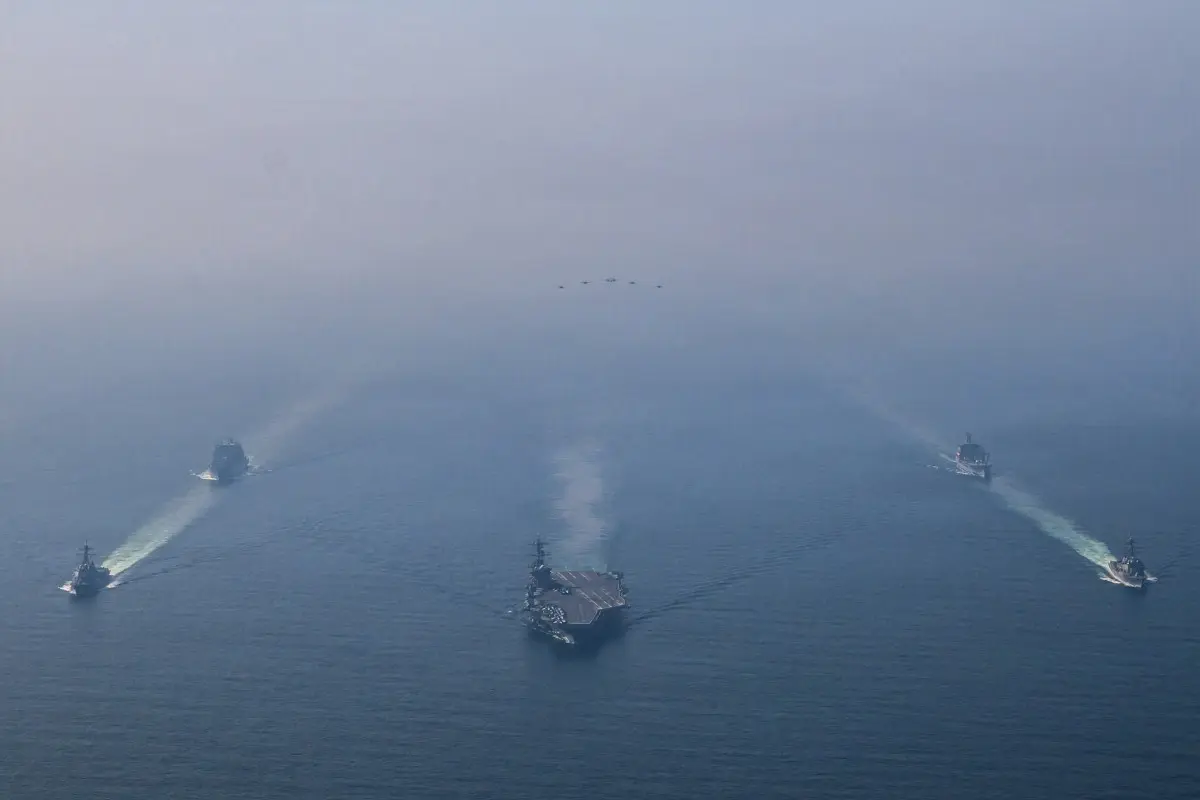
US President Donald Trump has warned that Iran ‘will be hit very hard,’ with certain areas of the country under consideration for ‘complete destruction and certain death’. Tensions in the Middle East intensified on the eighth day of the conflict, as Iranian President Masoud Pezeshkian rejected the US call for unconditional surrender, calling it a “dream they should take to their grave". Additionally, the United States is reportedly preparing to deploy a third aircraft carrier to the region, with USS George H.W. Bush (CVN‑77) having completed its pre-deployment training. The carrier, along with its escorting warships and air wing, recently concluded the composite unit training exercise required for national tasking. Times of Israel, quoting Fox News, said that the carrier strike group 'is expected to deploy soon' and head to the eastern Mediterranean, where US's largest carrier, Gerald R. Ford, was recently stationed.
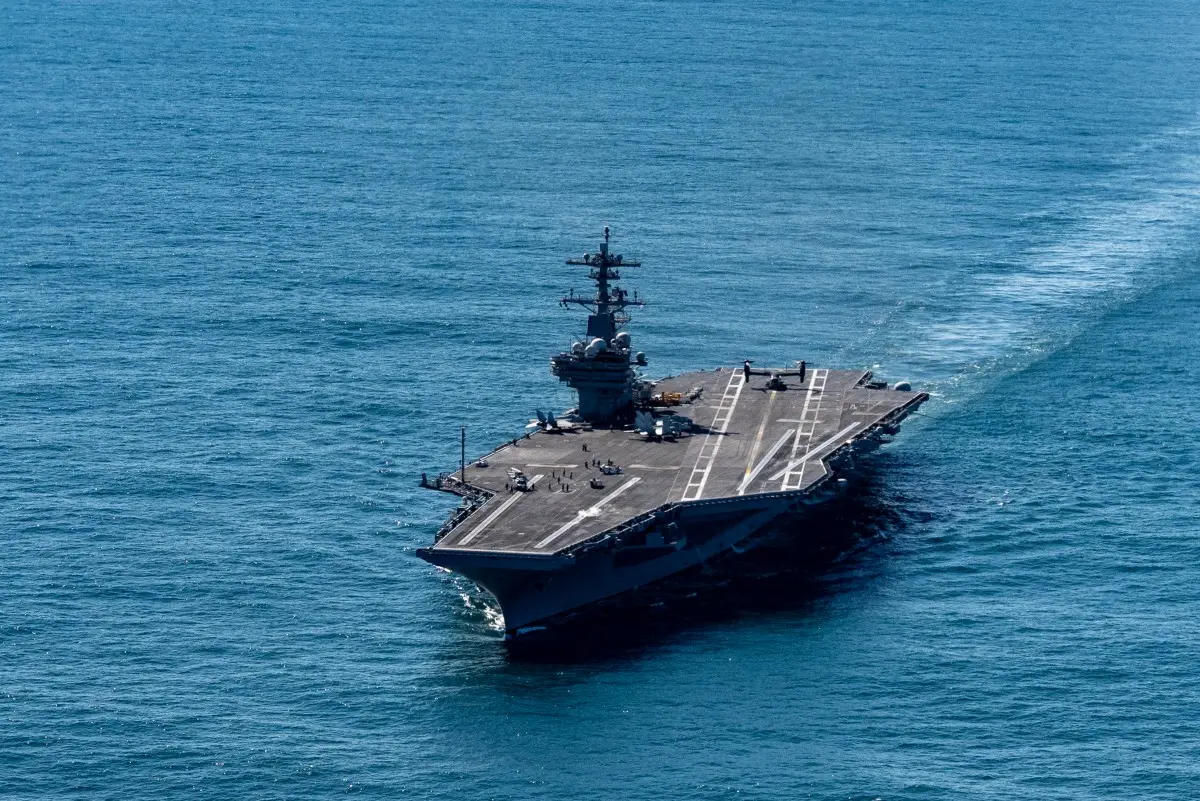
A Supercarrier at the Heart of Naval Power
The USS George H.W. Bush (CVN‑77) is the tenth and final Nimitz‑class nuclear‑powered aircraft carrier in the United States Navy and one of the largest warships ever built. Displacing approximately 1,01,000–104,000 tons fully loaded, the ship measures about 1,092 feet in overall length and can travel at speeds in excess of 30 knots.
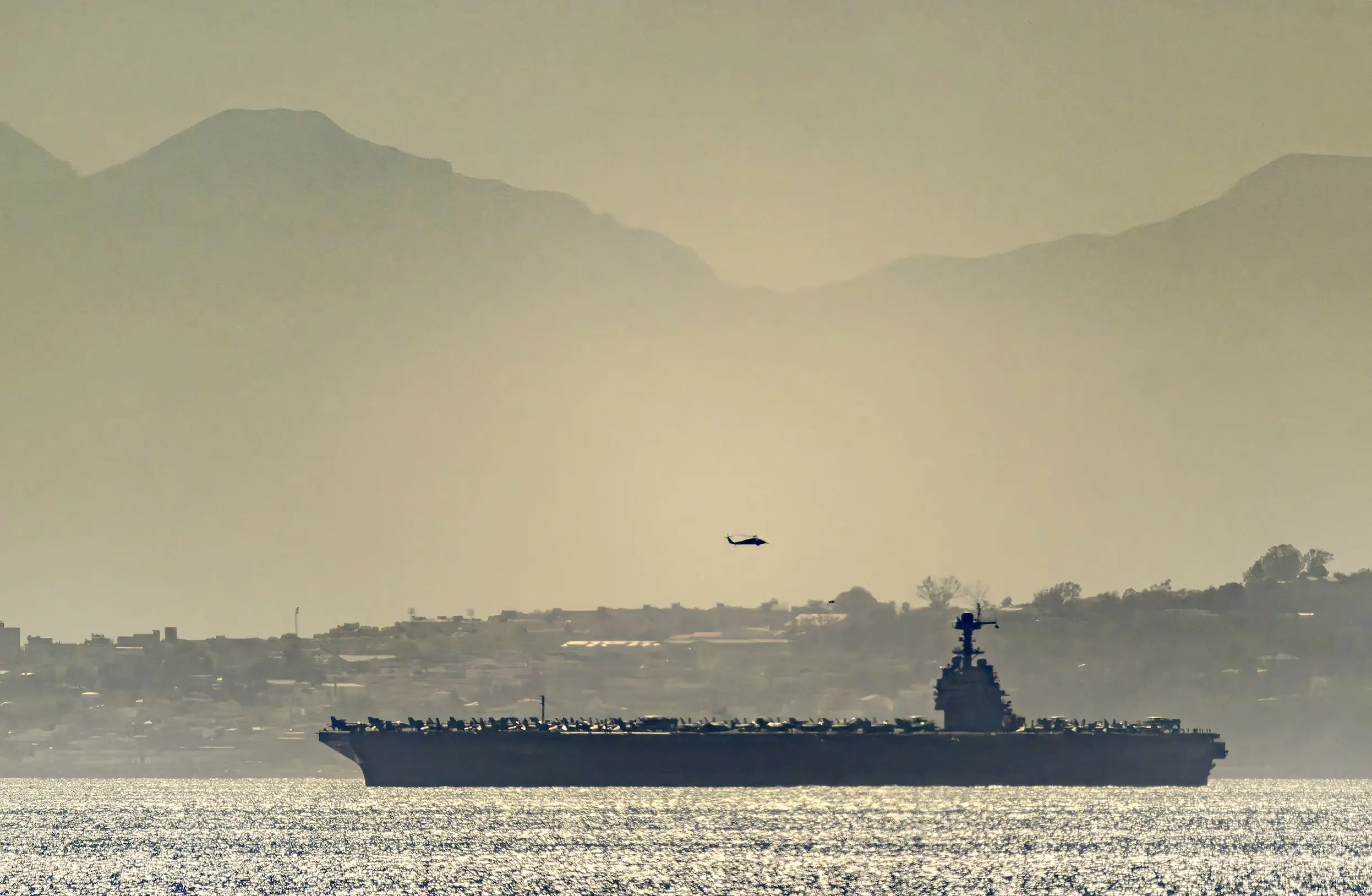
Power and propulsion
Powered by two Westinghouse A4W nuclear reactors and four steam turbines, it can operate at sea for extended periods without refuelling. The carrier is home‑ported at Naval Station Norfolk, Virginia, and supports a crew of several thousand sailors and aviation personnel.
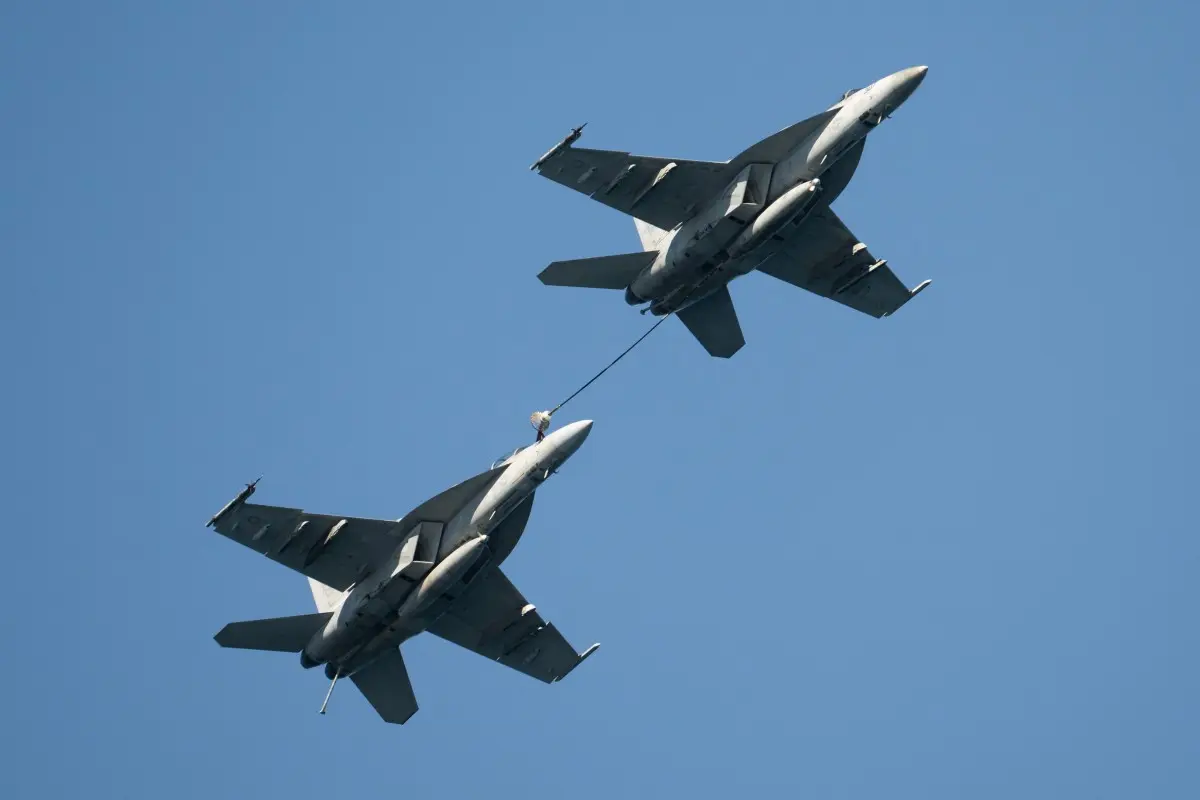
Fighter Jets and Fixed Wing Strength
The carrier can carry up to 90 fixed-wing aircraft and helicopters. Of the total air group, the fixed-wing component typically consists of a mix of strike-fighter jets and airborne support platforms. A common configuration includes fighter aircraft such as the F/A‑18 variants, airborne early warning aircraft, and electronic warfare jets, although the precise composition varies by deployment.
Helicopters and Other Aircraft
In addition to its fighters, USS George H.W. Bush regularly carries rotary‑wing aircraft for search, rescue and anti‑submarine roles. Combined with fixed‑wing aircraft, these helicopters contribute to the carrier’s overall versatility.
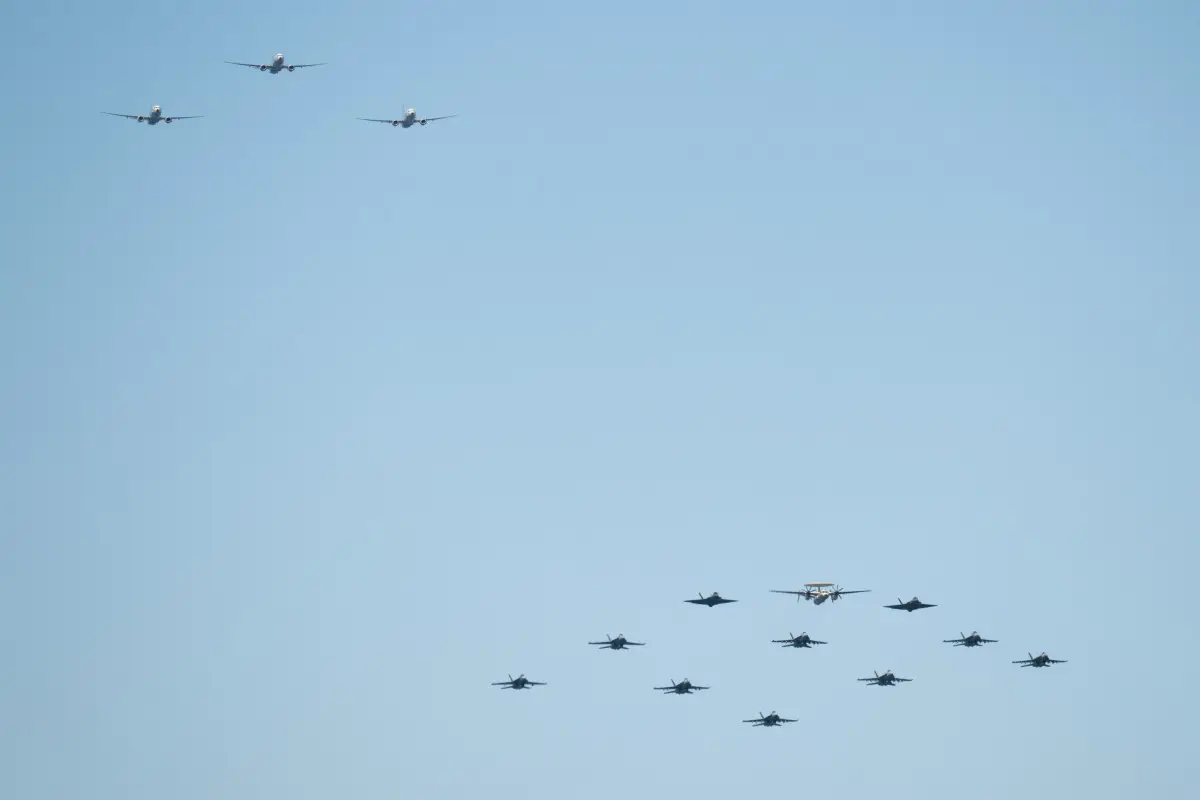
The mix of warplanes
The USS George H.W. Bush supports a diverse air wing, including F/A‑18 Super Hornet squadrons, an EA‑18G Growler squadron, an E‑2D Hawkeye squadron, MH‑60S and MH‑60R helicopter squadrons. Aircraft launch operations are highly efficient, with the carrier able to launch a plane every 20 seconds, supported by four deck-edge elevators that move large aircraft directly over the side of the ship.
Flight Deck and Sortie Rates
The carrier’s flight deck spans about 4.5 acres, allowing rapid launch and recovery of aircraft. With four steam catapults and arresting gear, the ship can launch aircraft at a fast pace, supporting high sortie rates in combat or deterrence missions.
)
)

)
)