Iran war: How did Strait of Hormuz become most dangerous waterway in the world for US & global shipping?

The warning came after US President Donald Trump signalled that American warships could protect commercial shipping as the war with Iran disrupted energy flows through the Gulf.
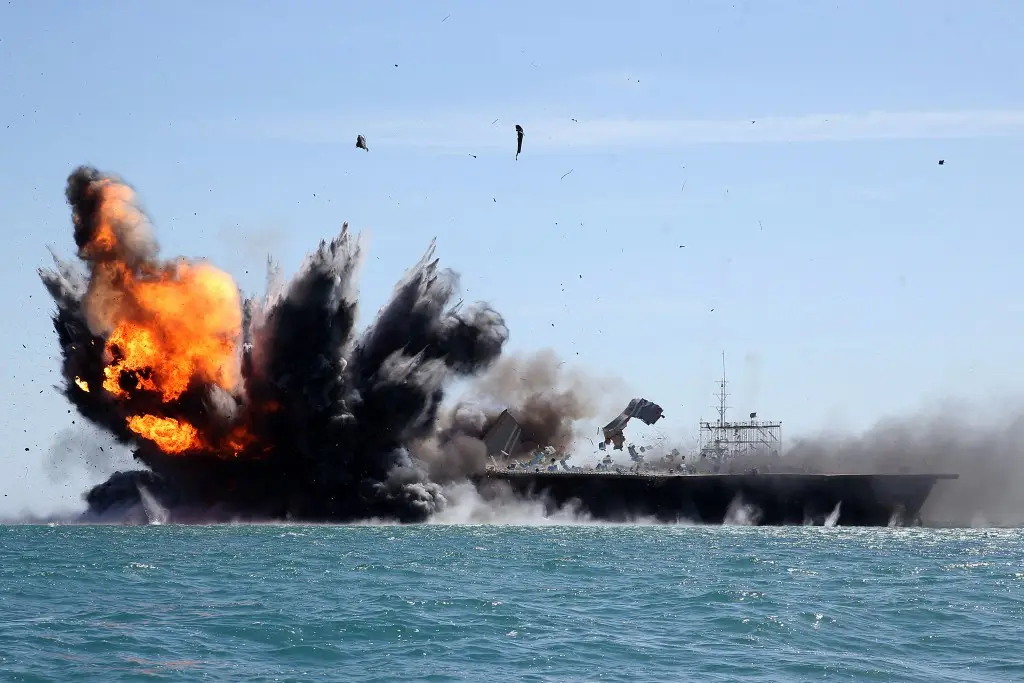
A War Warning at the World’s Oil Chokepoint
Iran’s Islamic Revolutionary Guard Corps has warned it is prepared to confront American naval forces in the Strait of Hormuz, raising tensions in one of the world’s most critical shipping corridors. A spokesman for the Guards said they were ‘waiting for their presence’ after Washington suggested that the US Navy could escort oil tankers through the strategic waterway. The warning followed remarks by US President Donald Trump indicating that American warships might be deployed to protect commercial shipping as the war with Iran disrupts energy flows through the Gulf. Tehran responded directly, with an IRGC spokesman challenging Washington to send its navy if it intends to guarantee safe passage for tankers through the strait.
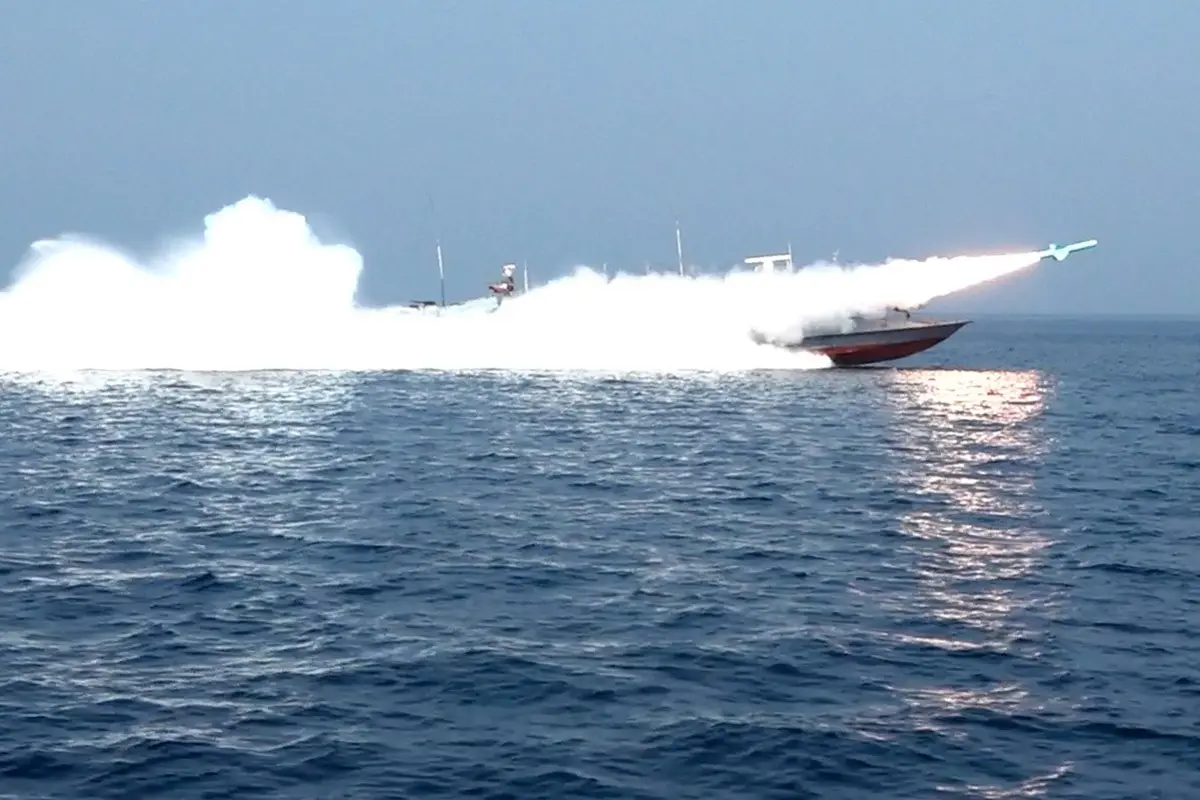
A Crisis Triggered by War
The confrontation follows the widening conflict between Iran, the United States and Israel. Conflict escalated after US–Israeli strikes on Iranian targets last weekend that killed Iran’s Supreme Leader, Ayatollah Ali Khamenei, along with hundreds of others. The attacks prompted Tehran to retaliate with missile and drone strikes across the region, targeting several Gulf countries and heightening fears of a broader regional war. In response, Iran’s Islamic Revolutionary Guard Corps warned ships against transiting the Strait of Hormuz and threatened to strike vessels linked to the United States and its allies.
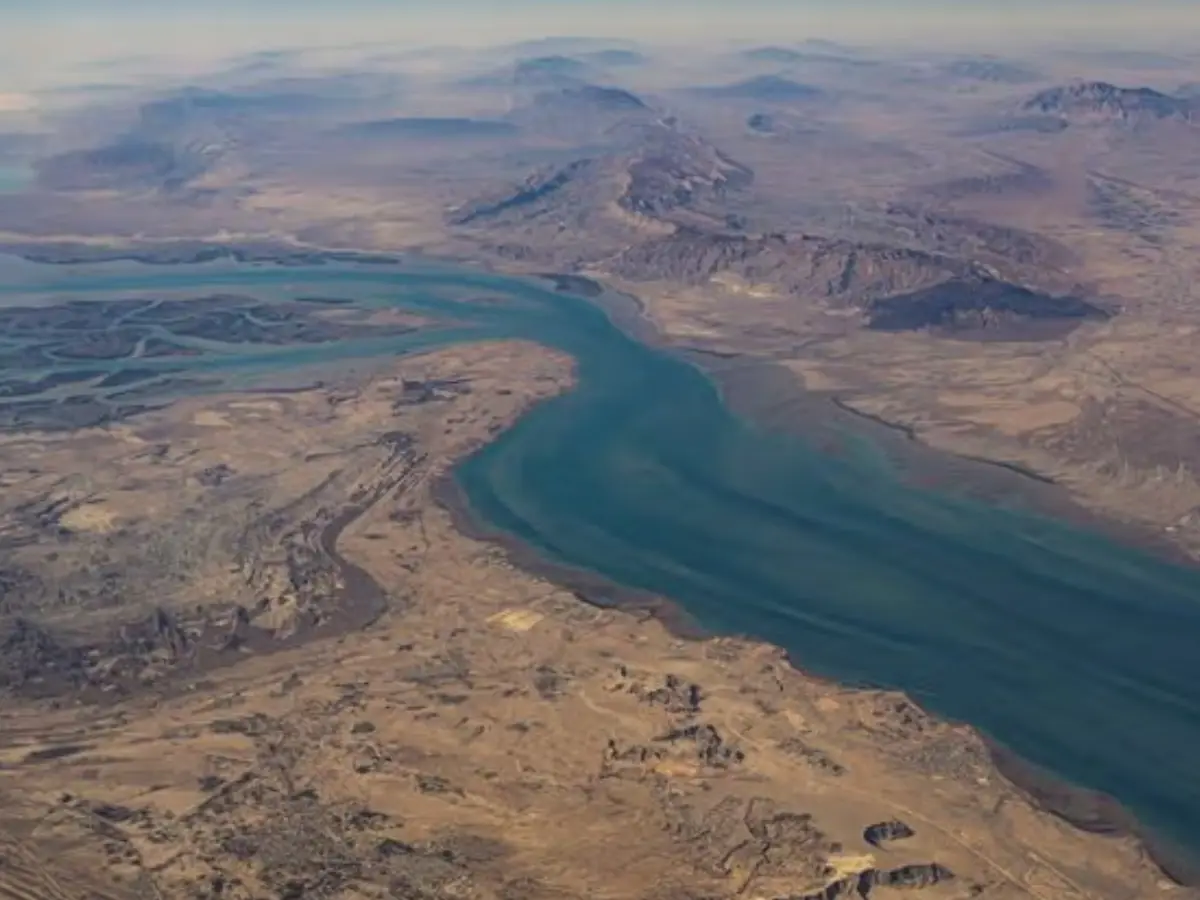
Why the Strait Matters
The Strait of Hormuz is the world’s most important energy chokepoint. Located between Iran and Oman, it connects the Persian Gulf with the Gulf of Oman and the Arabian Sea. Around a fifth of global oil supplies pass through the narrow corridor each day, along with large volumes of liquefied natural gas. At its narrowest, the waterway is only about 34 kilometres wide, with shipping lanes just a few kilometres across. Nearly 20 percent of the world's crude oil and about 20 percent of liquefied natural gas (LNG) usually transit through the Strait.
Iran’s Control Strategy
Iran’s military advantage lies in geography. The northern side of the strait runs close to its coastline, allowing the Revolutionary Guards Navy to deploy missiles, drones, naval mines and fast attack boats quickly against ships moving through the channel.
Shipping Brought to a Standstill
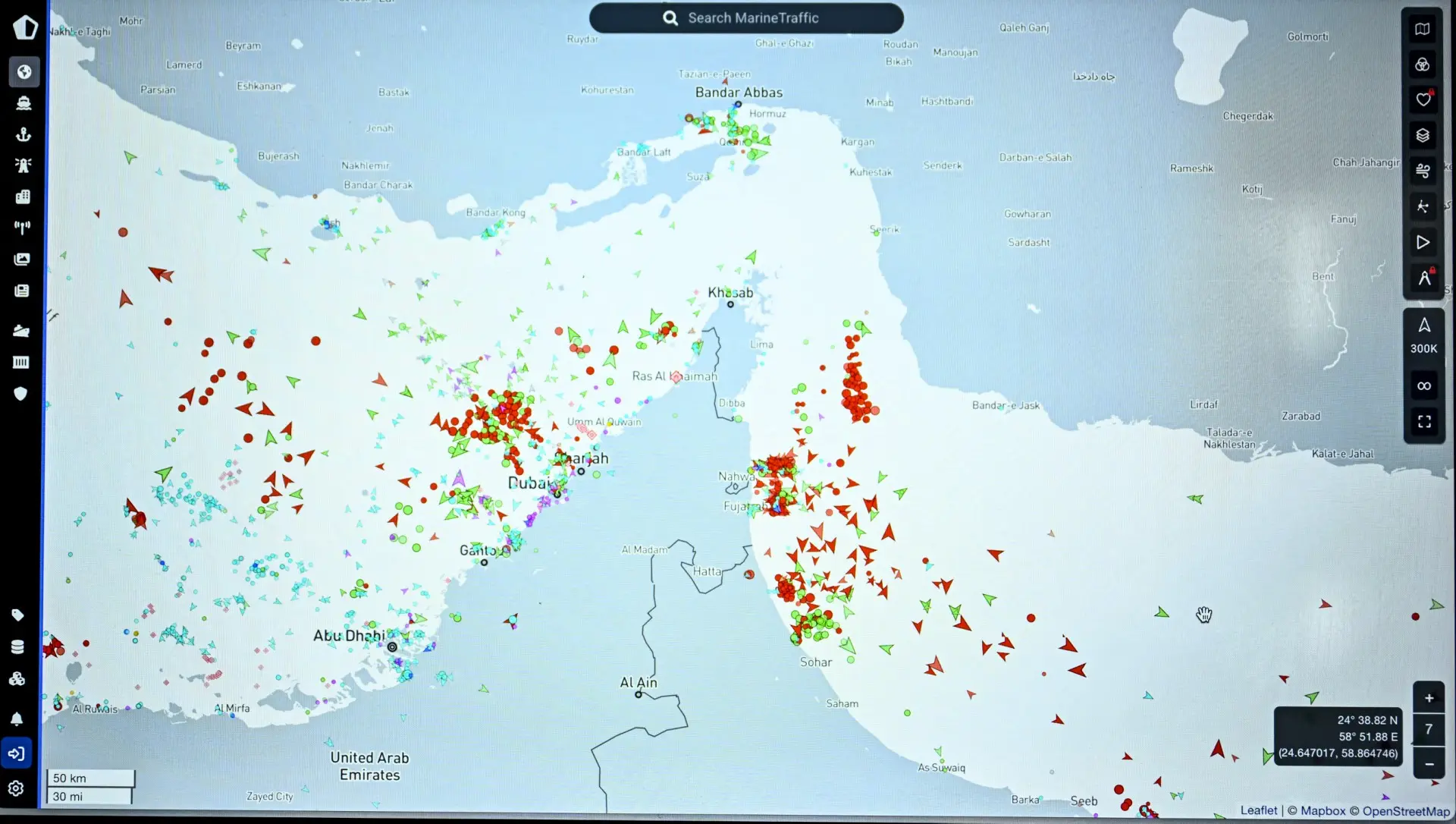
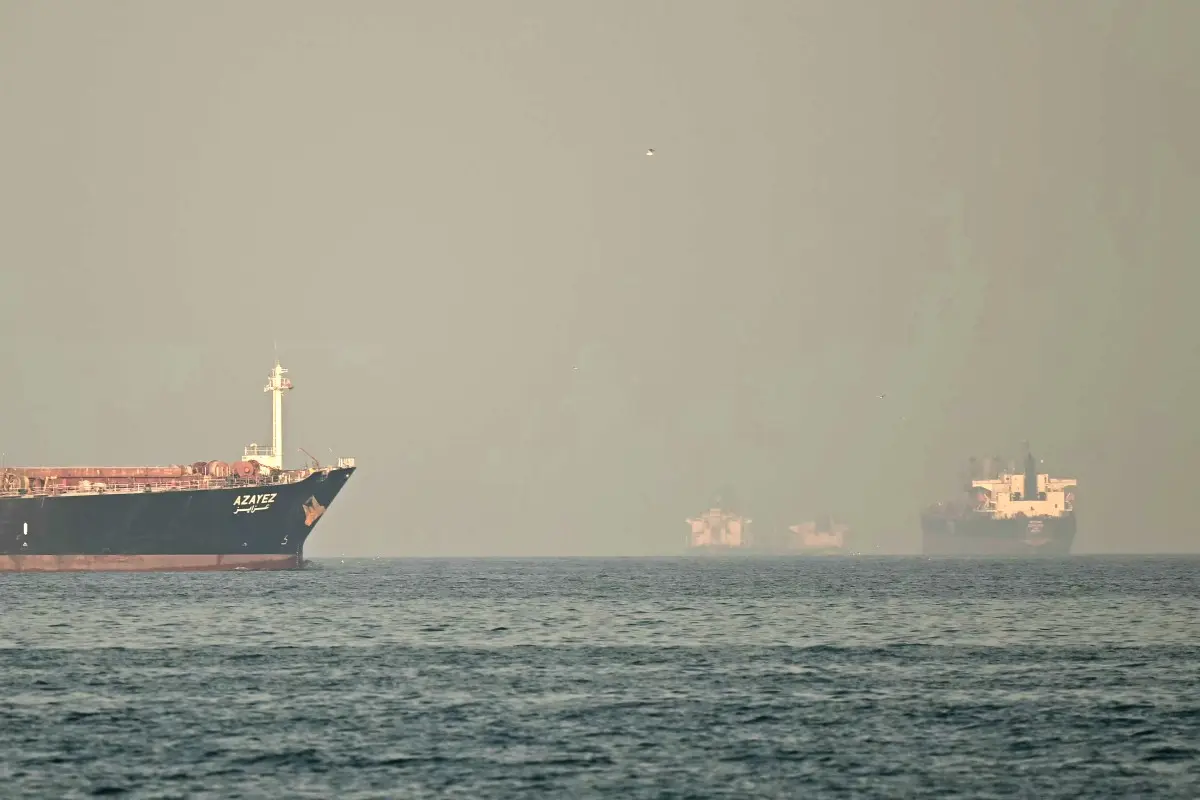
The warnings have had immediate consequences. Shipping companies and insurers have pulled back from the region, effectively paralysing traffic through the strait. Hundreds of vessels, including oil tankers, are now waiting in Gulf waters rather than risk entering the corridor.
Tankers and Sailors Trapped at Sea
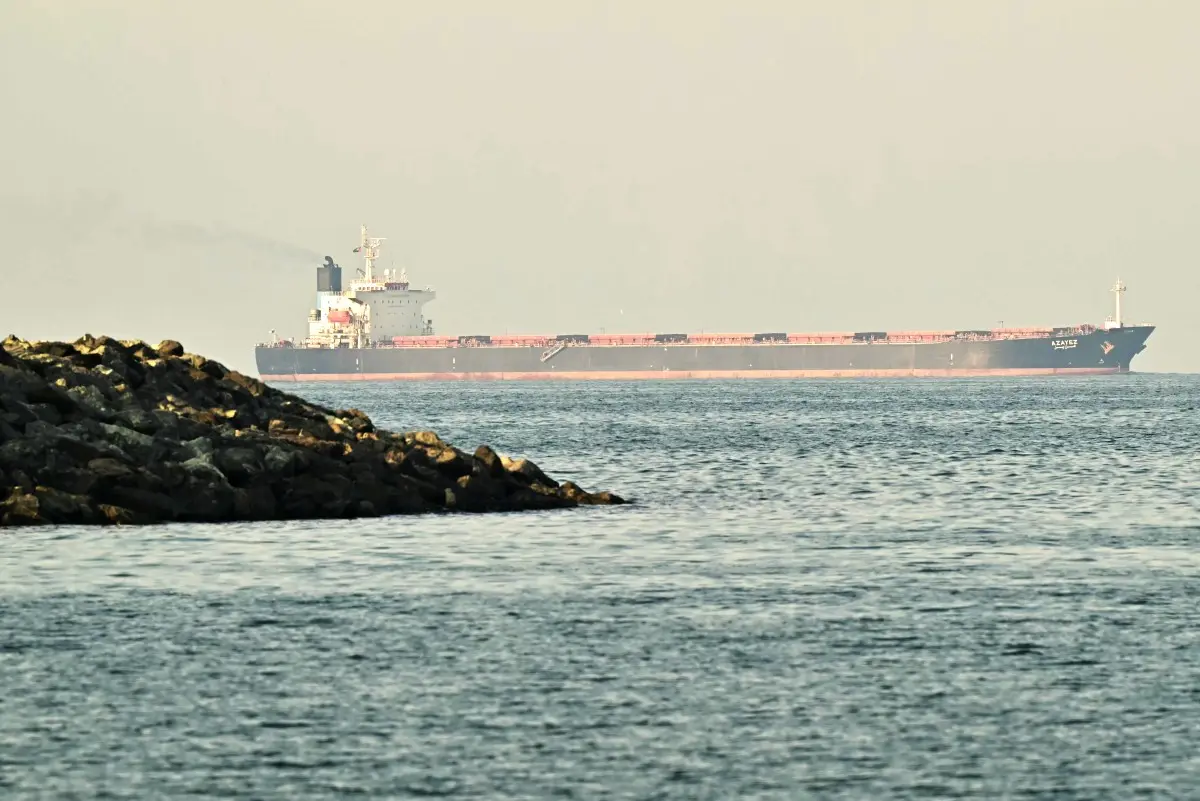
Today, Iran’s Islamic Revolutionary Guard Corps (IRGC) claimed it had attacked an oil tanker in the Persian Gulf near the Strait, underscoring the rising threat to shipping in the region. The Iranian military said the Strait remains open to navigation but warned that any US or Israeli ships attempting to pass through the waterway would be targeted. Iran’s deputy foreign minister has also warned European nations that they would become “legitimate targets” for Iranian retaliation if they join the United States and Israel in the conflict, raising concerns that the crisis could widen further.
A Waterway With Global Consequences
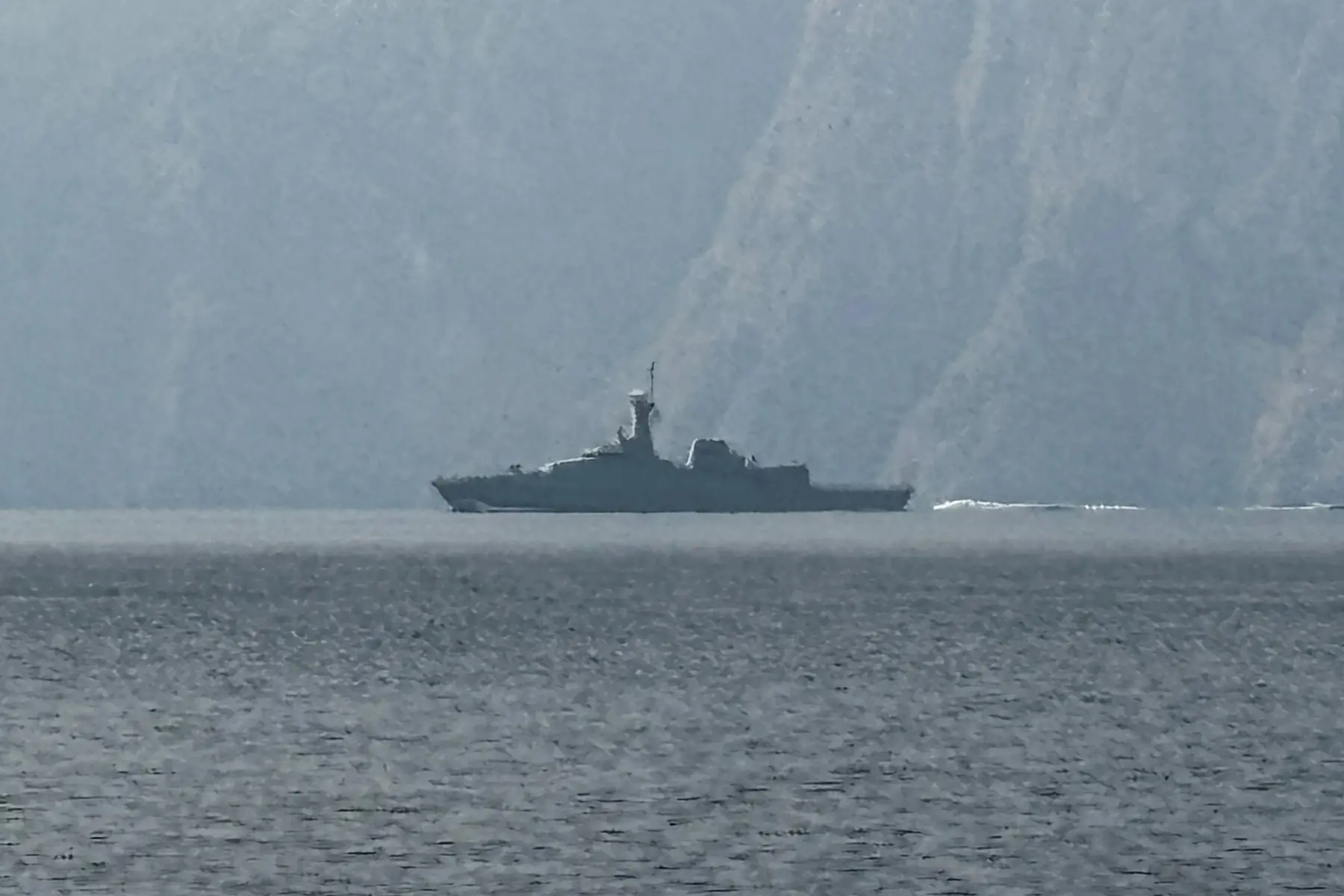
After three ships were attacked on Sunday, maritime traffic through the Strait of Hormuz has slowed sharply. At least three oil tankers and a vessel carrying gas have crossed the chokepoint since then, underscoring how a key global shipping lane has been disrupted by the war in the Middle East. Only vessels that emitted at least one tracking signal on either side of the strait were counted by AFP, excluding ships that may have travelled with their signals switched off for extended periods. Attacks on ships navigating the waterway have increased since Sunday, raising concerns about a prolonged impact on the global economy.
The importance
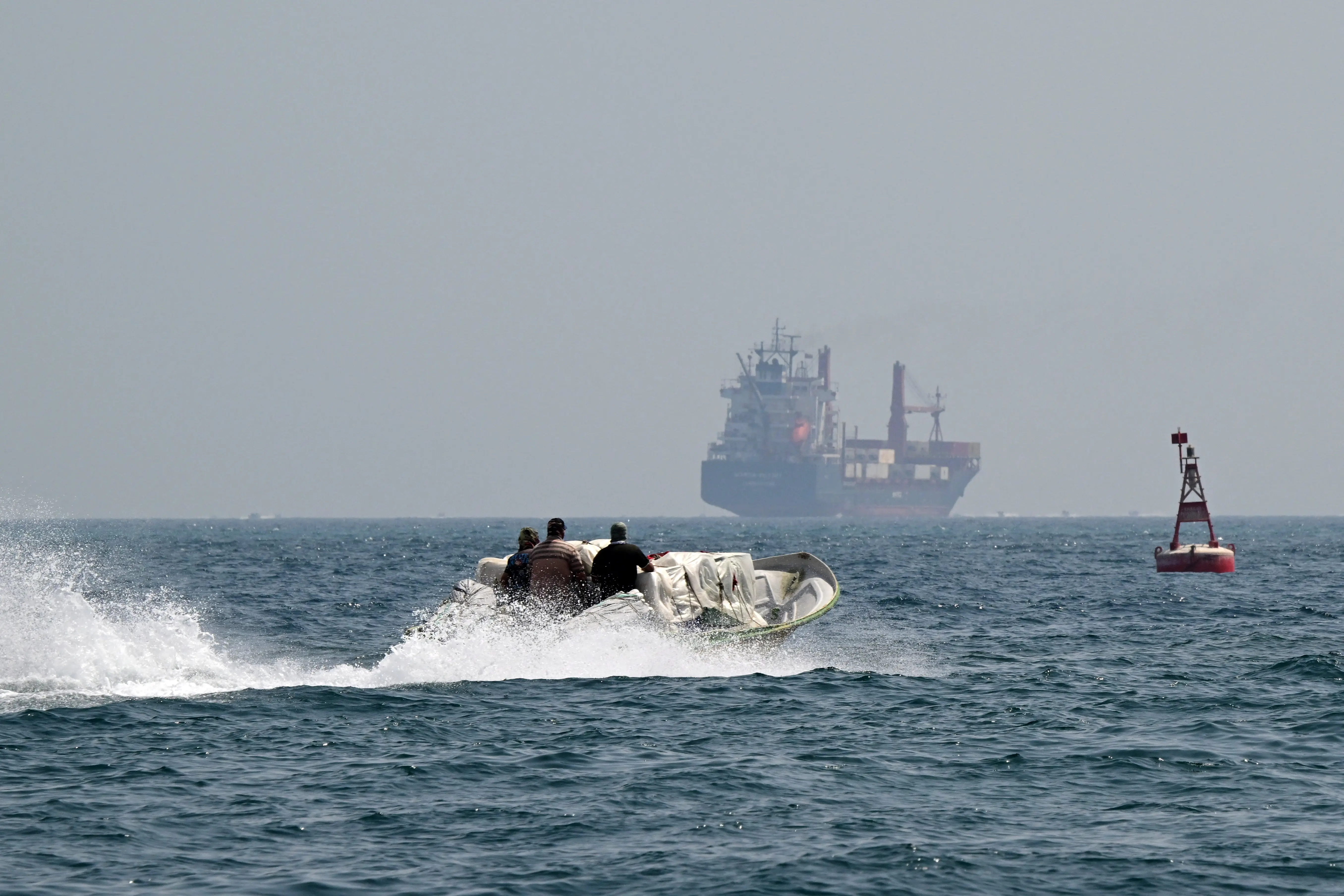
The standoff has turned the Strait of Hormuz into one of the most dangerous maritime corridors in the world. With Iran threatening ships and the United States considering naval escorts, the narrow passage has become a frontline of the wider war, and a critical pressure point for the global energy system.
)
)
)
)
)