Iran War: Could nuclear fallout reach India if US bombs Tehran's atomic sites?

Meteorologically, the paranoia is justified. The prevailing high-altitude wind currents in the region, the Westerlies, move from west to east.
1. The 'Doomsday' Fear is Real
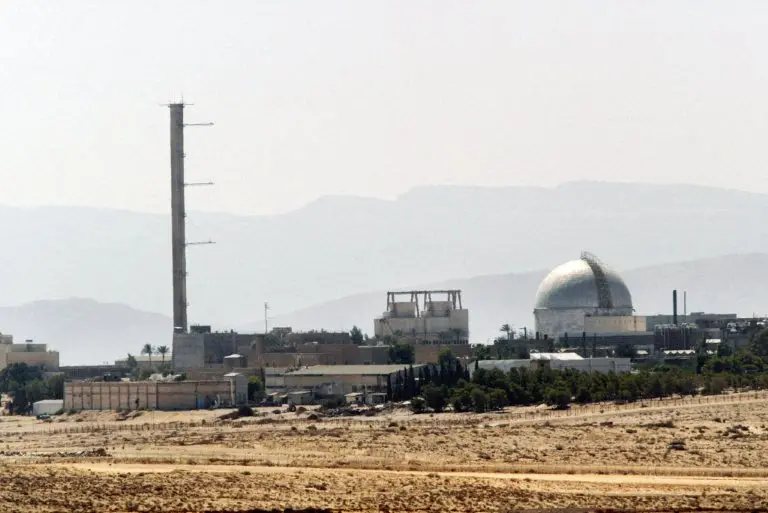
As US and Israeli jets systematically dismantle Iran's military, the ultimate red line remains Tehran's nuclear infrastructure. Facilities like Natanz and Fordow are buried deep underground. If the US deploys massive, 30,000-pound bunker-buster bombs to crack these facilities open, millions across South Asia are asking one terrifying question: Will the radioactive fallout blow into India?

2. The Wind Points Toward Delhi
Meteorologically, the paranoia is justified. The prevailing high-altitude wind currents in the region, the Westerlies, move from west to east. If a massive radiological plume is kicked up into the atmosphere over central Iran, the wind will naturally carry those atmospheric currents directly over Pakistan and straight into western Indian states like Gujarat, Rajasthan, and Punjab.
3. The 'Dirty Bomb' Reality
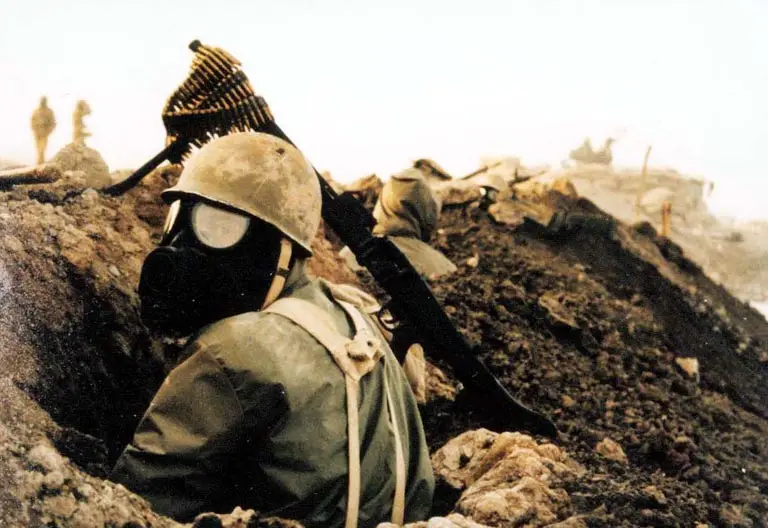
However, the science of the blast matters. Bombing a nuclear enrichment facility is not the same as dropping a nuclear bomb. There is no Hiroshima-style thermonuclear mushroom cloud that punches into the stratosphere. Instead, a bunker-buster strike would act like a massive "dirty bomb." It would pulverize the uranium centrifuges and blast a localized cloud of radioactive dust and toxic chemicals into the lower atmosphere.

4. The Shield of Distance
This is where geography saves the Indian subcontinent. India's western border is roughly 2,000 to 2,500 kilometres away from Iran's primary nuclear sites. While the wind would push the radiological dust east, the heavy, dangerous radioactive isotopes would drop out of the sky within a few hundred kilometres, mostly contaminating Iranian and Afghan territory. By the time the wind currents reached Indian airspace, the radiation would be severely diluted, posing virtually no direct threat of acute radiation sickness to Indian citizens.

5. The Bushehr Reactor: The Real Nightmare
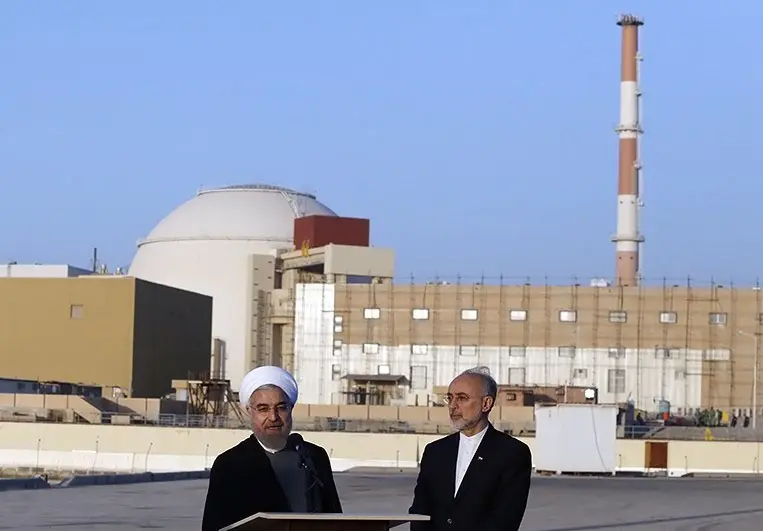
While India is safe from the airborne dust of Natanz, there is a secondary nuclear threat that could cause regional devastation. Iran operates a massive, active nuclear power plant at Bushehr, located right on the coast of the Persian Gulf. If this reactor is struck, either intentionally or accidentally, the resulting core meltdown wouldn't just poison the air; it would bleed catastrophic amounts of radiation directly into the sea.
6. Poisoning the Arabian Sea
A radioactive leak at Bushehr would be a regional apocalypse. The Persian Gulf flows directly into the Arabian Sea, washing up against India's western coastline. More immediately, the entire Middle East relies heavily on the Gulf for desalinated drinking water. A radioactive ocean would force Saudi Arabia, the UAE, and Qatar to shut down their water supplies instantly, triggering a humanitarian crisis that would directly endanger the 8 million Indian expats living in the Gulf.
7. The Final Verdict for India
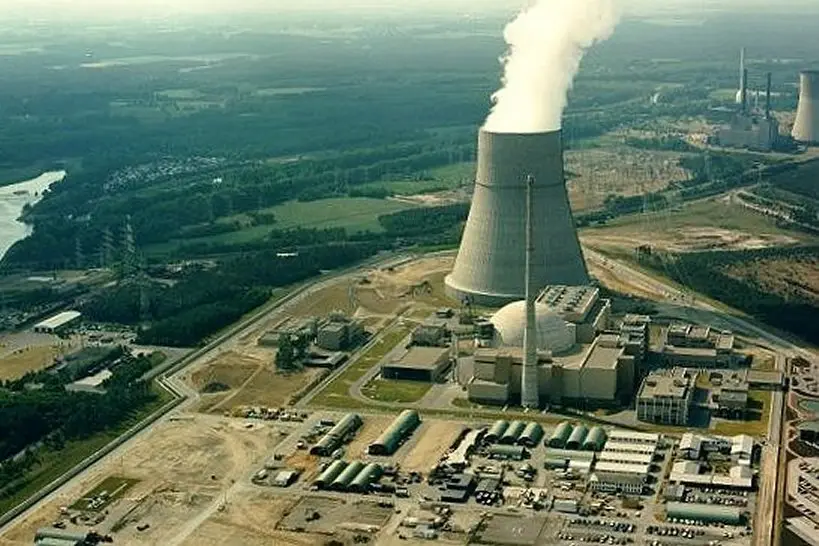
The bottom line? If the US and Israel obliterate Iran's nuclear sites tomorrow, Indians do not need to rush to fallout shelters or buy iodine pills. The physical distance is simply too great for lethal airborne radiation to survive the journey. However, the environmental and economic shockwaves, especially if the Persian Gulf is contaminated, would hit India's doorstep almost overnight.
)
)
)
)
)