Iran War: 7 ways gas shortage could break the global food supply

We saw this during the 2022 Ukraine war, and we will see it again now. Major agricultural producers will panic and instantly implement export bans on staples like wheat, rice, and sugar to protect their own domestic populations from inflation.
1. The 'Haber-Bosch' Paralysis (No Gas = No Fertilizer)
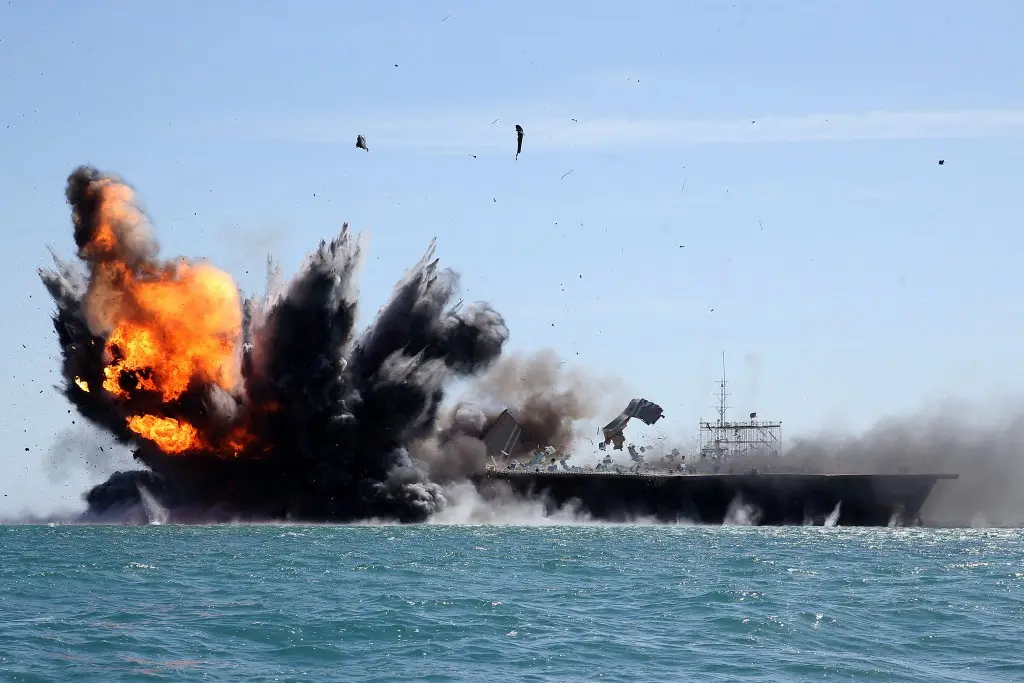
Natural gas isn't just used to generate electricity; it is the literal chemical feedstock for modern agriculture. Through the Haber-Bosch process, natural gas (methane) is used to synthesise ammonia, which is then turned into urea, the world's most critical nitrogen fertiliser. Roughly 80% of the cost of producing nitrogen fertiliser is just the cost of natural gas. If gas supplies are choked off, fertiliser production stops. Without synthetic nitrogen, global harvests of wheat, maize, and rice will plummet drastically, threatening to leave a fraction of the global population without enough food.
2. The Strait of Hormuz Chokepoint
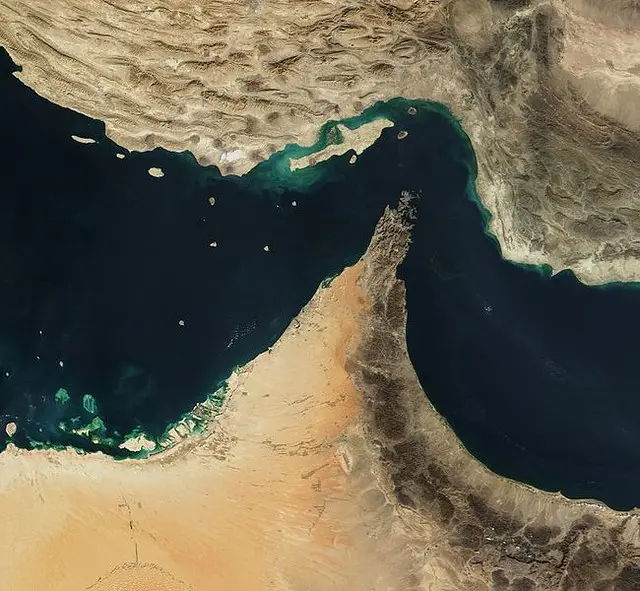
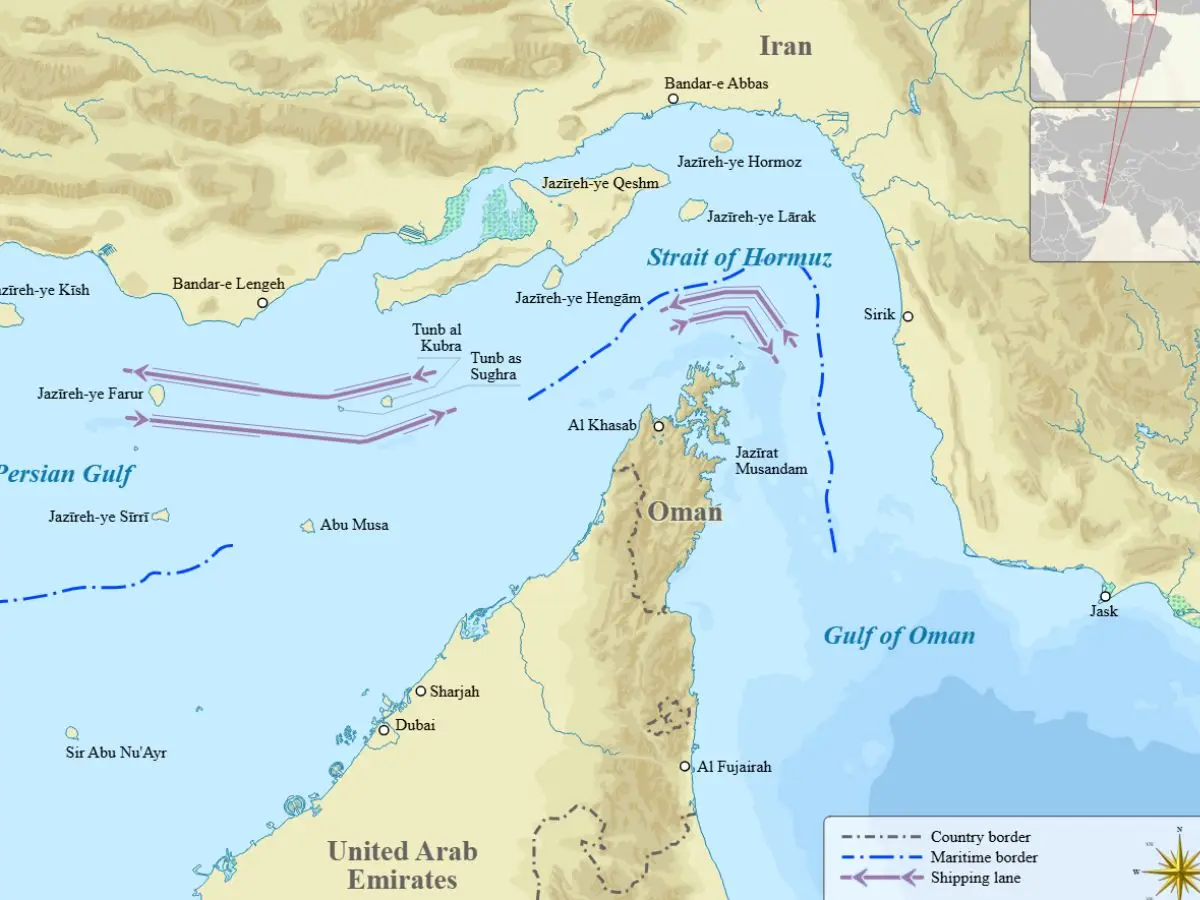
The Strait of Hormuz is famous for oil, but it is also a massive agricultural artery. Approximately 20% of global liquefied natural gas (LNG) and a staggering 30% of the world's fertilizer exports pass through this narrow waterway. Major producers like Qatar, Saudi Arabia, and the UAE rely on this route to ship urea and ammonia to the world. With the strait effectively closed due to IRGC threats and military strikes, these vital crop nutrients are trapped in the Persian Gulf.
3. The 'Spring Planting' Timebomb
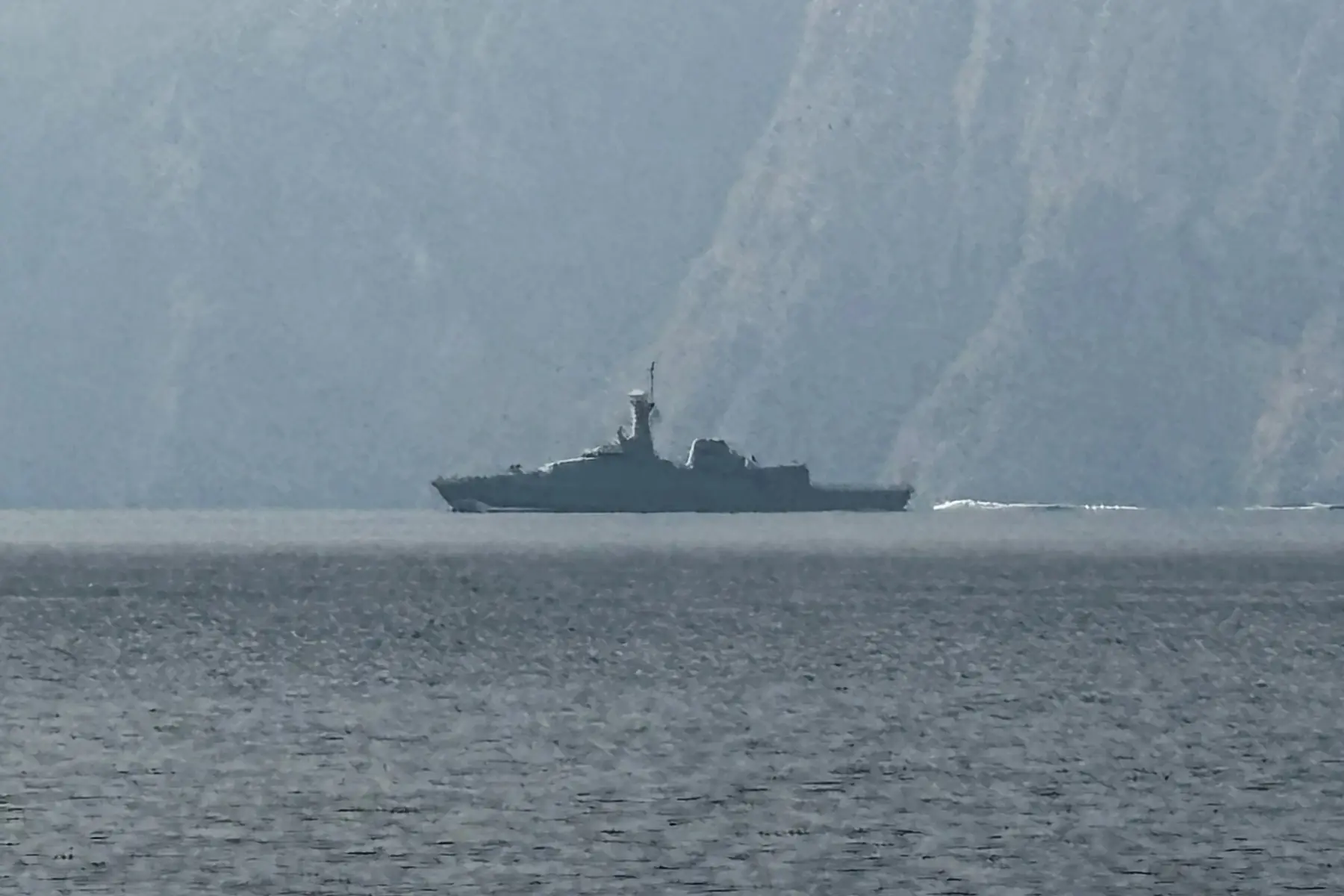
This war has erupted at the absolute worst possible moment for global agriculture. Right now, farmers across the Northern Hemisphere are preparing for the critical spring planting season. This is the exact window when global demand for nitrogen fertiliser peaks. Unlike crude oil, there is no "Strategic Fertiliser Reserve" that governments can tap into. If shipments are delayed by even a few weeks, farmers will be forced to apply less fertilizer or switch to lower-yield crops. The result will be a devastating, irreversible drop in the autumn harvest.
4. The Meat and Dairy Squeeze
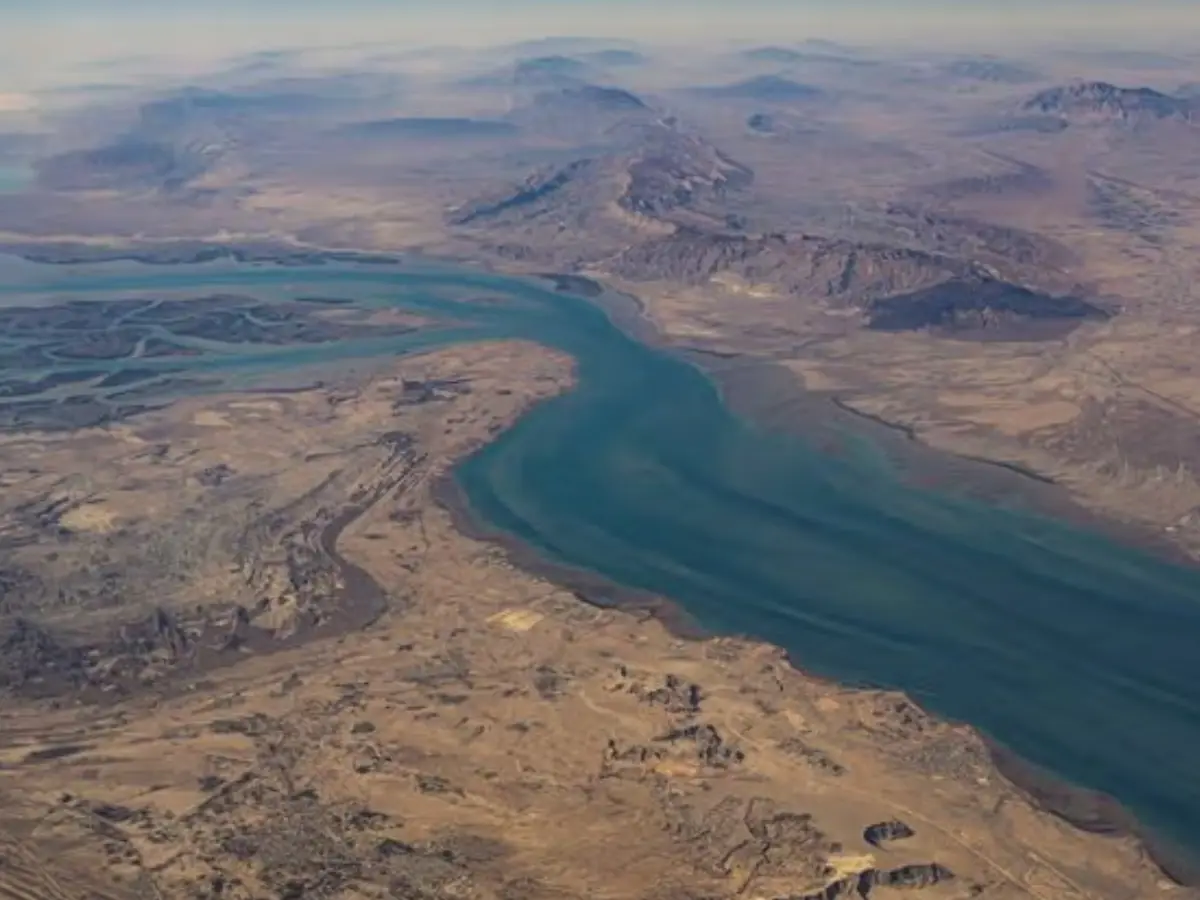
The food crisis won't just affect vegetarians. When a lack of fertiliser causes grain and oilseed yields to drop, the cost of animal feed (like corn and soybean meal) skyrockets. Livestock producers operate on razor-thin margins. As feed becomes prohibitively expensive, the cost of producing poultry, pork, beef, dairy, and eggs will surge globally. A fertilizer shock inevitably mutates into a massive meat inflation crisis a few months down the line.
5. India's 'Kharif' Season Threat
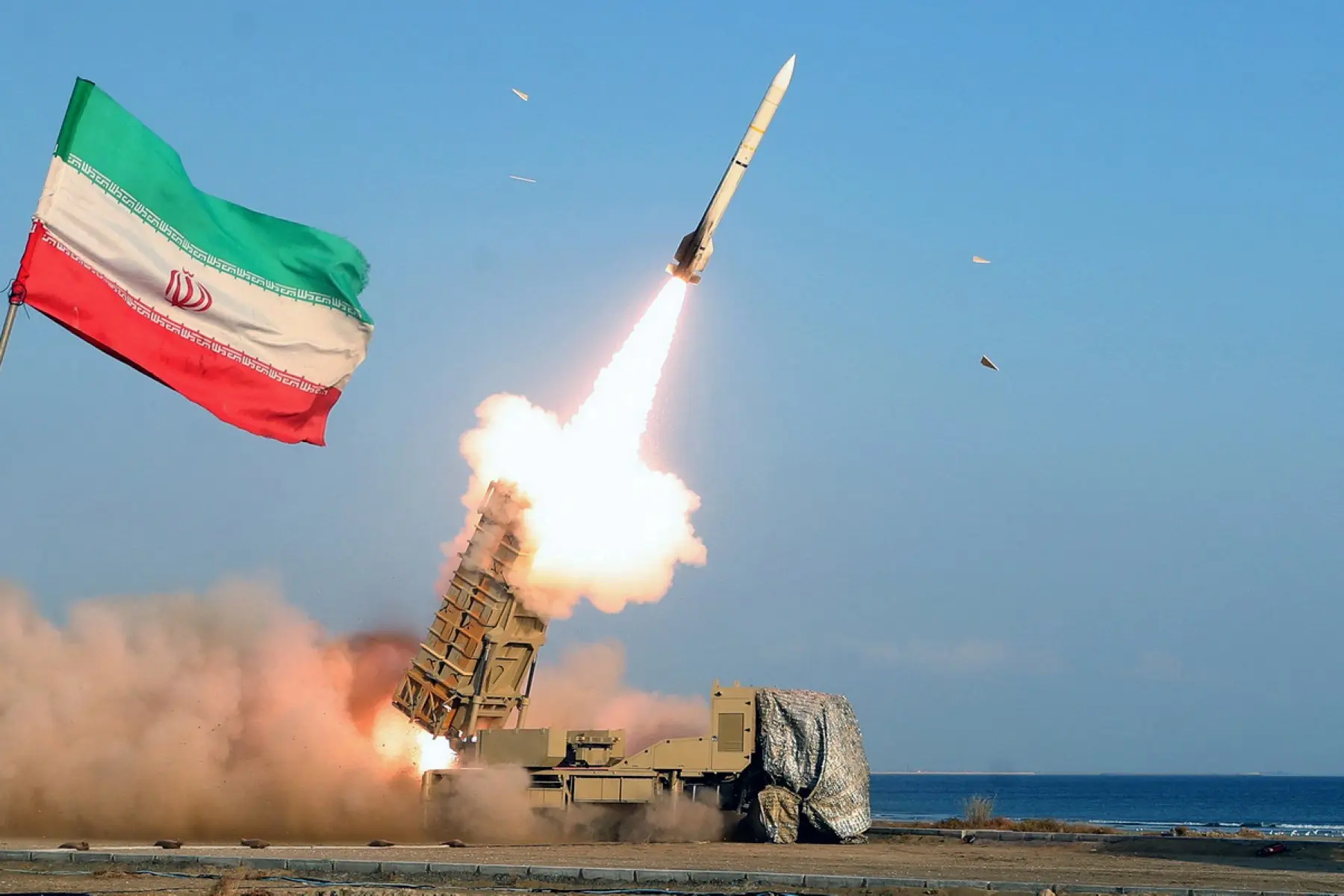
For India, the timing of this LNG and fertiliser squeeze is a direct national security threat. India imports roughly 60% of the LNG used by its domestic urea manufacturing plants, largely from Qatar. If these plants cannot secure affordable gas, domestic urea production will crash right before the crucial Kharif (monsoon) planting season, which accounts for more than half of India's food grain production including rice and sugarcane. This would place an unbearable financial burden on the government's fertiliser subsidy budget.

6. The Collapse of the Cold Chain
Even the food that successfully grows will struggle to survive the journey to the supermarket. The global food supply relies on a massive, energy-intensive “cold chain” gigantic refrigerated warehouses, freezing facilities, and temperature-controlled cargo ships. As LNG prices spike globally due to the Gulf disruptions, the cost of powering these commercial refrigeration systems will become unsustainable. This risks a massive increase in global food spoilage and waste before the products even reach the consumer.
7. The Panic of 'Geopolitical Hoarding'
As crop yields drop and food prices spike, the global reaction will not be cooperation; it will be protectionism. We saw this during the 2022 Ukraine war, and we will see it again now. Major agricultural producers will panic and instantly implement export bans on staples like wheat, rice, and sugar to protect their own domestic populations from inflation. This geopolitical hoarding will trigger a cascade of starvation and unrest in import-dependent nations, particularly across sub-Saharan Africa and the poorer regions of the Global South.
)
)
)
)
)