Iran vs the Middle East: How many states actually rank among the world’s top arms exporters?

Amid continuing regional tensions, including renewed US‑Iran-Israel friction in the Gulf, Iran’s role as an exporter remains limited, even as Middle Eastern demand for military hardware drives significant import activity.
Iran’s Position in a Shifting Arms Market
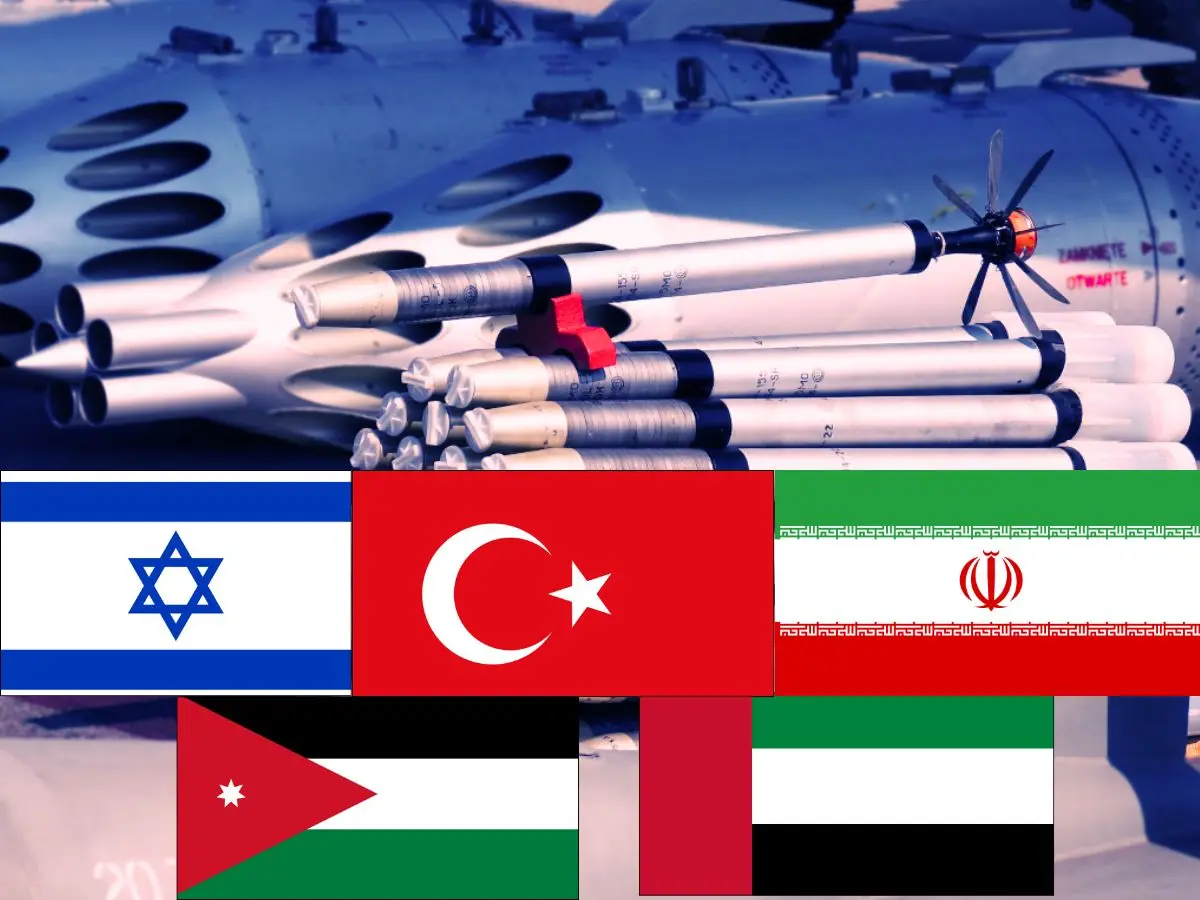
The 2025 Stockholm International Peace Research Institute (SIPRI) data places Iran well down the list of global arms exporters, accounting for just 0.4 per cent of worldwide exports between 2020 and 2024 and ranking 18th overall. By contrast, major powers such as the United States and France dominate the market. Amid continuing regional tensions, including renewed US‑Iran-Israel friction in the Gulf, Iran’s role as an exporter remains limited, even as Middle Eastern demand for military hardware drives significant import activity. Here is a list of Middle-Eastern countries that featured in the list:
Global Export Rankings
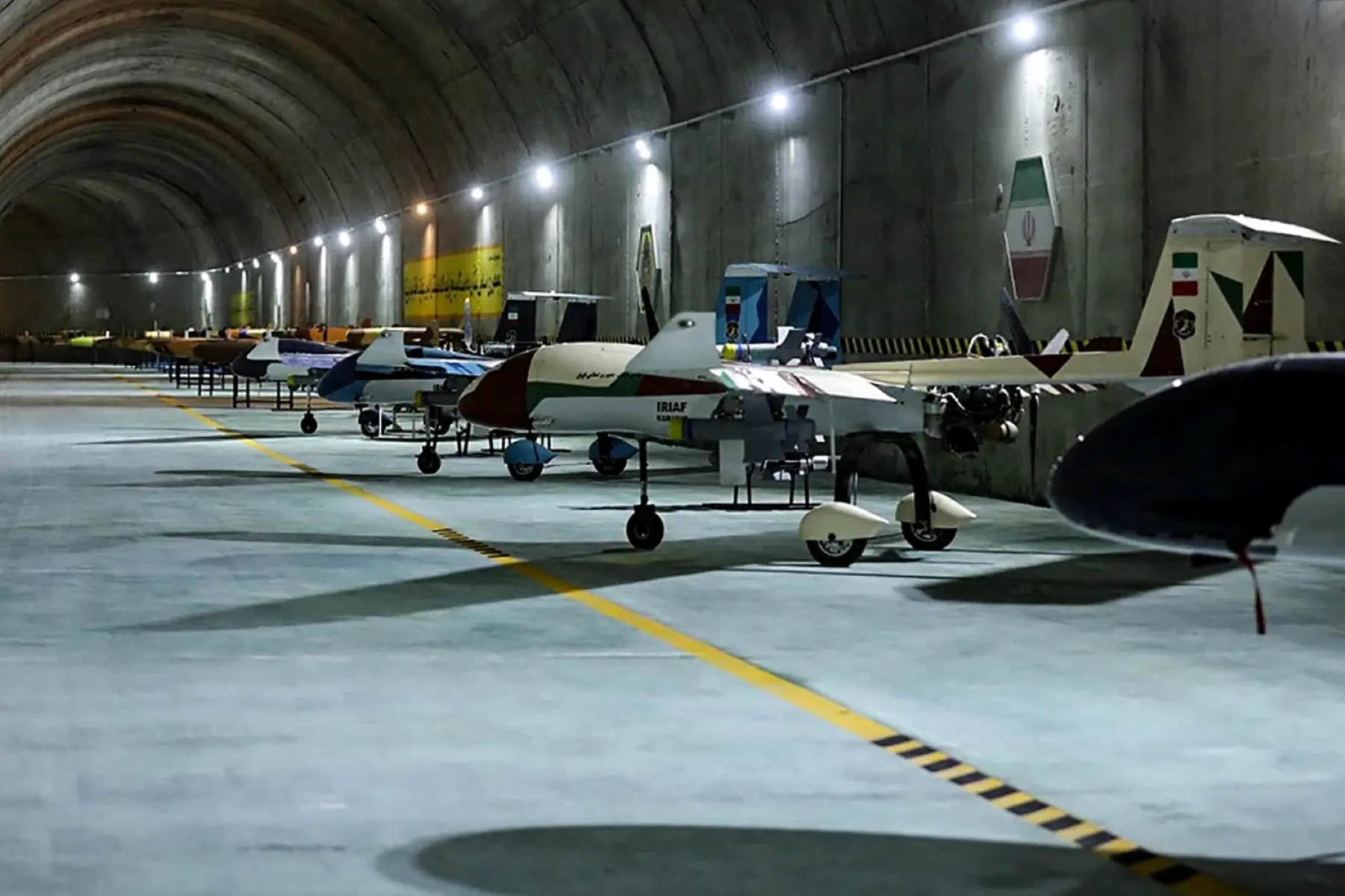
In SIPRI’s most recent fact sheet, the United States alone accounted for 43 per cent of global arms exports, with France, Russia and China following.
Iran’s Modest Share in the Global Market
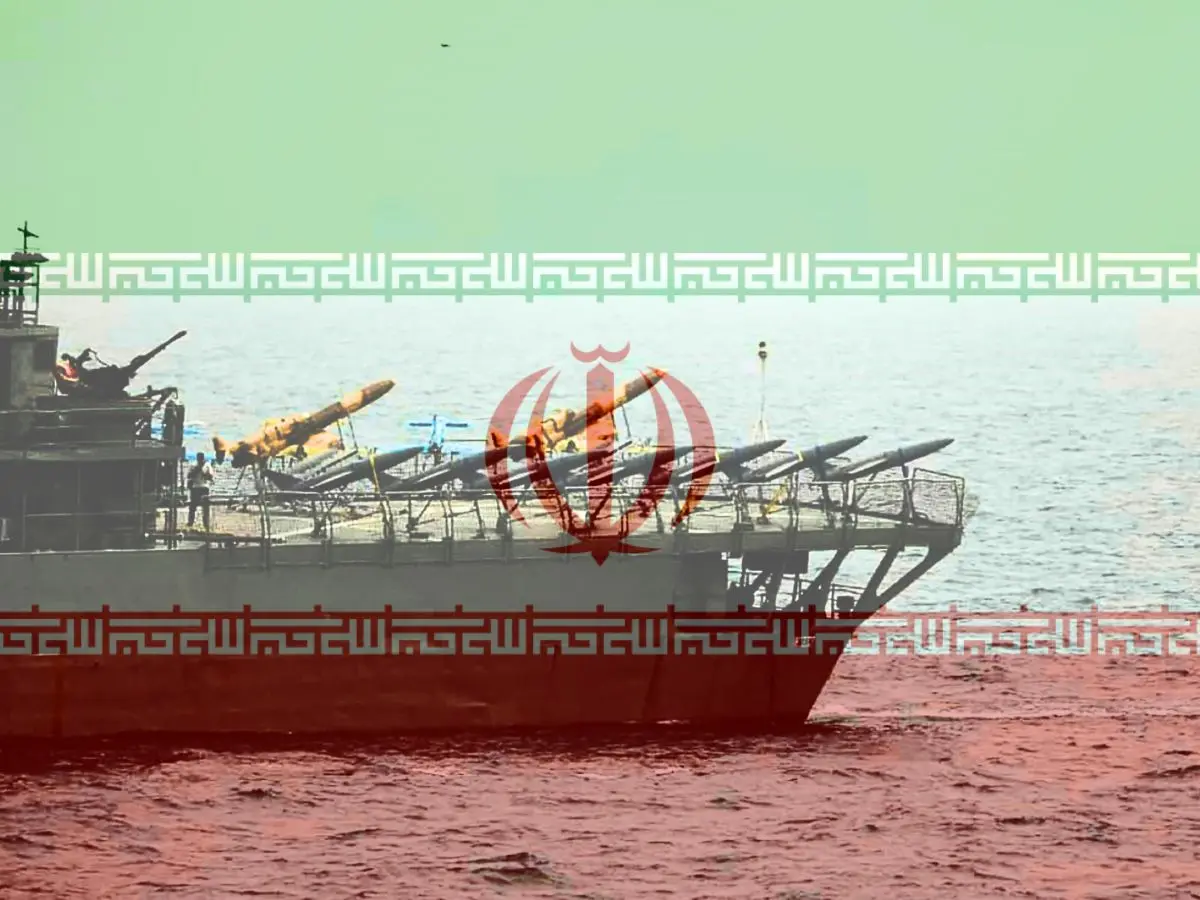
According to the Stockholm International Peace Research Institute (SIPRI), Iran accounted for just 0.4 per cent of global arms exports between 2020 and 2024, ranking 18th among the world’s top 25 exporters. Despite its low share, Tehran’s export profile is shaped by regional geopolitics, strategic partnerships and restrictions from sanctions regimes that constrain broad market access.
Israel
Israel stands out in the Middle East as world's eighth largest global arms exporter, with a 3.1 per cent share of worldwide exports in 2020–24. Israel’s defence industry has maintained relatively steady export levels, supplying advanced systems and technology to a variety of markets, particularly in Asia and Europe. The largest single importer of Israeli arms was India (34 per cent), followed by the USA (13 per cent) and the Philippines (8.1 per cent). Half of Israel’s exports went to states in Asia and Oceania, while another 27 per cent went to European states. This places it significantly ahead of Iran’s export capacity in both volume and diversity.
Turkey
Türkiye has emerged as another Middle Eastern exporter, ranked 11th globally with a 1.7 per cent share of major arms exports. Between 2015–19 and 2020–24, Turkish exports grew by 103 per cent, reflecting Ankara’s investment in indigenous defence production and expanding market reach. Türkiye’s export footprint well exceeds Iran’s in both growth rate and global engagement. Turkey exports arms around the world, with 33 per cent going to its Middle Eastern neighbours and another 32 per cent to states in Asia and Oceania in 2020–24. In addition, Türkiye’s exports to Europe grew by 469 per cent and those to Africa by 296 per cent between 2015–19 and 2020–24. The growth in exports to Europe was primarily due to transfers to Ukraine +1460 per cent, says SIPRI.
United Arab Emirates
Iran ranks above the United Arab Emirates in global arms exports, with Tehran accounting for 0.4 per cent of total exports compared with the UAE’s 0.3 per cent, placing the latter 21st in the global ranking. Despite its relatively small share, the UAE’s defence industry is developing steadily, with a significant portion of its exports directed to Jordan, which receives around 28 per cent, followed by Canada at 20 per cent and Egypt.
Jordan
Jordan also features in the top 25, ranked 23rd with around 0.3 per cent of global exports. Like the UAE, Jordan’s role is limited compared with regional heavyweights, but it still surpasses or matches Iran’s share in specific categories, often through niche systems and collaboration with Western partners. The country’s largest buyers include Ukraine, which accounts for 51 per cent of Jordanian exports, followed by the United States at 43 per cent and Austria at 2 per cent.
Other Middle Eastern Exporters Outside the Top 25
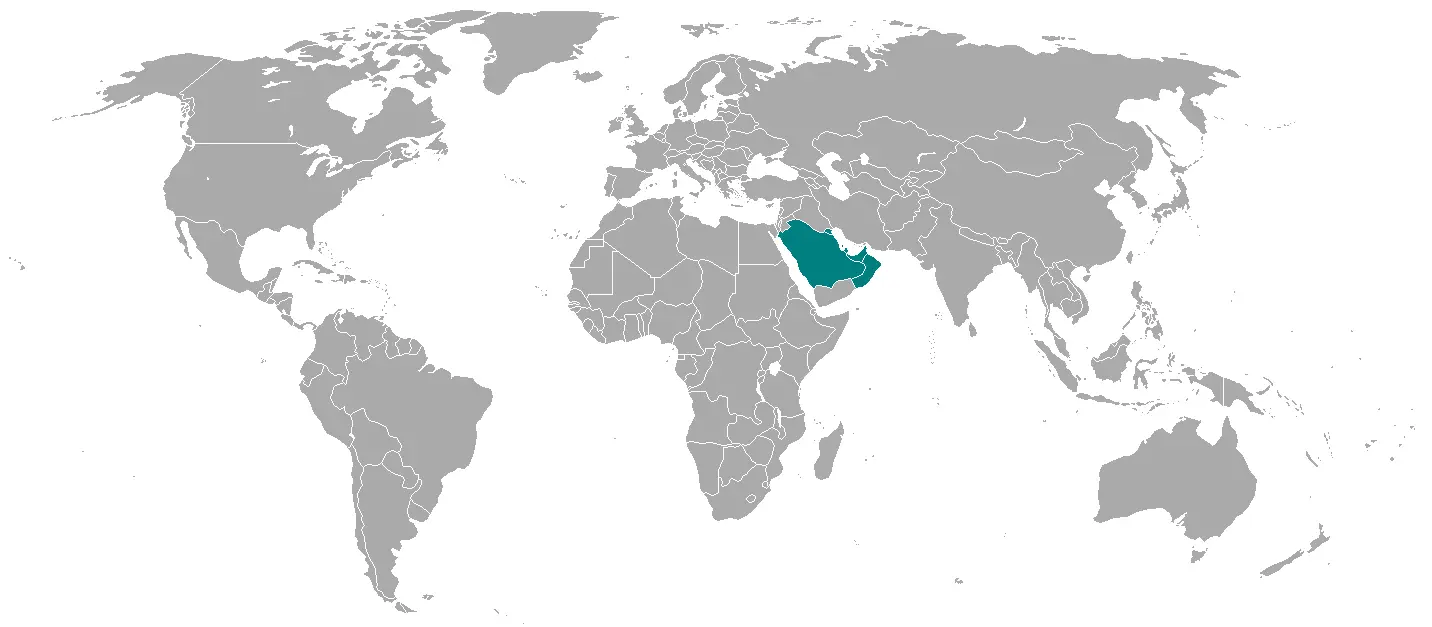
Most Gulf Cooperation Council (GCC) states, including Saudi Arabia, Qatar and Kuwait, are not among the top 25 global arms exporters and remain major importers. SIPRI data shows Qatar, Saudi Arabia, Egypt and Kuwait ranked in the top ten global arms importers between 2020 and 2024. Iran, by contrast, accounted for just 0.2 per cent of MENA arms imports. Following US and UN embargoes in the mid-2000s, Iran has relied primarily on Russia and China, alongside domestic production of missiles and UAVs. In 2020–24, Russia was Iran’s sole supplier, providing air-defence systems, missiles, aircraft and sensors.
)
)
)
)
)