Iran‑Venezuela drone network: How Caracas built indigenous UAVs on Iranian designs

The partnership has strengthened in recent years: both nations are oil producers under heavy Western sanctions, and Iran-aligned proxies such as Hezbollah are reportedly active in Venezuela, establishing a strategic foothold in the Western Hemisphere.

A Strategic Military Partnership
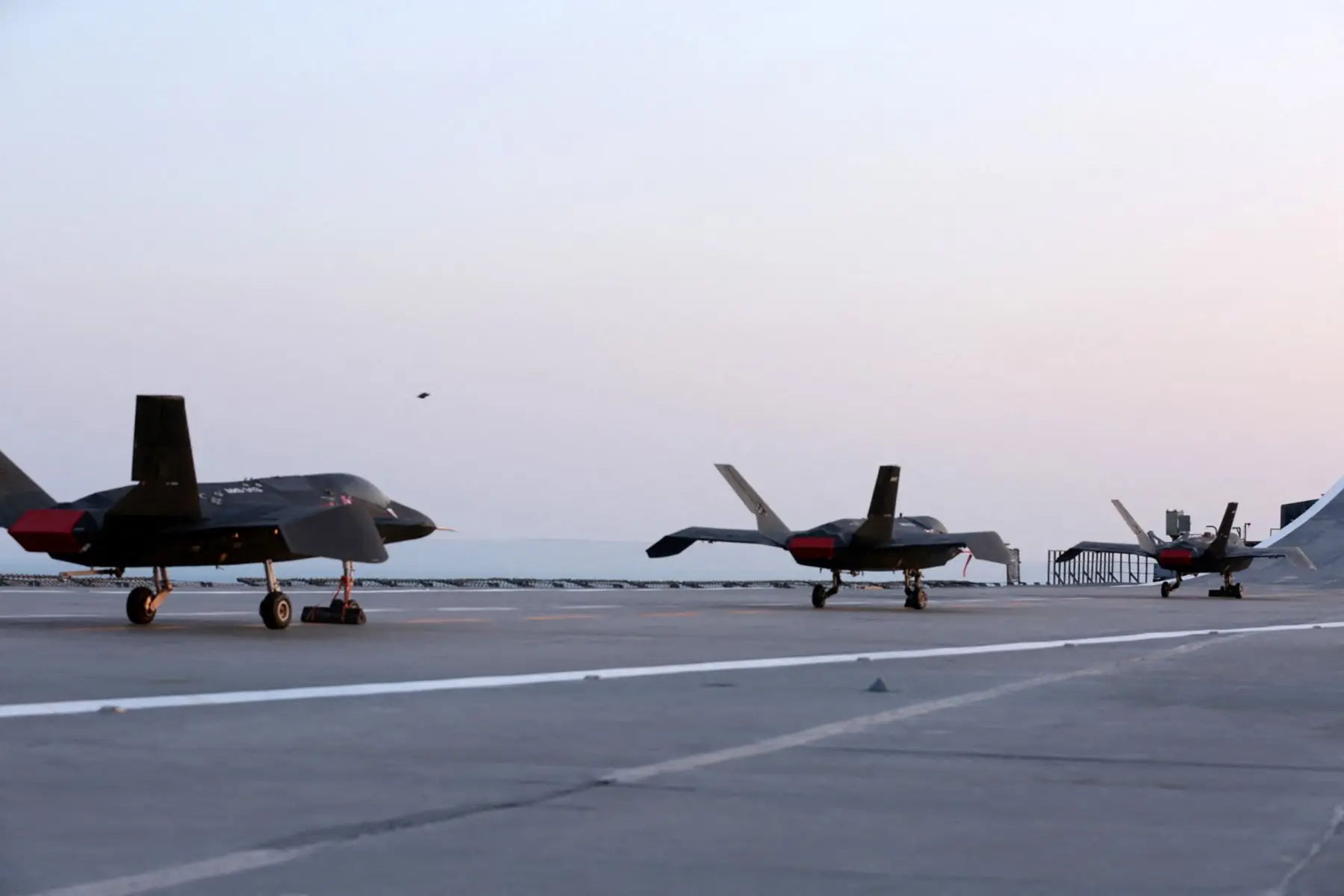
Iran and Venezuela have maintained military cooperation on unmanned aerial vehicles (UAVs) for nearly two decades, centred on Iranian-designed Mohajer drones that Caracas assembles and operates domestically. Since 2006, Tehran has supplied Mohajer-series UAVs produced by Iran’s Qods Aviation Industries (QAI), with Caracas re‑branding them as ANSU-series drones. Additionally, according to the 2024 SIPRI report, Venezuela emerged as Iran’s second-largest recipient, accounting for 11 per cent of the country's total exports.
Recent happenings
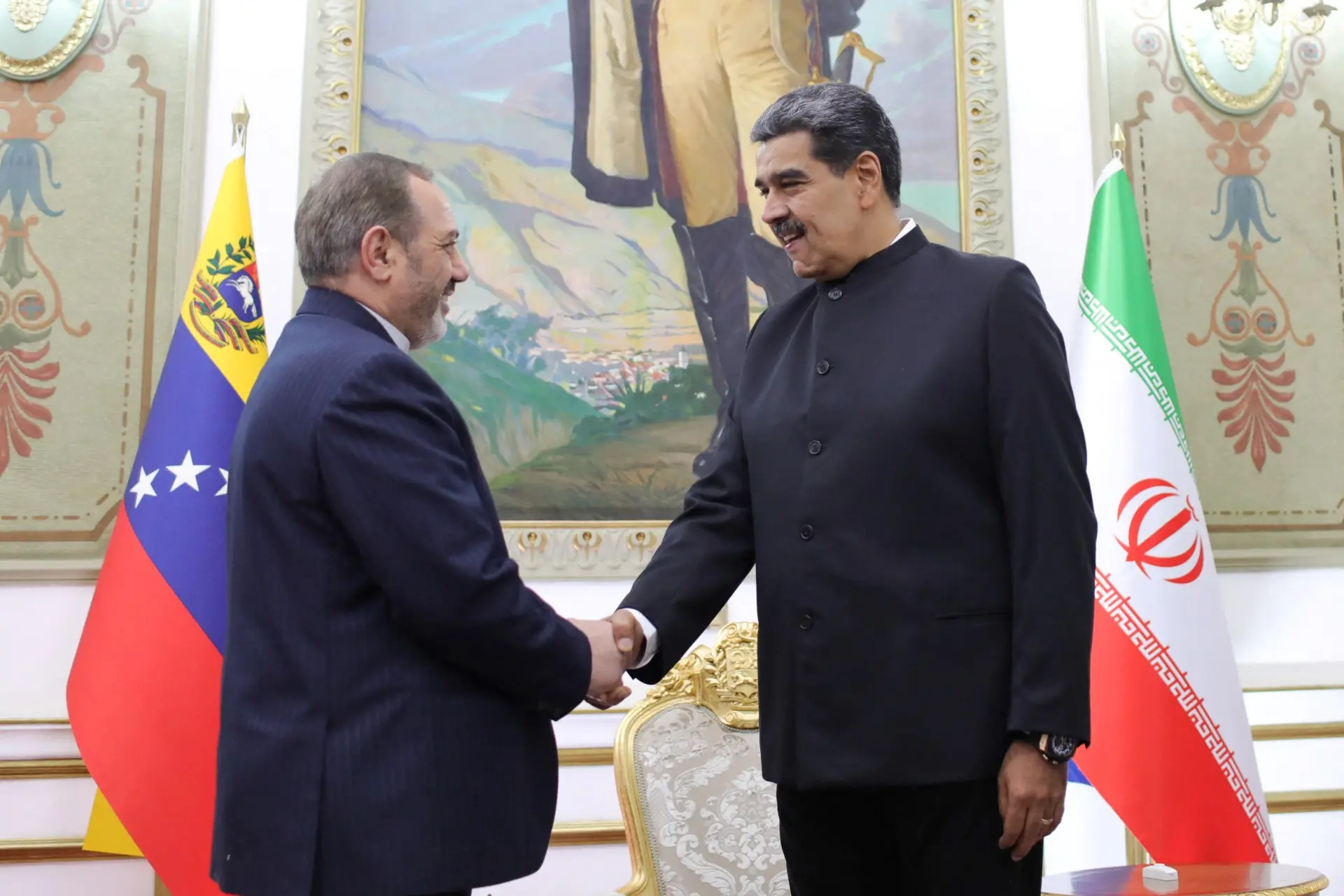
Behind recent headlines, including heightened US pressure on Iran and the dramatic capture of President Nicolás Maduro, lies a complex reality of defence cooperation, sanctions evasion and expanding UAV industrial capacity in Latin America. The partnership has strengthened in recent years: both nations are oil producers under heavy Western sanctions, and Iran-aligned proxies such as Hezbollah are reportedly active in Venezuela, establishing a strategic foothold in the Western Hemisphere.
From Mohajer‑2 to ANSU‑100
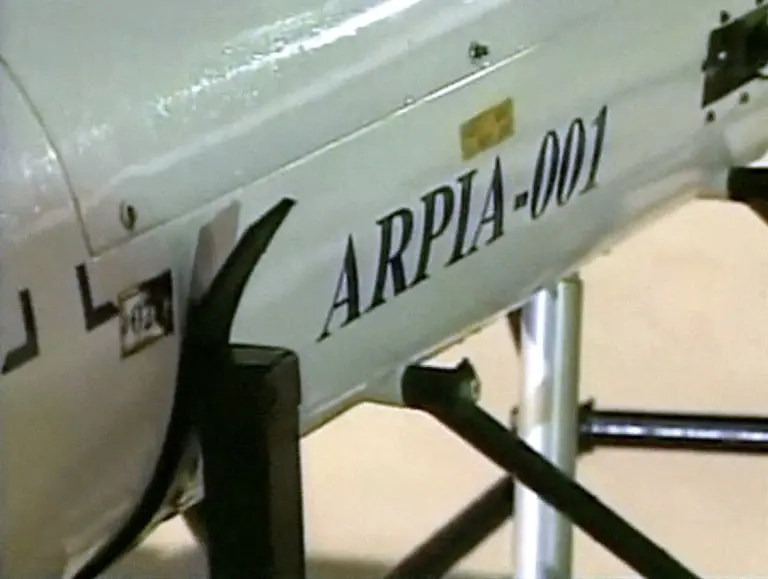
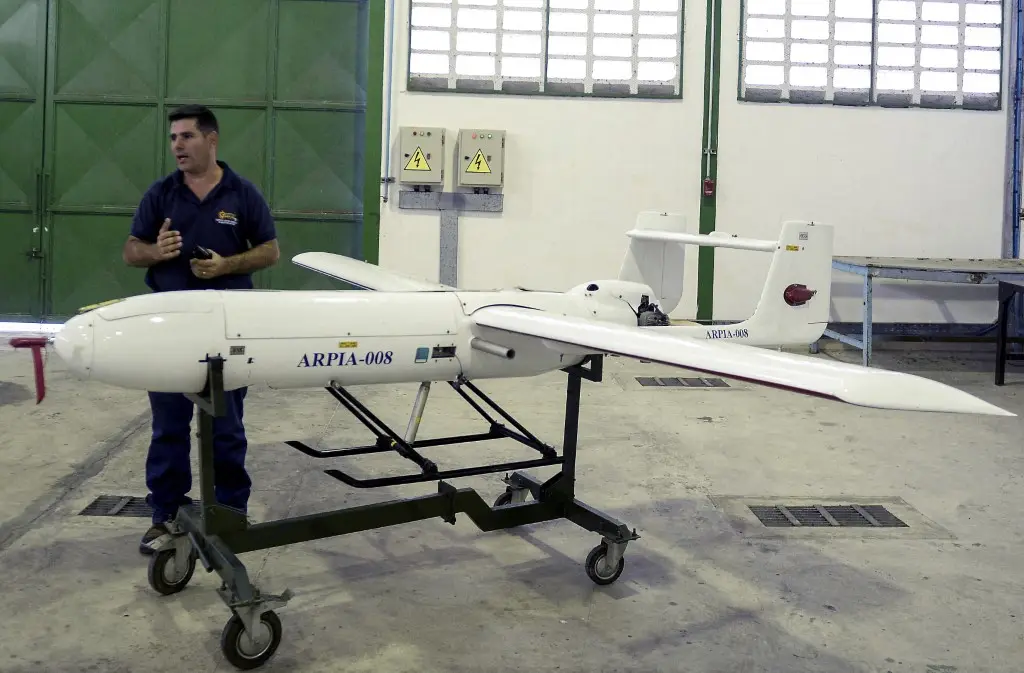
The earliest Venezuelan UAVs were derivatives of Iran’s Mohajer‑2, introduced in the early 2010s and locally produced as the ANSU‑100 or Arpia. The ANSU-100 is an updated, armed version of the Arpia-001. These drones retained reconnaissance functions and, in some configurations, carried Iranian-designed Qaem air‑to‑ground guided bombs, integrating strike capability into Venezuela’s first domestically assembled UAVs.
The Rise of Mohajer‑6 in Caracas
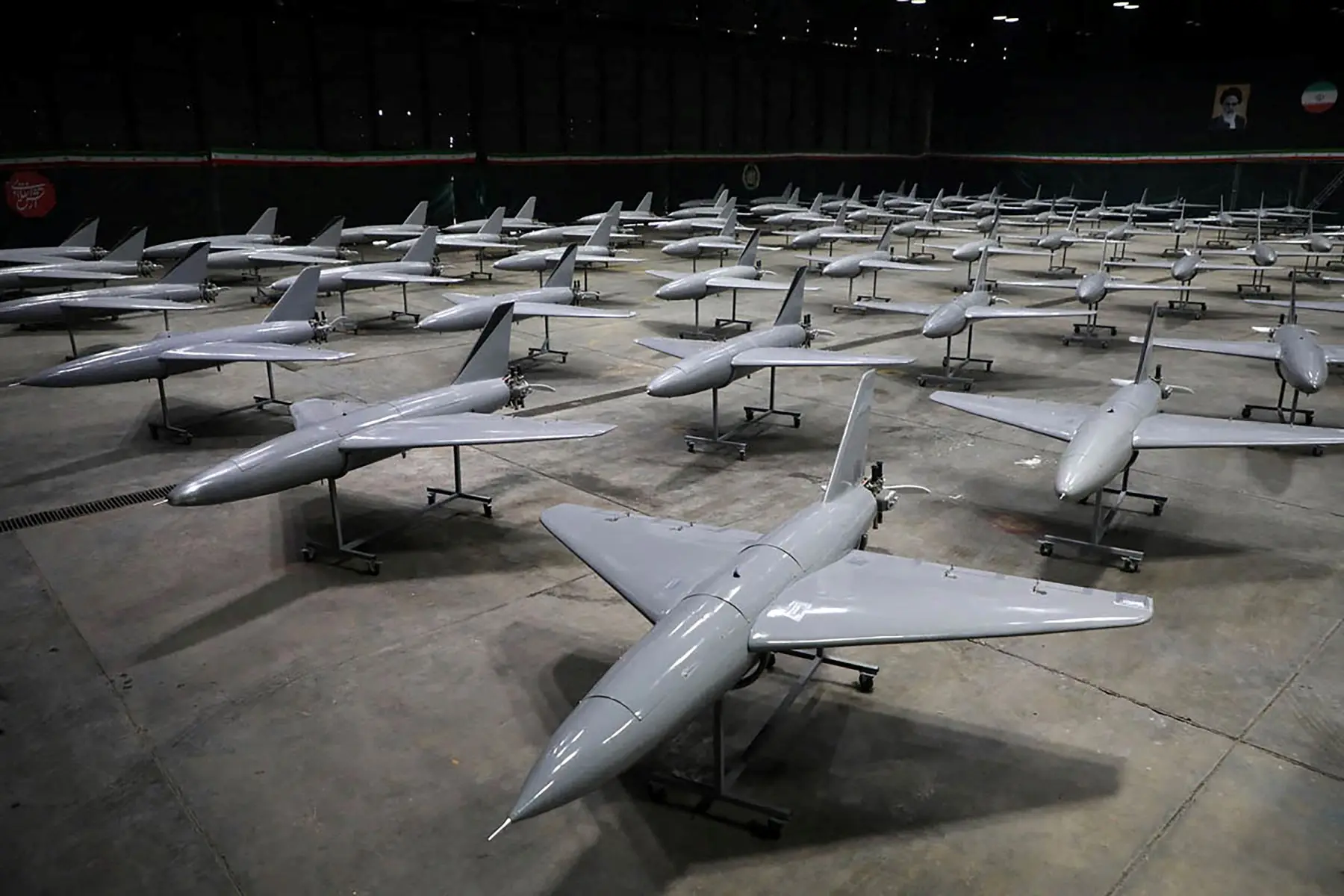
More recently, Iran supplied Mohajer‑6 combat drones, combining intelligence, surveillance, reconnaissance (ISR) and strike roles. In December 2025, the US Treasury confirmed Mohajer‑6 systems operational at Venezuela’s El Libertador Air Base, marking the first public confirmation of these armed UAVs in Latin American service. Venezuela-based Empresa Aeronautica Nacional SA has contributed to “QAI’s sale of millions of dollars’ worth of Mohajer-6 UAVs to Venezuela”, according to the US Department of the Treasury’s Office of Foreign Assets Control (OFAC).
Local Assembly and Technology Transfer
Venezuela’s Empresa Aeronautica Nacional SA (EANSA) has overseen assembly of QAI drones and coordinated directly with Iranian officials. The collaboration includes technical training and multi‑million‑dollar procurement agreements, enabling Venezuela to produce, maintain and upgrade UAVs independently.
Expanding Domestic UAV Capability
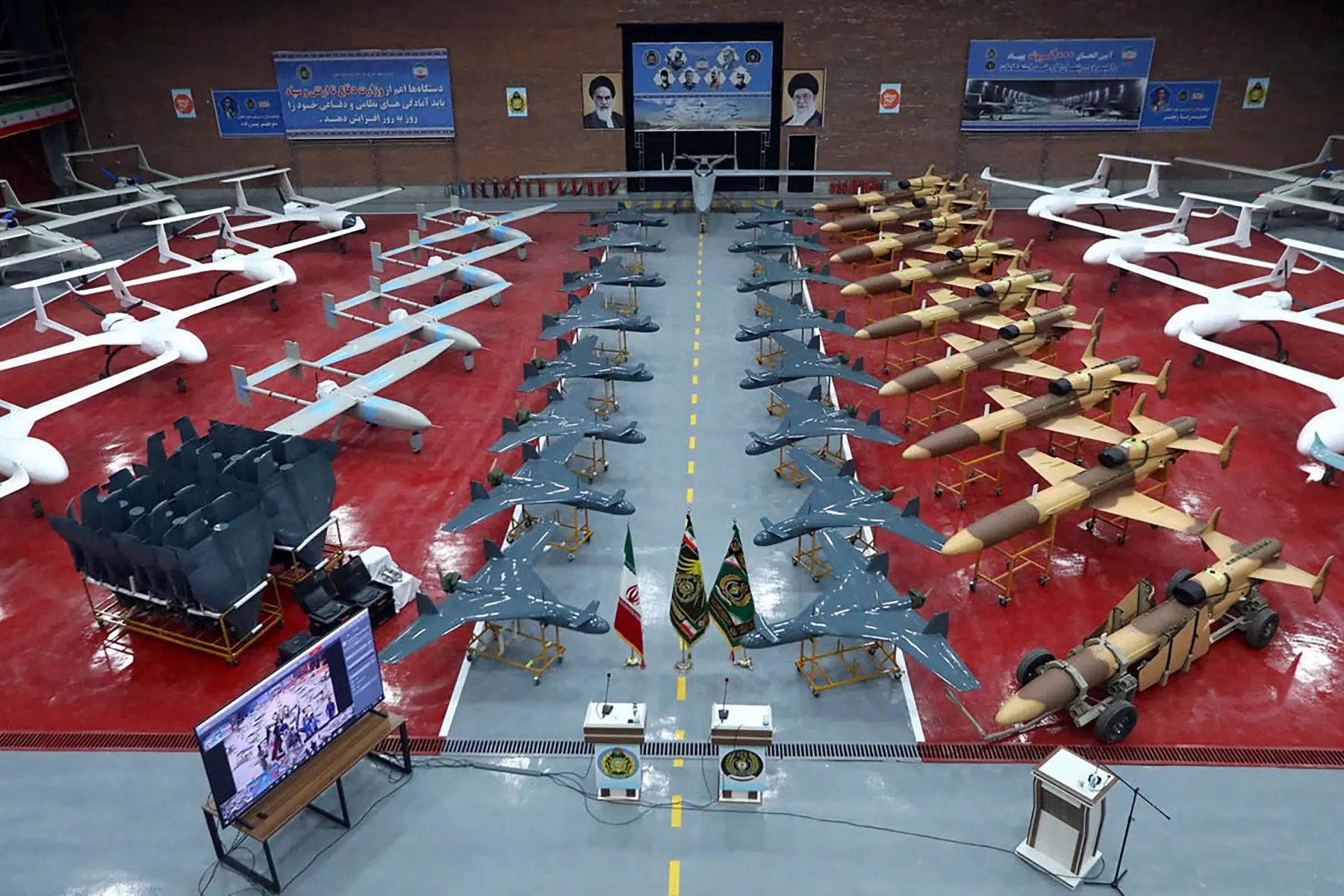
Beyond Mohajer derivatives, Venezuela has pursued indigenous designs, including Shahed-style loitering munitions and flying-wing drones. While not yet fully operational, these projects indicate Caracas’s ambition to build asymmetric aerial capabilities using Iranian design principles.
US Sanctions and Geopolitical Implications
In December 2025, the US Treasury sanctioned EANSA and associated individuals for their role in the UAV trade, citing threats to regional security.
Historical Context
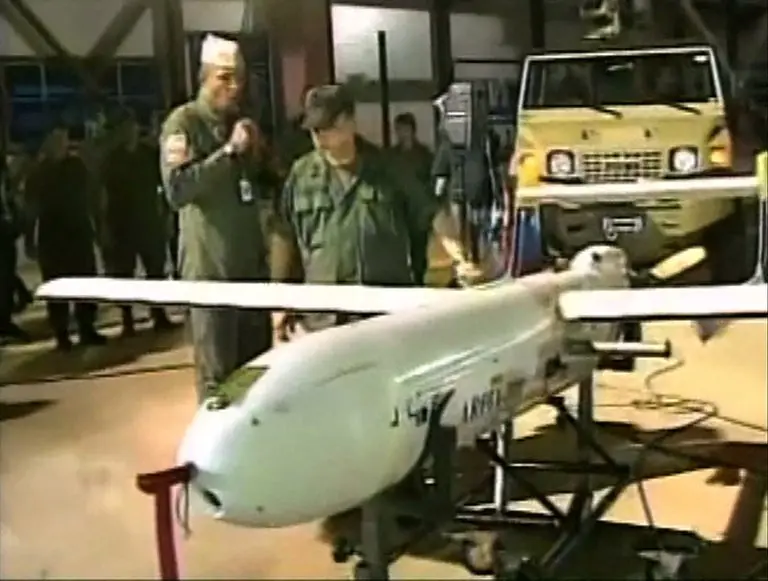
The drone programme began under Hugo Chávez with a $28 million contract for Mohajer‑2 kits, later expanded under Maduro. Chávez framed the effort as defensive, citing collaboration with allies such as Russia, China, and Iran. According to Reuters, he had said, “Of course we're doing it, and we have the right to. We are a free and independent country.” Reports suggest the programme could allow Venezuela to become a regional hub for Iranian-style UAV production.
)
)
)
)
)