Iran uses 'dancing missile' Sejjil against US-Israel: What makes it different?

Iran used the Sejjil missiles against the US and Israel on Sunday. The missile is a medium-range ballistic weapon with an estimated range of about 2,000 kilometres. What makes it different is the use of solid fuel. It is also known as the “dancing missile”.
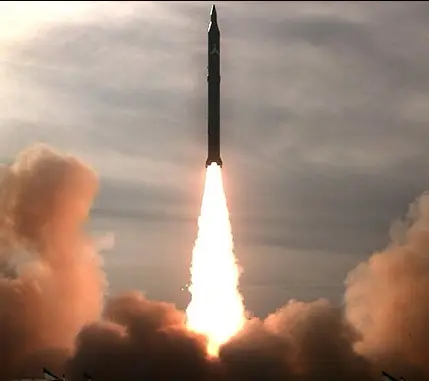
Iran launches Sejjil missile in the war with US and Israel
Iran launched the Sejjil missile for the first time in the conflict with the United States and Israel on Sunday. Iranian state-linked broadcaster PressTV reported that the missile was part of a series of advanced ballistic missiles that targeted Israeli and American positions. The launch shows that the Sejjil missile has officially transitioned from a tested deterrent to an active combat asset in regional escalations.
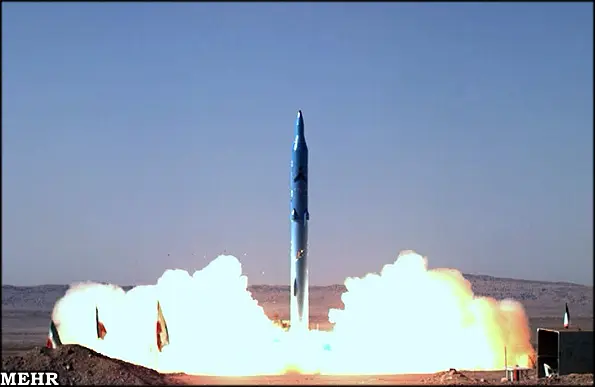
Sejjil missiles targeted command centres and strategic military infrastructure
The Iranian state media claimed the Sejjil missiles were used in "Wave 54" of military operations, and targeted command centres and strategic military infrastructure. Sirens sounded in over 140 locations in Tel Aviv on March 15. Missile fragments reportedly caused damage to residential areas and a US consulate residence.
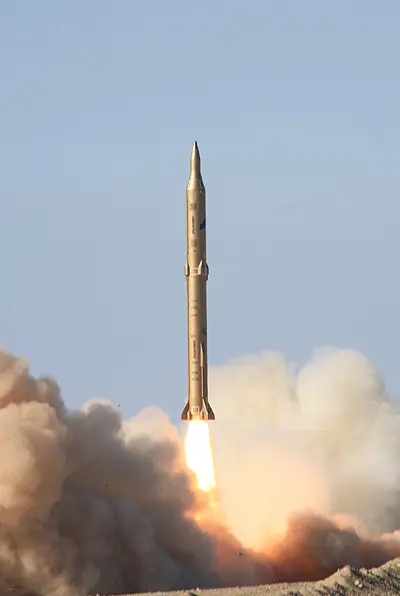
Sejjil is a medium-range ballistic missile
The Sejjil missiles are also known as Sajjil, Ashoura or Ashura. It is an indigenously developed two-stage ballistic missile that employs advanced solid-propellant technology, unlike earlier liquid-fueled models such as the Shahab series. The Centre for Strategic and International Studies (CSIS) classifies the missile as a medium-range ballistic missile (MRBM) with an estimated range of approximately 2,000 kilometres and a payload capacity of around 700 kilograms.
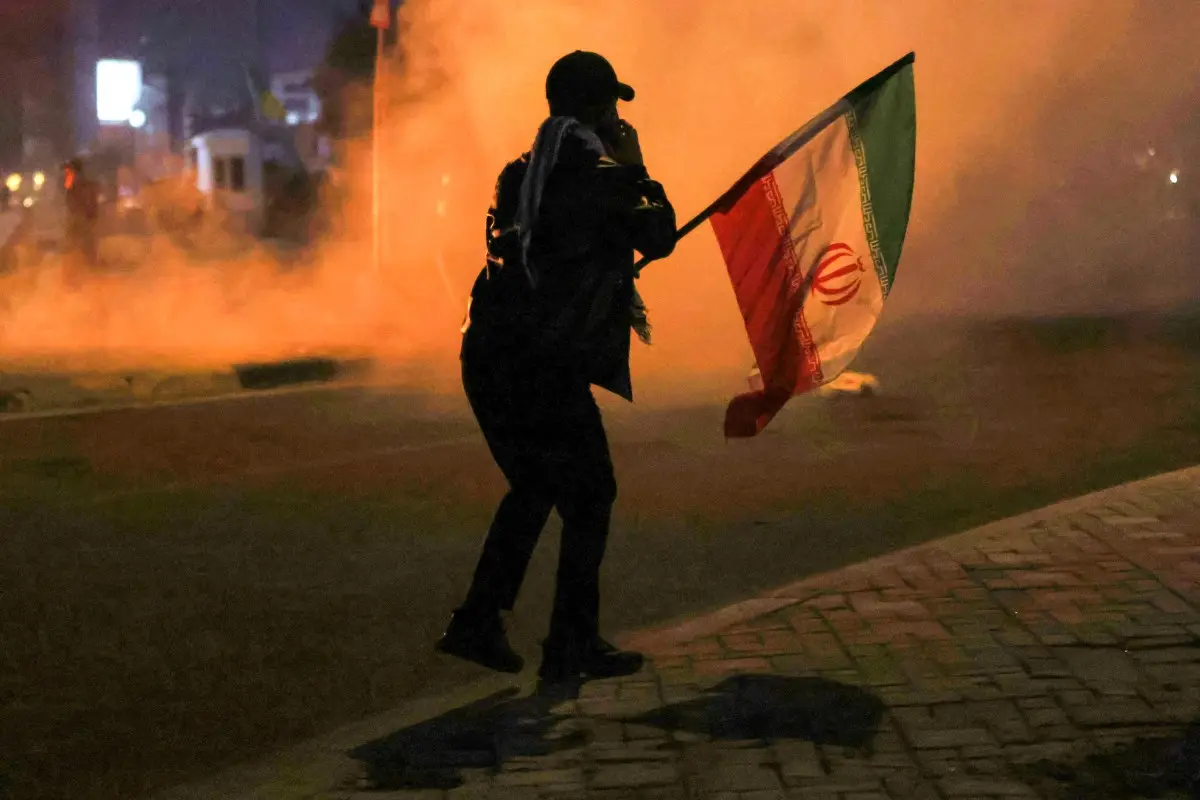
Sejjil missiles use solid fuel, making quick launch possible
The solid fuel technology is the highlight of the Sejjil missiles. This allows the missile to be stored fully fueled, which makes quick launch possible, making it much harder for adversaries to detect and destroy before liftoff compared to liquid-fueled counterparts. The missile can manoeuvre at high altitude and soar without being caught by missile defence systems such as Israel’s Iron Dome. This feature has earned it the nickname of "dancing missile."
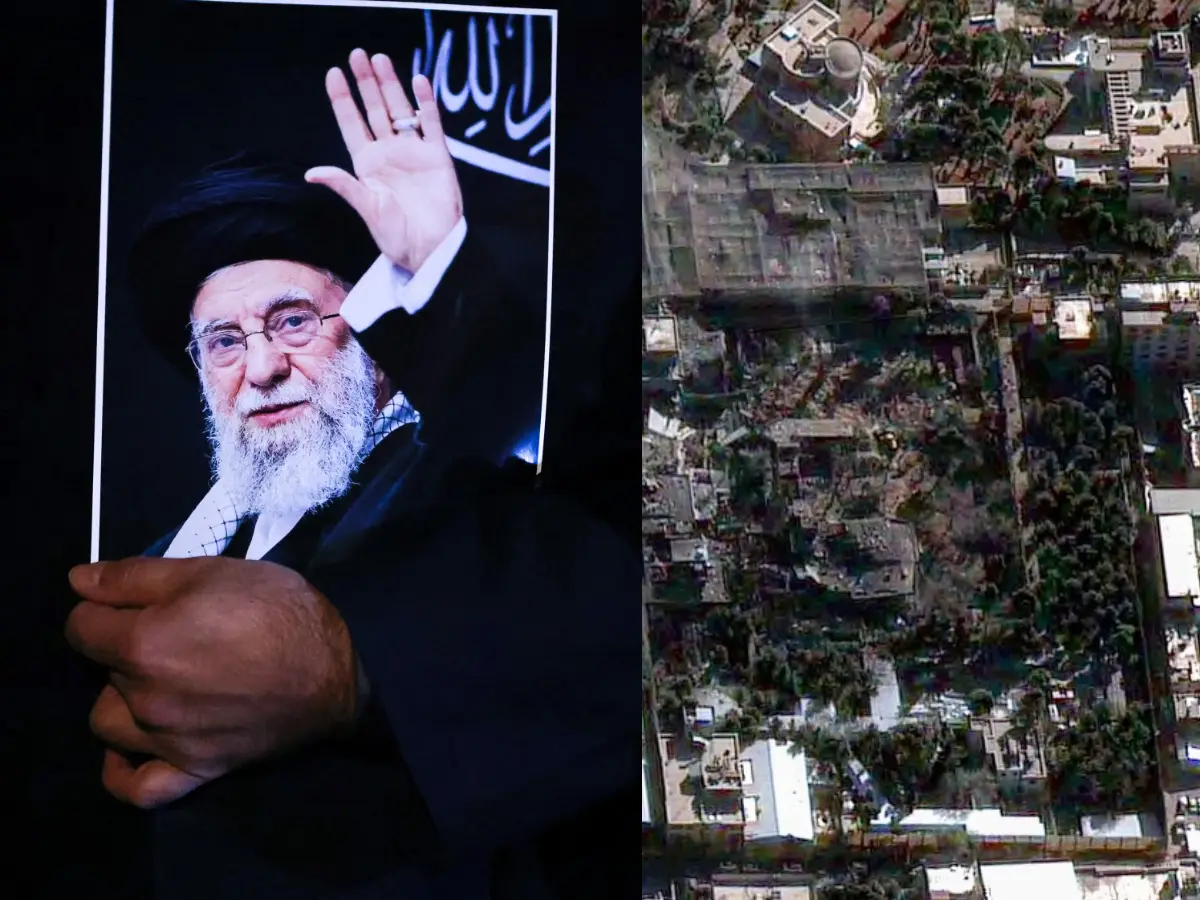
Sejjil missile can reportedly reach targets at 1,900 kilometres
Iran started working on the Sejjil system in the early 1990s. It was first tested in 2008 and reportedly travelled 800 kilometres. The second time it was tested was in 2009 after improvements were made to its guidance and navigation systems. In later tests, it is said to have reached distances of 1,900 kilometres.
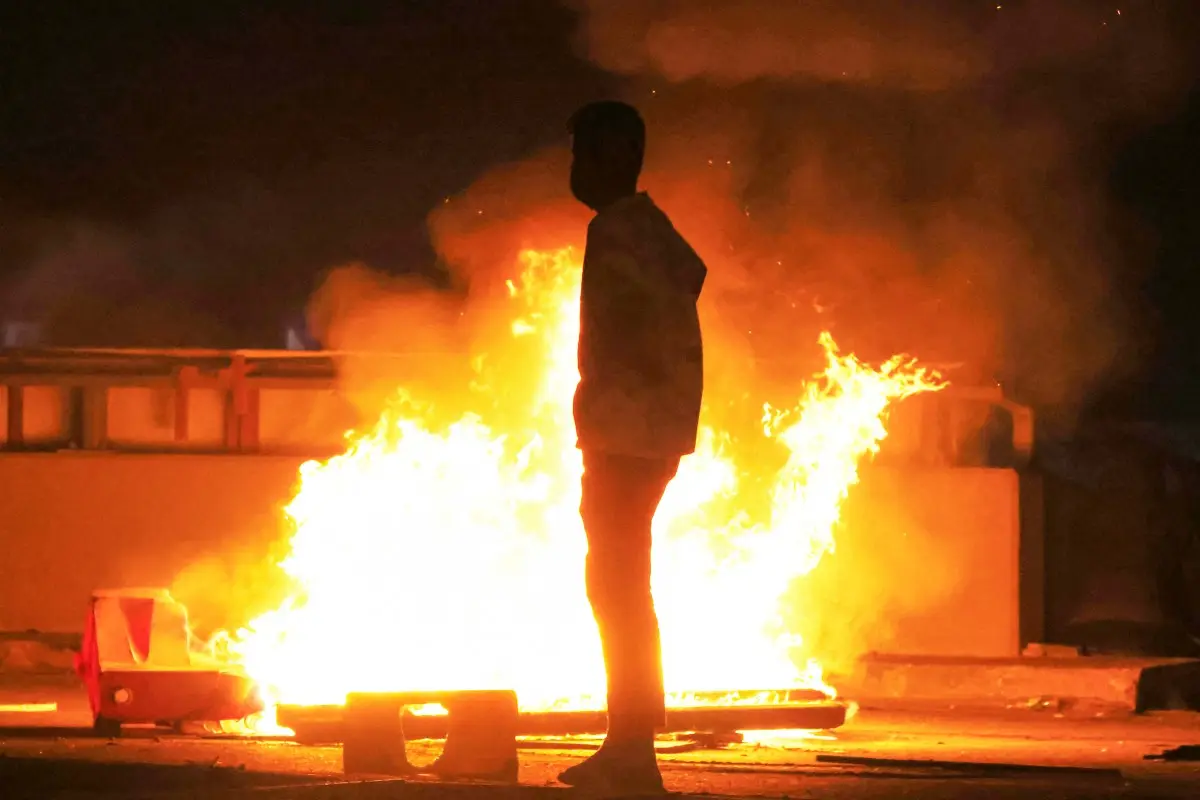
Iran is reportedly working on Sejjil-3 missiles
Sejjil missiles also have variants. The missiles being used in the current war are Sejjil-2 with improved navigation, which includes integrated GPS and inertial guidance. Reports suggest that Iran is now testing a three-stage Sejjil-3 with an extended range of up to 4,000 km. Experts say that the use of the Sejjil for the first time might not be a sign of strength but desperation on the part of Iran.
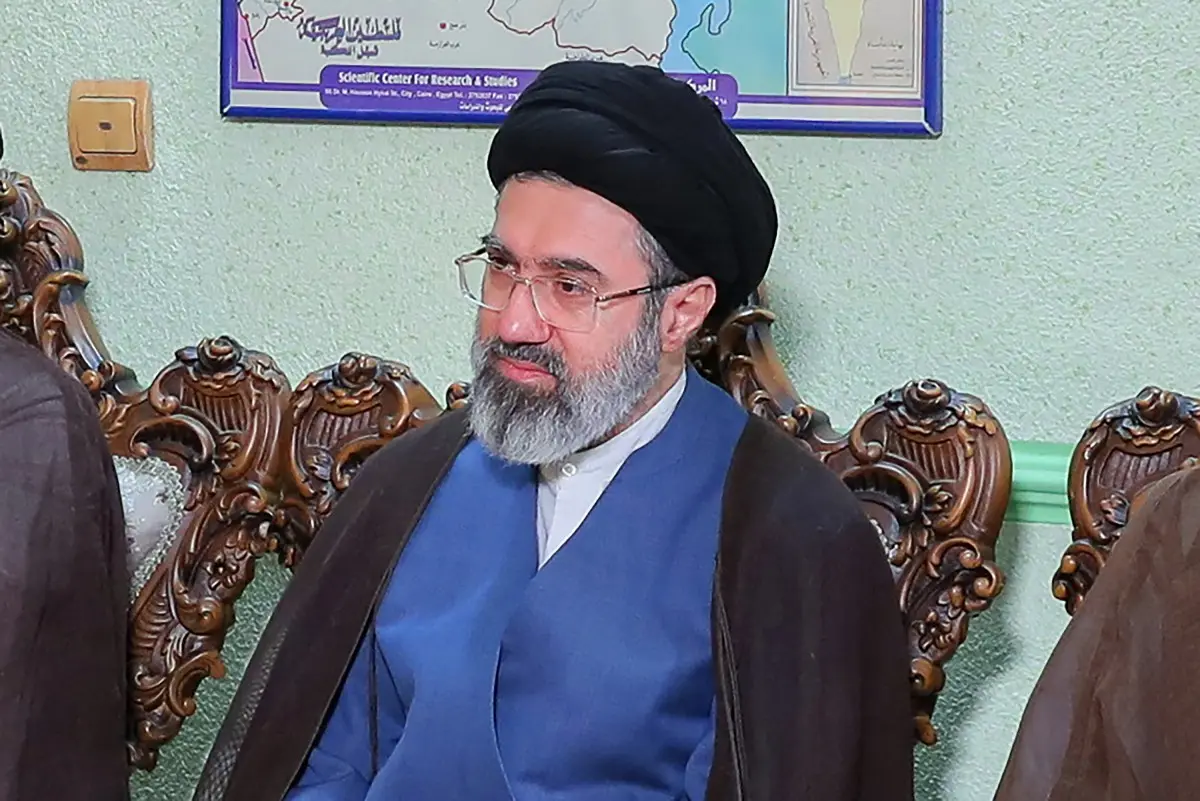
Mojtaba Khamenei is the new Ayatollah, or Supreme Leader, of Iran
The Iran, Israel and the United States conflict has entered its third week, with both sides also taking verbal shots at each other. The US and Israel struck Tehran on the first day, killing Ayatollah Ali Khamenei. His son, Mojtaba Khamenei, was then named the Supreme Leader. However, he has not made any public appearances, with reports suggesting that he was grievously injured in the same attack that killed his father.
)
)
)
)
)