Iran-US was 'inches away from deal' in Pakistan? Araghchi reveals what exactly stalled negotiations

Talks between Iran and the United States in Islamabad ended without a deal despite being “inches away.” Disputes over nuclear limits and U.S. demands stalled progress, while Pakistan urged both sides to maintain the ceasefire and continue dialogue.
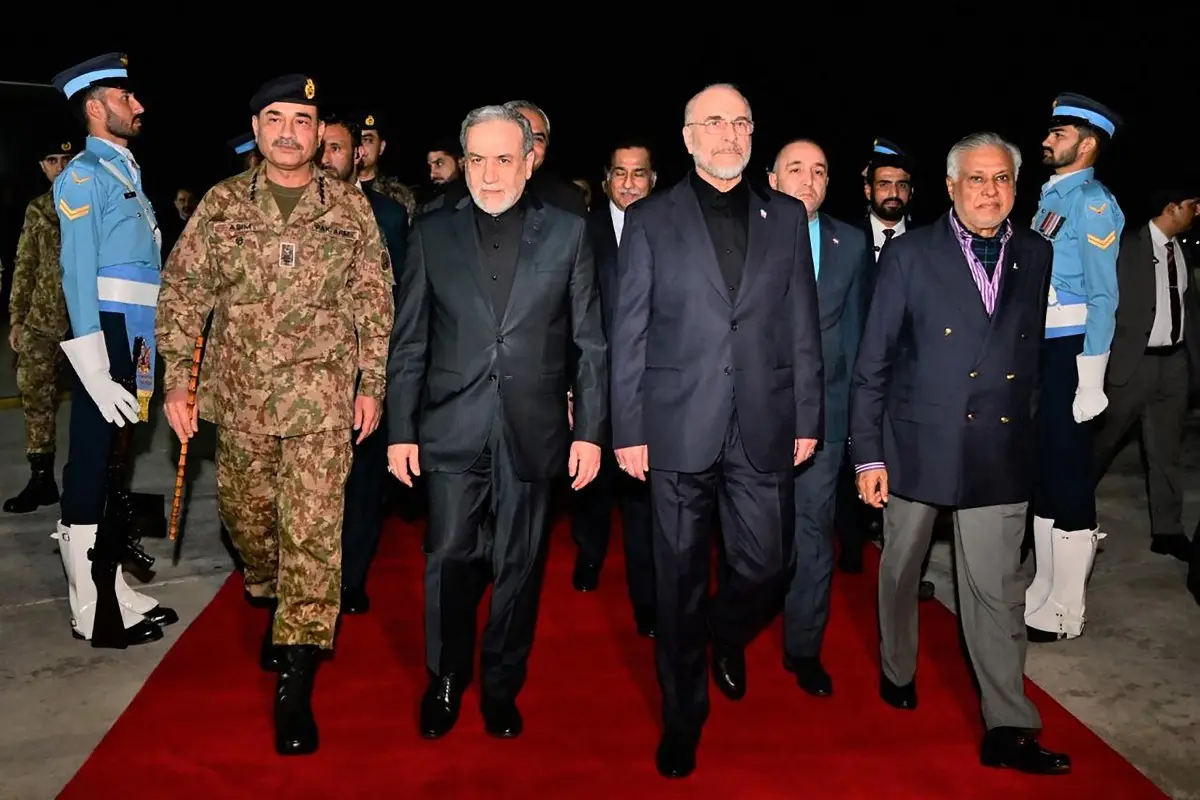
Iran says they were “inches away from deal with US”
Iran's Foreign Minister Abbas Araghchi on Sunday (Apr 12) said that Tehran had been just "inches away" from a deal with Washington during weekend talks with the United States in Pakistan's Islamabad. He accused the US of “maximalism, shifting goalposts, and blockade.” But when "just inches away" from an agreement in Islamabad, "we encountered maximalism, shifting goalposts, and blockade," he added. "Iran engaged with US in good faith to end war," he said in a post on X.
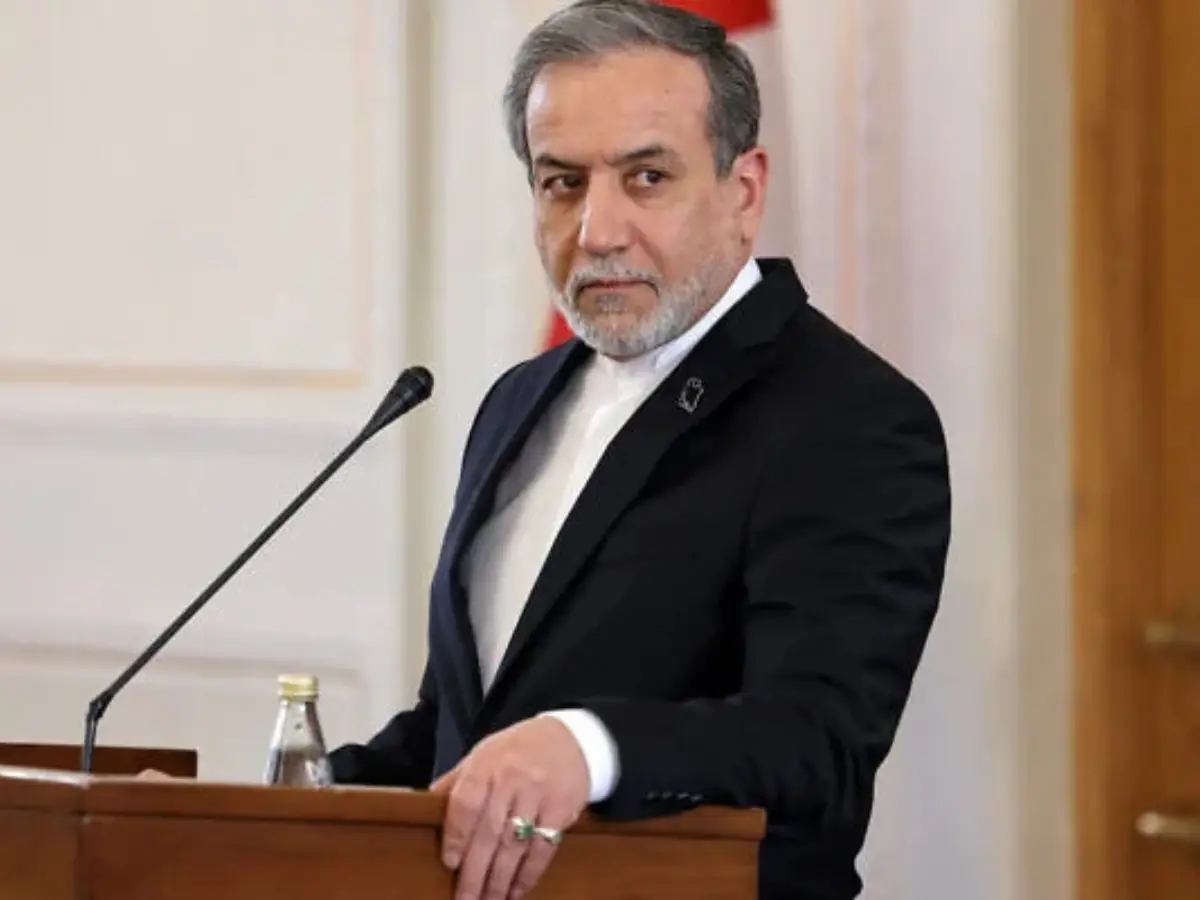
Iran accuses US of “totalitarianism ”
In a post on X, Araghchi also wrote, "In intensive talks at highest level in 47 years, Iran engaged with US in good faith to end war. But when just inches away from "Islamabad MoU", we encountered maximalism, shifting goalposts, and blockade. Zero lessons earned Good will begets good will. Enmity begets enmity." Iranian President Pezeshkian echoed similar sentiments and wrote on X, "If the American government abandons its totalitarianism and respects the rights of the Iranian nation, ways to reach an agreement will certainly be found. I commend the members of the negotiating team, especially my dear brother Mr. Dr. Qalibaf, and say "God gives you strength."
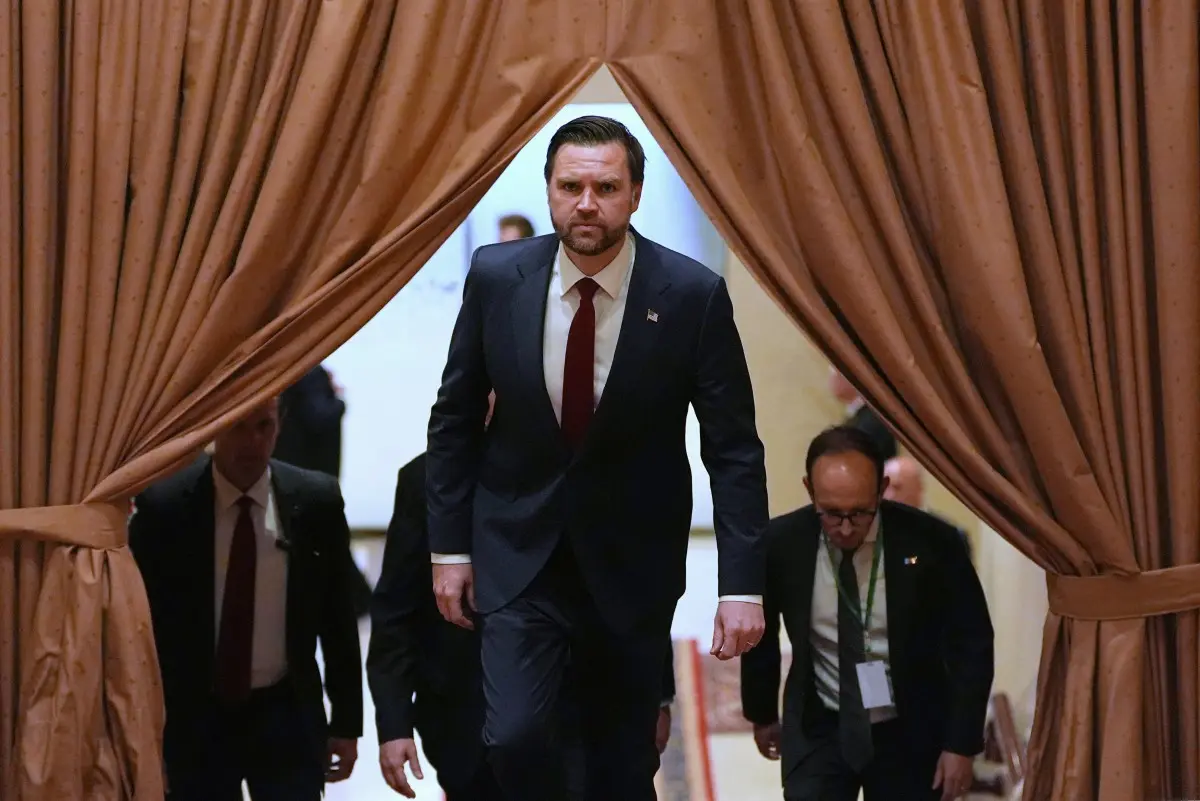
What White House said were the “red lines”?
Meanwhile, the White House on Sunday (Apr 12) spelled out the “red lines” that were responsible for failed talks with during marathon talks in Pakistan. According to CNN, citing a White House official, the nonnegotiable parameters set by Donald Trump for Iran include ending all uranium enrichment, dismantling its major nuclear enrichment facilities that were reportedly damaged in a U.S. bombing run last June, retrieving more than 400 kilograms of highly enriched uranium believed to be buried underground, accepting a broader peace, security, and de-escalation framework involving regional allies, ending funding for proxy groups such as Hamas, Hezbollah, and Houthis, and fully opening the Strait of Hormuz without charging any tolls for passage. US Vice President JD Vance, who negotiated with the Iranians, said that he had offered “best and final deal.” Vance said that the core requirement was a clear and affirmative commitment from Iran that it would neither pursue a nuclear weapon nor develop the capabilities that could allow it to rapidly produce one.
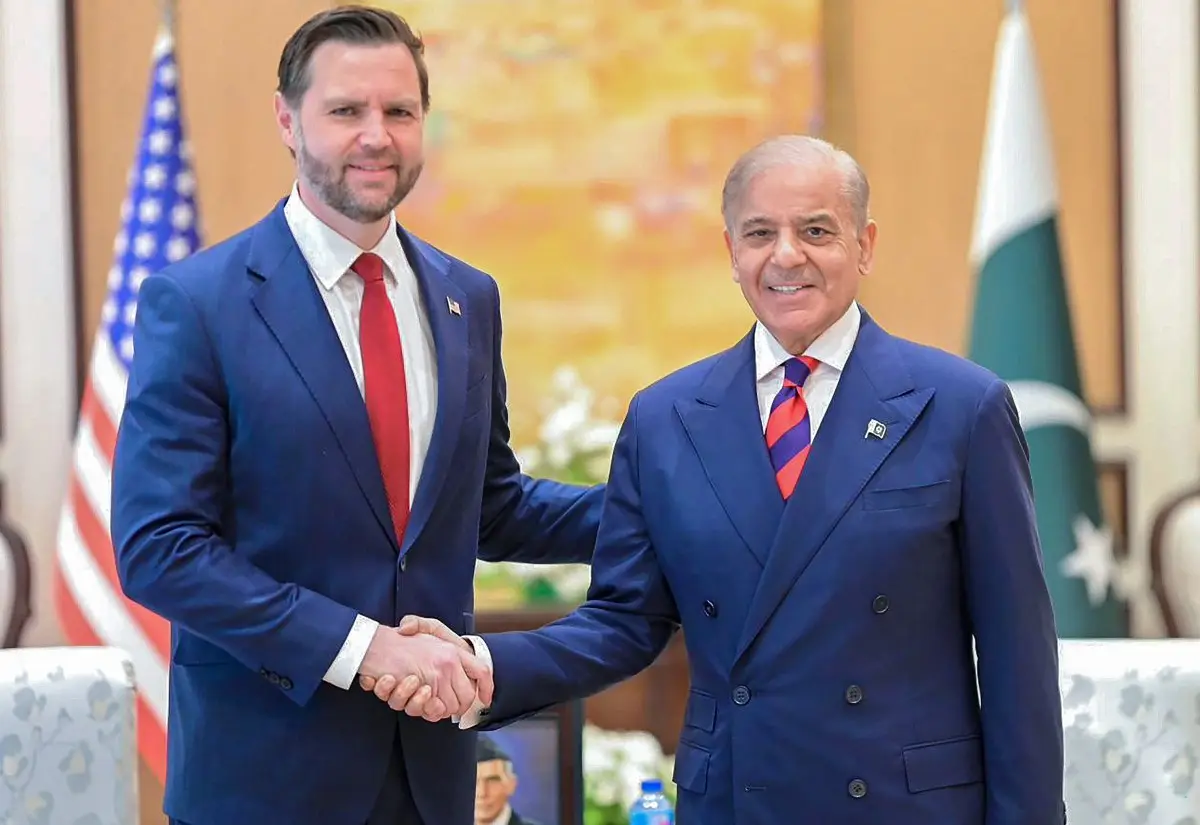
What Pakistan said after failed talks?
After the negotiations, Pakistan Deputy PM and Foreign Minister Ishaq Dar highlighted the importance of maintaining stability, stating that Washington and Tehran must uphold the ceasefire agreement. He noted that it was imperative for both sides to remain committed to the ceasefire and avoid further escalation. Dar also reaffirmed Pakistan’s role as a facilitator, adding that the country would continue to support engagement and dialogue between Iran and the United States in the coming days.
What we know about the ceasefire?
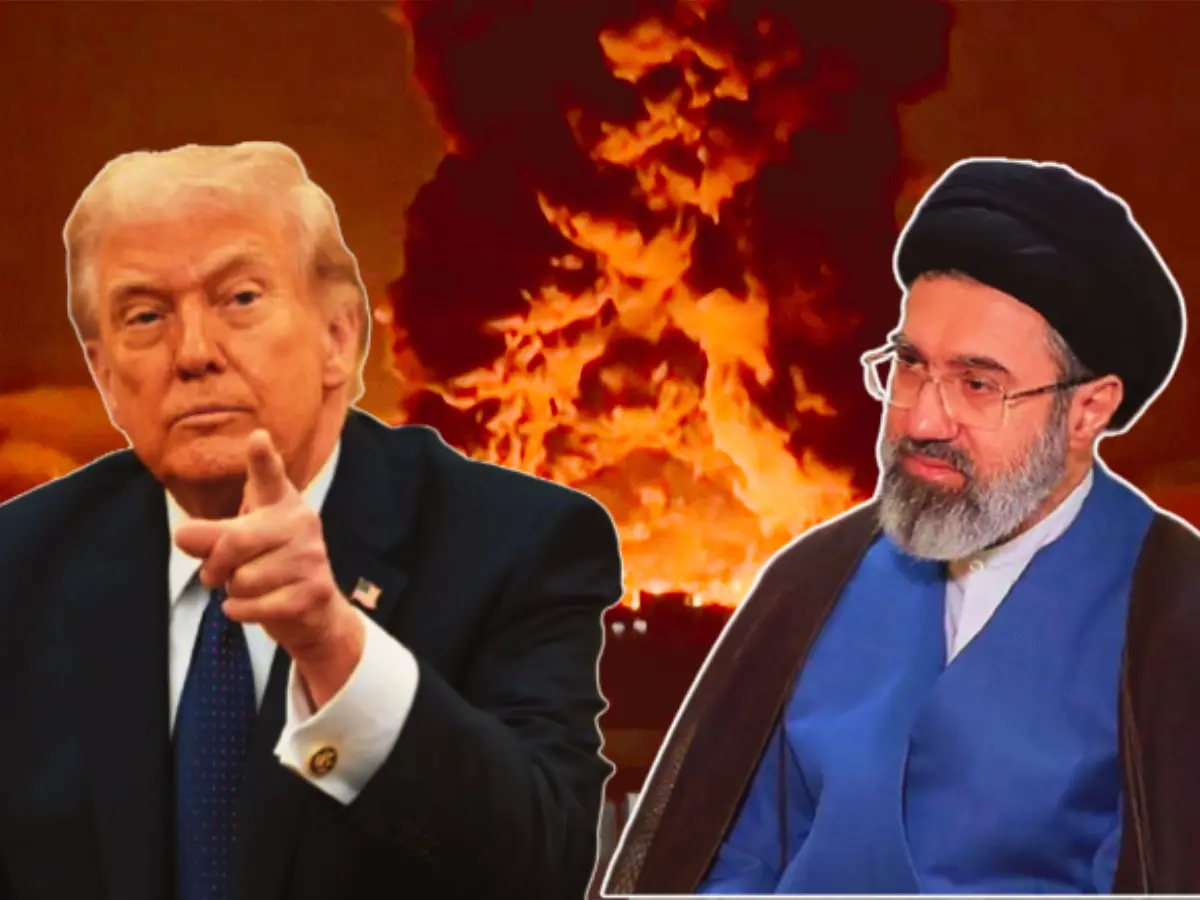
A two-week ceasefire between the United States and Iran began on April 8, 2026, aimed at halting a five-week war. Both sides agreed to speak to each other for 15 days based on 10-point proposal by the Iranian side. High-stakes peace talks were held in Pakistan between US Vice President JD Vance and Iranian officials on April 12 but it ended without a resolution. Even as talks continued, Trump's threat on Strait of Hormuz also continued, with Iran Revolutionary Guards hitting back. Following the failure of the talks, Trump ordered a blockade of the strait, and the IRGC warned that any military vessel attempting to cross would be “dealt with severely.”
)
)
)
)
)