Iran-US tensions: How does a towed acoustic decoy help USS Abraham Lincoln outsmart incoming torpedoes?

y emitting tailored acoustic signals that replicate a ship’s signature, the system diverts incoming torpedoes away from the vessel, forming a key element of layered maritime defence.
A Carrier’s Vulnerability Beneath the Waves
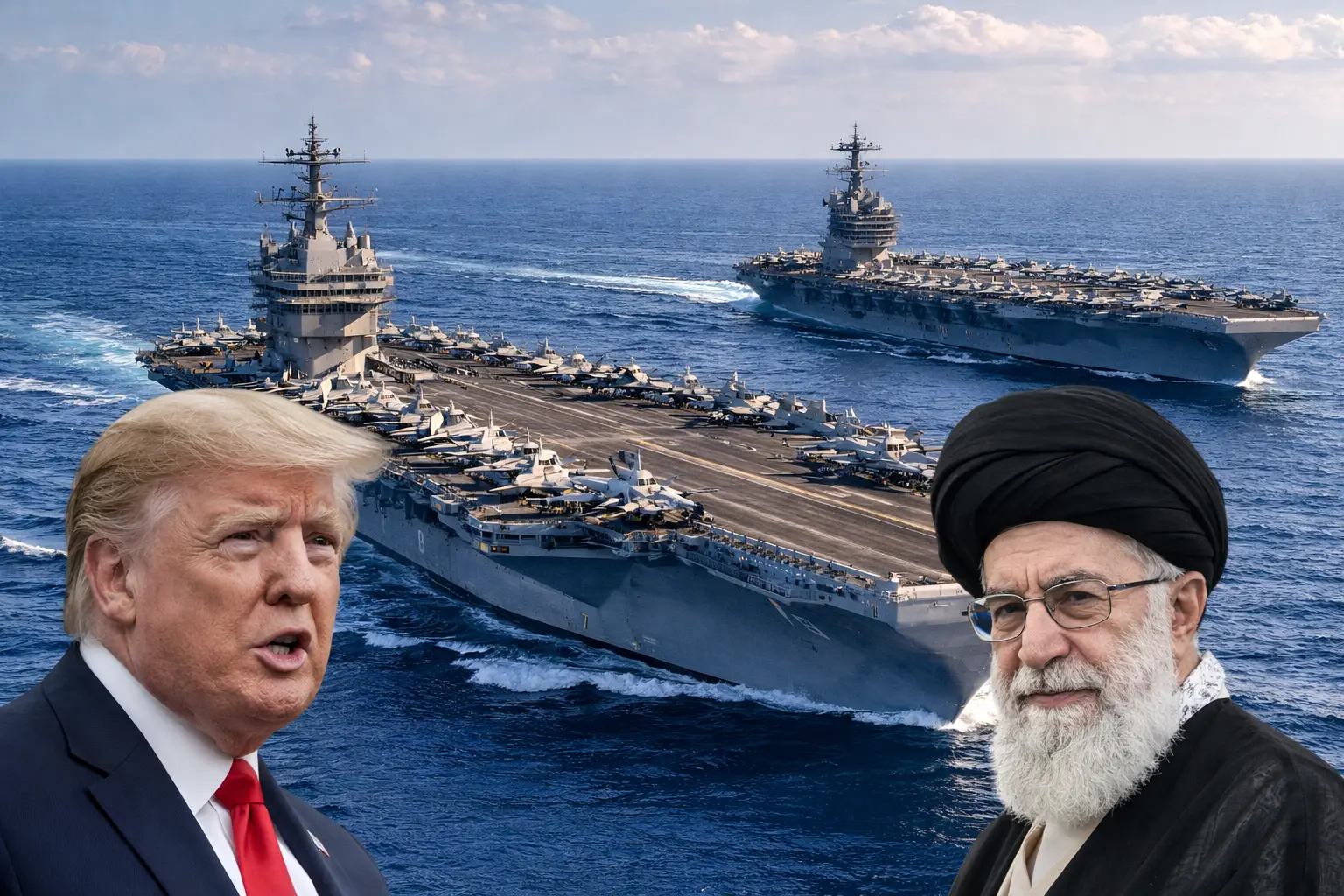
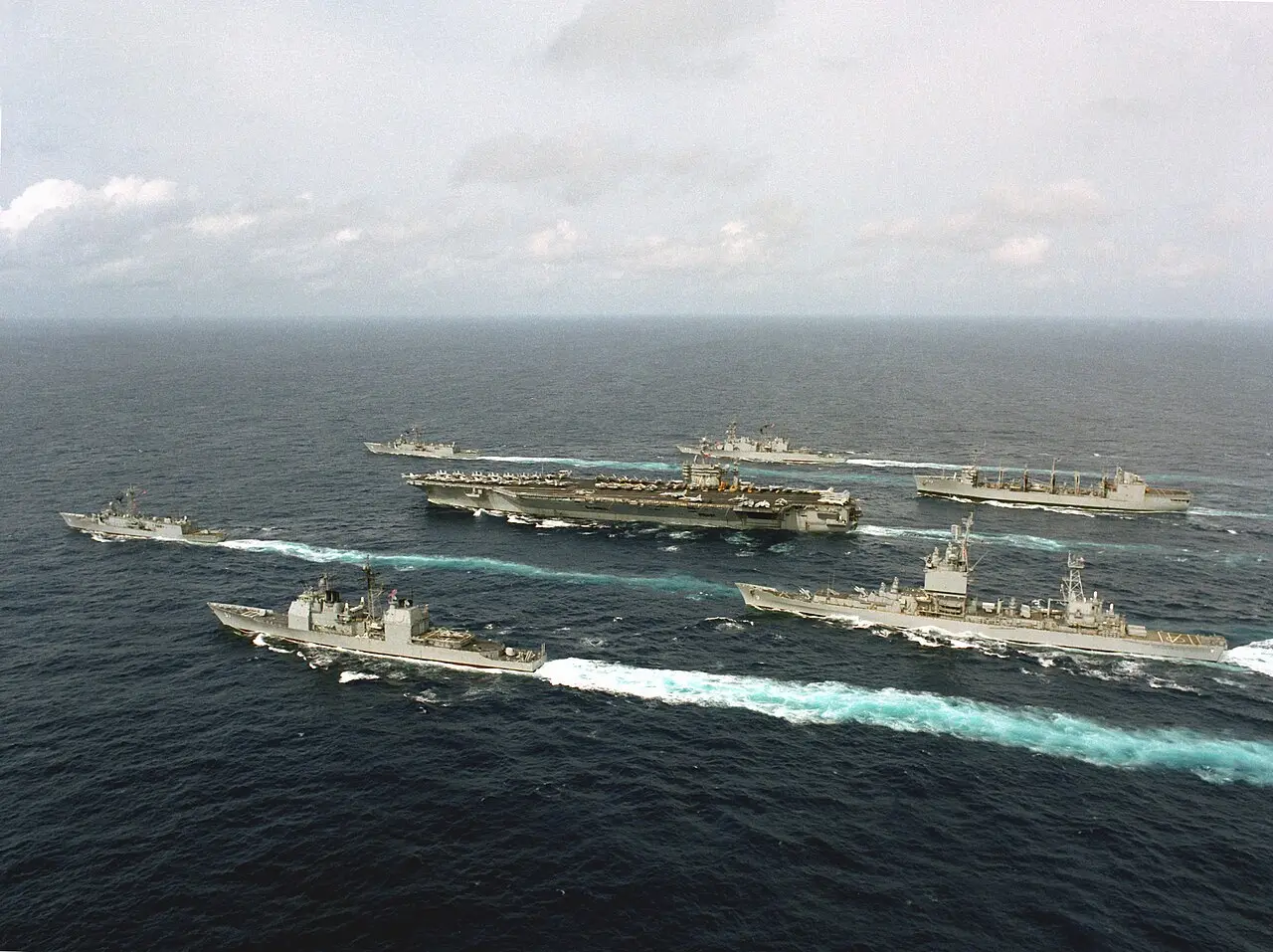
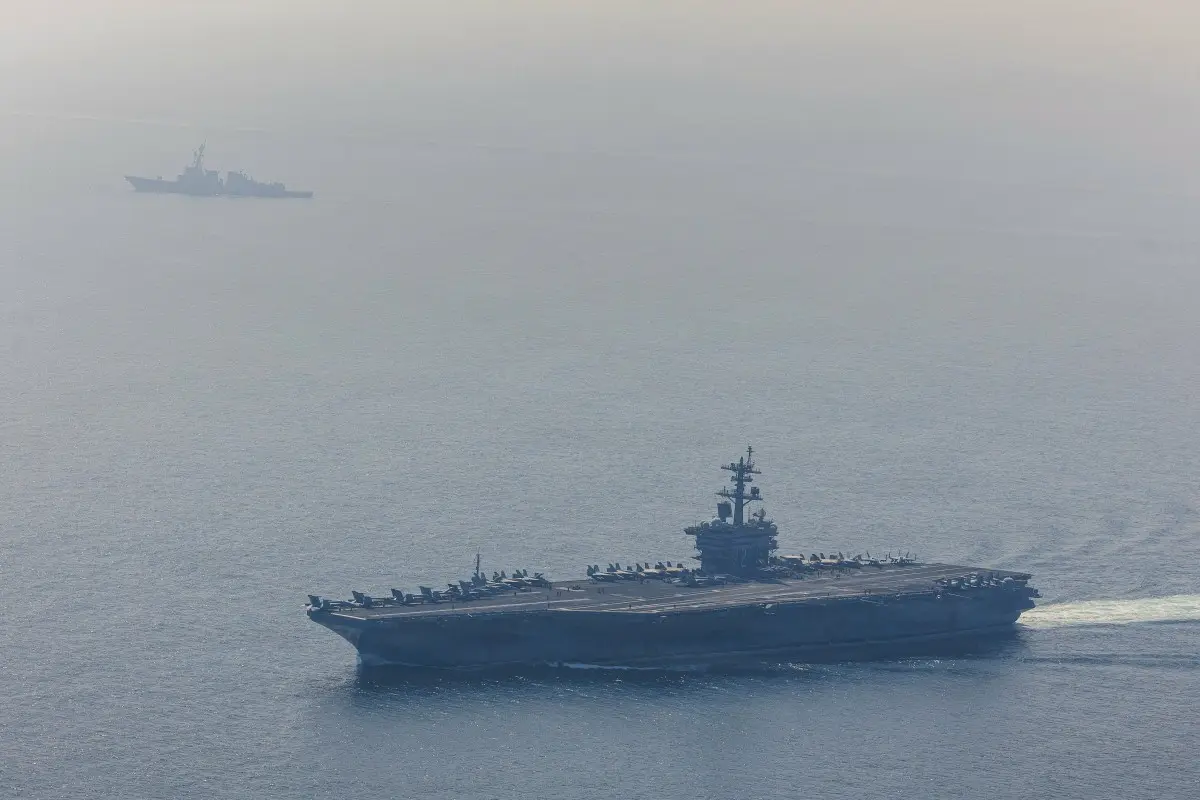
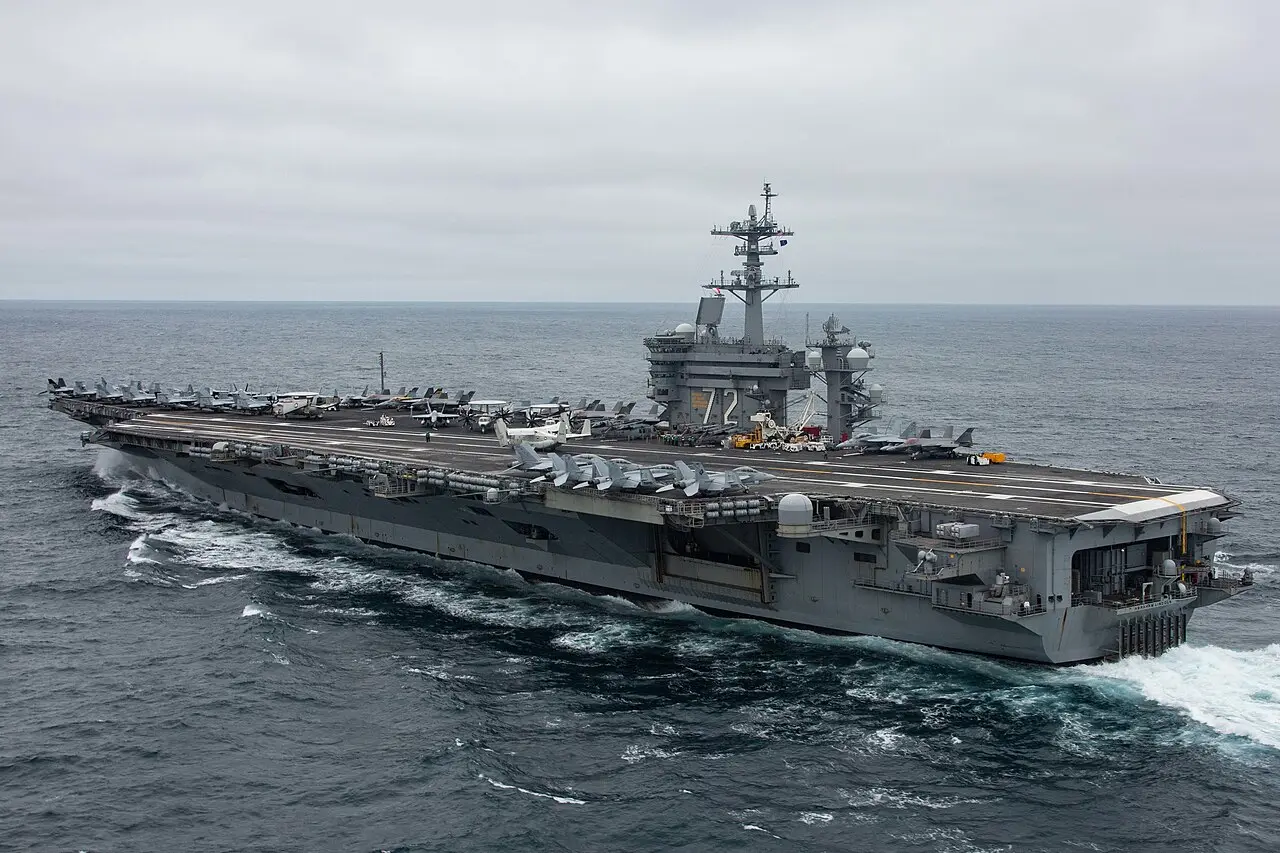
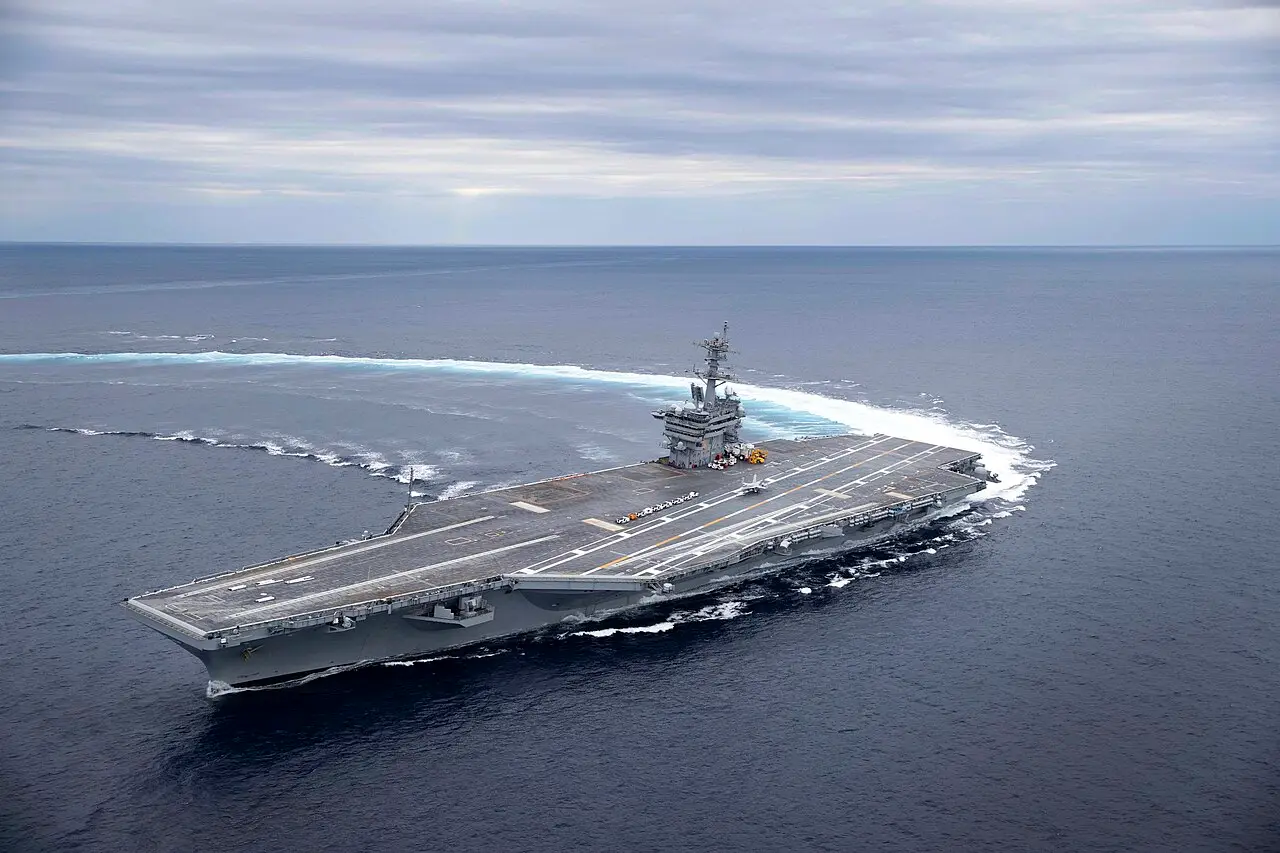
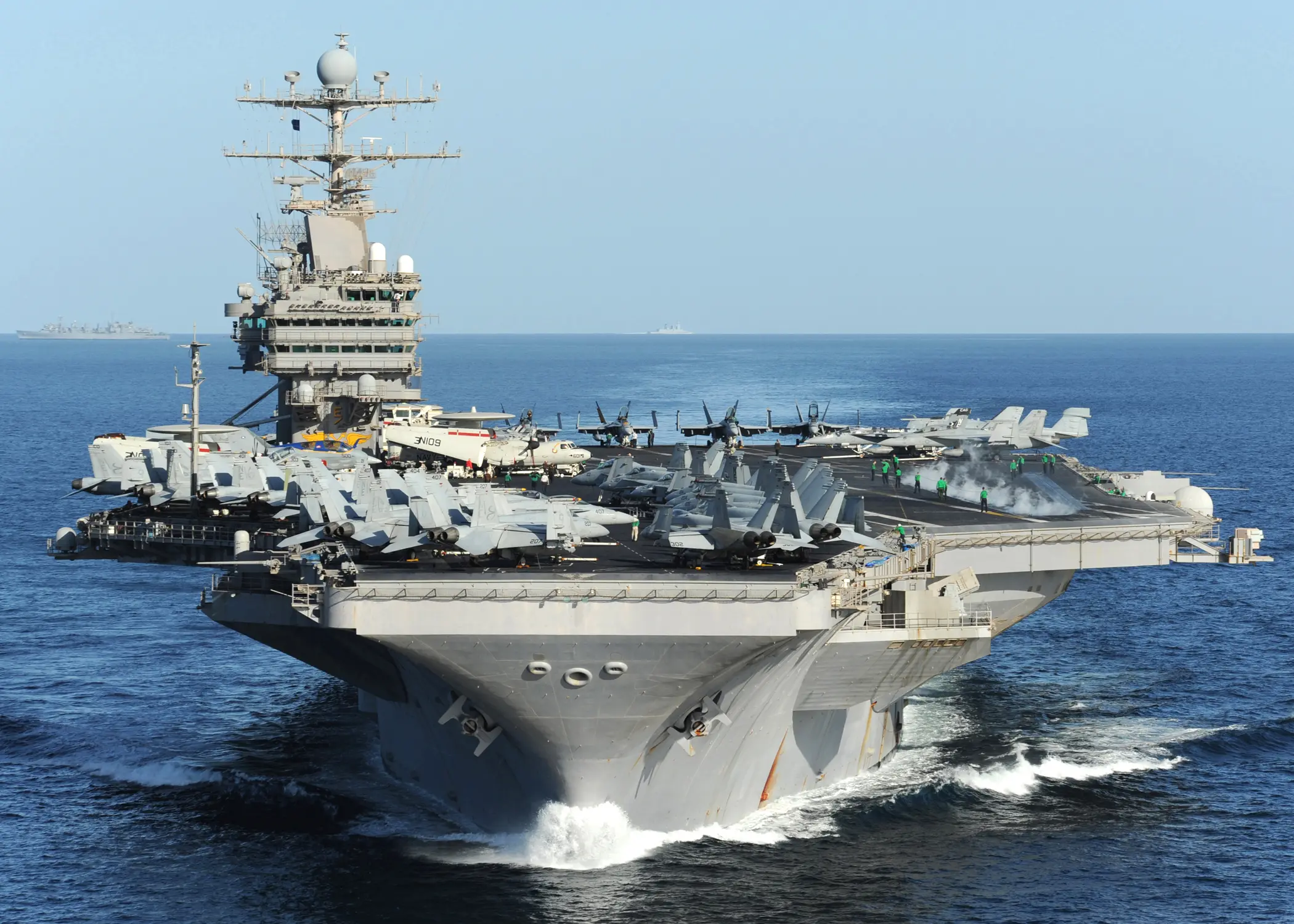
As tensions between Washington and Tehran intensify, US aircraft carriers have assumed renewed strategic prominence. USS Abraham Lincoln is operating in the Arabian Sea, while USS Gerald R. Ford was recently tracked heading east through the Strait of Gibraltar, showcasing a significant American military build-up in the region. US President Donald Trump has warned that limited strikes against Iran remain possible even as nuclear negotiations continue. At 1,092 feet long with a 252-foot flight deck, Abraham Lincoln deploys F/A-18 Super Hornets, EA-18G Growlers, E-2D Hawkeyes and F-35Cs, projecting power above the surface while relying on layered underwater defences below.
Torpedoes and Passive Sonar Threats
Modern submarines and some torpedo systems home in on the sounds made by a ship’s propellers and machinery. These passive acoustic homing torpedoes latch onto the unique acoustic signature of a vessel to guide themselves toward their target. Without countermeasures, even a large carrier can be vulnerable to this type of underwater threat.
What is AN/SLQ-25A Surface Ship Torpedo Defense (SSTD) system?
The AN/SLQ-25A Surface Ship Torpedo Defense (SSTD) system is a torpedo countermeasure developed by SensyTech for the US Navy and allied navies. Designed for surface combatants, it is a digitally controlled, modular, electro-acoustic soft-kill decoy system. The system is engineered to counter multiple underwater threats, including acoustic-homing, wake-homing and wire-guided torpedoes.
What a Towed Acoustic Decoy Does
The towed acoustic decoy system towed behind USS Abraham Lincoln emits controlled sound signatures that mimic the carrier’s own noises. By doing so, it creates a more attractive target for a homing torpedo than the ship itself, drawing the weapon away from the carrier’s hull and giving it a chance to evade destruction.
How It Works
Typically deployed on a fibre-optic tow cable, the decoy contains an acoustic projector that generates simulated ship noise, both passive sounds like propeller and engine signatures and, in more advanced variants, modified sonar pings. This can deceive a torpedo’s sensors, causing it to steer toward the decoy instead of the carrier.
Variants and Improved Capability
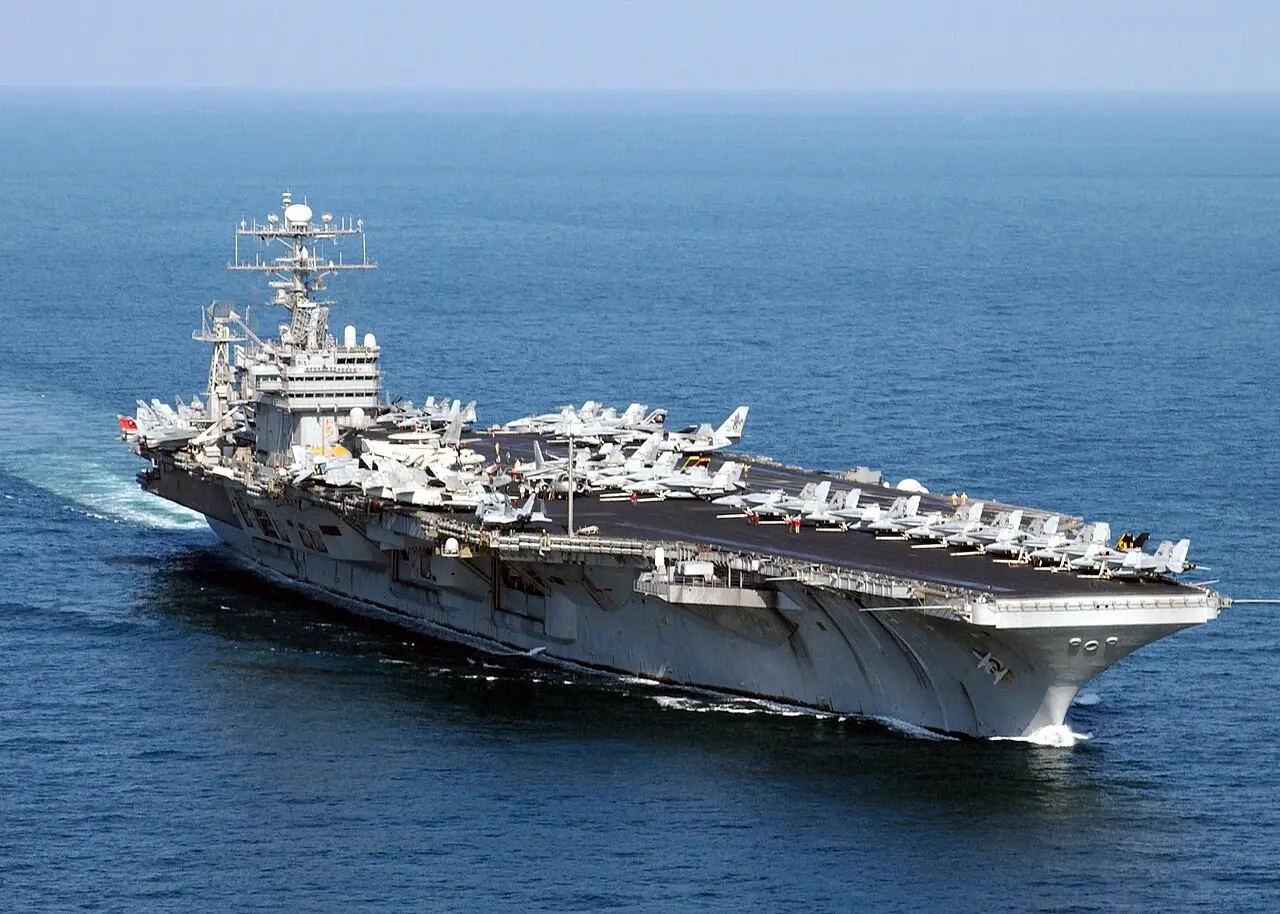
The system aboard Lincoln is commonly referred to as AN/SLQ-25A, a variant introduced in the late 1980s that employs modern tow cable and winch technology to stream the decoy from the stern. Newer variants, such as AN/SLQ-25B and C, add enhanced deceptive modes and longer cables, improving effectiveness against a wider range of torpedo types.
Soft-Kill Countermeasure Role
Unlike ‘hard-kill’ systems that attempt to directly destroy a torpedo, acoustic decoys are a ‘soft-kill’ countermeasure. They do not intercept the weapon; instead they lure it away, reducing the probability of a successful strike against the ship. This approach complements other anti-submarine warfare measures, such as sonar detection and aircraft patrols.
Part of a Broader Defe nce Suite
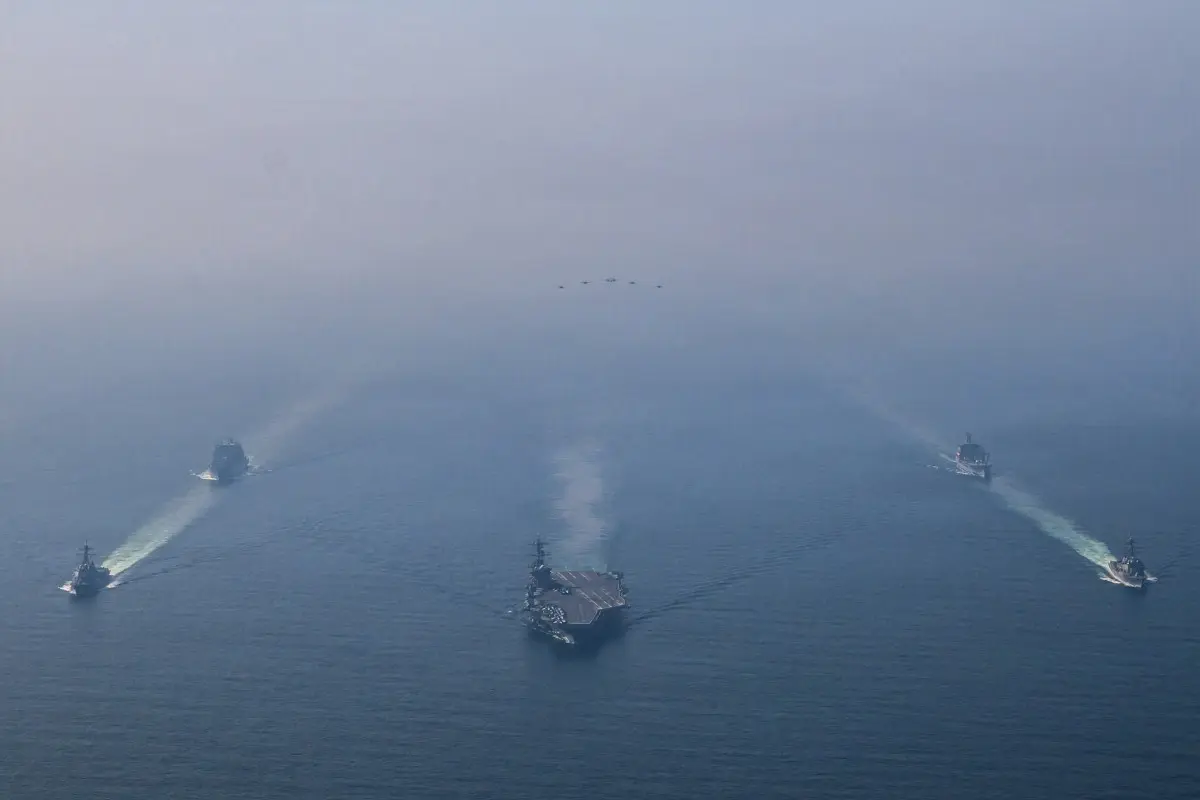
The towed acoustic decoy is one element in a comprehensive defensive package. USS Abraham Lincoln also carries missile defences, close-in weapon systems, electronic warfare suites and embarked anti-submarine aircraft and helicopters. Together, these systems enhance the carrier’s survivability in contested environments where threats can emerge from air, surface and beneath the sea.
)
)
)
)
)