Iran-US tensions: How can USS Gerald R. Ford be larger yet weigh less than USS Abraham Lincoln?

US President Donald Trump has warned that limited strikes against Iran remain possible, even as diplomatic efforts over Tehran’s nuclear programme continue, amid one of the most significant US military build-up across the Middle East in recent years.
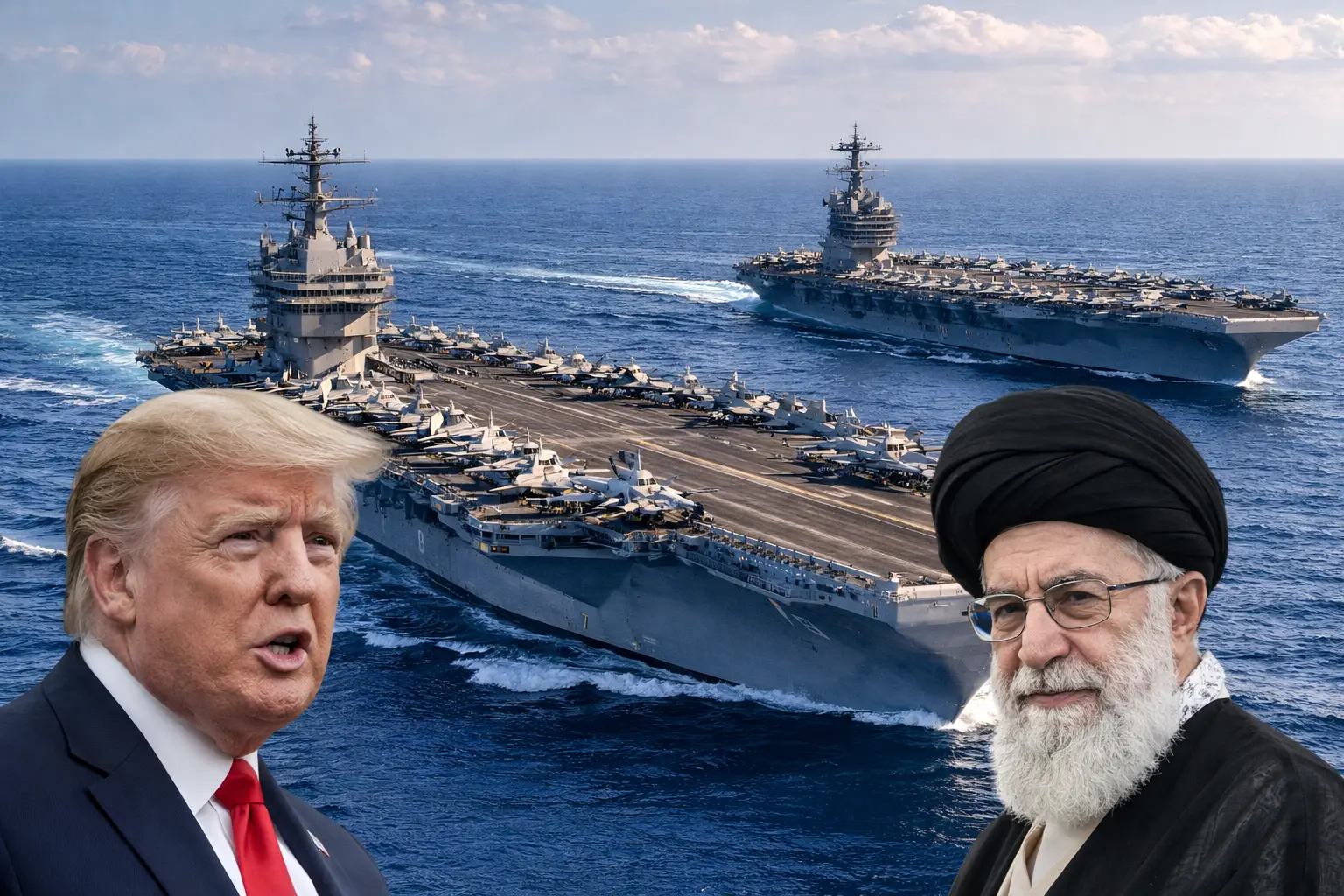
Two Sea-Giants in Iranian waters
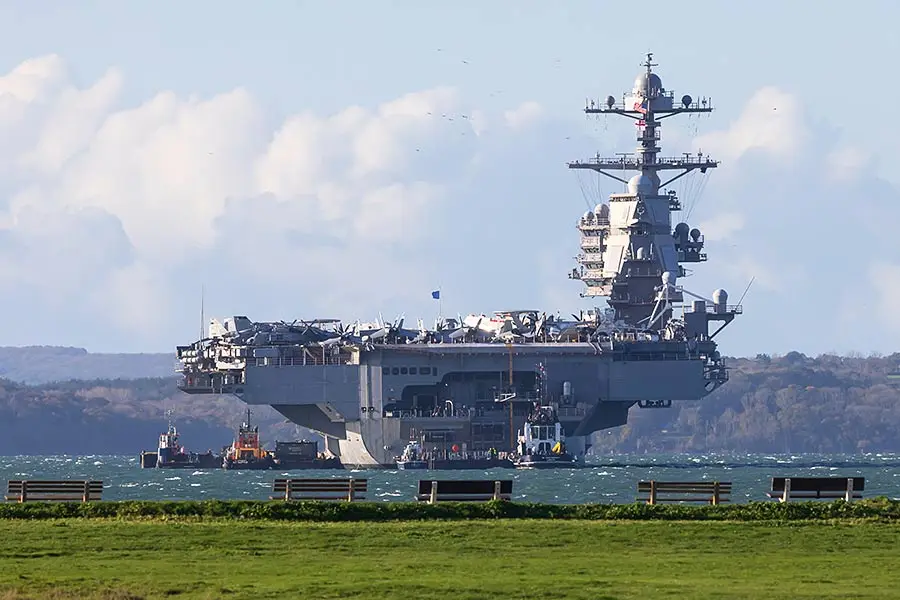
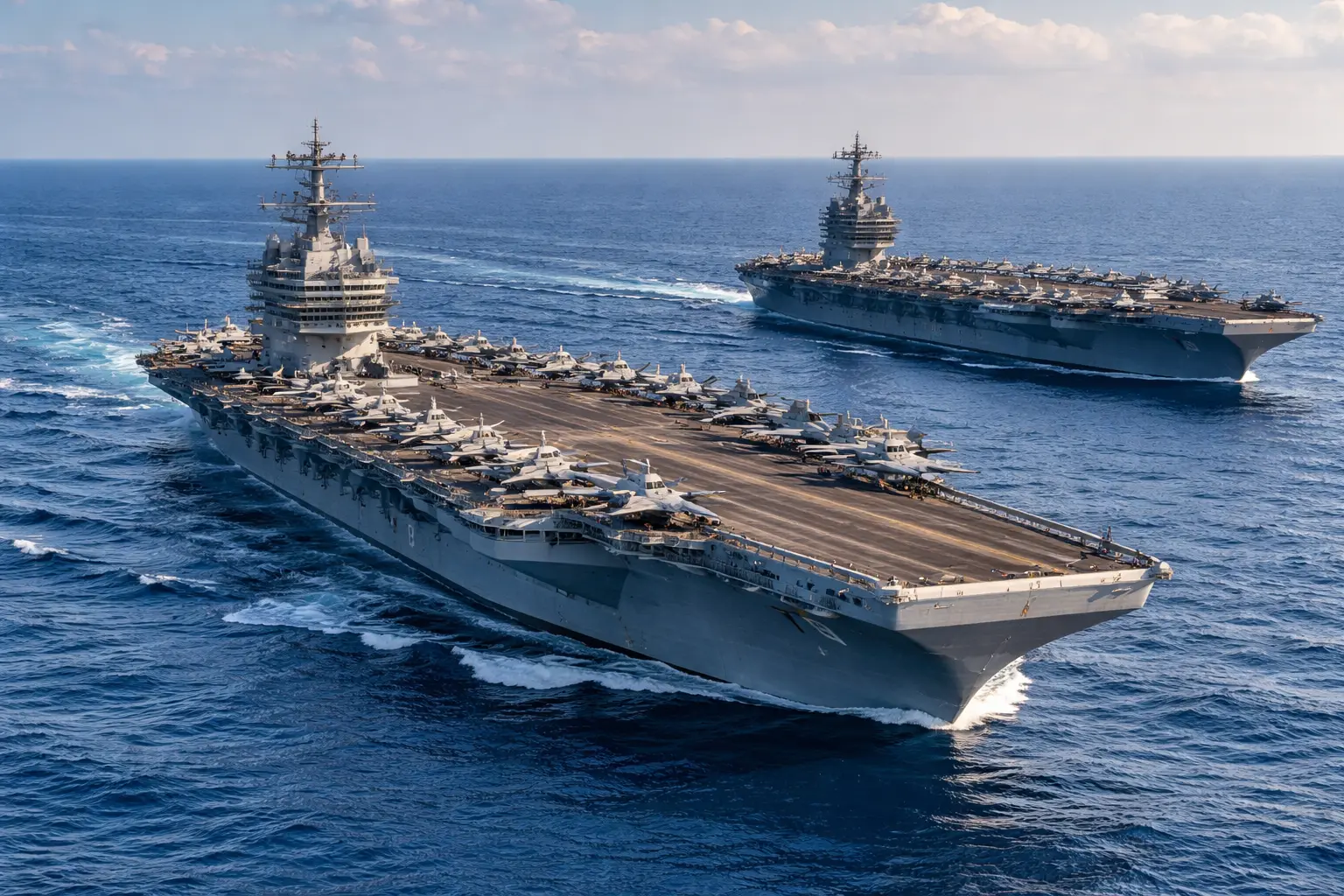
As tensions between the United States and Iran intensify, the deployment of aircraft carriers such as USS Gerald R. Ford and USS Abraham Lincoln has assumed heightened strategic importance. These nuclear-powered vessels form the backbone of American naval power, capable of projecting sustained air operations far from home waters. USS Gerald R. Ford was recently tracked transiting the Strait of Gibraltar eastwards, while USS Abraham Lincoln is operating in the Arabian Sea. US President Donald Trump has warned that limited strikes against Iran remain possible, even as diplomatic efforts over Tehran’s nuclear programme continue, amid one of the most significant US military build-up across the Middle East in recent years.
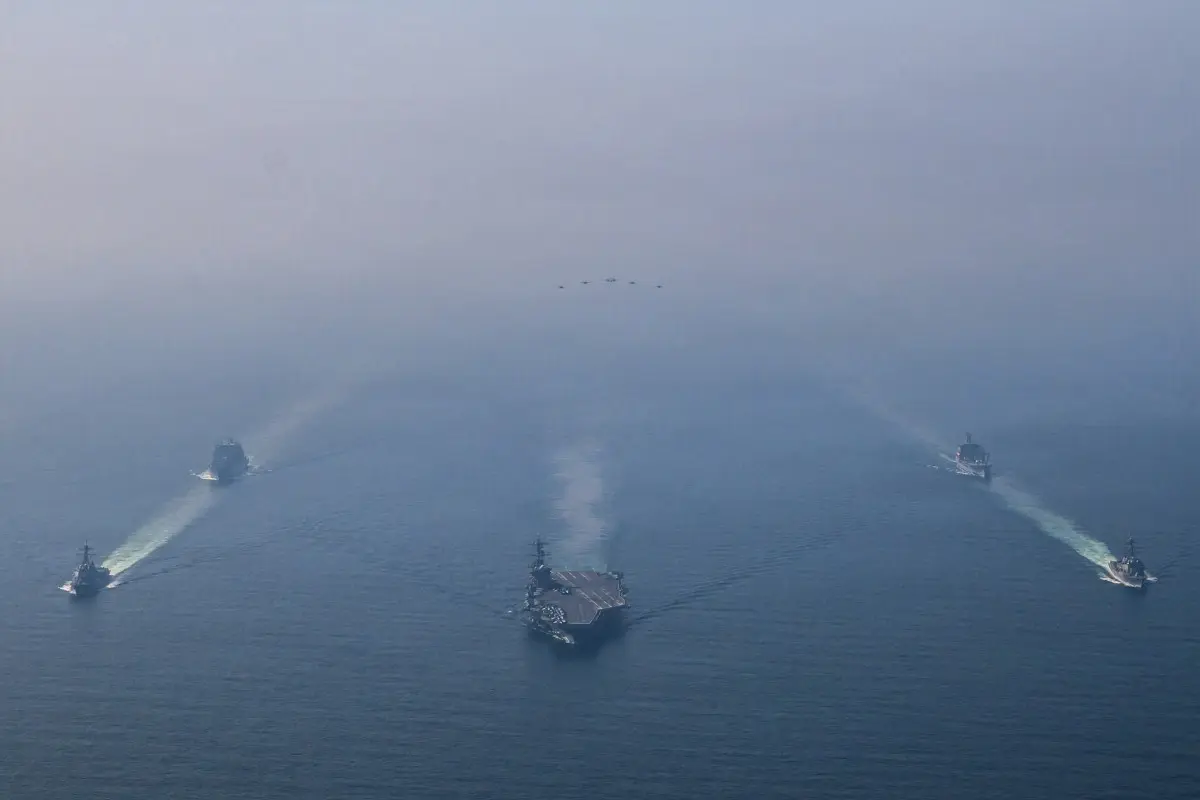
Specifications
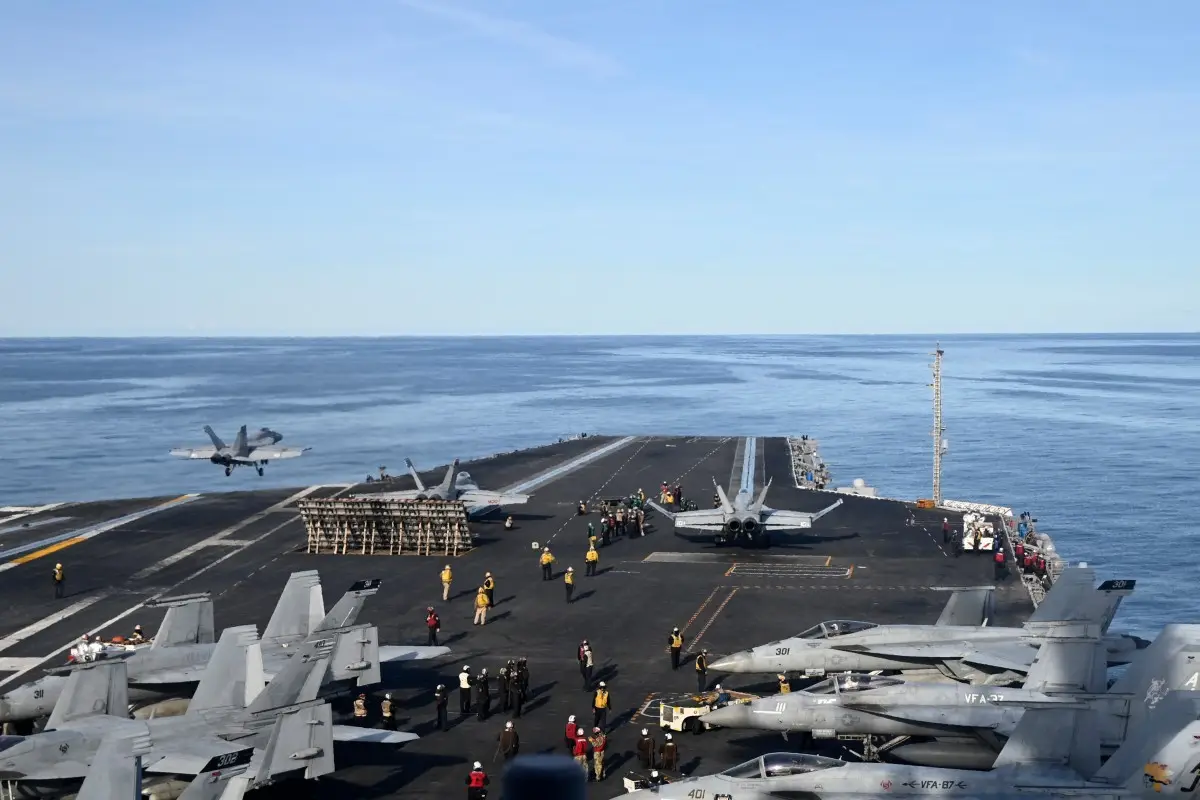
Both vessels are nuclear-powered and measure roughly the same overall length with expansive flight decks around 252 feet wide. Their decks support a full carrier air wing comprising F/A-18E/F Super Hornets, E-2D Advanced Hawkeyes, EA-18G Growlers and F-35C Lightning II aircraft, enabling sustained, high-tempo air operations at sea.
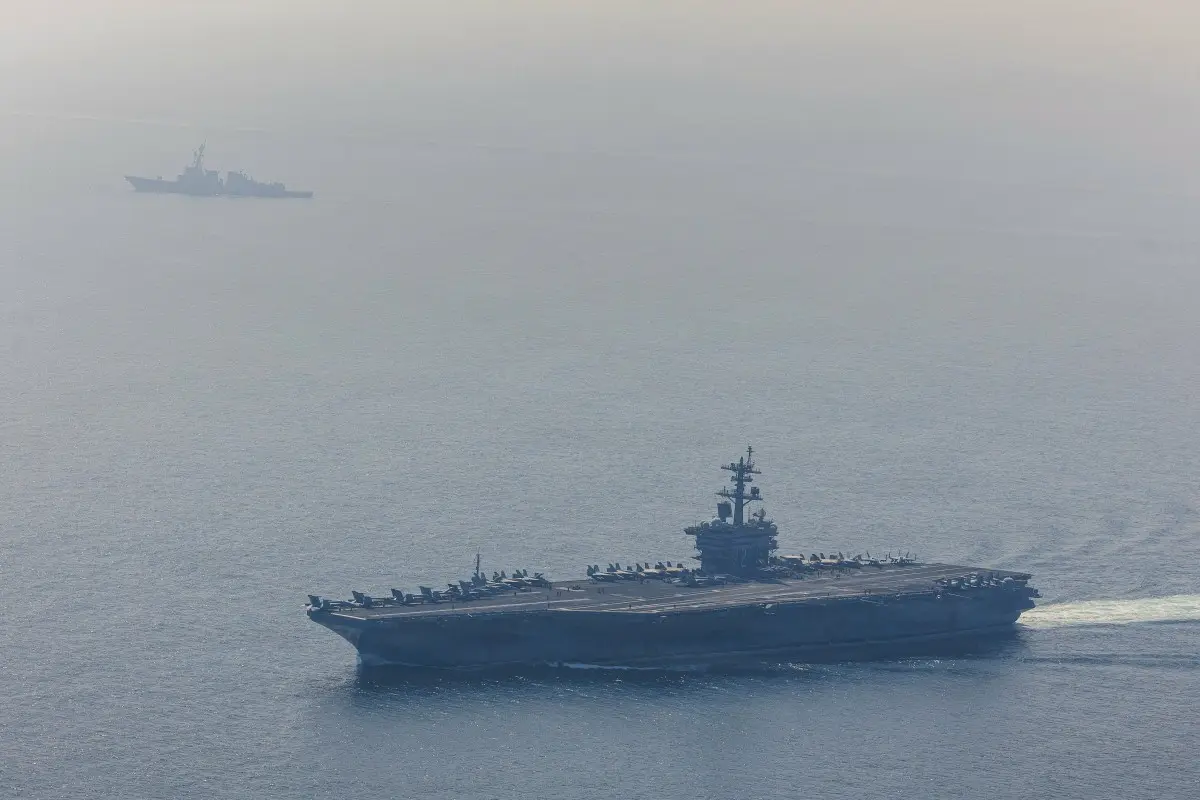
Carrier Basics: Size and Weight Defined
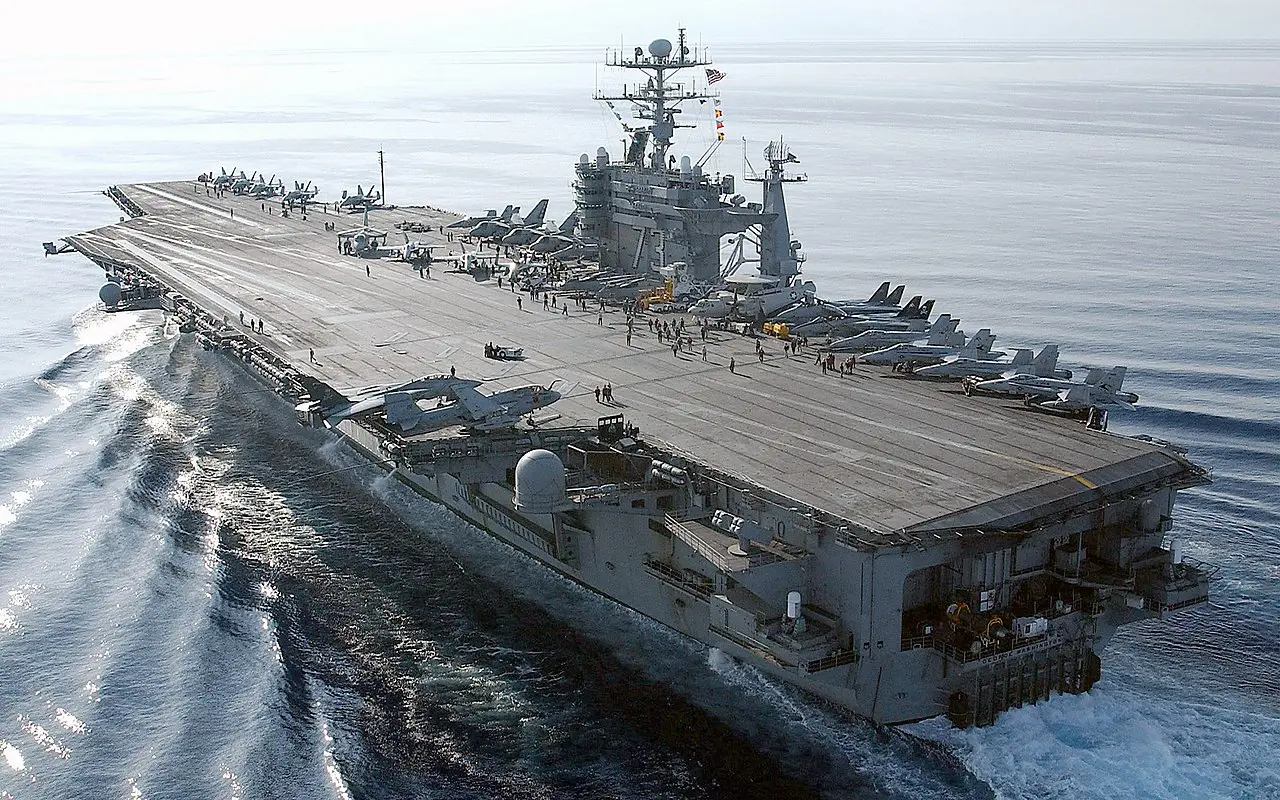
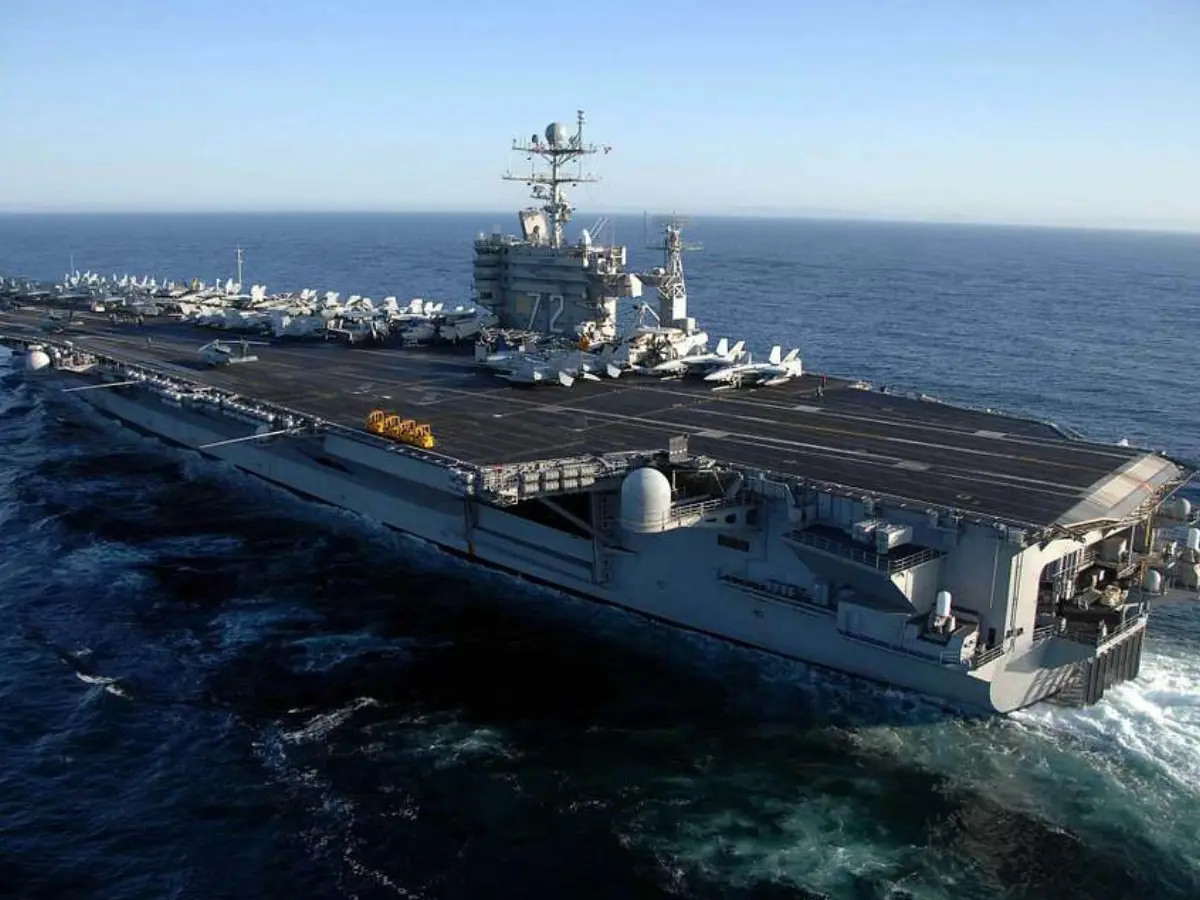
The USS Abraham Lincoln is a Nimitz‑class carrier commissioned in 1989, approximately 1,092 feet (332.8 m) long with a beam of 252 feet (76.8 m) and a fully loaded displacement around 1,04,300 long tons, essentially the weight of the vessel when laden with fuel, weapons, aircraft, crew and supplies. The USS Gerald R. Ford class, led by CVN‑78, is nominally the largest warship class but displaces about 1,00,000 long tons full load despite similar hull length and a slightly wider flight deck (256 ft/78 m).
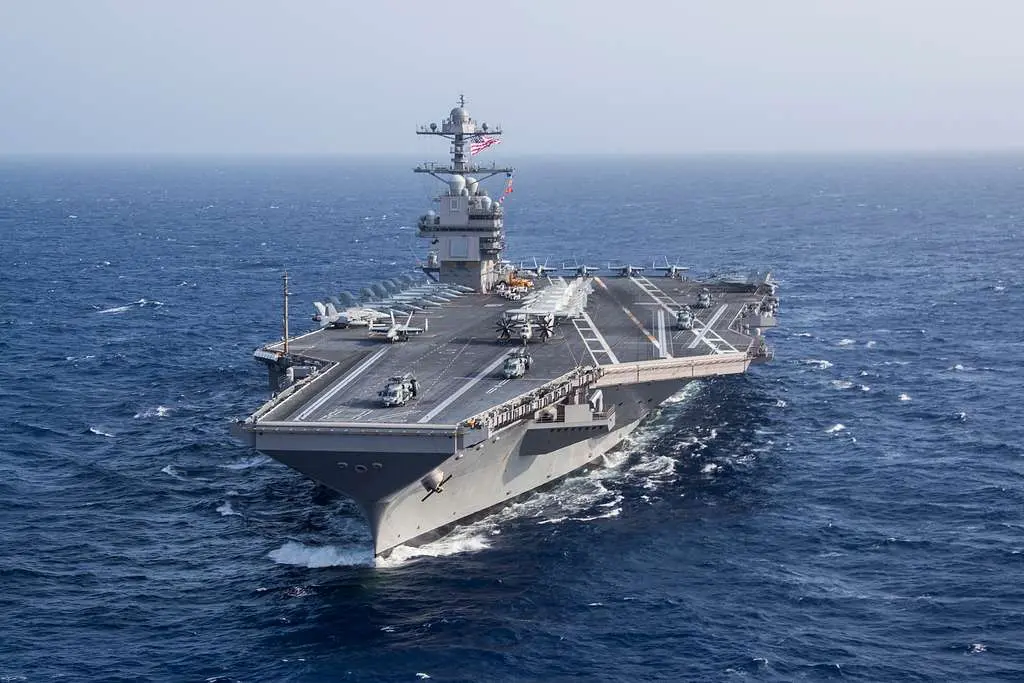
Nuclear Power and Propulsion
Both carriers are powered by nuclear reactors giving them effectively unlimited range. Abraham Lincoln uses two A4W reactors driving four steam turbines, producing about 260,000 shaft horsepower and speeds above 30 knots. The Ford class employs newer A1B reactors generating significantly more electrical power for advanced systems, while still achieving similar top speeds.
Rebalanced Internal Systems
Much of a carrier’s weight comes from propulsion systems, wiring, piping, and aviation support infrastructure. The Ford-class uses a newer nuclear reactor design and a more integrated electrical system, which streamlines power distribution across the ship. While both carriers displace roughly around 1,00,000 tons when fully loaded, the Ford’s updated systems and layout allow it to be physically larger yet comparably, and in some measurements slightly, lighter in displacement than its Nimitz-class predecessor.
Deck Design and Aircraft Handling Systems
A major technical difference lies in aircraft launch systems. Lincoln relies on legacy steam catapults, whereas Gerald R. Ford introduced electromagnetic launch (EMALS) and Advanced Arresting Gear systems. These allow broader aircraft types and higher sortie rates up to 160 launches per day, compared with the Nimitz class.
Bigger Dimensions, Smarter Design
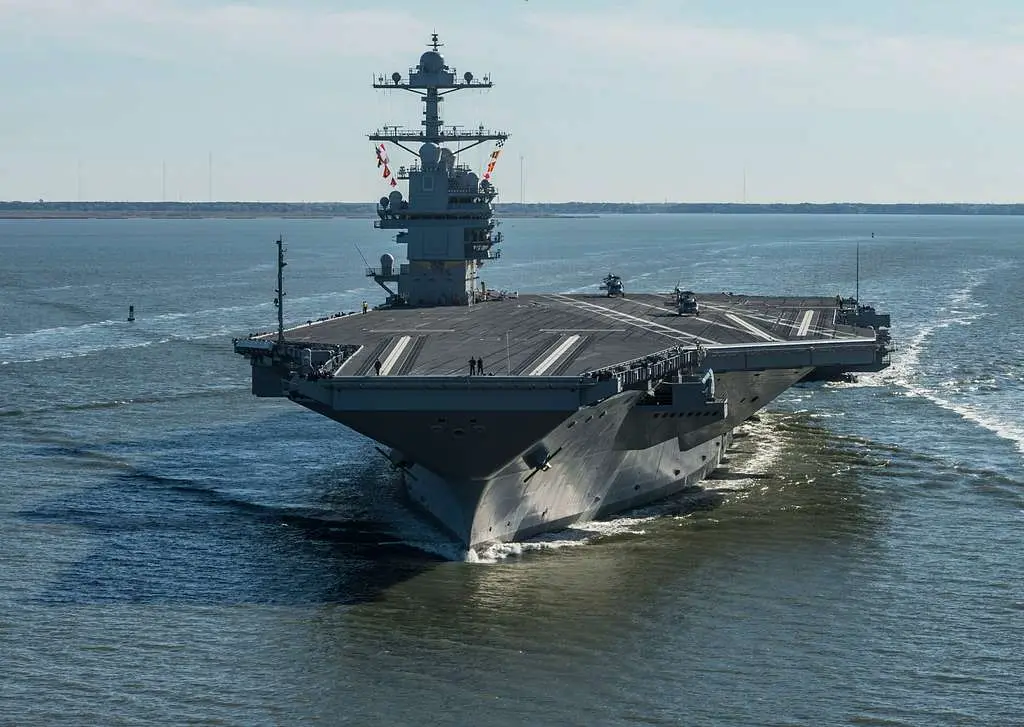
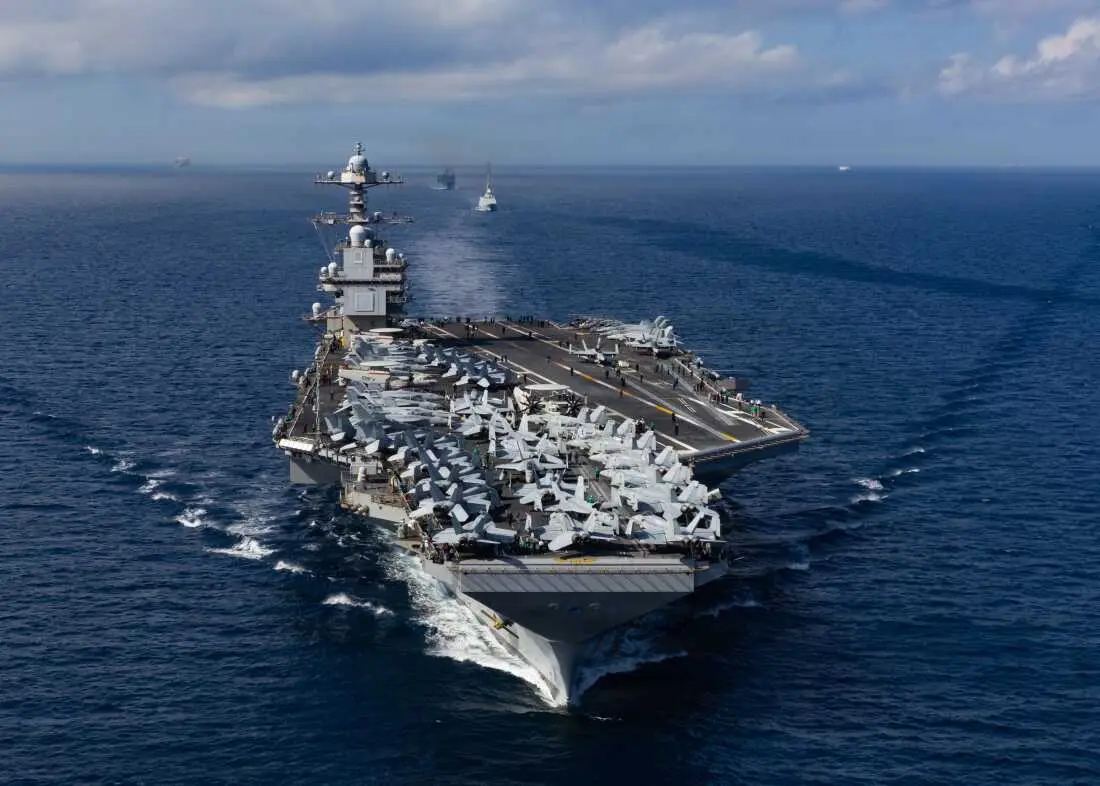
Although USS Gerald R. Ford is slightly longer and has a wider flight deck than USS Abraham Lincoln, overall size does not automatically translate into significantly greater weight. The Ford-class was designed decades later using advanced computer modeling that optimized internal layout and structural efficiency. In other words, it’s a larger ship in footprint, but not proportionally heavier in structure.
Advanced Materials and Structural Efficiency
The Ford-class incorporates more modern high-strength steels and improved construction techniques that reduce excess structural mass without sacrificing durability. Internal compartments were redesigned to eliminate redundancy and improve load distribution. These efficiencies allow the ship to maintain immense strength while avoiding the incremental weight increases typical of earlier Cold War–era carrier designs like the Nimitz class.
Radar and Sensor Advances
The Ford‑class carriers integrate the next‑generation radar suite. Early Ford vessels carried a Dual Band Radar (DBR) combining AN/SPY‑3 and AN/SPY‑4 sensors, with later hulls adopting the AN/SPY‑6(V)3 modular radar providing greater sensitivity and tracking of multiple threats simultaneously, far exceeding the older AN/SPS‑48 and AN/SPS‑49 radars on Abraham Lincoln.
Crew and Operational Efficiency
Automation on Ford class, from weapons elevators to systems monitoring, reduces crew requirements by several hundred compared with Lincoln’s larger complement of around 5,600. This automation contributes to weight savings, offsetting the advanced systems fitted aboard.
Understanding Displacement vs Size
The crucial point is that 'displacement' measures how much water a ship pushes aside, essentially its weight when fully loaded, and not just physical dimensions. Gerald R. Ford’s use of lighter, highly efficient materials, advanced internal design and reduced crew and support equipment yield a lower displacement despite its larger flight deck and modern capabilities. This modern engineering approach enables a vessel that is physically larger in usable space but lighter overall in weight compared with the older Nimitz‑class Abraham Lincoln.
)
)
)
)
)