Iran to close parts of Hormuz Strait? How often has Iran warned of closure since 2000 & why 20% of global oil supply is at risk

The development comes as renewed nuclear negotiations between the United States and Iran begin in Geneva, heightening concerns over maritime security and global energy stability.
Iran to close parts of Hormuz Strait
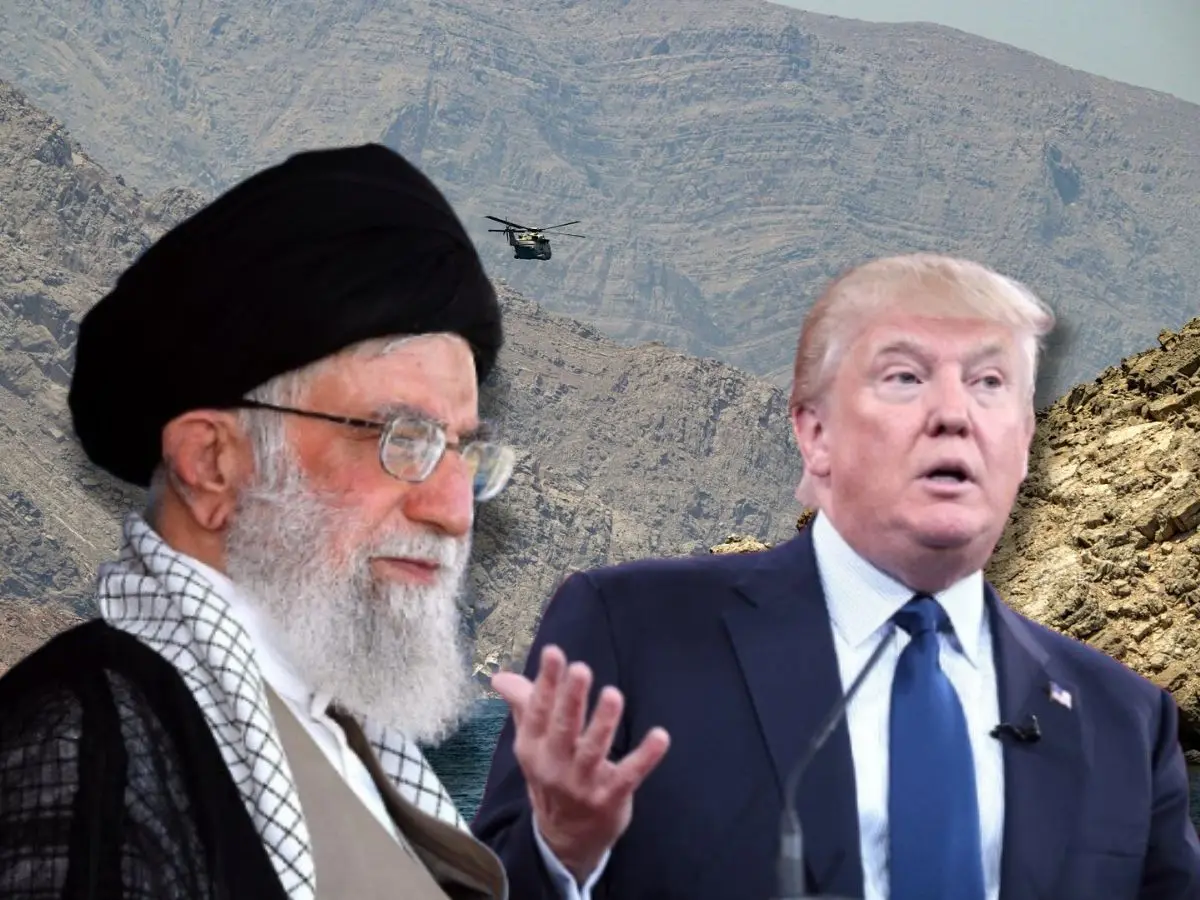
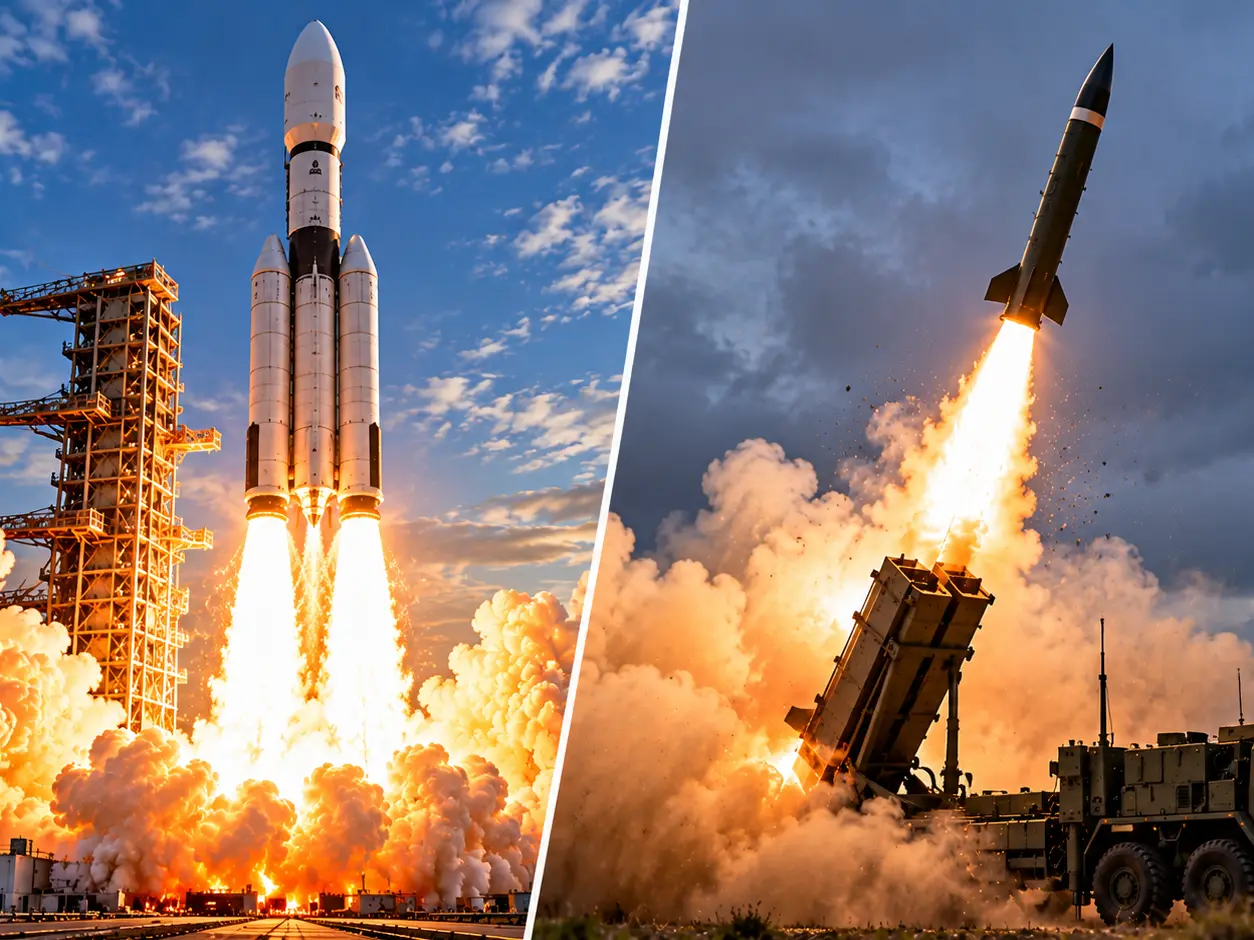
Parts of the Strait of Hormuz are set to be temporarily closed for several hours as naval drills are conducted by Iran’s Islamic Revolutionary Guard Corps, according to reports from the semi-official Fars News Agency. The development comes as renewed nuclear negotiations between the United States and Iran begin in Geneva, heightening concerns over maritime security and global energy stability. As the talks commenced, Iran reportedly conducted live-fire missile drills towards waters near the strait as part of its military exercise. Earlier, Tehran had announced large-scale maritime manoeuvres in the vital international trade route through which nearly 20 per cent of the world’s oil supplies transit daily, as reported by Reuters.
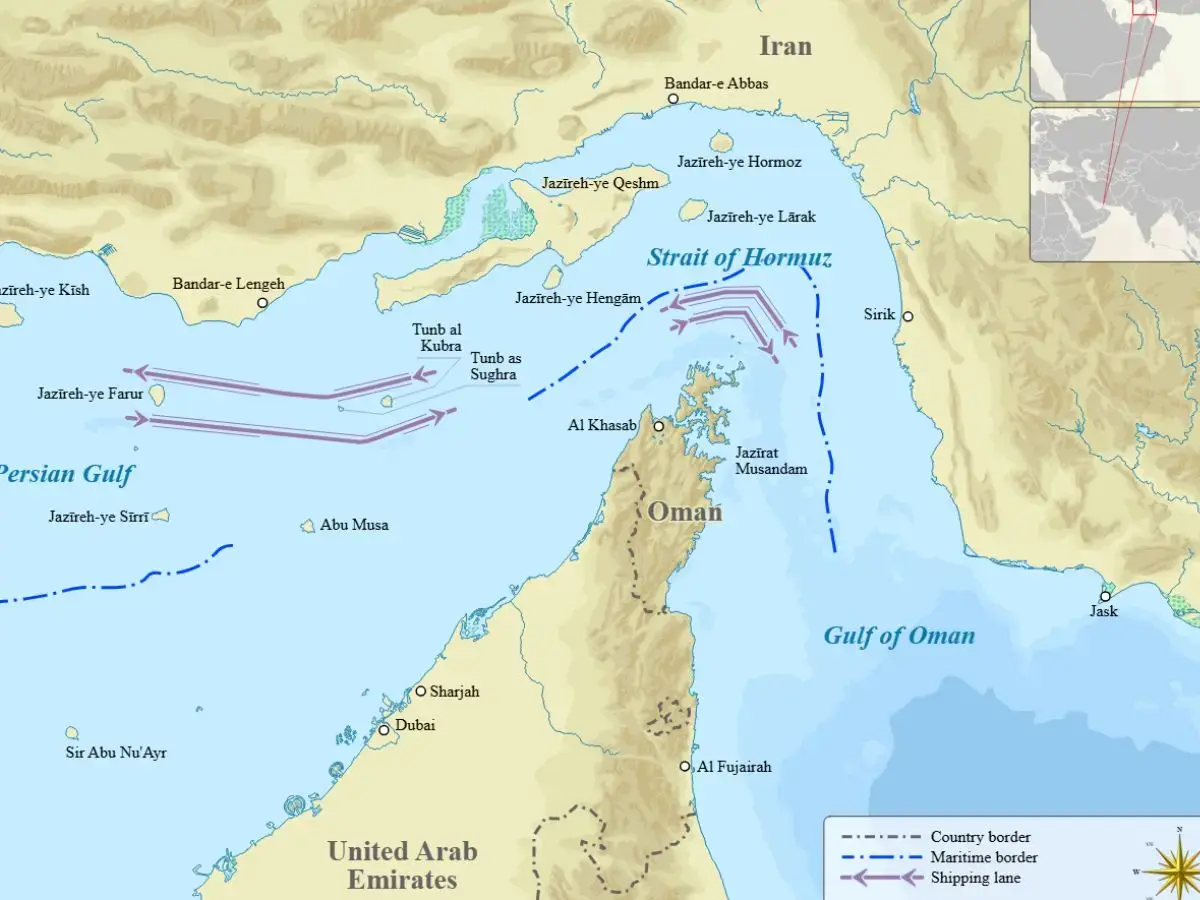
The world’s most critical oil chokepoint
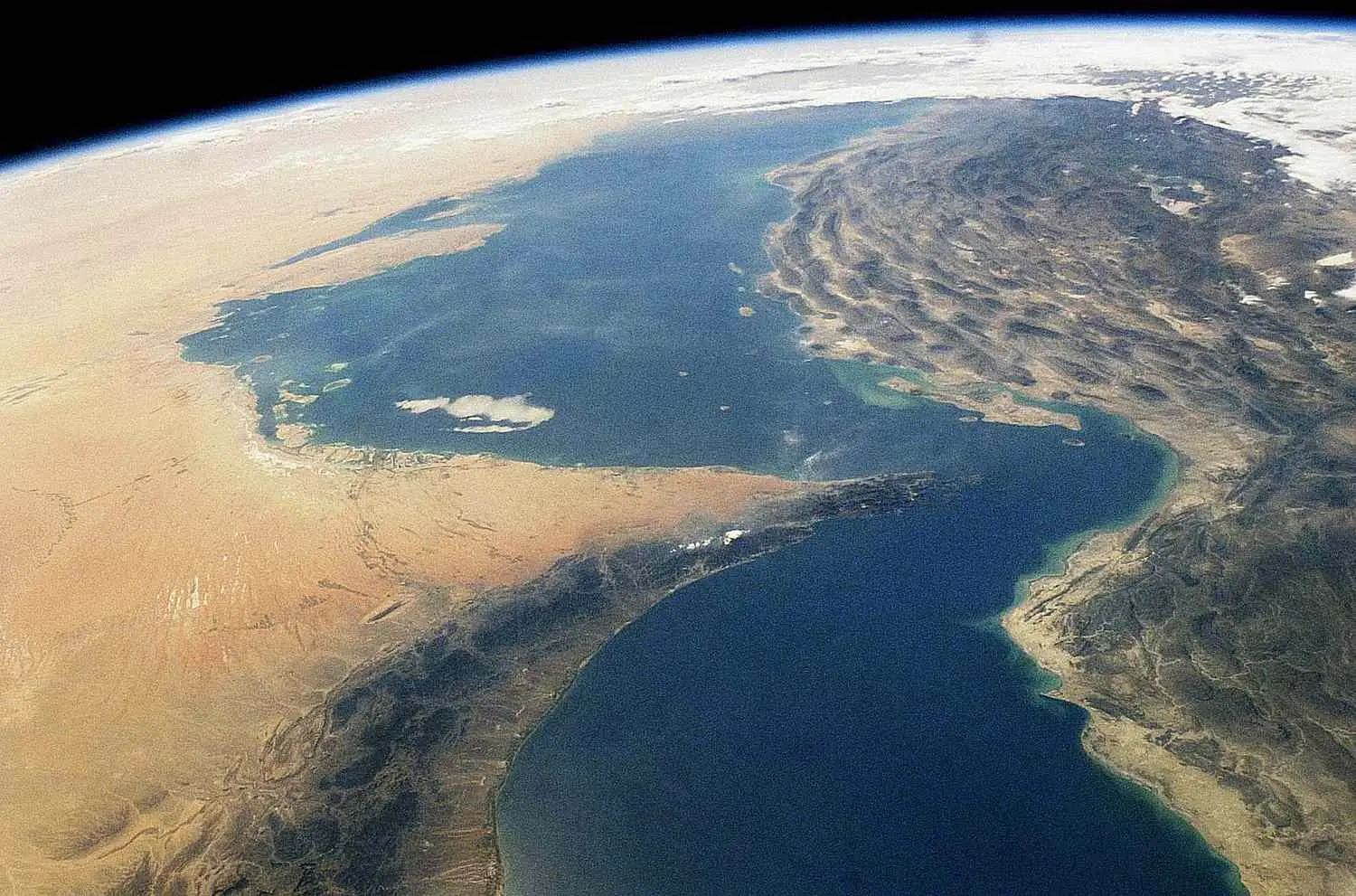
At its narrowest, the Strait of Hormuz is just 21 nautical miles wide, with shipping lanes only 3 km across in each direction. The Strait connects major Gulf energy producers, including Saudi Arabia, Iraq and the United Arab Emirates, to global markets through the Gulf of Oman and the Arabian Sea. About a fifth of the world's total oil consumption passes through the strait. The closest precedent to a conflict in the strait would be the 1980s 'Tanker War'. During this time, attacks were frequent, but the route remained open.
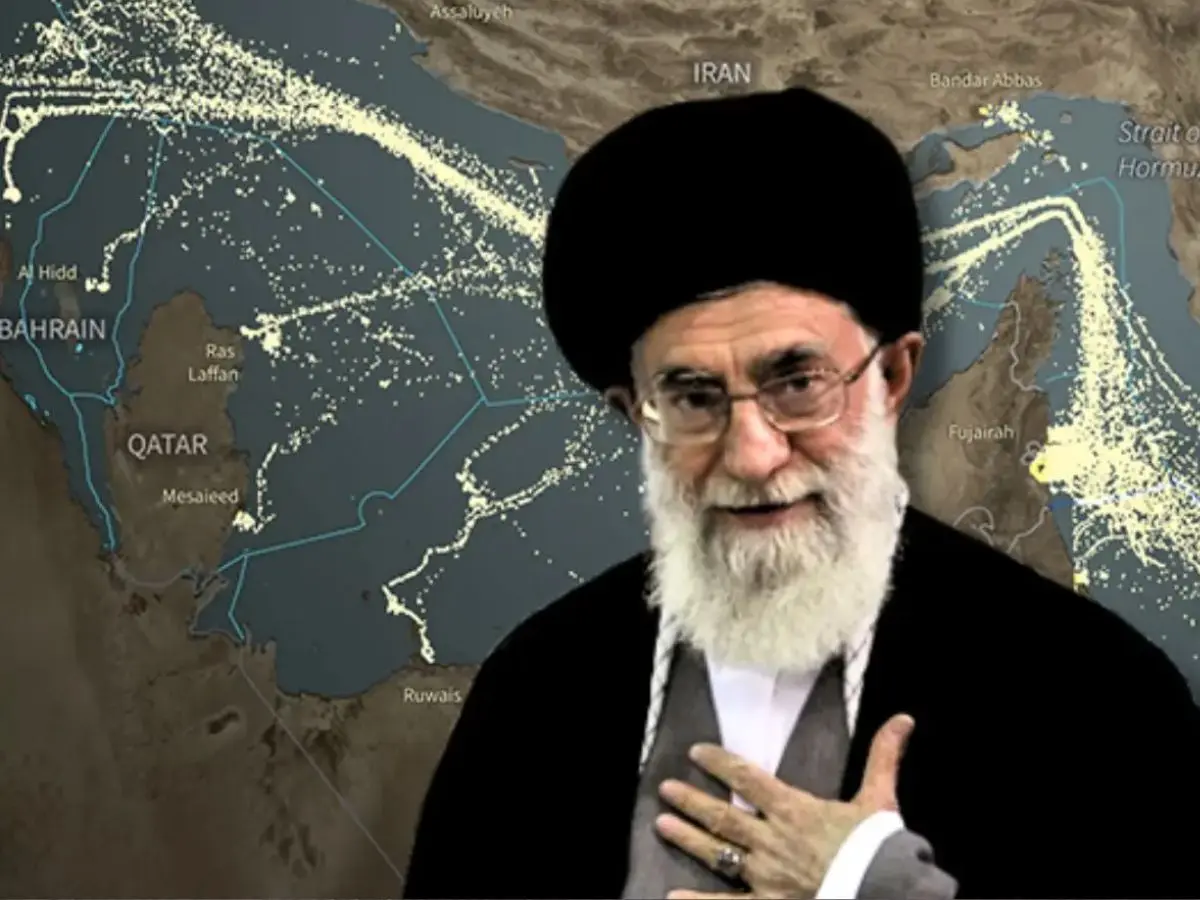
Military drills and missile activity heighten anxieties
Iran's supreme leader, Ayatollah Ali Khamenei, said on Tuesday that US President Donald Trump would not succeed in destroying the Islamic Republic, as talks between the two countries began in Geneva. Meanwhile, Iran’s latest maritime exercises included live missile firing towards waters near the strait. Such exercises, although officially described as defensive security measures, have historically heightened tensions during diplomatic confrontations and sanctions disputes.
Repeated threats but no full closure: 2011–2012
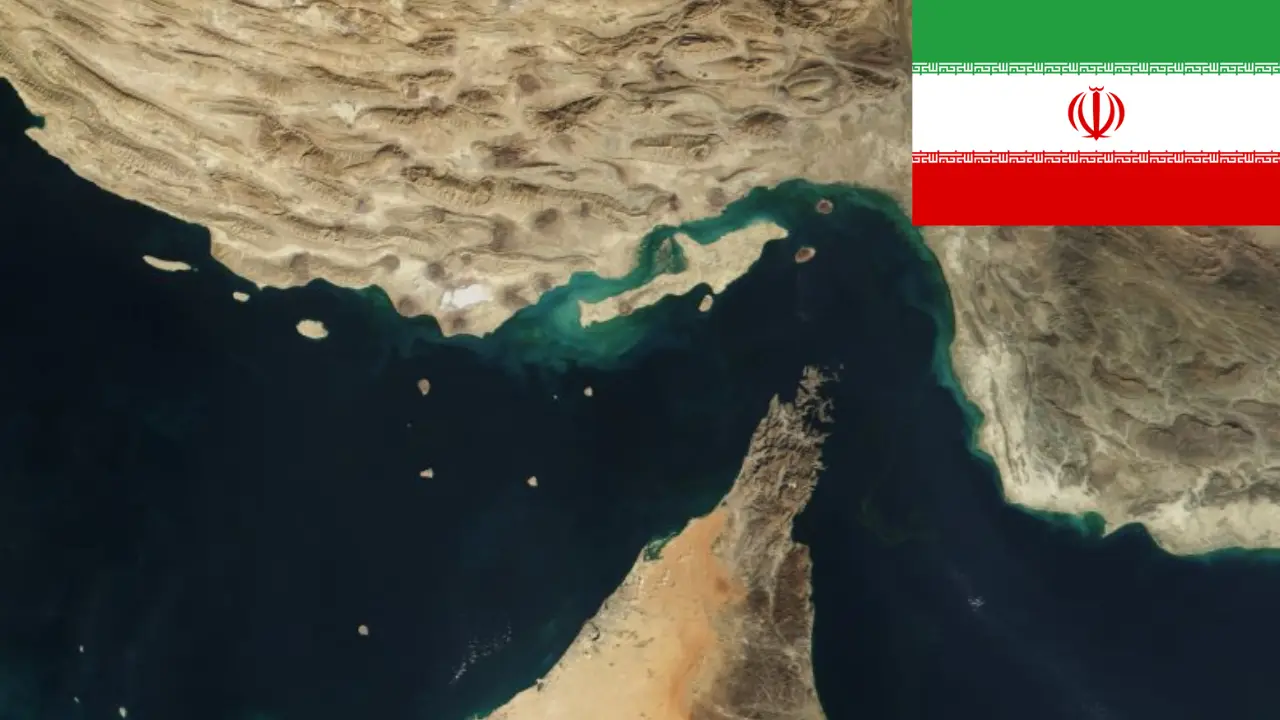
Despite repeated warnings, Iran has never fully closed the Strait of Hormuz. Tensions escalated sharply during the 2011–2012 sanctions crisis, when Iranian officials warned they could block maritime traffic if Western powers restricted Tehran’s oil exports. The threats followed a report by the International Atomic Energy Agency in November 2011 indicating that Iran had conducted research linked to nuclear weapon design. In response, the United States, United Kingdom and Canada imposed tougher sanctions, including measures targeting the Central Bank of Iran, a key channel for Iran’s oil revenue and international transactions. Despite the heated rhetoric, Iran did not follow through on its threat to block the strait.

2018
Threats resurfaced following Washington’s withdrawal from the 2015 nuclear agreement in 2018. In response to US efforts to reduce Iranian oil exports to zero, Iranian officials threatened to block the Strait of Hormuz. The following year saw multiple tanker attacks and the seizure of the British-linked vessel Stena Impero, incidents widely attributed by Western governments to Iranian or Iran-aligned actors. These events significantly raised fears of supply disruption across global oil markets.
2025
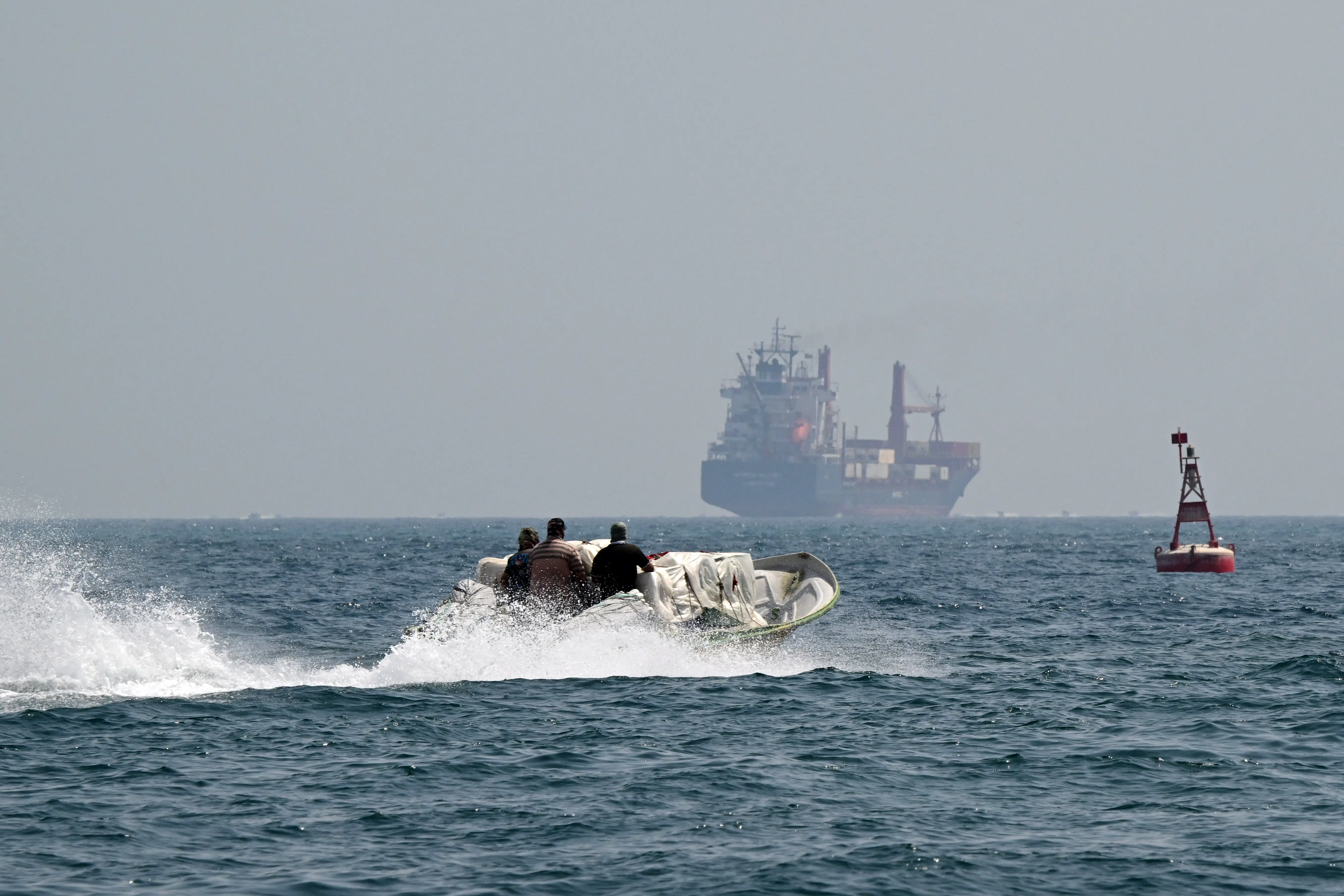
In 2025, the Strait of Hormuz emerged as a major flashpoint amid escalating military tensions involving Iran, Israel and the United States. The crisis intensified during a 12-day conflict in June, beginning with Israeli airstrikes on Iranian targets on June 13, followed by US attacks on key nuclear facilities at Fordow, Natanz and Isfahan on June 21. In response to the US strikes, the Iranian Parliament unanimously approved a proposal supporting closure of the strait. However, the final authority rested with the Supreme National Security Council, which ultimately opted to keep the waterway open, citing the need to maintain global oil supply flows and avoid wider economic disruption.
Vessel seizures
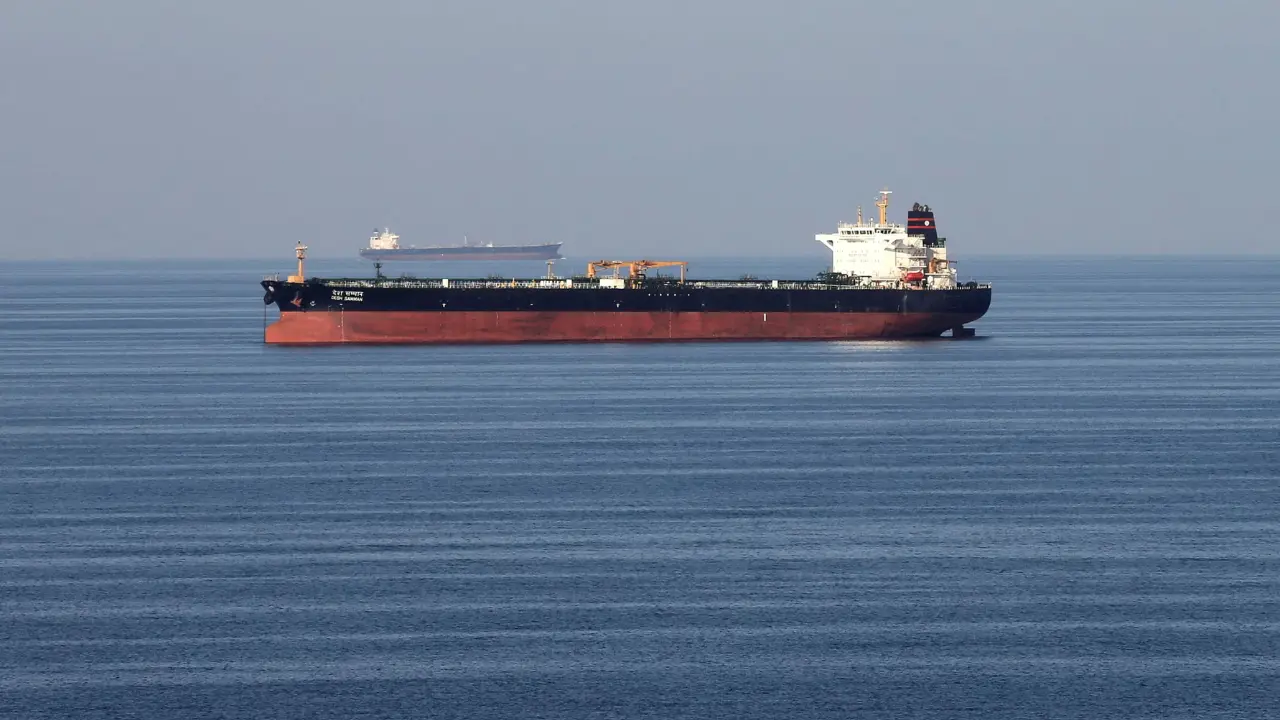
Iranian forces have continued assertive naval actions in recent years. In May 2019, four vessels, including two Saudi oil tankers, were attacked off the UAE coast, outside the Strait of Hormuz. Two vessels were seized by Iran near the strait in 2023 and in 2024, Tehran seized one more commercial vessel MSC Aries amid regional tensions. Some of the seizures followed US seizures of tankers related to Iran.
Why the Strait remains vital to global stability
Any prolonged disruption in the Strait of Hormuz would severely constrain global energy supplies, potentially triggering sharp price spikes and inflationary shocks. The corridor remains indispensable not only for Gulf exporters but also for global economies reliant on uninterrupted oil shipments, ensuring the strait remains one of the world’s most closely monitored geopolitical flashpoints.
)
)
)
)
)