Iran’s Shahed 149 vs US MQ-9 Reaper: Which drone is more deadly?

Iran’s Shahed 149 ‘Gaza’ drone attempts to rival the American standard but falls short. The US MQ-9 Reaper is the US's most advanced drone and is way more advanced than the Shahed 149.
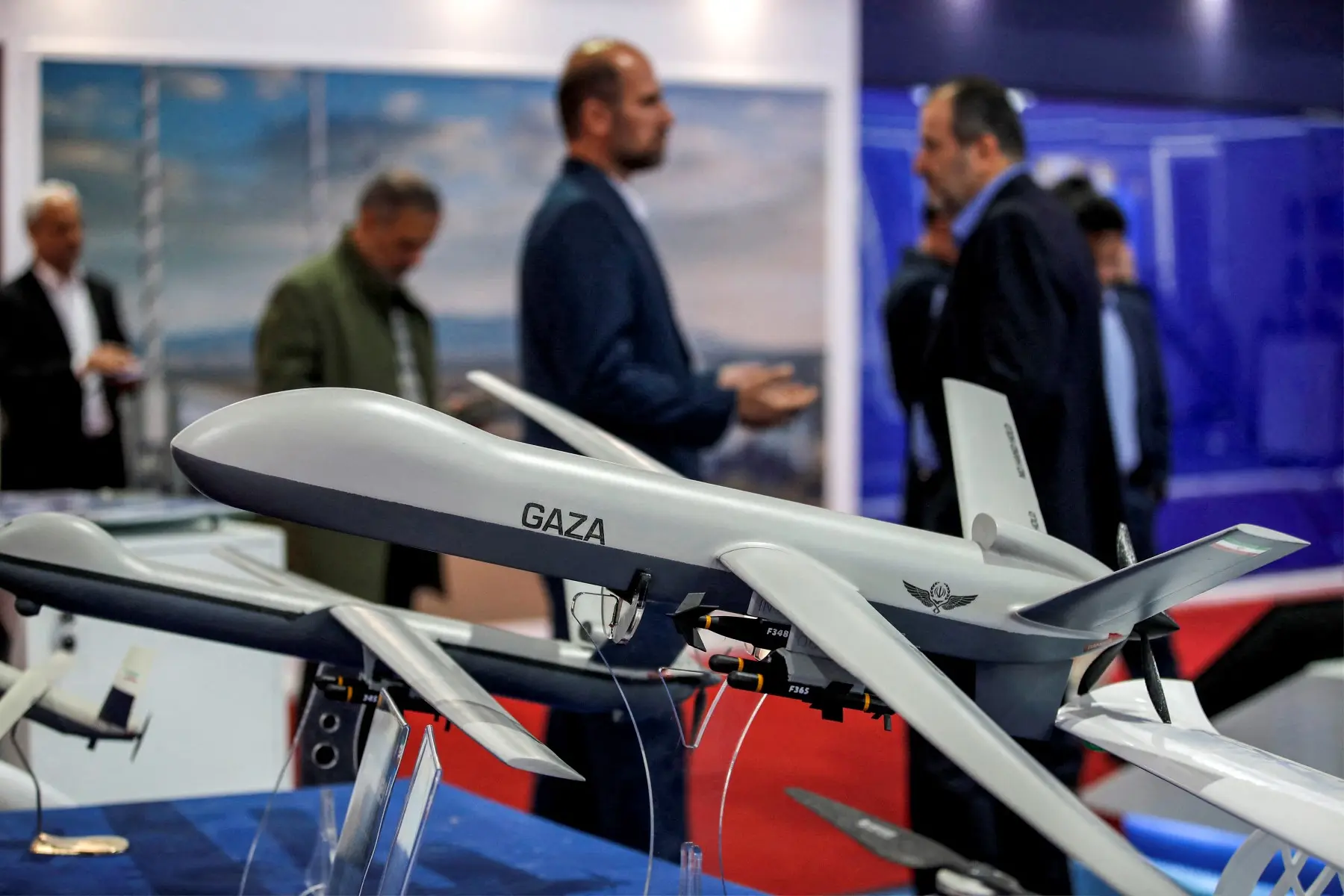
Iran’s Shahed 149 vs US MQ-9 Reaper
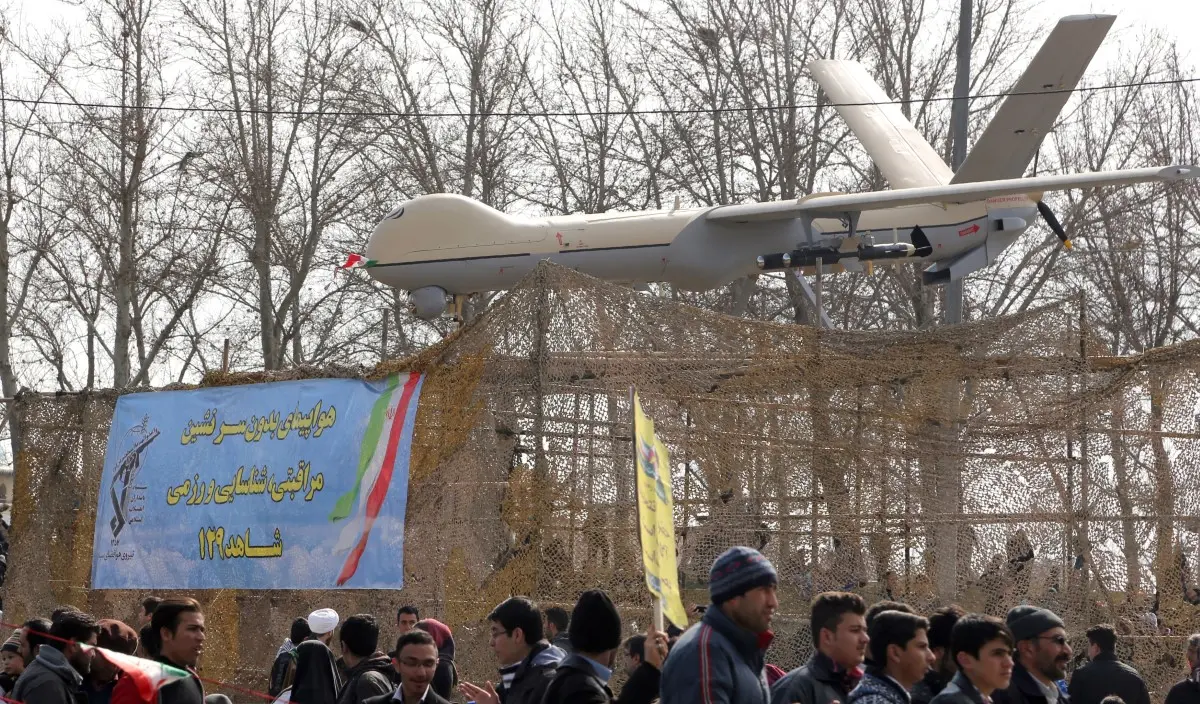
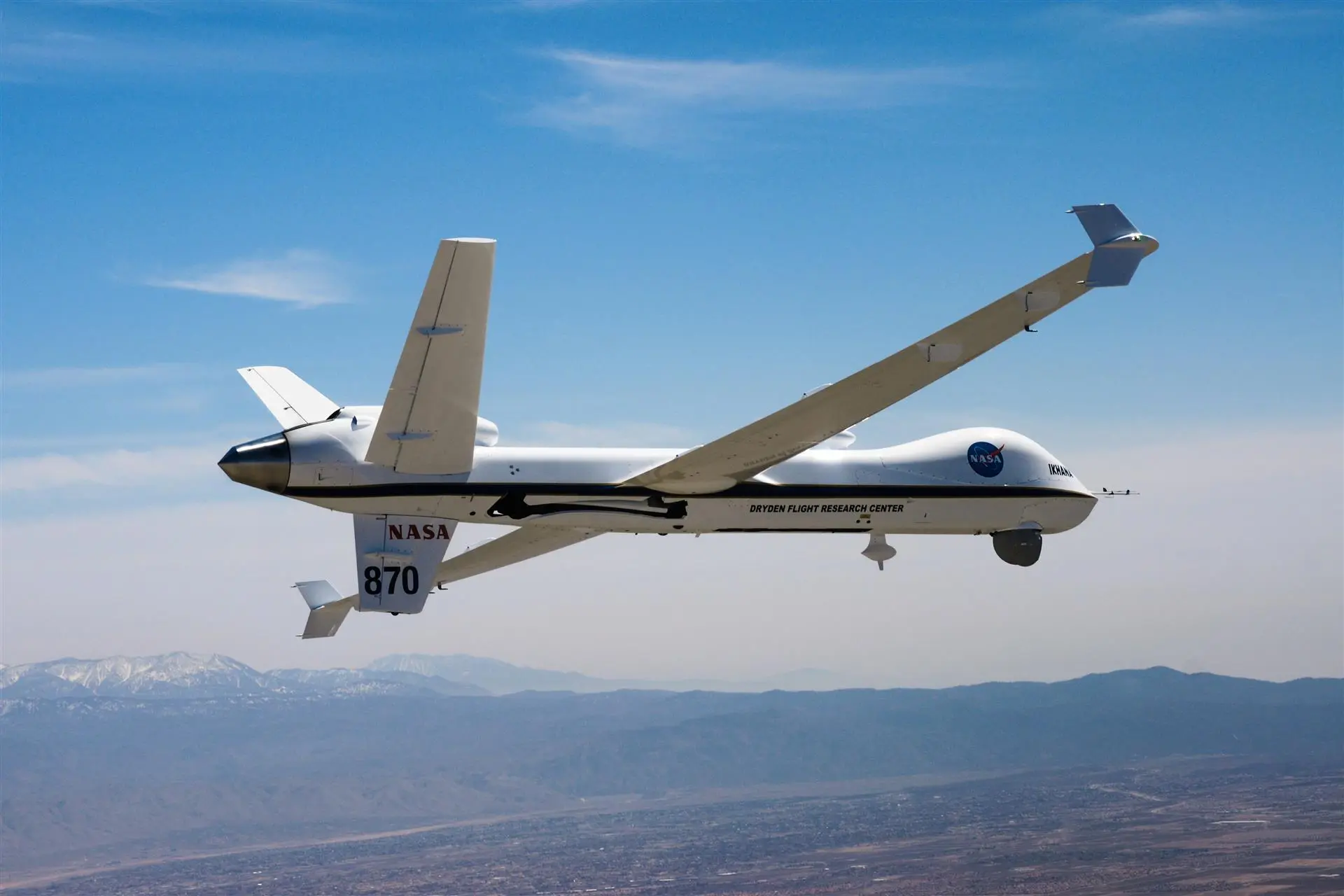
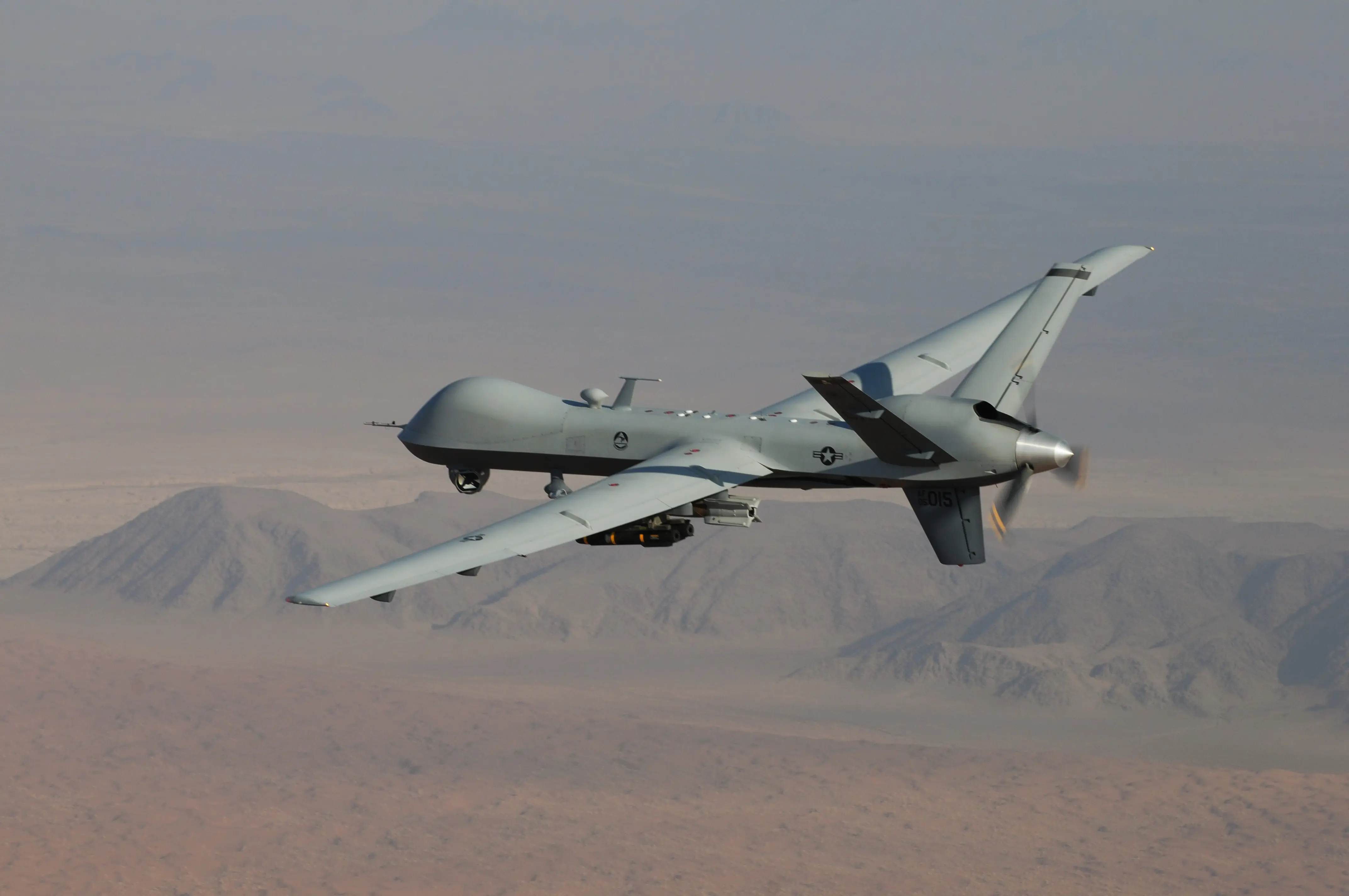
Iran’s Shahed 149, also known as the ‘Gaza’ drone, is widely seen as a direct competitor to the US-made MQ-9 Reaper. While the Reaper has been the gold standard for hunter-killer drones for two decades, the Shahed 149 aims to challenge this dominance. Both aircraft feature a similar bulbous nose and V-tail design, intended for long-endurance missions. However, the internal capabilities reveal distinct differences in their strategic roles.
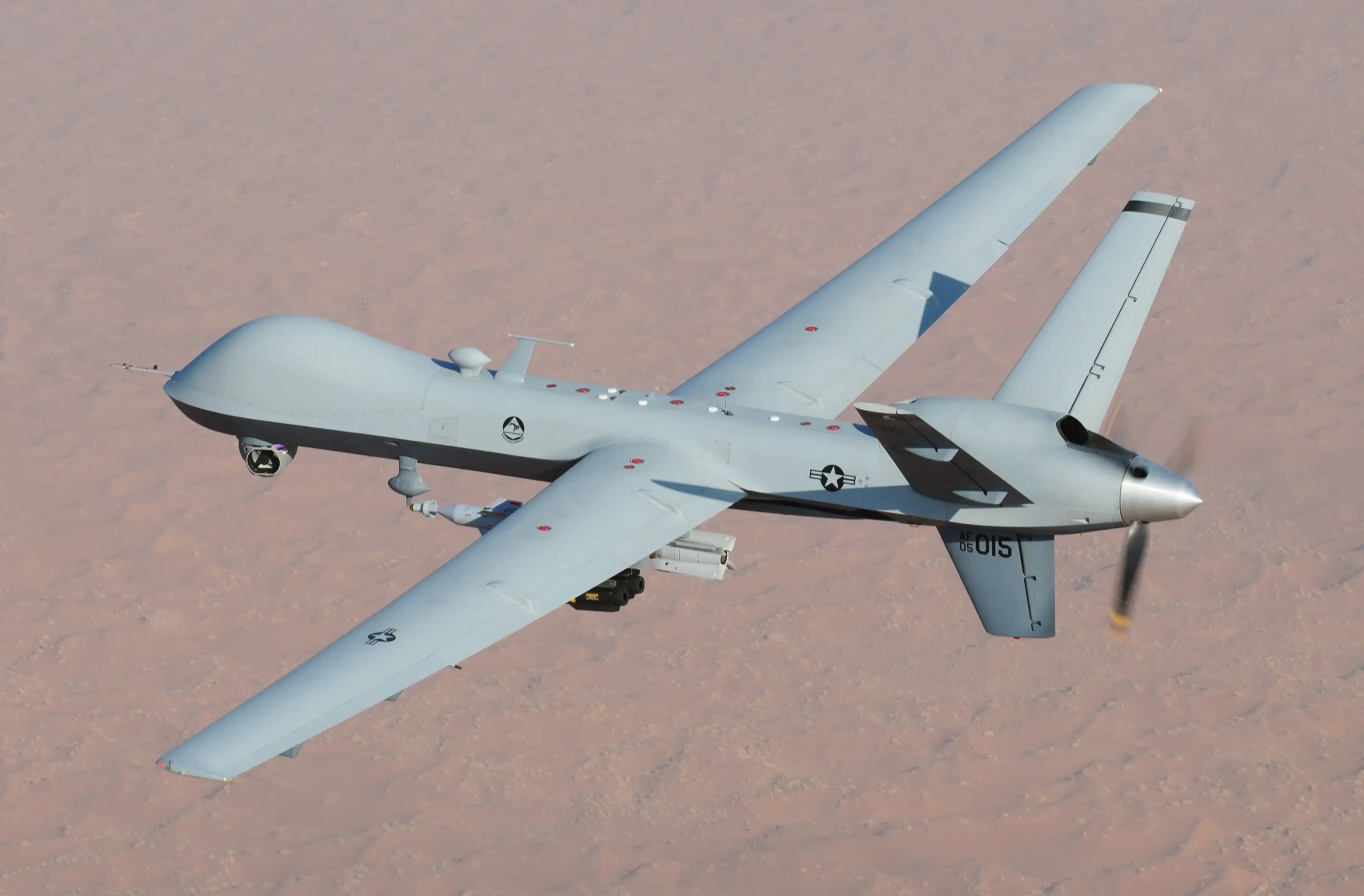
Wingspan and Dimensions
The Shahed 149 boasts an impressive wingspan of 21 metres, making it slightly wider than its American counterpart. The MQ-9 Reaper has a wingspan of 20 metres (66 feet) and a length of 11 metres. This larger airframe allows the Iranian drone to support substantial fuel loads for extended missions. Despite the size difference, both drones require prepared runways for takeoff and landing operations.
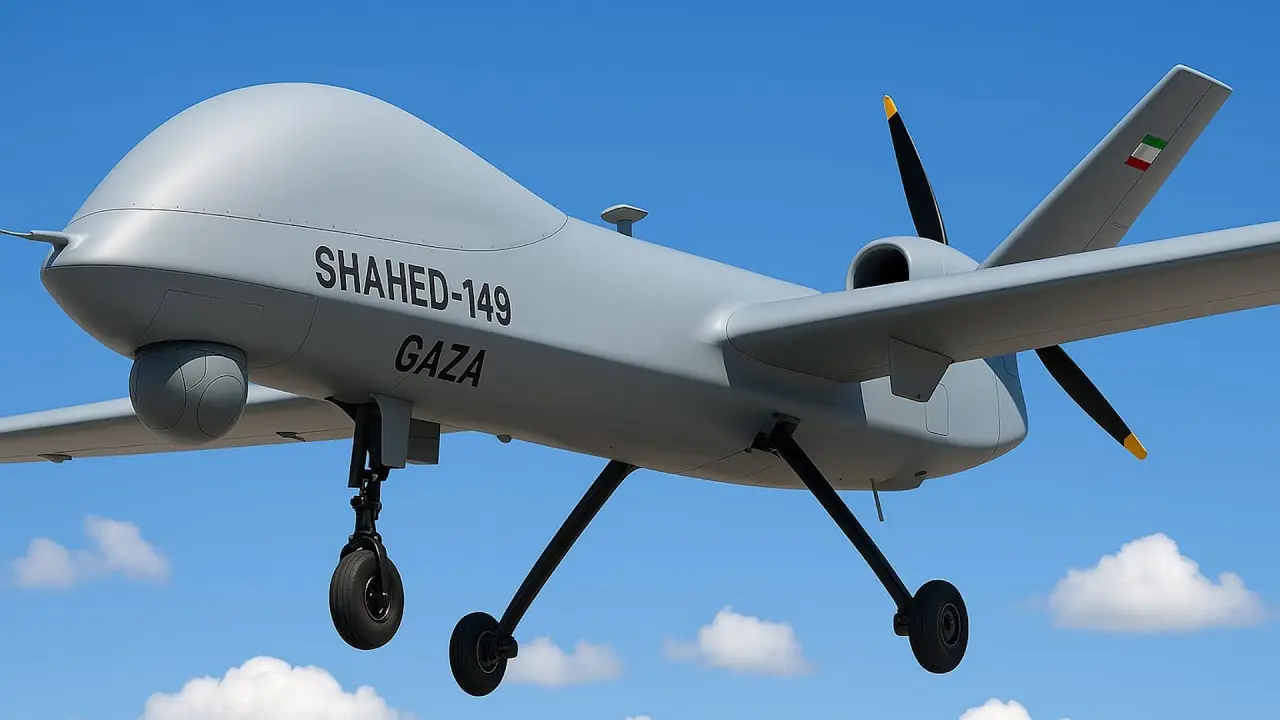
Flight Endurance
One area where Iran claims superiority is flight endurance, with the Shahed 149 reportedly capable of flying for 35 hours. In contrast, the standard MQ-9 Reaper typically offers around 27 hours of flight time, though extended-range variants can reach 34 hours. If the Iranian figures hold true in operational conditions, the Shahed 149 could theoretically loiter over targets for longer periods without refuelling.
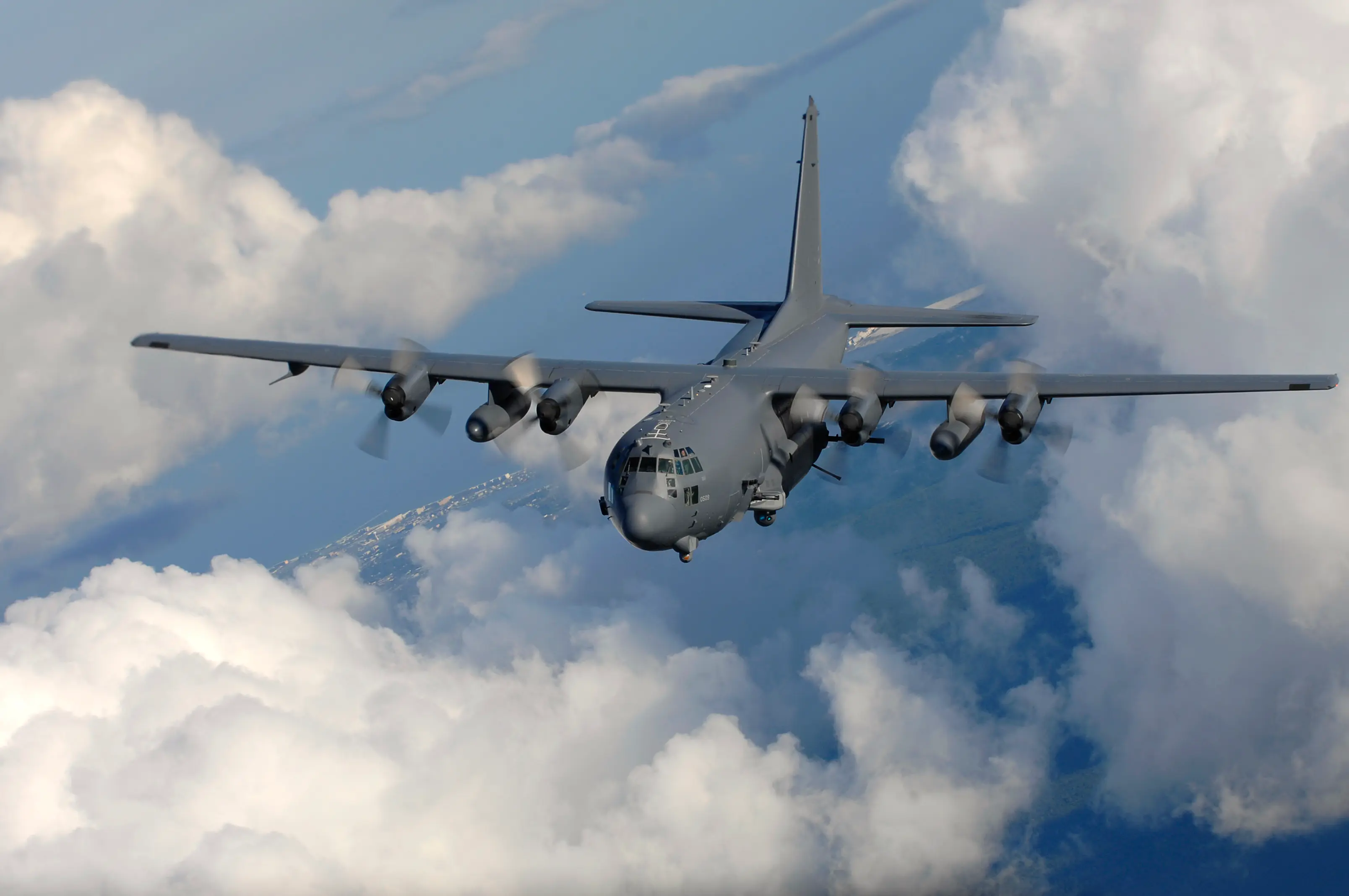
Speed and Power
The American MQ-9 Reaper holds a clear advantage in speed, powered by a robust Honeywell turboprop engine. It reaches a top speed of approximately 482 km/h (300 mph), allowing for rapid response. The Shahed 149, while also using a turboprop engine, has a reported cruising speed of just 350 km/h. This difference makes the Reaper more agile when moving between distant operating bases.
Heavy Firepower
When it comes to weapons capability, the MQ-9 Reaper is a true heavyweight, carrying up to 1,700 kg of external payload. It can deploy Hellfire missiles and laser-guided bombs with high precision. The Shahed 149 carries a significantly lighter payload of around 500 kg, which typically includes up to 13 bombs or missiles. The US drone remains the superior platform for heavy strike missions.
Operational Range
Tehran claims the Shahed 149 has an operational range of up to 7,000 km, potentially putting vast areas within its reach. The MQ-9 Reaper generally operates within a combat radius of 1,850 km, though it can be ferried much further. While the Iranian drone’s range figure is substantial, the Reaper utilizes advanced satellite communications for seamless global control, a technology Iran is still developing.
Cost and Verdict
The MQ-9 Reaper is a high-end asset with a unit cost estimated at $30 million, reflecting its advanced sensors and reliability. The Shahed 149 is likely produced at a fraction of this price, offering a cost-effective alternative for asymmetric warfare. While the Reaper remains technologically superior and battle-proven, the Shahed 149 proves that Iran can build credible long-range surveillance and strike platforms.
)
)
)
)
)