Iran uses 'mosquito boats’ in Hormuz to target US naval power: What are these fast-attack boats

Despite Donald Trump claiming the Iranian navy was defeated, Iran’s “mosquito fleet” of small, fast boats continues to disrupt the Strait of Hormuz. Experts say this low-cost swarm strategy is difficult to counter and poses a major threat to global oil flows.
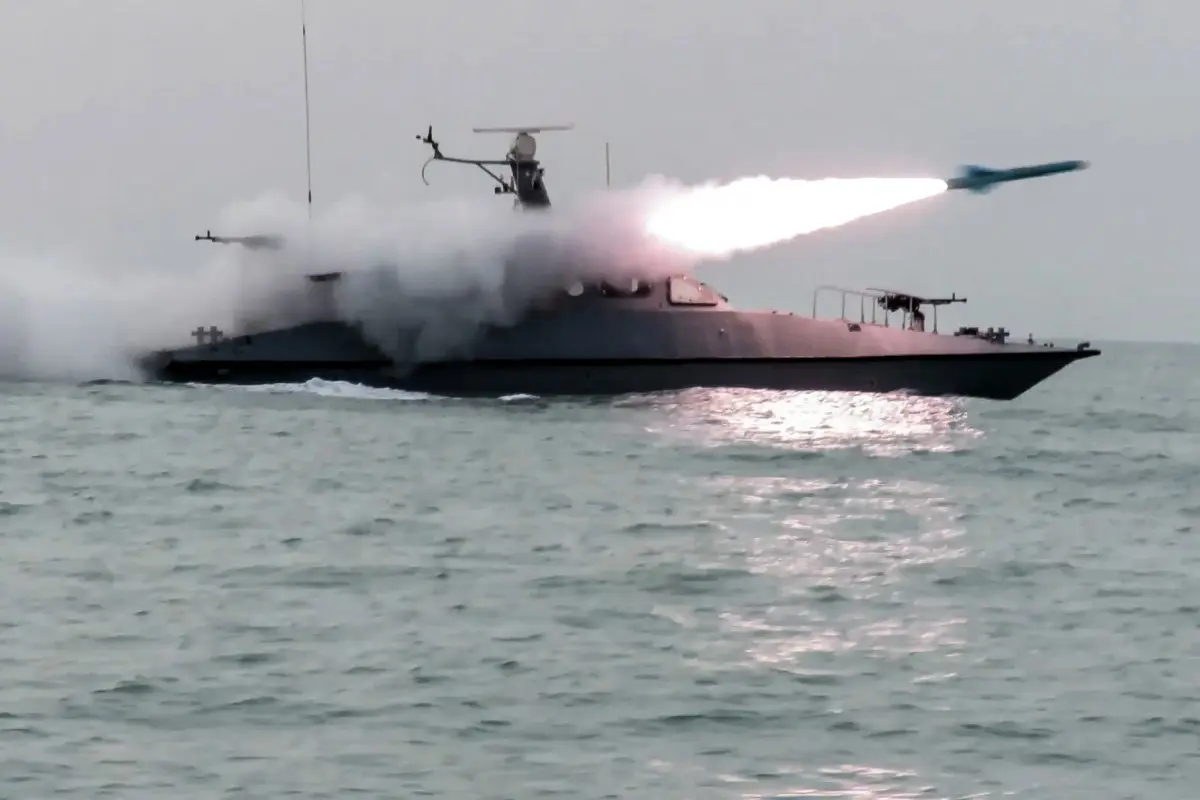
Iran’s “mosquito fleet” - new headache for Trump
Despite Donald Trump claiming the US has “defeated the Iranian navy” through waves of strikes on warships, submarines, and military sites, Iran has continued to disrupt the Strait of Hormuz — a critical artery for global oil. The reason, experts say, lies not in large naval assets but in Iran’s unconventional “mosquito fleet.” Comprising thousands of small, fast-attack boats backed by drones and coastal missiles, this swarm strategy has proven capable of rattling global markets even after significant damage to Tehran’s conventional military infrastructure.
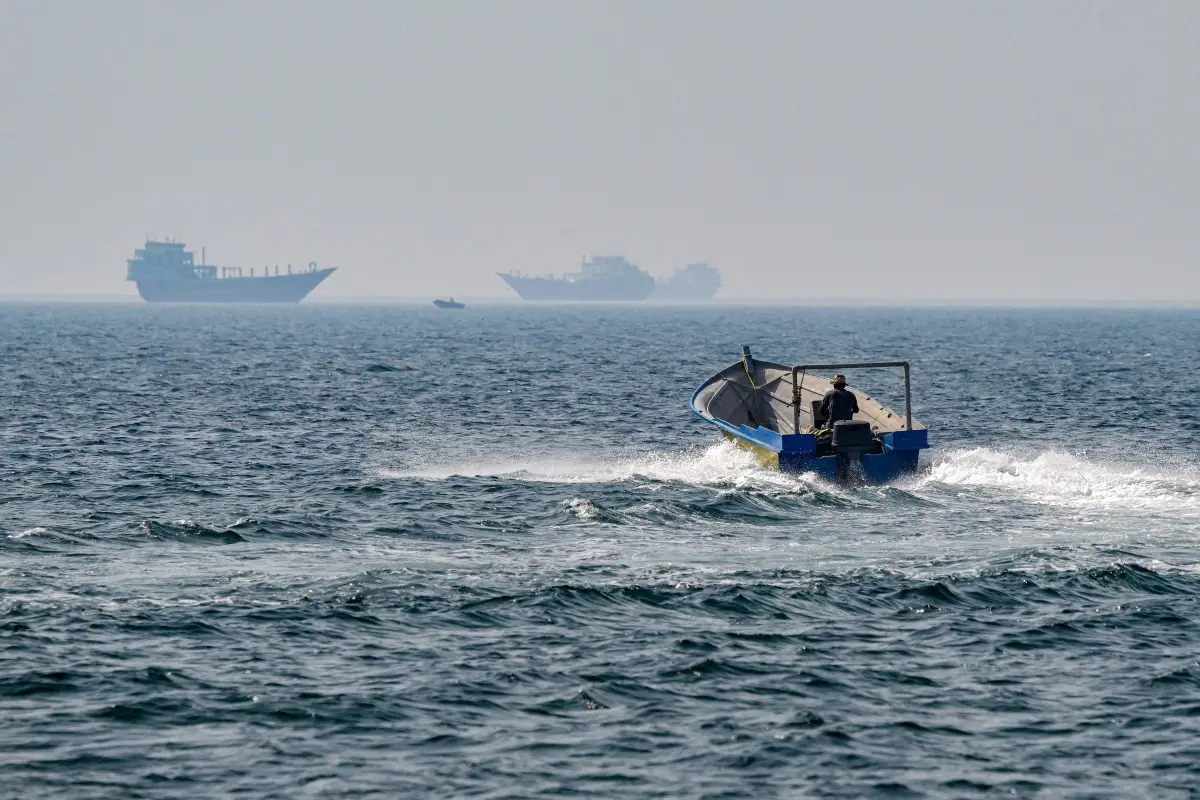
What are ‘mosquito fleet’?
Iran’s “mosquito fleet” are thousands of small, fast-attack boats paired with drones and coastal missiles. According to NYT report quoting Congressional Research Service, fleet includes thousands of small, high-speed boats capable of racing at 40 to 60 knots, armed with machine guns, rockets and, in some cases, anti-ship missiles or mine-laying gear. Former Pentagon official Alex Plitsas said, “They call them ‘mosquito fleets’ because they’re small and annoying — and they hit. But they’re enough to bite and be obnoxious.”
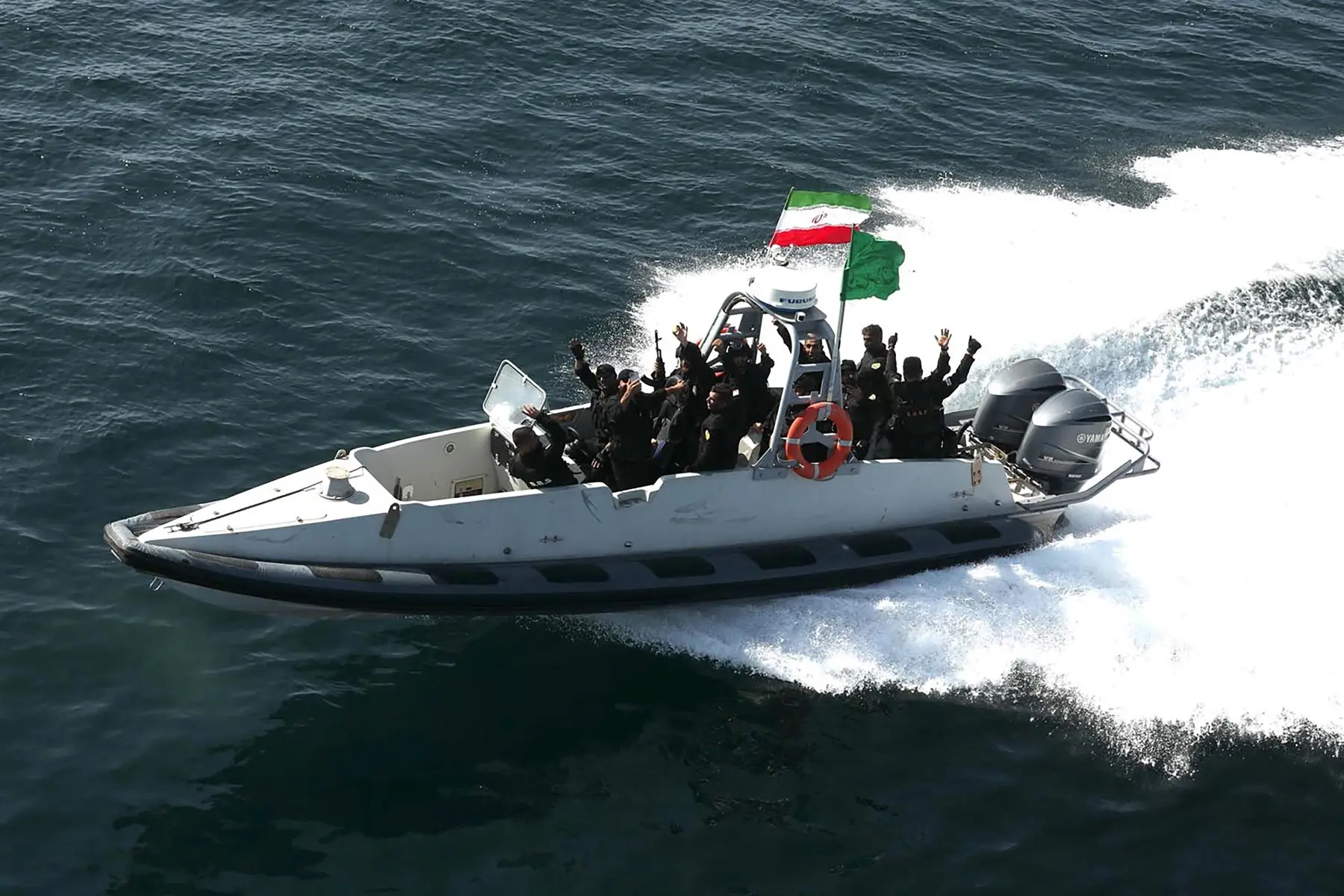
Why are these fleet a gamechanger?
Unlike traditional warships, these boats are difficult to track on radar, easy to hide along Iran’s coastline and cheap enough to lose without strategic consequences. The smaller, more elusive systems, drones and fast-attack boats, are harder to eliminate because of their size, mobility and sheer numbers. These boats have been able to threaten one of the world’s most critical shipping lanes, the Strait of Hormuz, disrupting movement and creating global economic pressure without fully closing it.
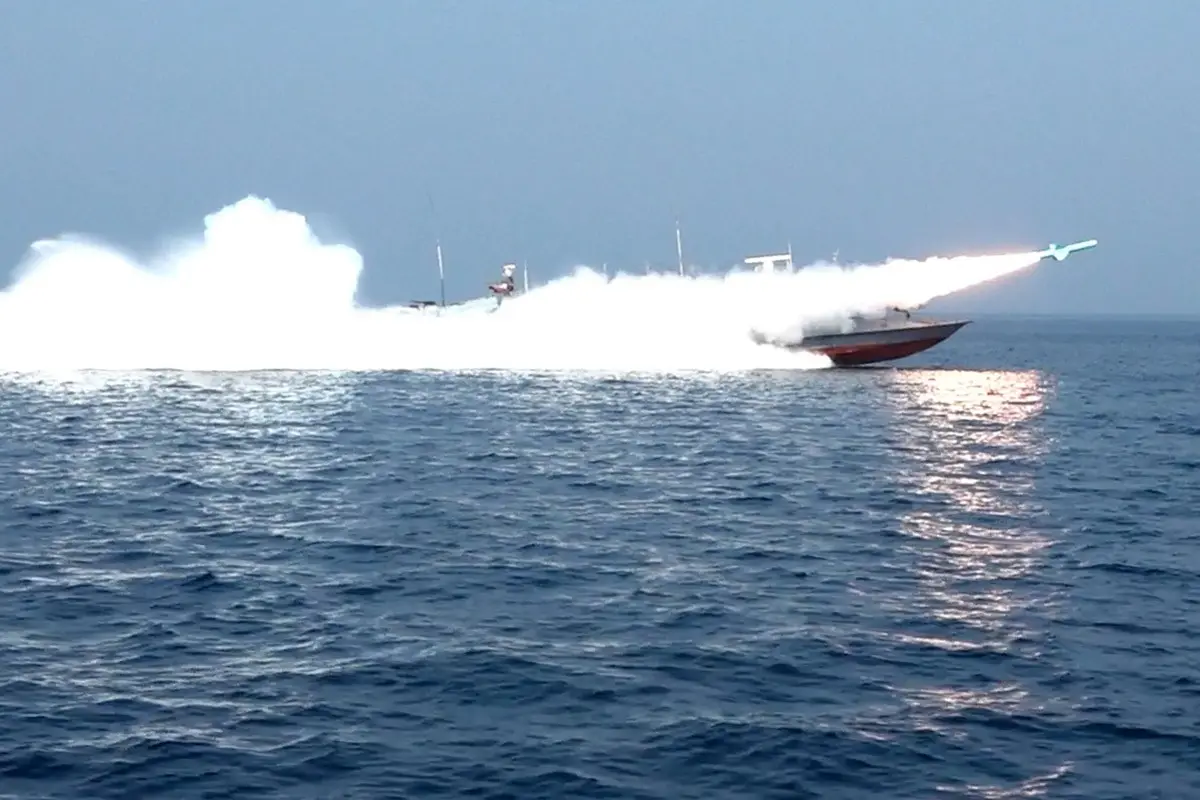
Trump said these are 'not a threat'
While US forces focused on destroying larger vessels, Trump acknowledged that smaller “fast attack ships” were largely ignored as they were “not considered much of a threat.” However, experts now warn those very vessels are “driving a big problem,” capable of making transit through the Strait feel like a gamble. “They’ve realized they don’t have to actually mine the straits… [they] have been able to choke the world’s largest strategic waterway at risk,” Plitsas was quoted saying in the NYT report
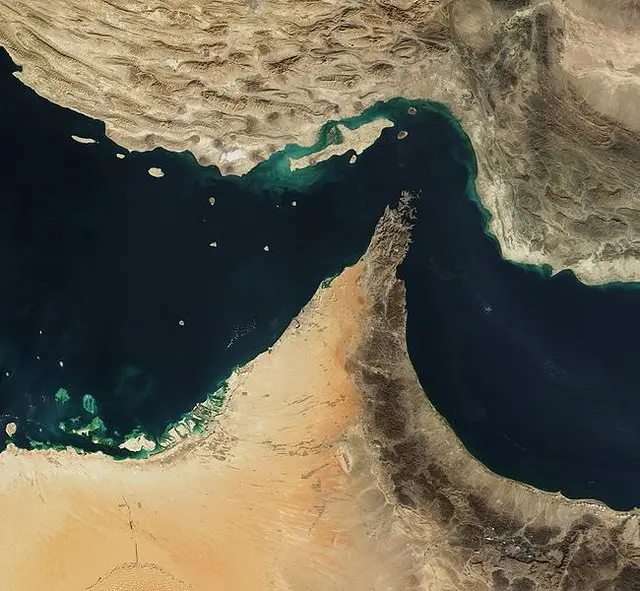
Is the Strait of Hormuz open?
On Saturday (Apr 18), Iran’s Islamic Revolutionary Guard Corps (IRGC) declared the strait was closed again and under "strict management." Tehran cited the continued US naval blockade of Iranian ports as a "breach of trust" and a violation of the ceasefire agreement. On April 17, Iranian Foreign Minister Abbas Araghchi and US President Donald Trump both stated the strait was "completely open." Iran had agreed to open the strait after ceasefire, but had shut it after Lebanon was attacked by Israel. The US, then, blocked the Strait.
)
)
)
)
)