Iran’s missiles threaten US military bases from Qatar to Iraq. Here’s how

The urgency behind US and Israeli pressure stems from a stark military reality: most American bases in the Middle East lie within the reach of Iran’s missile arsenal.
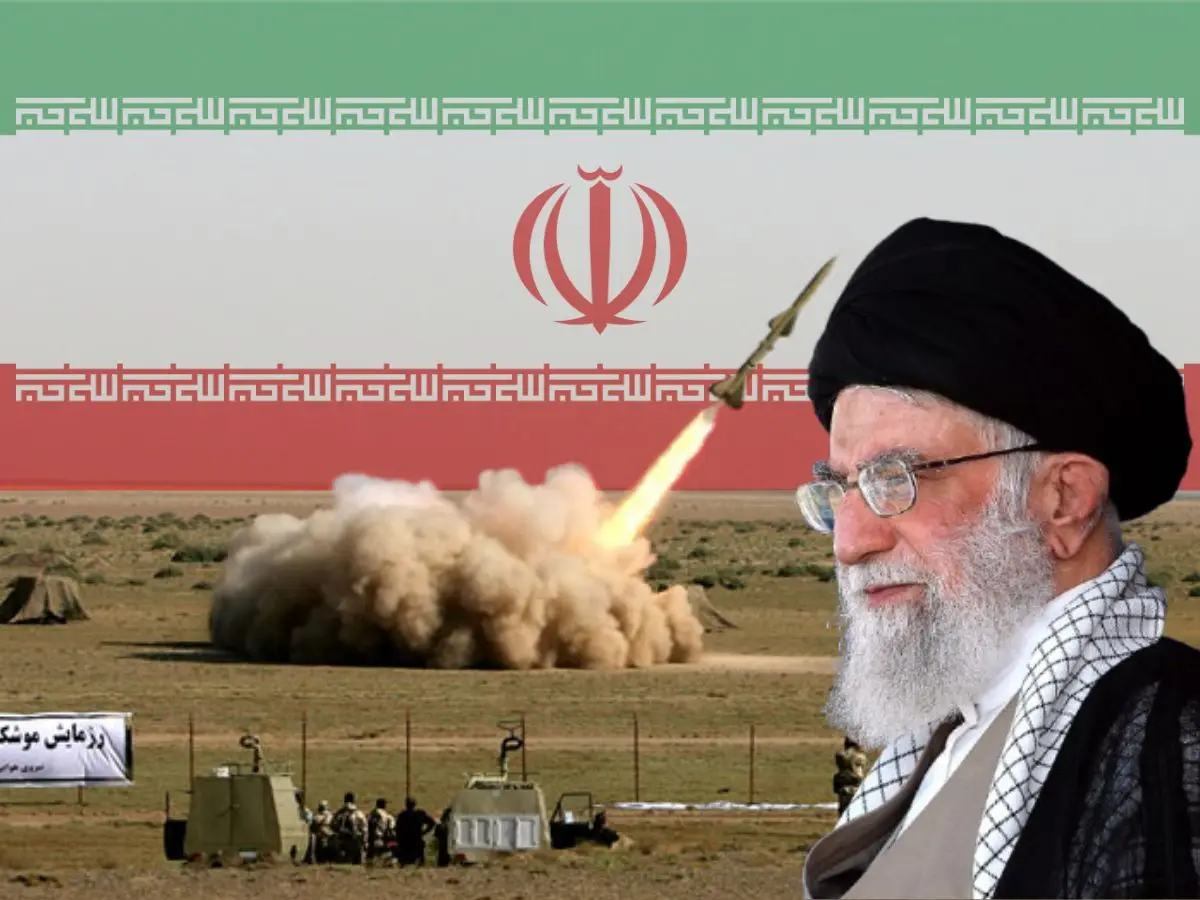
Introduction: Strategic reach of Iran’s missile arsenal
Efforts to revive engagement between Washington and Tehran are increasingly complicated by disagreements over Iran’s ballistic missile programme. While negotiations have largely focused on curbing Iran’s nuclear activities, Israeli Prime Minister Benjamin Netanyahu is expected to use his meeting with US President Donald Trump to press for any potential agreement to include restrictions on Tehran’s missile capabilities. Speaking to Fox Business, Trump added that a “good deal” with Iran would mean “no nuclear weapons, no missiles”, although he did not specify how such terms would be negotiated or enforced. The missile question has thus become a central sticking point in US-Iran diplomatic efforts.
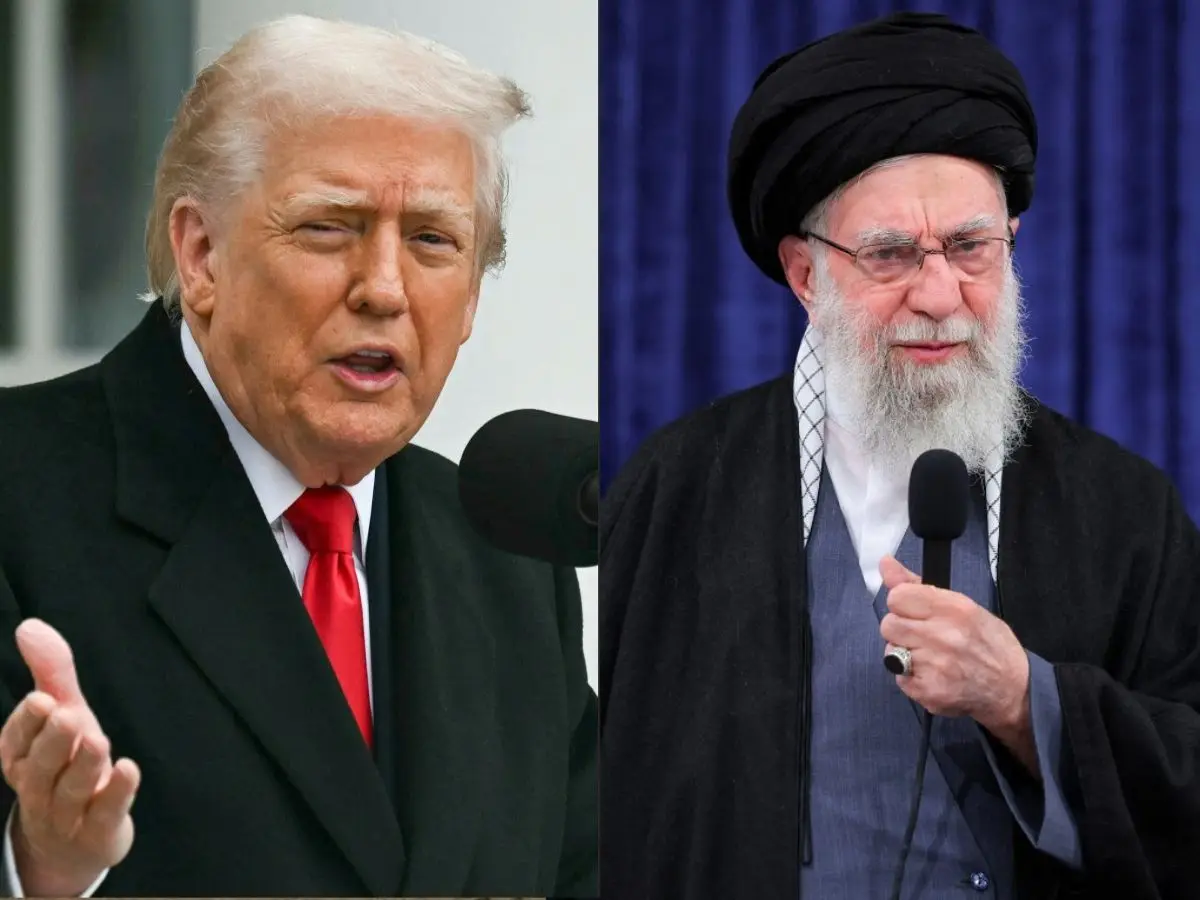
Strategic Threat to US Bases
Iran has consistently asserted that its missile program is non-negotiable. The urgency behind US and Israeli pressure stems from a stark military reality: most American bases in the Middle East lie within the reach of Iran’s missile arsenal. Tehran fields a diverse array of short-, medium-, and long-range ballistic systems capable of targeting installations in Qatar, Kuwait, Iraq, the United Arab Emirates and beyond. According to the Wall Street Journal, Iran is believed to possess about 2,000 medium-range ballistic missiles capable of striking targets throughout the region.
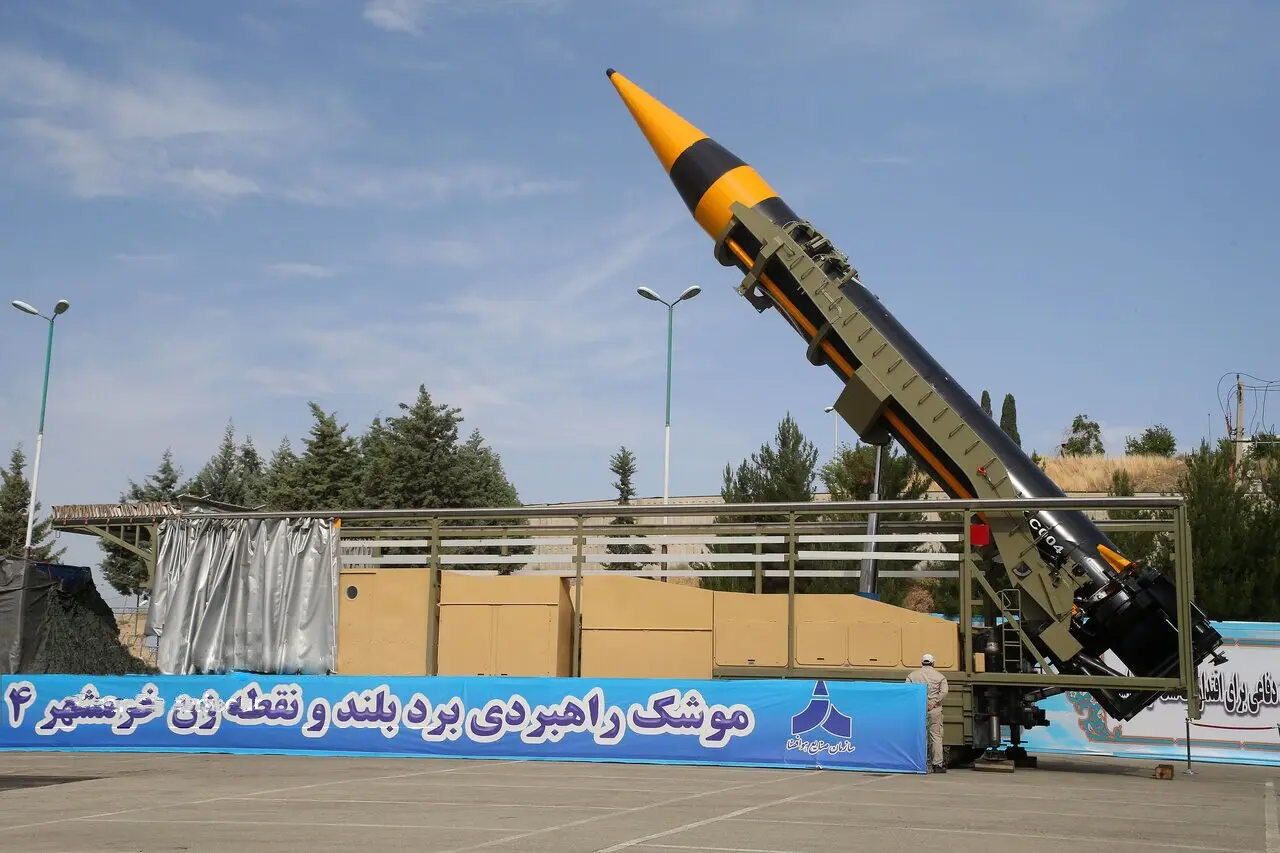
Khorramshahr-4 missile
The Khorramshahr missile family, including the latest Khorramshahr‑4, is among Tehran’s most potent ballistic systems, with a range of up to around 2,000 kilometres. It puts all of Israel and major US bases across the Middle East and some parts of southeastern Europe within reach, including Al Udeid Air Base in Qatar, the largest US military facility in the region. These long‑range missiles are designed to deliver heavy warheads over extended distances, complicating defence planning.
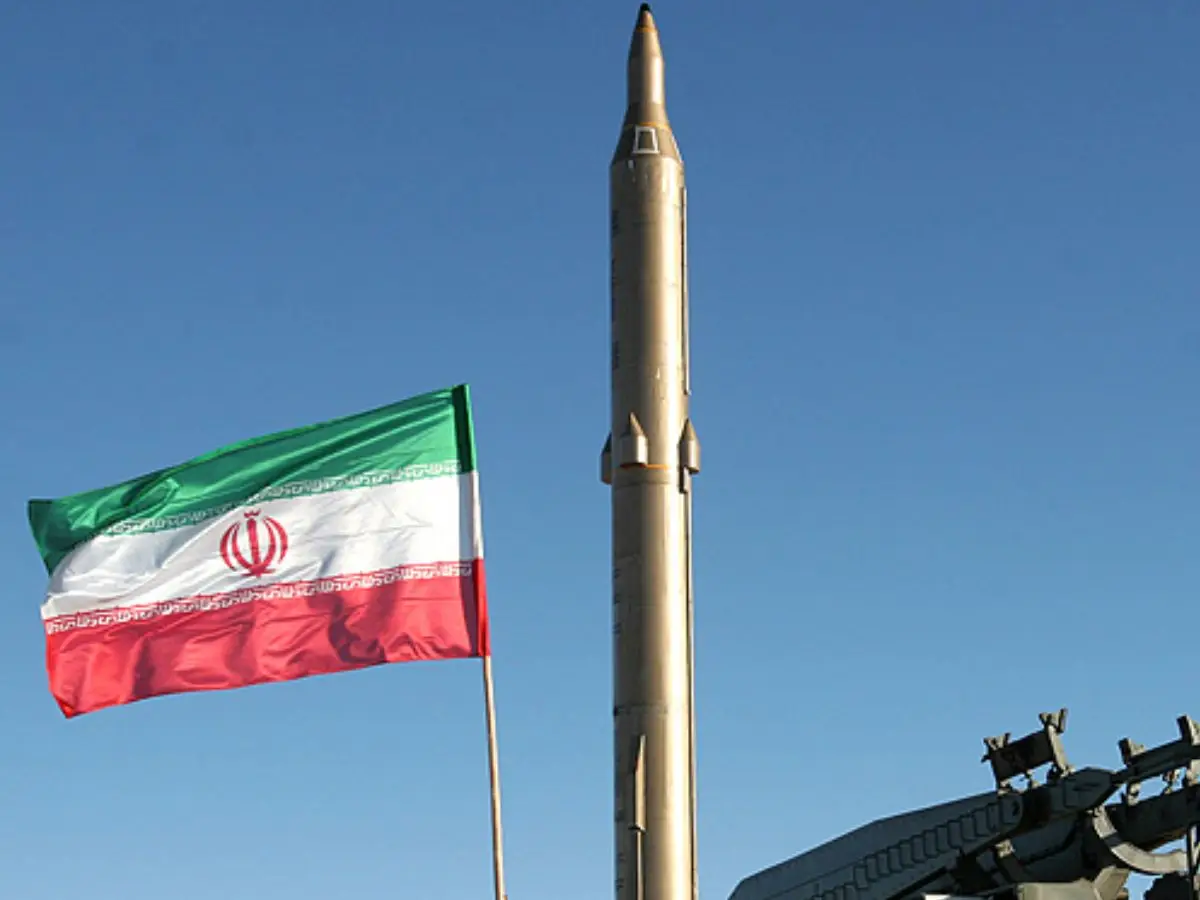
Sejjil Missile
The Sejjil series is a medium‑range ballistic missile with similar range to Khorramshahr and a solid‑fuel design, which shortens launch preparation time. With this range, it can threaten US bases in Qatar, Bahrain, Kuwait, Iraq, Jordan and Turkey, extending Iran’s strike envelope across the Gulf and the Levant.
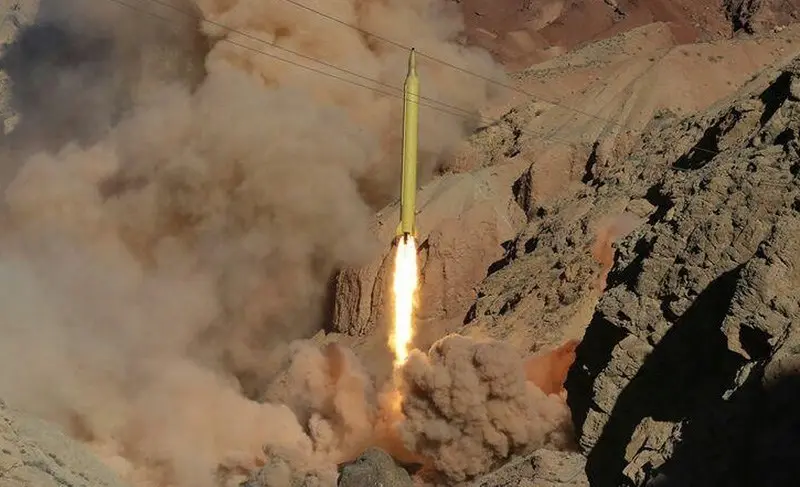
Emad and Ghadr‑1 missiles
Missiles such as Emad and Ghadr‑1 can fly approximately 1,700 kilometres. Their precision guidance systems allow targeting of key installations like Al Asad Air Base in Iraq, Al Dhafra Air Base in the UAE and Al Udeid in Qatar, where they could disrupt air operations and command centres.
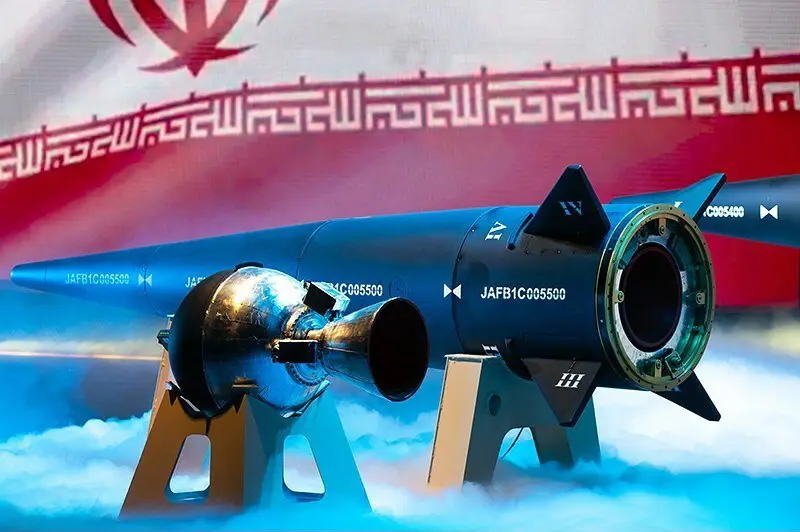
Fattah‑1, Haj Qasem and Kheibar Shekan missiles
Newer systems like Fattah‑1, Haj Qasem and Kheibar Shekan combine medium‑range reach with improved accuracy. With ranges approaching 1,400–1,500 kilometres, they can strike bases across the Gulf, including logistic hubs in Kuwait and Iraq. Their development reflects Tehran’s focus on manoeuvrable, responsive strike options.
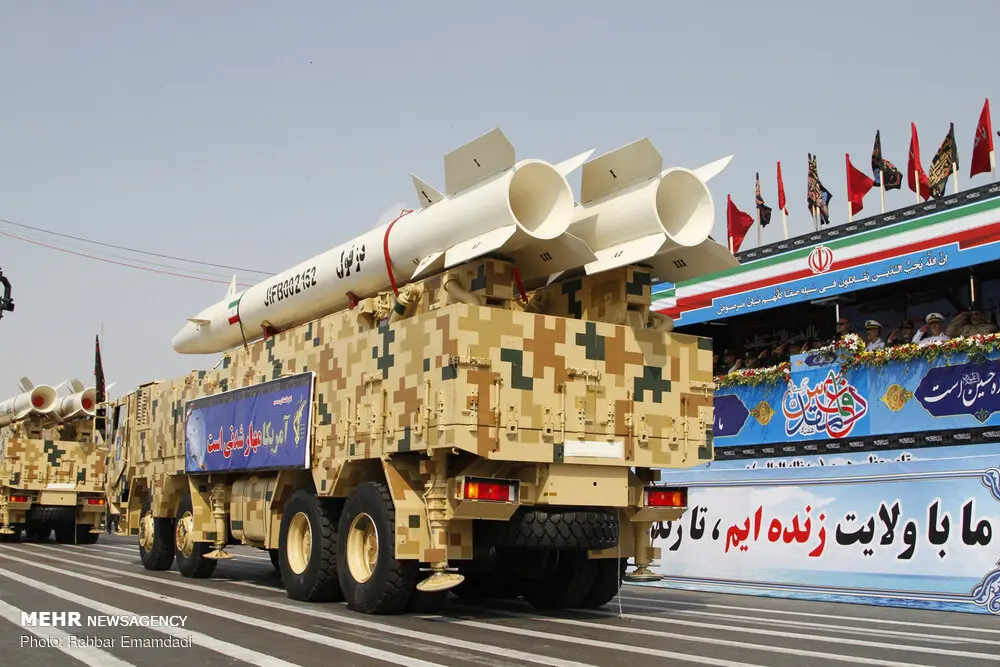
Dezful missile
The Dezful missile is a short‑range ballistic system with roughly 1,000 km reach, sufficient to threaten US installations in Iraq, Kuwait, the UAE and eastern Saudi Arabia. Despite its shorter range, its solid fuel and rapid launch potential make it a significant tactical threat to forward bases.
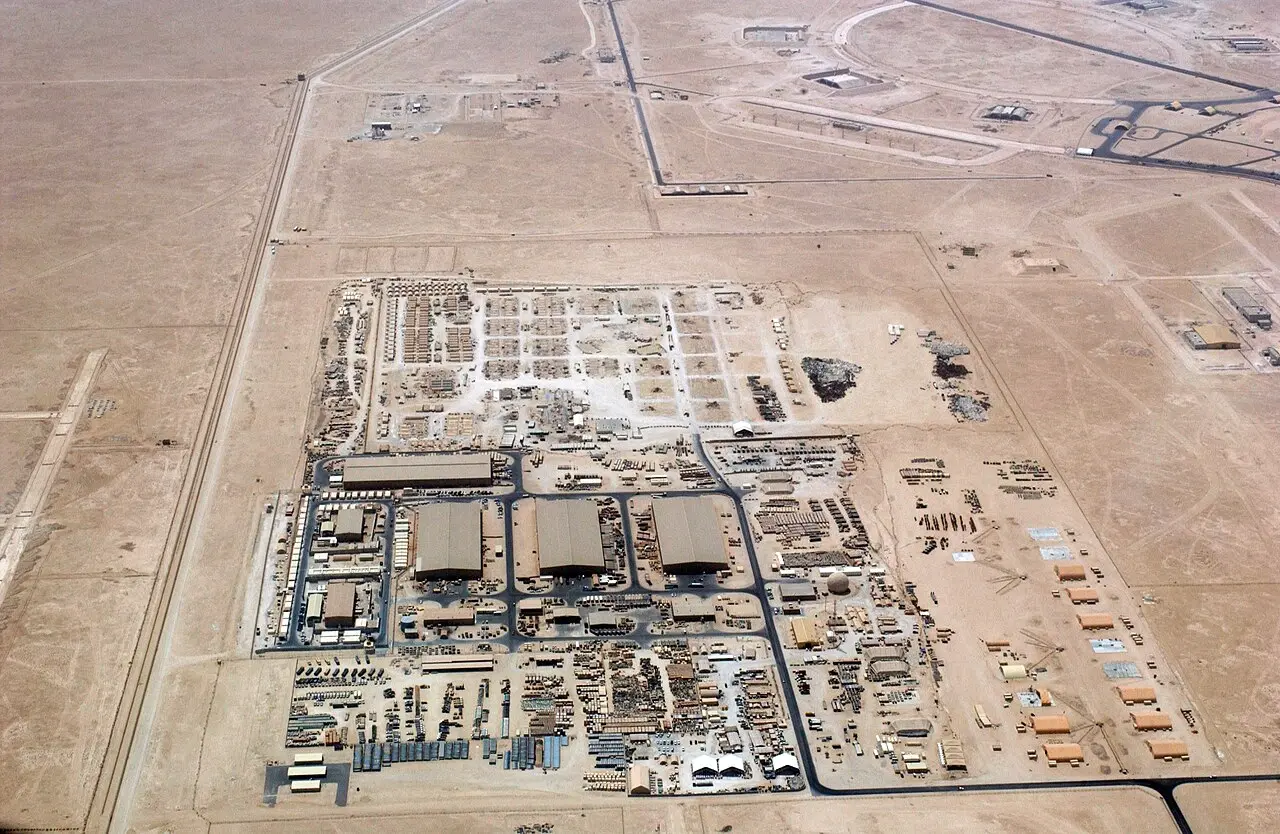
US bases in range and regional dynamics
Key US installations that fall within the coverage of Iran’s missile arsenal include Al Udeid (Qatar), Al Asad and Erbil (Iraq), Ali Al‑Salem (Kuwait) and Al Dhafra (UAE), all strategic hubs for US air, naval and logistical operations. The wide distribution of these bases means Iran is never far from a possible strike trajectory, prompting the deployment of Patriot missile defences and increased military readiness.
)
)
)
)
)