Iran’s missiles could strike Israel and US bases! Here’s why Israel wants curbs and Tehran draws the line

Israeli officials argue that Tehran’s missile arsenal gives it the ability to strike targets across the region, including Israeli territory and US military facilities in the Middle East.
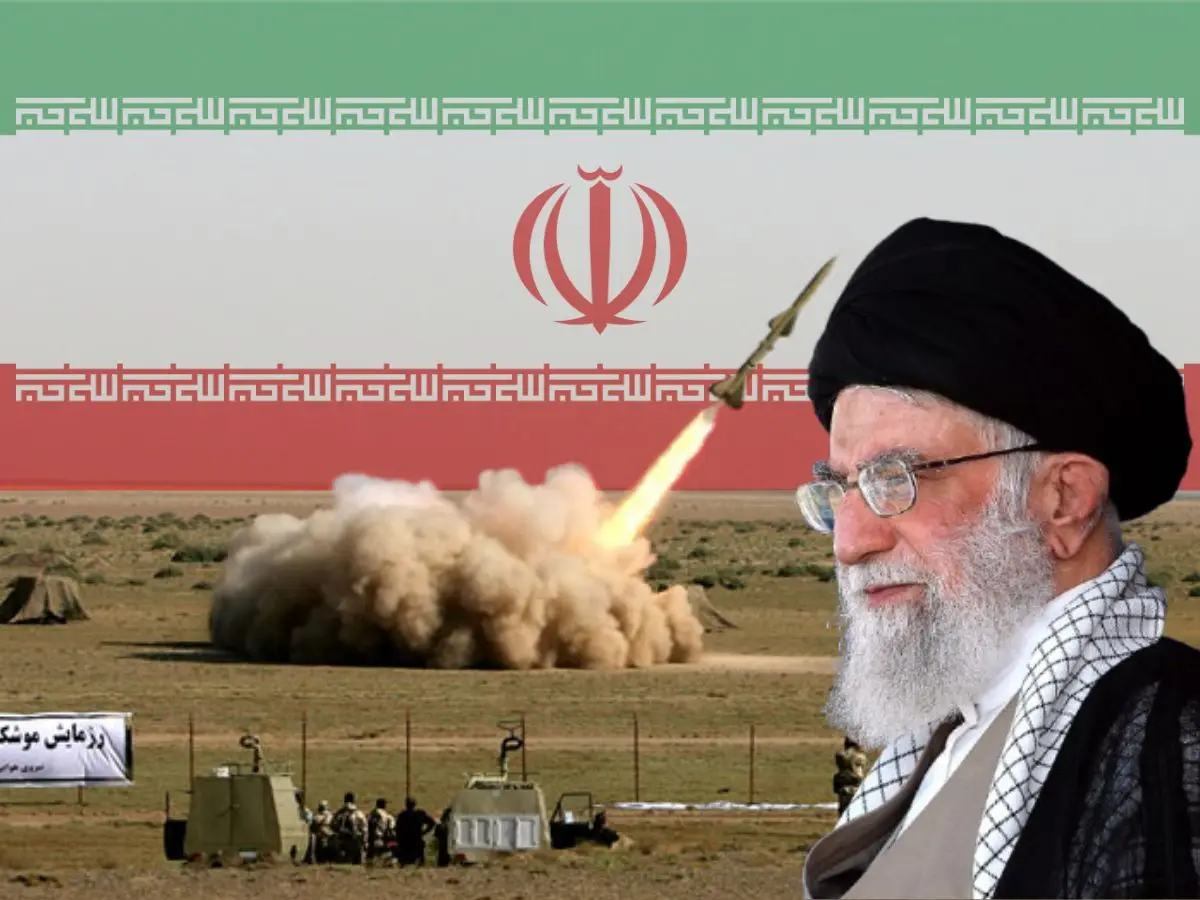
Missiles emerge as the central dispute in diplomacy
Efforts to revive engagement between Washington and Tehran are increasingly being shaped by disagreements over Iran’s ballistic missile programme. While negotiations have largely centred on curbing Iran’s nuclear activities, Israeli Prime Minister Benjamin Netanyahu is expected to use his meeting with US President Donald Trump in Washington on Wednesday to press for any potential US-Iran agreement to include restrictions on Tehran’s missile capabilities, according to Reuters. The demand has emerged as a key source of friction as diplomatic efforts continue through indirect negotiations.
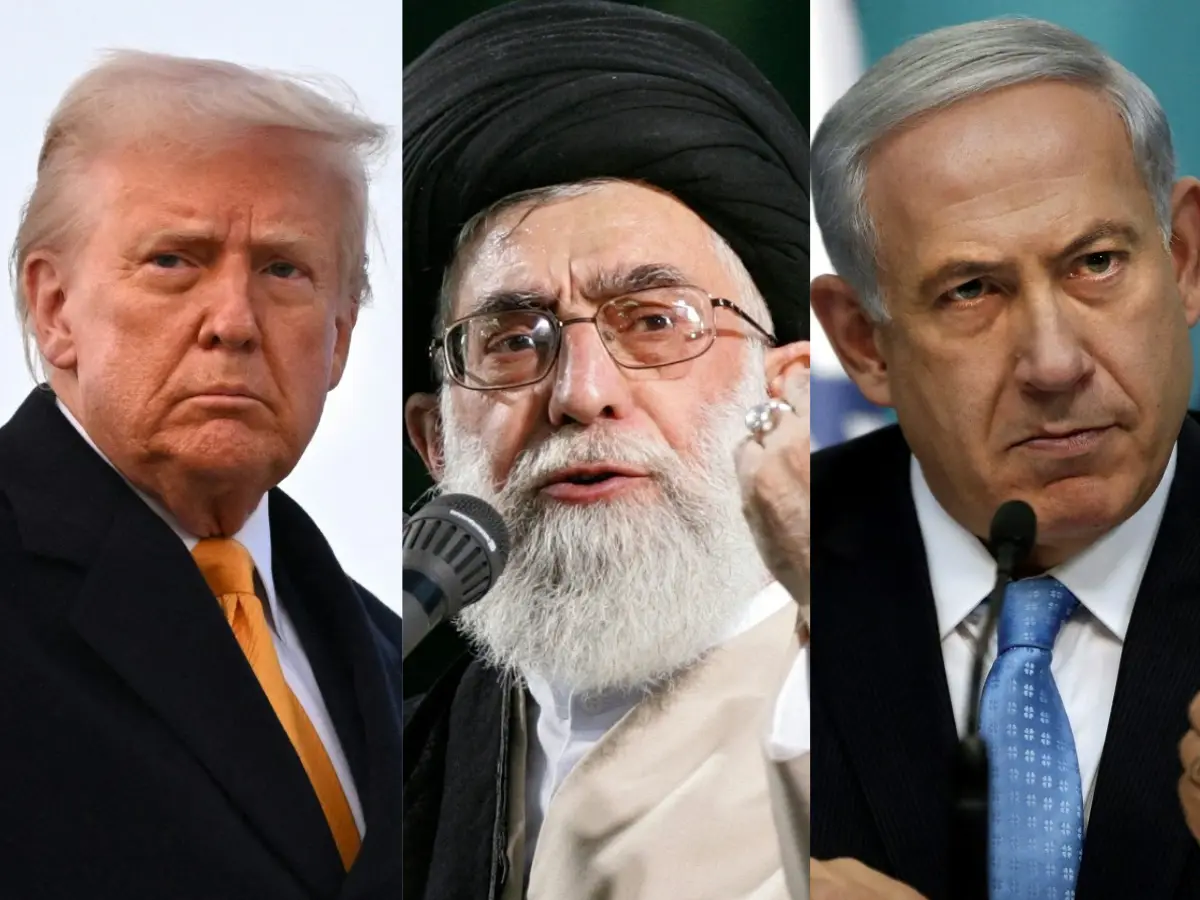
Israel’s security concerns and strategic calculations
Israel views Iran’s expanding missile capabilities as a direct and long-term security threat. Israeli officials argue that Tehran’s missile arsenal gives it the ability to strike targets across the region, including Israeli territory and US military facilities in the Middle East. Benjamin Netanyahu, during his meeting is expected to urge the US President to prioritise missile restrictions, warning that any agreement excluding such limits would leave major regional security risks unresolved. Additionally, Trump also told Fox Business that a “good deal” with Iran would mean “no nuclear weapons, no missiles”, though he did not provide further details on how such terms might be negotiated or enforced.
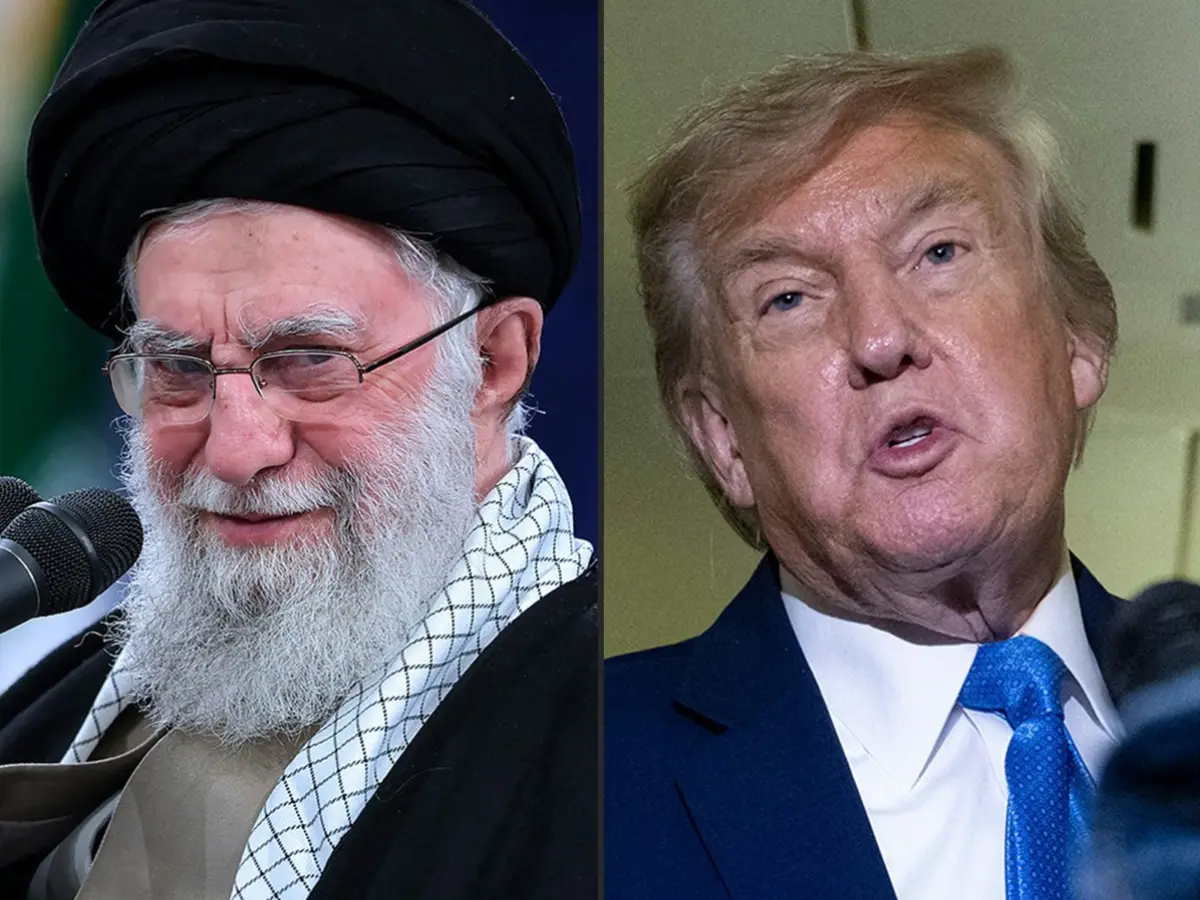
Tehran’s firm refusal to negotiate missile capabilities
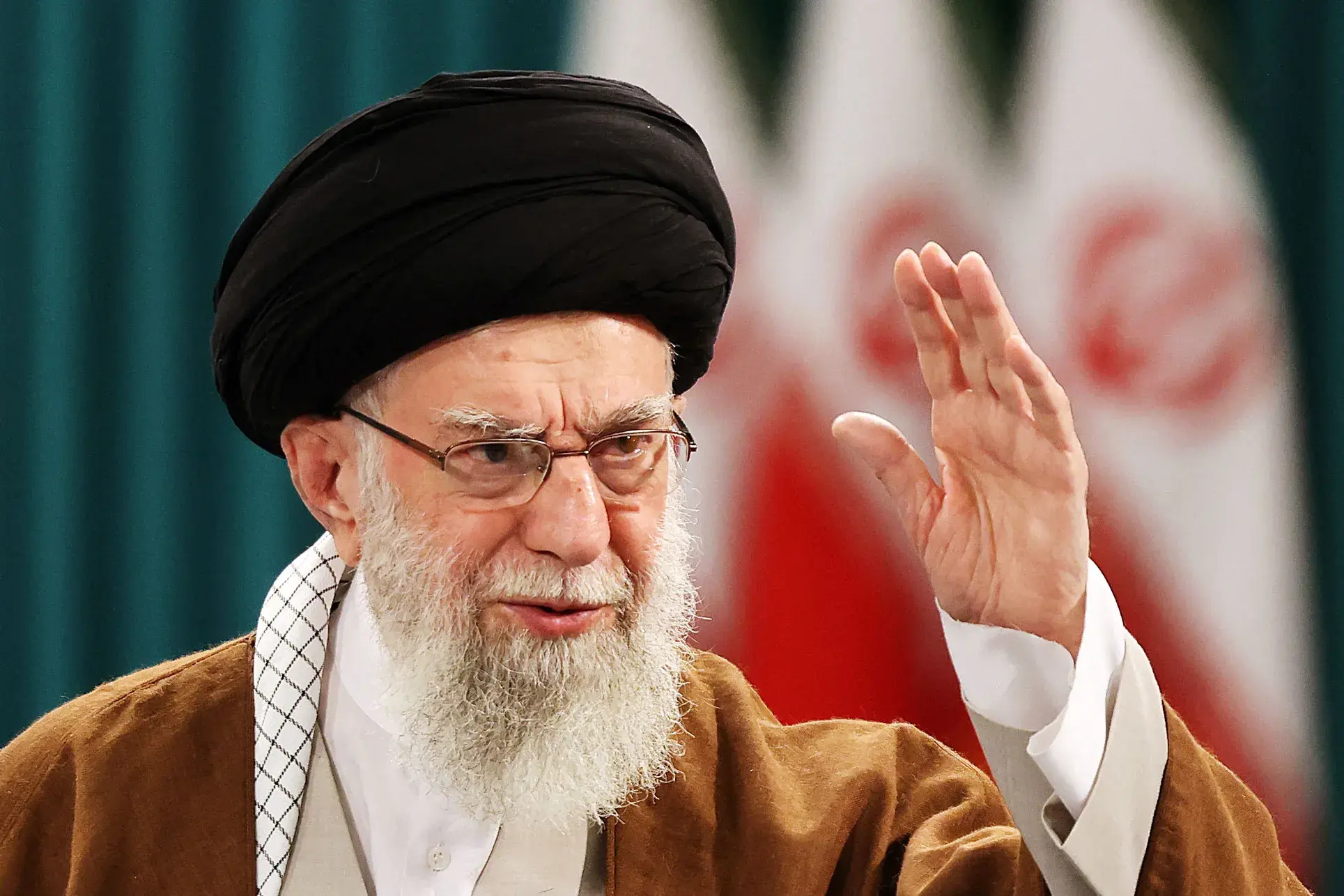
Iran has consistently asserted that its missile program is non-negotiable. Officials argue that ballistic missiles are crucial for national defense and deterrence, particularly in light of Iran’s relatively limited conventional air power. Tehran emphasizes that its missile arsenal is purely defensive and not linked to nuclear weapons ambitions, framing international demands to curb the program as interference in its sovereign security. As Ali Shamkhani, an adviser to Iran’s Supreme Leader, stated during a march marking the 47th anniversary of the Islamic Revolution, “The Islamic Republic's missile capabilities are non-negotiable,” according to state media.
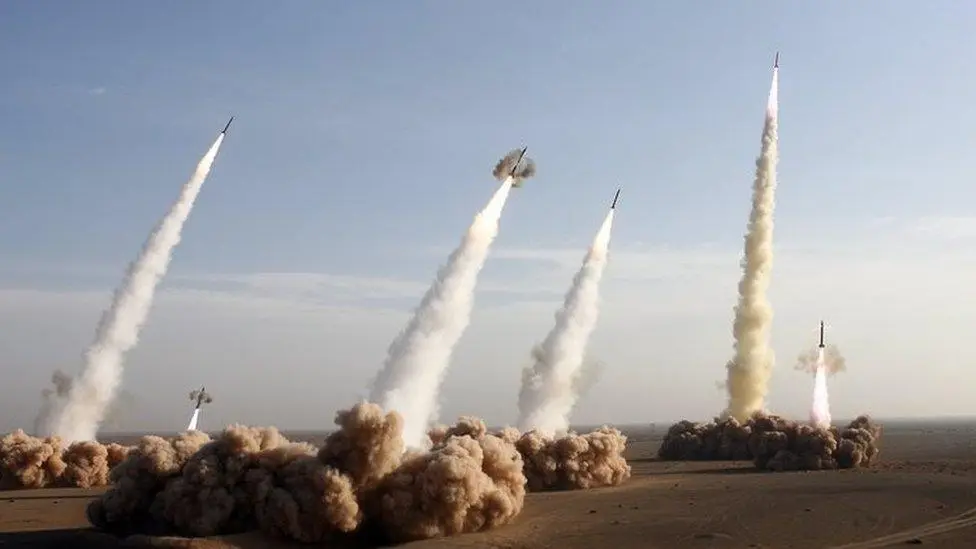
Nuclear inspections offer limited common ground
Despite rejecting missile negotiations, Iran has signalled openness to international nuclear oversight. Iranian President Masoud Pezeshkian said on Wednesday his country is prepared for "any verification" of its nuclear programme, insisting Tehran is not seeking atomic weapons. He, however, later added, "Our country, Iran, will not yield to their excessive demands." This position reflects Tehran’s attempt to separate nuclear diplomacy from its broader military capabilities, creating a narrower framework for potential compromise.
Challenges in expanding the scope of negotiations
Experts caution that widening talks beyond nuclear issues could complicate already fragile diplomatic efforts. Previous agreements, including the 2015 Joint Comprehensive Plan of Action, focused primarily on nuclear restrictions, partly because missile programmes are far more difficult to monitor and verify. Expanding negotiations risks creating additional deadlocks between the parties.
Regional implications and military balance
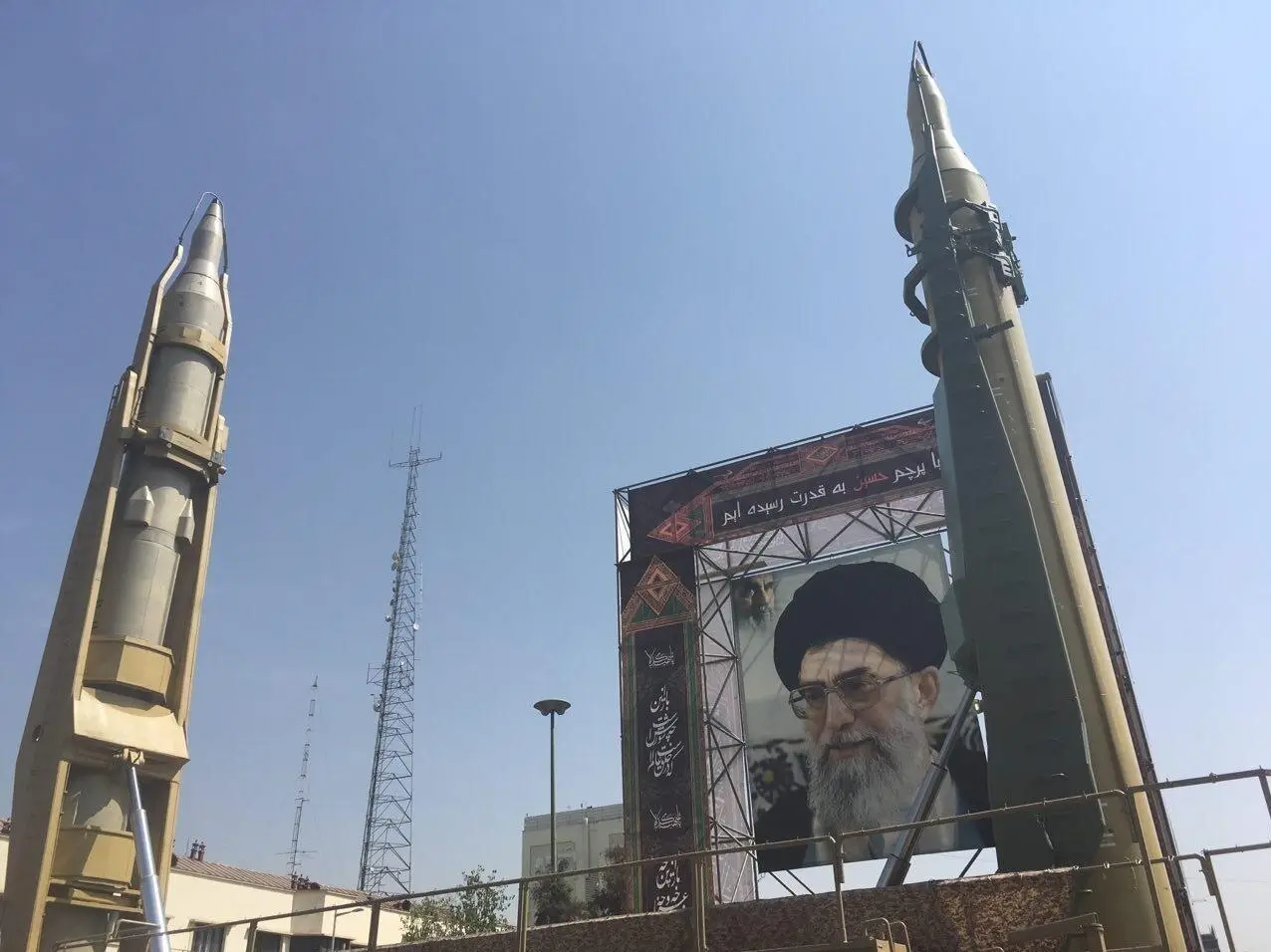
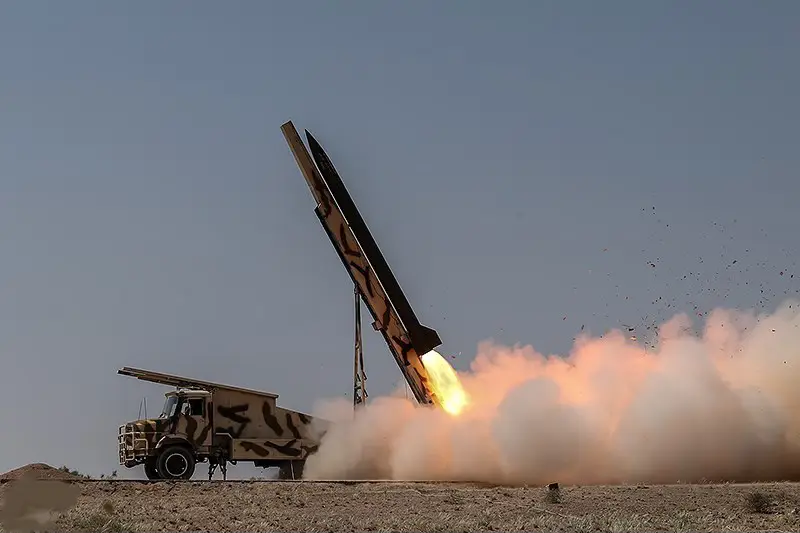
Iran’s missile development is a key factor in regional power dynamics. Systems such as the Khorramshahr, Emad, Ghadr-1, Fattah-1, and Dezful possess ranges capable of reaching most US bases in the Middle East, as well as Israel. This program underpins Iran’s deterrence strategy and shapes its interactions with both regional allies and adversaries. In response, Israel continues to invest heavily in layered missile defense systems to counter the perceived threat.
Diplomacy at a delicate crossroads
The divide over missile restrictions underscores the fragile nature of US-Iran negotiations. While limited progress may be possible through nuclear-focused talks, Israel’s push to address ballistic capabilities highlights broader security concerns that remain unresolved, leaving future diplomatic progress uncertain.
)
)
)
)
)