'Deep-rooted ties': Iran's late Supreme Leader Ayatollah Ali Khamenei's 'Chehlum' held in India: Govt offers 'solemn respects'

Iran's Former Supreme Leader Ayatollah Ali Khamenei’s Chehlum was observed in New Delhi with Indian officials and Iranian representatives in attendance. Leaders praised India–Iran ties and called for peace. The event followed large memorials in Iran after Khamenei’s reported death.
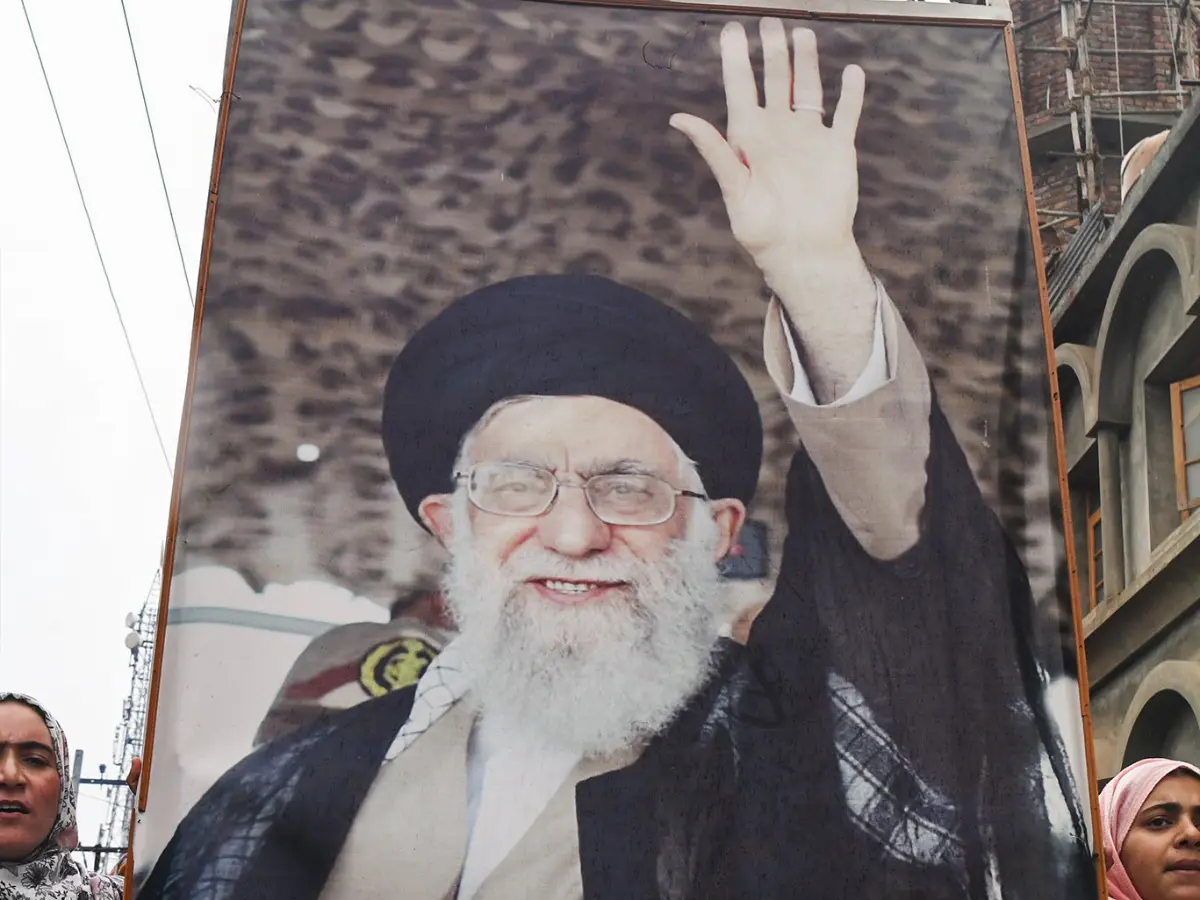
Late Ayatollah Ali Khamenei's 40th-day memorial held in India
The Chehlum that is the 40th-day memorial for the late Iranian Supreme Leader Ayatollah Ali Khamenei was observed in India on Sunday (April 12). A commemorative event was organised at Iranian Cultural Centre in New Delhi. Hundreds gathered at the centre as the representative of the Iranian Supreme Leader in India hailed Iranian strength from the dias. Indian government also sent its representative in the event.
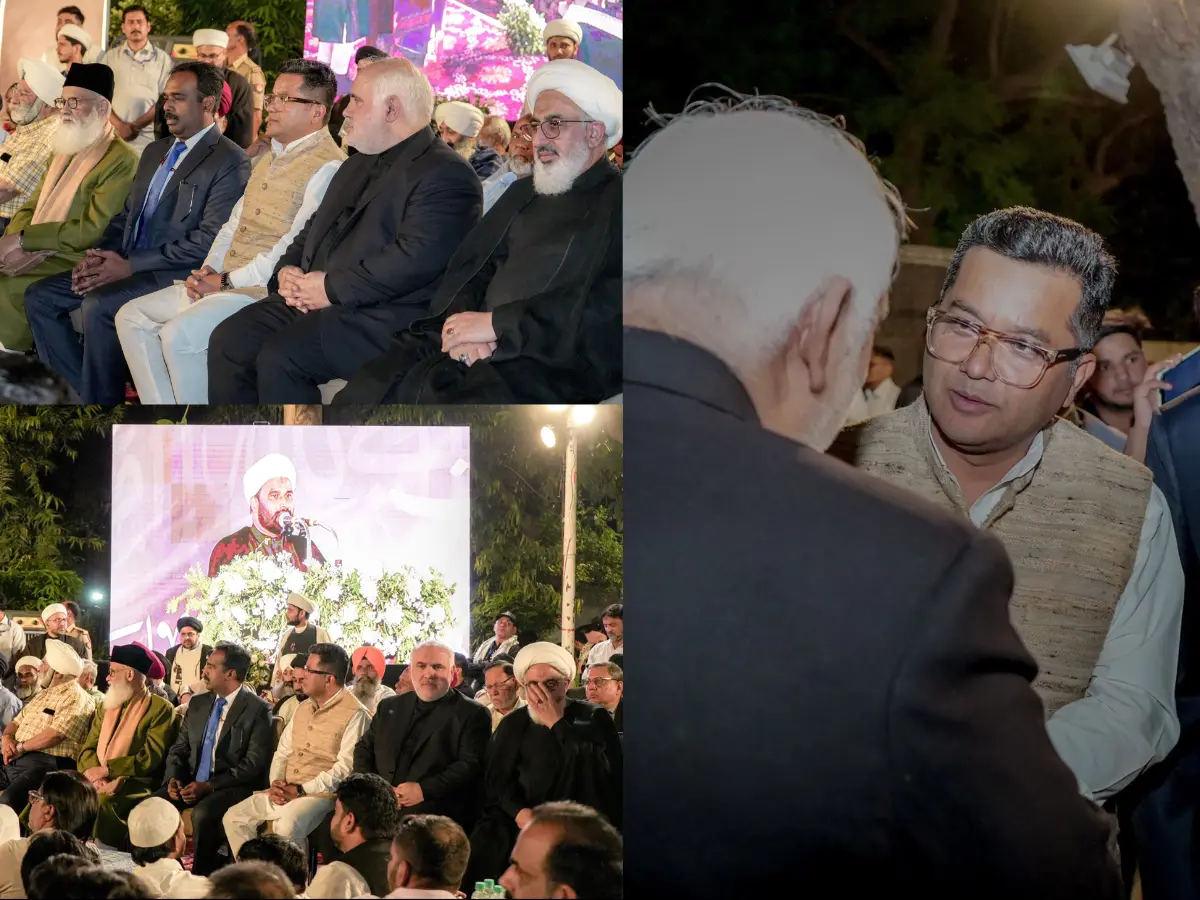
Who represented the India government?
The Government of India was represented by Pabitra Margherita, the Minister of State (MoS) for External Affairs. In a statement, the Ministry of External Affairs (MEA) said: "Margherita offered solemn respects on behalf of the Government of India." "India–Iran relations are anchored in deep rooted civilizational, cultural and people-to-people ties," it added.
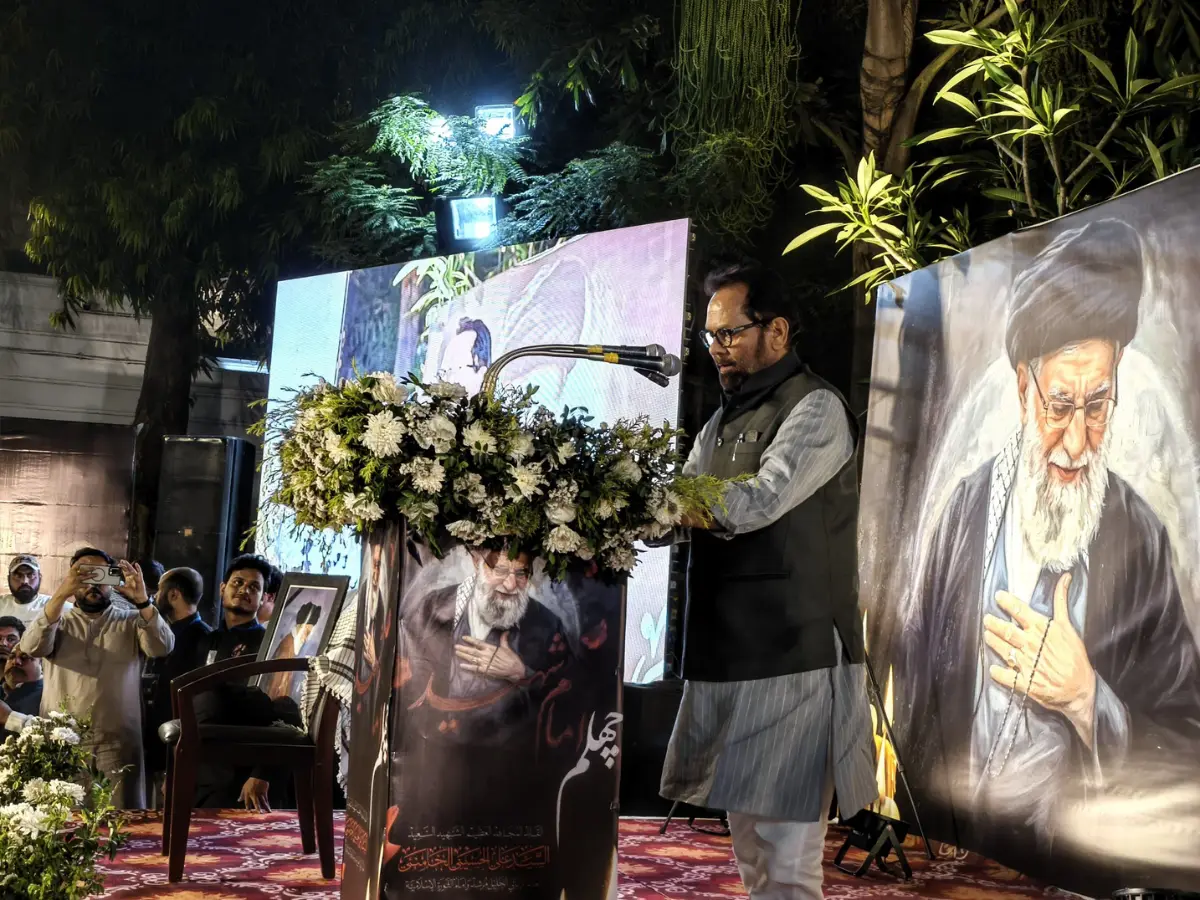
Which Indian politician attended the event?
Senior BJP leader and Former Union Minister for Minority Affairs of India Mukhtar Abbas Naqvi attended the commemorative event. Speaking to ANI, Naqvi said that people from all religions and backgrounds gathered to pay tribute to a “great spiritual leader” who, he noted, “attained martyrdom for humanity and justice.” He added that the leader’s message to the world was “very loud and clear” that “standing up for security and sovereignty is very important for the principles of humanity and the existence of nations.” Naqvi further said that India seeks the “Amrit of peace” to emerge from global crises quickly, stressing that conflicts should be resolved through “dialogue with understanding” and that only through dialogue can lasting solutions be achieved.
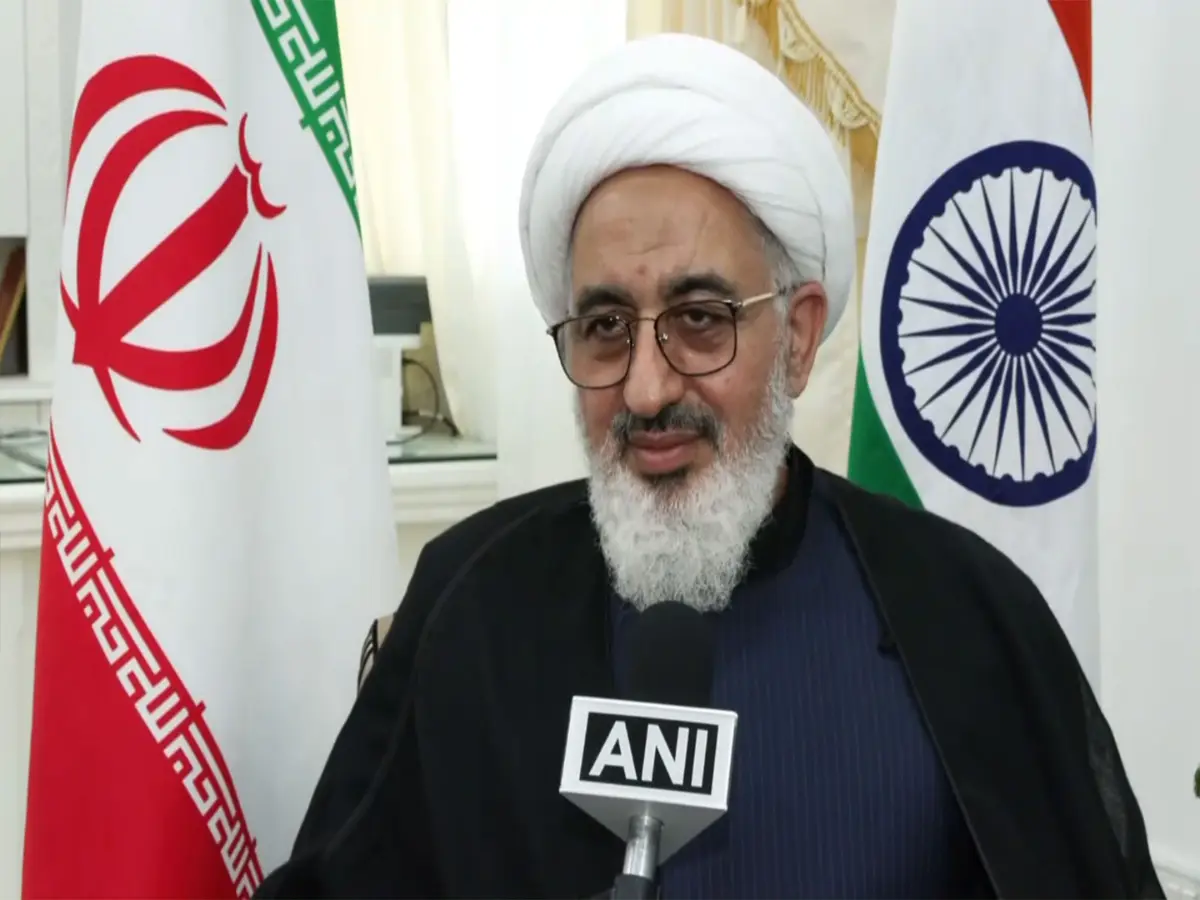
What Iran Supreme Leader's representative said?
Iran Supreme Leader's Representative in India, Abdul Majid Hakeem Ilahi, said that 40 days had passed since the “martyrdom” of their “beloved spiritual leader” who, according to him, devoted his life to humanity and justice. He added that the gathering was not only to honour his memory but also to express gratitude to the Republic of India and its people. He praised Indians as “noble, wise, and loyal,” saying they had shown “a remarkable example of loyalty, wisdom, and commitment to justice” through their participation in memorial events and messages of sympathy. He further noted that these gestures reflected that “truth knows no boundaries” and that “awakened hearts always stand alongside justice.”
What we know about Khamenei's Chehlum in Iran?
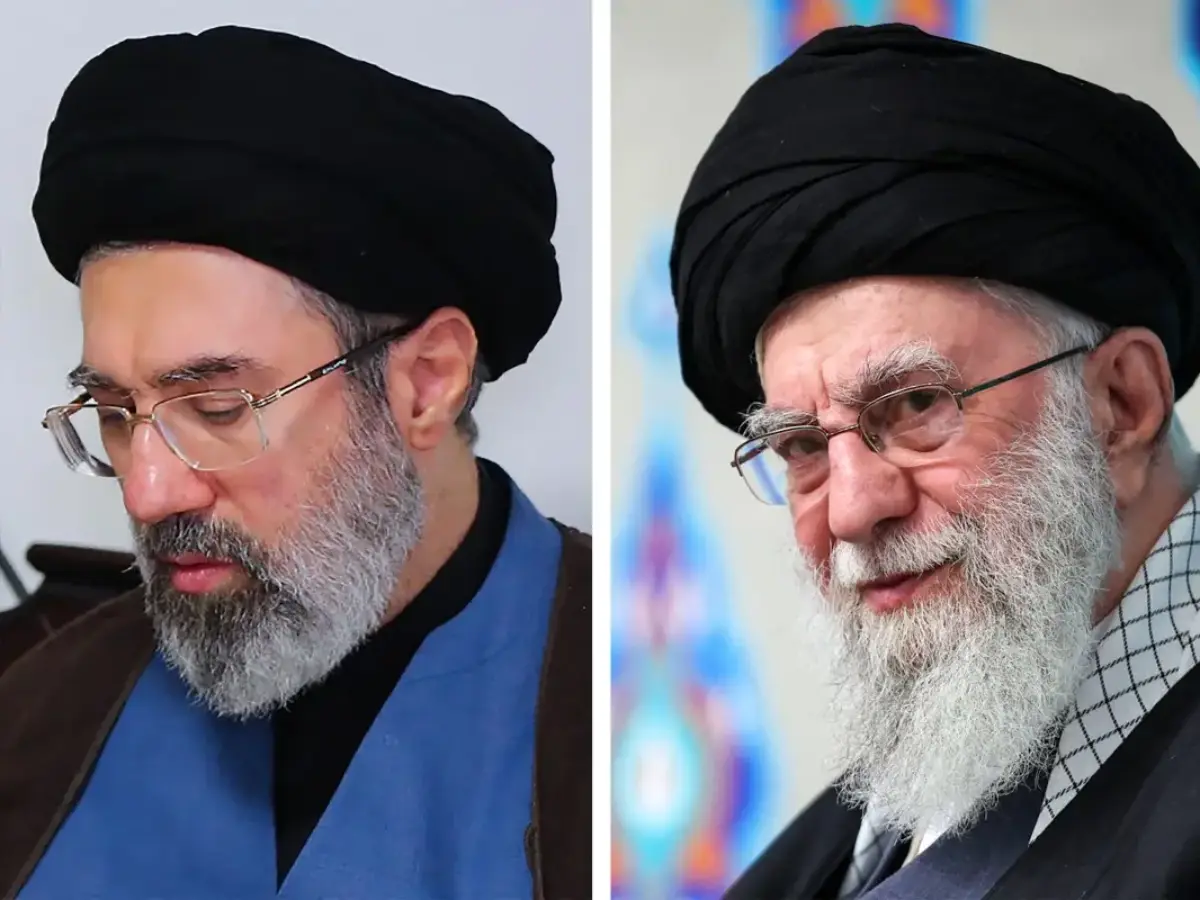
Massive memorial march was held in Tehran and it moved from Jomhouri Square toward the site of the assassination. Significant rallies were also reported in other major cities, including Urmia and Gorgan. The new Supreme Leader, Mojtaba Khamenei, did not appear at the main memorial service. The primary memorial ceremony in Tehran’s Republic Square was attended by Iran’s President Masoud Pezeshkian, Judiciary Chief Gholam Hossein Mohseni Eje'i, Esmail Qa’ani, the commander of the IRGC’s Quds Force and Ali Shamkhani, an advisor to the Supreme Leader, who made his first public appearance after recovering from injuries. Khamenei was killed in joint Israel-US strikes on Feb 28. The Iranian government officially confirmed Khamenei’s death on March 1.
)
)
)
)
)