Published: Jan 28, 2026, 23:42 IST | Updated: Jan 28, 2026, 23:45 IST
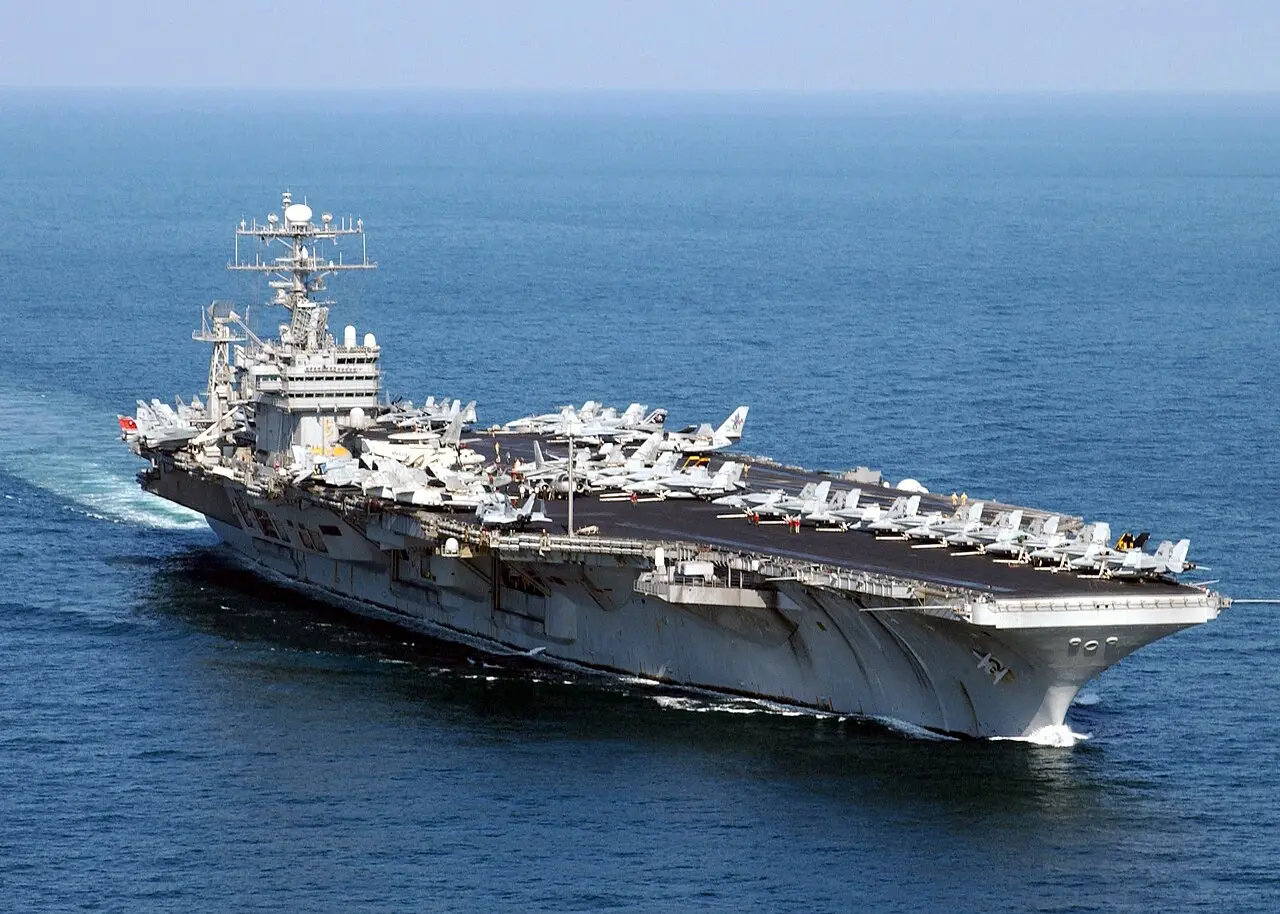
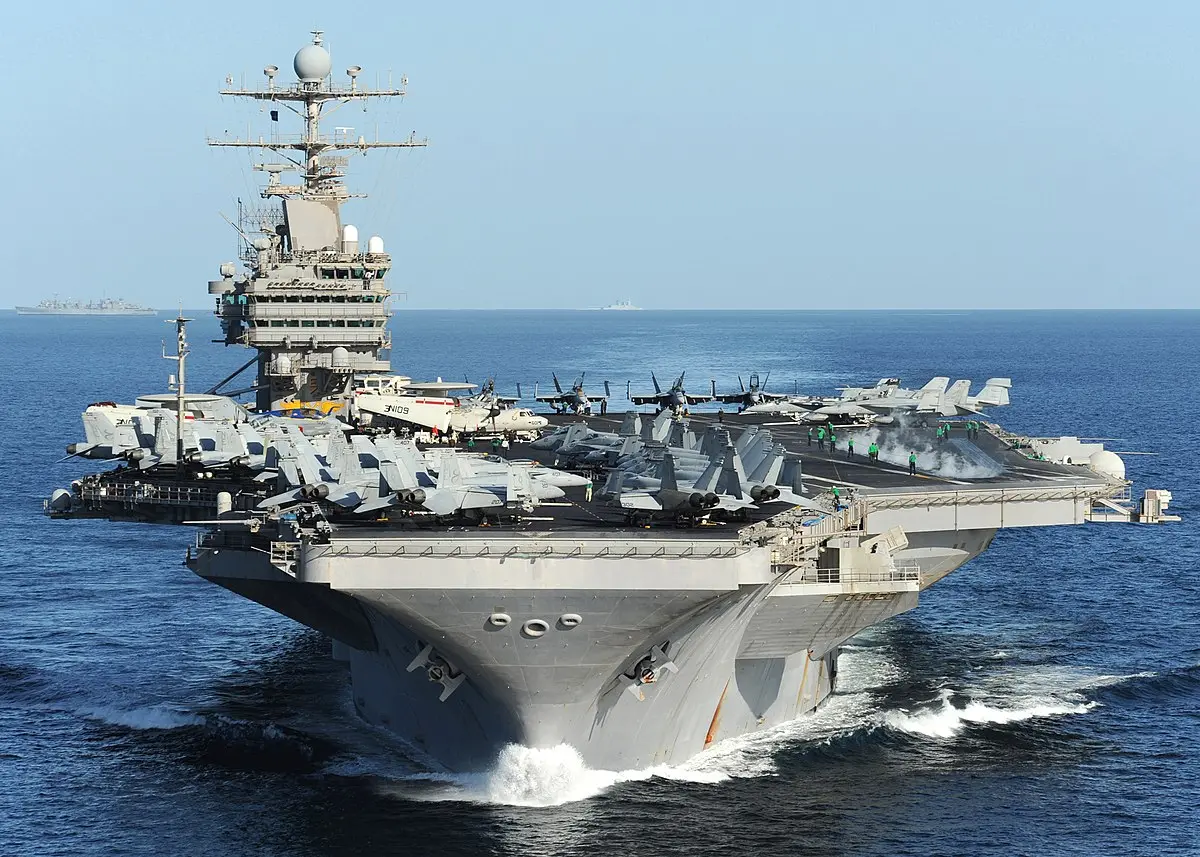
The USS Abraham Lincoln carries stealth jets capable of breaching Iran’s buried defences. US forces would likely prioritise striking these fortified underground missile bases and nuclear sites.
1 / 9
(Photograph: Wikimedia commons)
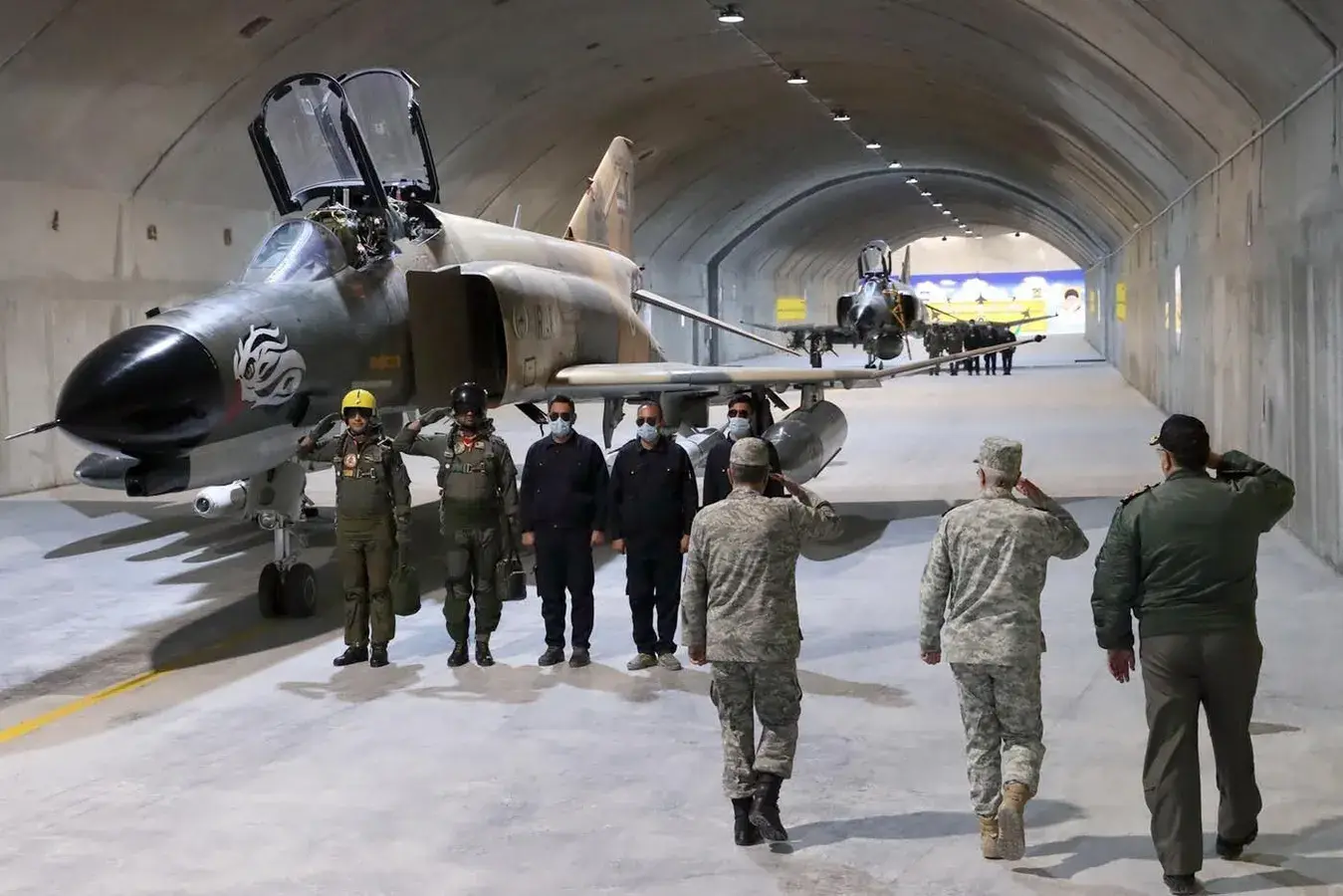
Eagle 44 Airbase Underground Air Power
Buried deep within the mountains, this tactical airbase houses fighters and drones protected by reinforced concrete. The facility reportedly features underground hangars and command centres, allowing aircraft to survive initial bombardments before launching counter-attacks.
2 / 9
(Photograph: Wikimedia commons)
Natanz Complex New Deep Tunnels
Satellite imagery reveals a massive new tunnel complex being excavated in the Zagros mountains near the Natanz nuclear site. This "Pickaxe Mountain" facility is designed to replace vulnerable surface structures, making it a priority target for penetrating munitions.
3 / 9
(Photograph: AI)
Khorgo Missile Base Ballistic Launch Site
Situated in the rocky terrain of Hormozgan province, the Khorgo base features underground silos and launch positions. US naval aviators would likely target the hardened vertical shafts and tunnel adits to prevent ballistic missiles from firing at regional assets.
4 / 9
Shiraz Missile City Arsenal in the South
The Revolutionary Guard Corps (IRGC) operates a sprawling underground complex near Shiraz, often showcased in propaganda videos. This "missile city" stores vast quantities of projectiles and drones, which could be targeted by precision strikes on its logistical access points.
5 / 9
(Photograph: AFP)
Parchin Military Complex Explosives and Tunnels
Parchin is a critical site for military research and high-explosive testing, suspected of having links to nuclear trigger development. The complex includes extensive tunnel systems where sensitive equipment is stored, making it a likely target for suppression operations.
6 / 9
(Photograph: AFP)
Coastal Missile Bunkers Threat to the Strait
Along the Persian Gulf coast, Iran has built hidden anti-ship missile batteries dug into the rock faces near Bandar Abbas and Qeshm. The USS Abraham Lincoln’s air wing would prioritise these bunkers to secure the Strait of Hormuz for international shipping.
7 / 9
(Photograph: Wikimedia Commons)
Tabriz Missile Silos Northern Deterrence
In the northwest, the Tabriz missile base utilises underground silos to protect long-range ballistic assets. These hardened launch points are essential for Iran’s deterrence strategy and would be high on the list for neutralisation by stealth aircraft.
8 / 9
(Photograph: Wikimedia Commons)
Kenesht Canyon Base Hidden Valley Depot
Located in the Kermanshah province, the Kenesht Canyon houses numerous tunnel entrances leading to deep storage depots. This site is believed to hold a significant reserve of mobile missile launchers, kept safe from satellite surveillance until deployment.
9 / 9
(Photograph: AI)
F-35C Strike Capability Penetrating Defences
The USS Abraham Lincoln operates the F-35C Lightning II, a stealth fighter designed to breach sophisticated air defence networks. These jets can carry precision-guided penetrator bombs to strike the vulnerable entry points of these bunkers while evading Iranian radar detection.